Choosing Waveguide Twist Angle and Length






2026-03-02 21:06:58
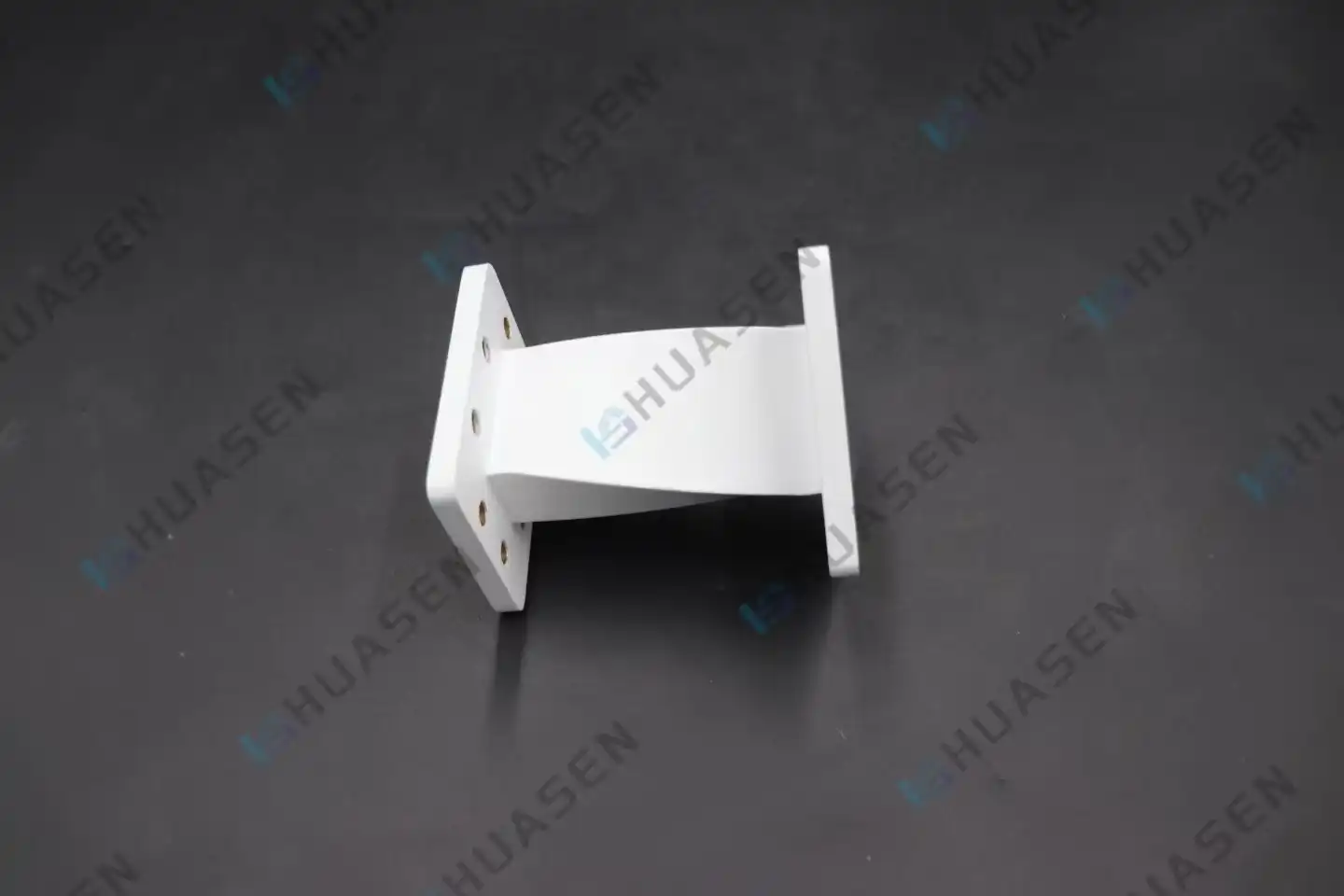
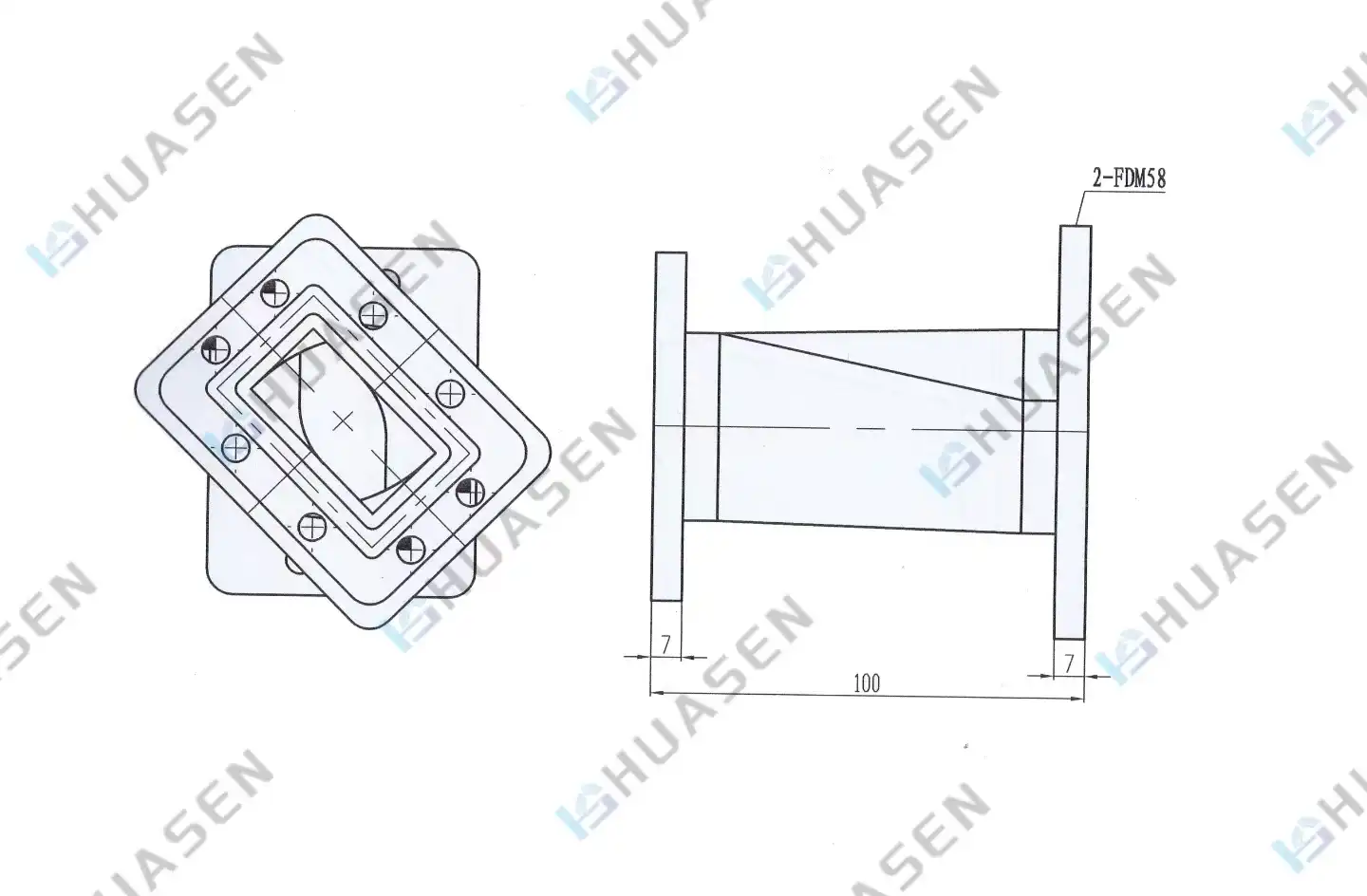
One of the most important choices in RF and microwave system design is picking the waveguide twist angle and length. The Waveguide Twist is a precision-engineered part that rotates the polarisation of electromagnetic waves. This makes it possible for waveguide sections that aren't lined up perfectly to join without any problems. Choosing the right twist parameters has a direct effect on system performance measures such as insertion loss, VSWR characteristics, and the ability to handle power across a range of frequency bands.
Understanding Waveguide Twist Fundamentals
Waveguide twists work by manually rotating the cross-sectional geometry of rectangular waveguides. This changes the electromagnetic waves' polarisation plane. This change happens because of carefully planned internal structures that keep impedance matching while getting the polarisation rotation that is wanted.
Core Operating Principles
The basic process uses gradual or stepped changes that keep the main features of the TE10 mode while turning the direction of the electric field. Modern waveguide twist designs can use either continuous tapered geometries or discrete step changes. Each has its own benefits, which depend on the needs of the application. Continuous tapered designs offer better broadband performance and better power handling, while stepped configurations offer smaller form factors that are better for installations with limited room.
Key Design Parameters
Choosing the right material has a big effect on how well it works. For standard uses, copper and brass are the most common choices. Silver-plated surfaces improve conductivity and lower insertion loss, which is very important for millimetre-wave uses that use high frequencies. When installations are outside, where thermal expansion differences can affect mechanical standards and electrical performance, temperature stability is very important. Environmental sealing needs often determine the types of flanges and gasket materials that are used. This is especially true for maritime or aerospace uses where moisture entry is a big problem.
Frequency Response Characteristics
Waveguide twist performance varies considerably across different frequency ranges, with X-band and Ku-band applications demonstrating optimal performance characteristics. Ka-band implementations require more stringent manufacturing tolerances to maintain acceptable VSWR levels, while lower frequency applications benefit from relaxed dimensional requirements. Understanding these frequency-dependent behaviours enables engineers to select appropriate twist configurations that optimise system performance within specific operational bands.
Criteria for Choosing the Right Waveguide Twist Angle and Length
Selecting optimal waveguide twist parameters demands systematic evaluation of multiple interdependent factors. The F-1 Criteria Screening approach provides a structured methodology for balancing technical requirements against practical constraints.
Twist Angle Considerations
Standard twist angles include 90-degree configurations for orthogonal polarisation rotation and 45-degree variants for specialised applications. Custom angles serve specific system integration requirements, particularly in complex antenna feed networks where precise polarisation alignment proves critical. The relationship between twist angle and insertion loss follows predictable patterns, with larger rotation angles generally requiring longer physical lengths to maintain acceptable VSWR performance.
Length Optimisation Strategies
Electrical length directly correlates with insertion loss characteristics, Rectangular Waveguide Twist,making length optimisation crucial for maintaining signal integrity. Shorter designs reduce overall system size and weight while potentially compromising bandwidth performance. Longer configurations provide superior impedance matching across broader frequency ranges but increase mechanical complexity and installation challenges. The trade-off between electrical performance and mechanical constraints requires careful analysis of specific application requirements.
Power Handling Requirements
Peak power capabilities depend heavily on internal geometry and surface treatment quality. Continuous wave applications benefit from enhanced thermal dissipation characteristics achieved through optimised wall thickness and material selection. Pulse power applications demand attention to multipaction prevention through careful surface finishing and geometric design optimisation. Water-cooled variants extend power handling capabilities for extreme high-power applications exceeding conventional passive cooling limitations.
Comparison of Waveguide Twist with Alternative Solutions
Evaluating waveguide twists against alternative polarisation control methods reveals distinct performance and cost advantages. The C-2 Rational Choice approach facilitates objective comparison across multiple solution categories.
Rotary Joint Alternatives
Rotary joints provide continuous rotation capabilities but introduce mechanical complexity and maintenance requirements. Their moving parts create potential failure points in mission-critical applications, while waveguide twists offer passive reliability with no moving components. Cost considerations favour waveguide twists for fixed-angle applications, while rotary joints remain necessary for dynamic polarisation adjustment requirements.
Phase Shifter Comparisons
Electronic phase shifters enable rapid polarisation switching but introduce insertion loss penalties and control complexity. Their bandwidth limitations often restrict broadband applications where waveguide twists excel. Power handling capabilities typically favour passive waveguide twists, particularly in high-power radar and communication systems. Reliability advantages of passive components become pronounced in harsh environmental conditions where electronic components face increased failure risks.
Performance Benchmarking
Industry testing demonstrates that premium waveguide twists achieve VSWR performance below 1.10:1 across full waveguide frequency ranges. Insertion loss characteristics typically remain below 0.05 dB for optimised designs, while alternative solutions often exceed these performance levels. Temperature stability measurements show minimal performance degradation across operating temperature ranges from -40°C to +85°C, surpassing many active alternatives. These performance advantages translate directly into improved system reliability and reduced maintenance requirements.
Installation Best Practices and Common Pitfalls
Proper installation procedures, includingRectangular Waveguide Twist, determine the long-term performance and reliability of waveguide twist installations. The E-1 Problem Alert approach identifies common issues and preventive measures.
Alignment and Torque Control
Precise flange alignment prevents mechanical stress that can degrade electrical performance over time. Torque specifications must be followed carefully to ensure adequate sealing without overstressing gasket materials. Angular misalignment beyond specified tolerances introduces unwanted reflections and can cause premature failure under thermal cycling conditions. Specialised alignment tools facilitate accurate installation in field conditions where conventional measurement equipment may be unavailable.
Environmental Sealing Considerations
Moisture ingress represents the primary failure mode in outdoor installations, requiring attention to gasket material selection and installation procedures. Temperature cycling can compromise seal integrity, necessitating periodic inspection and maintenance schedules. Pressure differentials in altitude-varying applications demand enhanced sealing specifications to prevent performance degradation. Proper drainage provisions prevent water accumulation that could lead to corrosion or electrical breakdown.
Common Installation Errors
Inadequate surface preparation leads to poor electrical contact and increased insertion loss. Cross-threading of flange connections creates permanent damage requiring component replacement. Insufficient tightening allows moisture ingress, while excessive torque can crack flanges or damage threads. These preventable errors significantly impact system reliability and operational costs, emphasising the importance of proper training and installation procedures.
Procurement and Supplier Considerations for Global B2B Clients
Strategic supplier selection influences project success through quality assurance, delivery reliability, and technical support capabilities. The F-2 Demand Matching approach aligns supplier capabilities with specific project requirements.
Leading Manufacturer Evaluation
Established manufacturers have a history of quality and dependability, but if you have specific needs, you may find that specialised sources are more flexible. When there are a lot of deployments that need to stick to regular delivery dates, production capacity becomes very important. Shipping prices and lead times are affected by where things are stored. This is especially true for international projects with tight deadlines. Quality certifications, such as MIL-STD compliance, make sure that the product can be used in defence and aerospace uses that need to meet high performance standards.
Customisation Capabilities Assessment
Standard catalogue items work well in a lot of situations, but complicated systems usually need to be set up in a way that is unique to them. For frequency band optimisation, it may be necessary to make designs that are unique and fit the needs of the business. Changes to the mechanical interface are made to suit different mounting arrangements and limited space. Power handling improvements help high-power users by adding better cooling features and better material requirements.
Supply Chain Management Strategies
When planning a project schedule, lead time planning is very important because custom goods usually need longer delivery times. Bulk purchasing agreements can save you money and make sure that all of your parts work the same way in big installations. Incoming inspection processes and other quality assurance programs stop field failures and the costs that come with them. Having access to technical help during the installation and commissioning phases lowers the risks of implementation and guarantees the best performance.
Conclusion
To choose the right waveguide twist angle and length, you need to take a close look at the technical performance standards, the environment, and the budget. The organised methods explained give structured ways to make the best choices about these important issues while avoiding common execution problems. Finding the right balance between mechanical limitations, cost, and electrical performance goals is key to finding reliable polarisation control options that meet long-term operational needs. The right supplier selection and installation methods make sure that these passive components work as intended for the whole time they are in use.
FAQ
1. What frequency ranges work best with waveguide twists?
Waveguide twists demonstrate optimal performance across standard waveguide frequency bands, including X-band (8.2-12.4 GHz), Ku-band (12.4-18 GHz), and Ka-band (26.5-40 GHz) applications. Custom designs accommodate specialised frequency requirements outside these standard ranges, though performance optimisation may require extended development periods. Lower frequency applications benefit from relaxed manufacturing tolerances, while millimetre-wave implementations demand enhanced precision manufacturing capabilities.
2. How do twist angles affect insertion loss performance?
Insertion loss increases progressively with twist angle magnitude, though well-designed 90-degree twists typically maintain loss below 0.1 dB across operational bandwidths. Custom angles may require specialised optimisation to achieve comparable performance levels. The relationship between twist angle and electrical length influences overall loss characteristics, with shorter designs sometimes compromising bandwidth performance to minimise insertion loss.
3. What customisation options impact delivery schedules?
Standard twist angles and waveguide sizes typically ship within 2-4 weeks, while custom configurations may require 6-12 weeks, depending on complexity. Specialised materials or enhanced power handling capabilities extend lead times through additional processing requirements. Environmental qualification testing for aerospace or military applications adds several weeks to delivery schedules but ensures compliance with stringent operational requirements.
Partner with Huasen Microwave for Superior Waveguide Twist Solutions
Huasen Microwave Technology Co., Ltd. combines three decades of engineering excellence with advanced manufacturing capabilities to deliver premium waveguide twist solutions tailored to your specific requirements. Our comprehensive product line encompasses standard and custom configurations designed to meet demanding performance specifications across telecommunications, radar, and aerospace applications. With rigorous quality control processes and MIL-STD compliance capabilities, we ensure reliable performance in the most challenging operational environments.
Our experienced engineering team provides complete design support from initial specification review to waveguide twist through final integration assistance, helping optimise system performance while minimising development risks. As a trusted Waveguide Twist manufacturer, we maintain extensive inventory levels and flexible production capabilities to meet urgent delivery requirements without compromising quality standards. Contact our technical team at sales@huasenmicrowave.com to discuss your specific requirements and discover how our proven expertise can enhance your next project's success.
References
1. Montgomery, C.G., et al. "Principles of Microwave Circuits." Institution of Engineering and Technology, 2019.
2. Collin, Robert E. "Foundations for Microwave Engineering, 2nd Edition." IEEE Press Series on Electromagnetic Wave Theory, 2001.
3. Pozar, David M. "Microwave Engineering, 4th Edition." John Wiley & Sons, 2011.
4. Ragan, Gerald L. "Microwave Transmission Circuits." Dover Publications, 2005.
5. Harvey, A.F. "Microwave Engineering." Academic Press, 1963.
6. Marcuvitz, Nathan. "Waveguide Handbook." IET Digital Library, 1986.
Send Inquiry