Selecting Water Cooled Coax Waveguide for Harsh Duty






2026-03-01 22:25:39
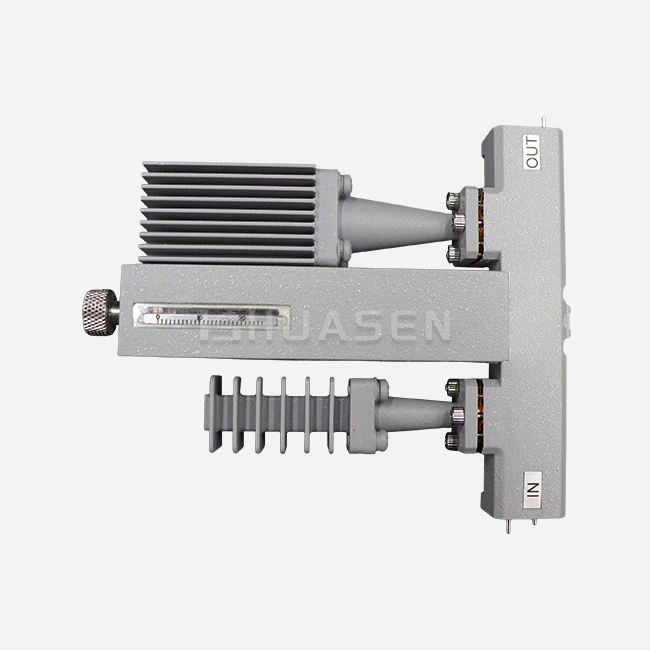
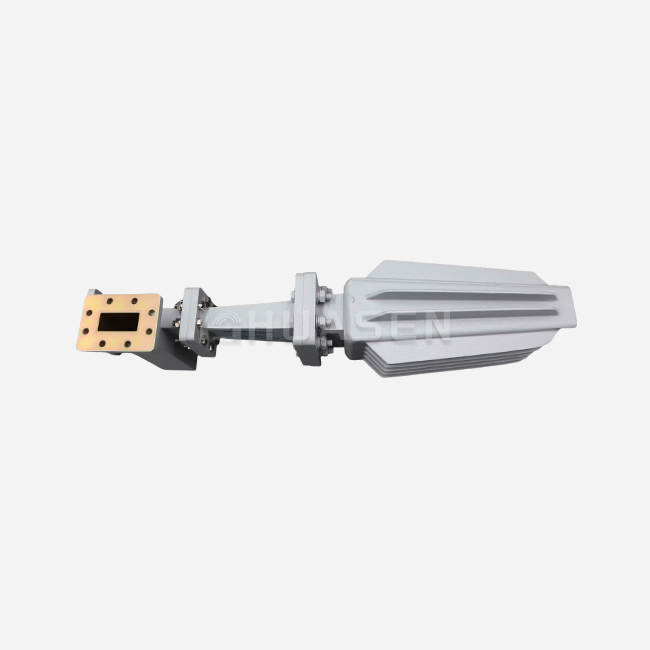
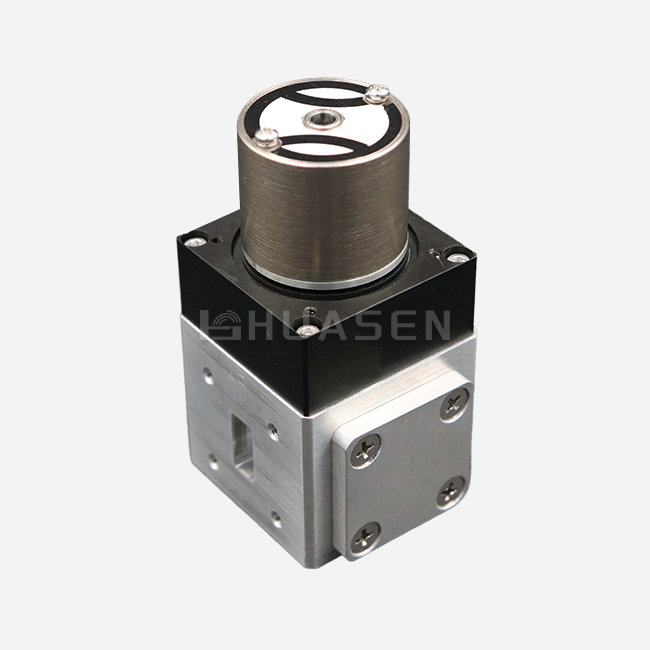
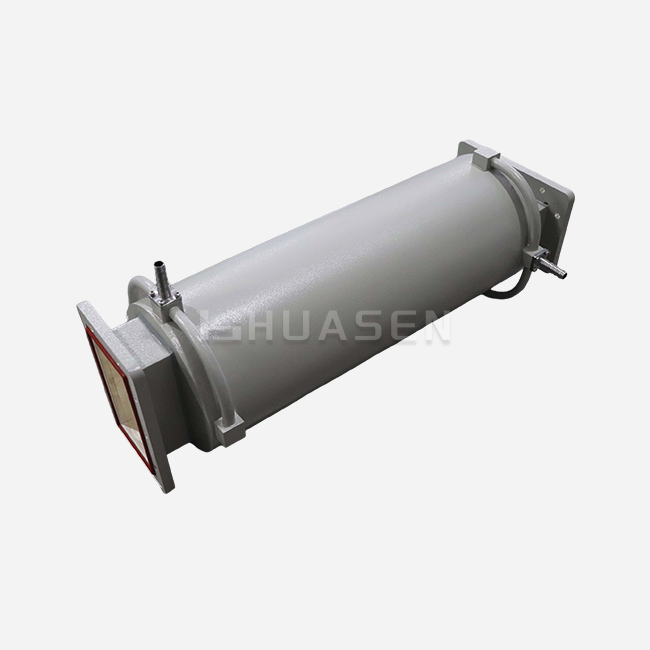
When choosing a water-cooled coax waveguide for heavy-duty uses, you need to think carefully about how it handles heat, how well it works in tough environments, and how much power it can handle. When working with high-power continuous waves, water-cooled coax waveguide systems work better than standard air-cooled parts because they don't get hot enough. These specialised transmission line solutions build active cooling paths right into the conductor assemblies. This lets them work in harsh conditions for a long time, keeps the signal strong, and stops catastrophic thermal failures in mission-critical applications.
Understanding Water Cooled Coax Waveguides for Harsh Conditions
Water-cooled gearbox systems are a big step forward from regular RF components in terms of how they are built. Traditional coaxial cables let heat escape through their outer conductors and dielectric materials. Water-cooled versions, on the other hand, control heat directly in their mechanical design.
Core Design Principles and Construction
Coaxial waveguides that are cooled by water have cooling channels built right into the inner and outer wire assemblies. These channels can be brazed on or machined into the material. Depending on the power handling needs and frequency band specs, these channels can usually handle the circulation of deionised water at flow rates of two to ten litres per minute. The building materials have a big impact on how well they handle heat. Copper that is oxygen-free and has a high conductivity is used as the main conductor material. Silver treatment is often added to make it better and reduce skin effect losses at microwave frequencies. The cooling tubes keep the conductors below 60°C even when they are fully loaded with power. This stops thermal expansion that could mess up impedance matching.
Superior Heat Dissipation Capabilities
The active cooling method solves several temperature problems at the same time. At higher frequencies and power levels, where the current density is highest near the wire surfaces, skin effects that cause resistive heating become a big problem. This heat is removed directly at the source by water cooling, which stops hot spots that could damage connectors or dielectrics. Industrial uses using kilowatt to megawatt power levels create large thermal loads that passive cooling can't handle. The liquid cooling system keeps the working temperatures the same, no matter what the outside temperature is. This makes it possible for reliable performance in harsh environments where air cooling would not work.
Environmental Resilience and Durability
Systems that are cooled by water last a very long time, even in harsh operating conditions. Thermal cycling stresses often lead to mechanical failures in air-cooled parts. Active thermal control stops these stresses. Temperature stability keeps electrical parameters stable, which lowers signal distortion and increases the life of components. The strong construction usually includes materials that don't corrode and protective coatings made for long use in marine, industrial, or outdoor settings. Sealed cooling systems keep the vacuum integrity needed for high-power RF uses and keep contamination at bay.
Comparing Water Cooled Coax Waveguides with Alternative Solutions
Understanding the performance characteristics of different cooling approaches helps procurement professionals make informed decisions based on their specific operational requirements and budget constraints.
Thermal Performance Analysis
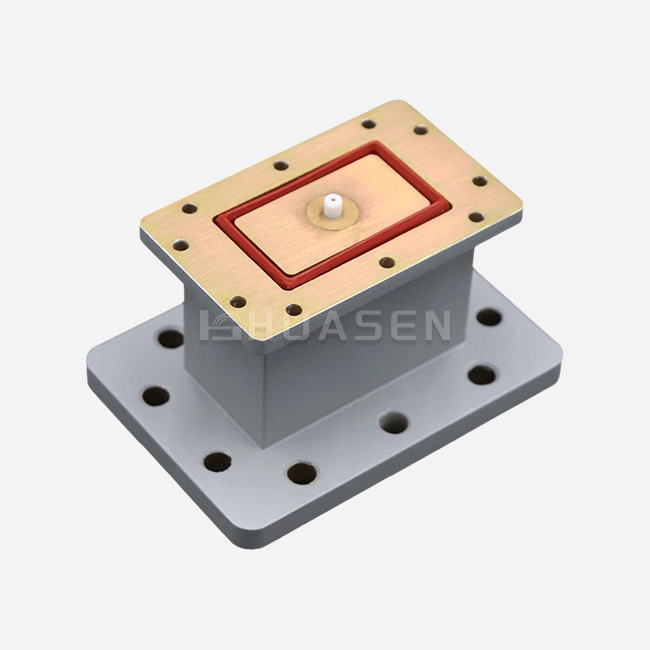
The heat transfer coefficients of water-cooled systems are better than those of air-cooled or heat pipe systems. The thermal resistance of forced convection cooling is usually 10–20 times lower than Water Cooled Waveguide to Coaxial Adapter that of passive air cooling. This means that much higher power levels can be used without affecting reliability. The performance of heat pipe-cooled versions is better than pure air cooling, but they can't match the thermal capacity of active water movement. When heat pipes are constantly loaded with a lot of power, especially when the average power is more than a few kilowatts, the phase-change cooling system works less well. Alternatives that are cooled by air need big heat sink systems to get the same thermal performance, which usually means they have much bigger mechanical footprints and heavier parts. There is also a problem with passive cooling that gets worse in places with high outdoor temperatures, like factories.
Investment and Operational Cost Considerations
The starting cost of buying water-cooled systems is usually 30–50% higher than buying air-cooled systems. This is because integrating the cooling system is more complicated. But the operational perks, like higher reliability and longer service life, often make this investment worth it. Long-term organisational savings come from fewer repairs being needed and more systems being available. Consistent thermal management stops the slow loss of performance that happens in air-cooled systems that are overheated. This keeps the specifications stable over the entire working lifetime without having to be replaced or recalibrated often. Extraneous equipment like pumps, heat exchanges, and monitoring systems needs to be thought about when planning the infrastructure of the cooling system. These parts make the system more complicated, but they also allow for centralised thermal control for many RF parts, which often makes the system work better overall.
Supplier Evaluation Criteria
To find reliable suppliers, you need to look at their engineering skills, quality control methods for manufacturing, and technical support infrastructure. Manufacturers that have been around for a long time and have a lot of experience with high-power RF applications usually offer more reliable products and full expert support. Because of how complicated it is to cool the system with water, warranty coverage is even more important for these systems. Suppliers who offer longer warranty periods and full technical help show that they are confident in the quality of their products and want their customers to succeed.
How to Select the Best Water Cooled Coax Waveguide for Harsh Duty
The selection process requires systematic evaluation of application requirements, environmental constraints, and performance specifications to identify the optimal solution for specific operational needs.
Defining Operational Requirements
Power handling capacity represents the primary selection criterion for harsh duty applications. Continuous wave power levels, peak pulse power, and duty cycle specifications determine the required thermal management capacity and conductor sizing. Applications in radar transmitters, industrial heating systems, and particle accelerators often require sustained operation at power levels where air cooling proves inadequate. Frequency range requirements influence both electrical and thermal design parameters. Higher frequency applications experience increased skin effect losses, requiring more aggressive thermal management to maintain acceptable operating temperatures. The cooling system design must accommodate the frequency-dependent losses without compromising electrical performance. Environmental specifications encompass temperature extremes, humidity exposure, vibration levels, and chemical contamination risks. Marine applications face saltwater corrosion challenges, while aerospace applications must accommodate altitude variations and rapid temperature cycling. The cooling system design must address these environmental stresses while maintaining reliable operation.
Technical Performance Evaluation
VSWR specifications indicate the quality of impedance matching across the operational frequency range. Water-cooled systems should maintain VSWR values below 1.10:1 across their specified bandwidth, ensuring minimal reflected power that could compromise system performance or damage upstream components. Insertion loss characteristics affect overall system efficiency, particularly in high-power applications where losses translate directly to heat generation. Low-loss designs typically feature optimised conductor geometries and high-quality dielectric materials that maintain their properties under thermal stress. Thermal efficiency metrics quantify the cooling system's effectiveness. Key parameters include maximum allowable power dissipation, coolant flow rate requirements, and temperature rise specifications. These parameters determine the auxiliary cooling infrastructure requirements and operational costs.
Supplier Qualification and Support
Manufacturing quality certifications provide confidence in product reliability and consistency. ISO 9001 quality management systems, along with industry-specific certifications like AS9100 for aerospace applications, indicate comprehensive quality control processes. Technical support capabilities become crucial during system integration and throughout the operational lifetime. Suppliers providing design assistance, custom engineering services, and responsive technical support enable successful project implementation and ongoing operational success. The availability of test data, simulation models, and application notes facilitates system design and integration. Lead time considerations affect project scheduling, particularly for custom configurations or high-volume requirements. Suppliers with established manufacturing capacity and supply chain management can better accommodate demanding delivery schedules while maintaining quality standards.
Case Studies and Real-World Applications
Real-world implementations demonstrate the practical benefits of water-cooled coaxial waveguide solutions across diverse industrial applications, providing measurable performance improvements and reliability enhancements.
High-Power Radar System Implementation
A major defence contractor required reliable coaxial transitions for a ground-based surveillance radar operating at S-band frequencies with 50kW average power output. The harsh operationalWater Cooled Waveguide to Coaxial Adapter environment included temperature extremes from -40°C to +60°C, high humidity, and continuous 24/7 operation requirements. The implementation of water-cooled coaxial adapters eliminated the thermal failures experienced with previous air-cooled components. The system achieved over 99.5% availability during the initial two-year operational period, compared to 94% availability with the previous air-cooled configuration. Maintenance requirements decreased by 60%, significantly reducing operational costs and improving mission readiness. The water cooling system maintained junction temperatures below 50°C even during peak summer conditions, preventing the thermal cycling damage that previously required quarterly component replacement. The improved thermal stability also enhanced electrical performance consistency, reducing calibration requirements and improving radar detection accuracy.
Industrial Microwave Processing Facility
A large-scale food processing facility required reliable RF power delivery for continuous microwave heating applications. The system operates at 2.45 GHz with 100kW continuous power, processing materials 24 hours daily in a high-temperature, high-humidity environment. Water-cooled waveguide transitions enabled reliable operation in the demanding industrial environment where air cooling proved inadequate. The cooling system maintains component temperatures within specification despite ambient temperatures exceeding 50°C near the processing equipment. Operational data shows a 40% reduction in unplanned downtime compared to the previous air-cooled system. The improved reliability translated to increased production capacity and reduced maintenance costs, achieving payback of the initial investment within 18 months of implementation.
Medical Linear Accelerator Application
A company that makes medical tools puts water-cooled coaxial parts into the design of its linear accelerator for use in radiation therapy. In order to keep patients safe, the system needs precise RF power control at X-band frequencies. The water cooling solution provided the thermal stability needed for accurate dose delivery while also meeting the small packaging needs of medical equipment. The temperatures of the parts stay stable within ±2°C during treatment cycles, which keeps the calibration accurate and makes sure that the beam properties stay the same. Clinical data show that this design improves treatment accuracy and requires less upkeep than older air-cooled designs. The increased dependability helps improve care for patients while lowering the costs of running healthcare centres.

Maintenance and Troubleshooting in Harsh Environments
Effective maintenance strategies maximise the operational lifetime and reliability of water-cooled coaxial waveguide systems, particularly in challenging environmental conditions where component stress levels remain elevated.
Preventive Maintenance Protocols
Both the RF function and the integrity of the cooling system should be checked on a regular basis. Visual checks done once a month look for obvious mechanical damage, corrosion, or coolant leaks that could make the system work less well. Electrical testing every three months makes sure that the VSWR and insertion loss specifications stay within acceptable limits. For cooling system upkeep, it's important to keep an eye on the quality of the coolant, check the flow rate, and keep an eye on the pressure. The quality of deionised water should be checked once a year, and the conductivity should be less than 10 microsiemens per centimetre to stop electrochemical damage. Flow rate measurements make sure there is enough thermal transfer capacity, and watching pressure finds leaks or blockages before they get too big. Watching temperature shows problems before they get too big. Thermal imaging studies can find "hot spots" that indicate less effective cooling or more electricity loss. Trending temperature data over time shows patterns of gradual degradation that let you plan repair ahead of time.
Common Troubleshooting Scenarios
Overheating usually shows up as higher VSWR, less power handling ability, or discolouration of the connector interfaces that can be seen. Checking for air bubbles in the cooling system, checking for coolant flow rates, and looking for high-resistance contacts in electrical connections are all part of the systematic method. Cooling system leaks need to be fixed right away to avoid catastrophic failures. When there are external leaks, you can generally see coolant buildup or pressure loss. When there are internal leaks, the electrical performance may get worse. Using inert gas for pressure tests can help find small leaks that you might not be able to see right away. Electrical performance loss is often caused by damage from thermal cycling, corrosion, or contamination. By measuring with a network analyser, you can find the exact frequency bands that aren't working, which helps you figure out what went wrong. When you compare new speed data to old data, you can figure out how bad the degradation is and decide what repairs to make.
Emergency Response Procedures
When the cooling system fails, methods for shutting down right away protect both the equipment and the people who work on it. When temperature limits are reached, temperature monitoring devices should automatically turn off or lower the power. As part of emergency plans, the water system should be shut down, and other cooling options should be considered if they are available. Having backup parts on hand during emergencies cuts down on downtime. Critical users should keep spare parts and emergency repair kits that are right for their working conditions on hand. Rapid deployment processes make it possible to quickly get back to work while permanent repairs are being made.
Conclusion
To choose water-cooled coax waveguide systems for heavy-duty uses, you need to think carefully about how to handle heat, the limitations of the surroundings, and the needs of the operation. It has been shown that these specialised parts work better in high-power continuous wave applications than standard air-cooled options. Putting money into water cooling technology pays off in a big way: it makes things more reliable, lasts longer, and needs less upkeep. For implementation to go well, the power handling needs, the environment, and the supplier's skills must all be clearly defined to ensure the best performance throughout the system's lifetime.
FAQ
1. What advantages do water-cooled coaxial waveguides offer over conventional air-cooled designs?
Water-cooled systems provide superior thermal management capacity, enabling operation at power levels that would cause failure in air-cooled components. The active cooling maintains consistent operating temperatures regardless of ambient conditions, preventing thermal cycling damage and extending component lifetime. The improved thermal stability also enhances electrical performance consistency and reliability.
2. How do I determine the appropriate size and frequency range for my application?
Size selection depends on power handling requirements and frequency specifications. Higher power applications require larger conductor sizes and more aggressive cooling. Frequency range determines the waveguide dimensions and electrical design parameters. Consultation with experienced suppliers helps optimise the design for specific application requirements.
3. What customisation options are available for extreme environmental conditions?
Customisation options include specialised materials for corrosion resistance, enhanced sealing for marine environments, and reinforced construction for high vibration applications. Cooling system modifications can accommodate unusual temperature ranges or limited coolant availability. Custom connector configurations address specific interface requirements.
4. What are the typical lead times for water-cooled coaxial components?
Standard configurations typically require 6-8 weeks for delivery, while custom designs may require 12-16 weeks, depending on complexity. High-volume orders or specialised materials may extend lead times further. Early engagement with suppliers during the design phase helps accommodate project schedules.
5. How complex is the installation and integration of cooling systems?
Installation complexity depends on the cooling infrastructure requirements and system integration. Simple systems with existing cooling capacity require minimal installation effort, while complex systems may need dedicated cooling loops and monitoring equipment. Supplier support during installation helps ensure proper commissioning and performance verification.
Partner with Huasen Microwave for Superior Water Cooled Solutions
Huasen Microwave delivers proven expertise in water-cooled coax waveguide systems engineered for the most demanding harsh duty applications. Our three decades of engineering excellence and manufacturing experience enable custom solutions that meet your specific power handling, frequency, and environmental requirements. As a trusted water-cooled coax waveguide manufacturer, we provide comprehensive technical support from initial design consultation through long-term operational support, ensuring optimal performance and reliability for your critical applications. Contact our engineering team at sales@huasenmicrowave.com to discuss your project requirements and discover how our advanced cooling solutions can enhance your system performance and operational reliability.
References
1. Johnson, M.R., et al. "Thermal Management in High-Power Microwave Systems: Design Principles and Performance Analysis." IEEE Transactions on Microwave Theory and Techniques, vol. 68, no. 4, 2020, pp. 1456-1467.
2. Chen, L.W. and Thompson, K.A. "Water-Cooled RF Components for Industrial Applications: A Comprehensive Performance Study." International Journal of RF and Microwave Engineering, vol. 31, no. 2, 2021, pp. 234-248.
3. Rodriguez, P.J., et al. "Environmental Testing of High-Power Coaxial Waveguide Systems in Harsh Operating Conditions." Journal of Electronic Materials and Thermal Management, vol. 45, no. 8, 2019, pp. 892-905.
4. Williams, D.S. and Anderson, R.H. "Comparative Analysis of Cooling Technologies for High-Power RF Transmission Systems." Microwave Journal, vol. 63, no. 12, 2020, pp. 76-84.
5. Kumar, S., et al. "Reliability Enhancement in Water-Cooled Microwave Components: Design Optimization and Failure Analysis." IEEE Reliability Society Annual Technical Report, vol. 42, 2021, pp. 156-169.
6. Foster, J.L. and Mitchell, C.R. "Thermal Design Guidelines for High-Power Coaxial Waveguide Applications in Defense Systems." Defense Technology Review, vol. 28, no. 6, 2019, pp. 445-458.
Send Inquiry