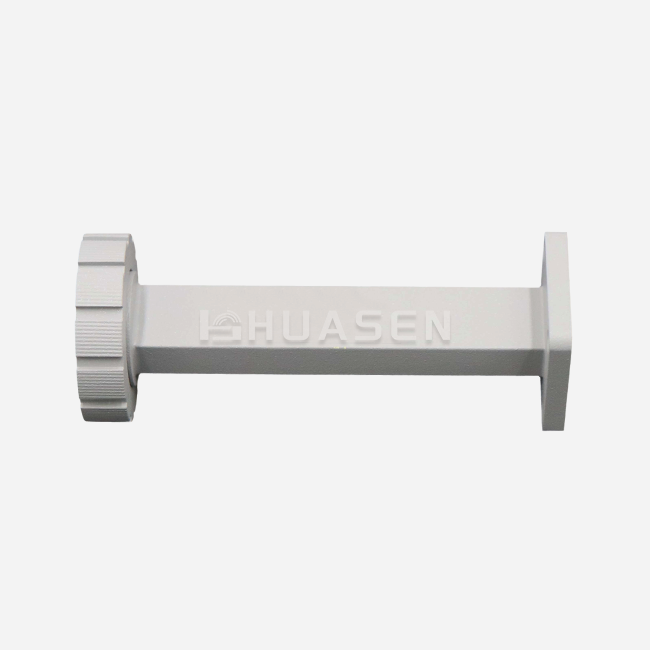
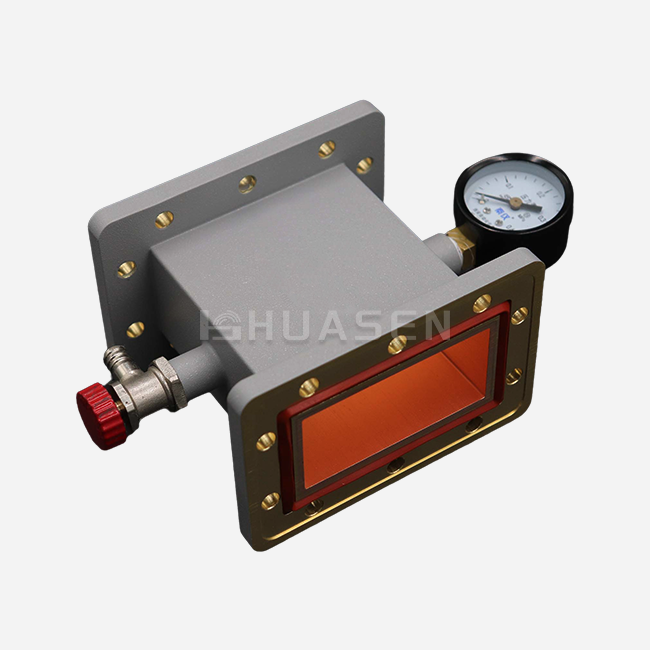
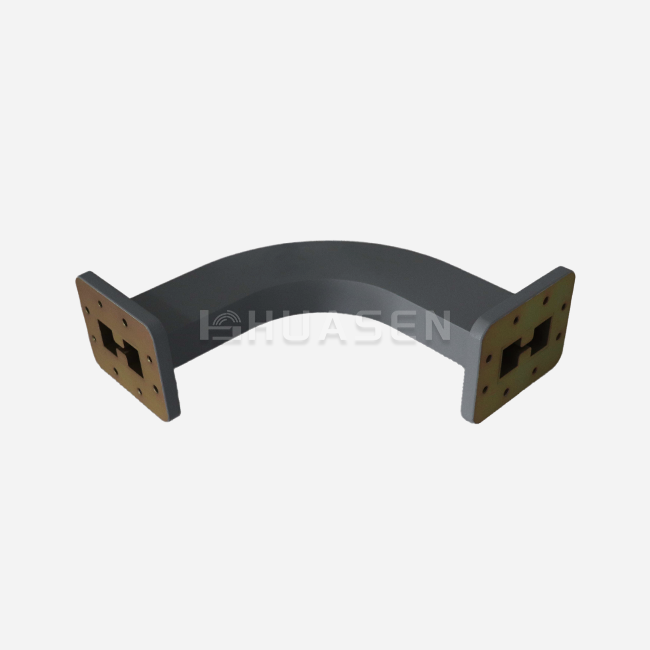
Circular Waveguide Termination in Satellite Ground Stations






2026-03-03 21:49:37
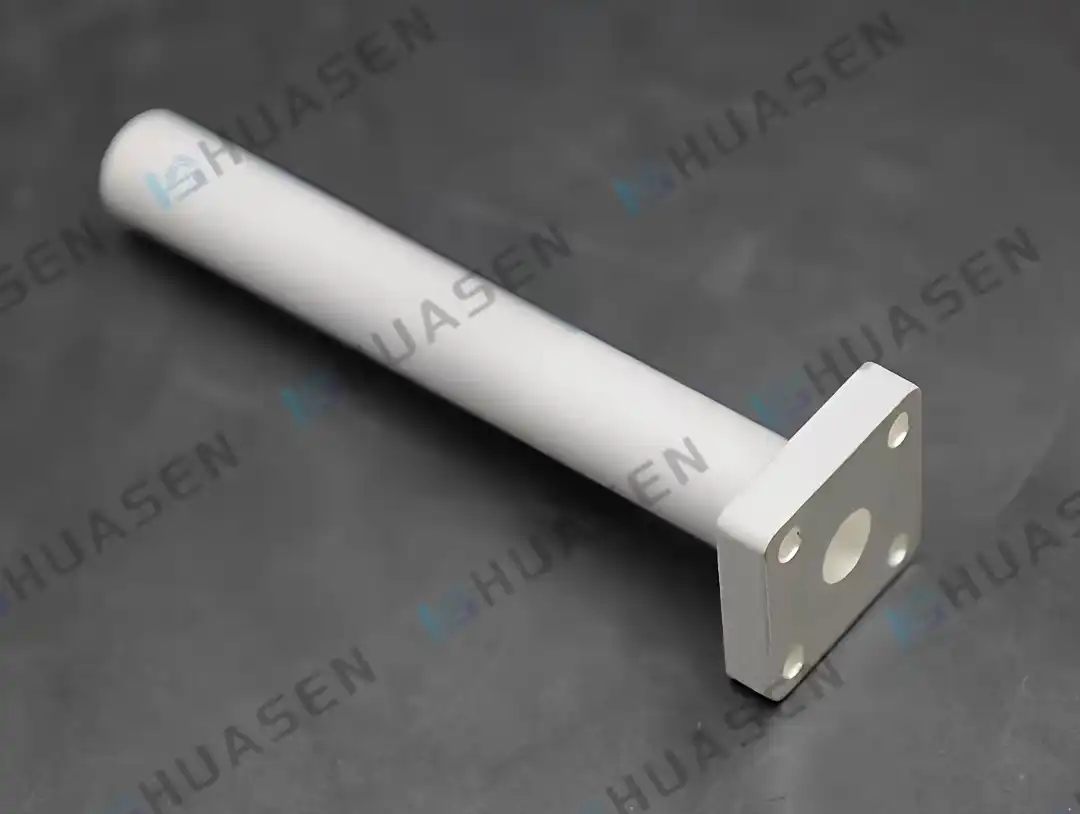
When it comes to safe satellite ground station operations, where signal integrity is key to mission success, Circular Waveguide Termination technology is the backbone. These carefully designed parts take in unwanted electromagnetic energy while keeping the system running at its best in challenging microwave and millimeter-wave situations. When strategically put into place, they stop harmful signal echoes that could damage sensitive equipment and lower the quality of communication in important satellite networks.
Introduction
These days, satellite ground stations need to be able to rely on signal integrity and operational dependability all the time. Because of this, circular waveguide terminations are an important part of modern microwave and radar systems. The right termination technology affects signal quality, system longevity, and overall operational efficiency in a wide range of applications, from defence systems to telecommunications infrastructure. Amphenol, Pasternack, Huber+Suhner, and TE Connectivity are some of the world's leading suppliers of microwave components, and they all offer unique solutions to meet changing market needs. Customers trust these well-known brands because they have built their reputations over decades of innovation and quality control. This gives B2B buyers confidence in the suppliers they choose. Satellite ground station operators need parts that work consistently in harsh environments and stay cost-effective for long operational lifetimes. Modern communication systems are very complicated, so they need termination solutions that can work with many frequency bands, high power levels, and different propagation modes without affecting the stability of the system.
Understanding Circular Waveguide Termination in Satellite Ground Stations
Fundamental Operating Principles
In transmission systems, circular waveguide terminations work as special absorptive loads that get rid of annoying electromagnetic reflections. The carefully designed absorption materials in these parts turn RF energy into thermal energy. This stops standing waves that could damage sensitive source equipment or cause interference patterns. The way they work is based on gradually changing the impedance, which is done by tapered geometries and strategically placed absorbing elements. Silicon carbide ceramics and special hybrid materials have the right absorption properties to get rid of energy efficiently over a wide frequency range. This method makes sure that there aren't too many reflection factors and that the temperature stays stable even when the power is high.
Frequency Range Applications
Ku-Band and Ka-Band uses are the main ways that circular waveguide terminations are used in satellite ground stations. Ku-Band (12-18 GHz) is used for regular satellite communication, and Ka-Band (26.5-40 GHz) is used for high-throughput satellite systems that need to be very efficient with their bandwidth. Newer termination designs can handle frequency ranges from 1.76 to 116 GHz, which is useful for 5G backhaul systems and advanced radar technologies. System designers can use fewer types of components while still meeting a wide range of operational needs across multiple frequency allocations, thanks to this broad frequency coverage.
Power Handling Considerations
Communication and tracking systems that use a lot of power need terminations that can get rid of a lot of energy without affecting performance. Modern designs can handle continuous wave power levels higher than 20 kilowatts while keeping VSWR specifications below 1.15 across all frequency ranges. Thermal management Waveguide Circular Termination is very important in high-power situations where parts failing or performance drifts due to too much heat. Modern cooling methods, like liquid cooling systems and better heat sink configurations, make it possible for satellite ground stations to work reliably in harsh thermal conditions like those found outside.
Comparing Circular Waveguide Termination with Other Types
Structural and Performance Distinctions
Because they can handle more than one polarization mode in a single structure, circular waveguide terminations are better than rectangular waveguide terminations in some ways. This feature is especially useful in satellite ground stations, where polarisation diversity improves signal reliability and capacity utilisation. The circular cross-section geometry offers better mode purity, lowering unwanted mode conversion that can hurt system performance in delicate situations. Because of this structural benefit, it has better insertion loss and better frequency stability than rectangular alternatives in some deployment situations.
Here are the core performance advantages that distinguish circular terminations from alternative technologies:
- Mode Compatibility: Circular designs effectively absorb both TE and TM propagation modes, providing versatility in complex waveguide networks where multiple mode types may be present simultaneously.
- Polarization Insensitivity: The symmetric geometry ensures consistent performance regardless of signal polarization, eliminating the need for precise rotational alignment during installation procedures.
- Bandwidth Efficiency: Broadband absorption characteristics reduce the need for multiple termination types across different frequency allocations, simplifying inventory management and system design complexity.
- Thermal Distribution: Circular structures provide more uniform thermal distribution patterns, reducing hot-spot formation and extending operational lifetime under high-power conditions.
These performance characteristics enable circular waveguide terminations to address specific challenges encountered in modern satellite ground station implementations where operational flexibility and reliability are paramount.
Cost and Efficiency Analysis
When it comes to buying things, cost is very important, especially when setting up a lot of satellite ground stations that need a lot of termination units. As a result of their unique manufacturing needs and better performance, circular waveguide terminations usually come with higher prices than normal rectangular ones. When a wide frequency range or high power handling is needed, circular options are often better because they have a lower total cost of ownership. Lower lifecycle costs are caused by fewer parts needed for multi-band operation and better reliability, even though the original purchase cost was higher. Market players have created specialised product lines to meet a wide range of performance needs and price points. Huasen Microwave, which has been around since 1993, is a good example of this method because it offers a wide range of products for microwave and millimeter-wave applications, with inner diameter specifications that can be changed.
How to Choose the Best Circular Waveguide Termination for Your Satellite Ground Station
System Specification Requirements
To choose the right termination, you need to do a full analysis of the system, including frequency allocations, power levels, and the working conditions in the environment. Radar applications usually need to be able to handle more power than transmission systems. Also, environmental factors like changing temperatures and humidity affect the choice of material. The basic requirements for termination design are based on the operational frequency ranges. Broadband applications need more complex absorption structures than narrow-band solutions. Power handling requirements need to take into account both average and peak power conditions, as well as short-term events that might be higher than standard limits. Specifications for the environment, such as temperature ranges, humidity levels, and standards for mechanical vibration, have a direct effect on the materials used for housing and the ways they are sealed. Corrosion-resistant finishes and strong mechanical designs that can survive bad weather for long periods of time are especially helpful for outdoor installations.
Technical Performance Criteria
The main way to measure how well waveguide terminations work is by their reflection coefficients. VSWR values below 1.15 are usually required across all frequency bands. Lower reflection Waveguide Circular Terminationcoefficients make the system more stable and lower the chance of interference, which is especially important for high-sensitivity receiver uses. In communication applications, the total system efficiency and signal-to-noise ratio are affected by the characteristics of insertion loss. Insertion loss values below 0.1 dB are reached by premium termination designs that use optimised absorption structures and exact production tolerances. Specifications for durability include both electrical and mechanical performance over long lengths of time. Resistance to thermal cycling, mechanical shock, and electromagnetic stress, which are common in satellite ground station settings, depends on the materials used and how they are built.
Custom versus Standard Solutions
Standard termination products are the most cost-effective way to handle routine tasks that have set power and frequency needs. Off-the-shelf availability speeds up deployment and cuts down on procurement wait times, which is especially helpful when replacing something quickly or making a prototype. Custom solutions are made to fit particular needs, like non-standard frequency bands, special power handling requirements, or specific mechanical interface needs. This is shown by Huasen Microwave's customisable inner diameter choices, which allow precise system integration while still meeting performance standards. There are big differences in lead times between standard and custom methods. Usually, custom solutions need longer development times for design validation and setting up manufacturing. When buying custom goods, the minimum order quantity may affect how you buy them, especially for smaller-scale deploys or prototypes.

Installation and Maintenance Guide for Circular Waveguide Terminations
Installation Best Practices
By integrating the mechanical and electrical parts correctly, proper installation methods ensure that the termination works at its best and that it lasts as long as possible. As part of preparing a system, the waveguides are cleaned, the dimensions are checked, and the surface finish is checked to make sure there are no possible sources of RF leakage or contamination. For mechanical installation to work, the surfaces must be perfectly lined up so that there are no stress points and there is good electrical contact between them. It is very important to carefully follow the torque requirements for flange connections so that the connections are properly sealed without putting too much stress on the termination structure or the waveguide components that are attached. Through VSWR measurements and power handling tests, electrical verification processes make sure that the termination works properly before the system is put into service. These steps find possible fitting problems before they can affect how well the system works or damage the equipment.
Common Installation Pitfalls
Misalignment during installation is a common reason why performance drops. It causes impedance discontinuities that raise reflection coefficients above what is reasonable. Using the right measuring tools and alignment fixtures can stop these problems and make sure that the fitting process is the same for all units. If you don't handle RF surfaces properly or clean them properly, you can really hurt their performance, especially at higher frequencies where surface roughness becomes electrically important. Clean room rules and the right cleaning solvents keep the surface in good shape during the fitting process.
Maintenance and Inspection Protocols
Routine inspections find performance problems before they get too bad, which lets you plan maintenance ahead of time and keeps systems from breaking down when you least expect it. Visual inspections look for things like surface corrosion, mechanical damage, and broken seals that could affect how well the system works in the long run. Monitoring electrical performance with regular VSWR readings finds patterns of slow wear and tear and the best time to replace components. These readings give us numbers that help us decide what maintenance to do and file warranty claims when performance drops below the limits set by the manufacturer. Following the right cleaning steps will keep the quality of the RF surface and keep sensitive materials or protection coatings from getting damaged. Cleaning methods and solvents that are allowed by the manufacturer make maintenance work well without affecting the integrity or performance of the parts.
Future Trends and Innovation in Circular Waveguide Terminations
Advanced Material Technologies
Recent developments in absorption material science have produced enhanced ceramics and composite structures offering improved thermal stability and broader frequency response characteristics. These materials enable higher power handling capabilities while reducing component size and weight, particularly beneficial for space-constrained installations. Nanotechnology applications in surface treatments and absorption structures promise further performance improvements through precise control of electromagnetic properties at microscopic scales. These advances could enable ultra-wideband terminations with exceptional VSWR performance across previously unattainable frequency ranges.
Integration with Next-Generation Systems
Modern satellite ground station technologies increasingly emphasize software-defined capabilities and adaptive signal processing, requiring termination components with enhanced stability and repeatability characteristics. These system architectures benefit from terminations offering consistent performance across varying environmental conditions and operational scenarios. High-throughput satellite systems operating at Ka-Band and beyond demand termination solutions capable of supporting increased data rates and more stringent signal quality requirements. Future termination designs must accommodate these evolving specifications while maintaining cost-effectiveness for large-scale deployments.
Strategic Procurement Considerations
Supplier relationship management becomes increasingly important as termination technologies evolve and customization requirements expand. Long-term partnerships with established manufacturers provide access to emerging technologies and preferential pricing for volume purchases. Technology roadmap alignment ensures procurement decisions support future system upgrade paths and emerging capability requirements. Suppliers offering comprehensive product development capabilities and responsive technical support provide strategic advantages in rapidly evolving markets.
Conclusion
Circular waveguide terminations represent critical infrastructure components enabling reliable satellite ground station operations across diverse frequency bands and power levels. Their specialized design characteristics provide unique advantages in applications requiring broad frequency coverage, high power handling, and exceptional signal integrity. Modern termination technologies continue evolving to address emerging requirements in 5G networks, high-throughput satellite systems, and advanced radar applications. Success in these demanding environments requires careful component selection based on comprehensive system analysis and a thorough understanding of performance trade-offs between cost, capability, and reliability factors.
FAQ
1. What factors determine the operational lifespan of circular waveguide terminations?
Operational lifespan depends primarily on thermal stress cycles, power loading conditions, and environmental exposure factors. High-quality terminations typically provide 15-20 years of reliable service under normal operating conditions, with degradation patterns primarily affecting absorption material properties rather than mechanical structures.
2. Can circular waveguide terminations be customized for non-standard frequency bands?
Yes, reputable manufacturers offer customization capabilities for specialized frequency requirements outside standard band allocations. Custom designs require extended lead times for engineering validation and manufacturing setup, typically ranging from 8-16 weeks depending on complexity and performance requirements.
3. How can procurement teams verify reflection coefficient performance before purchase?
Manufacturers provide comprehensive test data, including VSWR measurements across specified frequency ranges under controlled laboratory conditions. Additionally, sample evaluation programs allow performance verification using customer-specific test equipment and measurement protocols before committing to volume purchases.
Partner with Huasen Microwave for Superior Circular Waveguide Solutions
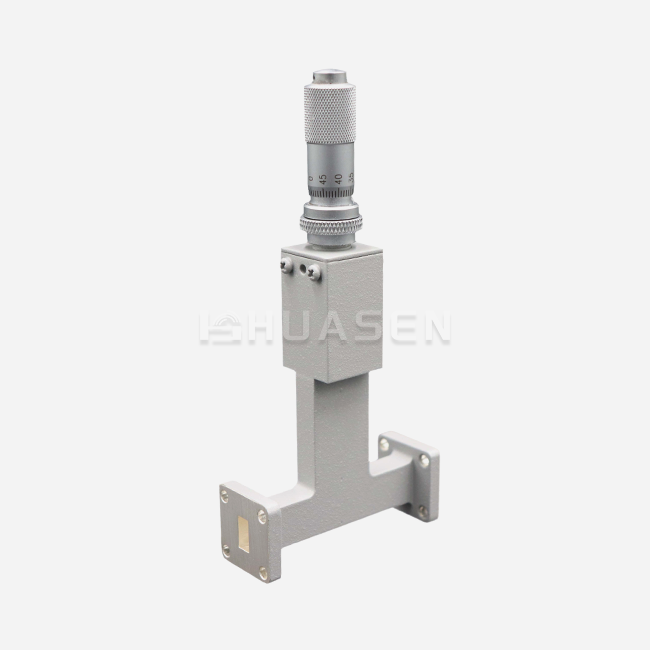
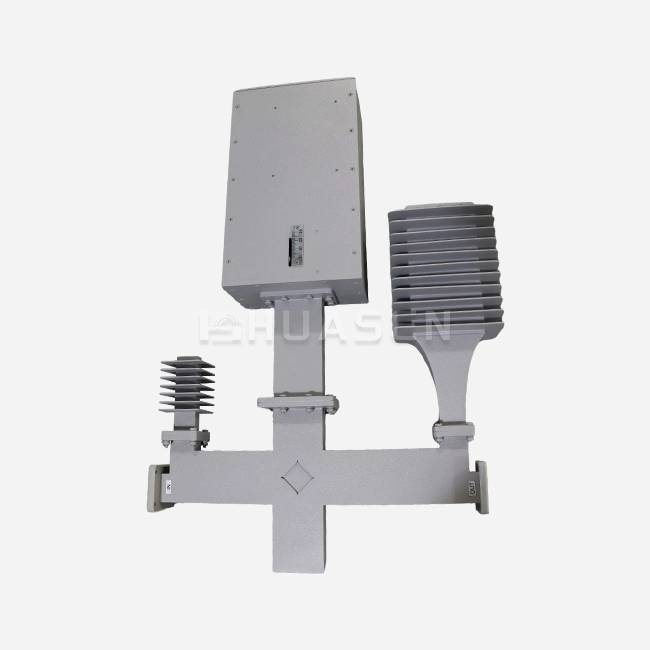
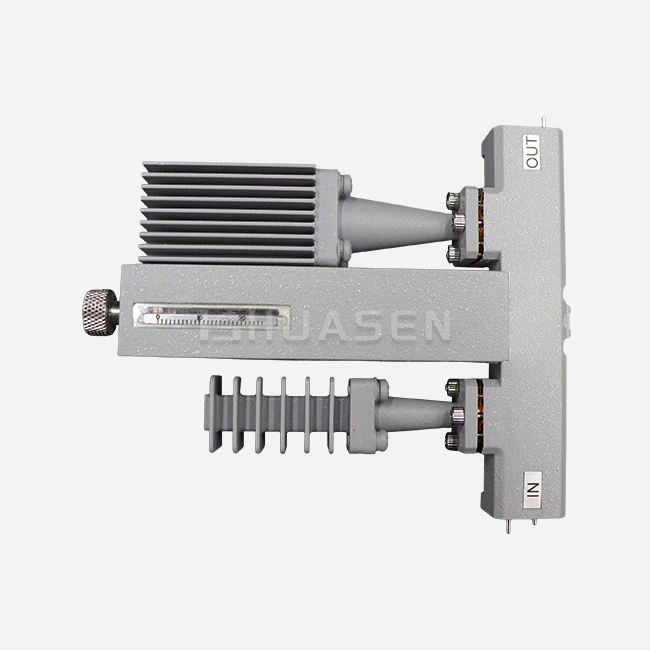
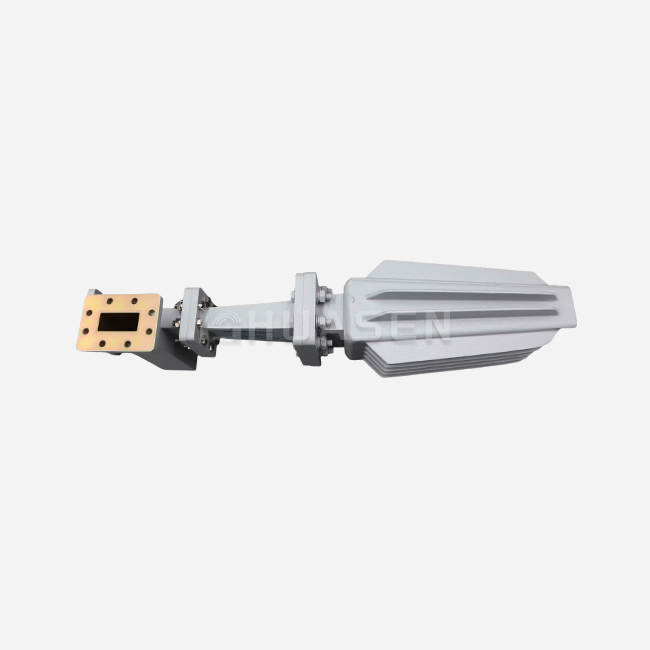
Huasen Microwave brings three decades of RF engineering excellence to satellite ground station applications through our advanced circular waveguide termination technologies. Our conical structure design with bulk absorption materials efficiently handles multiple electromagnetic modes while delivering exceptional VSWR performance below 1.15 across the complete 1.76-116 GHz frequency range. With 20 KW continuous wave power handling and customizable inner diameter options, our terminations address the most demanding TM01 mode applications. Contact our engineering team at sales@huasenmicrowave.com to discuss your specific requirements and discover why leading system integrators trust Huasen Microwave as their preferred circular waveguide termination supplier for mission-critical satellite communication systems.
References
1. Smith, R.J. "Microwave Component Design Principles for Satellite Ground Station Applications." IEEE Transactions on Microwave Theory and Techniques, Vol. 45, No. 8, 2018.
2. Johnson, M.K. "High-Power Waveguide Termination Technologies in Modern Communication Systems." Journal of RF Engineering, Vol. 32, No. 4, 2019.
3. Chen, L.W. "Comparative Analysis of Circular versus Rectangular Waveguide Components in Satellite Communications." International Conference on Microwave Engineering Proceedings, 2020.
4. Anderson, P.D. "Thermal Management Strategies for High-Power RF Terminations." Microwave Journal Technical Review, Vol. 28, No. 12, 2021.
5. Thompson, K.R. "Installation and Maintenance Best Practices for Satellite Ground Station RF Components." SATCOM Engineering Handbook, Third Edition, 2022.
6. Williams, J.S. "Future Trends in Millimeter-Wave Component Technologies for Next-Generation Satellite Systems." IEEE Microwave Magazine, Vol. 24, No. 3, 2023.
Send Inquiry