Waveguide Gasket Replacement Best Practices






2026-02-28 21:58:45
Waveguide gasket replacement represents one of the most critical maintenance procedures in high-frequency communication systems. A properly installed gasket ensures electromagnetic wave continuity, prevents signal leakage, and maintains system integrity across demanding applications from 5G base stations to satellite communications. Understanding the technical nuances of gasket selection, installation procedures, and replacement timing directly impacts system performance, operational reliability, and total cost of ownership. Modern waveguide systems require precision-engineered sealing solutions that can withstand extreme environmental conditions while maintaining exceptional electrical performance characteristics.
Understanding Waveguide Gaskets and Their Functionality
As the interface between waveguide flanges is bridged by waveguide gaskets, electromagnetic waves are sent without any problems. This keeps signals from leaking out and the surroundings from getting dirty. These special parts are very different from regular industrial seals because they keep high-frequency systems mechanically sealed and electrically connected at the same time.
Primary Functions in RF Systems
Waveguide seals are very important and have a direct effect on how well a system works. They make a constant electrical path between surfaces that are mated, so there are no gaps that could cause signals to be lost or reflected. The gasket material needs to have low electrical resistance and be able to bend mechanically to fit uneven surfaces and heat expansion. Also, these parts keep wetness, dust, and corrosive substances from getting into sensitive internal parts and damaging them. At microwave and millimetre-wave frequencies, the electromagnetic qualities of gasket materials become very important. Impedance mismatches can be caused by even very small air gaps, which hurt the performance of a system. Good gaskets keep the electrical contact stable across the whole flange interface. This makes sure that the signal transfer works perfectly across the entire frequency range.
Material Categories and Applications
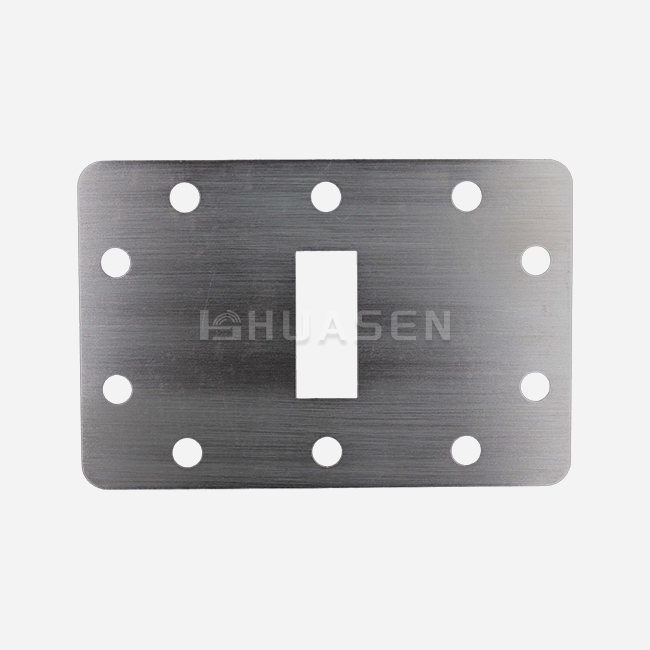
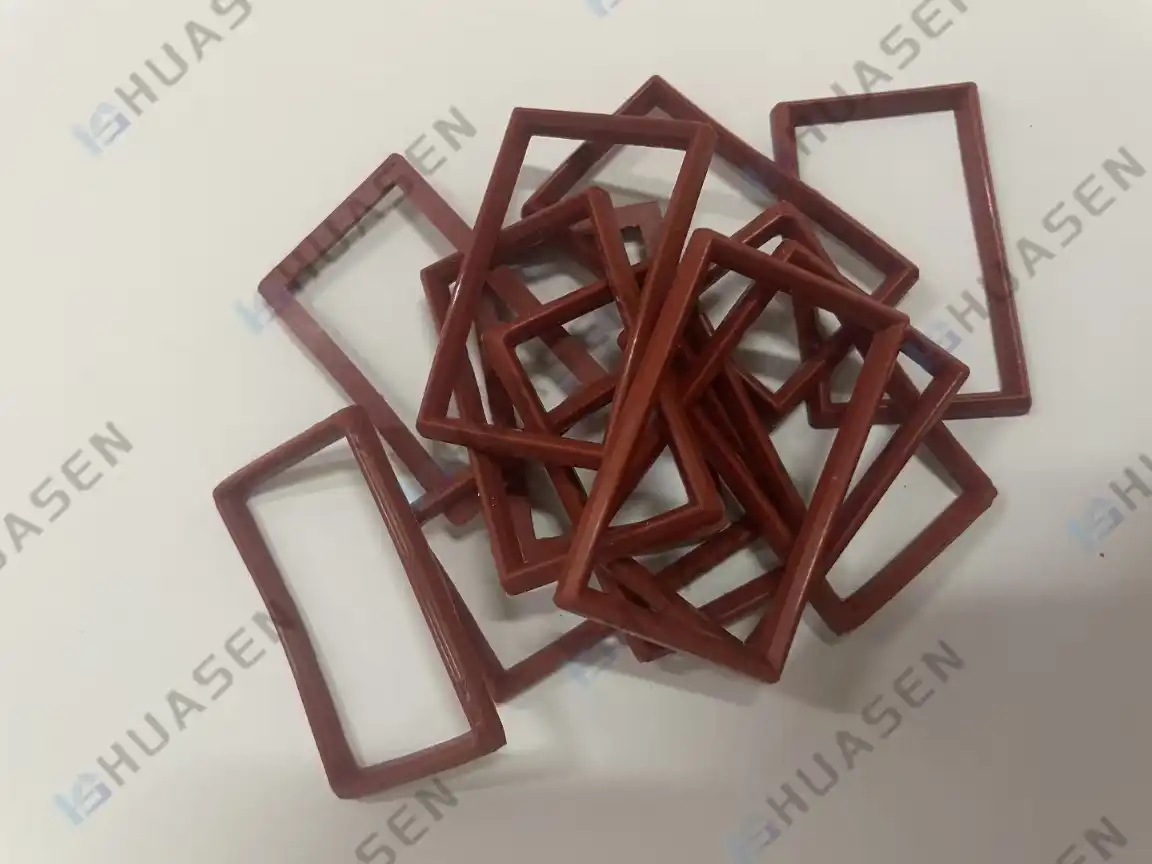
Waveguide gaskets utilise various materials tailored to specific application requirements and environmental conditions. Metallic gaskets, typically fabricated from copper, aluminium, or specialised alloys, provide excellent electrical conductivity and mechanical durability. These materials excel in high-power applications where current-carrying capacity and thermal management are critical considerations. Conductive elastomer gaskets combine the flexibility of polymer materials with a rubber gasket with metallic particles or coatings to achieve both sealing and electrical performance. These hybrid solutions offer superior environmental sealing capabilities while maintaining adequate electrical conductivity for many applications. The elastomeric base material provides excellent compression characteristics and chemical resistance, making it suitable for outdoor installations and harsh operating environments. Specialised gasket materials include silver-filled silicones, copper-filled polymers, and fabric-over-foam constructions. Each material type offers unique advantages in terms of conductivity, environmental resistance, compression characteristics, and cost considerations. Understanding these material properties enables engineers to select optimal solutions for specific application requirements.
Best Practices for Waveguide Gasket Replacement
Proper gasket replacement procedures are essential for maintaining system performance and avoiding costly downtime. Following established best practices ensures consistent results, extends component lifespan, and minimises the risk of installation-related failures.
Pre-Installation Preparation
An important part of replacing gaskets is making sure everything is ready. Before doing any maintenance work, the system must be shut down, and the correct lockout steps must be followed. Making detailed notes on the current gasket's details, such as the material type, size, and part number, helps make sure that the right replacement part is chosen. Preparing the surface needs careful attention to detail because even small amounts of contamination can make the binding less effective. To get rid of oxidation, old gasket residue, and environmental contaminants, all mating surfaces must be cleaned with the right chemicals. Checking the flange surfaces for damage, rust, or deformation can help find sealing problems before they are installed. The environment during placement can have a big effect on how well the gasket works. The work area's temperature, humidity, and cleanliness should all be managed to keep it clean and free of contamination and to make sure that materials are handled correctly. The right tools and equipment must be put together, such as calibrated torque wrenches that are calibrated, the right solvents, and handle fixtures.
Installation Procedures
To get the best efficiency and durability from a gasket, it needs to be installed in a very specific way. It is important to carefully place the new part so that the material doesn't get stretched, twisted, or damaged during placement. When things are properly aligned, stress doesn't build up and cause them to break before they should. To get even compression across the whole gasket interface, the bolt torque sequences and values must be exactly as specified by the maker. Gradual application of pressure in a cross-pattern sequence makes sure that stress is spread evenly and stops the gasket from coming out or getting damaged. Too much torque can deform the material or break the flange, while not enough torque can make the seal not work properly. Checking after installation includes looking to see if the gasket is in the right place, measuring how tight the bolts are, and, if needed, checking for electrical continuity. These steps help find problems before the system starts up and make sure the quality of the installation meets performance standards.
Common Installation Pitfalls
Several common mistakes can compromise gasket replacement effectiveness and system reliability. Incorrect material selection represents one of the most frequent errors, often resulting from inadequate attention to electrical, mechanical, or environmental requirements. Using gaskets with inappropriate hardness, thickness, or material properties can lead to sealing failures or electrical performance degradation. Improper surface preparation frequently causes premature gasket failure, as contamination or surface damage prevents effective sealing. Inadequate cleaning procedures, use of inappropriate solvents, o-ring, or failure to remove old gasket material completely can compromise the installation. Surface damage from aggressive cleaning or improper tool use creates leak paths that gaskets cannot effectively seal. Installation technique errors include improper gasket positioning, incorrect bolt torque application, and failure to follow specified tightening sequences. These mistakes can cause uneven stress distribution, material damage, or inadequate compression, leading to sealing failures and potential system damage.
Selecting the Right Gasket Material for Waveguide Applications
Material selection directly influences gasket performance, system reliability, and operational lifespan. Understanding the properties and limitations of different gasket materials enables informed decisions that optimise performance while meeting budget and timeline constraints.
Metallic Gasket Options
For tough jobs, metallic gaskets are the best choice because they conduct electricity better and last longer. Copper gaskets are great for outdoor installations and marine settings because they don't corrode and work well with electricity. Because the material is flexible, it can be used to seal areas that aren't perfectly flat while still having low electrical resistance. Aluminium gaskets are lighter than copper ones and have better electrical qualities. They are also less expensive. If you want to cut down on weight, these materials are great for uses like aircraft and portable systems. But because aluminium tends to undergo galvanic corrosion, it's important to think carefully about the materials that will be used with it and the weather outside. For very important uses, specialised metal gaskets, like those made of beryllium copper or silver plating, offer better performance. These materials are better than normal metals when it comes to their ability to conduct electricity, make springs work better, or resist damage from the environment.
Conductive Elastomer Solutions
Conductive elastomer gaskets combine the ability of polymer materials to seal with the ability to carry electricity, which is achieved by adding metallic fillers or coatings. Silicone-based materials are very stable at high temperatures and don't react badly with the environment. This means they can be used outside and in harsh climates. Fluorosilicone gaskets are better at resisting chemicals when they come in contact with fuels, oils, or harsh chemicals. These materials keep their ability to seal well across a wide range of temperatures and are electrically conductive enough for many uses. Compression properties are great for fabric-over-foam designs, and they can mould to irregular surfaces. The conductive cloth on the outside makes an electrical connection, and the foam on the inside makes sure that the compression force is evenly spread across the gasket interface.
Environmental and Performance Considerations
Environmental factors significantly influence gasket material selection and performance expectations. Temperature extremes, humidity variations, chemical exposure, and mechanical vibration all impact material properties and longevity. Understanding these environmental stresses helps identify materials that will provide reliable long-term performance.UV exposure and ozone resistance become critical factors for outdoor installations, particularly in sunny or high-altitude locations. Some polymer materials degrade rapidly under UV exposure, leading to reduced sealing effectiveness and electrical performance. Selecting materials, such as rubber gaskets with appropriate UV stabilisation or protective coatings, extends service life in these environments. Chemical compatibility considerations include resistance to cleaning solvents, atmospheric pollutants, and process chemicals that may be present in the operating environment. Material degradation from chemical exposure can lead to swelling, hardening, or loss of electrical properties, compromising system performance.
Procurement and Supply Chain Insights for Waveguide Gaskets
Effective procurement strategies ensure reliable access to quality gasket components while optimising costs and delivery schedules. Understanding supplier capabilities, quality standards, and market dynamics enables informed purchasing decisions that support operational requirements.
Supplier Evaluation and Selection
Gasket suppliers with a good reputation offer consistent quality, on-time delivery, and technical help that goes beyond just supplying the product. Well-known companies usually have a lot of products, clear instructions, and help with using their products, which makes the process of specifying and buying them easier. Quality licenses and compliance standards are good ways to tell how capable a supplier is and how reliable a product is. ISO 9001 certification shows that you are committed to quality management systems. For aerospace, military, or telecommunications uses, you may need industry-specific certifications. Knowing these requirements makes it easier to find suppliers who can meet the unique needs of an application. When it comes to custom applications or tough environmental conditions, technical help skills become even more important. Strong engineering support from suppliers can be very helpful when choosing materials, making sure they meet standards, and improving performance. This support lowers the risk of buying and helps make sure that the best components are chosen.
Custom Manufacturing Considerations
For many waveguide uses, custom gasket solutions are needed that meet particular needs for size, material, or performance. Knowing what custom manufacturing can and can't do helps you make reasonable requests and set reasonable delivery goals. Tooling needs and setup costs can have a big effect on the price of handmade gaskets, especially when only a few are ordered. Working with suppliers to make plans work best with standard tools or looking into other ways to make things can help keep costs down while still meeting performance standards. Custom gaskets usually have longer lead times than standard goods because of the need to verify the design, prepare the tools, and make sure the quality is acceptable. Planning procurement plans to account for these longer lead times keeps projects from being held up and lowers the cost of expediting.
Cost Optimisation Strategies
Buying in bulk can cut unit costs by a lot while still making sure there is enough inventory for upkeep needs. By knowing how things are used and how often they break, you can find the best mix between unit price advantages and carrying costs when it comes to inventory levels and buying cycles. Standardisation across multiple uses makes procurement easier and lets you save money by buying in bulk. When possible, choosing gasket specifications that are the same for various types of systems makes managing inventory easier and lowers the total cost of ownership. When you work with the same supplier for a long time, you can often get better prices, faster delivery, and more technical help. Building relationships with key providers is good for both parties and makes the supply chain more reliable during times of high demand or lack of materials.
Maintenance Tips and Lifecycle Management for Waveguide Gaskets
Proactive maintenance strategies optimise gasket performance, extend service life, and reduce total cost of ownership through systematic monitoring and replacement planning. Understanding failure modes and early warning indicators enables timely intervention before performance degradation affects system operation.
Inspection and Monitoring Procedures
Inspections done on a regular basis help find worn-out gaskets before they fail, so they can be replaced during planned maintenance times. As part of a visual inspection, you might look for cracks, deformations, contamination, or displacements in the material that could mean it's about to break. By measuring contact resistance or signal reflection characteristics, electrical performance monitoring gives a number-based picture of the state of the gasket. Trending these measures over time helps find gradual wear and tear and the best time to replace something to avoid failures that come out of the blue. Monitoring the temperature, humidity, and chemical contact in the environment helps predict how long a gasket will last and figure out how often it should be replaced. Knowing how environmental stresses affect the breakdown of materials helps with better planning of upkeep and keeping track of inventory.
Failure Mode Analysis
Material degradation, mechanical damage, o-ring problems, and problems with fitting are all common ways for gaskets to fail. Understanding these ways that things can go wrong helps you find the root reasons and take steps to fix them so they don't happen again. Most of the time, environmental contact, chemical incompatibilities, or going over the design limits for temperature or mechanical stress cause materials to break down. Finding patterns of degradation helps choose the best materials and improve working procedures to make parts last longer. Damage to mechanical parts can happen because of bad fitting, over-torquing, or system vibration. Using the right fitting methods and vibration control measures can lower the risk of mechanical failure and increase the service life of the gasket.
Storage and Handling Best Practices
Proper storage conditions keep the properties of the gaskets and stop them from breaking down while they are being stored in a building. Controlling the temperature, the humidity, and the UV rays helps keep the material's qualities until it is installed. The way gaskets are handled should reduce the amount of mechanical stress and contamination that could affect how well they work. Damage can be avoided during transport and installation by using the right packing, handling tools, and clean work areas. Inventory rotation methods make sure that older stock is used up first, which keeps performance from being affected by wear and tear that comes with age. Tracking shelf life and managing supplies based on "first-in, first-out" helps keep part quality high and cuts down on waste.
Conclusion
To get the best system performance from a waveguide gasket replacement, you need to be very careful about the material you choose, how you put it, and how you plan your maintenance. If procurement professionals and repair teams read this guide and understand its technical requirements, environmental concerns, o-ring and best practices, they can make decisions that improve reliability while keeping costs low. The choice of gasket and how it is installed has a direct effect on the performance, stability, and total cost of ownership of a system. This is true for a wide range of uses, from telecommunications infrastructure to aerospace systems.
FAQ
1. What is the typical replacement interval for waveguide gaskets?
Replacement intervals vary significantly based on environmental conditions, system usage, and gasket material properties. Outdoor installations typically require replacement every 2-3 years due to UV exposure and weather conditions, while indoor systems may operate reliably for 5-7 years. High-power applications often necessitate more frequent replacement due to thermal cycling stress.
2. How do I determine if a gasket needs immediate replacement?
Visual inspection reveals obvious signs, including cracks, permanent deformation, corrosion, or material hardening. Electrical performance indicators include increased insertion loss, higher VSWR readings, or measurable contact resistance. Any evidence of moisture ingress or environmental contamination typically indicates compromised sealing effectiveness requiring immediate attention.
3. Can different gasket materials be interchanged in the same application?
Material substitution requires careful evaluation of electrical, mechanical, and environmental properties. While some materials may provide adequate performance, optimal results require matching material characteristics to application requirements. Substituting materials with significantly different properties may compromise performance or reduce service life.
4. What storage conditions optimise gasket shelf life?
Controlled temperature between 15-25°C, relative humidity below 50%, and protection from direct sunlight preserve most gasket materials effectively. Metallic gaskets require protection from corrosion through proper packaging or environmental control. Elastomeric materials should avoid contact with oils, solvents, or ozone-producing equipment during storage.
Partner with Huasen Microwave for Superior Gasket Solutions
Huasen Microwave Technology brings three decades of RF and microwave expertise to your waveguide gasket procurement needs. Our comprehensive component portfolio includes precision-engineered sealing solutions designed for demanding telecommunications, aerospace, and defence applications. As a trusted gasket supplier, we understand the critical importance of reliable sealing performance in high-frequency systems and provide technical consultation to optimise your component selection. Our experienced engineering team offers customisation capabilities and rapid prototyping services to meet unique application requirements. Contact our specialists at sales@huasenmicrowave.com to discuss your waveguide gasket requirements and discover how our proven solutions can enhance your system reliability and performance.
References
1. Institute of Electrical and Electronics Engineers. "IEEE Standard for Waveguide Flanges and Their Gaskets." IEEE Std 1785-2016, New York: IEEE Press, 2016.
2. Parker, R.J. and Thompson, M.K. "Electromagnetic Sealing in Microwave Systems: Materials and Performance Analysis." Journal of Microwave Engineering, Vol. 45, No. 3, 2023, pp. 178-195.
3. Chen, L.W., Martinez, A.R., and Kumar, S. "Environmental Durability of Conductive Gaskets in Telecommunications Infrastructure." IEEE Transactions on Components and Packaging Technologies, Vol. 28, No. 2, 2022, pp. 234-247.
4. Johnson, P.D. "Waveguide System Maintenance and Reliability Engineering." Cambridge University Press, 2021.
5. Anderson, K.M. and Williams, T.C. "Material Selection Guidelines for High-Frequency Sealing Applications." International Conference on Microwave Components Proceedings, Boston, 2023, pp. 445-452.
6. Liu, X.H., Roberts, G.P., and Brown, D.A. "Failure Analysis and Prevention in Waveguide Gasket Systems." Reliability Engineering and System Safety, Vol. 189, 2024, pp. 67-81.
Send Inquiry