Circular Straight Waveguide Power Handling Explained






2026-03-03 21:49:34
For experts who work with high-frequency transmission systems, it is very important to know how much power circular straight waveguides can handle. These special RF transmission lines have a hollow, circular metallic cross-section that is made to guide electromagnetic waves with very little loss while allowing very high power levels. Instead of rectangular waveguides, circular designs have rotational symmetry and can handle more power because of their shape. This makes them essential for uses that need to send signals reliably, like radar systems, satellite communications, and telecommunications.
Understanding Circular Straight Waveguide and Its Power Handling Fundamentals
Basic Structure and Operating Principles
The circular straight waveguide works by keeping electromagnetic fields inside its metal walls. It uses the idea of total internal reflection to move waves along its length. This basic design gets rid of the sharp corners that are common in rectangular waveguides. These corners are where electric fields tend to gather and break down when the power is high. The shape of these waveguides lets different electromagnetic modes travel through them. Each mode has its own properties that affect how much power it can handle. Because there are no corners, the electric field intensity is spread out more evenly across the cross-section. This makes the breakdown limits higher and the power handling better.
Electromagnetic Modes and Power Distribution
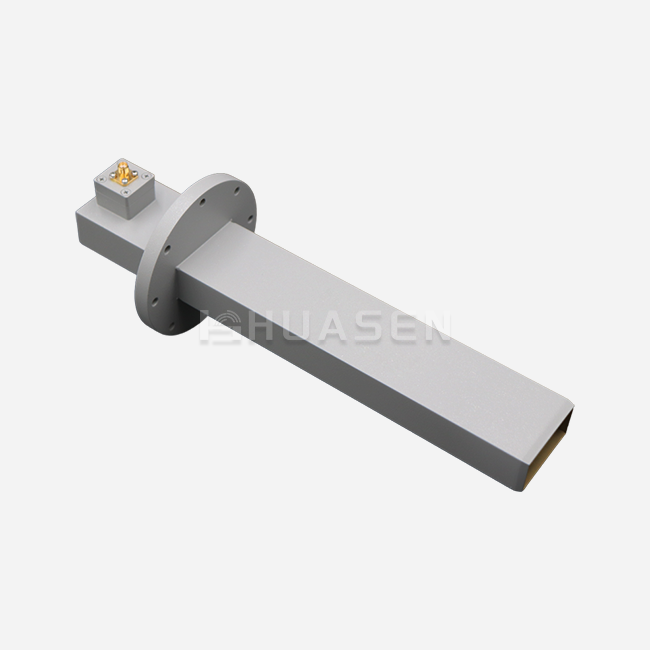
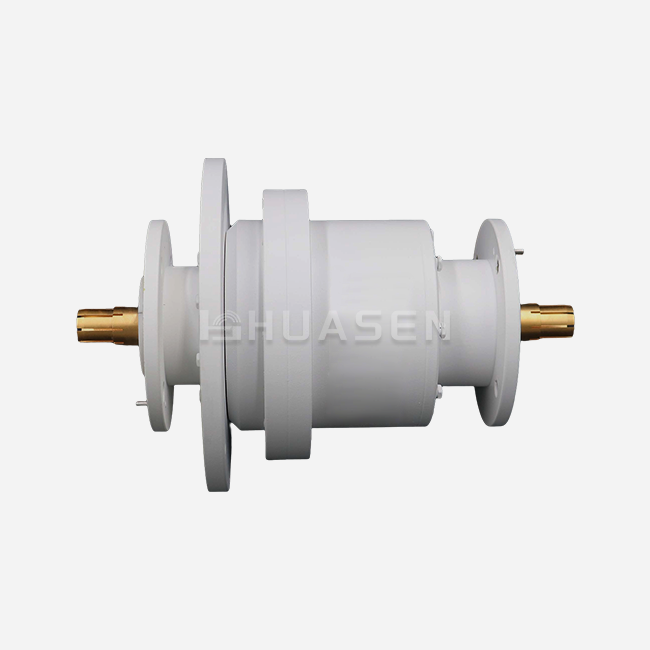
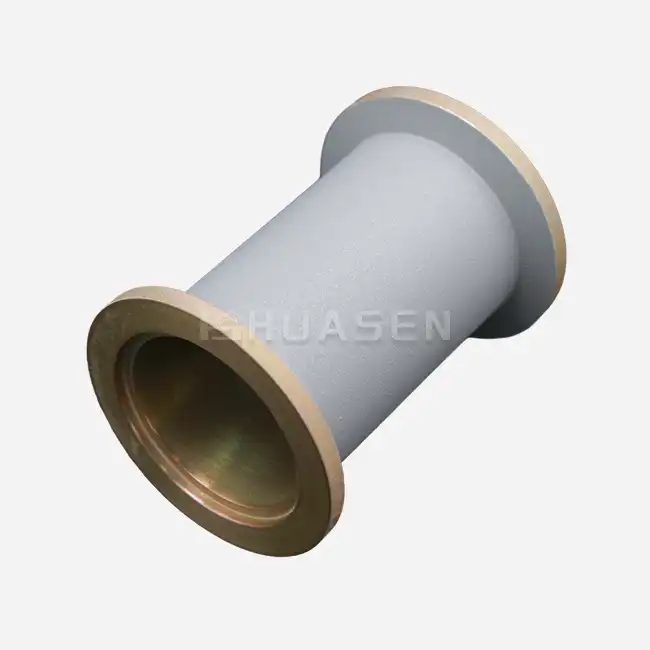
Huasen Microwave's Circular Straight Waveguides (CWAL) work with different electromagnetic modes, such as TE11, TM01, and TE21. Each has its own benefits for different uses. In most circular waveguide applications, the TE11 mode is the most important one because it handles power well and keeps cutoff frequencies manageable. When it comes to the long-distance gearbox, the TE01 mode has some really cool features. This mode has the unusual property that attenuation decreases as frequency grows. This makes it perfect for high-power, long-distance transmissions where signal loss is very important. It's important to understand mode selection when trying to get the best power handling because different modes send electromagnetic energy through the waveguide structure in different ways, which has a direct effect on the highest amounts of power that can be safely sent.
Key Factors Influencing Power Handling Capability
Material Properties and Surface Treatments
The type of conductor material has a big effect on both how much power it can carry and how well it works overall. Copper (C), aluminium (A), and stainless steel (S) are some of the materials that Huasen Microwave offers. Each has its own benefits for different uses. Copper is the best conductor of electricity because it minimizes resistance losses and heat production when used at high power levels. Overall, this better conductivity means that the system can handle more power and work more efficiently. With its great balance of conductivity and light weight, aluminium is perfect for use in aerospace applications where weight is very important. The mechanical strength and corrosion protection of stainless steel are very high for harsh environments. Surface treatments are also very important for how well power is handled. Adding silver plating to copper surfaces can lower surface resistance even more and make them more conductive. Other coatings can protect against environmental damage without affecting how well they carry electricity.
Dimensional Parameters and Frequency Relationships
How much power a waveguide can handle is directly affected by the relationship between its diameter and its working frequency. Larger diameter waveguides can handle more power because their cross-sectional area is bigger, which lowers the current density and the burning effects that come with it. Changing the frequency has an effect on how much power is handled by changing the skin layer and how the surface current is distributed. Higher frequencies focus electromagnetic energy closer to the top of the conductor, which could make the effects of surface heating stronger. But, compared to rectangular shapes, the circular shape helps lessen these effects. With Huasen Microwave's customisable length and radius choices, engineers can find the best values for these dimensions to meet specific power handling needs while still achieving desired electrical performance characteristics.
Thermal Management Considerations
As power levels rise, it becomes more and more important to control heat well. Because the circular sectionhas a smooth shape and no hot spots in the corners, the circular cross-section is better at getting rid of heat. The heat is spread out more evenly around the edge, which lowers the highest temperatures. Some passive cooling methods use the best mounting arrangements and thermal interface materials that move heat away from the waveguide structure as quickly as possible. For very high-power uses, active cooling methods may include systems that move forced air or use liquid cooling. Quality circular waveguides have low conductor and dielectric loss, which means they produce less heat at the source. This means that less thermal control is needed overall, and the system is more reliable.
Comparative Analysis: Circular Straight Waveguide vs Other Transmission Lines
Performance Advantages Over Rectangular Waveguides
When comparing power handling capabilities, circular waveguides demonstrate superior performance due to their geometric advantages. The absence of sharp corners eliminates field concentration points that can lead to breakdown in rectangular designs. This fundamental difference allows circular waveguides to handle significantly higher power levels before experiencing multipactor effects or voltage breakdown. The rotational symmetry of circular waveguides provides additional benefits for applications requiring dual-polarization capability or rotary joint integration. These applications would be impossible or severely compromised with rectangular alternatives, making circular waveguides the only viable solution for many high-power rotating antenna systems. Field distribution uniformity in circular cross-sections results in more predictable power handling behavior and reduced risk of localized heating or breakdown phenomena that can affect rectangular waveguide performance under extreme conditions.
Advantages Over Coaxial Transmission Lines
Coaxial cables face fundamental limitations in high-power applications due to their smaller cross-sectional areas and dielectric breakdown constraints. Circular waveguides eliminate these limitations by operating without internal dielectric materials and providing much larger electromagnetic field distribution areas. The air-filled construction of circular waveguides eliminates dielectric heating effects that plague coaxial systems under high power conditions. This advantage becomes particularly pronounced at higher frequencies,s where dielectric losses in coaxial systems increase significantly. Power handling superiority becomes even more apparent when considering long transmission runs, where the cumulative advantages of lower loss and better thermal characteristics provide substantial performance benefits over coaxial alternatives.
Selecting and Procuring the Right Circular Straight Waveguide for Power Handling
Essential Technical Specifications
When evaluating circular waveguides for high-power applications, several critical parameters demand careful consideration. VSWR (Voltage Standing Wave Ratio) specifications directly impact power transfer efficiency and system performance. High-quality circular waveguides maintain VSWR typically below 1.15:1 across their operational bandwidth. Insertion loss characteristics become particularly important in high-power systems where even small losses translate to significant heat generation and reduced system efficiency. The simple structure and easy manufacturing of circular waveguides contribute to consistently low insertion loss values. Power rating specifications must account for both continuous wave (CW) and peak power handling requirements. The high power capacity inherent in circular waveguide designs provides substantial margins for demanding applications while maintaining reliable operation.
Quality and Compliance Standards
Professional procurement requires attention to industry compliance standards and quality certifications. Reputable manufacturers maintain compliance with MIL-DTL specifications for military applications and various international standards for commercial use. Manufacturing quality directly impacts power handling performance through dimensional accuracy and surface finish quality. Precision manufacturing ensures consistent electromagnetic performance and reliable power handling characteristics across production lots. Testing and validation procedures should include comprehensive power handling verification under realistic operating conditions, providing confidence in specified performance levels and long-term reliability expectations.
Customization and Application-Specific Solutions
Huasen Microwave's customizable length and radius options enable optimization for specific power handling requirements and installation constraints. This flexibility allows engineers to achieve optimal performance while meeting physical space limitations and mechanical interface requirements. Application-specific customization may include specialized flange designs, environmental sealing requirements, or unique mounting configurations that maintain high-power performance while addressing installation challenges. The multiple materials available, including lightweight aluminum and high-conductivity copper options,Circular Sectionsupportsdiverse application requirements while maintaining excellent power handling characteristics appropriate for each specific use case.
Case Studies and Practical Recommendations
Successful High-Power Implementation Examples
Satellite communication ground stations represent excellent examples of successful high-power circular waveguide implementation. These installations require reliable power handling for both transmit and receive functions while maintaining signal quality over extended operational periods. The dual-polarization capability of circular waveguides enables these stations to maximize bandwidth efficiency while handling the high power levels required for reliable satellite communication links. The rotational symmetry supports antenna tracking systems that must maintain electrical performance during continuous mechanical movement. Military radar applications demonstrate another successful implementation where power handling capability directly impacts system performance and reliability. The robust construction and high power capacity of circular waveguides support the demanding requirements of these mission-critical systems.
Troubleshooting Common Power Handling Issues
Overheating problems often stem from inadequate thermal management or excessive insertion loss due to poor manufacturing quality or installation issues. Regular thermal monitoring and proper mounting techniques help prevent these issues and maintain reliable operation. Signal degradation under high power conditions may indicate impedance mismatches or mode conversion issues within the waveguide system. Careful attention to flange alignment and connection quality prevents these problems and maintains optimal power handling performance. Mechanical stress from thermal cycling can affect long-term reliability and power handling capability. Proper mechanical design and installation practices account for thermal expansion effects and maintain structural integrity under varying operational conditions.
Best Practices for Long-Term Reliability
Checking the stability of connections and keeping an eye on thermal performance should be regular parts of preventative maintenance plans. These habits help find problems before they affect the system's ability to handle power or its dependability. To keep the electrical and mechanical performance at its best, installation methods must take into account the right torque levels and alignment needs. If you pay attention to these details during the initial installation, you can avoid many problems with stability in the future. Taking steps to protect the environment, like using the right seals and stopping corrosion, can make things last longer and keep them working well even in harsh circumstances.
Conclusion
When it comes to high-power RF transmission uses that need to handle a lot of power, have low loss, and be mechanically reliable, circular straight waveguides are the best choice. When you combine their unique geometric benefits with high-tech materials and precise production, they achieve levels of performance that are not possible with other gearbox line technologies. Engineers can make choices that improve system performance, ensure long-term dependability, circular straight waveguides,and save money by fully understanding the basics of power handling, choosing the right materials, and taking into account specific applications.
FAQ
1. What determines the maximum power handling capacity of a circular waveguide?
The power handling capacity depends on several interconnected factors, including waveguide diameter, operating frequency, material properties, and thermal management effectiveness. Larger diameters generally support higher power levels due to increased cross-sectional area and reduced current density. The absence of sharp corners in circular designs prevents field concentration effects that limit rectangular waveguide performance.
2. How do material choices affect power handling performance?
Material selection directly impacts both electrical and thermal performance characteristics. Copper provides the highest conductivity and best power handling capability, while aluminum offers excellent performance with reduced weight. Surface treatments like silver plating can further enhance conductivity and power handling capacity by reducing surface resistance and associated heating effects.
3. What advantages do circular waveguides offer over rectangular designs for high-power applications?
Circular waveguides eliminate the corner field concentrations that can cause breakdown in rectangular designs, allowing higher power operation. The rotational symmetry supports applications requiring dual-polarization or rotary joints impossible with rectangular alternatives. Additionally, the uniform geometry provides more predictable thermal behavior and improved reliability under high-power conditions.
4. How important is manufacturing precision for power handling capability?
Manufacturing precision directly impacts power handling performance through its effects on VSWR, insertion loss, and thermal characteristics. Dimensional accuracy ensures proper mode propagation and minimizes reflections that can create hot spots. Surface finish quality affects conductivity and loss characteristics that determine how much power can be safely transmitted.
Partner with Huasen Microwave for Superior Power Handling Solutions
Huasen Microwave stands as your trusted circular straight waveguide manufacturer, delivering precision-engineered solutions that meet the most demanding power handling requirements. Our CWAL series offers unmatched versatility with multiple electromagnetic modes, customizable dimensions, and superior material options, including high-conductivity copper and lightweight aluminum configurations. With over three decades of expertise in RF and microwave technology, we provide comprehensive technical support from initial design consultation through final implementation. Contact our engineering team at sales@huasenmicrowave.com to discuss your specific power handling requirements and discover how our circular straight waveguide solutions can optimize your system performance while ensuring long-term reliability.
References
1. Marcuvitz, Nathan. "Waveguide Handbook: Electromagnetic Theory and Design Principles." McGraw-Hill Engineering Series, 1951.
2. Ragan, George Louis. "Microwave Transmission Circuits: Theory and Applications of Circular Waveguides." Radiation Laboratory Series, MIT Press, 1948.
3. Collin, Robert E. "Field Theory of Guided Waves: Advanced Topics in Electromagnetic Theory." IEEE Press Series on Electromagnetic Wave Theory, 1991.
4. Baden Fuller, A.J. "Microwaves: An Introduction to Microwave Theory and Techniques." Pergamon International Library of Science, Technology, Engineering and Social Studies, 1979.
5. Harvey, A.F. "Microwave Engineering: Principles and Applications in RF Design." Academic Press Advanced Technology Series, 1963.
6. Slater, John Clarke. "Microwave Electronics: Theory and Applications of Electromagnetic Transmission." Reviews of Modern Physics Laboratory Techniques, 1950.
Send Inquiry