Double Ridged Straight Waveguide for EMC Testing






2026-03-02 21:06:57
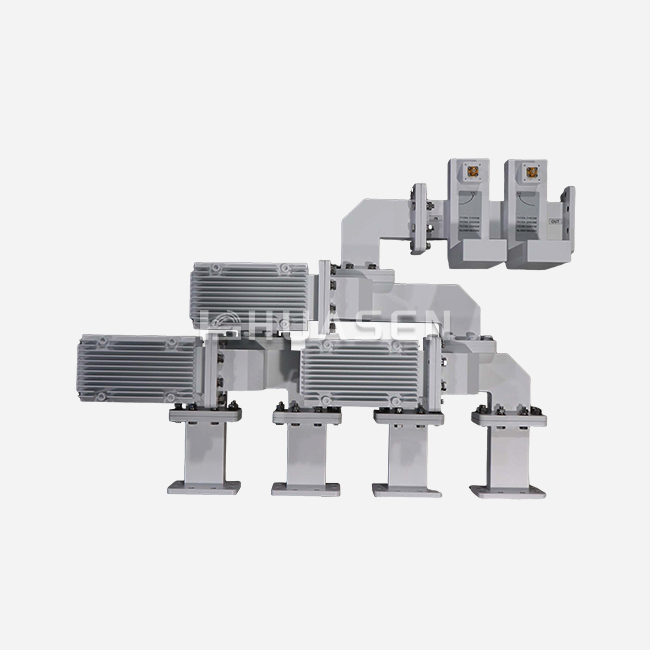
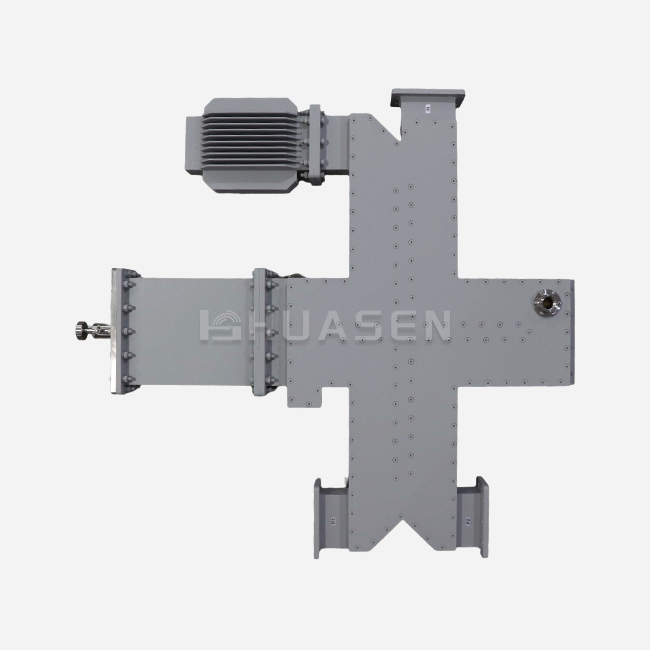
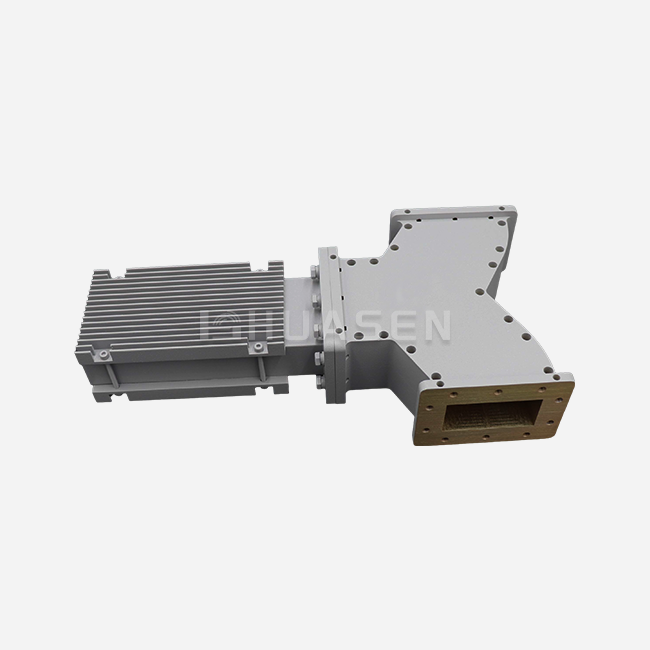
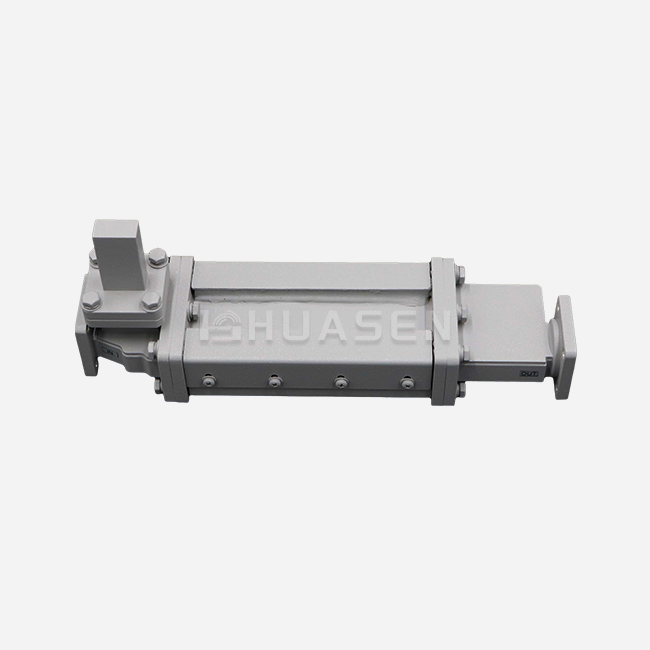
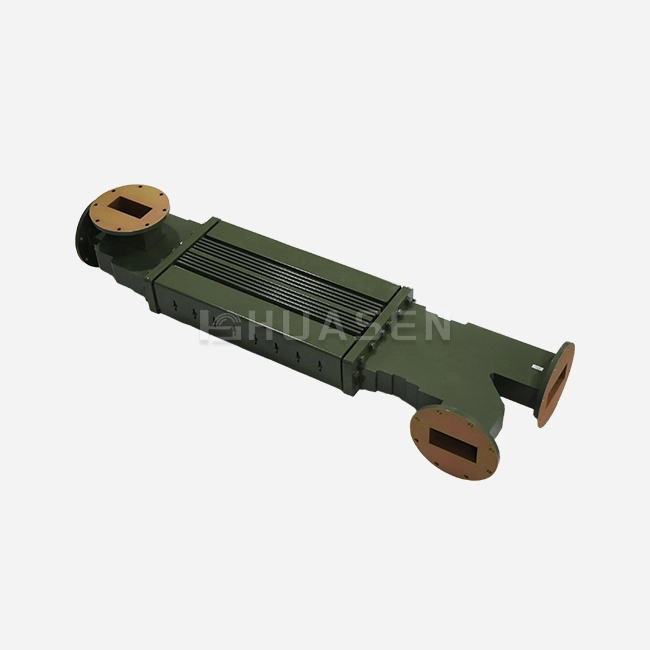
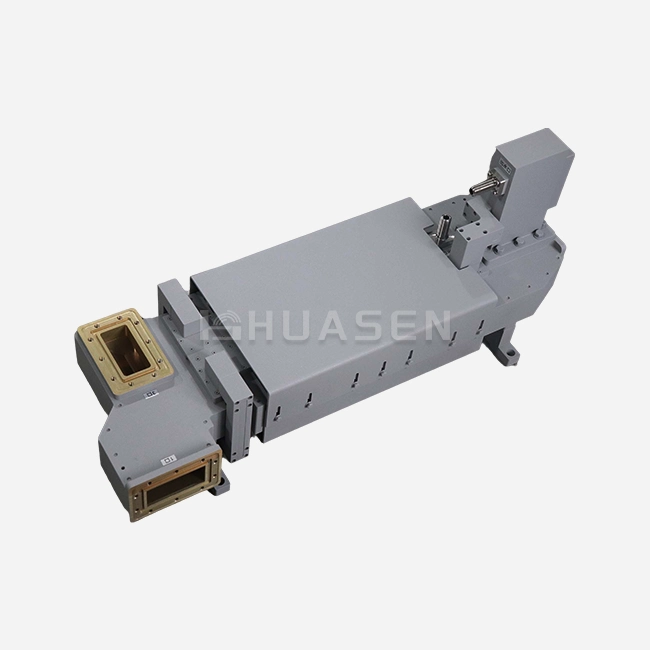
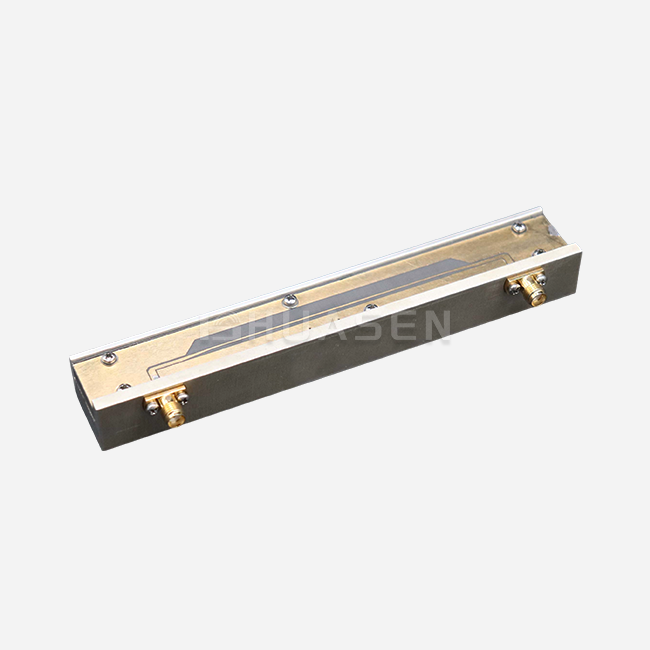
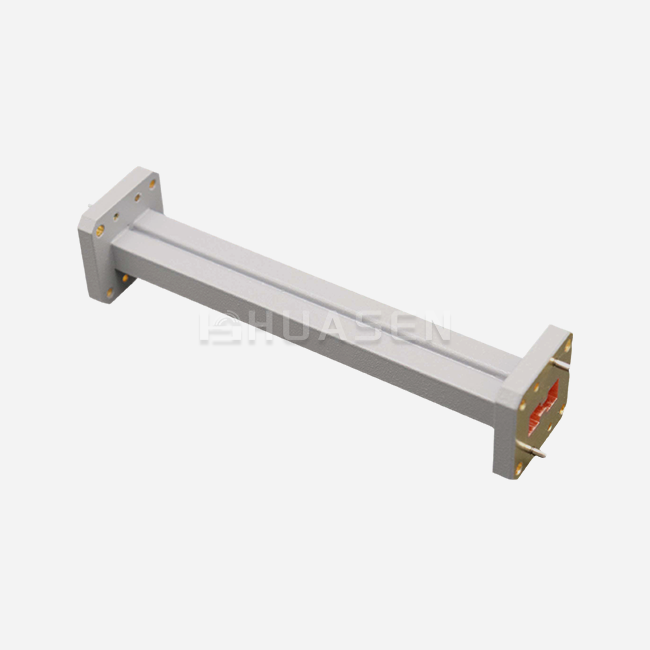
Double-Ridged Straight Waveguide for EMC Testing represents a revolutionary advancement in electromagnetic compatibility assessment technology. These specialized microwave transmission components feature conductive metallic ridges positioned within rectangular waveguide structures, enabling unprecedented broadband frequency coverage from 0.84 to 40 GHz. Unlike conventional rectangular waveguides limited to narrow bandwidth ratios, ridged designs achieve multi-octave performance essential for comprehensive EMC compliance verification across telecommunications, aerospace, and defense applications.
Understanding Double-Ridged Straight Waveguides in EMC Testing
The architectural innovation of ridged waveguide technology fundamentally transforms electromagnetic field distribution patterns within transmission lines. Traditional rectangular waveguides exhibit bandwidth limitations due to modal cutoff characteristics, typically restricting operation to frequency ratios of approximately 1.5:1. Engineers developed the double-ridge configuration to overcome these constraints by introducing parallel conductive elements along the broad walls of rectangular structures.
Structural Design and Electromagnetic Principles
The double-ridge geometry creates a controlled impedance environment approaching 50 ohms, facilitating seamless integration with coaxial measurement equipment. Electromagnetic energy propagates through the ridged aperture, experiencing modified field distributions that extend the fundamental TE10 mode operation while suppressing higher-order modes. This configuration enables continuous frequency sweeps across multiple bands without mechanical switching or component replacement. The ridge dimensions determine the lower cutoff frequency through capacitive loading effects. Precise manufacturing tolerances ensure consistent impedance matching and minimal signal reflections across the operational bandwidth. Material selection plays a crucial role, with aluminum alloys providing lightweight construction and copper variants offering superior conductivity for laboratory applications.
Comparison with Alternative Waveguide Technologies
Single-ridge waveguides offer improved bandwidth compared to rectangular designs but cannot match the symmetrical field patterns and impedance stability of double-ridge configurations. Circular waveguides excel in high-power applications but lack the broadband characteristics essential for EMC testing. Rectangular waveguides maintain excellent power handling capabilities but require multiple units to cover the frequency ranges achievable with a single rigid component. The double-ridge approach delivers optimal performance for EMC applications requiring wide frequency coverage, stable impedance characteristics, and compatibility with standard test instrumentation. This technology bridges the gap between narrowband waveguide precision and broadband coaxial flexibility.
Applications and Benefits of Double-Ridged Straight Waveguides in EMC Testing
Modern EMC testing laboratories face increasing complexity as electronic devices operate across expanding frequency spectrums. Regulatory compliance demands a comprehensive evaluation of electromagnetic emissions and immunity characteristics from sub-gigahertz through millimeter-wave frequencies. Double ridged waveguides address these challenges double ridge waveguide sizes by providing continuous frequency coverage within single transmission line components.
Radiated Emission Testing Applications
Automotive electronics, aerospace avionics, and consumer devices require emission compliance verification across broad frequency ranges. Traditional testing approaches necessitate multiple antenna systems and waveguide components to cover regulatory bands. Ridged waveguide technology streamlines these processes by enabling continuous frequency sweeps from S-band through Ku-band using unified measurement setups.Testing laboratories achieve significant efficiency improvements through reduced component switching and calibration procedures. The stable impedance characteristics of double-ridge designs maintain measurement accuracy across the entire frequency span, eliminating the systematic errors associated with band-switching transitions.
Immunity Testing Advantages
Electromagnetic immunity assessment requires precise field generation at specific test points. Double-ridged waveguides excel in these applications by providing consistent power delivery across wide frequency ranges. The improved VSWR performance, typically maintaining values below 1.15 at low frequencies and 1.2 at high frequencies, ensures reliable energy transfer to radiating elements. High-power immunity testing benefits from the robust construction and thermal management capabilities of rigid waveguide designs. These components handle continuous wave and pulsed signals while maintaining structural integrity under demanding laboratory conditions.
Comparing Double-Ridged Straight Waveguides and Other Solutions for EMC Testing
Procurement professionals evaluate multiple transmission line technologies when designing EMC test systems. Each approach offers distinct advantages and limitations that influence system performance, cost, and operational complexity. Understanding these trade-offs enables informed decision-making for specific testing requirements.
Performance Characteristics Analysis
Coaxial cables provide flexibility and ease of installation but suffer from frequency-dependent losses and power limitations at microwave frequencies. Standard rectangular waveguides offer excellent power handling and low-loss characteristics, but require multiple sizes to achieve broadband coverage. Circular waveguides excel in high-power applications but lack the impedance-matching simplicity of rigid designs. Double-ridged waveguides combine the broadband capabilities of coaxial systems with the low-loss characteristics of rectangular waveguides. The impedance matching properties simplify system integration while maintaining measurement accuracy across extended frequency ranges. This combination reduces system complexity and improves measurement repeatability.
Cost and Integration Considerations
System-level cost analysis reveals the economic advantages of ridged waveguide technology. While individual components may carry higher initial costs compared to rectangular alternatives, the reduction in required hardware quantities and simplified calibration procedures generate substantial savings. Maintenance requirements decrease significantly when fewer components require periodic calibration and replacement. Integration complexity diminishes through standardized interface specifications and impedance-matching characteristics. Test system designers benefit from reduced interconnect requirements and simplified signal routing. These factors contribute to improved system reliability and reduced operational complexity.
How to Choose and Procure Double-Ridged Straight Waveguides for EMC Testing
Successful procurement requires careful evaluation of technical specifications, quality standards, and supplier capabilities. EMC testing applications demand components meeting stringent performance criteria while providing long-term reliability under demanding operational conditions.
Technical Specification Evaluation
Frequency coverage represents the primary selection criterion for EMC applications. Huasen Microwave's DRWAL series provides exceptional bandwidth spanning 0.84 to 40 GHz, covering virtually all regulatory testing requirements within a single component. The customizable length options from 0.1 to 500 mm accommodate diverse mechanical integration requirements.VSWR performance directly impacts measurement accuracy and system efficiency. Superior specifications of ≤1.15 for low-frequency operation and ≤1.2 for high-frequency bands ensure minimal signal reflections and optimal power transfer. These characteristics maintain measurement integrity across the entire operational bandwidth.
Quality and Reliability Assessment
Environmental durability becomes critical for laboratory applications experiencing temperature variations and mechanical stress. Corrosion resistance protects against atmospheric double ridge waveguide sizescontamination while maintaining long-term performance stability. Easy installation features reduce setup time and minimize potential assembly errors. Manufacturing quality standards ensure consistent performance across production lots. Established suppliers maintain comprehensive quality control procedures and provide detailed test data for individual components. This documentation supports traceability requirements and facilitates system validation procedures.
Supplier Evaluation Criteria
Leading manufacturers, including Huasen Microwave, offer comprehensive product lines spanning multiple frequency bands and mechanical configurations. Custom manufacturing capabilities address unique application requirements while maintaining quality standards. Technical support services provide design assistance and application guidance throughout the procurement process. Delivery schedules impact project timelines and budget constraints. Established suppliers maintain inventory stocks and predictable lead times for standard configurations. Custom requirements may extend delivery periods but enable optimized solutions for specific applications.

Technical Guidelines for Using Double Ridged Straight Waveguides in EMC Testing
Proper installation and maintenance procedures maximize component performance and extend operational lifespan. EMC testing demands precise measurement capabilities that depend on correct waveguide implementation and ongoing maintenance protocols.
Installation Best Practices
Mechanical alignment ensures optimal electromagnetic performance and prevents physical damage. Waveguide flanges require proper torque specifications to maintain electrical continuity while avoiding deformation. Gasket selection influences both mechanical sealing and electrical performance characteristics. Temperature considerations affect both mechanical dimensions and electrical properties. Thermal expansion coefficients vary between materials and may influence connection integrity. Proper mounting techniques accommodate thermal variations while maintaining alignment specifications.
Measurement and Calibration Procedures
VSWR measurements verify component performance and system integrity. Calibration standards ensure measurement accuracy and traceability to national standards. Regular verification procedures detect performance degradation and identify maintenance requirements. Insertion loss characterization validates signal transmission efficiency and identifies potential problems. Return loss measurements complement VSWR data and provide additional insight into impedance matching performance. These parameters guide troubleshooting procedures and performance optimization efforts.
Maintenance and Inspection Protocols
Routine inspection schedules prevent performance degradation and extend component lifespan. Visual examinations detect physical damage, corrosion, or contamination that may affect electrical performance. Cleaning procedures maintain surface quality and prevent the accumulation of contaminants. Documentation protocols track component history and performance trends. Measurement records enable predictive maintenance strategies and identify optimal replacement intervals. This approach minimizes unexpected failures and maintains system availability.
Conclusion
Double-ridged straight waveguides represent essential components for modern EMC testing laboratories requiring broadband frequency coverage and exceptional measurement accuracy. The technological advantages of rigid designs address critical limitations of traditional waveguide systems while maintaining the precision and reliability demanded by regulatory compliance testing. Huasen Microwave's DRWAL series exemplifies the performance capabilities achievable through advanced design and manufacturing techniques, providing frequency coverage from 0.84 to 40 GHz with superior VSWR characteristics and customizable mechanical specifications. Investment in quality rigid waveguide technology enhances testing capabilities, improves operational efficiency, and ensures long-term measurement accuracy for demanding EMC applications across aerospace, automotive, and telecommunications industries.
FAQ
1. What frequency ranges do double ridged straight waveguides typically support?
Double-ridged straight waveguides achieve exceptional broadband coverage spanning multiple octaves within single components. Huasen Microwave's DRWAL series provides continuous operation from 0.84 to 40 GHz, encompassing virtually all EMC testing requirements from UHF through millimeter-wave frequencies. This extensive range eliminates the need for multiple waveguide systems and simplifies test setup procedures.
2. How do these waveguides improve EMC measurement accuracy?
The superior VSWR performance of double ridged designs minimizes signal reflections and maintains stable impedance matching across wide frequency ranges. Huasen Microwave achieves VSWR values ≤1.15 for low-frequency operation and ≤1.2 for high-frequency bands, ensuring accurate power delivery and measurement repeatability throughout EMC compliance testing procedures.
3. Are custom designs available for specific testing requirements?
Leading manufacturers, including Huasen Microwave, offer extensive customization capabilities to address unique application requirements. Length specifications range from 0.1 to 500 mm, accommodating diverse mechanical integration needs. Custom frequency ranges, impedance specifications, and interface configurations support specialized testing applications while maintaining quality standards and performance characteristics.
Partner with Huasen Microwave for Superior EMC Testing Solutions
Huasen Microwave Technology delivers exceptional double ridged straight waveguide solutions engineered specifically for demanding EMC testing applications. Our DRWAL series combines three decades of microwave expertise with advanced manufacturing capabilities, providing unmatched frequency coverage from 0.84 to 40 GHz and industry-leading VSWR performance. As a trusted double-ridged straight waveguide manufacturer, we offer comprehensive customization options, rapid delivery schedules, and dedicated technical support to optimize your testing capabilities. Contact our engineering team at sales@huasenmicrowave.com or visit huasenmicrowave.com to explore our complete product portfolio and discuss your specific EMC testing requirements.
References
1. IEEE Standard 299-2006, IEEE Standard Method for Measuring the Effectiveness of Electromagnetic Shielding Enclosures, Institute of Electrical and Electronics Engineers, 2007.
2. CISPR 16-1-3, Specification for Radio Disturbance and Immunity Measuring Apparatus and Methods - Part 1-3: Radio Disturbance and Immunity Measuring Apparatus - Ancillary Equipment - Disturbance Power, International Electrotechnical Commission, 2010.
3. MIL-STD-461G, Requirements for the Control of Electromagnetic Interference Characteristics of Subsystems and Equipment, Department of Defense Interface Standard, 2015.
4. Pozar, David M., Microwave Engineering, Fourth Edition, John Wiley & Sons, 2012, Chapter 3: Transmission Lines and Waveguides.
5. Williams, Tim, EMC for Product Designers: Meeting the European EMC Directive, Fifth Edition, Newnes, 2016, Chapter 8: Radiated Testing.
6. Rudge, Alan W., et al., The Handbook of Antenna Design, Volume 1, IET Electromagnetic Waves Series, Institution of Engineering and Technology, 1986, Chapter 15: Horn Antennas and Waveguide Feeds.
Send Inquiry