
Home / Blog
Blog
0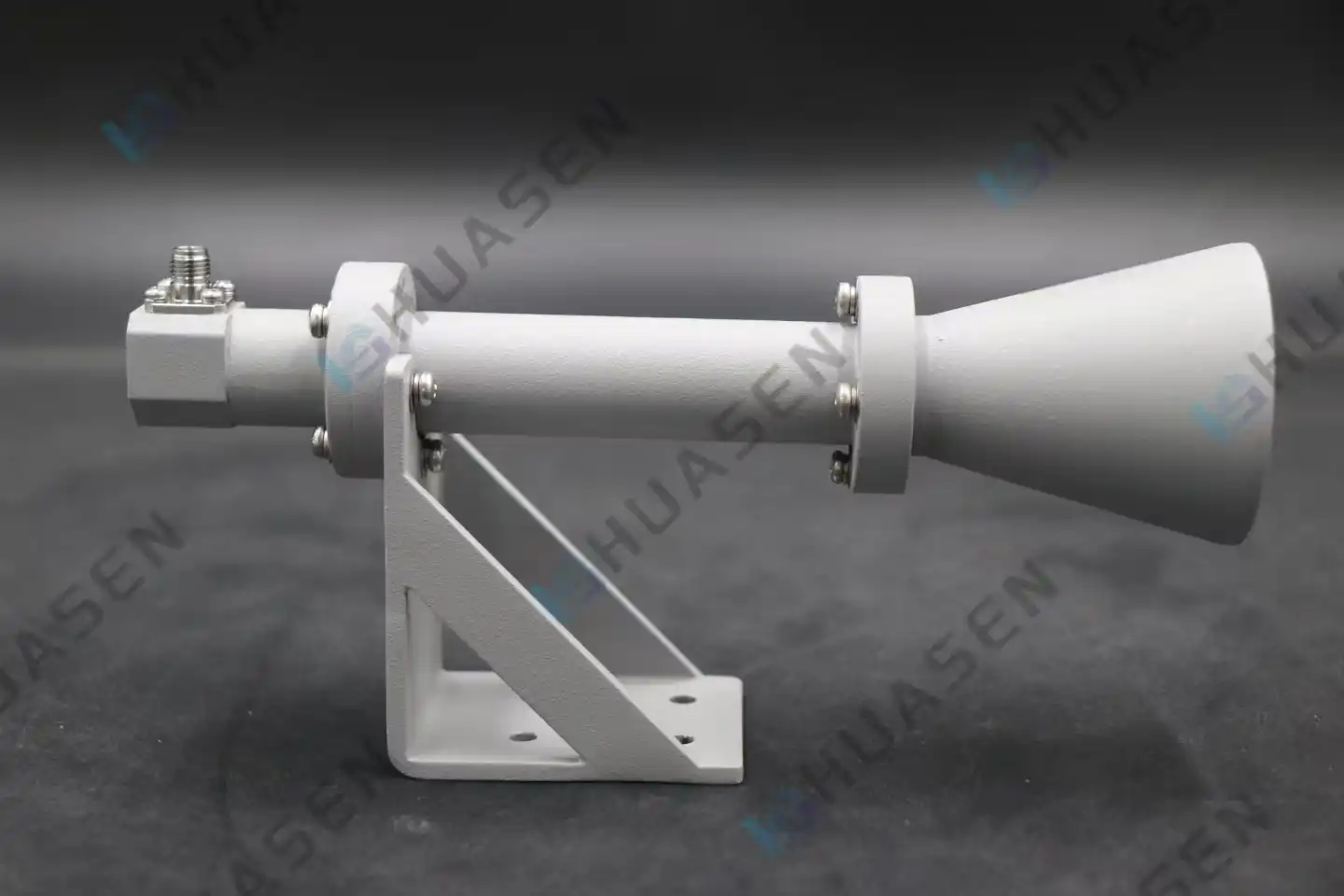
Left-Hand vs Right-Hand Circularly Polarized Horn Antenna: Selection Guide
It's important to know the basic differences between left-hand circular polarisation (LHCP) and right-hand circular polarisation (RHCP) horn antennas when choosing between them for system performance. With horn antenna circular polarisation technology, electromagnetic waves can spin in certain directions, horn antenna circular polarization making patterns that spin either clockwise (RHCP) or anticlockwise (LHCP). This choice has a direct effect on the quality of the signal, the ability to block interference, and the general dependability of communication in satellite, radar, and wireless settings. Which one to use—LHCP or RHCP—depends on the needs for system compatibility, government rules, and the type of application where polarisation alignment is important for getting and sending signals as efficiently as possible.VIEW MORE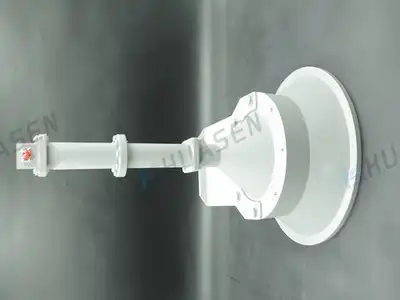
How Does Lens Material Affect the Performance of Lens Horn Antenna?
The electromagnetic performance of a Lens Antenna device is largely determined by the lens material that is used. The dielectric properties of materials like PTFE, quartz, and polyethylene have a direct effect on how waves travel, how well they can correct for phase errors, and how well the signals stay connected inside the antenna structure. Different materials have different loss tangent values and dielectric factors, which change how the beam is focused, how much gain is optimised, and how the frequency response changes. The thermal stability and mechanical durability of a material also have an effect on its long-term dependability, especially in harsh environments where steady performance is needed.VIEW MORE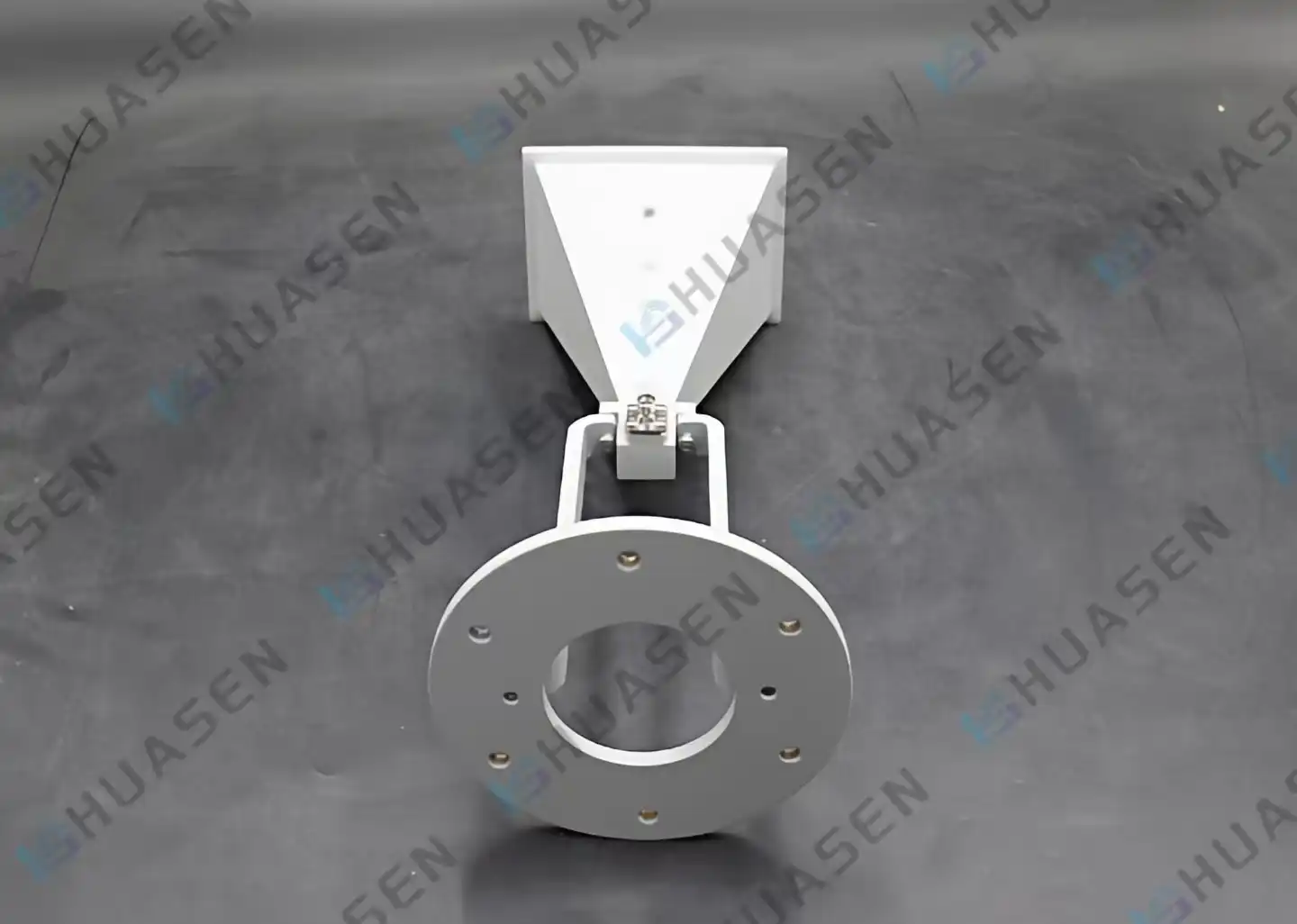
Custom Broadband Horn Antenna: What Parameters Need to Be Provided?
If you want the best results from a custom broadband antenna for industrial use, you need to know what the important parameters are. Custom broadband horn antennas need specific information about their frequency range (usually 1-18 GHz or wider), gain needs, polarisation type, power handling, environmental requirements, mechanical limitations, and connection types. These factors have a direct effect on the antenna's shape, the materials used, and the manufacturing methods. This makes sure that the finished product meets specific operational requirements in radar, defence, aerospace, and telecommunications.VIEW MORE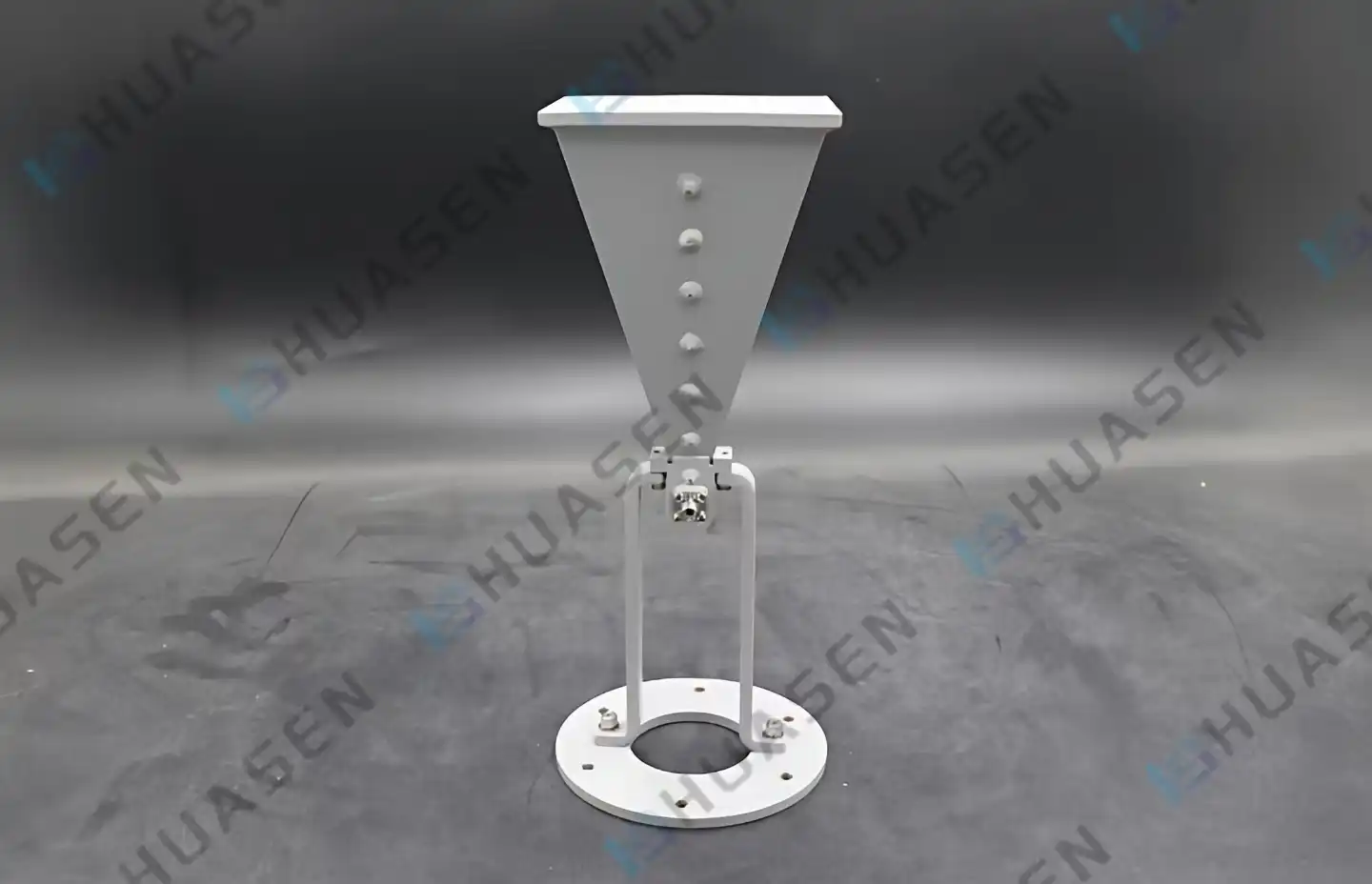
Broadband Horn Antenna for Satellite Communication: Selection Guide
In order to choose the best broadband antenna for satellite communication, you need to know a lot of complicated technical details and operating needs. These specialised wideband horn antennas work well across a number of frequency ranges, usually between 1 and 18 GHz or 18 to 40 GHz. This makes them necessary for current satellite systems that need flexible, high-performance solutions. Broadband horn configurations, unlike traditional narrowband antennas, don't need multiple antenna systems because they keep the same impedance and radiation patterns across their entire working spectrum. This detailed selection guide covers important buying factors, technical specifications, and use-specific needs that make sure engineering teams and procurement workers get the best satellite communication performance.VIEW MORE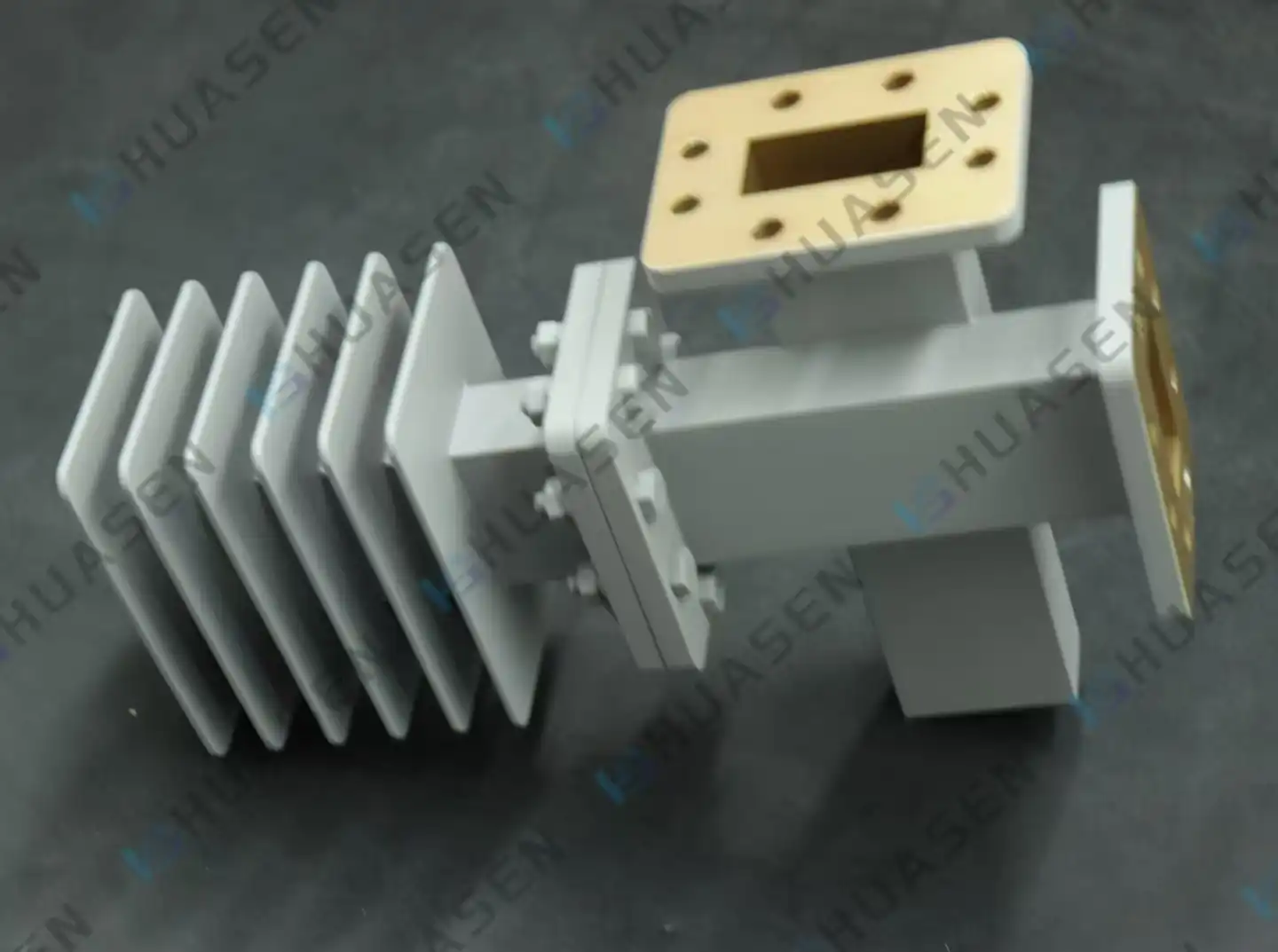
How Waveguide Attenuator Controls RF Power in Microwave Systems?
Waveguide attenuators are very important parts of microwave systems because they carefully control RF power levels by attenuating signals. These complex parts work by adding certain amounts of insertion loss to waveguide transmission lines while keeping the signal's integrity and phase stability. Power is controlled by resistive or absorptive parts inside the attenuator that interact with electromagnetic fields. This lets engineers lower signal strength from 0 dB to 60 dB or more. This controlled attenuation keeps the receiver from getting too full, keeps sensitive equipment safe, and lets the system be calibrated correctly in a wide range of microwave settings, such as radar, satellite communications, and high-frequency testing areas.VIEW MORE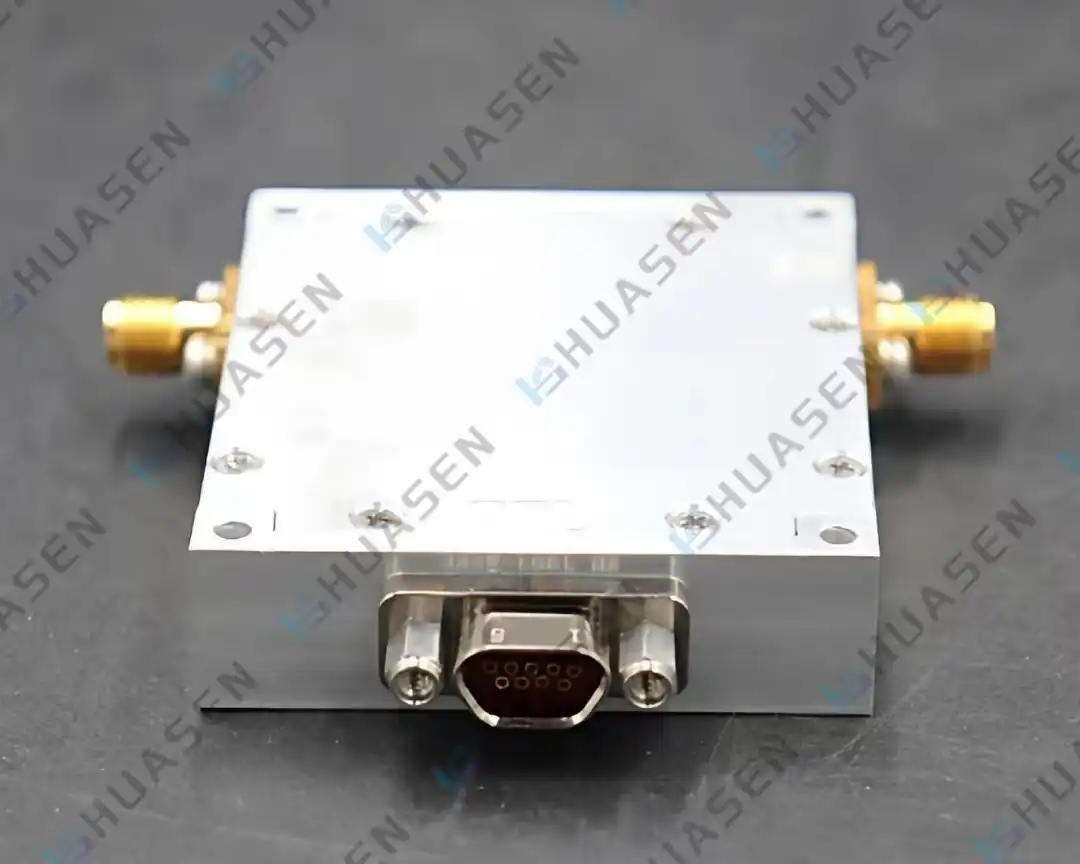
How to Select Digital Phase Shifters for Phased Array Radars?
To choose the correct digital phase shifter for phased array radar systems, you need to carefully look at the technical details, performance parameters, and factors that affect how well the system works with the shifter. The best choice relies on the frequency needs, the phase resolution needs, the power consumption limits, and the working conditions in the environment. Engineers can find parts that provide precise beam steering while keeping signal integrity and system reliability in a wide range of radar uses by understanding these important selection criteria.VIEW MORE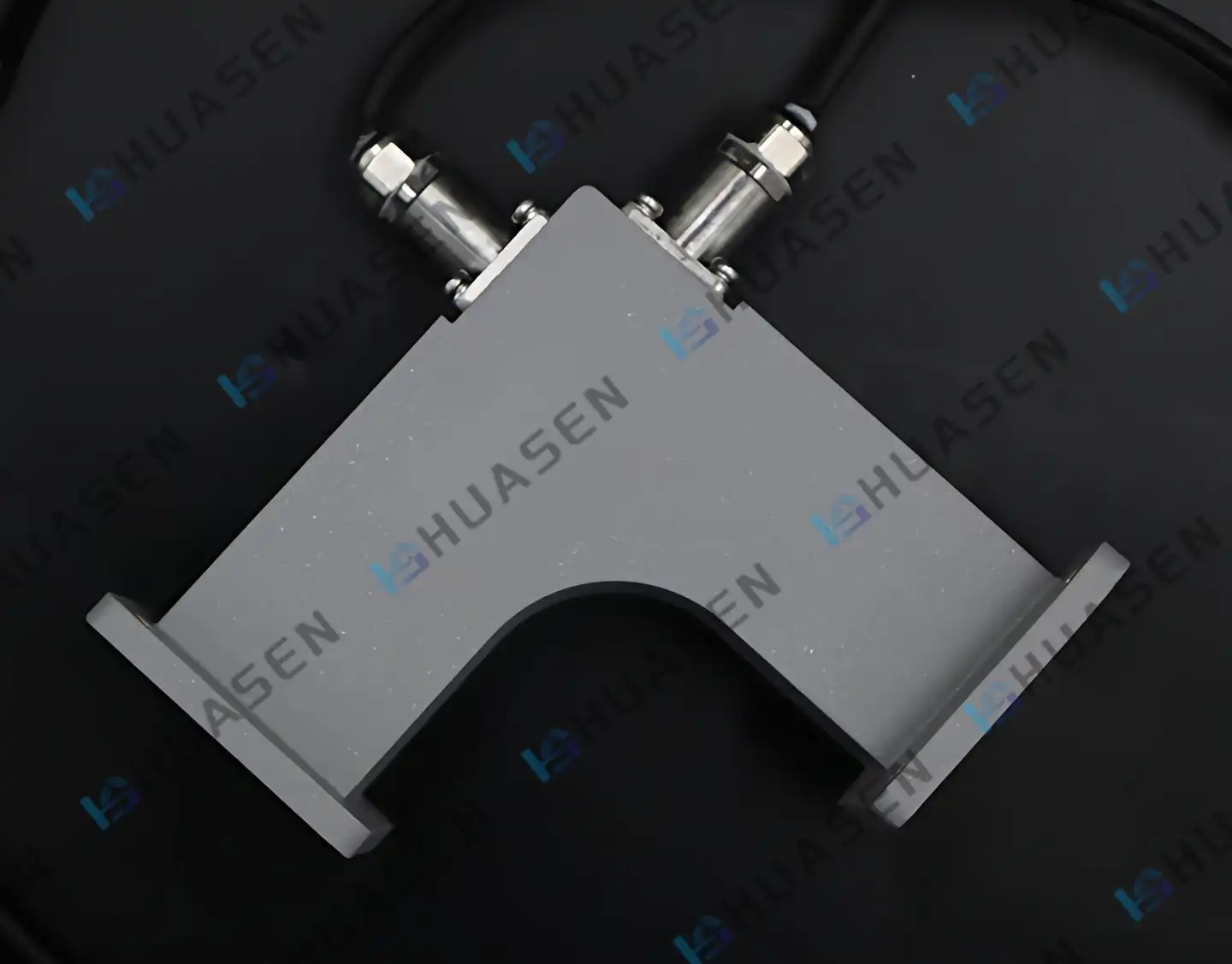
What Is Waveguide Detection and How It Improves RF Monitoring?
Waveguide detection is an advanced electromagnetic tracking technique that uses the controlled propagation properties of waveguide structures to find and study RF signal anomalies, mainly arcing events and impedance mismatches in systems that send a lot of power. This high-tech method for finding problems uses special sensors built into waveguide assemblies to keep an eye on electromagnetic field patterns, optical signs, and acoustic phenomena that could mean a system failure is about to happen. By monitoring RF transmission environments in real time, waveguide detection greatly improves monitoring accuracy, lowers the number of false alarms, and allows for quick protective responses that stop catastrophic equipment damage in a wide range of critical applications, from radar systems to industrial microwave processing.VIEW MORE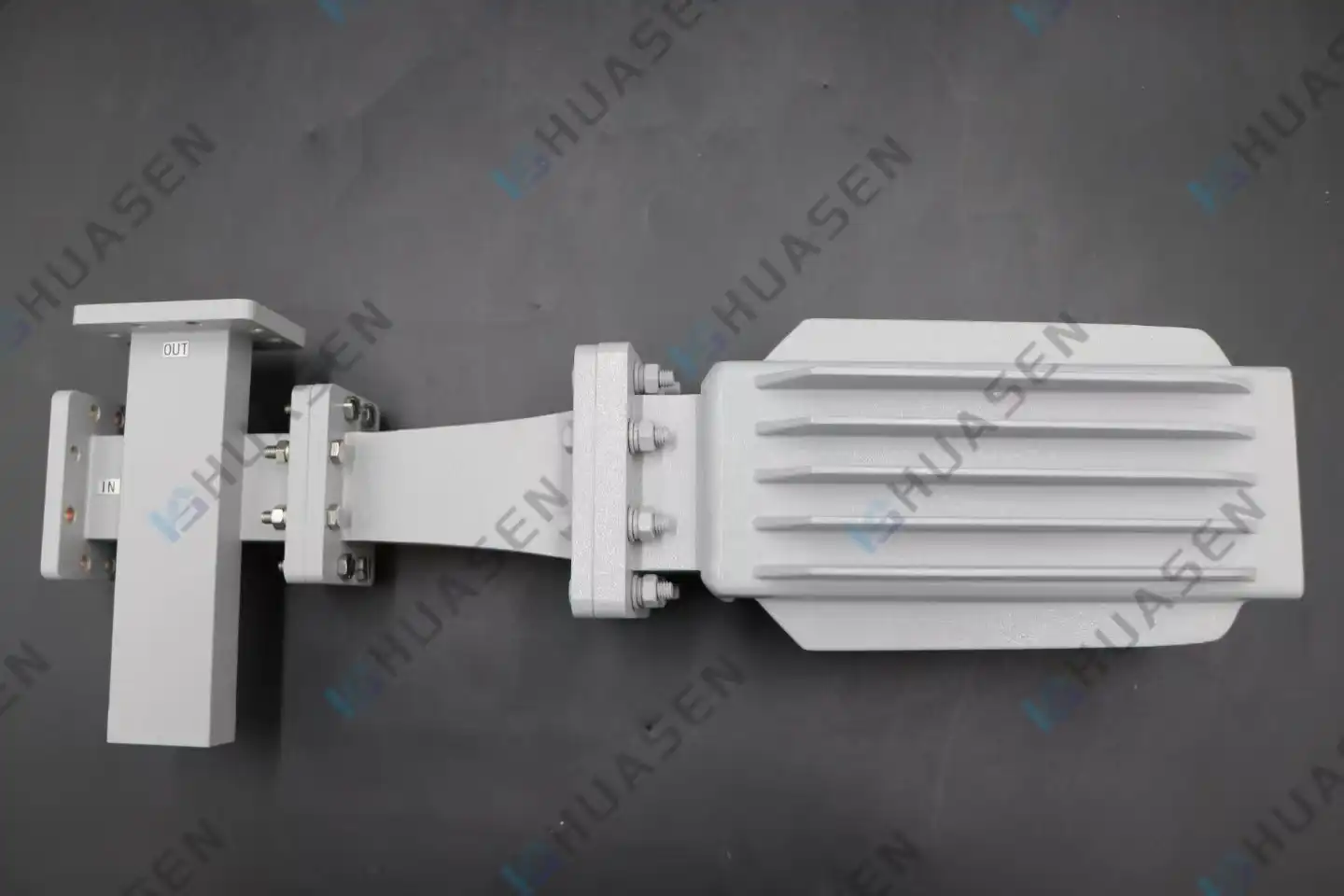
Stability Verification of Coupled Fixed Waveguide Attenuators in High Temp
Checking the stability of a coupled fixed waveguide. Validating attenuators in high-temperature environments is a key part of making sure that microwave components work reliably in very hot circumstances. When exposed to high temperatures, these precision waveguide components keep their attenuation values and electrical properties. This makes them essential for use in aerospace, defence, and industrial settings where thermal stability directly affects system reliability and measurement accuracy.VIEW MORE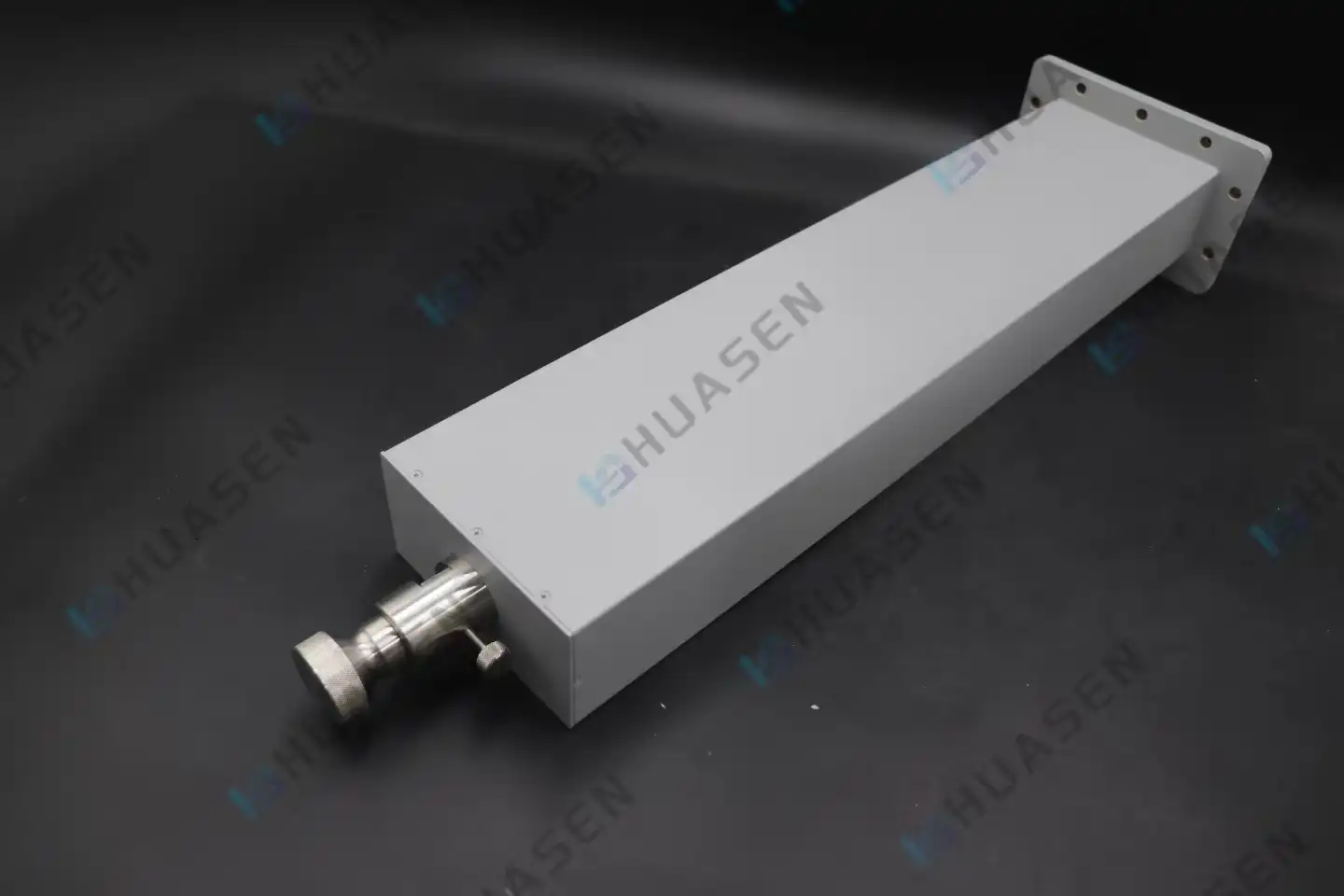
Why Engineers Use Waveguide Sliding Load in Labs?
Engineers rely on waveguide sliding loads in laboratory environments because these precision instruments solve critical measurement challenges that fixed terminations simply cannot address. Unlike static loads that present unchanging impedance values, a Waveguide Sliding Load incorporates a mechanically repositionable tapered absorbing element within a waveguide section, enabling phase manipulation while maintaining constant reflection magnitude. This unique capability allows engineers to separate error terms in vector network analyzer calibrations, achieve superior directivity measurements, and perform accurate impedance tuning across high-frequency applications. The device serves as the gold standard for metrology-grade measurements in millimeter-wave frequencies, making it indispensable for research institutions and testing laboratories demanding maximum measurement accuracy.VIEW MORE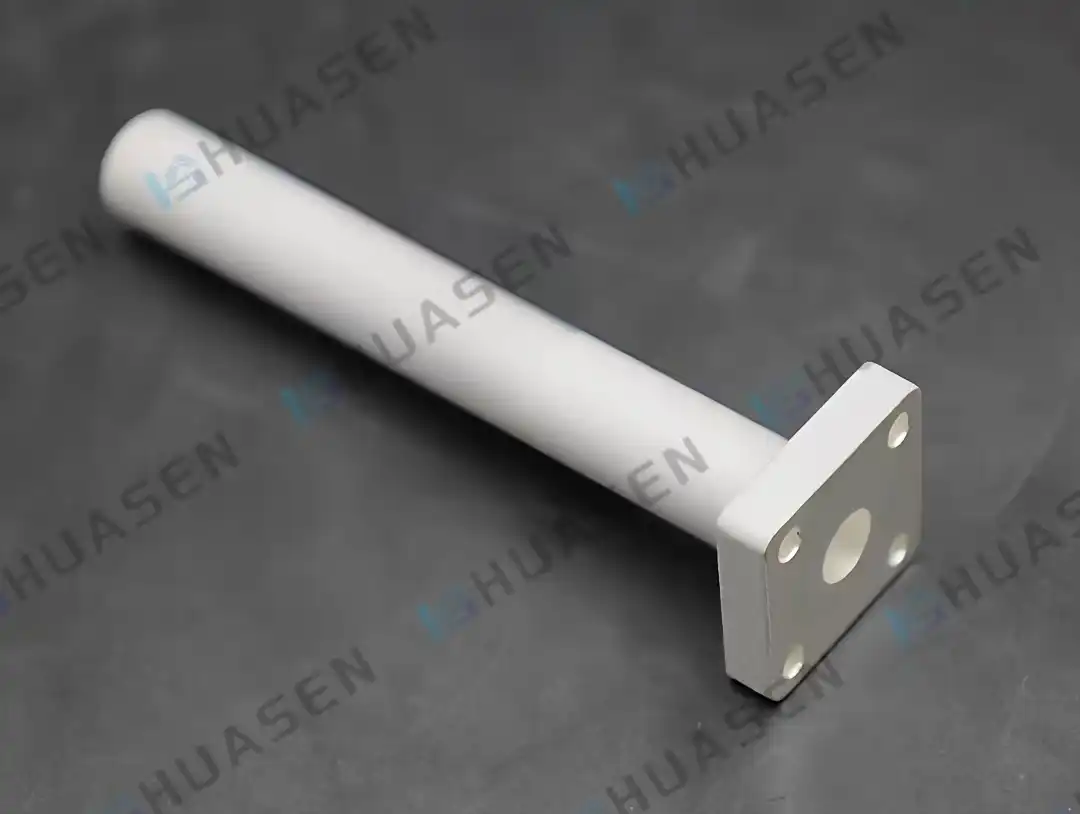
Waveguide Termination for Reflection Control Explained
Waveguide termination is an important inactive part of RF and microwave systems that is meant to take in electromagnetic energy and keep signal reflections to a minimum. These carefully designed devices change electrical energy into heat energy. This keeps the signals working properly and keeps sensitive equipment from getting damaged. Modern waveguide termination systems have great VSWR performance, keeping ratios close to 1.05:1. This makes sure that power transfers as efficiently as possible and stops harmful interference patterns in complicated communication networks.VIEW MORE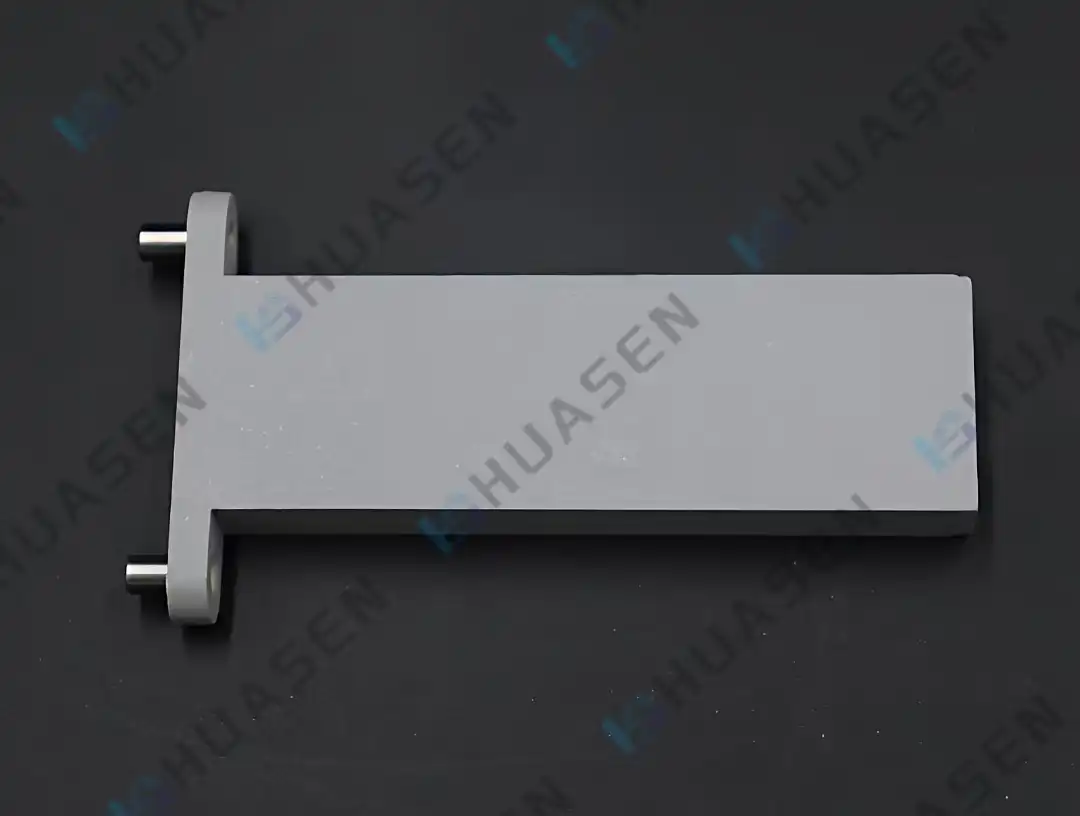
How Waveguide Matching Load Minimizes VSWR?
A Waveguide Matching Load lowers VSWR by precisely matching the impedance, which takes electromagnetic energy that comes in and sends as little of it back to the source as possible. This important RF part does this with special materials that absorb electromagnetic waves and a geometric design that fits the waveguide system's characteristic impedance. For precise applications, this usually means keeping VSWR ratios below 1.05:1. These loads protect sensitive transmission parts by getting rid of standing waves and signal reflections. They also make sure that signals stay pure throughout high-frequency systems.VIEW MORE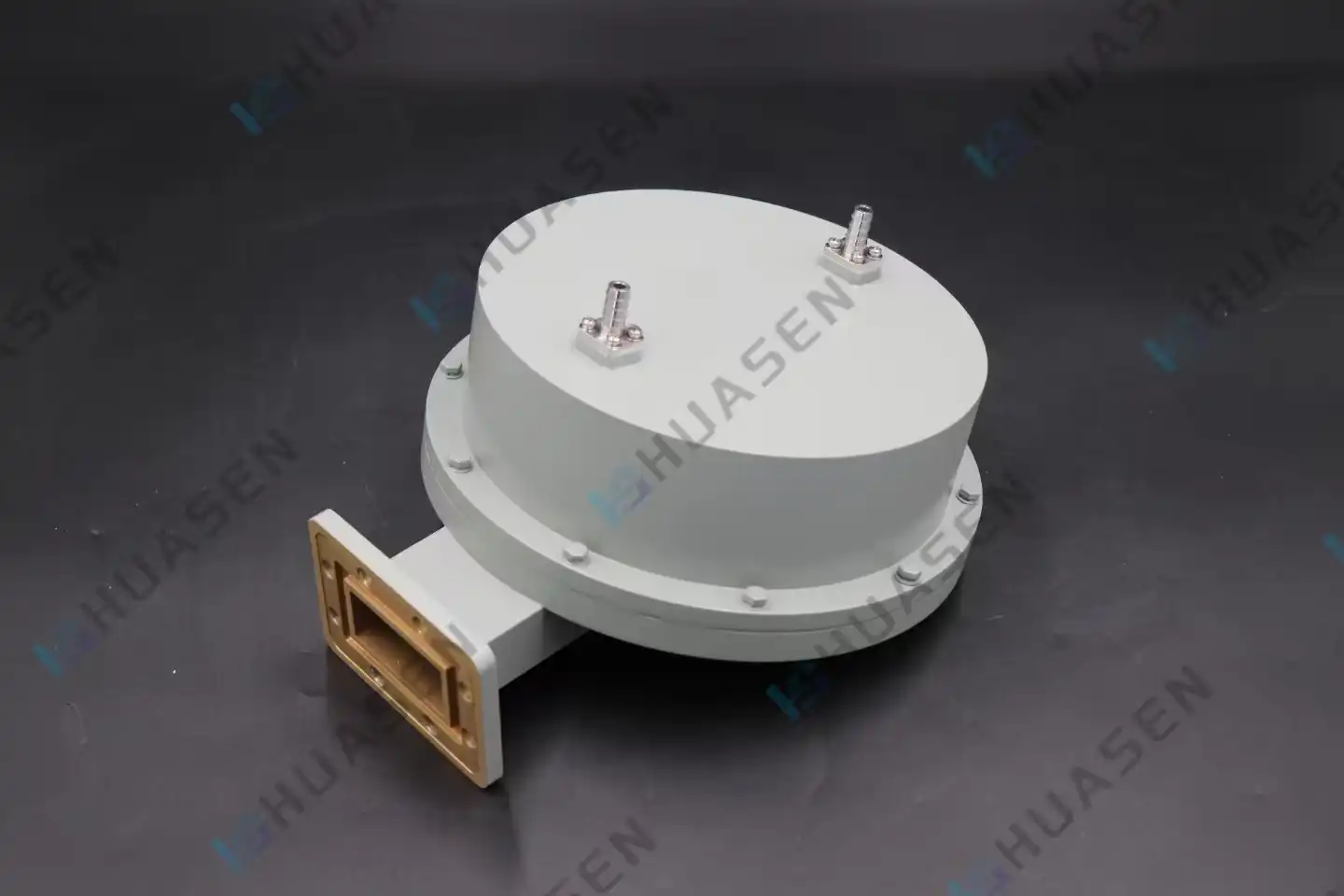
When to Choose Water Cooled Load Over Air Cooling?
Choosing between a water-cooled load and an air cooling system mostly relies on how much power your application needs, how much space you have, and the weather. Water-cooled loads work great in high-power situations where they need to run continuously at more than 1 kW, especially in places with limited wind or strict noise limits. These high-tech RF termination devices use liquid cooling circuits to quickly get rid of heat. This makes them essential for radar systems, medical linear accelerators, and industrial microwave uses where air cooling just isn't enough to control the temperature.VIEW MORE
- 1
- 37
- 38
- 39
- 40
- 41
- 60
Total 60 pages
