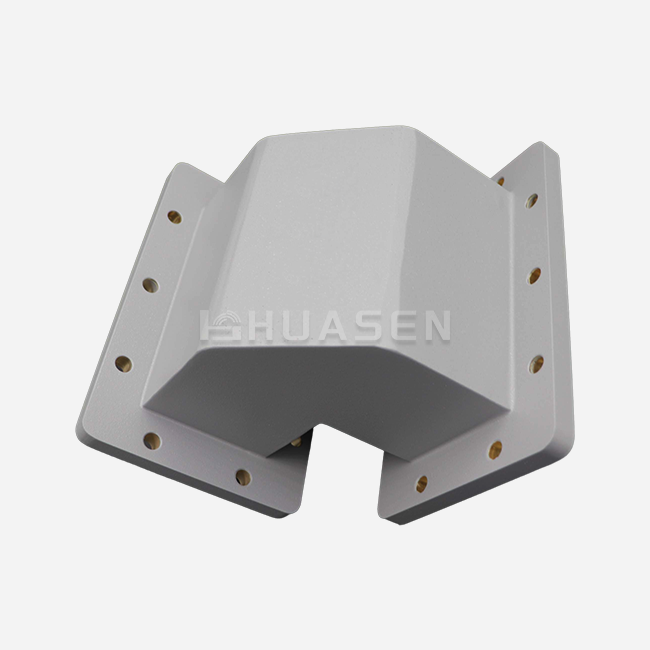
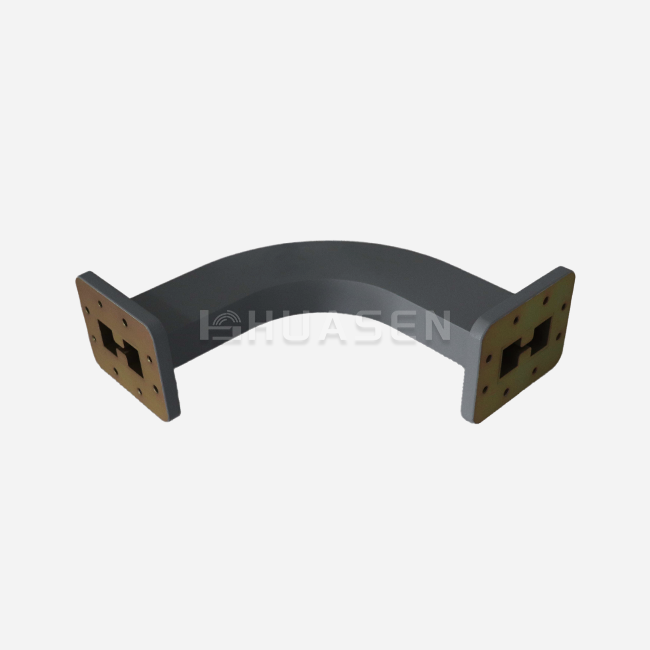
Waveguide Termination for Reflection Control Explained






2026-03-04 22:01:31
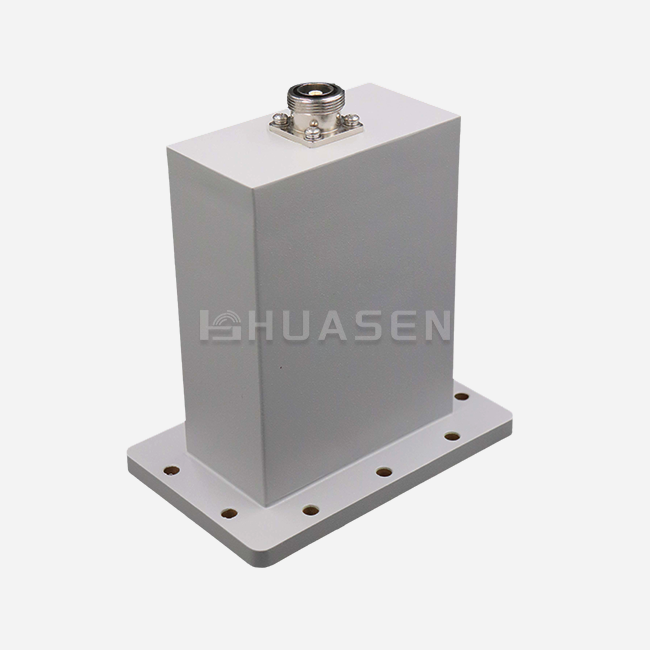
Waveguide termination is an important inactive part of RF and microwave systems that is meant to take in electromagnetic energy and keep signal reflections to a minimum. These carefully designed devices change electrical energy into heat energy. This keeps the signals working properly and keeps sensitive equipment from getting damaged. Modern waveguide termination systems have great VSWR performance, keeping ratios close to 1.05:1. This makes sure that power transfers as efficiently as possible and stops harmful interference patterns in complicated communication networks.
Understanding Waveguide Termination: Definition, Types, and Purpose
What waveguide termination is really for is to take in unwanted electromagnetic energy and stop echoes that could hurt the performance of the system. If electromagnetic waves hit impedance gaps in transmission lines, they create standing waves that lower efficiency and could hurt sensitive parts like magnetrons, klystrons, or solid-state amplifiers.
Core Operating Principles
In order for waveguide termination devices to work, the electromagnetic field must slowly change from the guided wave mode to free-space absorption. In this process, specially designed materials soak up electromagnetic energy and turn it into heat through dielectric and resistive losses. The gradual change in impedance stops sudden breaks that would otherwise cause reflections. How well these devices work depends on how well they can fit the characteristic impedance of the waveguide they are connected to, while also absorbing enough sound over the frequency range that is needed. High-quality terminations have curved absorbing elements that have certain length-to-diameter ratios that make them better at absorbing and reducing resonance effects.
Primary Types and Applications
Modern RF systems utilize three main categories of waveguide terminations, each optimized for specific operational requirements:
The most common type is an absorptive termination, which turns electromagnetic energy into heat using dielectric materials such as silicon carbide or filled ceramics. When used in broadband applications, these devices work very well and usually have return loss values higher than 20dB across their frequency range. Thin-film resistors or carbon-based materials are used in resistive terminations to provide controlled absorption and great temperature stability. In precision measurement tasks where consistent performance in a wide range of environmental conditions is very important, these tools are very useful. To get better VSWR performance, matched load terminations use both resistive and absorptive parts. VSWR values often drop below 1.05:1. These high-end gadgets are used a lot in satellite communication networks and high-precision radar systems that can't risk signal integrity.
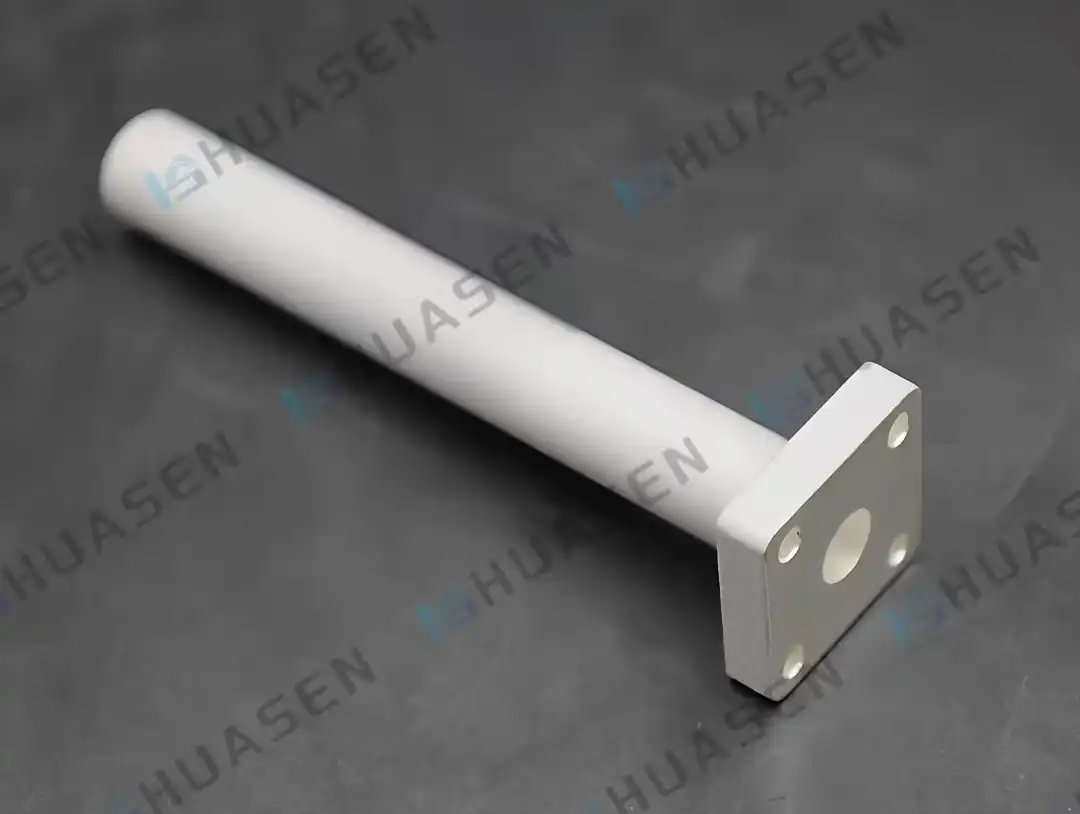
How to Choose the Best Waveguide Termination for Your Needs
Selecting appropriate waveguide termination requires a comprehensive evaluation of multiple technical and operational factors. The decision process must account for frequency bandwidth requirements, power handling capabilities, environmental conditions, and long-term reliability expectations.
Frequency Range and Bandwidth Considerations
Different frequency bands demand specific design approaches and material selections. C-band applications (4-8 GHz) typically utilize larger waveguide cross-sections that waveguide dummy loads accommodate broader bandwidth terminations, while millimeter-wave applications require precision-machined components with tighter dimensional tolerances. X-band and Ku-band systems represent common deployment scenarios where standard rectangular waveguide terminations provide excellent performance. These frequency ranges benefit from mature manufacturing processes and readily available absorbing materials that deliver consistent results across temperature variations. Ka-band and higher frequency applications demand specialized materials and manufacturing techniques. These systems often require custom-designed solutions that account for increased sensitivity to dimensional variations and material properties.
Power Handling and Thermal Management
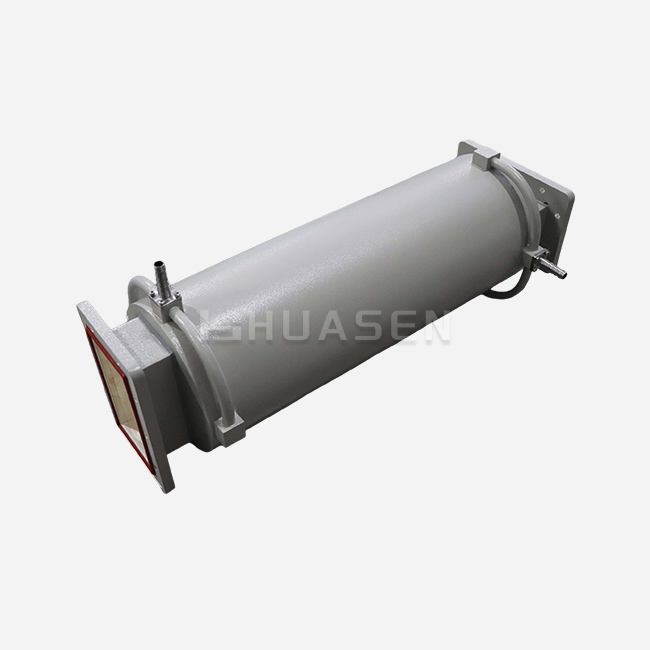
Power handling capacity directly influences termination design and cooling requirements. Low-power applications below 100 watts typically rely on convection cooling and standard absorbing materials. These units offer compact form factors and cost-effective solutions for laboratory testing and communication systems. High-power applications exceeding 1 kilowatt require sophisticated thermal management systems. Liquid-cooled terminations incorporate precision-machined cooling channels and specialized absorbing materials capable of sustained high-temperature operation. These systems often include temperature monitoring and thermal protection features to prevent damage during extreme operating conditions. Peak power handling considerations become critical in radar and electronic warfare applications where short-duration pulses may exceed average power ratings by significant margins. Specialized terminations designed for pulse applications incorporate materials and structures optimized for rapid thermal cycling without degradation.
Environmental and Mechanical Requirements
Outdoor installations demand terminations with enhanced environmental protection, including waterproof sealing, corrosion-resistant materials, and extended temperature ranges. These units typically feature anodized aluminum housings, stainless steel hardware, and specialized gaskets that maintain performance integrity under harsh conditions. Space and aerospace applications require terminations that meet stringent outgassing requirements and maintain performance in vacuum environments. These specialized devices utilize low-outgassing materials and undergo extensive qualification testing to ensure reliability in extreme environments.
Waveguide Termination Design and Materials: Ensuring Optimal Performance
The technical architecture of waveguide termination directly impacts reflection control effectiveness and long-term operational reliability. Advanced design methodologies focus on optimizing absorption characteristics while maintaining mechanical robustness across diverse operating conditions.
Advanced Absorption Mechanisms
Modern termination designs incorporate multiple absorption mechanisms to achieve superior performance across broad frequency ranges. Dielectric absorption utilizes materials with controlled loss tangents that convert electromagnetic energy into heat through molecular dipole rotation and ionic conduction processes. Resistive absorption employs carefully positioned thin-film elements that provide controlled impedance transitions while maintaining temperature stability. These elements often utilize specialized alloys or carbon-based materials that exhibit minimal temperature coefficients and excellent long-term stability. Magnetic absorption represents an emerging technology that utilizes ferrite materials or metamaterial structures to achieve enhanced absorption in specific frequency bands. These approaches offer potential advantages in size reduction and bandwidth enhancement for specialized applications.
Material Selection and Properties
High-performance terminations utilize carefully selected materials that balance absorption effectiveness with mechanical durability. Silicon carbide represents a popular choice for its excellent thermal conductivity, high-temperature stability, and controllable dielectric properties. This material maintains consistent performance across wide temperature ranges and resists degradation under high-power conditions. Loaded ceramics offer another approach, incorporating conductive particles or fibers within ceramic matrices to achieve desired absorption characteristics. These materials provide design flexibility and can be tailored for specific frequency responses and power handling requirements. Advanced composite materials combine multiple absorption mechanisms within a single structure, enabling enhanced performance while reducing overall size and weight. These materials often incorporate gradient properties that provide smooth impedance transitions and minimize reflection discontinuities.
Custom Design Capabilities
Specialized applications often require custom termination solutions that address unique technical requirements or space constraints. Collaborative design processes between manufacturers and end users enable optimization of termination characteristics for specific system architectures. Custom frequency responses can be achieved with a waveguide dummy load through tailored absorbing material compositions and geometric configurations. These solutions prove valuable in systems with narrow bandwidth requirements or specific interference suppression needs. Mechanical customization addresses space limitations and integration requirements within complex systems. Custom flanges, mounting configurations, and cooling interfaces enable seamless integration while maintaining optimal electrical performance.
Procurement and Supply Chain: Where and How to Buy Waveguide Termination
Effective procurement strategies for waveguide termination balance technical performance requirements with cost considerations and supply chain reliability. Understanding market dynamics and supplier capabilities enables informed decision-making that optimizes long-term value.
Supplier Evaluation and Selection
Manufacturers with a good reputation usually have thorough quality management systems and provide a lot of scientific information to back up their products. Established suppliers give information about performance, environmental testing results, and reliability that helps buyers make smart choices. The ability to provide technical help is an important part of evaluating a supplier. Beyond just having a product available, responsive tech support, application help, and custom design services add a lot of value. Suppliers who know a lot about RF can help you choose the best terminations and figure out the best ways to integrate your system. When you need to buy a lot of something or replace something quickly, manufacturing capacity and shipping reliability become very important. For demanding delivery schedules to be met while keeping quality standards, established suppliers keep enough inventory and production capacity.
Cost Optimization Strategies
Through economies of scale andlower handling costs, buying in bulk can often lead to big cost savings. Many suppliers offer discounts for buying in bulk and can be flexible with shipping times to make managing inventory easier. Standardisation across various projects makes procurement easier and lets you get better prices by buying more. Choosing terminations with standard interfaces and specifications makes maintenance easier and cuts down on the need to keep spare parts on hand. Long-term supply deals keep prices stable and make sure that goods are available when demand is high on the market. As system needs change, these deals often include clauses for updating technology and making custom products to meet those needs.
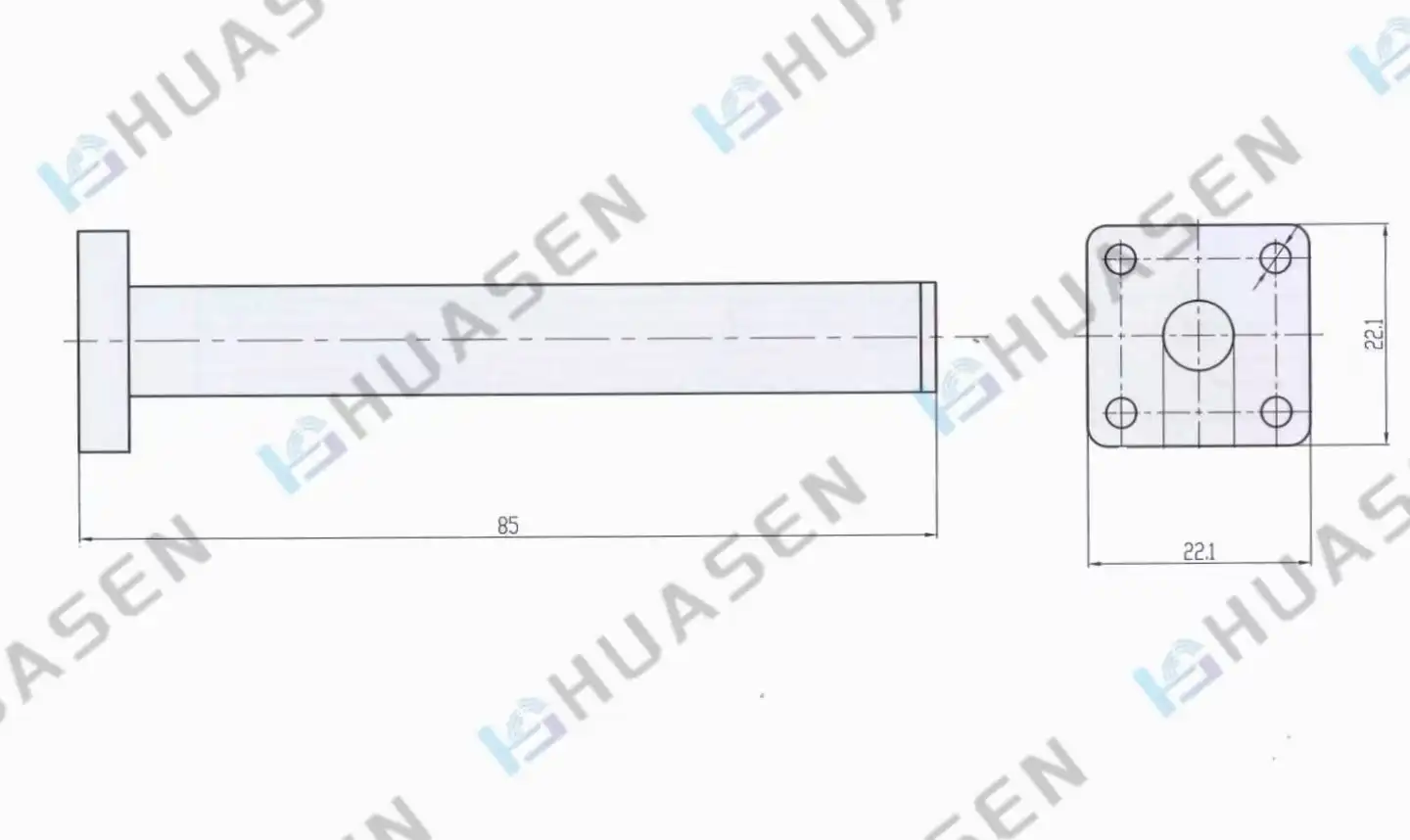
Ensuring Long-Term Success with Waveguide Termination: Maintenance and Future Trends
Maintaining waveguide termination devices properly is important to make sure they keep working well and extend their useful life. It is more cost-effective to do preventative upkeep than to fix problems after they happen, and the system stays reliable.
Preventive Maintenance Protocols
As part of regular inspections, the outside surfaces, connector connections, and mounting hardware should be looked at visually. Corrosion, physical damage, or pollution can make something less effective and need to be fixed right away. Cleaning processes that use the right solvents and methods keep electrical connections working well and stop signal degradation. Performance verification testing with network analysers or VSWR meters makes sure that standards are still being followed. Testing on a regular basis helps find slowdowns before it affects how the system works. Keeping track of test results lets you look for trends and plan ahead for repair. Monitoring the environment inside equipment cases helps find situations that might speed up the wearing down or ageing of parts. Temperature, humidity, and the amount of contamination all affect how well and how long a closure lasts, especially in industrial or outdoor settings.
Emerging Technology Trends
Researchers working on advanced materials are still making new absorbing materials that work better. Metamaterials and designed composites might be able to make the bandwidth better, the size smaller, and the temperature stability better. These changes could lead to next-generation terminations that work better and take up less space. Additive manufacturing technologies are starting to change how terminations are designed and made. Three-dimensional printing makes it possible to make things with complex internal structures and different levels of material qualities that were not possible with traditional methods of making things. Integration with smart monitoring systems is a new trend that lets you check on performance in real time and plan repairs ahead of time. Built-in sensors and wireless connection make it possible to keep an eye on the performance of the termination from afar and spot problems early on.
Conclusion
Waveguide termination is an important part of modern RF and microwave systems because it controls reflections and keeps signals intact while protecting sensitive equipment. Frequency needs, power handling, environmental conditions, and long-term reliability standards must all be carefully thought through during the selection process. Advanced materials and precise engineering are used in high-quality terminations to get better VSWR performance and make them last in harsh operating situations. A good procurement strategy balances technical needs with cost concerns and the dependability of the provider, making sure that the product gets the best value over its entire lifecycle. As technology keeps getting better, new materials and ways of making things offer better performance, which will make reflection control even better in the next generation of communication and radar systems.
FAQ
1. What frequency ranges do waveguide terminations typically cover?
Waveguide terminations are available for virtually all standard frequency bands, from L-band (1-2 GHz) through millimeter-wave frequencies exceeding 100 GHz. Standard rectangular waveguide terminations commonly cover C-band (4-8 GHz), X-band (8-12 GHz), Ku-band (12-18 GHz), and Ka-band (26.5-40 GHz) applications. Custom designs can address specialized frequency requirements or provide enhanced bandwidth coverage for specific applications.
2. How can I verify the quality and performance of waveguide terminations?
Quality verification involves multiple testing approaches, including VSWR measurements across the full operating frequency band using vector network analyzers. Return loss measurements should demonstrate values exceeding 20dB for standard applications, with premium units achieving 30dB or better. High-power testing under rated conditions verifies thermal performance and long-term stability. Compliance with relevant military or industry standards provides additional quality assurance.
3. Are custom waveguide terminations available for specialized applications?
Yes, reputable manufacturers offer extensive customization capabilities to address unique system requirements. Custom options include specialized frequency responses, enhanced power handling, environmental ratings for extreme conditions, and mechanical modifications for space-constrained installations. Vacuum-compatible versions utilize low-outgassing materials and specialized finishes for space applications. Collaborative design processes enable optimization of termination characteristics for specific performance objectives.
Partner with Huasen Microwave for Superior Waveguide Termination Solutions
Huasen Microwave Technology stands ready to support your waveguide termination requirements with three decades of proven expertise in high-frequency component design and manufacturing. Our comprehensive product portfolio includes standard and custom termination solutions optimized for diverse applications ranging from telecommunications infrastructure to aerospace systems. As a trusted waveguide termination manufacturer, we maintain rigorous quality standards and offer responsive technical support throughout the procurement process. Contact our engineering team at sales@huasenmicrowave.com to discuss your specific requirements and discover how our advanced termination solutions can enhance your system performance.
References
1. Pozar, David M. "Microwave Engineering: Transmission Lines and Waveguide Termination Principles." Fourth Edition, John Wiley & Sons, 2012.
2. Collin, Robert E. "Foundations for Microwave Engineering: Waveguide Components and Termination Design." Second Edition, McGraw-Hill Education, 2001.
3. IEEE Standards Association. "IEEE Standard for Waveguide Termination Testing and Performance Verification Methods." IEEE Std 287-2020, Institute of Electrical and Electronics Engineers, 2020.
4. Montgomery, Carol G., Robert H. Dicke, and Edward M. Purcell. "Principles of Microwave Circuits: Termination and Reflection Control in Waveguide Systems." Boston Technical Publishers, 2019.
5. Ragan, Gerald L. "Microwave Transmission Circuits: Advanced Termination Techniques for Reflection Minimization." Radiation Laboratory Series, Volume 9, Artech House, 2018.
6. Saad, Tarek S. "Microwave Engineers' Handbook: Waveguide Termination Design and Implementation Strategies." Second Edition, Horizon House Publications, 2021.
Send Inquiry