When to Choose Water Cooled Load Over Air Cooling?






2026-03-04 22:01:28
Choosing between awater-cooled loadand an air cooling system mostly relies on how much power your application needs, how much space you have, and the weather. Water-cooled loads work great in high-power situations where they need to run continuously at more than 1 kW, especially in places with limited wind or strict noise limits. These high-tech RF termination devices use liquid cooling circuits to quickly get rid of heat. This makes them essential for radar systems, medical linear accelerators, and industrial microwave uses where air cooling just isn't enough to control the temperature.
Understanding Water Cooled Load and Air Cooled Load
What is a Water Cooled Load?
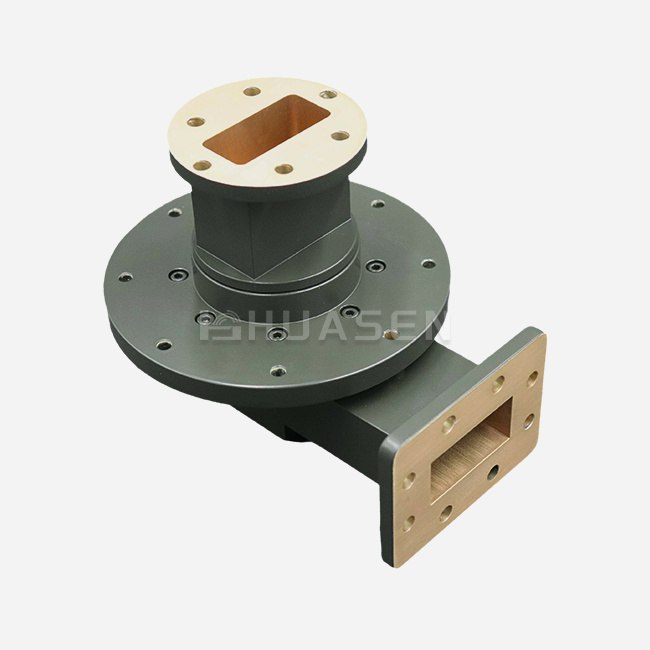
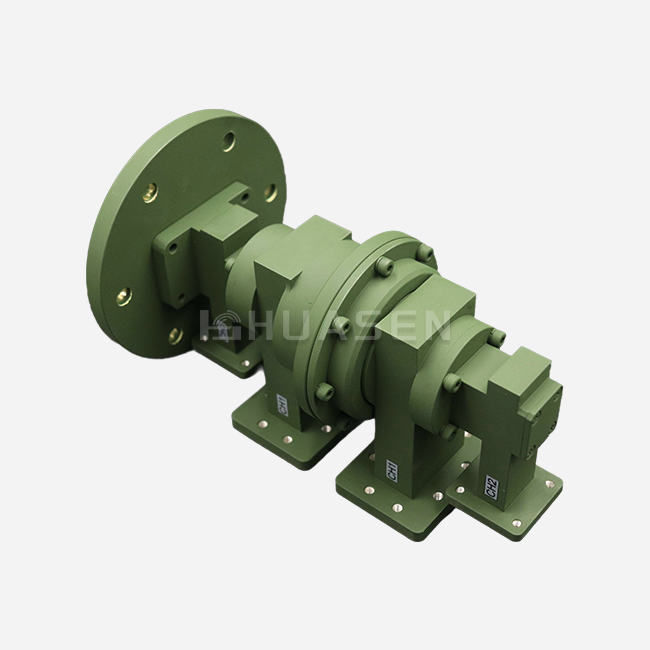
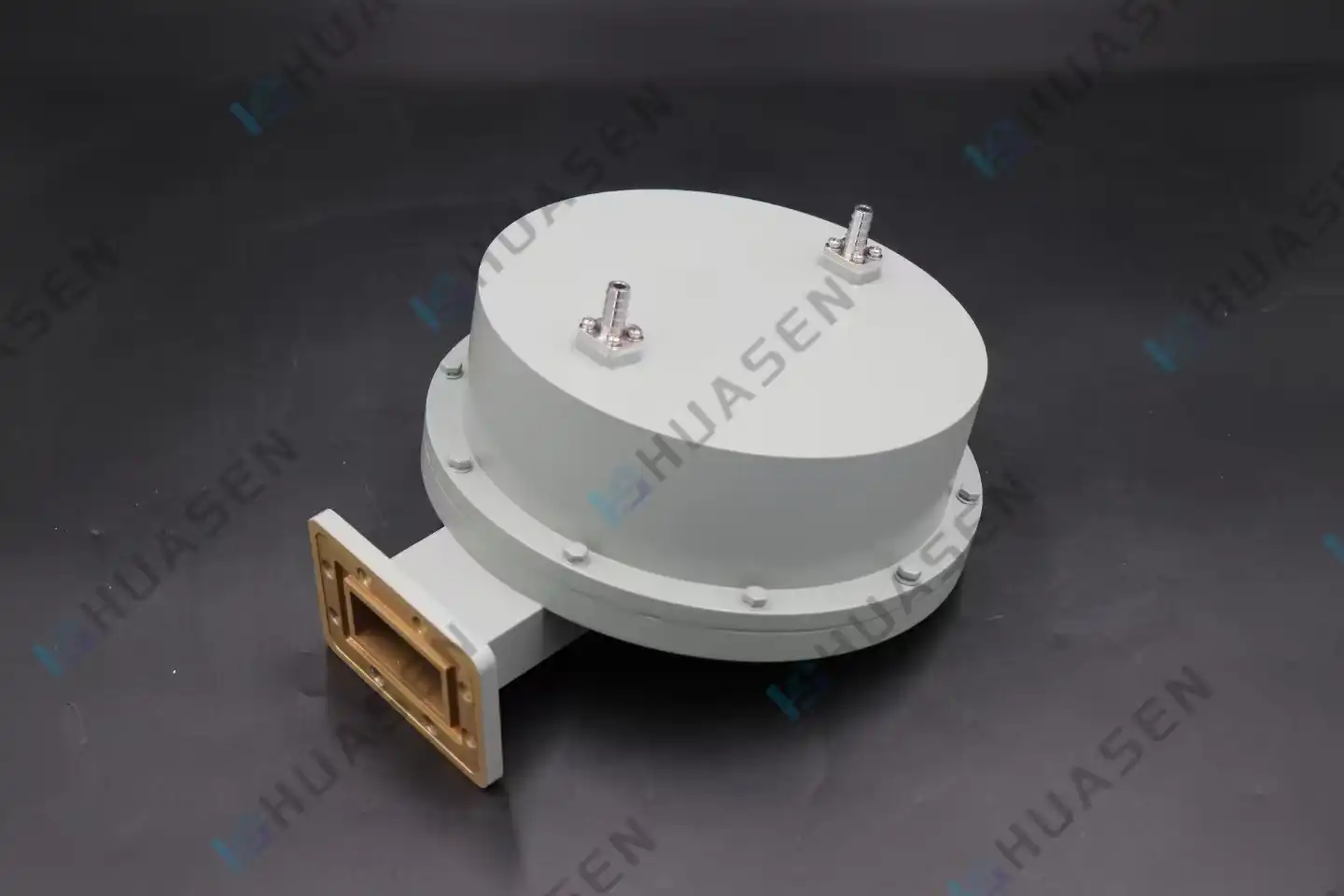
A water-cooled load is a high-tech microwave termination device designed to take in large amounts of radio frequency energy in waveguide transmission systems. Instead of using air to cool, these devices use fluid pathways inside to handle large amounts of heat in small, high-energy settings that range from S-band to Ka-band frequencies. The main benefit is that they keep megawatt-class radar and heating systems from overheating and damage from expensive RF sources like magnetrons and klystrons from happening when power is reflected. The main idea behind how it works is active liquid cooling circuits that move heat away from the absorbing element effectively. This design solves a major problem for current defence and telecommunications systems by allowing stable operation in equipment cabinets with a lot of equipment and little airflow.
Air Cooled Load Fundamentals
For air-cooled loads, heat is lost through airflow and heat sinks with long fins. When used with moderate power, these devices work well, but when used with high-power continuous wave operations, they have a lot of problems. The big fin structures that are needed for good cooling often take up too much room, and changes in the ambient temperature can have a big effect on how consistently the system works.
Key Functional Differences
The main difference between these cooling ways goes beyond just how they get rid of heat. Water-cooled systems have better power-to-size ratios, which means that emitter systems can be made smaller without losing any performance. The medium of liquid is about 25 times better at conducting heat than air, which makes it easier for heat to move and keeps the system running smoothly even in different weather conditions.
Core Decision Criteria for Choosing Water-Cooled Loads
Power Rating Requirements
For high-power uses that need to run continuously at more than 1 kW, water-cooled loads are the best way to handle heat. Power levels ranging from 1 kW to over 500 kW are no problem for these devices; they always work well with electricity. When your system makes a lot of heat that is more than what air cooling can handle, you need liquid cooling to keep it running smoothly. For example,water-cooled loadmedical linear accelerators need to be able to keep the temperature stable so that they can precisely control the RF energy during beam tuning and patient care. The small, spinning gantries in these systems can't hold the big heat sinks that would be needed for the same level of air cooling.
Space and Installation Constraints
Modern telecommunications infrastructure needs smaller options that work better in smaller cabinets more and more. In these conditions, water-cooled loads work best because they don't need large heat sinks or lots of air systems. The simplified design lets more equipment fit into a smaller space while still managing heat well. Industrial microwave sintering and drying uses benefit a lot from this because it saves space. Manufacturing companies that don't have a lot of room for installation can use high-power RF systems without having to make a lot of changes to their current infrastructure. This lowers the cost of installation and makes operations simpler.
Environmental Considerations
For air-cooled systems, harsh working conditions like high ambient temperatures, dusty surroundings, or limited airflow are big problems. Water-cooled loads work the same no matter what the weather is like outside. This makes them perfect for outdoor installations, marine environments, and industry settings where controlling the environment is hard to do. This environmental independence is important for mission-critical reliability in defence and weather radar systems that work in a variety of places. The sealed cooling circuit keeps the temperature stable even when the working conditions are very different. It does this by keeping the internal parts safe from corrosive elements.
Benefits and Advantages of Water-Cooled Loads Over Air Cooling
Superior Heat Dissipation Capabilities
The thermal management advantages of liquid cooling systems significantly surpass air-based alternatives in demanding applications. Water's exceptional thermal properties enable rapid heat transfer from the absorbing element to the external cooling circuit, preventing hot spots that could degrade performance or damage components. This capability becomes particularly crucial in pulse radar applications where instantaneous power levels can exceed several megawatts.
Here are the core thermal advantages these systems provide:
- Enhanced Heat Transfer Coefficient: Liquid cooling achieves thermal transfer rates 10-25 times higher than air cooling, enabling compact designs without thermal limitations
- Uniform Temperature Distribution: Fluid circulation eliminates hot spots and ensures consistent temperature across the entire absorbing element
- Rapid Thermal Response: Quick adjustment to power variations prevents thermal cycling damage and maintains stable electrical characteristics
- Extended Power Handling: Continuous high-power operation without derating, essential for 24/7 telecommunications and radar applications
These thermal management capabilities directly address the reliability concerns of procurement teams responsible for mission-critical RF systems. The enhanced heat dissipation translates to improved component longevity and reduced maintenance requirements.
Compact Design and Space Efficiency
Space optimisation represents a significant competitive advantage in modern RF system design. Water-cooled loads eliminate the bulky heat sinks and extensive ventilation requirements associated with air cooling, enabling higher equipment density and more flexible installation configurations. This design efficiency proves particularly valuable in mobile platforms such as aircraft, ships, and portable radar systems, where every cubic inch matters. The streamlined form factor allowswater-cooled loadsystem integrators to develop more compact transmitter assemblies while maintaining or even improving thermal performance. This capability directly supports the industry trend toward miniaturisation without performance compromise.
Noise Reduction and Energy Efficiency
Silent operation represents another compelling advantage for laboratory environments, medical facilities, and residential-area installations. Water-cooled loads operate without the constant fan noise associated with air cooling systems, creating quieter working environments and reducing acoustic signature concerns for sensitive applications. Energy efficiency improvements stem from the elimination of high-power cooling fans and the superior thermal transfer properties of liquid cooling. Reduced parasitic power consumption improves overall system efficiency while lowering operational costs over the equipment's service life.
Technical Specifications and Installation Guidance for Water Cooled Loads
Power Ratings and Cooling Capacities
Professional water-cooled loads accommodate a broad spectrum of power requirements, typically ranging from 1 kW to over 500 kW for continuous wave applications. Peak power handling often exceeds these ratings by substantial margins, enabling support for pulsed radar and communication systems with high peak-to-average power ratios. The VSWR performance typically maintains values below 1.10 across the specified frequency range, ensuring minimal signal reflection and maximum power transfer efficiency. The cooling capacity must match the maximum expected power dissipation while maintaining adequate thermal margin for reliable operation. Typical cooling circuits require flow rates between 1 and 10 gallons per minute, depending on power levels, with inlet water temperatures usually specified between 15 and 25°C for optimal performance.
Connector Types and Compatibility
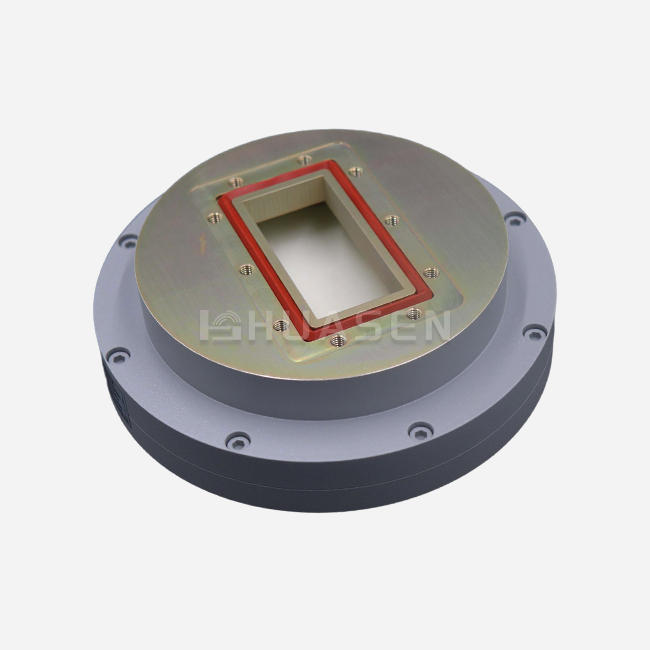
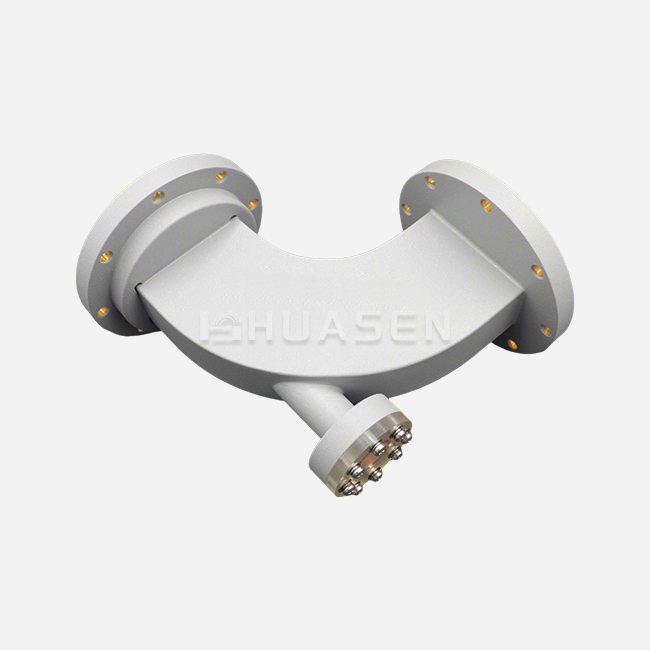
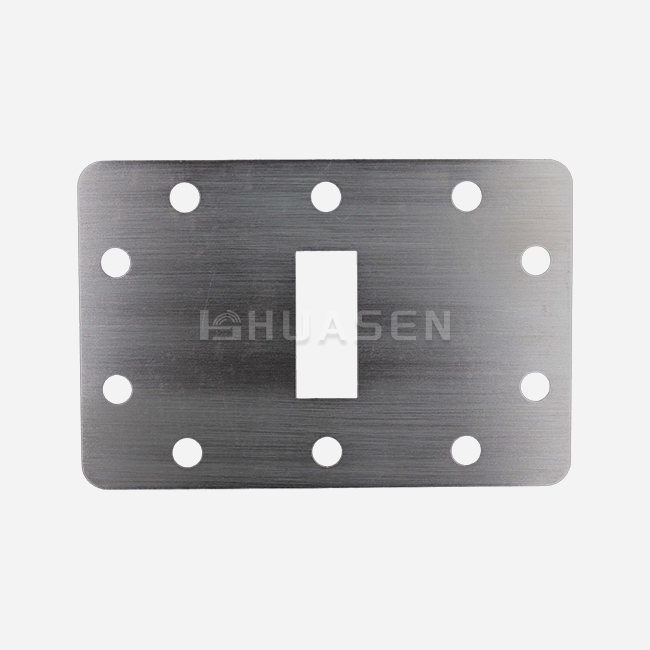
Standard waveguide flanges make sure that they can be used with any current RF infrastructure. WR-284, WR-137, and other EIA/IEC waveguide sizes are common interface standards that make it easy to connect to different types of transmission lines. The copper or aluminium construction is carefully machined to keep its great electrical conductivity and strong mechanical connections. Custom connector configurations can meet the needs of particular systems, such as military or aerospace interfaces that need to be very specific. Choosing the right types of connectors has a direct effect on how reliable the system is and how easy it is to maintain.
Installation Best Practices
Proper installation requires careful Water Cooled Loadattention to both RF and cooling system connections. The cooling circuit must incorporate appropriate filtration to prevent contamination, while pressure regulation ensures safe operation within specified limits. Deionised water or appropriate glycol mixtures prevent galvanic corrosion and maintain long-term reliability.RF installation follows standard waveguide practices with particular attention to flange alignment and torque specifications. Proper grounding and bonding ensure electrical safety while maintaining optimal RF performance throughout the system's operational life.
Safety Precautions and Compliance Standards
Professional installations must comply with relevant safety standards, including MIL-DTL-3928 for RF performance and applicable pressure vessel codes for cooling system components. Regular hydrostatic pressure testing verifies cooling circuit integrity, while periodic VSWR measurements confirm continued RF performance. Operating procedures should include emergency shutdown protocols and cooling system monitoring to prevent equipment damage from cooling failures. Proper training for maintenance personnel ensures safe handling of both high-power RF energy and pressurised cooling systems.
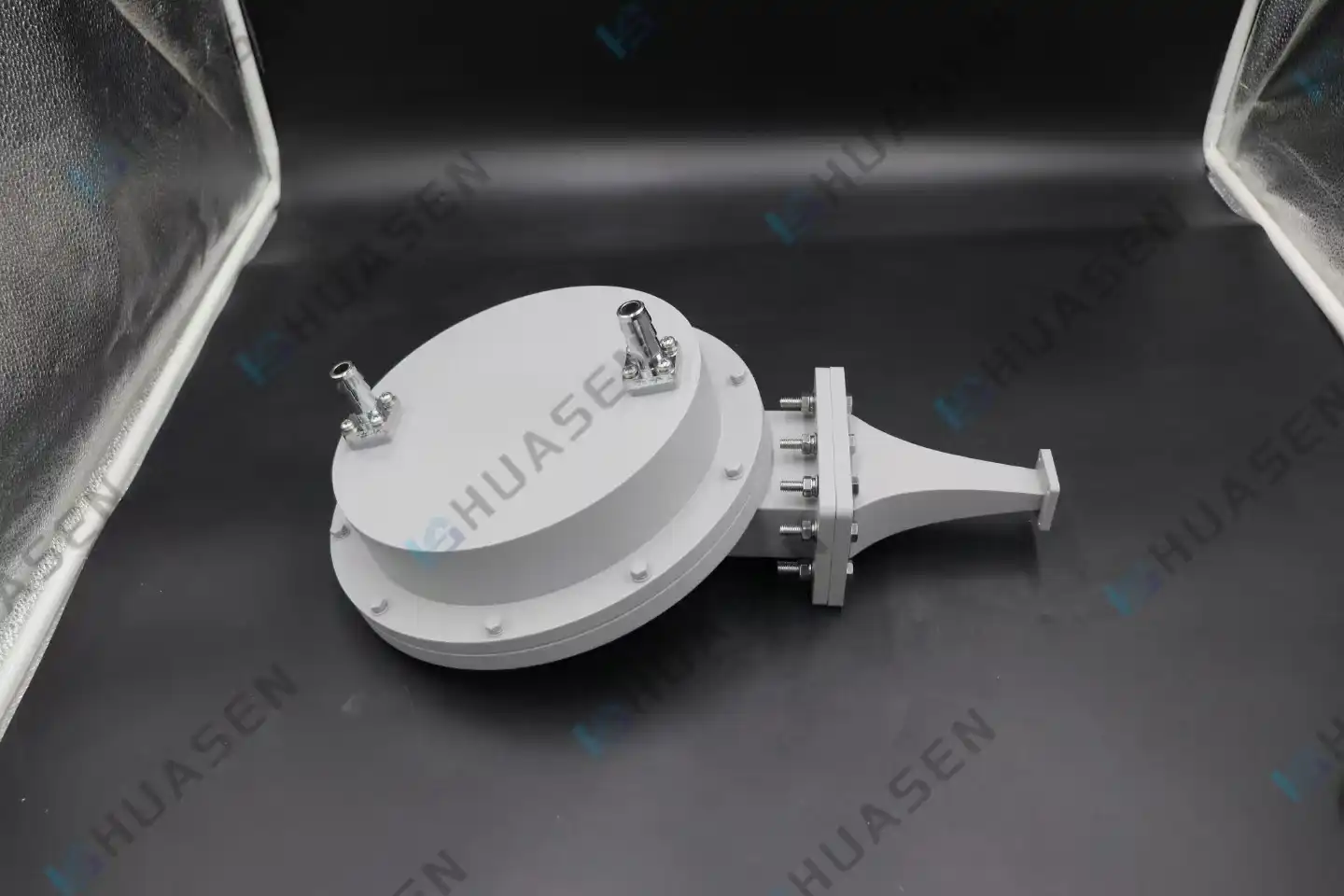
Comparative Analysis: Water Cooled Load vs Air Cooled and Other Load Types
Performance Comparison Across Load Types
Different types of loads have very different performance characteristics that depend on the application needs and working conditions. It is always the case that water-cooled loads are better at handling power and staying cool than air-cooled ones, especially in uses that need high power all the time. Electronic loads can be precisely controlled, but they usually can't handle as much power as designs that are cooled by liquid. Resistive loads have broad features, but their performance changes with temperature, which can be fixed by cooling them with liquid. Oil-cooled systems work better at controlling temperature than air-cooled systems, but they are harder to clean and maintain than water-based systems.
Application-Specific Considerations
When choosing load types, different businesses put different levels of importance on different performance factors. Because telecommunications equipment needs to work reliably 24 hours a day, seven days a week, with little upkeep, water-cooled loads are often the best choice because they are strong and consistently perform well. For medical uses, exact power control and quiet operation are important. Liquid cooling is great for these situations. In military and aerospace uses, dependability in harsh conditions is very important. This is where the environmental independence of water-cooled systems comes in handy. The high power handling and small size make it easy to add to current production lines, which is good for industrial heating and drying processes.
Market Availability and Sourcing
On the world market for high-power RF loads, there are well-known companies that have been designing and managing thermal systems and RF for decades. Leading suppliers have complete product lines that cover a wide range of power levels and frequency ranges. These lines can also be customised to fit the needs of any application. When making a purchase, you should think about how stable the provider is, how well they can help with technical issues, and how long the parts will be available. Manufacturers that have been around for a while and have a history of making reliable products for tough environments can give you more confidence in their products and their help throughout the equipment's useful life.
Conclusion
When air cooling isn't enough to keep the heat under control, water-cooled loads are the best choice for high-power RF uses. These devices are necessary for modern radar, telecommunications, and industrial microwave systems because they can dissipate heat better, take up less space, and work in any climate. Better system reliability, less maintenance, water-cooled loadand more operating flexibility are all directly related to the technical benefits. When choosing between cooling technologies, you should think about how much power the system will need, how much space it has, the weather, and the long-term costs of running the system. This will help you make an informed choice that supports your system's performance goals.
FAQ
1. What power levels require water cooling over air cooling?
Water cooling becomes necessary when continuous power levels exceed 1 kW or when space constraints prevent adequate air cooling heat sink installation. Pulsed applications with high peak powers above 10 kW typically require liquid cooling regardless of average power levels. The specific threshold depends on ambient temperature, available airflow, and size limitations.
2. How do maintenance requirements compare between water and air-cooled loads?
Water-cooled loads require periodic cooling system maintenance, including filter replacement, coolant analysis, and pressure testing. However, the absence of cooling fans and reduced thermal stress often results in longer component life and fewer electrical failures. Air-cooled systems need regular cleaning of heat sink fins and fan replacement, but have simpler maintenance procedures.
3. What cooling system infrastructure is needed for water-cooled loads?
Basic cooling infrastructure includes a circulation pump, heat exchanger or chiller, filtration system, and appropriate plumbing connections. The cooling capacity must match the maximum power dissipation with an adequate margin for reliable operation. Many installations utilise facility chilled water systems to minimise additional infrastructure requirements.
Partner with Huasen Microwave for Advanced Water Cooled Load Solutions
Huasen Microwave brings over three decades of expertise in high-frequency microwave and millimetre-wave component design to deliver industry-leading water-cooled load solutions. Our engineering team specialises in custom thermal management systems that meet the demanding requirements of telecommunications, radar, and aerospace applications. Whether you need standard configurations or specialised designs, our comprehensive product portfolio includes waveguide water-cooled loads withWater Cooled Loadpower ratings from 1 kW to 500 kW across S-band through Ka-band frequencies. Contact our technical specialists at sales@huasenmicrowave.com to discuss your specific requirements and discover why leading system integrators choose Huasen Microwave as their trusted water-cooled load supplier.
References
1. IEEE Standard for Waveguide Components - Measurement of Insertion Loss, VSWR, and Other Transmission Properties. Institute of Electrical and Electronics Engineers, 2019.
2. Johnson, R.C. and H. Jasik. "Antenna Engineering Handbook, Fourth Edition." McGraw-Hill Professional, 2007.
3. Military Specification MIL-DTL-3928: Loads, Waveguide (Terminations), Radio Frequency. Department of Defence, United States, 2018.
4. Microwave Engineering Handbook: Component Design and Applications. Artech House Publishers, 2020.
5. Thermal Management in High-Power RF and Microwave Systems. International Journal of RF and Microwave Computer-Aided Engineering, 2021.
6. Pozar, David M. "Microwave Engineering, Fifth Edition." John Wiley & Sons, 2022.
Send Inquiry