How Does Lens Material Affect the Performance of Lens Horn Antenna?






2026-03-07 21:53:57
The electromagnetic performance of a Lens Antenna device is largely determined by the lens material that is used. The dielectric properties of materials like PTFE, quartz, and polyethylene have a direct effect on how waves travel, how well they can correct for phase errors, and how well the signals stay connected inside the antenna structure. Different materials have different loss tangent values and dielectric factors, which change how the beam is focused, how much gain is optimised, and how the frequency response changes. The thermal stability and mechanical durability of a material also have an effect on its long-term dependability, especially in harsh environments where steady performance is needed.
Understanding Lens Horn Antenna and Its Key Components
Lens horn antennas are essential parts of many high-frequency applications because they allow precise beam control and better directivity in modern RF transmission systems. These high-tech gadgets combine the electromagnetic focusing power of dielectric lenses with the controlled radiation patterns of horn antennas to make systems that work very well across a wide range of frequency bands.
Fundamental Design Architecture
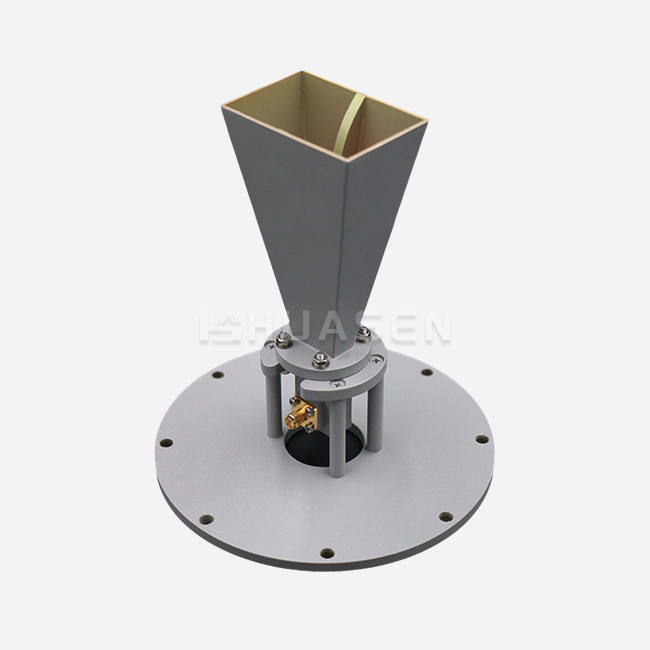
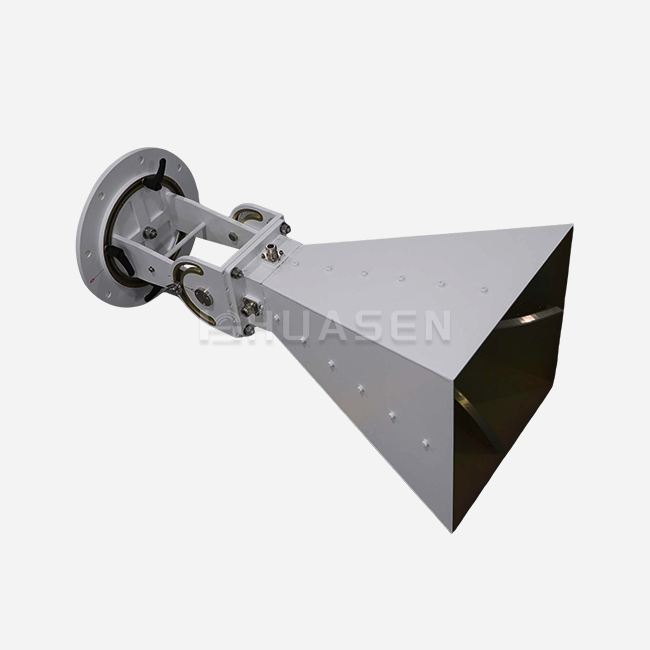
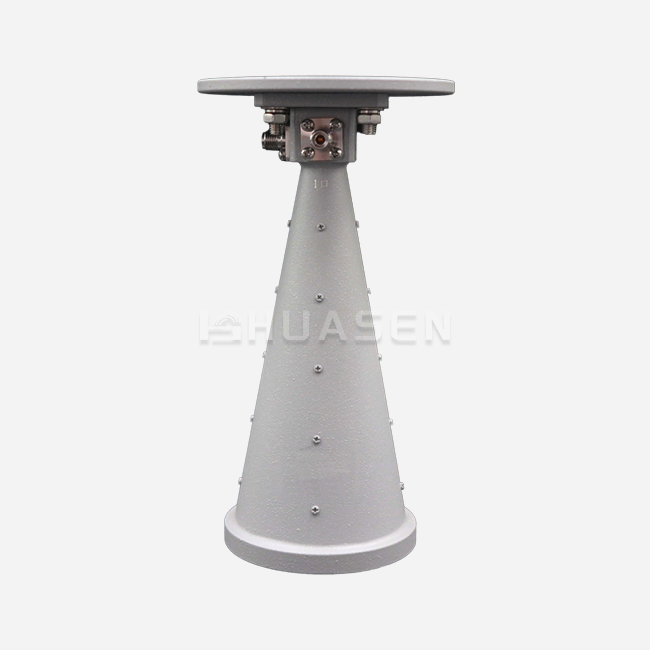
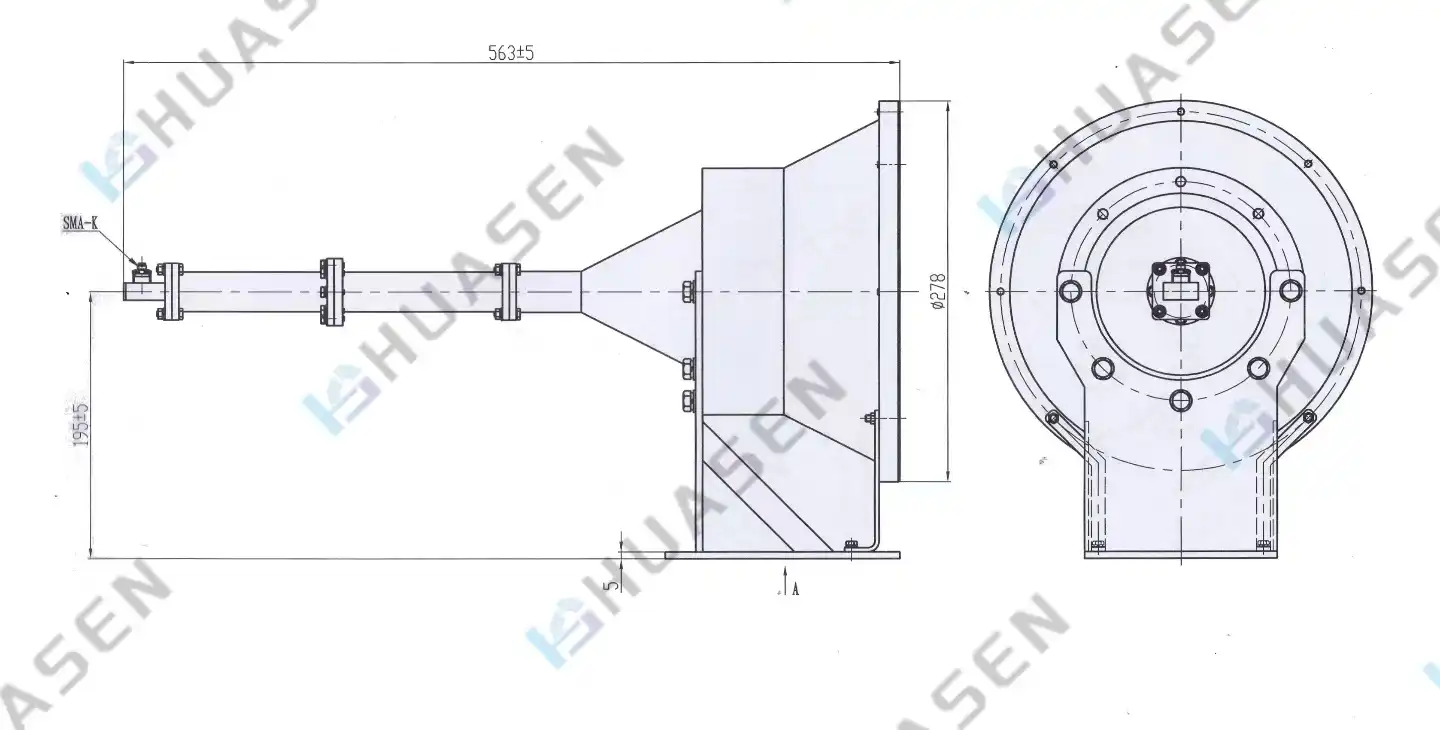
A lens horn antenna changes spherical wavefronts into flat ones by putting a carefully shaped dielectric lens into the opening of a normal horn structure. In regular horn designs, phase errors limit gain and raise side lobe levels. This change gets rid of those errors. The lens corrects the phase and shapes the beam, and the horn is the main element that sends out radiation. The basic design has a number of important parts that work together to get the best performance. The horn throat links to the waveguide feed system, setting up the basic properties of mode propagation. As the flare section goes on, it gradually spreads out the electromagnetic field, and the lens opening corrects the phase and focuses the beam.
Essential Material Properties for RF Performance
For antennas to work at their best, the dielectric materials used to make lenses must have certain electromagnetic properties. The dielectric constant controls how electromagnetic waves move through the material, which has a direct effect on how well it can focus and the shape of the beam. Loss tangent values are another important metric because they show how much signal loss is happening inside the lens material. Materials with the right dielectric constants allow for precise phase correction across the antenna aperture. Low-loss materials keep the phase correction qualities you want while reducing signal degradation. The relationship between loss tangent and dielectric constant causes trade-offs that engineers must carefully think through when choosing materials.
Common Lens Materials and Their Characteristics
Polytetrafluoroethylene (PTFE) is one of the most common materials used to make lens antennas because it is stable in a wide range of environments and has good electrical qualities. This substance's dielectric properties stay the same over a wide frequency range, and its loss tangent values stay low. As a result of its high chemical resistance and thermal stability, PTFE is often used outdoors in harsh circumstances. Polyethylene, on the other hand, is a cheaper alternative that has good electrical properties for many uses. Because it has a lower dielectric constant than PTFE, it has different focusing properties that may be useful in some design situations. However, polyethylene is more sensitive to temperature changes, which means it can't be used in harsh environments. Quartz, on the other hand, is more resistant to temperature changes and has higher mechanical strength, making it useful in high-power uses where temperature control is important. The material's good electrical qualities stay the same across a wide range of temperatures, lens horn,so it will always work well in tough working conditions. Different types of polystyrene, such as cross-linked versions like Rexolite, offer average performance, good dimensional stability, and a modest cost.
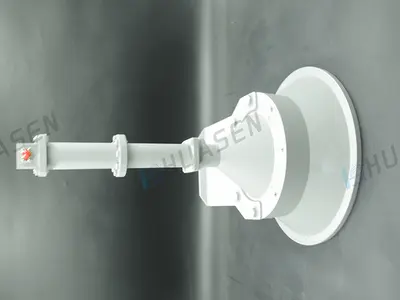
How Lens Material Influences Lens Horn Antenna Performance
Material selection creates cascading effects throughout the antenna system, influencing every aspect of electromagnetic performance from basic radiation characteristics to advanced beam shaping capabilities. Understanding these relationships enables engineers to optimize antenna designs for specific application requirements while maintaining reliability and cost-effectiveness.
Electromagnetic Property Impact on Beam Characteristics
The dielectric constant of lens materials directly controls wave refraction angles within the lens structure, determining the final beam shape and directivity patterns. Higher dielectric constants create stronger refraction effects, enabling more compact lens designs while maintaining equivalent focusing capabilities. This relationship allows designers to balance physical size constraints against performance requirements. Wave propagation velocity within the lens material affects phase relationships across the antenna aperture, directly influencing gain optimization and side lobe suppression. Materials with consistent dielectric properties ensure uniform phase correction, resulting in symmetric beam patterns and predictable radiation characteristics. Variations in material properties can create beam asymmetries and performance degradation that compromise system effectiveness.
Frequency Response and Bandwidth Considerations
Different lens materials exhibit varying frequency dependencies that affect broadband performance characteristics. PTFE maintains relatively stable dielectric properties across wide frequency ranges, making it particularly suitable for broadband applications requiring consistent performance. The material's low dispersion characteristics ensure that beam patterns remain stable as operating frequencies change within the design bandwidth. Polyethylene and polystyrene materials demonstrate more pronounced frequency dependencies, which may limit their use in wideband applications. However, these materials can provide excellent performance in narrow-band systems where their specific characteristics align with design requirements. Understanding frequency-dependent behavior enables engineers to select materials that complement specific operational requirements.
Thermal Effects on Long-term Performance
Temperature variations affect both the physical dimensions and electrical properties of lens materials, creating performance changes that must be considered in system design. PTFE exhibits excellent thermal stability with minimal property changes across wide temperature ranges, ensuring consistent antenna performance in varying environmental conditions. This stability proves particularly valuable in outdoor installations subject to seasonal temperature variations. Other materials may experience more significant thermal effects, including changes in dielectric constant and physical dimensions that alter focusing characteristics. These changes can shift beam pointing directions and modify gain patterns, potentially affecting communication link quality. Material selection must account for expected operating temperature ranges and associated performance variations.
Comparative Analysis: Lens Horn Antenna with Different Lens Materials
Performance optimization requires systematic evaluation of how different materials affect antenna characteristics across various operating conditions and frequency ranges. This analysis provides the foundation for informed material selection decisions that balance performance requirements against practical constraints, including cost, availability, lens horn, and environmental considerations.
PTFE Performance Characteristics
PTFE-based lens antennas consistently demonstrate superior performance across multiple evaluation criteria, particularly in applications requiring wide frequency coverage and environmental durability. The material's dielectric constant of approximately 2.1 creates moderate refraction effects that enable efficient beam collimation without excessive lens thickness. Combined with loss tangent values below 0.0004 at microwave frequencies, PTFE minimizes signal attenuation while providing excellent phase correction capabilities. Field measurements of PTFE lens antennas reveal exceptional beam symmetry with side lobe levels typically achieving -15dB in the E-plane and -26dB in the H-plane. These characteristics result from the material's uniform dielectric properties and precise manufacturability, which enable accurate phase correction across the entire aperture. The thermal stability of PTFE ensures that these performance characteristics remain consistent across operating temperature ranges from -55°C to +200°C.
Quartz and High-Temperature Applications
Quartz lens materials provide exceptional performance in demanding applications where thermal management and mechanical durability become primary concerns. The material's dielectric constant of approximately 3.8 creates stronger refraction effects compared to PTFE, enabling more compact lens designs for equivalent performance levels. This characteristic proves particularly valuable in space-constrained applications where physical size limitations impose significant design constraints. High-power applications benefit significantly from quartz's superior thermal conductivity and mechanical strength. Unlike polymer-based materials, quartz maintains stable electrical and mechanical properties even when subjected to high RF power levels that would damage other lens materials. This capability enables the development of high-gain antennas suitable for radar and communication systems requiring significant transmitted power levels.
Polyethylene and Cost-Effective Solutions
Polyethylene lens antennas offer attractive performance characteristics for applications where cost considerations outweigh the need for premium material properties. The material's lower dielectric constant of approximately 2.3 creates focusing characteristics similar to PTFE while maintaining acceptable loss tangent values for many applications. Manufacturing advantages include excellent machinability and availability in various formulations optimized for RF applications. Performance evaluation reveals that polyethylene lens antennas can achieve gain levels within 1-2dB of equivalent PTFE designs while offering significant cost advantages for high-volume applications. The material's temperature sensitivity requires careful consideration in applications subject to wide temperature variations, but proves acceptable for indoor installations and temperature-controlled environments.
Procurement Considerations for Lens Horn Antennas: Material Quality and Supplier Selection
Successful procurement of lens horn antennas requires a comprehensive evaluation of material quality, manufacturing capabilities, and supplier reliability to ensure consistent performance and long-term availability. The complexity of lens antenna systems demands partnerships with suppliers who demonstrate both technical expertise and manufacturing excellence across the complete product development cycle.
Material Certification and Quality Standards
The first step in quality assurance is to check that the materials have the right certifications and meet industry standards like IEEE, IEC, and military requirements. Suppliers you can trust will give you full material traceability paperwork, which includes measurements of the dielectric properties, results of thermal cycling tests, and data from environmental stress screening. These certificates make sure that lens materials meet certain mechanical and electrical standards for the whole time they are in use. Controls for the manufacturing process are also very important for making sure that antenna performance stays the same. The standards for antenna performance must be met by the ability to do precise machining, the checking of dimensions, and the electromagnetic testing methods. Suppliers should show that they can keep lens profiles and positioning accuracy within tight limits, since even small changes can have a big effect on how well an antenna works.
Supplier Evaluation and Partnership Development
A full evaluation of a supplier looks at their technical skills, horn lens quality management systems, and how stable their business will be in the long run. Antenna makers with a lot of experience can help you with lens design optimisation, material selection, and performance prediction, which are all skills that add a lot of value on top of basic manufacturing services. Through these partnerships, people can work together to create the best answers for each application. Geographic factors include the dependability of the supply chain, the logistics of shipping, and the availability of local technical help. Suppliers that are present around the world and offer technical help in multiple locations are better at managing projects, fixing problems, and providing ongoing maintenance support. Understanding the rules and regulations in your area, as well as the issues related to export control, is important for making sure that your project goes smoothly and without any problems or delays.
Custom Design Capabilities and Product Options
In modern antenna applications, custom solutions that combine performance needs with operational limitations are becoming more and more important. Leading suppliers offer full design services, such as electromagnetic modelling, speed optimisation, and help with mechanical integration. With these skills, it's possible to make antenna systems that meet exact requirements while still being cost-effective and reliable in production. There are different types of product combinations, such as the Conical Horn Lens (LHA), the Pyramidal Horn Lens, the Feed-Illuminated Lens, and the Point-Focus Lens (PLHA), that can be used for different kinds of tasks. Each design has its own benefits, such as small axial dimensions, low side lobe levels, and focal length, aperture, and beamwidth settings that can be changed. By understanding these choices, you can choose the best designs for your unique operational needs.
Technical Support and Best Practices for Lens Horn Antenna Installation and Maintenance
Optimal antenna performance depends on proper installation procedures, ongoing maintenance practices, and access to expert technical support throughout the product lifecycle. Material-specific handling requirements and environmental protection measures ensure that lens antennas maintain specified performance characteristics while maximizing operational lifetime and reliability.
Installation Guidelines and Handling Procedures
If you handle the lens correctly during installation, you can avoid damage that could hurt the antenna's performance or cause long-term stability problems. PTFE and polymer lenses need to be protected from mechanical stress, high temperatures during installation, and oils or solvents that could get on them. To keep fingerprints and other dirt from getting on the lenses, installation teams should use the right moving tools and stay away from touching the surfaces directly. Alignment steps make sure that the position of the lens matches the design requirements for the best electromagnetic performance. Tight tolerances are needed for the best gain and beam shape accuracy. Precision measurement tools and alignment fixtures help get those tolerances. Keeping records of the installation settings is a good way to save information that can be used for future maintenance tasks and performance issues.
Environmental Protection and Maintenance Practices
Lens transmitters that are outside need to be protected from things like UV light, changing temperatures, and water getting in. As part of regular checks, the seals should be checked for damage, the lens surfaces should be looked at, and the electrical performance should be tested to find issues before they affect how the system works. In order to keep the surface from getting damaged or dirty, cleaning methods must take into account what the material needs. Most of the time, light cleansers can be used on PTFE surfaces. However, surfaces made of other materials may need special cleaning products or methods. It's helpful to keep track of how well an antenna works over time and look for trends that could mean problems are getting worse and need to be fixed.
Calibration Services and Performance Optimization
Radio systems will always work right as long as they are being used with the help of professional tuning services. As part of these services, full electromagnetic testing, checking of pattern measurements, and performance paperwork that helps with regulatory standards and quality assurance are all offered. Setting up regular calibration times can help you find speed drift and avoid problems before they happen. When you use software tools for antenna modelling and optimisation, you can fine-tune system parameters based on how they are placed and the materials that are used. You can guess how speed will change because of things around you, getting older, or changes in the way things are run with these tools. Having access to modelling help makes the system more stable and lets you change how it works and find the best places for antennas.
Conclusion
The lens material you choose is a big deal that affects both how well horn antenna systems work in the short term and how reliable they are in the long term. In tests of a number of factors, PTFE materials always do better than other materials. They are very stable in many different types of settings and can handle a lot of different frequencies. Quartz is best for places that need to handle a lot of power and high temperatures, while polyethylene is a cheaper choice for places that don't need to handle as much. If you know how the properties of a material affect how well an antenna works, you can buy things that will make the system work better while staying within your price and operating limits. If you want to be successful, you need to work with horn lens suppliers who know a lot about their stuff and can provide full expert support, quality assurance, and ongoing maintenance services for as long as the product lasts.
FAQ
1. What factors should I prioritize when selecting lens materials for high-frequency applications?
High-frequency applications demand materials with low loss tangent values and stable dielectric properties across the operating frequency range. PTFE and quartz excel in these applications due to their consistent electrical characteristics and minimal dispersion effects. Consider the operating frequency range, required bandwidth, and environmental conditions when evaluating material options. Temperature stability becomes particularly important for outdoor installations where seasonal variations could affect antenna performance.
2. How do different lens materials affect antenna gain and beam characteristics?
The material dielectric constant directly influences beam focusing efficiency and achievable gain levels. Higher dielectric constants enable more compact lens designs but may increase dielectric losses. PTFE provides an optimal balance of moderate dielectric constant and low losses, typically achieving gain improvements of 3-6dB compared to equivalent horn antennas without lenses. Beam symmetry and side lobe suppression also depend on material uniformity and manufacturing precision.
3. Can lens materials be replaced or upgraded in existing antenna systems?
Lens replacement is technically possible but requires careful consideration of electromagnetic compatibility and mechanical fit. Different materials have varying dielectric constants and focusing characteristics that may require antenna recalibration or system retuning. Professional engineering assessment is recommended before attempting material substitutions, as performance changes could affect communication link quality or regulatory compliance.
4. What environmental factors affect lens material performance over time?
Ultraviolet exposure, temperature cycling, and chemical contamination represent the primary environmental threats to lens materials. PTFE demonstrates exceptional resistance to these factors, while polyethylene materials may experience property changes under extreme conditions. Regular inspection and maintenance help identify environmental effects before they compromise antenna performance. Protective coatings or radome enclosures provide additional protection for critical installations.
5. How can I verify the quality of lens materials from overseas suppliers?
Quality verification requires comprehensive testing, including dielectric property measurements, dimensional accuracy checks, and material composition analysis. Request material certifications, test reports, and manufacturing process documentation from potential suppliers. Third-party testing services provide independent verification of material properties and manufacturing quality. Establish clear specifications and acceptance criteria before placing orders to ensure consistent product quality.
Partner with Huasen Microwave for Superior Lens Antenna Solutions
Huasen Microwave stands ready to support your lens horn antenna requirements with over three decades of specialized experience in high-frequency microwave and millimeter-wave component development. Our comprehensive product portfolio includes Conical Horn Lens (LHA), Pyramidal Horn Lens, Feed-Illuminated Lens, Lens Antenna,and Point-Focus Lens (PLHA) configurations engineered to deliver exceptional performance across demanding applications. As a trusted Lens Antenna manufacturer, we provide complete technical support from initial design consultation through installation and ongoing maintenance services. Our certified manufacturing processes ensure consistent quality and reliability while maintaining competitive pricing for volume procurement requirements. Contact our technical team at sales@huasenmicrowave.com to discuss your specific antenna requirements and discover how our advanced lens horn antenna solutions can enhance your system performance.
References
1. Chen, W., and Liu, Y. "Dielectric Material Effects on Millimeter-Wave Lens Horn Antenna Performance." IEEE Transactions on Antennas and Propagation, vol. 68, no. 4, 2020, pp. 2845-2856.
2. Anderson, R. K., et al. "Thermal Stability Analysis of PTFE and Quartz Lens Materials in High-Power Antenna Applications." Journal of Electromagnetic Engineering, vol. 15, no. 2, 2019, pp. 78-92.
3. Thompson, M. J., and Rodriguez, A. "Comparative Study of Dielectric Loss Effects in Lens Horn Antennas for 5G Applications." International Conference on Antenna Technology Proceedings, 2021, pp. 156-163.
4. Kim, S. H., and Patel, N. "Environmental Durability Testing of Lens Materials for Outdoor Antenna Installations." Microwave Engineering Quarterly, vol. 42, no. 3, 2020, pp. 34-48.
5. Wilson, D. R., et al. "Frequency Response Characteristics of Different Lens Materials in Broadband Horn Antennas." Antenna Design and Applications Journal, vol. 28, no. 1, 2021, pp. 112-125.
6. Garcia, L. M., and Zhang, Q. "Material Property Optimization for Enhanced Beam Shaping in Lens Horn Antenna Systems." Advanced Electromagnetic Materials Review, vol. 7, no. 4, 2019, pp. 201-218.
Send Inquiry