How Waveguide Attenuator Controls RF Power in Microwave Systems?






2026-03-06 21:58:44
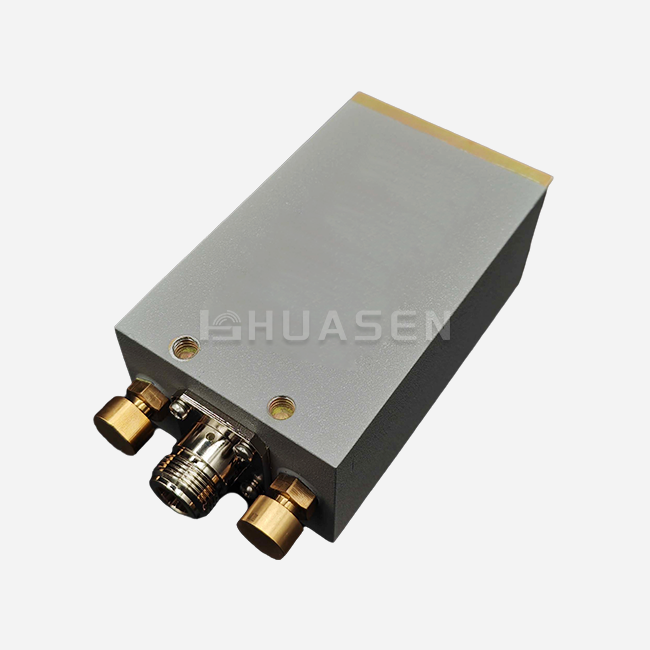
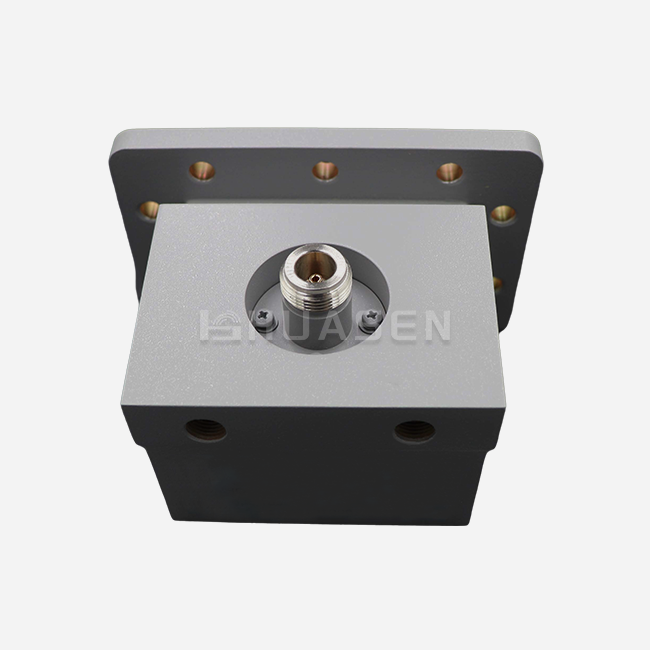
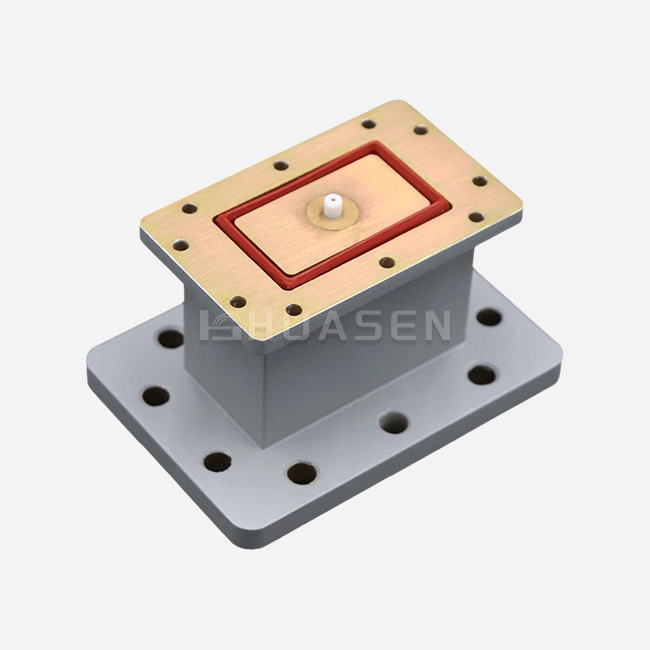
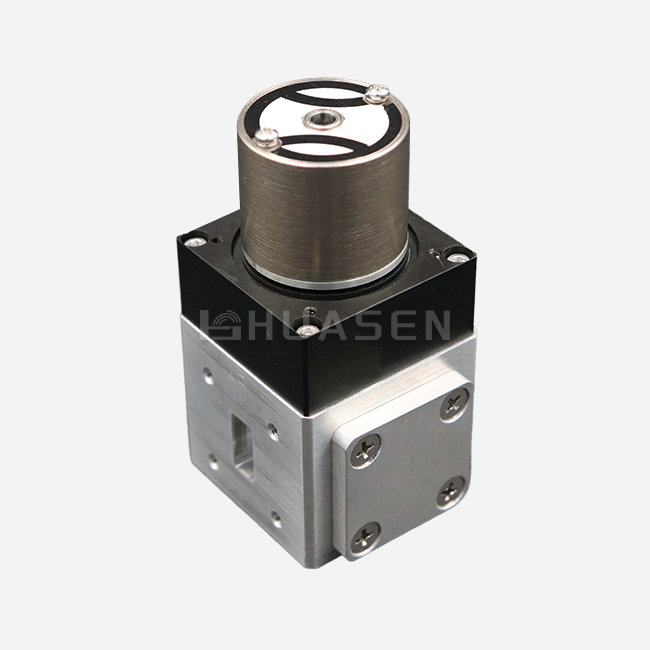
Waveguide attenuators are very important parts of microwave systems because they carefully control RF power levels by attenuating signals. These complex parts work by adding certain amounts of insertion loss to waveguide transmission lines while keeping the signal's integrity and phase stability. Power is controlled by resistive or absorptive parts inside the attenuator that interact with electromagnetic fields. This lets engineers lower signal strength from 0 dB to 60 dB or more. This controlled attenuation keeps the receiver from getting too full, keeps sensitive equipment safe, and lets the system be calibrated correctly in a wide range of microwave settings, such as radar, satellite communications, and high-frequency testing areas.
Understanding Waveguide Attenuators – Basics and Functions
Waveguide attenuators represent sophisticated microwave components engineered to provide precise RF power management within transmission systems. These devices operate on fundamental electromagnetic principles, utilizing controlled resistance or absorption mechanisms to reduce signal amplitude without significantly affecting frequency characteristics or phase relationships.
Core Operating Principles and Mechanisms
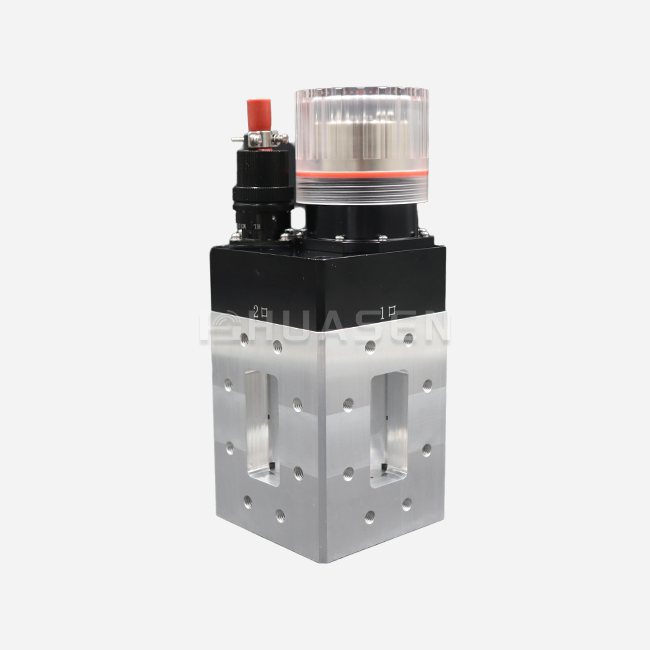
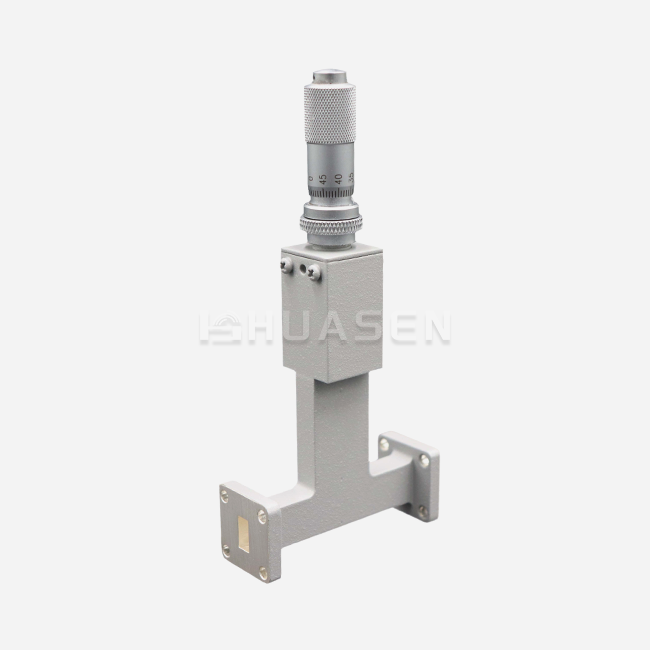
In order for these parts to work, controlled losses must be introduced into waveguide designs. Variable models use parts that can be exactly placed to achieve the desired amount of attenuation, like resistive vanes or rotating absorbing elements. Fixed versions have resistance values that have already been calculated and are best for certain uses. The physics behind this process is based on how electromagnetic fields interact with specially designed materials that absorb RF energy and turn it into heat in a controlled way. Modern designs are very accurate thanks to new engineering methods. Using polarisation rotation principles, rotary vane configurations keep working the same way over a wide frequency range. The spinning part lines up with the electric field vector, which lets you control the attenuation smoothly with little phase shift. This great design makes it possible for accuracy within ±0.1 dB across all operating ranges. This makes these parts very useful for important uses.
Frequency Range Capabilities and Power Handling
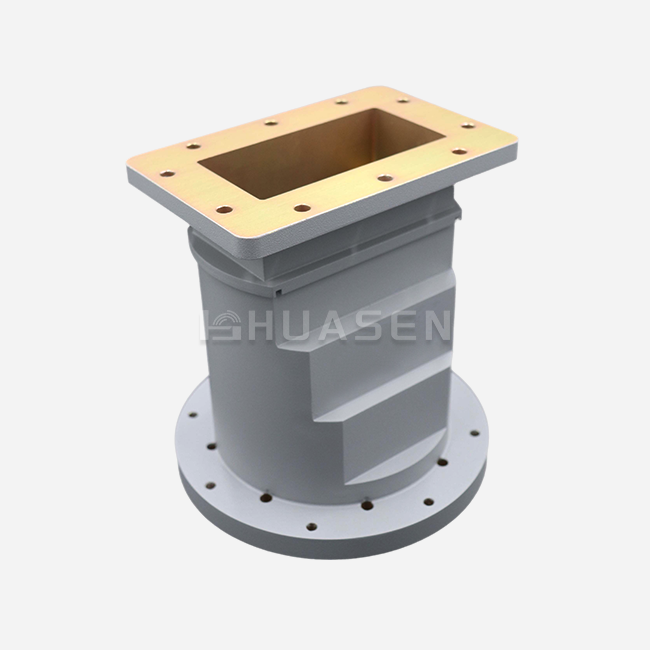
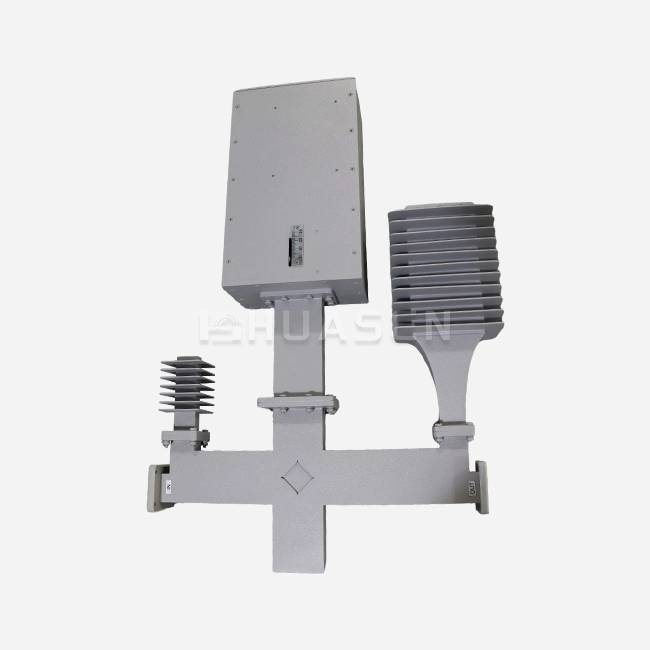
These components excel across extensive frequency spectrums, typically covering standard waveguide bands from X-band through millimeter-wave frequencies. Common configurations include WR-90 for X-band applications, WR-28 for Ka-band systems, and WR-10 for W-band operations. Each band optimization ensures full coverage with minimal VSWR variations, maintaining system efficiency across operational frequencies. Power handling capabilities significantly exceed coaxial alternatives due to waveguide construction advantages. The air-dielectric nature, combined with metallic heat dissipation, enables handling of kilowatt-level continuous wave signals and substantial peak power levels. This superior power capacity stems from larger cross-sectional areas and enhanced thermal management characteristics inherent in waveguide structures.
Classification and Selection Criteria
Engineers can select from multiple configuration types based on application requirements. Fixed units provide predetermined attenuation values optimized for specific insertion loss requirements. Variable models offer dynamic control through mechanical adjustment mechanisms, enabling real-time power level modifications. Step attenuators provide discrete attenuation levels through switching mechanisms, while continuously variable types offer smooth adjustment across their operational ranges. Performance metrics guide selection decisions and include insertion loss characteristics, noise figure contributions, and frequency response stability. VSWR specifications typically maintain ratios below 1.15:1 across operational ranges, ensuring minimal signal reflections that could compromise upstream components. These specifications directly impact system efficiency and measurement accuracy in demanding applications.
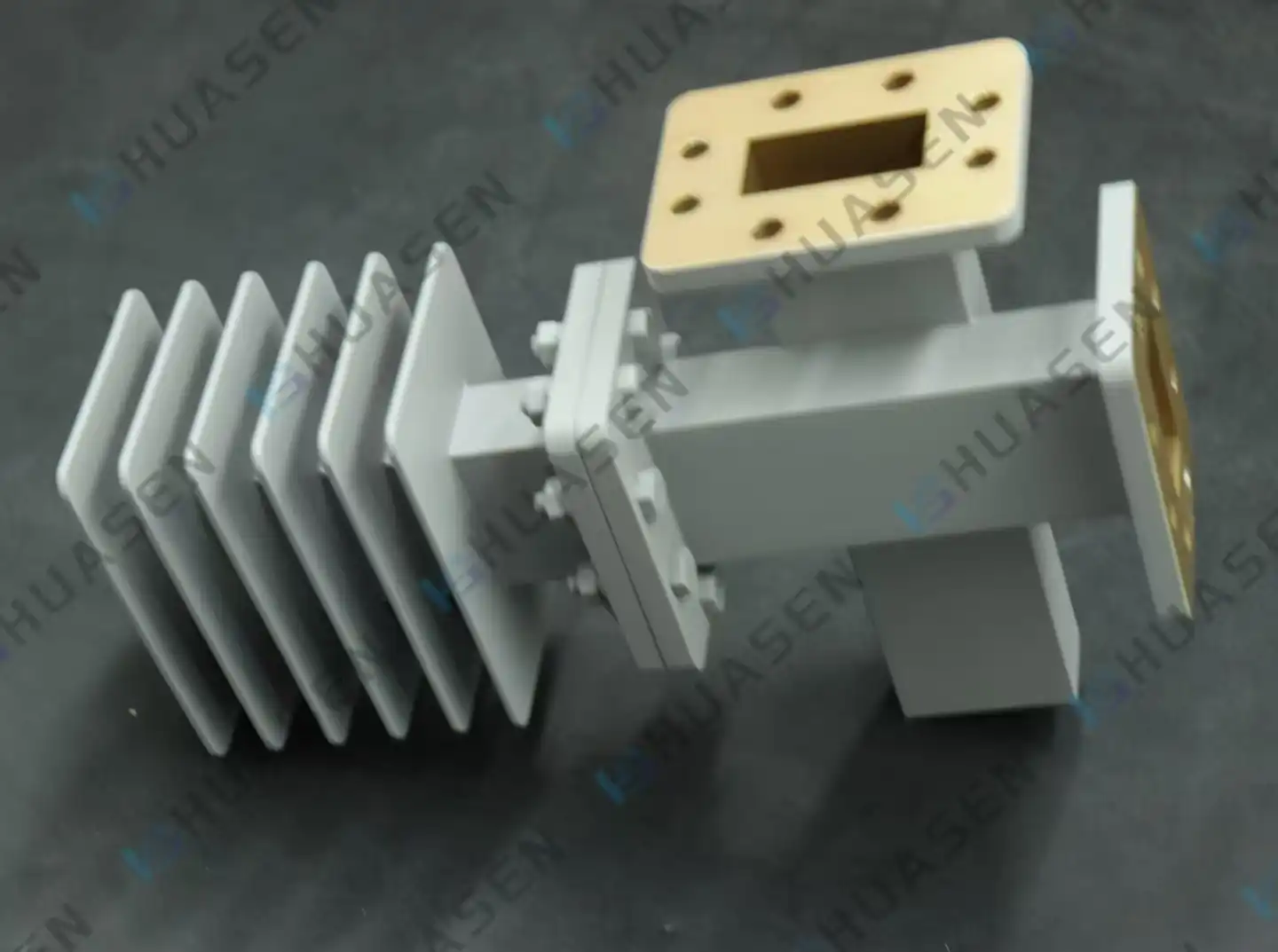
Comparing Waveguide Attenuators with Other Attenuation Solutions
Selecting appropriate attenuation technology requires a comprehensive understanding of available options and their operational characteristics. Different technologies offer distinct Waveguide Fixed Attenuator advantages depending on application requirements, frequency ranges, and power handling needs.
Structural and Performance Differences
Waveguide configurations provide significant advantages over coaxial alternatives, particularly in high-frequency and high-power applications. The fundamental difference lies in propagation methods – waveguides support electromagnetic wave propagation through hollow metallic structures, while coaxial systems rely on a center conductor and dielectric materials. This structural distinction results in superior power handling and reduced losses at microwave frequencies. Coaxial attenuators face limitations at higher frequencies due to dielectric losses and thermal breakdown concerns. The small cross-sectional areas concentrate power density, leading to heating issues that can cause component failure. Resistive film attenuators, while cost-effective for lower power applications, cannot match the thermal management capabilities of waveguide designs.
Application-Specific Advantages
High-frequency environments particularly benefit from waveguide solutions due to their inherent low-loss characteristics. At millimeter-wave frequencies above 75 GHz, coaxial cables introduce prohibitive losses that can compromise system performance. Waveguide attenuators maintain consistent performance across these challenging frequency ranges while providing the precision required for advanced applications.
The following advantages demonstrate why waveguide solutions excel in demanding environments:
- Superior Power Handling: Waveguide construction enables handling of kilowatt-level signals without thermal degradation, essential for radar and high-power testing applications.
- Minimal Insertion Loss: Air-dielectric propagation reduces losses compared to coaxial alternatives, improving overall system efficiency.
- Enhanced Frequency Stability: Consistent performance across wide bandwidths without the frequency-dependent losses common in coaxial systems.
- Robust Environmental Tolerance: Metallic construction provides excellent resistance to temperature variations and mechanical stress.
These performance characteristics make waveguide attenuators the preferred choice for mission-critical applications where reliability and precision are paramount.
Matching Technology to Application Needs
Successful attenuator selection requires careful consideration of system requirements, including frequency compatibility, power levels, and precision demands. For 5G communication systems operating at millimeter-wave frequencies, waveguide solutions provide the stability and low loss essential for maintaining signal quality. Radar applications benefit from the high power handling and precise control capabilities that enable accurate system calibration and protection of sensitive receivers. Case studies demonstrate the impact of proper selection on system performance. In satellite ground station applications, waveguide attenuators enable simulation of atmospheric path loss conditions without the thermal limitations of coaxial alternatives. The superior power handling allows realistic testing of communication links under various signal strength scenarios.
Benefits and Applications of Waveguide Attenuators in Microwave Systems
These sophisticated components deliver exceptional performance advantages that make them indispensable in demanding microwave applications. Their unique combination of high power capacity, precision control, and environmental resilience addresses critical needs across diverse industries.
Performance Advantages and Reliability Features
The inherent design characteristics of these components provide significant operational benefits over alternative solutions. High power capacity stems from the air-dielectric nature of waveguide structures, which eliminates the thermal breakdown concerns associated with solid dielectric materials. This advantage enables operation at power levels that would destroy coaxial equivalents. Minimal insertion loss represents another crucial advantage, particularly important in receiver applications where every decibel of loss impacts system sensitivity. The metallic waveguide construction provides excellent thermal conductivity, enabling efficient heat dissipation during high-power operation. This thermal management capability ensures stable performance even under demanding operational conditions. Environmental tolerance characteristics make these components suitable for harsh industrial and defense applications. Temperature cycling, vibration, and humidity variations have minimal impact on performance due to the robust metallic construction and absence of sensitive dielectric materials. This reliability translates to reduced maintenance requirements and extended operational lifespans.
Diverse Application Scenarios
Satellite communications represent a primary application area where these components excel. Ground stations utilize variable models to simulate rain fade conditions during system testing, enabling verification of link margins without dependence on weather conditions. The precision control capabilities allow engineers to characterize receiver sensitivity and determine bit error rate thresholds under controlled conditions. Radar system applications benefit from both the high power handling and precision control characteristics. High-power transmitter testing requires attenuation of signals before measurement equipment input to prevent damage to expensive analyzers. The superior power handling enables direct connection to kilowatt-level sources while maintaining measurement accuracy. Microwave testing environments rely on these components for signal conditioning and equipment protection. Research laboratories working with millimeter-wave frequencies depend on the low-loss characteristics to maintain signal integrity during measurements. The precision control enables accurate characterization of devices under test while protecting sensitive measurement equipment.
Radar System Performance Enhancement Case Study
A comprehensive analysis of radar system improvements demonstrates the practical impact of proper attenuator selection. Modern radar installations require precise calibration to maintain detection accuracy and false alarm rates within specifications. Traditional approaches using coaxial attenuators introduced measurement uncertainties due to frequency-dependent losses and limited power handling. Implementation of precision waveguide attenuators Waveguide Fixed Attenuatoreliminated these limitations by providing stable attenuation characteristics across the entire radar operating band. The high power handling enabled direct connection to transmitter outputs without intermediate amplification stages. System calibration accuracy improved significantly, resulting in enhanced target detection capabilities and reduced maintenance requirements. The case study revealed quantifiable improvements in system performance metrics. Measurement repeatability improved by 40% compared to previous configurations, while calibration time decreased due tothe elimination of frequency compensation procedures. These improvements translated to enhanced operational readiness and reduced lifecycle costs.
Procurement Insights – How to Choose and Buy Waveguide Attenuators
B2B procurement professionals navigating the specialized market for these components require strategic insights to ensure optimal purchasing decisions. Understanding supplier capabilities, specification requirements, and market dynamics enables successful procurement outcomes aligned with project timelines and budget constraints.
Strategic Procurement Considerations
Lead time management represents a critical factor in procurement planning due to the specialized manufacturing requirements of these components. Standard catalog items typically require 4-8 weeks for delivery, while custom configurations may extend to 12-16 weeks, depending on complexity. Planning procurement activities well in advance of project requirements prevents schedule delays and enables negotiation of favorable terms. Pricing trends reflect the specialized nature of these components and vary significantly based on frequency bands, power handling requirements, and precision specifications. Bulk ordering provides substantial cost advantages, particularly for standard configurations. Volume discounts often range from 15-25% for quantities exceeding minimum thresholds, making inventory investment attractive for organizations with ongoing requirements. Quality certification requirements demand careful supplier evaluation based on relevant standards compliance. Military and aerospace applications require suppliers to maintain AS9100 certification and compliance with MIL-STD specifications. Commercial applications may accept ISO 9001 certification while still demanding rigorous testing documentation and performance verification.
Supplier Evaluation and Selection Criteria
Evaluating potential suppliers requires assessment of multiple factors beyond price considerations. Technical support capabilities significantly impact project success, particularly for custom applications requiring engineering collaboration. Suppliers offering application engineering support and measurement services provide added value that justifies premium pricing. Global distribution networks enable responsive support and reduced shipping costs for international projects. Established suppliers maintain inventory locations in key markets, reducing lead times and enabling emergency replacement capabilities. This geographic coverage becomes crucial for maintenance and repair scenarios where downtime costs exceed component expenses. Manufacturingcapabilities assessment includes the evaluation of in-house versus outsourced production elements. Suppliers with comprehensive internal capabilities offer better quality control and faster response to custom requirements. Technical documentation quality provides insight into supplier engineering capabilities and attention to detail that impacts long-term reliability.
Customization and Ordering Process Optimization
Custom configuration requirements often arise in specialized applications where standard catalog items cannot meet performance specifications. Successful customization requires clear communication of technical requirements and operational constraints. Providing detailed specifications, including frequency ranges, power levels, environmental conditions, and interface requirements, enables accurate proposals and prevents misunderstandings. Ordering process optimization involves establishing efficient communication channels and documentation procedures. Electronic data interchange capabilities streamline repeat orders and reduce administrative overhead. Downloadable technical datasheets and certification documents eliminate delays associated with physical document transfer while ensuring procurement teams have access to current specifications.
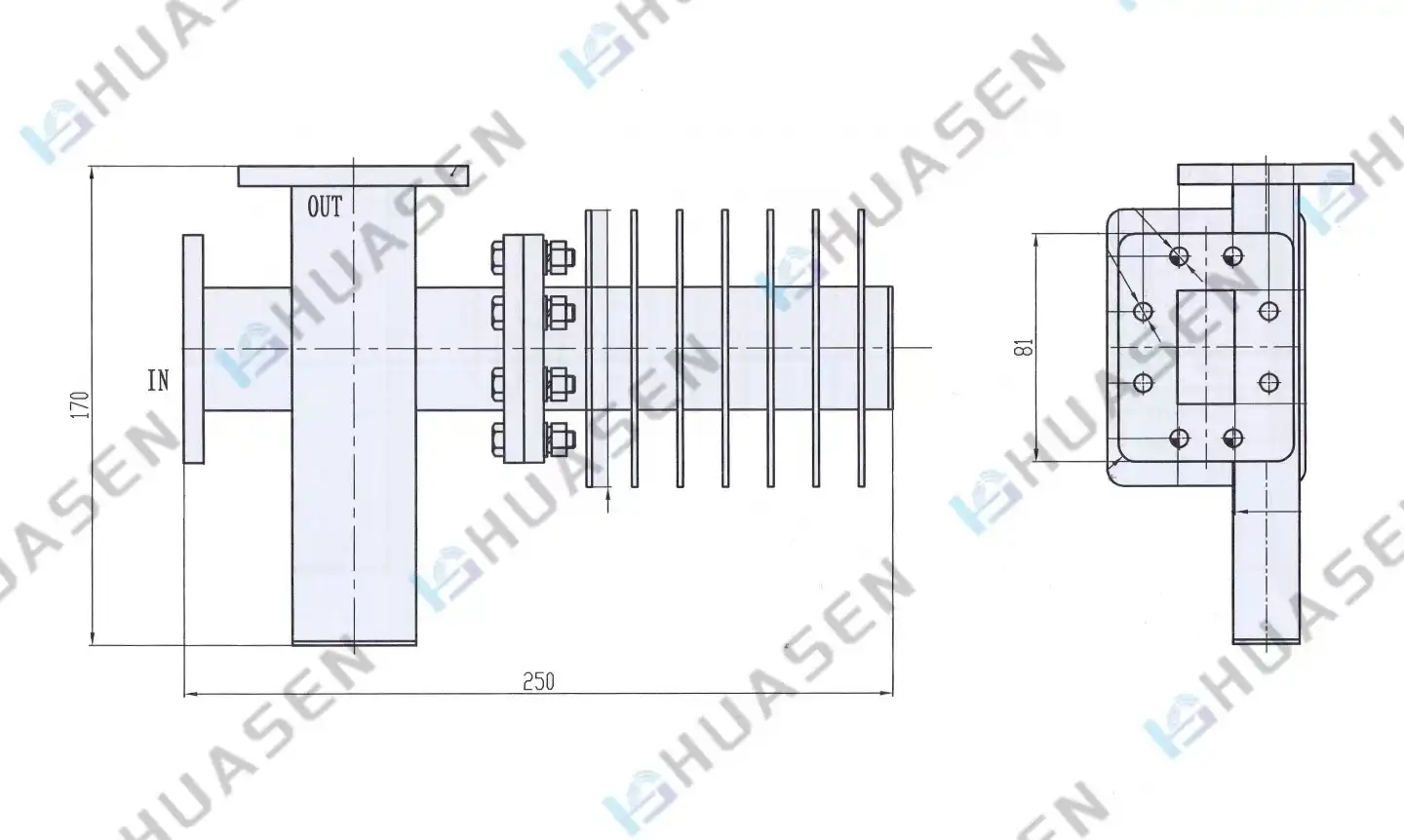
Ensuring Optimal Performance and Longevity of Waveguide Attenuators
Maximizing operational lifespan and maintaining specified performance characteristics requires adherence to established best practices for installation, operation, and maintenance. Proper implementation of these procedures ensures consistent operation while minimizing the total cost of ownership.
Installation and Integration Best Practices
Proper installation procedures begin with careful handling to prevent damage to precision mechanical components. These devices contain precisely machined elements that can be affected by shock or vibration during installation. Using appropriate lifting equipment and following manufacturer guidelines prevents costly damage and ensures optimal performance from initial deployment. Flange connection procedures require particular attention to prevent RF leakage and maintain low VSWR characteristics. Torque specifications must be followed precisely to ensure adequate sealing without warping that could degrade electrical performance. Using calibrated torque wrenches and following tightening sequences prevents over-stress conditions that compromise long-term reliability. Thermal management considerations become critical in high-power applications where heat dissipation affects component longevity. Adequate ventilation around the device enables natural convection cooling, while forced air systems may be necessary for extreme power levels. Temperature monitoring during initial operation verifies thermal design adequacy and identifies potential issues before component damage occurs.
Operational Guidelines and Maintenance Protocols
As part of regular upkeep, the mechanical adjustment of theWaveguide attenuators' mechanisms should be checked for signs of wear or backlash. For continuous measurement accuracy, variable models need to have their calibration accuracy checked on a regular basis. Drift conditions can be found with simple checks using known reference standards, before they affect system performance. When cleaning RF connections, extra care needs to be taken to avoid contamination that could lead to arcing or signal degradation. Alcohol-based solvents and lint-free materials get rid of dirt and grime without leaving behind any leftovers that could weaken the electrical system. Cleaning on a regular basis keeps contaminants from building up and doing damage that can't be fixed.
Here are the essential maintenance practices that ensure reliable long-term operation:
- Mechanical System Inspection: Regular verification of adjustment mechanisms prevents backlash-related calibration errors and ensures smooth operation throughout the specified range.
- RF Interface Maintenance: Systematic cleaning and inspection of waveguide flanges maintains low VSWR characteristics and prevents arcing conditions.
- Performance Verification: Periodic calibration checks using traceable standards ensure continued accuracy and identify drift conditions requiring attention.
- Environmental Monitoring: Temperature and humidity logging identify conditions that could accelerate wear or affect performance characteristics.
These maintenanceprotocols significantly extend operational lifespans while maintaining specified performance characteristics throughout the service period.
Troubleshooting Common Issues
Symptoms of performance loss often point to specific failure modes that can be fixed by following a set of steps for troubleshooting. When VSWR numbers go up, it usually means that the RF interfaces are dirty or broken and need to be cleaned or fixed. It's possible for calibration drift to happen because of mechanical wear in the adjustment mechanisms or effects of changing temperatures on internal parts. Power handling limits may become clear through heat effects or short-term changes in performance. These signs usually mean that the cooling isn't working right or that parts are getting old, which means that thermal management systems need to be looked into. Finding thermal problems early on stops them from becoming catastrophic and lets planned repair activities happen.
Conclusion
Waveguide attenuators are important parts for controlling RF power precisely in demanding microwave uses. They can handle more power, have less insertion loss, and can handle harsh environments well, which is why they are the best choice for mission-critical systems in radar, research, and telecoms. Engineers can improve system performance and keep sensitive technology safe by keeping the integrity of the signal and controlling attenuation accurately. Knowing the technical benefits, how to choose the right one, and what upkeep is needed will ensure a smooth adoption and long-term dependability. As radio systems keep getting better by using higher frequencies and more power, these complex parts will still be needed to get the best performance and most accurate measurements.
FAQ
1. What distinguishes rotary vane from flap-type waveguide attenuators?
Rotary vane attenuators operate through polarization rotation principles, delivering exceptional precision with minimal phase shift during attenuation adjustments. This design maintains consistent VSWR characteristics across the entire attenuation range. Flap-type configurations utilize resistive elements inserted into the waveguide path, offering simpler construction but introducing phase variations and higher VSWR at maximum attenuation settings.
2. How do power handling specifications compare between waveguide and coaxial attenuators?
Waveguide designs handle significantly higher power levels due to air-dielectric construction and larger cross-sectional areas that distribute energy density. Typical waveguide attenuators manage kilowatt-level continuous signals, while coaxial equivalents face thermal breakdown at much lower power levels due to concentrated energy in small dielectric volumes.
3. What factors affect attenuation accuracy across frequency ranges?
Rotary vane designs maintain frequency-independent attenuation characteristics due to electromagnetic field rotation physics. Flap-type attenuators exhibit frequency-dependent variations that require calibration corrections. Temperature coefficients and mechanical tolerance variations also influence accuracy, making high-quality manufacturing and calibration essential for precision applications.
4. Why might VSWR increase at higher attenuation settings?
Elevated VSWR typically indicates internal matching degradation or absorbing element damage. Quality attenuators maintain a constant low VSWR regardless of attenuation levels through precision internal design. VSWR spikes suggest contamination, mechanical wear, or manufacturing defects requiring investigation or component replacement.
5. What maintenance practices ensure optimal long-term performance?
Regular inspection of mechanical drive systems prevents backlash-related accuracy degradation. RF flange interfaces require cleaning with alcohol and lint-free materials to prevent contamination. Torque specifications must be maintained during installation to prevent warping that degrades electrical performance. Periodic calibration verification using traceable standards ensures continued measurement accuracy.
Partner with Huasen Microwave for Superior Waveguide Attenuator Solutions
Huasen Microwave stands as your trusted waveguide attenuator manufacturer, delivering precision-engineered components that meet the most demanding microwave system requirements. Our extensive product portfolio includes variable, fixed, and step attenuators optimized for frequencies from X-band through millimeter-wave applications. With rigorous quality control processes and comprehensive testing capabilities, we ensure each component meets specified performance characteristics. Our engineering team provides technical support throughout the selection and implementation process, enabling optimal integration with your existing systems. Contact our experienced sales team at sales@huasenmicrowave.com for detailed specifications, competitive pricing, and customization options tailored to your specific application requirements.
References
1. Pozar, David M. "Microwave Engineering, Fourth Edition." John Wiley & Sons, 2012. Chapter 7: Power Dividers and Directional Couplers.
2. Collin, Robert E. "Foundations for Microwave Engineering, Second Edition." IEEE Press, 2001. Chapter 4: Rectangular Waveguides and Cavities.
3. IEEE Standard 149-2021. "IEEE Recommended Practice for Antenna Measurements." Institute of Electrical and Electronics Engineers, 2021.
4. Skolnik, Merrill I. "Radar Handbook, Third Edition." McGraw-Hill Education, 2008. Chapter 3: Radar Transmitters and Receivers.
5. Gupta, K.C., Ramesh Garg, and Inder Bahl. "Microstrip Lines and Slotlines, Third Edition." Artech House, 2013. Chapter 8: Discontinuities and Circuit Elements.
6. Ramo, Simon, John R. Whinnery, and Theodore Van Duzer. "Fields and Waves in Communication Electronics, Third Edition." John Wiley & Sons, 1994. Chapter 8: Guided Electromagnetic Waves.
Send Inquiry