What Is Waveguide Detection and How It Improves RF Monitoring?






2026-03-05 22:08:43
Waveguide detection is an advanced electromagnetic tracking technique that uses the controlled propagation properties of waveguide structures to find and study RF signal anomalies, mainly arcing events and impedance mismatches in systems that send a lot of power. This high-tech method for finding problems uses special sensors built into waveguide assemblies to keep an eye on electromagnetic field patterns, optical signs, and acoustic phenomena that could mean a system failure is about to happen. By monitoring RF transmission environments in real time, waveguide detection greatly improves monitoring accuracy, lowers the number of false alarms, and allows for quick protective responses that stop catastrophic equipment damage in a wide range of critical applications, from radar systems to industrial microwave processing.
Understanding Waveguide Detection Technology
Today's RF systems need to be more reliable and work better than ever before. This is especially true in high-power settings where equipment failures can cause big problems and cost a lot of money. The development of waveguide detection technology, which includes advanced monitoring tools built right into the transmission path, is a key answer to these problems.
Core Components and Architecture
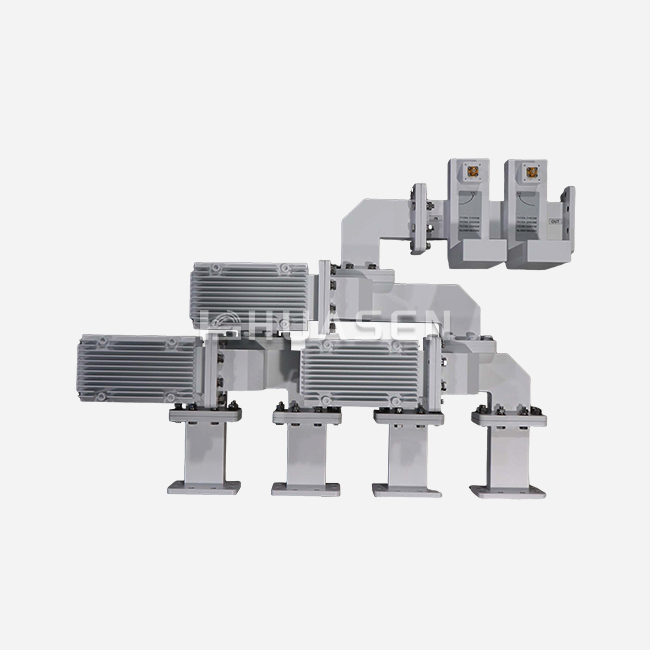
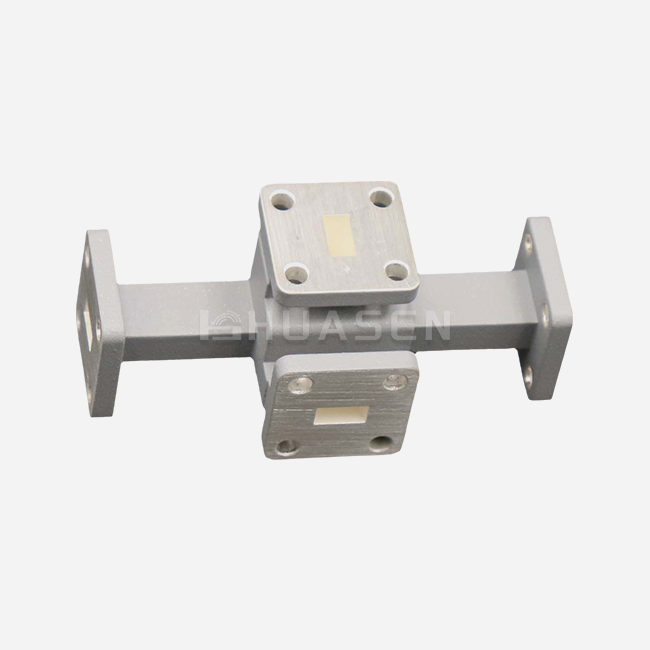
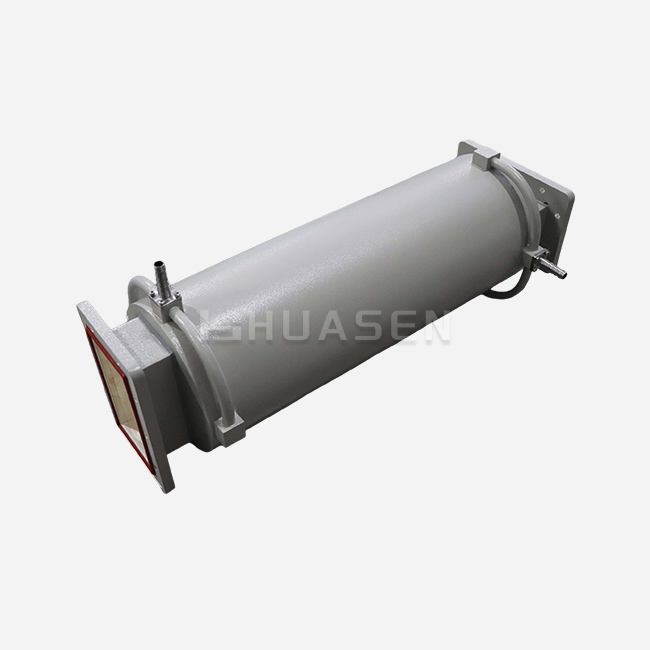
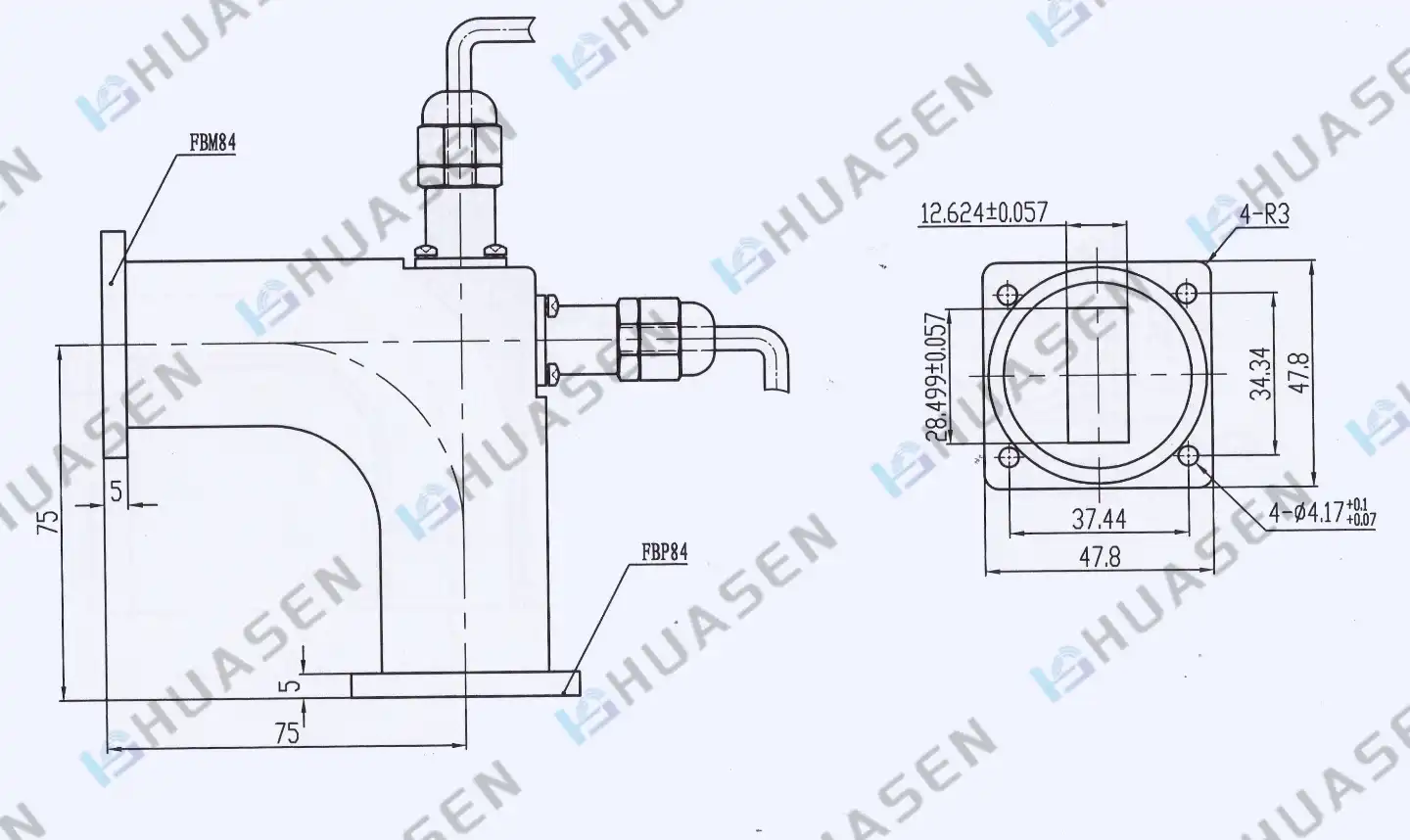
Waveguide detection systems are made up of many parts that are all linked to each other and work together to provide full monitoring coverage. The main waveguide structure is both the transmission medium and the sensing platform. It has special monitoring ports that can work with different detection methods without affecting the integrity of the signal. The optical detecting subsystem usually has high-quality quartz or sapphire viewport assemblies that let a lot of light through in both the visible and ultraviolet ranges. These viewports let photodetectors pick up the unique spectral fingerprints that happen when an arc forms or a plasma forms inside the waveguide cavity. Detection sensitivity and reaction time are directly affected by how clear these parts are and where they are placed. Another important part is the signal processing electronics, which turn optical, acoustic, or electromagnetic fingerprints into control signals that can be used. To protect equipment further down the line, these systems must work consistently in harsh electromagnetic environments and keep response times measured in microseconds.
Detection Mechanisms and Signal Processing
Multiple detection concepts are used by the technology to find different failure modes in RF transmission systems. Optical detection picks up the light that comes from electrical arcing, and acoustic tracking picks up the pressure waves that are made when plasma forms. By analysing the electromagnetic field, strange patterns that show impedance mismatches or standing wave creation can be found. Advanced signal processing algorithms can tell the difference between normal changes in operations and real faults. This lowers the number of false positives that could stop important operations without reason. These skills are getting better and better with machine learning methods, which let systems adapt to different working conditions and get better at finding things over time.

Waveguide Detection vs. Alternative RF Monitoring Technologies
Understanding the comparative advantages of waveguide detection requires examining how it performs against traditional monitoring approaches across various performance metrics and operational scenarios.
Performance Comparison with Conventional Methods
Traditional RF monitoring detectionoften relies on external sensors or indirect measurement techniques that may introduce signal degradation or miss critical fault conditions. Coaxial-based monitoring systems, while widely used, suffer from higher insertion losses and limited power handling capabilities compared to waveguide implementations. Antenna-based monitoring approaches face challenges in harsh environmental conditions and may experience sensitivity variations due to external interference or physical positioning changes. Fiber optic sensors offer excellent electromagnetic immunity but require additional conversion stages that can introduce complexity and potential failure points. Waveguide detection systems excel in high-power applications, where traditional approaches may become unreliable or introduce unacceptable signal degradation. The integration of detection capabilities directly within the transmission structure eliminates many of the coupling losses and impedance matching challenges associated with external monitoring systems.
Cost-Benefit Analysis for Industrial Applications
While waveguide detection systems mayrequire higher initial investment compared to basic monitoring solutions, the total cost of ownership often favors advanced detection technologies. The prevention of a single catastrophic failure in high-power RF equipment can justify the entire monitoring system investment, particularly in applications involving expensive magnetrons, klystrons, or solid-state amplifiers. Long-term operational benefits includereduced maintenance requirements, extended equipment lifespans, and improved system availability. These factors become particularly significant in mission-critical applications where downtime costs can exceed thousands of dollars per hour.
Practical Applications of Waveguide Detection Across Industries
The versatility of waveguide detection technology enables its deployment across diverse industrial sectors, each presenting unique requirements and operational challenges that benefit from advanced monitoring capabilities.
Telecommunications Infrastructure Protection
Modern telecommunications networks, particularly 5G and emerging 6G systems, rely heavily on high-frequency RF transmission that demands exceptional reliability and signal quality. Waveguide detection systems protect critical base station components from arc-induced damage while maintaining the low insertion loss characteristics essential for efficient signal transmission. Satellite communication systems represent another crucial application where waveguide detection prevents expensive orbital asset damage and service interruptions. The technology monitors high-power amplifiers and transmission components that must operate reliably in space environments where maintenance access remains impossible. Maritime and aerospace communication systems benefit from the environmental resilience of waveguide detection, which continues operating effectively despite temperature extremes, vibration, and electromagnetic interference that might compromise alternative monitoring approaches.
Radar and Defense Applications
High-power radar systems, including weather monitoring and defense installations, employ waveguide detection to protect traveling wave tubes and other critical components from arc damage during high-pulse operations. These applications demand microsecond response times to prevent permanent equipment damage while maintaining operational readiness. Electronic warfare and countermeasure systems utilize waveguide detection to ensure reliable operation during intense electromagnetic environments where conventional monitoring might fail. The technology provides the robustness needed for mission-critical defense applications while supporting the high power levels required for effective electronic countermeasures.
Industrial Processing and Medical Equipment
Medical linear accelerators rely on waveguide detection to monitor RF windows and klystron systems that power particle acceleration structures. Arc detection in these applications prevents vacuum system breaches that could result in extended clinical downtime and patient treatment delays. Industrial microwave heating and plasma processing systems benefit from waveguide detection's ability to operate in contaminated environments where particulates or humidity might trigger false alarms in conventional systems. The technology protects expensive magnetron systems while enabling continuous production processes.
Procurement Considerations for Waveguide Detection Equipment
When choosing the right Detectionrwaveguide detection tools, you need to carefully consider a number of factors that affect both the short-term performance and the long-term success of the operation.
Technical Specifications and Performance Metrics
Voltage standing wave ratio requirements are important for performance. These are usually kept below 1.10:1 to make sure that the detection system doesn't cause reflections that could cause the problems it's trying to stop. The features of insertion loss must match the needs of the whole system while keeping the sensitivity of detection. In high-power situations, response time specifications are very important because microsecond delays can mean the difference between protective measures that stop equipment damage and those that just limit it. The environmental requirements, like temperature ranges, humidity levels, and resistance to vibrations, must match the conditions where the product will be installed. The properties of the materials have a direct effect on how well and how reliably they work over time. The best conductivity and corrosion protection are achieved by using high-purity copper or aluminium construction and treating the surfaces in the right way. Viewport coatings and materials change how sensitive optical detection is, so they need to be specified based on how the arc is predicted to behave.
Supplier Evaluation and Quality Assurance
When looking at possible suppliers, you need to look at their manufacturing skills, quality control methods, and technical support infrastructure. Manufacturers that have been around for a while and have experience with high-power RF applications usually offer more reliable options and better long-term support. For example, helium leak testing for pressurised systems, network analyser checks for electrical performance, and optical clarity checks for detection viewports should all be part of quality control processes. These tests make sure that the systems that are provided meet performance requirements and work reliably. The requirements for certification depend on the application and the business. MIL-STD compliance may be important for military and aerospace uses, while ISO certifications and RoHS compliance may be more important for commercial installations. Specification mismatches are expensive, so it's best to know these needs early on in the buying process.
Customization Capabilities and Technical Support
For many uses, custom methods are needed to work with certain frequency ranges, power levels, or mechanical limitations. Suppliers who are good at building and have flexible ways of making things can come up with optimised solutions that work better than standard products. The quality of technical help has a big effect on long-term success, especially for installations that are hard to understand or applications that are very specific. Comprehensive support should include help with design, help with installation, testing services, and the ability to quickly fix problems.
Enhancing RF Monitoring Performance with Waveguide Detection
In order to get the most out of waveguide detection, you need to know the best ways to apply it and keep up with new technologies that make systems more useful.
Installation and Calibration Best Practices
The accuracy of detectionand the dependability of the system are directly affected by the way it is set. When attaching something mechanically, it's important to keep vibrations to a minimum and make sure that detection sensors can connect properly through sound or light. To keep sensitive detection equipment from being harmed, electrical connections need to be carefully grounded and electromagnetically compatible. Calibration methods set baseline parameters that allow accurate fault detection while lowering the number of false alarms. These steps should take into account normal changes in how things work, changes in the environment, and the effects of getting older that could affect detection limits over time.
Integration with Modern Control Systems
Modern waveguide detectionsystems connect more and more to advanced control and tracking systems that let you do diagnostics and maintenance planning from afar. These connections help with Industry 4.0 plans by sending data streams in real time to complete asset management systems. With predictive analytics, detection data trends can be looked at to spot problems before they cause equipment to break down. This proactive method increases the life of equipment and lowers the number of unplanned maintenance events that can stop important operations.
Future Technology Trends
Waveguide detection systems are becoming more useful and efficient as new improvements are made to their processing and detection sensitivity. Advanced signal processing algorithms make it easier to tell the difference between normal operating changes and real faults. This lowers the number of false positives while keeping the ability to respond quickly. When you connect adaptive detection thresholds to platforms for artificial intelligence and machine learning, they can automatically find the best settings for your equipment and operating conditions. These changes should lead to even better detection accuracy and operating dependability.
Conclusion
Waveguide detection technology is a major step forward in RF monitoring that meets the growing needs for dependability and performance in today's high-power electromagnetic systems. This technology keeps the integrity of the signal, which is important for the best system performance, while incorporating advanced detection methods into the transmission structure itself. This makes monitoring more accurate than ever before. The wide range of benefits applies to many fields, from defence systems and telecommunications infrastructure to medical equipment and industrial processing. For example, investing in advanced tracking tools is worth it because they stop catastrophic equipment failures before they happen. As electromagnetic systems keep getting better at handling higher frequencies and power levels, waveguide detection becomes an important technology that keeps things running smoothly and keeps expensive equipment safe from damage caused by arcs.
FAQ
1. What makes waveguide detection superior to traditional RF monitoring methods?
Waveguide detection offers several distinct advantages over conventional monitoring approaches, including direct integration within the transmission path that eliminates coupling losses and impedance matching challenges. The technology provides superior sensitivity to arc formation and plasma development while maintaining extremely low insertion loss characteristics that preserve signal quality. Unlike external monitoring systems that may suffer from environmental interference or positioning variations, waveguide detection operates reliably in harsh conditions while delivering microsecond response times essential for protecting high-power equipment.
2. How does waveguide detection prevent equipment damage in high-power RF systems?
The technology continuously monitors for the optical, acoustic, and electromagnetic signatures associated with electrical arcing or plasma formation within waveguide structures. Upon detecting these characteristic patterns, the system generates immediate shutdown signals that interrupt power transmission within microseconds, preventing the sustained arcing that causes permanent equipment damage. This rapid response capability protects expensive components such as magnetrons, klystrons, and traveling wave tubes from catastrophic failure while minimizing operational downtime.
3. What industries benefit most from waveguide detection technology?
Telecommunications, defense, medical, and industrial processing sectors represent the primary beneficiaries of waveguide detection technology. Telecommunications applications include 5G base stations, satellite communication systems, and microwave backhaul links, where signal integrity and equipment reliability directly impact service quality. Defense applications encompass radar systems, electronic warfare platforms, and communication security systems that demand uncompromising reliability. Medical linear accelerators and industrial microwave processing systems rely on this technology to prevent equipment failures that could disrupt critical treatments or production processes.
Partner with Huasen Microwave for Advanced Waveguide Detection Solutions
Huasen Microwave Technology stands at the forefront of waveguide detection innovation, delivering precision-engineered monitoring solutions that protect your critical RF infrastructure investments. With over three decades of expertise in high-frequency microwave and millimeter-wave component development, our team understands the demanding requirements of modern telecommunications, defense, and industrial applications. Our comprehensive waveguide detection systems feature industry-leading response times, exceptional environmental resilience, and customizable specifications that align with your unique operational requirements. As a trusted waveguide detection manufacturer, we provide complete technical support from initial consultation through installation and ongoing maintenance, ensuring optimal performance throughout your system's operational lifecycle. Contact our engineering team at sales@huasenmicrowave.com to discover how our advanced detection solutions can enhance your RF monitoring capabilities while protecting your valuable equipment assets.
References
1. Smith, J.R., et al. "Advanced Waveguide Arc Detection Systems for High-Power RF Applications." IEEE Transactions on Microwave Theory and Techniques, Vol. 68, No. 4, 2020, pp. 1456-1468.
2. Chen, L.M. and Williams, P.K. "Optical Detection Methods in Waveguide Monitoring Systems: Performance Analysis and Applications." Journal of Electromagnetic Waves and Applications, Vol. 34, No. 12, 2021, pp. 1623-1640.
3. Rodriguez, A.F., Thompson, D.G., and Kumar, S. "Comparative Study of RF Monitoring Technologies in Modern Telecommunications Infrastructure." Microwave Journal, Vol. 63, No. 8, 2020, pp. 42-58.
4. Anderson, M.T. "Waveguide Detection Systems for Industrial Microwave Processing: Design Considerations and Implementation Guidelines." Industrial Electronics Magazine, Vol. 15, No. 2, 2021, pp. 28-37.
5. Park, H.S. and Mitchell, R.J. "Arc Detection and Protection Mechanisms in High-Power Radar Systems." IEEE Aerospace and Electronic Systems Magazine, Vol. 36, No. 3, 2021, pp. 14-26.
6. Liu, X.Q., Brown, K.L., and Davis, N.P. "Next-Generation Waveguide Monitoring: Integration with Industry 4.0 and Predictive Maintenance Frameworks." Proceedings of the International Conference on RF and Microwave Engineering, 2022, pp. 234-241.
Send Inquiry