Home / Blog
Blog
0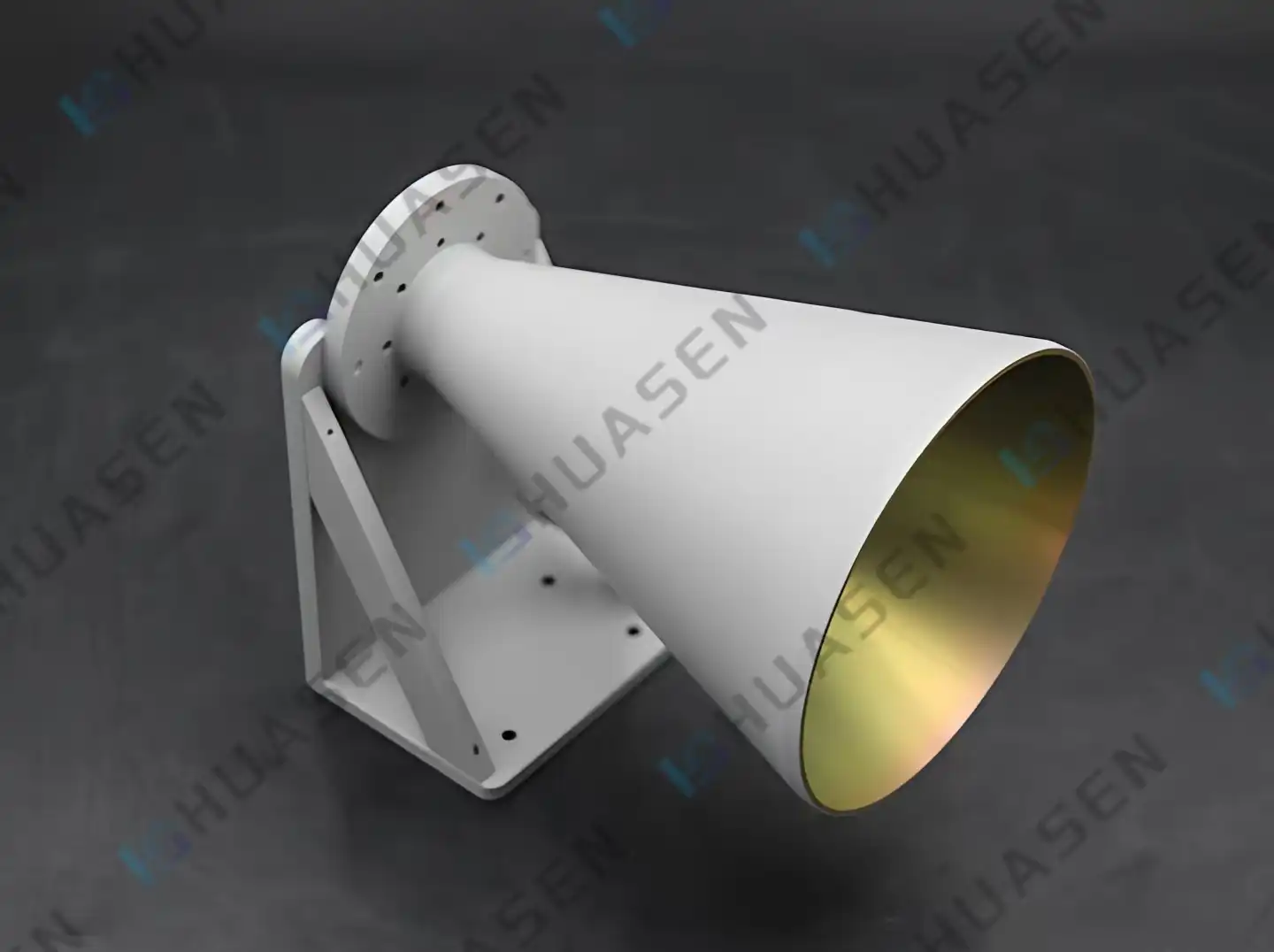
Circularly Polarized Horn Antenna Gain Range and Influencing Factors
Circularly polarised horn antennas usually have a gain range of 10 dB to 25 dB. The aperture size, horn geometry, and working frequency all have a direct effect on this range. How well circular polarisation works in a horn antenna depends on how well the internal polarisers are designed and how precise they are. When signal integrity and pure horn antenna circular polarisation are very important, like in satellite communications, radar systems, and wireless tests, these antennas work very well.VIEW MORE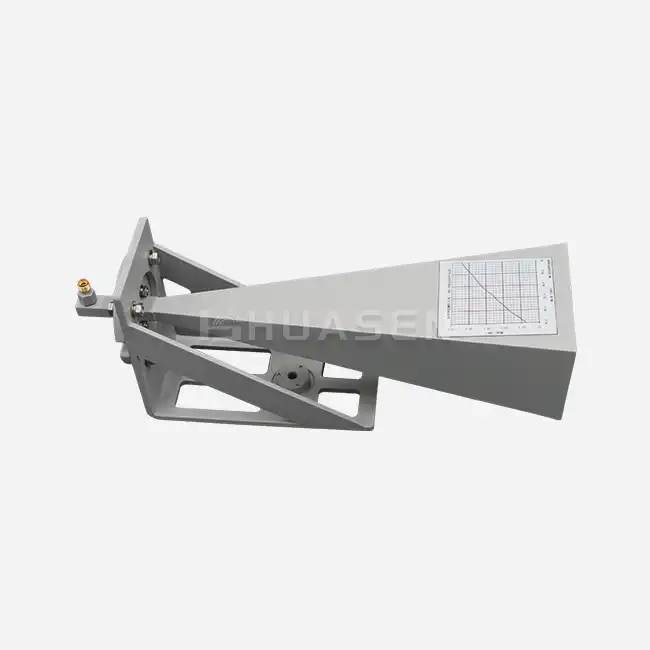
Standard Gain Horn Antenna vs Broadband Horn Antenna: Application Difference
For successful RF projects, it's important to know the basic differences between standard gain horn antennas and broadband horn antenna solutions before picking between them. Standard gain horn antenna designs work precisely and are calibrated across narrow frequency ranges, and they promise accuracy to within 0.5 dB, which makes them perfect for use as measurement standards and for calibration tasks. Broadband horn antennas cover a wide range of frequencies across several bands. This makes them useful for testing settings that use more than one standard and don't need absolute accuracy.VIEW MORE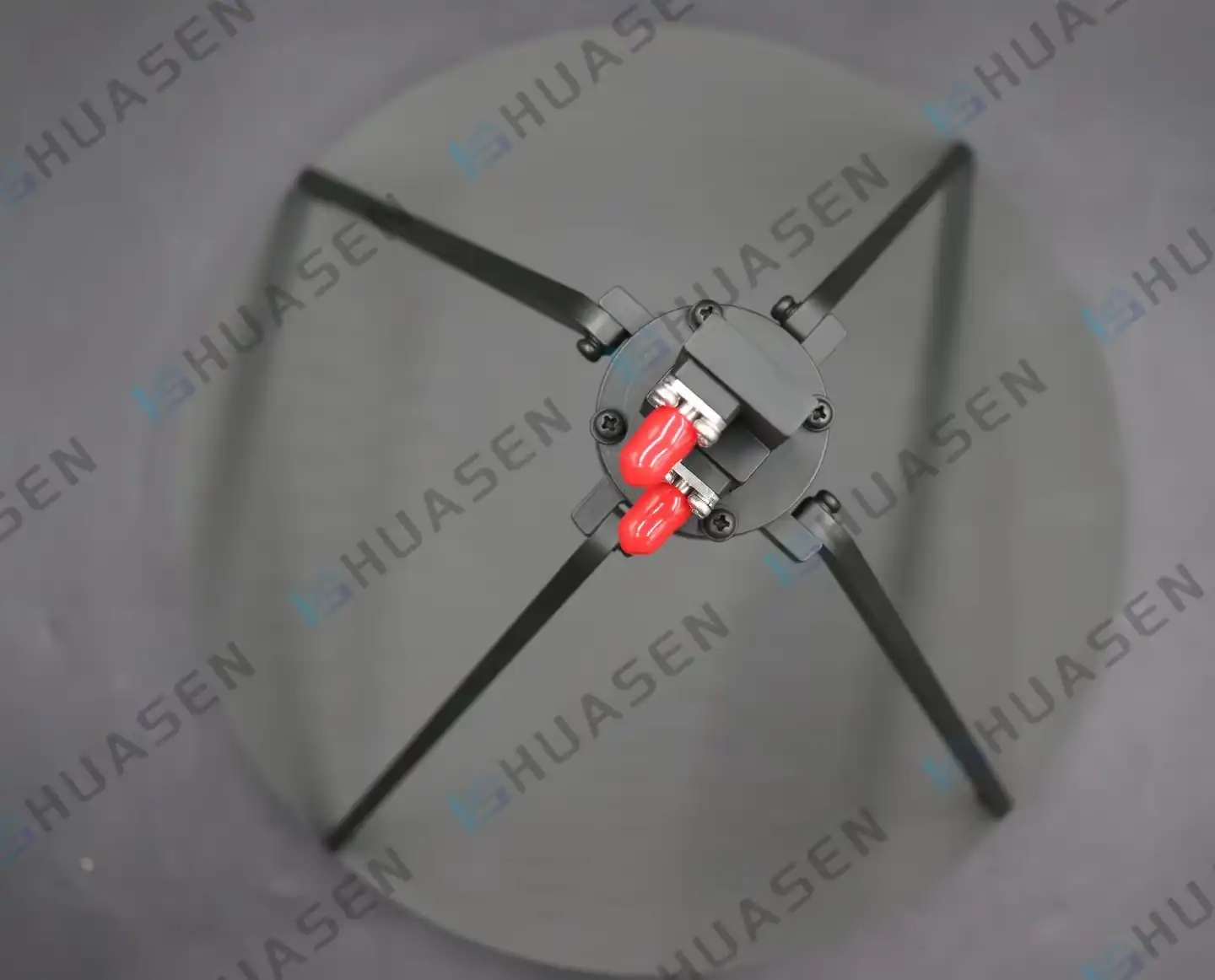
Factors Affecting the Beam Directivity of Parabolic Antenna
To get the best signal transmission performance in current communication systems, you need to know how the beam directivity of parabolic antennas works. The perfectly curved reflector surface of a parabolic antenna focuses electromagnetic energy into a narrow, focused beam, making it more direct. This ability to point in a certain direction has a direct effect on Parabolic Antenna communication range, signal quality, and interference reduction in many areas, such as 5G networks, satellite communications, and radar systems. A lot of technical factors affect this beam's directivity performance, from the shape of the reflector and where the feed is placed to the working frequency and the accuracy of the surface. It is very important to make the right choices and use the right equipment to get the communication results you want.VIEW MORE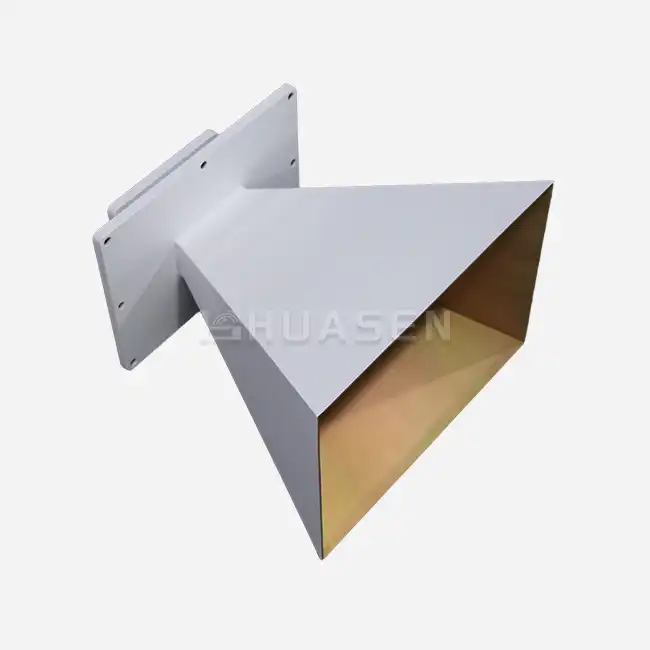
How does aperture size affect Pyramidal Horn Antenna performance?
The performance of pyramidal horn antennas is largely determined by the size of the opening, which controls the electromagnetic field distribution at the antenna opening. When it comes to pyramidal antennas, bigger aperture sizes directly lead to more directed gain, less beamwidth, and better signal focusing. In important areas like telecommunications, radar systems, and precision measurement equipment, the actual aperture is like a window through which radio waves pass. The size of the aperture determines how well it matches impedances, how efficiently it sends waves, and how well the system works overall.VIEW MORE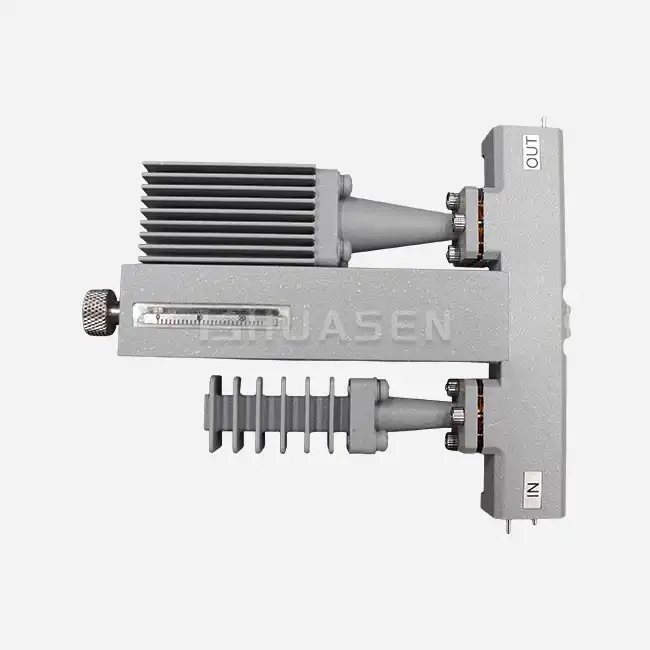
Variable Waveguide Attenuator for Precise Power Adjustment
Variable Waveguide Attenuator technology is an important part of modern RF and microwave signal control systems. It gives engineers a level of accuracy in managing power that has never been seen before in important communication and testing tasks. These high-tech parts allow for constant attenuation adjustments from 0 to 30 dB while keeping the signal quality very high across the frequency range from 0.96 GHz to 112 GHz. Variable waveguide attenuators are better than fixed attenuators because they allow for dynamic control, which is important for improving system performance in places like high-power thermal measurement, satellite communications, weather radar, and drone data lines.VIEW MORE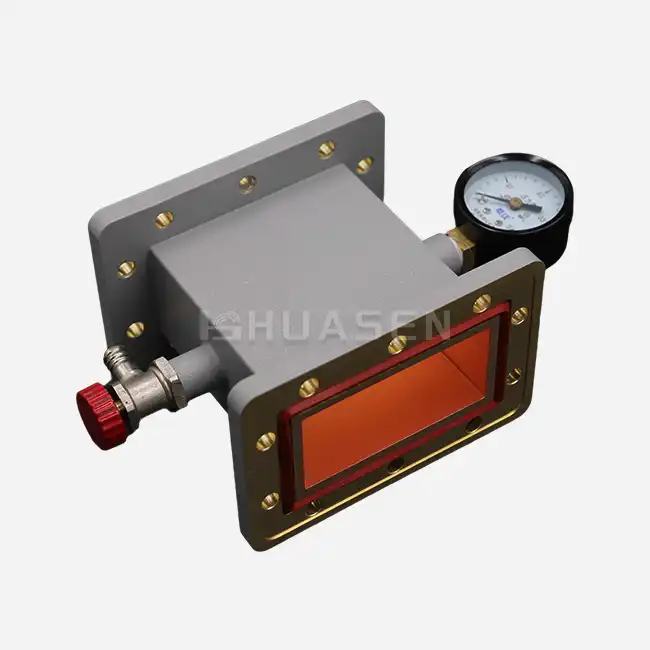
Why Inflatable Straight Waveguide Speeds Deployment?
With its Inflatable Straight Waveguide, easier installation, and greater portability compared to standard rigid waveguides, inflatable straight waveguide technology changes the speed of deployment. These special RF parts get rid of the need for complicated fitting and big machines that are usually needed for regular waveguide systems. The new design cuts the time it takes to set up from hours to minutes while still providing excellent electromagnetic performance. This makes them necessary for emergency communications, rapid response communications, and mobile operations where time-critical installs are key to mission success.VIEW MORE
Selecting Waveguide Filters for Aerospace and Avionics Systems
To choose the right waveguide filters for aircraft and aviation systems, you need to know how to handle complex frequency control needs in mission-critical situations. When dependability is very important, like in radar systems, satellite communications, and airplane electronics, waveguide filter technology is the best way to handle high-frequency signals. Specialized parts like these use hollow metal structures instead of regular lumped elements, which makes them work better in microwave and millimeter-wave situations where regular coaxial filters can't. To make sure the best system integration and long-term operational success, engineering teams have to look at things like performance standards, environmental resilience, and legal compliance.VIEW MORE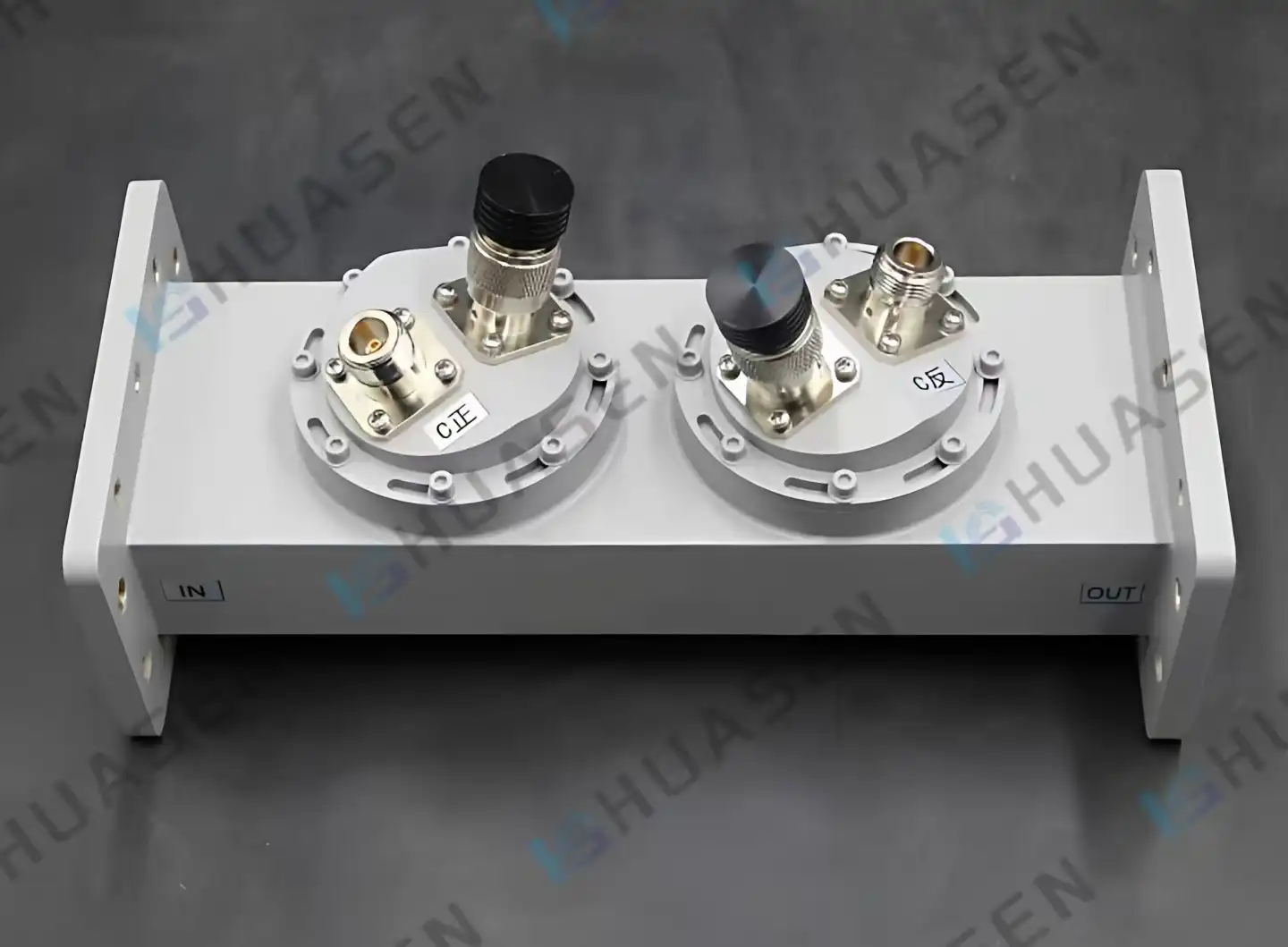
Choosing the Right Waveguide Loop Coupler for Aerospace Applications
A lot of technical and practical factors need to be carefully thought through when choosing the right waveguide loop coupler for aerospace uses. These passive microwave parts are very well made and measure electromagnetic power using controlled loop probe mechanisms. They are very important for radar systems, satellite communications, and airplane tracking equipment. The Waveguide Loop Coupler works by using a loop antenna that is introduced into the waveguide to pick up magnetic fields. This changes waveguide modes into coaxial outputs while keeping the signal integrity very high and insertion loss very low in harsh aerospace settings.VIEW MORE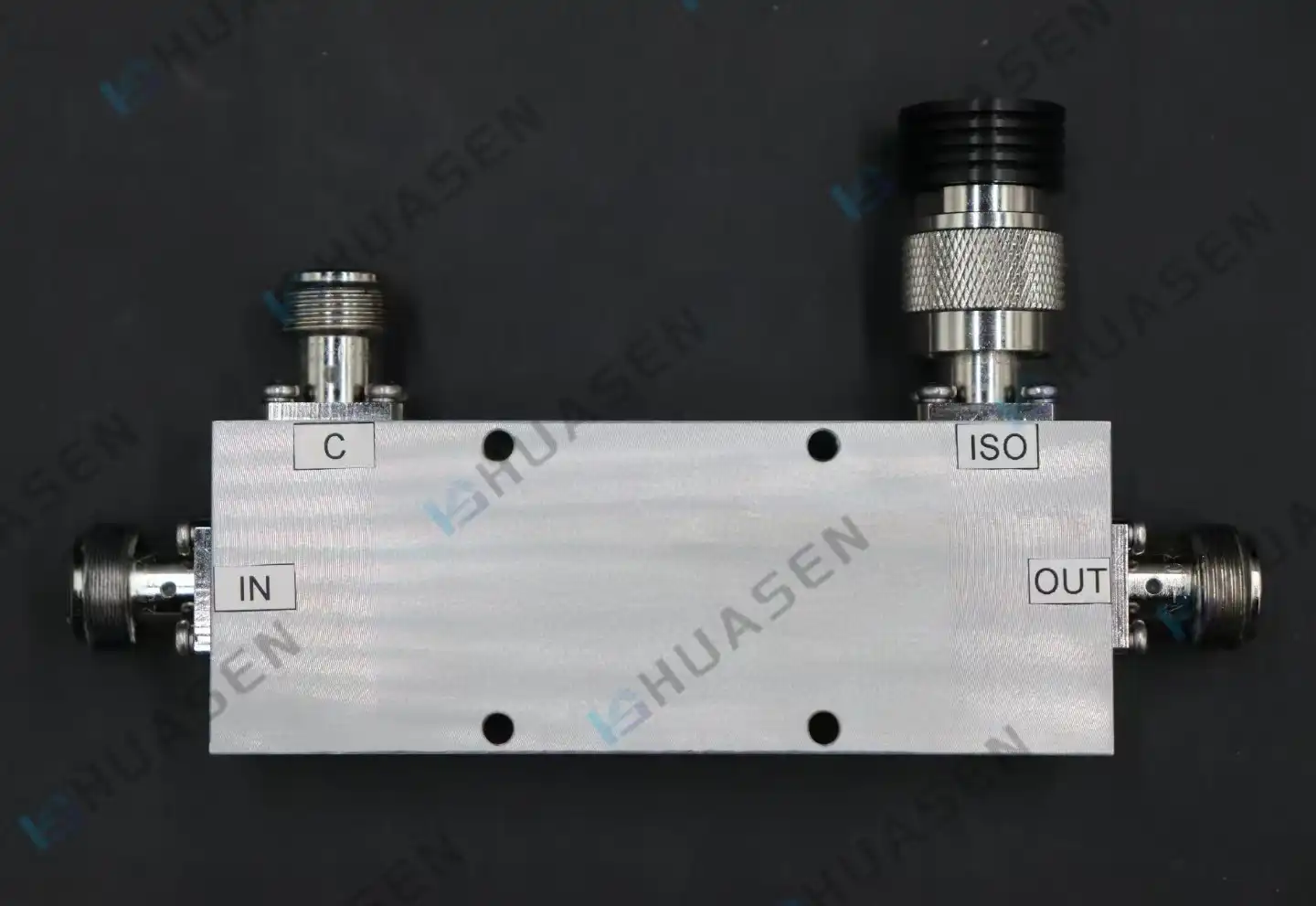
Directional Coupler Coupling Degree Testing for Millimeter Wave Systems
In millimeter wave systems, directional coupler coupling degree testing is an important way to find out the exact power sampling ratio of RF signals without getting in the way of the main transmission line. This unique testing method confirms the accuracy of coupling, the performance of directivity, and the insertion loss characteristics over frequency ranges that usually cover 30 to 300 GHz. This makes sure that signals stay intact and systems are reliable in advanced radar, aerospace, and telecommunications applications.VIEW MORE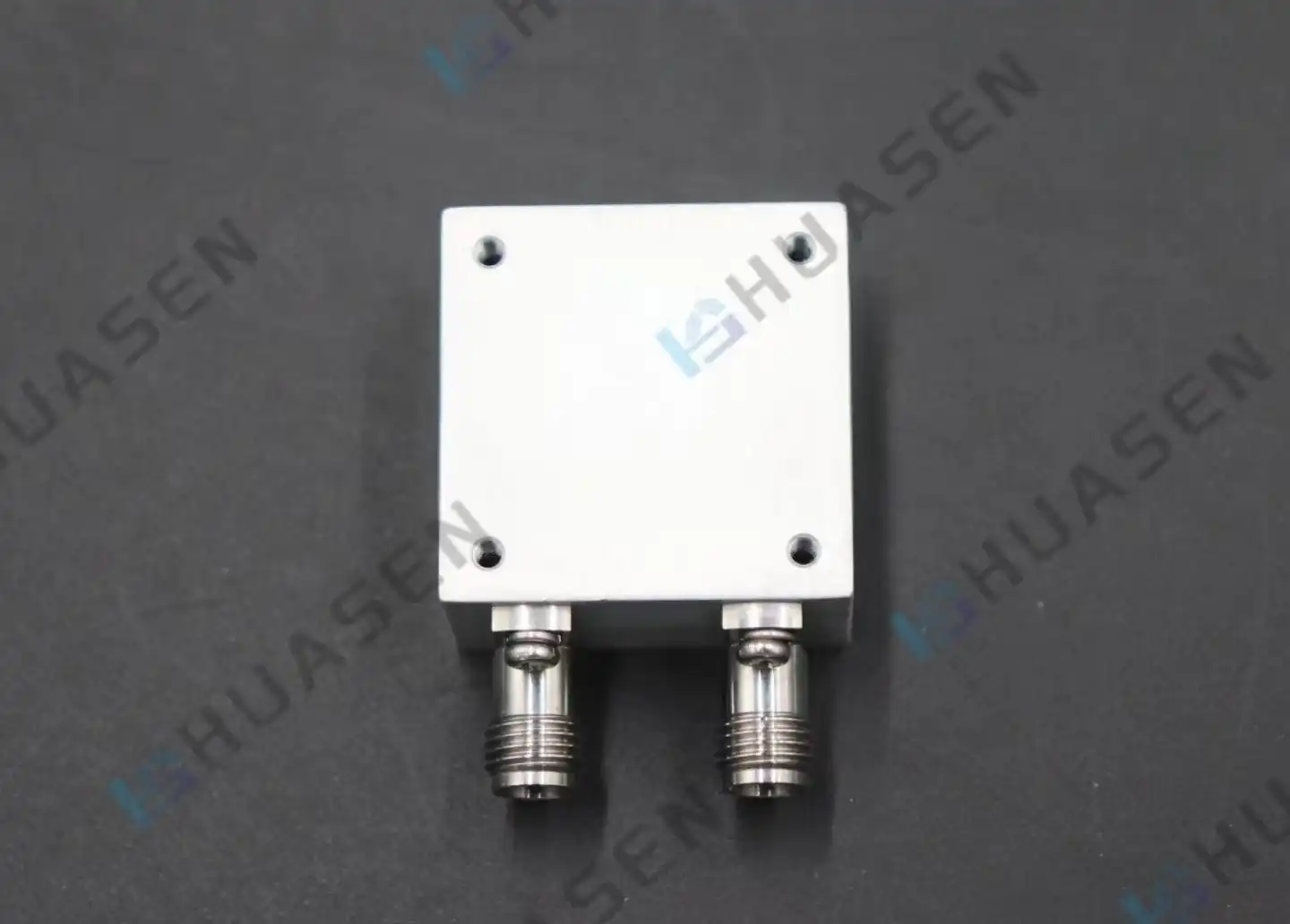
Coplanar Waveguide Advantages in RF PCB Design
As high-frequency communications and RF systems change quickly, coplanar waveguide (CPW) technology stands out as a better transmission line option that solves important design problems that engineers and procurement specialists face. Coplanar waveguides are different from regular microstrip configurations because the central signal conductor and ground planes are on the same substrate surface. This gives better impedance control, less electromagnetic interference, and easier manufacturing processes. This new way of doing things is becoming more and more important for uses like 5G infrastructure, satellite communications, radar systems, and millimeter-wave devices that need to keep the signal's purity and work reliably.VIEW MORE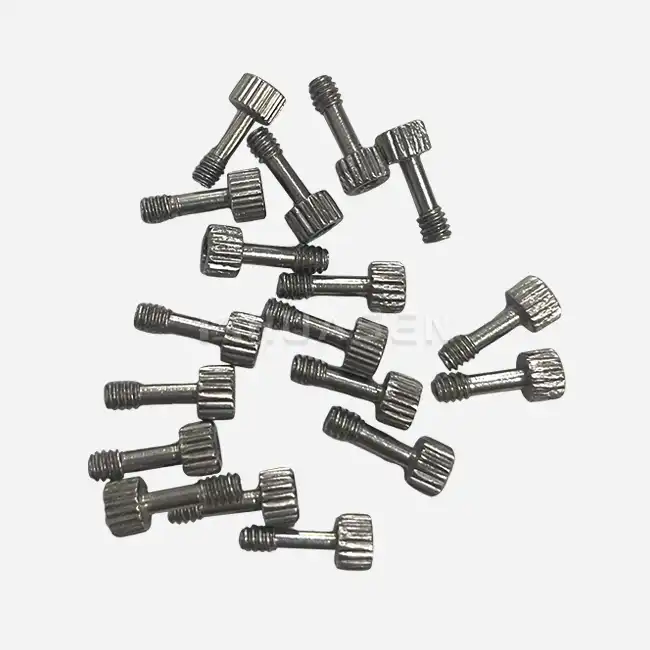
Why Precision Matters in Waveguide Screw?
In the complicated world of high-frequency microwave devices, every part is important, but the waveguide screw is the most important. In a wide range of situations, from 5G base stations to aircraft radar systems, these precision-engineered fasteners are the key link between mechanical integrity and electromagnetic performance. If the dimensions of a waveguide screw are off, the screw can cause chain reactions that can put whole defence systems, data networks, or satellite links at risk. In fields where performance must be maintained at all times, the accuracy of these parts has a direct effect on signal quality, system reliability, and running costs.VIEW MORE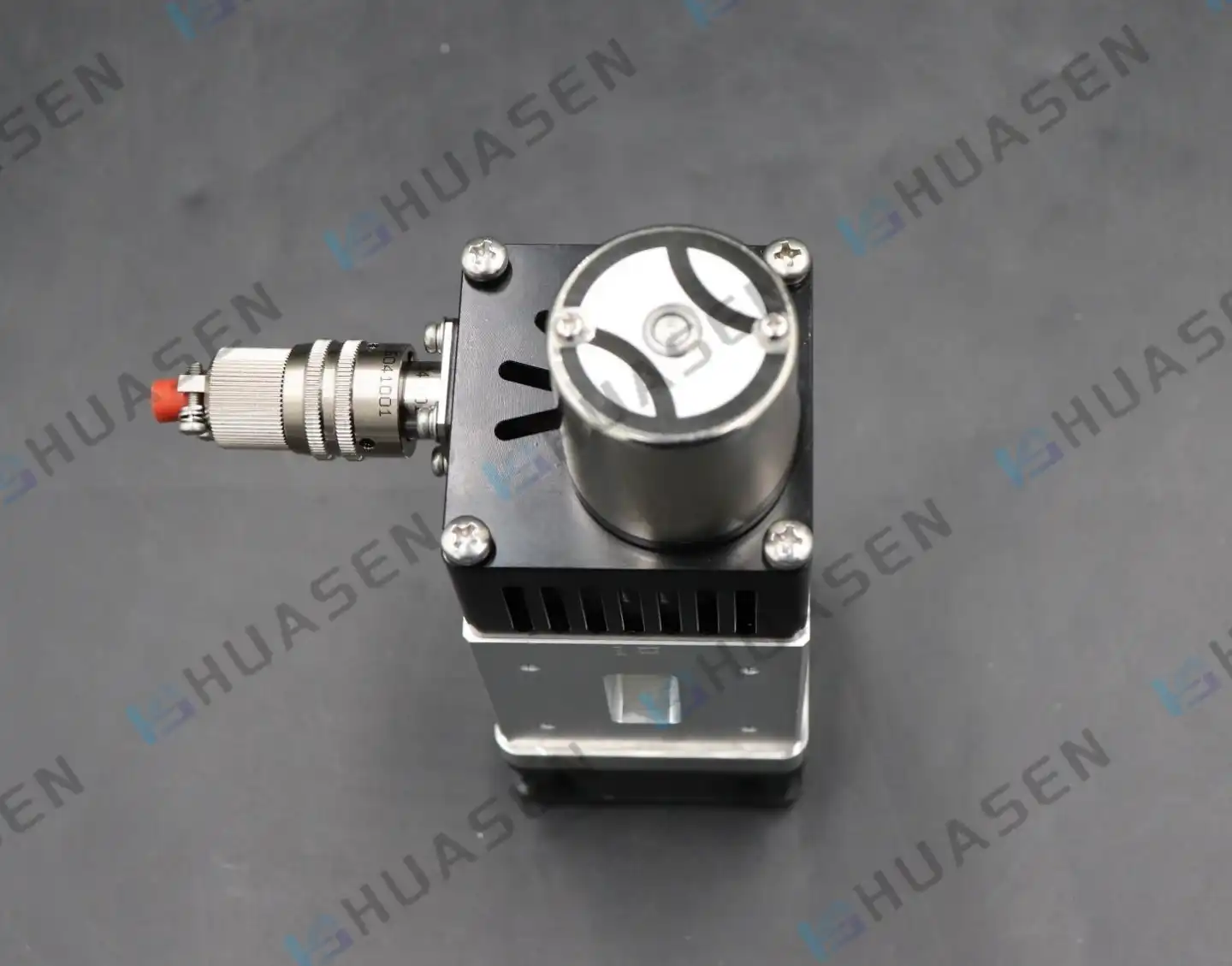
Reliability Factors in Manual Waveguide Switch
Understanding the factors that affect the dependability of manual waveguide switch technology is very important when looking at microwave system parts for long-term operating excellence. A Manual Waveguide Switch is a very accurate electromechanical part that moves electromagnetic data between different waveguide ports with the help of an operator. These devices get rid of the single points of failure that come with automatic systems and let you feel the state of a switch. This makes them essential in mission-critical situations where reliability must be maintained at all times. Because they are built to last and can't fail, they are the best choice for applications that need to make sure that signals are routed correctly in harsh operational settings.VIEW MORE
- 1
- 35
- 36
- 37
- 38
- 39
- 60
Total 60 pages