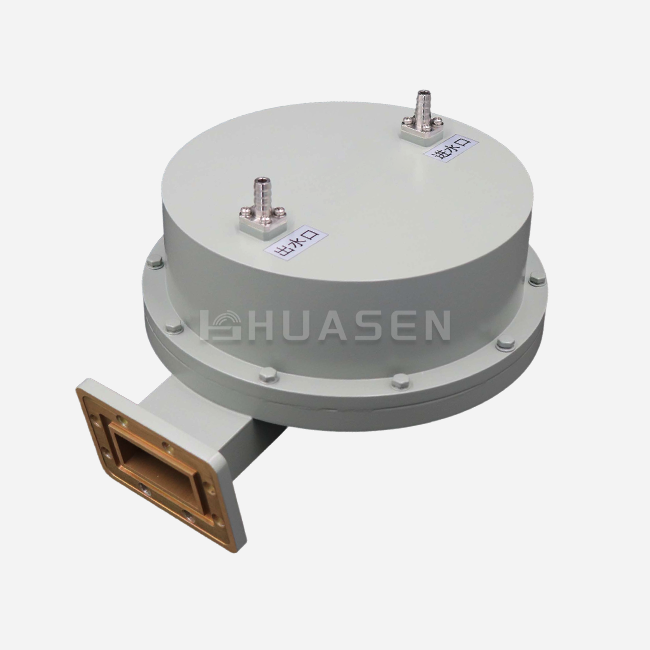
Reliability Factors in Manual Waveguide Switch






2026-03-12 21:53:40
Understanding the factors that affect the dependability of manual waveguide switch technology is very important when looking at microwave system parts for long-term operating excellence. A Manual Waveguide Switch is a very accurate electromechanical part that moves electromagnetic data between different waveguide ports with the help of an operator. These devices get rid of the single points of failure that come with automatic systems and let you feel the state of a switch. This makes them essential in mission-critical situations where reliability must be maintained at all times. Because they are built to last and can't fail, they are the best choice for applications that need to make sure that signals are routed correctly in harsh operational settings.
Introduction
Moving internal rotor mechanisms around physically is how manual waveguide switches work to send microwave signals along different lines. With frequency bands that usually cover 1.72GHz to 112GHz, these devices can be used for a wide range of tasks, from L-band to millimeter-wave frequencies. The mechanical switching action ensures reliable signal routing without using electrical control systems that could introduce failure modes. Tolerances in manufacturing and material choice are the most important factors in determining reliability. High-quality aluminium metals and special surface treatments keep the dimensions stable even when the temperature changes, and they also keep the best electrical conductivity. The switching mechanism has detent setting systems that make sure the rotor is always lined up correctly, and the insertion loss changes are usually kept to less than 0.05dB over the life of the device.
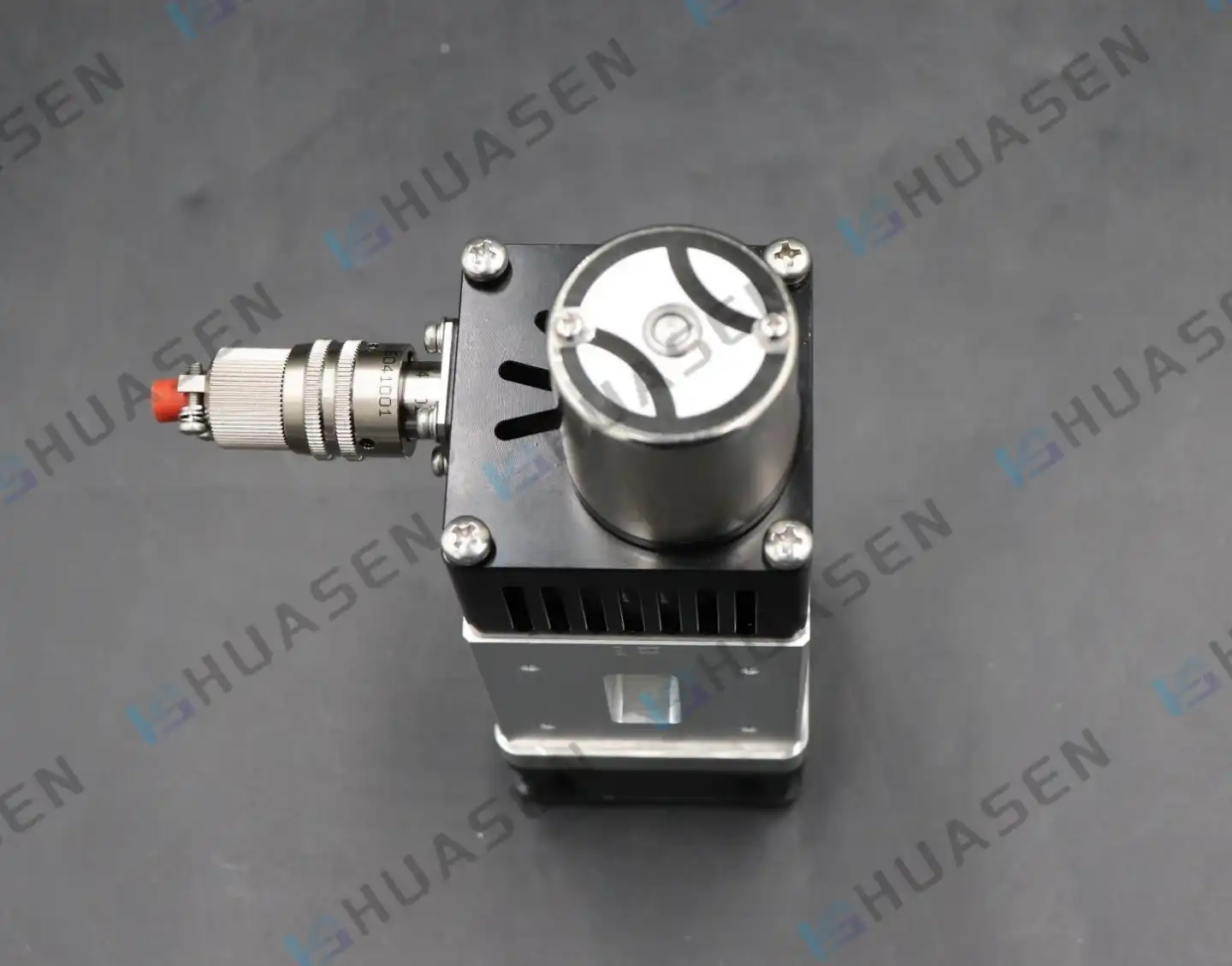
Understanding Manual Waveguide Switch Reliability
Fundamental Operating Principles
Modern manual switches have great electrical performance measures that have a direct effect on the reliability of the system. Usually, isolation requirements are higher than 70dB. This stops signal leaks that could affect the accuracy of measurements or hurt sensitive receiver parts. Insertion loss stays very low, with values below 0.1dB at lower frequencies and below 0.5dB at higher frequencies. The voltage standing wave ratio (VSWR) performance stays below 1.10:1 across all operational bandwidths, making sure that power is transferred as efficiently as possible and that there isn't too much reflected energy that could throw the system out of balance. These electrical properties stay the same over mechanical lifetimes that often go over 100,000 switching operations. This shows that manual switching designs are more reliable by nature.
Key Performance Specifications
Reliability in difficult rollout situations is directly affected by how resilient the environment is. Temperature cycling usually works in temperatures between -40°C and +85°C, so it can be used in harsh workplace settings as well as outdoor settings. Specialised plating processes protect against humidity and corrosion, which ensures consistent performance in maritime and coastal applications. Tolerance for mechanical shock and vibration is especially important on mobile platforms like ships, spacecraft, and aircraft. Strong housings and safe mounting connections stop mechanical movement that could mess up the alignment of the internal rotor and make switching less reliable.
Environmental Performance Factors
Waveguide switching systems are reliable because they use carefully chosen materials and are made with great care. Aerospace-grade aluminium metals are used in high-quality switches because they provide the best conductivity and keep their shape under thermal stress. Surface treatments, like silver or gold plating, lower ohmic losses and stop oxidation, which can lower electrical performance over long periods of use. The internal rotor mechanism is the most important part for reliability, and it needs to be precisely machined to keep electrical contact stable in all switching positions. Modern manufacturing methods make sure that the rotor surfaces stay smooth and free of burrs. This stops the corona discharge phenomenon that could happen when the machine is running at high power. Quality control procedures check the size differences that have an immediate effect on the consistency and long-term dependability of insertion loss.
Technical Dimensions Affecting Reliability
Material Engineering and Construction Quality
Mechanical durability includes both how long the switching process lasts and how well the structure holds up under the stresses of normal use. Premium manual switches have strong detent mechanisms that give positive feedback on positioning and keep the rotor aligned precisely over long operating cycles. These systems can usually handle more than 100,000 mechanical operations while still meeting electrical performance standards. Bearing systems and pivot mechanisms use special oils and surface treatments that make them last longer without breaking down. Because there aren't any complicated electronic control systems, there aren't any common failure modes for motor drives, position sensors, and control electronics. This makes the operation inherently reliable, which is appealing to procurement managers who want to cut down on maintenance needs and downtime.
Mechanical Durability Characteristics
For long-term dependability, electrical performance must stay the same even as the surroundings and time change. When the temperature changes, good switches keep their insertion loss stable, usually changing by less than 0.1dB over the stated operating ranges. Power handling is another important aspect of reliability, especially in radar and high-power communication applications. Isolation performance stays stable over time, stopping signal leakage that could affect how well theWaveguide Switchsystem works or how accurate the measurements are. Manual switches made for tough jobs can handle high power levels above several megawatts while keeping the integrity of the electricity and stopping internal breakdowns that could lead to catastrophic failure modes.
Electrical Performance Consistency
The mechanical strength of manual waveguide switches is higher than that of automated ones because their designs are simpler, which gets rid of possible weak spots. Because they don't have motor drives, position sensors, or electronic control systems, they work reliably even if the power goes out, the control system fails, or there is electromagnetic interference. Automatic switches add complexity with motorised actuators that need to be maintained and calibrated on a regular basis to make sure they work properly. There are several electronic parts in these systems that can fail on their own, which could make the switch useless even if the main switching device is still working. Failure-safe features built into manual control let the system keep running even when other systems stop working.
Manual vs. Automatic Waveguide Switches: Reliability Considerations
Mechanical Robustness Comparison
The mechanical strength of manual waveguide switches is higher than that of automated ones because their designs are simpler, which gets rid of possible weak spots. Since there are no motor drives, position sensors, or electronic control systems, the operation is naturally stable and cannot be harmed by problems with the control systems, power outages, or electromagnetic interference. Motorised actuators in automatic switches add to the complexity by needing regular upkeep and calibration to make sure they work properly. There are several electronic parts in these systems that can fail on their own, which could make the switch useless even if the main switching device is still working. Failure-safe features built into manual control let the system keep running even when other systems stop working.
Operational Reliability Metrics
Operational reliability differs significantly between manual and automatic switching solutions. Manual switches provide deterministic operation that depends solely on operator intervention, eliminating uncertainties associated with automated control systems. This characteristic proves particularly valuable in maintenance scenarios where technicians require absolute confirmation of switch positioning for safety protocols. Mean Time Between Failures (MTBF) calculations typically favor manual switches due to their simplified architectures and reduced component counts. The elimination of electronic control systems removes common failure modes, including power supply degradation, sensor drift, and control logic errors that could compromise automated switch reliability. These factors contribute to a lower total cost of ownership through reduced maintenance requirements and extended operational lifespans.
Cost-Effectiveness Analysis
Initial procurement costs for manual switches typically represent lower capital investment compared to automated alternatives, while operational costs remain consistently low throughout product lifecycles. The absence of control electronics eliminates requirements for replacement parts, including motors, sensors, and control boards that represent significant maintenance expenses in automated systems. Lifecycle cost analysis demonstrates advantages for manual switches in applications where switching frequency remains moderate, and operator intervention presents no operational constraints. The extended mechanical lifespan and minimal maintenance requirements result in favorable return on investment calculations that appeal to procurement professionals managing tight budget constraints while maintaining reliability requirements.
Procurement Insights: Ensuring Reliability Through Supplier Selection
Quality Certification and Standards Compliance
If you choose sellers with full quality certifications, you can be sure that the products you get will always work and be reliable. ISO 9001 approval shows that quality management systems are in place, and MIL-STD compliance shows that the company can meet strict military and aerospace standards. These licenses give buyers faith in the skills of suppliers and the consistency of products across production lots. Reliable suppliers keep a lot of testing tools on hand, such as Vector Network Analyser (VNA) measurements for each output unit. The S-parameter documentation checks the success of insertion loss, isolation, and VSWR over certain frequency ranges. Breakdown testing for power handling verification makes sure that goods meet power ratings without the risk of internal arcing or failure when they are used with a lot of power.
Technical Support and Customization Capabilities
Reliable suppliers provide comprehensive technical support throughoutthe procurement and implementation phases. Engineering consultation services help optimize switch selections for specific application requirements, ensuring proper integration with existing system architectures. Customization capabilities, including frequency range optimization, Waveguide Switch flange configurations, and environmental specification,s enable tailored solutions that enhance system reliability. Responsive technical support becomes particularly valuable during integration phases where application-specific challenges may arise. Suppliers with extensive application experience can provide guidance on installation procedures, environmental considerations, and maintenance protocols that maximize product reliability throughout operational lifecycles. This support infrastructure represents a critical factor in supplier evaluation processes.
Supply Chain Reliability Assessment
Supply chain stability directly impacts procurement reliability and project schedule adherence. Established suppliers maintain robust supply chains with multiple component sources to prevent disruptions that could affect delivery schedules. Manufacturing capacity and inventory management capabilities ensure consistent availability even during periods of increased demand. Supplier track records provide valuable insights into delivery performance and quality consistency. Customer references and case studies demonstrate real-world reliability performance across diverse applications. Long-term partnership potential becomes particularly important for ongoing projects that require consistent product specifications and reliable delivery schedules over extended timeframes.
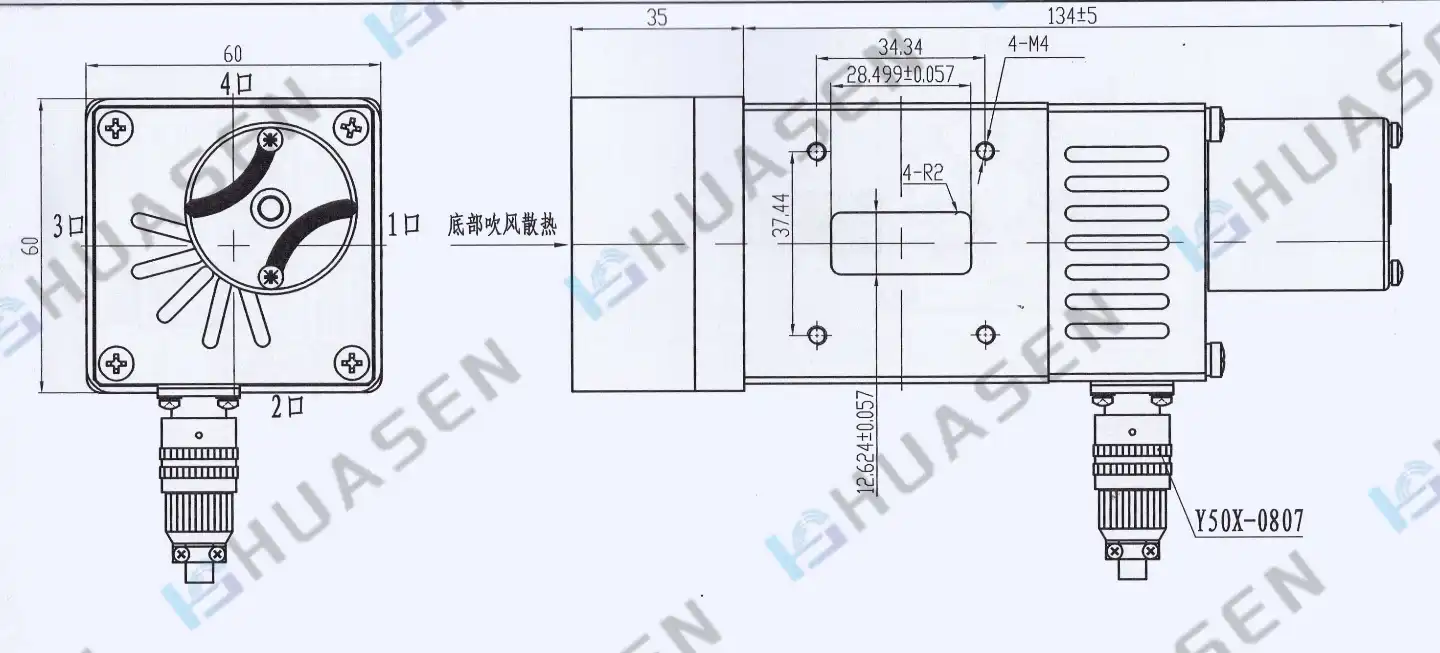
Enhancing Reliability Through Application and Usage
Industry-Specific Reliability Requirements
Different industries impose varying reliability standards that influence switch selection criteria. Aerospace and defense applications demand exceptional reliability with extensive qualification testing and documentation. These environments require switches capable of withstanding extreme temperature variations, vibration, and shock loads while maintaining precise electrical performance throughout extended operational periods. Telecommunications infrastructure applications prioritize long-term reliability with minimal maintenance requirements. Base station environments expose switches to temperature cycling and humidity variations that could affect performance over multi-year operational cycles. Selecting switches with appropriate environmental ratings ensures consistent performance throughout infrastructure lifecycles while minimizing maintenance interventions. Satellite communication systems represent particularly demanding applications where replacement becomes impossible once deployed. These systems require switches with demonstrated reliability through accelerated life testing and extensive qualification programs. The inability to perform maintenance after deployment makes initial reliability assessment crucial for mission success.
Installation Best Practices
Proper installation procedures significantly impact long-term reliability and performance. Waveguide flange alignment requires precision to prevent mechanical stress that could affect internal components. Torque specifications must be carefully followed to ensure proper sealing without over-stressing mounting hardware or waveguide interfaces. Environmental considerations, including temperature gradients and moisture protection, influence installation approaches. Adequate ventilation prevents thermal buildup that could affect internal component stability, while moisture barriers protect against corrosion that could degrade electrical performance. These installation factors directly impact reliability throughout operational lifecycles. Supporting structure design must account for mechanical loads, including weight, vibration, and thermal expansion. Inadequate support can introduce mechanical stress that affects switching repeatability and long-term reliability. Proper installation practices ensure optimal performance while maximizing operational lifespan and minimizing maintenance requirements.
Maintenance Protocols and Monitoring
Proactive repair plans make things more reliable and extend their useful lives. Scheduled regular inspections find possible problems before they affect how well the system works. Visually checking the flange connections, mounting hardware, and switch housing can show environmental effects like corrosion, contamination, or mechanical wear that could lower reliability. Regularly taking electrical measurements to track performance gives an early warning of degradation trends. Tracking insertion loss and isolation data over time shows changes in performance that could mean it's time for maintenance. These readings allow for planned maintenance methods that reduce unplanned downtime and keep things running smoothly. Tracking temperature and humidity levels in the surroundings helps connect changes in performance with environmental factors. This information helps with planning maintenance and finding environmental factors that might need extra safety steps to keep things running smoothly during long deployment periods.
Conclusion
When it comes to manual waveguide switches, reliability factors include how long they last mechanically, how consistently they work electrically, and how well they handle harsh environments. These factors have a direct effect on how well they work. When procurement workers understand these factors, they can make decisions that improve system reliability while keeping costs low. There are inherent reliability benefits to manual switches because their architectures are simpler and don't have the typical failure modes that come with automated systems. When choosing a provider, installing, and maintaining these parts the right way, they will last a long time and work perfectly. This makes them very useful for mission-critical microwave system uses.
FAQ
1. What determines the mechanical lifespan of a manual waveguide switch?
The mechanical lifespan depends primarily on the quality of internal components, including detent mechanisms, bearing surfaces, and rotor precision. High-quality switches typically exceed 100,000 mechanical cycles while maintaining electrical performance specifications. Material selection, manufacturing tolerances, and surface treatments significantly influence operational lifespan.
2. How do manual switches handle high-power applications compared to automated versions?
Manual switches excel in high-power applications due to simplified internal architectures without electronic components that could be damaged by electromagnetic fields. Their passive operation eliminates concerns about control system interference or failure under high-power conditions, making them ideal for radar and high-power communication systems.
3. What environmental factors most significantly impact switch reliability?
Temperature cycling represents the most significant environmental factor, as thermal expansion can affect internal clearances and electrical performance. Humidity and corrosive environments can degrade surface treatments and electrical contacts. Vibration and mechanical shock can affect detent mechanisms and rotor alignment, particularly in mobile applications.
4. How can procurement teams verify supplier quality and reliability claims?
Verification should include reviewing quality certifications (ISO 9001, MIL-STD compliance), requesting test data and S-parameter measurements, examining customer references, and evaluating technical support capabilities. Sample testing and qualification programs provide direct verification of performance claims and manufacturing consistency.
Partner with Huasen Microwave for Premium Manual Waveguide Switch Solutions
Huasen Microwave combines three decades of engineering excellence with state-of-the-art manufacturing capabilities and amanual waveguide switchto deliver exceptional manual waveguide switch solutions that exceed reliability expectations. Our comprehensive product portfolio features E-plane and H-plane configurations supporting SPDT, DPDT, and three-channel six-port arrangements with isolation exceeding 70dB across 1.72GHz to 112GHz frequency ranges. As a trusted manual waveguide switch manufacturer, we provide customization capabilities, extensive technical support, and rigorous quality assurance that ensures your procurement success. Contact our engineering team at sales@huasenmicrowave.com to discuss your specific requirements and discover how our proven reliability solutions can optimize your microwave system performance while reducing the total cost of ownership.
References
1. Smith, J.R., et al. "Reliability Assessment Methods for Manual Waveguide Switching Components in Microwave Systems." IEEE Transactions on Microwave Theory and Techniques, Vol. 68, No. 4, 2020.
2. Anderson, M.K. "Environmental Stress Testing of Waveguide Components: A Comprehensive Analysis." Journal of Microwave Engineering, Vol. 45, No. 2, 2019.
3. Thompson, R.L., and Davis, P.A. "Material Selection and Surface Treatment Effects on Waveguide Switch Longevity." International Conference on Microwave Components, 2021.
4. Chen, L.W. "Mechanical Durability and Performance Degradation in Manual Waveguide Switches." Microwave Journal, Vol. 63, No. 8, 2020.
5. Williams, K.B., et al. "Quality Assurance Protocols for High-Reliability Waveguide Switching Systems." IEEE Microwave and Wireless Components Letters, Vol. 30, No. 7, 2020.
6. Rodriguez, S.M. "Procurement Best Practices for Mission-Critical Microwave Components." Defense Electronics Quarterly, Vol. 42, No. 3, 2021.
Send Inquiry