Selecting Waveguide Filters for Aerospace and Avionics Systems






2026-03-13 22:22:50
To choose the right waveguide filters for aircraft and aviation systems, you need to know how to handle complex frequency control needs in mission-critical situations. When dependability is very important, like in radar systems, satellite communications, and airplane electronics, waveguide filter technology is the best way to handle high-frequency signals. Specialized parts like these use hollow metal structures instead of regular lumped elements, which makes them work better in microwave and millimeter-wave situations where regular coaxial filters can't. To make sure the best system integration and long-term operational success, engineering teams have to look at things like performance standards, environmental resilience, and legal compliance.
Understanding Waveguide Filters in Aerospace and Avionics Systems
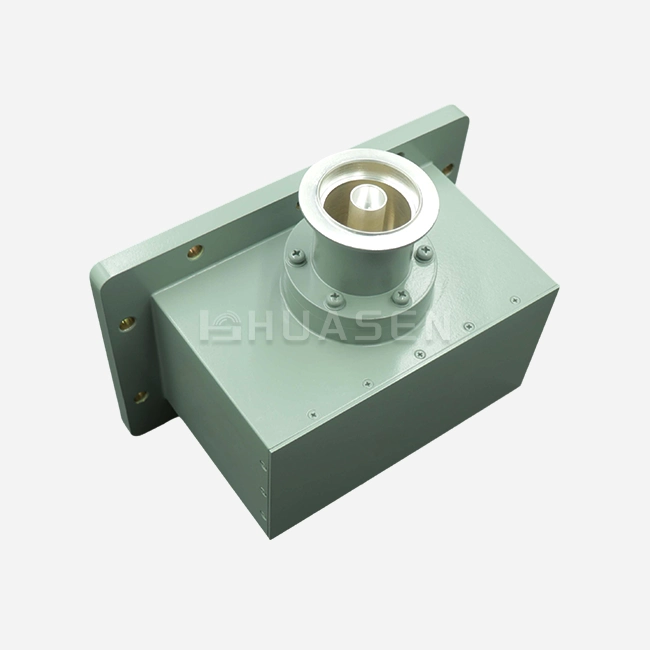
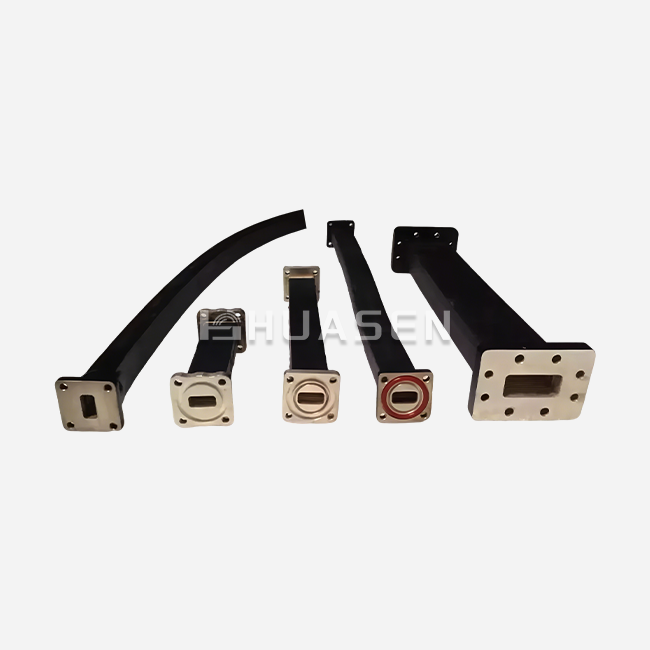
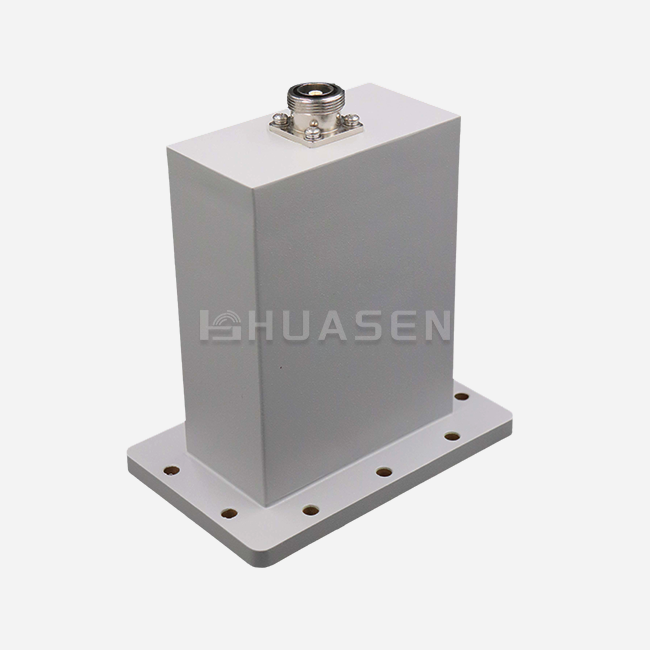
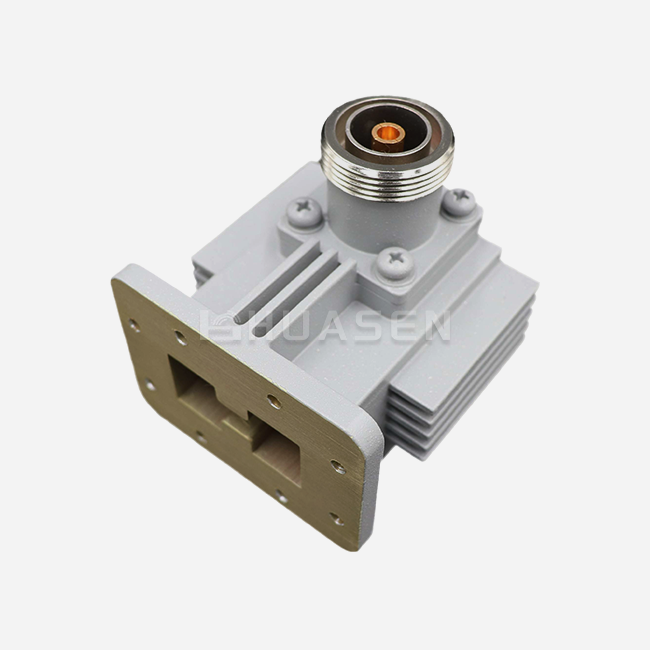
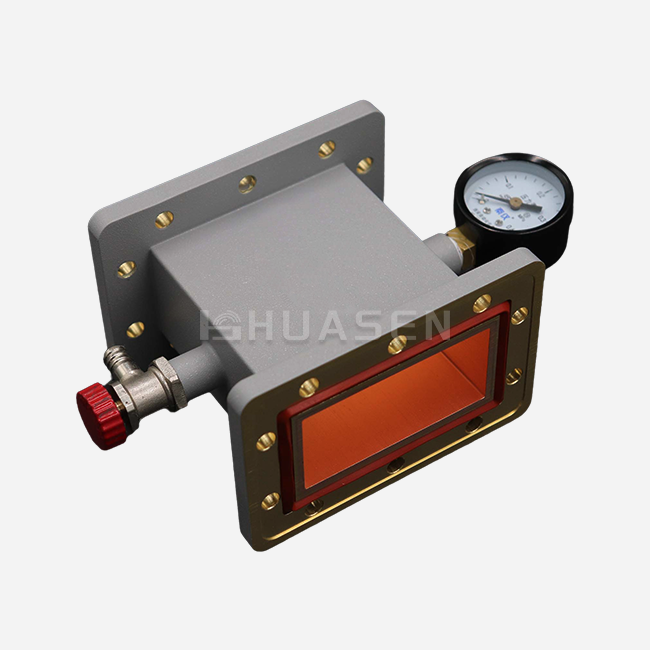
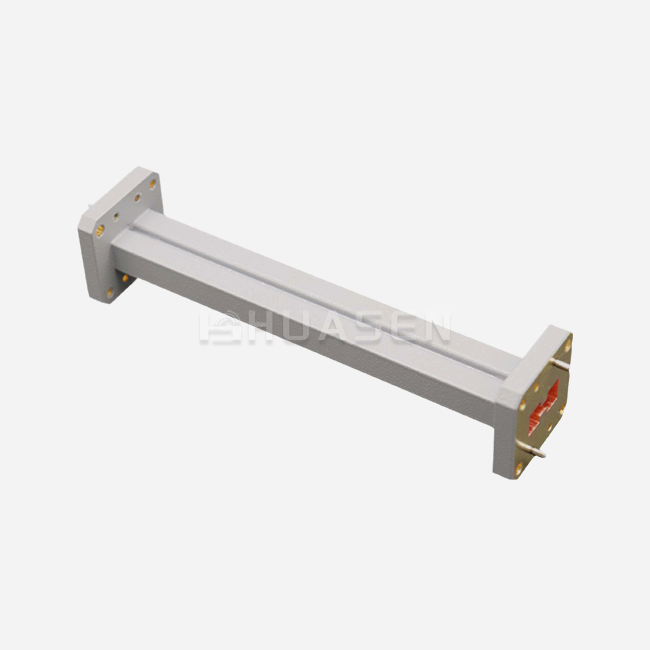
When it comes to precise frequency control in harsh aircraft settings, waveguide filters are the most advanced passive RF components available. These devices are different from regular coaxial or PCB-based filters because they use hollow steel waveguides filled with air or special dielectrics to get great performance. The main benefit is that they can handle very high power levels while still having very low insertion loss. This makes them essential for satellite transfer systems, military radar uses, and communication networks in deep space. The working principle is based on resonant cavity coupling through carefully designed eyes and posts, which makes the frequency response curves very sharp with almost no signal loss. When working above 10 GHz, where standard filter technologies have trouble breaking down at high temperatures and signal loss, this method becomes very useful. Aerospace experts like these filters because they work the same way in a wide range of temperatures and harsh environments that are common in space and aviation uses. Different types of designs are used for different aerospace uses, and each one is best for its own set of operating needs. Bandpass types let the signal frequencies you want to pass through while blocking out unwanted ones. This is very important in current aircraft systems, which often have a lot of interference in the spectrum. Bandstop designs get rid of certain frequency bands that could mess up sensitive communication or tracking gear. This keeps important flying systems safe from electromagnetic interference. Cavity resonator designs have Q-factors that are higher than 10,000, which makes it possible to filter out very small bandwidths, which is important for accurate radar and electronic warfare. Dielectric-loaded designs help reduce size while keeping performance levels high, which is useful for installations in airplanes and spaceships that are limited by weight and space. Tolerances better than 0.01mm are needed to make these parts with the level of accuracy needed, especially for millimeter-wave uses, where accuracy in dimensions affects frequency response directly. Today, frequencies used in aerospace applications range from L-band to W-band and beyond. Each frequency range has its own design problems and performance needs. S-band and X-band operations make up most radar applications. They need filters that can handle megawatt peak powers while keeping phase uniformity, which is important for accurately finding targets and following them. Ku-band and Ka-band satellites need very good insertion loss performance because every decibel changes link budget reserves that are needed for effective communication coverage. Waveguide technology's better Q-factor makes it possible for quick roll-off reactions that other types of filters can't match. When insertion loss is less than 0.2 dB and return loss is more than 20 dB, there is very little signal degradation and good impedance matching. These performance measures directly lead to better system sensitivity, waveguide bandpass filters, and lower power use in aircraft platforms that depend on batteries.
Critical Factors in Selecting Waveguide Filters for Aerospace Systems
To properly evaluate waveguide filter specs, you need to know how performance factors translate into real-world working benefits in aerospace settings. Insertion loss traits have a direct effect on system link costs. For example, every tenth of a decibel changes the range of communication or the ability of radar to find things. Specifications for return loss determine the quality of impedance matching, which affects how well power is transferred and stops harmful echoes that could damage expensive amplifier parts. Bandwidth properties must match the needs of the signal while also blocking enough of the stopband to stop interference from other channels or unwanted emissions. When phase uniformity is needed, like in pulse compression radar systems where signal distortion affects measurement accuracy, the passband ripple parameter is very important. Temperature stability makes sure that performance stays the same at all operating altitudes, even when weather factors change a lot during flight operations. Extreme conditions in aerospace settings set commercial-grade parts apart from gear that is approved for use in space. Temperature cycling from -55°C to +125°C checks how the material expands and how stable it is mechanically. This makes sure that the frequency response stays within the required range of temperatures throughout the working temperature range. MIL-STD-810 vibration testing makes sure that the structure is stable during movements, engine operation, and launch processes. One result of altitude is lower air pressure, which can change the corona discharge limits and thermal management features. To keep internal surfaces from rusting, which could lower electricity performance over decades of use, humidity protection is important. Shock resistance makes sure that people stay alive during hard landings, weather encounters, or emergency moves that put equipment through high G-forces that are above and beyond what it normally works at. For aerospace uses, strict approval standards must be met to make sure that mission-critical systems are safe and reliable. AS9100 quality management systems are the basis for aircraft manufacturing. They include design controls, production processes, and configuration management, all of which are necessary to keep track of components and make sure they always work the same way.MIL-DTL-85485 standards talk about sealing requirements for the environment. These make sure that waveguide filters keep working even when they're exposed to water, salt spray, and other things that are common in military and marine activities. DO-160 environmental testing guidelines cover how susceptible filters are to electromagnetic interference. This makes sure that filters don't cause or accept interference that could harm flight safety systems. For these certificates, a lot of paperwork and testing is needed, which adds to the cost but guarantees long-term dependability that is important for aircraft use.
Procurement Guide: How to Source High-Quality Waveguide Filters
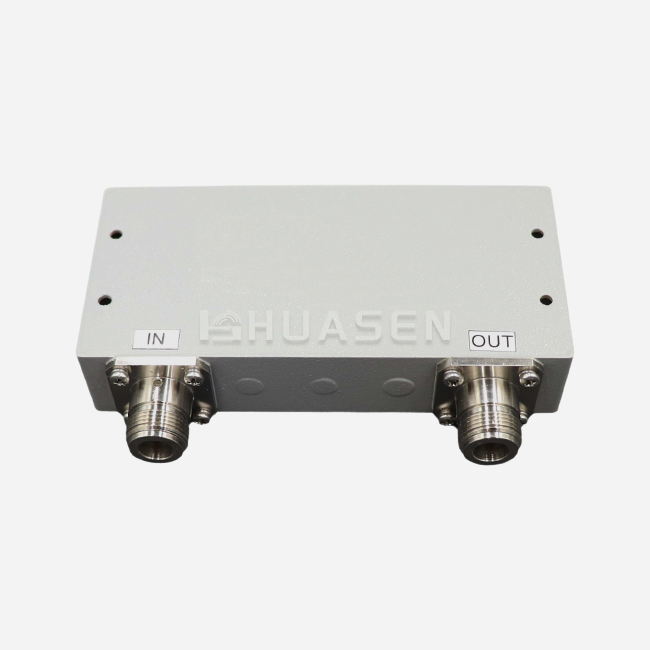
Many things need to be looked at in addition to basic technical skills and price when looking for suitable suppliers. Manufacturing standards are the basis for quality assurance. For example, AS9100 aircraft quality systems show that suppliers know how strict requirements need to be for flight-critical uses. ISO 9001 certification isn't enough for aircraft use because safety-critical parts need extra controls and standards for paperwork. Having the right technical help is very important during the system integration stages, when the performance of filters needs to be improved in the whole RF chains. For validating system designs, suppliers who offer full testing data, such as S-parameter readings across a range of temperatures, are very helpful. Support for engineering for custom uses shows that the provider wants to solve specific problems instead of just selling standard goods. The supplier's ability to meet delivery deadlines and adapt to changes in design that happen during development projects depends on their manufacturing capacity and flexibility. Established providers keep enough stock on hand for common setups and offer reasonable lead times for unique designs. As part of quality control, strict testing procedures must be used to make sure that electrical performance, mechanical limits, and environmental compliance are all met before the product is shipped. Standard catalog items can be used in a lot of different situations, but aircraft systems often need unique solutions to meet specific performance needs or technical limitations. Before placing an order, the specifications are carefully looked over to make sure that all the performance factors match the needs of the system and the surroundings. To avoid misunderstandings that could cause delivery times to slip, it's important to be clear about frequency response masks, power handling standards, and mechanical interface specs. Custom design services let you get the best results for certain uses while keeping costs low for normal production numbers. Prototyping lets you check how well something works before committing to large amounts for production. This lowers the risk that comes with new designs or configurations that haven't been tried. Design reviews with the engineering teams of suppliers help find problems early on and look at other methods that might be better in terms of performance or cost . There are more than just basic manufacturing costs that affect prices, but the amount of tailoring is the main one. Standard waveguide bands with standard flange configurations have lower prices because they are easier to make and materials are easier to find. Custom frequency reactions, non-standard mechanical connections, or special materials may make things more expensive, but they may be worth it for the benefits they bring to the whole system. Unit prices are greatly affected by the number of pieces that are made, and price breaks are usually offered at 10, 50, and 100+ piece levels. While offering supplier security for ongoing projects, long-term agreements may offer extra price benefits. Lead times depend on how complicated the product is and how much tailoring is needed. Stock items can be sent out right away, while unique designs take 12 to 16 weeks for the first delivery.
Case Studies: Successful Applications of Waveguide Filters in Aerospace and Avionics
A major satellite operator had problems with the purity of the signals coming from their ground stations to their satellites. The transmitter noise was making the sensitive receiving parts less sensitive. The current coaxial filter technology wasn't able to provide enough separation while handling power levels above 500 watts of continuous wave operation. Custom waveguide bandpass filters were used, which blocked over 80 dB of stopband signals while keeping insertion loss below 0.15 dB. The answer made the system noise figure 3 decibels better, which directly led to a longer transmission range and better link reliability in bad weather. The strong mechanical design got rid of frequency drift problems that had been a problem with older setups, and better thermal management let them run at higher power levels without losing performance. Metrics for data flow and customer happiness got better after the project was finished. A defense contractor working on the next generation of aircraft radar systems needed ultra-low insertion loss filters to make sure they could meet strict size and weight requirements while still increasing the sensing range. Traditional cavity filter technology took up too much room, waveguide bandpass filtersand stripline options couldn't get the rejection performance that was needed. The best mix of electrical performance and mechanical packaging economy was found in custom dielectric-loaded waveguide filters. The applied system had an insertion loss of less than 0.12 dB and a rejection of over 70 dB for unwanted emissions that could mess up frequencies that are close by. A 40% drop in size compared to standard waveguide technology made it possible to integrate into existing antenna assemblies without having to change their structure. Performance evaluation during flight testing showed that the new systems were better at finding targets and resisting electronic warfare than the old ones. These successful implementations show procurement managers a few important things they should think about when looking at filter options. When suppliers are involved early on in the design process, they can help with improvement in ways that might not be obvious if filters were treated as standard parts. Custom solutions often have better overall system performance, even if they cost more at first. This is especially true when there are strict standards for size, weight, or performance. Long-term relationships with reliable suppliers offer more than just one-time benefits, such as priority scheduling, ongoing expert help, and lower prices for future projects. Full testing and approval during the development process stop expensive failures in the field and ensure that the product works reliably throughout its entire lifecycle. For keeping certification compliance and making it possible for future changes or updates, documentation and configuration management become necessary.
Future Trends and Innovations in Waveguide Filters for Aerospace
New waveguide filters are being made possible by advances in material science. For example, new metals offer better temperature stability and lighter weight, which are important for next-generation aircraft systems. Copper-silver alloys are better at conducting electricity while still having the mechanical qualities needed for precise manufacturing. Low-expansion materials let devices work in a wider range of temperatures without losing frequency, which means that they don't need as many complicated correction systems. Additive manufacturing techniques promise to completely change the way waveguide parts are made, making it possible to make parts with complex internal shapes that aren't possible with standard machining. Three-dimensional printing of metal structures makes it possible to combine several filter functions into a single assembly, which lowers the complexity and loss of connectivity. These improvements in manufacturing will make it possible for new filter designs that are better for certain uses, and could also lower production costs and lead times. Integrated solutions that blend multiple RF functions into small assemblies are becoming more and more important for modern aircraft systems. Waveguide filters are being added to antenna lines, diplexer units, and multi-function modules to make the system simpler and better at what it does. Because of this move toward integration, filter makers and system designers need to work together more to make interfaces and shared mechanical structures work better. Software-defined radio designs change the needs of filter technology. To support more data formats on the same hardware platforms, filters need to be able to handle wider bandwidths and better linearity. Software can change the frequency response characteristics of reconfigurable filter designs. This gives platforms that have more than one task more freedom while lowering the amount of hardware that needs to be kept on hand. As systems become more flexible and software-defined, these improvements will change how buying plans are made.
Conclusion
To choose the best waveguide filters for aircraft and avionics systems, you have to weigh a lot of technical, environmental, and business factors that have a direct effect on the success of the task. Waveguide technology is essential for applications that need low insertion loss, high power handling, and high reliability in harsh environments because of its better performance qualities. Procurement experts can make smart choices that improve system performance while keeping costs and delivery schedules in check by knowing important specifications, what suppliers can do, and new trends. To be successful, you need to involve suppliers early on, write detailed specifications, and keep long-term relationships with skilled makers who know the quality standards and requirements for aerospace.
FAQ
1. What advantages do waveguide filters offer over coaxial alternatives in aerospace applications?
When the frequency is above 10 GHz, waveguide filters have insertion loss values that are much lower than coaxial designs, usually below 0.2 dB. Power handling skills that go beyond kilowatt levels without breaking down at high temperatures, and material toughness that keeps performance stable during temperature and vibration changes. Because it is air-filled, there are no worries about dielectric age, which can affect how reliable something is over time in space uses.
2. How do temperature variations affect waveguide filter performance in aerospace environments?
For normal aluminum construction, center frequency changes of about 25 ppm per degree Celsius happen because the metal expands. To keep frequency stability within ±0.1% across working temperature ranges from -55°C to +125°C, aerospace uses often call for Invar alloys or temperature compensation methods. To meet stricter requirements, critical uses may need active temperature control.
3. What certification standards apply to aerospace waveguide filters?
AS9100 aircraft quality systems set the standards for controls in production and needs for paperwork. DO-160 talks about electromagnetic compatibility and outdoor tests, while MIL-DTL-85485 talks about sealing requirements for the environment. For uses in space, extra approval tests might be needed, such as measuring outgassing, temperature cycling, and radiation exposure.
Partner with Huasen Microwave for Advanced Waveguide Filter Solutions
Huasen Microwave is ready to help you with your aircraft and electronics projects with state-of-the-art waveguide filter technology and 30 years of engineering and manufacturing excellence. Our wide range of products covers frequencies from L-band to W-band, and we offer both standard setups and fully personalized solutions that are made to fit your exact needs. As a well-known company that makes waveguide filters, we keep high-quality standards by having AS9100 approval and the ability to do full MIL-STD compliance testing.
Our engineering team helps with all aspects of design, from reviewing the initial specifications to putting the whole system together, making sure that it works perfectly with your RF architecture. Email our aerospace experts at sales@huasenmicrowave.com to talk about your waveguide filter needs and find out how our advanced production skills can help your next-generation aircraft system work better.
References
1. Matthaei, G.L., Young, L., and Jones, E.M.T., "Microwave Filters, Impedance-Matching Networks, and Coupling Structures," McGraw-Hill Book Company, 1964.
2. Levy, R., "Filters for Communications Satellites," IEEE Transactions on Microwave Theory and Techniques, Vol. 44, No. 7, July 1996.
3. Hunter, I.C., "Theory and Design of Microwave Filters," Institution of Engineering and Technology, London, 2001.
4. Cameron, R.J., Kudsia, C.M., and Mansour, R.R., "Microwave Filters for Communication Systems: Fundamentals, Design and Applications," John Wiley & Sons, 2007.
5. Snyder, R.V., "Practical Aspects of Microwave Filter Development," IEEE Microwave Magazine, Vol. 8, No. 2, April 2007.
6. Tseng, C.H. and Chang, C.L., "A Rigorous Design Methodology for Compact Planar Branch-Line and Rat-Race Couplers with Asymmetrical T-Structures," IEEE Transactions on Microwave Theory and Techniques, Vol. 60, No. 7, July 2012.
Send Inquiry