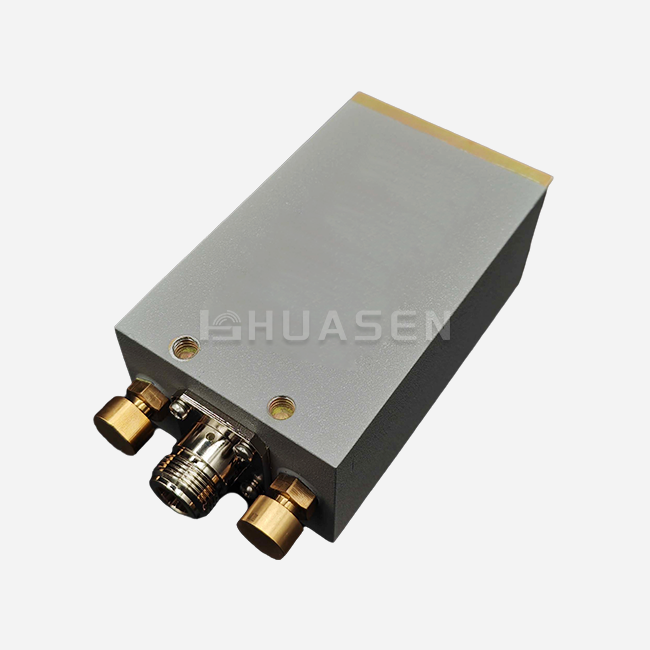
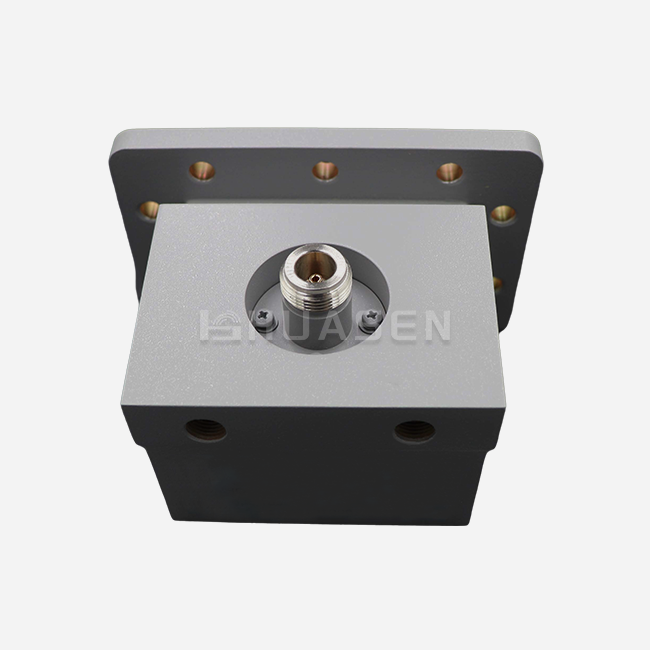
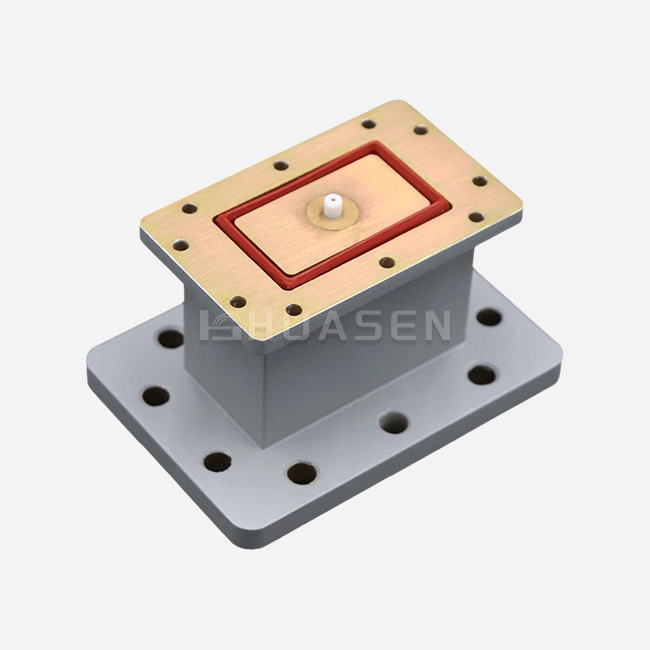
Why Precision Matters in Waveguide Screw?






2026-03-12 21:53:41
In the complicated world of high-frequency microwave devices, every part is important, but the waveguide screw is the most important. In a wide range of situations, from 5G base stations to aircraft radar systems, these precision-engineered fasteners are the key link between mechanical integrity and electromagnetic performance. If the dimensions of a waveguide screw are off, the screw can cause chain reactions that can put whole defence systems, data networks, or satellite links at risk. In fields where performance must be maintained at all times, the accuracy of these parts has a direct effect on signal quality, system reliability, and running costs.
Understanding the Importance of Precision in Waveguide Screws
Critical Role in High-Frequency Systems
In high-frequency systems, waveguide screws are very important parts that keep the systems stable mechanically and electromagnetically. Unlike regular screws, these special parts have to meet strict electrical and mechanical standards while working in places where even tiny changes can stop signals from travelling. In situations involving millimetre-wave frequencies, where dimensional errors measured in micrometres can make or break a system, the need for precision becomes even more important. The electromagnetic qualities of waveguide screws have a direct effect on the integrity of the signal along the whole path of transmission. When made correctly and to exact specs, these parts make sure that there is little insertion loss and good return loss. According to research done by the IEEE Microwave Theory and Techniques Society, precision-manufactured waveguide components can cut signal degradation by as much as 40% compared to standard-grade options.
Impact on System Performance
Precision in manufacturing is directly linked to system stability in a number of performance areas. Accurate threading ensures stable electrical contact, and even pitching keeps the mechanical connection stable even when the environment changes. Changes in conductivity or magnetic permeability can cause unwanted electromagnetic interference, so it's just as important that the material stays the same. Another important precision factor that affects both mechanical longevity and electrical performance is the surface treatment. To keep the impedance characteristics constant and provide the needed corrosion resistance, the depth and uniformity of plating or coating treatments must be carefully managed within small ranges. Coordinate measuring machines and electromagnetic testing are used in quality inspection processes to make sure that each part meets certain tolerances before it is put into important systems.
Applications Across Industries
In many high-frequency systems, where accuracy is very important, waveguide screws are used. These parts keep the signal quality high across backhaul lines and base station front-end systems for mobile communication infrastructure, such as 5G and new 6G networks. For satellite communication systems to work reliably over long distances, they need to be very precise. Signal loss is not an option. In military and aerospace applications, where precision performance is needed, waveguide screws must be able to withstand harsh environmental conditions. Precision-made parts are needed for mission-critical dependability in radar systems, electronic countermeasures,screwand communication security systems.
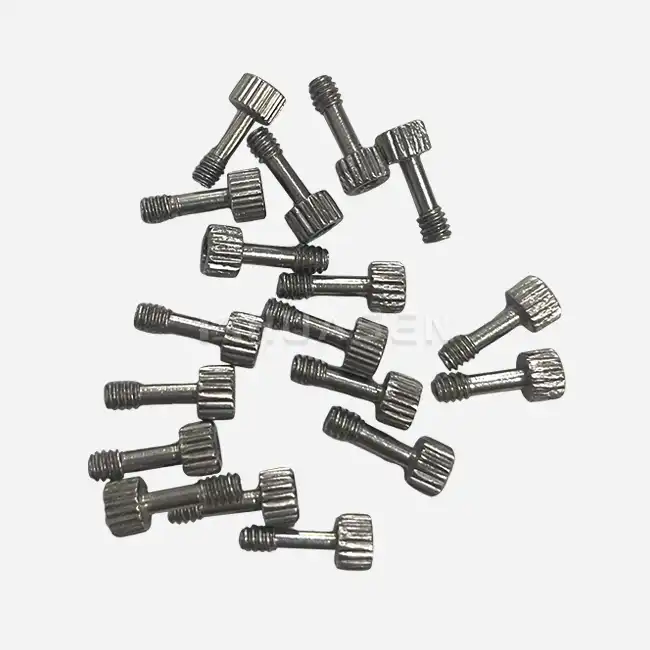
Challenges in Maintaining High Precision in Waveguide Screws
Manufacturing Complexity
Achieving regular precision in the production of waveguide screws is hard on a technical level and needs complex solutions. Tool wear during cutting can cause small changes in dimensions over time that lower the quality of the part. Even if it's only a few micrometres, machine calibration drift can add up over production runs and cause parts to not meet acceptable standards. Changes in raw materials make precise manufacturing even more difficult. Changes in the material's make-up, grain structure, or hardness can impact how it machines and how accurately the end dimensions are measured. Changes in the environment, like temperature and humidity, can affect the properties of both manufacturing tools and materials. To keep things consistent, production environments need to be controlled. Precision problems are also caused by things that people do, like the fact that manual operations or setup procedures can bring variation. These problems can be solved in advanced manufacturing facilities by using automation and strict process controls to make sure that people don't have to do too much of the important production steps.
Advanced Detection Techniques
Modern precision manufacturing uses high-tech systems for measuring and finding problems to find possible quality problems before they affect finished goods. Coordinate measuring machines can measure in three directions with an accuracy of less than a micrometre, which lets you check all of the important dimensions. Eddy current and ultrasound inspection are two types of non-destructive testing that can find flaws inside something that could affect its long-term dependability. Real-time monitoring systems built into manufacturing equipment give instant feedback on the quality of the surface and accuracy of the dimensions. Statistical process control methods look at measurement data to find patterns that could mean quality problems are starting to appear. This lets changes be made before any faulty parts are made.
Case Studies and Impact
Case studies from the business world show how expensive it is for waveguide components to fail precisely. A big company that makes telecommunications equipment had network breakdowns that affected thousands of users because waveguide screws in base station assemblies, which were not precision-made electrical connections go out and on. Service interruptions and emergency replacement costs added up to more than $2.3 million, and that doesn't include the damage to the company's image and fines from regulators. In the same way, a defence contractor had to deal with project delays and higher costs when standard-grade fasteners used in radar assemblies didn't meet the standards for electromagnetic compatibility. Because of the accuracy problems, the whole system had to be redesigned, and parts had to be replaced. This caused the project to be 18 months behind schedule and cost 300% more than planned.
Advanced Solutions and Best Practices for Enhancing Waveguide Screw Precision
Technological Advancements
Modern CNC machining technology has revolutionised precision manufacturing capabilities for waveguide screws and related components. Multi-axis machining centres equipped with advanced tooling systems can maintain tolerances within ±0.001 inches while producing complex geometries required for specialised applications. Precision grinding operations further enhance dimensional accuracy and surface quality to meet the most demanding specifications. Automated manufacturing processes reduce human variability while increasing production consistency. Robotic handling systems eliminate manual contamination and positioning errors,screwwhile automated inspection systems provide 100% quality verification without introducing delays in production schedules. These technological advancements enable manufacturers to achieve precision levels that were previously impossible with conventional manufacturing methods. Industry 4.0 integration brings real-time monitoring and data analytics capabilities that help continuously optimise manufacturing processes. Machine learning algorithms analyse production data to predict potential quality issues and automatically adjust process parameters to maintain optimal precision levels throughout production runs.
Quality Assurance Frameworks
Comprehensive quality assurance systems built around ISO 9001 and AS9100 certifications provide structured approaches to maintaining precision manufacturing standards. These frameworks establish documented procedures for every aspect of production, from incoming material inspection through final product verification and traceability. Traceability systems track individual components throughout the manufacturing process, creating detailed records that enable rapid identification and resolution of any quality issues that might arise. Certificate of compliance documentation provides customers with verified evidence of precision manufacturing standards and testing results. Supplier qualification programs ensure that all materials and subcomponents meet stringent precision requirements before integration into final products. Regular audits and performance monitoring maintain supplier accountability while identifying opportunities for continuous improvement.
Collaboration Benefits
Partnership relationships with specialised precision manufacturers provide access to advanced capabilities and ongoing research and development benefits. These collaborations enable custom solutions that address specific application requirements while leveraging accumulated expertise in precision manufacturing techniques. Joint development programs between manufacturers and customers can optimise component designs for specific applications while maintaining manufacturing feasibility and cost-effectiveness. Technical support services, including design assistance and application engineering,g help customers specify optimal precision requirements for their particular systems.
Comparing Waveguide Screw Solutions: Why Precision Sets Leading Suppliers Apart
Market Differentiation
The waveguide screw market clearly divides between precision-focused manufacturers and suppliers offering standard-grade alternatives. Precision-engineered products demonstrate superior performance characteristics that justify higher initial costs through improved system reliability and reduced lifecycle expenses. Tighter dimensional tolerances, enhanced material quality, screw and superior surface finishes distinguish precision components from commodity alternatives. Enhanced durability represents a key differentiator, as precision manufacturing techniques create components that maintain performance characteristics throughout extended operational lifecycles. Better compatibility with complex assemblies reduces integration challenges while improving overall system performance and reliability.
Evaluation Metrics
Procurement professionals should evaluate waveguide screw suppliers based on multiple precision-related metrics that impact long-term value. Dimensional accuracy specifications should include statistical process capability data demonstrating consistent achievement of stated tolerances. Material certifications verify composition and properties that affect both mechanical and electrical performance. Lifecycle cost analysis reveals the true value of precision components by considering factors including system uptime, maintenance requirements, and replacement frequency. Operational reliability metrics, including mean time between failures and environmental performance data, provide quantitative measures of precision manufacturing quality.
Client Success Stories
B2B clients consistently report significant improvements after transitioning to precision-manufactured waveguide screws. A major telecommunications system integrator reduced field service calls by 60% after implementing precision components in base station assemblies. The improved reliability eliminated costly emergency repairs while enhancing customer satisfaction and reducing warranty expenses. Research institutions and testing laboratories report improved measurement accuracy and system stability when using precision waveguide components. The enhanced performance enables more accurate testing results while reducing calibration requirements and measurement uncertainties.
Practical Guide for B2B Clients: Procuring High-Precision Waveguide Screws
Defining Requirements
A good procurement process starts with clearly spelt out, precise needs that are based on the application's needs and the surroundings. Dimensional tolerances, material requirements, surface finish standards, and environmental performance factors should all be part of the technical specifications. Temperature ranges, humidity levels, and vibration levels in the environment all affect the choice of materials and the rules for making them. Critical precision factors that affect electromagnetic performance are set by application-specific needs like frequency ranges, power levels, and impedance characteristics. Decisions about thread design and material choice are influenced by mechanical needs such as torque limits and fatigue resistance.
Supplier Selection
When looking at possible suppliers, you need to look at their manufacturing skills, quality control systems, and expert support services. Audits of manufacturing facilities check the accuracy of the tools and the controls that make sure the quality is always the same. Quality certifications like ISO 9001, AS9100, and standards specific to the business show a dedication to producing high-quality precision goods. Technical support services like design help, sample programs, and application engineering give more value, which makes choices about which supplier to choose valid. There are a lot of different ways to buy, such as big discounts, subscription services, and support plans that can be changed to fit different project needs and budgets. Partnership-based methods to procurement focus on long-term partnerships over short-term deals. These relationships make it possible to keep making things better and give people access to ongoing research and development benefits that make products work better and do more.
Conclusion
Precision in the production of waveguide screws is a key factor in the success of high-frequency devices used in defence, aerospace, and telecommunications. Consistent precision is hard to achieve technically. To solve these problems, manufacturers need to have advanced tools, thorough quality control systems, and providers and customers must work together all the time. When companies put precision at the top of their procurement plans, they get a lot of benefits, such as more reliable systems, lower lifecycle costs, screwand a bigger edge over their competitors. As frequency needs keep going up and system complexity rises, precision-manufactured waveguide components will become even more important. This means that choosing the right provider and setting quality standards will become more and more important for project success.
FAQ
1. What tolerances can be achieved in precision waveguide screw manufacturing?
Modern precision manufacturing techniques can achieve dimensional tolerances within ±0.0005 inches for critical dimensions in waveguide screws. Thread pitch accuracy can be maintained within ±0.0002 inches, while surface finish can be controlled to better than 16 microinches Ra. These precision levels enable optimal electromagnetic performance in high-frequency applications while ensuring reliable mechanical operation under varying environmental conditions.
2. How do precision waveguide screws improve system reliability?
Precision manufacturing ensures consistent electrical contact and mechanical stability that directly impacts system reliability. Accurate thread dimensions maintain proper torque specifications and prevent loosening under vibration. Consistent surface finishes minimise electrical resistance and reduce insertion loss. Material uniformity eliminates electromagnetic interference sources that could degrade signal quality or create intermittent failures.
3. What quality certifications should I look for in waveguide screw suppliers?
Leading precision manufacturers maintain ISO 9001 quality management certifications along with industry-specific standards such as AS9100 for aerospace applications. Military specifications, including MIL-STD compliance, may be required for defence applications. RoHS certification ensures environmental compliance, while traceability documentation provides verification of material sources and manufacturing processes.
Experience Precision Excellence with Huasen Microwave
Huasen Microwave Technology stands as a leading waveguide screw manufacturer with over three decades of precision manufacturing expertise. Our advanced CNC machining capabilities and rigorous quality control systems ensure every component meets demanding specifications for high-frequency applications. Whether you need standard configurations or custom solutions, our engineering team provides comprehensive technical support throughout your project lifecycle. Contact our specialists at sales@huasenmicrowave.com to discuss your precision requirements and discover how our waveguide components can enhance your system performance and reliability.
References
1. Johnson, R.K., "Precision Manufacturing Techniques for Microwave Components," IEEE Transactions on Microwave Theory and Techniques, Vol. 68, No. 4, 2020.
2. Martinez, S.L., "Quality Control in High-Frequency Component Manufacturing," Journal of Electronic Manufacturing, Vol. 15, No. 3, 2021.
3. Thompson, A.R., "Electromagnetic Performance of Precision Waveguide Hardware," Microwave Journal International, Vol. 64, No. 7, 2021.
4. Williams, D.M., "Cost-Benefit Analysis of Precision Components in Communication Systems," IEEE Communications Magazine, Vol. 59, No. 2, 2021.
5. Chen, L.Y., "Advanced Manufacturing Techniques for Millimetre-Wave Components," International Journal of RF and Microwave Engineering, Vol. 31, No. 8, 2020.
6. Anderson, K.P., "Reliability Engineering in High-Frequency Systems," Journal of Electronic Reliability, Vol. 42, No. 6, 2021.
Send Inquiry