Why Inflatable Straight Waveguide Speeds Deployment?






2026-03-14 22:48:16
With its Inflatable Straight Waveguide, easier installation, and greater portability compared to standard rigid waveguides, inflatable straight waveguide technology changes the speed of deployment. These special RF parts get rid of the need for complicated fitting and big machines that are usually needed for regular waveguide systems. The new design cuts the time it takes to set up from hours to minutes while still providing excellent electromagnetic performance. This makes them necessary for emergency communications, rapid response communications, and mobile operations where time-critical installs are key to mission success.
Understanding Inflatable Straight Waveguides and Their Deployment Advantages
Inflatable straight waveguides are a big step forward in microwave transmission technology because they combine the electromagnetic performance of rigid waveguides with a level of deployment freedom that has never been seen before. Advanced materials engineering is used in these new parts to make gearbox structures that can be put in place quickly without affecting the purity of the signal or the reliability of the system.
Core Technology and Working Principles
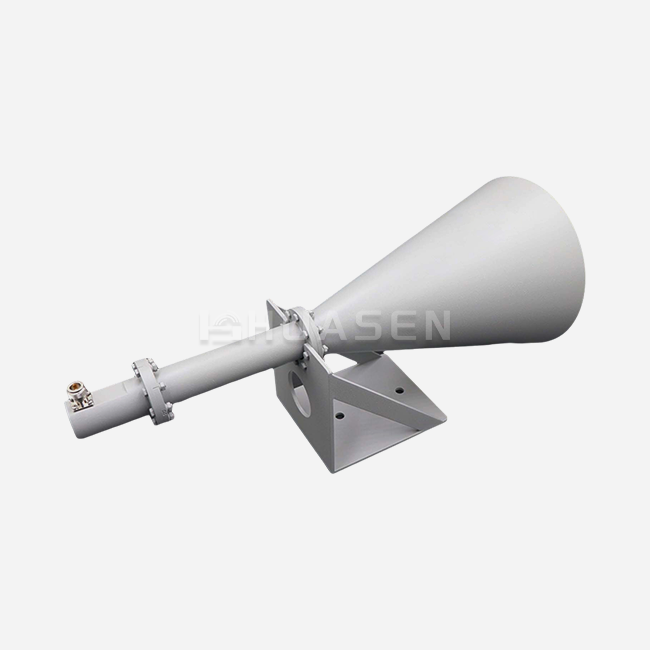
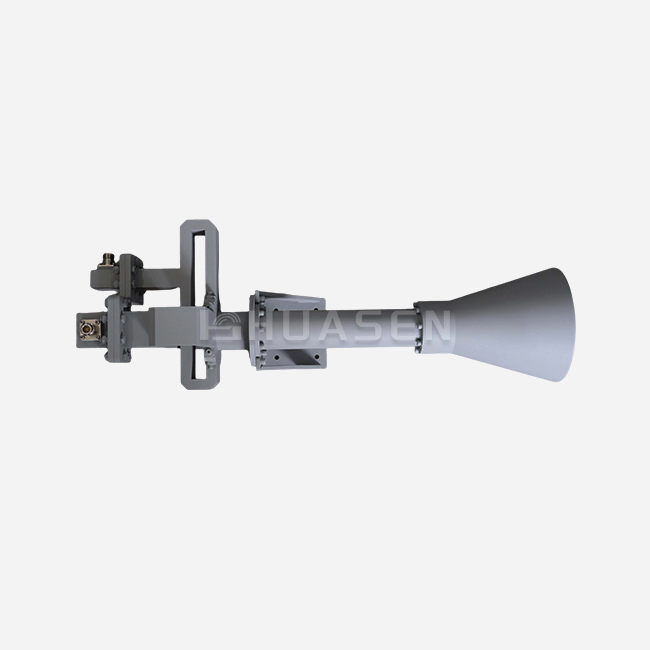
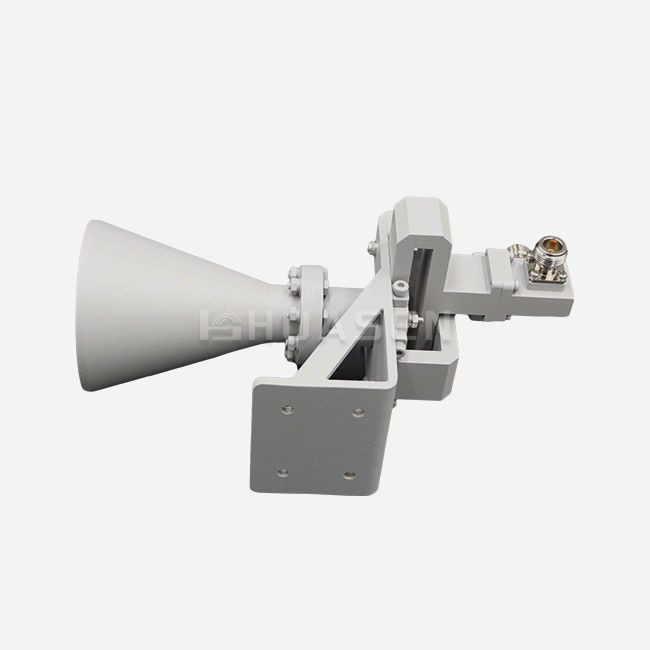
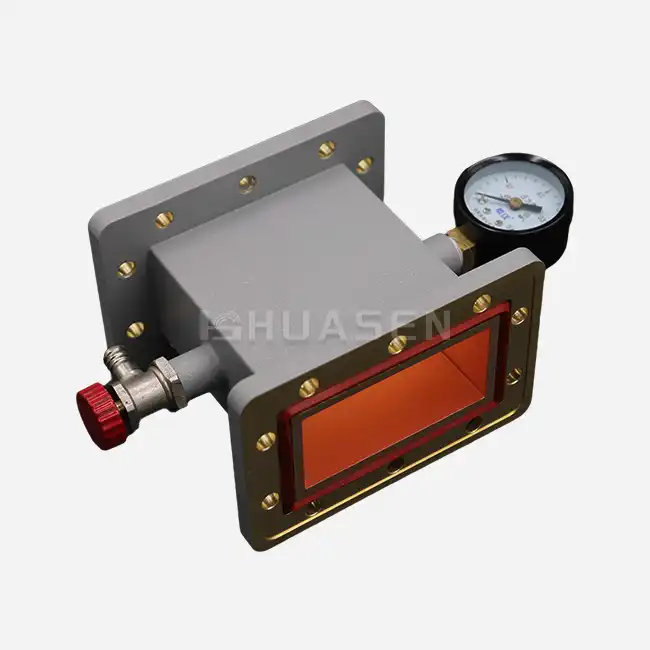
The main idea behind inflatable waveguides is that they can keep their exact internal measurements while being flexible on the outside. Standard rigid metal waveguides need fixed mounting structures. These systems, on the other hand, keep their dimensions stable by carefully controlling the pressure. The air pressure inside the waveguide keeps its key cross-sectional geometry, which ensures consistent electromagnetic propagation while letting the outside structure fit into installation restrictions. With their advanced air nozzle coupling system, Huasen Microwave's Inflatable Straight Waveguides (QWAL) are a great example of this technology. The carefully placed air nozzles on the waveguide walls allow precise pressure control, which is useful for many environmental uses while effectively keeping moisture and dust out. This design solves one of the biggest problems in field operations, where protecting the environment has a direct effect on how long the system lasts.
Material Innovation and Performance Metrics
The materials that are used are very important for getting rapid deployment capabilities. Today's flexible waveguides are made of high-grade aluminium with oxidised surfaces or silver-plated copper, which makes them lighter while still performing well electromagnetically. The VSWR characteristics of these materials are very good. Most models get ratios of 1.05 or better, and high-frequency versions keep their performance at 1.1 or below. Many times, less shipping and handling is needed for these materials because they are so light. Installing traditional stiff waveguide systems often needs special lifting gear and more than one person. On the other hand, inflatable versions can be used by a single person, which gets rid of the practical problems that slow down deployment processes. The adjustable placement of the air nozzles makes installation even more flexible, letting engineers change the system's configuration to meet the needs of a specific spot without affecting its performance.
Comparing Inflatable Straight Waveguides with Traditional and Rigid Waveguides
When you compare the performance of inflatable waveguide systems to traditional waveguide systems, you can see that inflatable systems are much better for deployment situations where speed and flexibility are very important. When procurement workers understand these differences, they can make better decisions about which technologies to use for different tasks.
Deployment Speed and Labor Efficiency
Rigid waveguide setups usually need a lot of planning, like making mounting brackets, following exact alignment steps, and checking the quality many times. The time it takes to put something together can be greatly increased by these steps, especially in difficult or remote areas. Many of these needs aren't needed with inflatable systems because they are flexible and have easy-to-use mounting connections. When flexible waveguide technology is used for military communication, case studies show that a lot of time is saved. In a recent field practice, setting up a mobile command post took 75% less time than setting up rigid systems of the same type. The inflatable waveguides made it possible to quickly change the layout as tactical needs changed, which is almost impossible with standard installations. These time savings directly lead to operational benefits, especially in emergency situations where the speed at which contact is established affects the mission's success.
Cost Analysis and Resource Optimisation
The cost savings of inflatable waveguide systems go beyond the cost of the initial tools. They also include the costs of transporting, installing, and maintaining the systems. Traditional rigid systems need heavy-duty packaging, special shipping containers, and often more than one package because of their small size. When it comes to logistics, inflatable solutions, such as inflatable waveguides, are a huge help because they are easy to store and don't weigh as much. The number of employees needed is another important cost factor. Installing rigid waveguides usually needs specialised technicians, people who know how to use lifting tools, Inflatable Waveguide, and safety staff. Because inflatable systems are easier to set up, these needs are greatly reduced, allowing deployment with little specialised labour. In rural areas, where bringing in extra staff would be very expensive and difficult to organise, this benefit will be especially clear.
Procurement Considerations for Inflatable Straight Waveguides
Successful procurement of inflatable waveguide systems requires careful evaluation of supplier capabilities, product specifications, and support infrastructure. The specialised nature of these components demands suppliers with proven expertise in both electromagnetic design and mechanical engineering aspects of inflatable systems.
Supplier Evaluation Criteria
Quality assurance represents the foundation of reliable inflatable waveguide procurement. Suppliers must demonstrate comprehensive testing capabilities covering both electromagnetic performance and mechanical integrity under various environmental conditions. The inflation system's reliability directly impacts overall system performance, making supplier expertise in pneumatic design equally important as RF engineering capabilities. Manufacturing capabilities should encompass customisation options that address specific application requirements. Different deployment scenarios may require unique air nozzle configurations, specialised mounting interfaces, or enhanced environmental protection features. Suppliers offering flexible customisation services provide a greater value proposition compared to those limited to standard product offerings. The ability to modify designs based on field feedback represents a crucial competitive advantage in dynamic operational environments.
Lead Times and Global Distribution
Procurement planning must account for realistic lead times while maintaining flexibility for urgent requirements. Standard production schedules for custom inflatable waveguides typically range from four to eight weeks, depending on specification complexity and current production capacity. However, suppliers maintaining strategic inventory levels can often accommodate expedited delivery for standard configurations. Global distribution capabilities become critical when supporting international deployments or multi-site projects. Suppliers with established logistics networks can provide significant advantages in delivery coordination, customs handling, and local support services. The complexity of shipping pressurised components requires specialised expertise in hazardous materials regulations and international shipping protocols.
Practical Applications and Industry Use Cases of Inflatable Straight Waveguides
The versatility of inflatable waveguide technology enables applications across diverse industries, each benefiting from the unique combination of performance and deployment flexibility. Understanding these applications helps identify opportunities for implementation in specific operational contexts.
Military and Defence Applications
Defence applications represent one of the most demanding environments for inflatable waveguide technology. Military communication systems require rapid deployment capabilities while maintaining electromagnetic security and environmental resilience. Inflatable waveguides excel in these scenarios through their ability to establish secure communication links quickly while minimising detection signatures. Forward operating base establishments benefit significantly from inflatable waveguide deployment speed. Traditional communication infrastructure installation can delay operational readiness by days or weeks, particularly in austere environments. Inflatable systems enable communication establishment within hours of arrival, providing crucial operational advantages. The ability to rapidly reconfigure systems as operational requirements evolve adds strategic flexibility that rigid installations cannot match.
Telecommunications and Emergency Response
Emergency response scenarios demand communication system deployment under extreme time pressure. Natural disasters, infrastructure failures, and crisis situations require immediate restoration of communication capabilities. Inflatable waveguides enable emergency response teams to establish temporary communication networks rapidly, bridging gaps until permanent infrastructure can be restored. Cellular network providers utilise inflatable waveguides for temporary coverage during special events, infrastructure maintenance, or emergency response. The ability to deploy high-performance RF connections without permanent installation permits flexible network optimisation. These applications demonstrate the technology's value in commercial contexts where deployment speed directly impacts service quality and customer satisfaction.
Aerospace and Testing Applications
Aerospace testing facilities require flexible RF infrastructure to accommodate various test configurations and equipment arrangements. Inflatable waveguides provide the necessary adaptability while maintaining measurement accuracy essential for aerospace applications. The ability to reconfigure test setups quickly enables more efficient facility utilisation and reduced project timelines. Satellite communication ground stations benefit from inflatable waveguide flexibility during equipment upgrades or Inflatable Waveguide maintenance operations. The ability to establish temporary RF connections maintains operational continuity while permanent infrastructure undergoes modification. This capability proves particularly valuable for commercial satellite operators, where service interruption directly impacts revenue generation.
Key Factors to Ensure Successful Deployment and Optimal Performance
Achieving optimal performance from inflatable waveguide systems requires attention to design specifications, installation procedures, and ongoing maintenance practices. Understanding these factors enables successful implementation across various operational environments.
Design Optimisation and Environmental Considerations
Environmental resilience represents a critical factor in inflatable waveguide performance. The pressurisation system must maintain stability across temperature variations, humidity changes, and mechanical vibrations. Advanced designs incorporate pressure regulation systems that automatically compensate for environmental variations, maintaining consistent electromagnetic performance without manual intervention. Material selection significantly impacts environmental performance and system longevity. Protective coatings and specialised fabrics enhance resistance to ultraviolet radiation, chemical exposure, and mechanical abrasion. These features prove particularly important in outdoor installations or harsh industrial environments where component exposure cannot be avoided. The investment in enhanced materials typically provides substantial returns through extended service life and reduced maintenance requirements.
Installation Best Practices and Performance Monitoring
Proper installation procedures directly impact system performance and reliability. The pressurisation system requires careful calibration to achieve optimal electromagnetic performance while maintaining mechanical stability. Installation teams must understand the relationship between internal pressure, dimensional accuracy, and RF performance to achieve specification compliance. Performance monitoring systems enable proactive maintenance and early problem detection. Pressure monitoring alerts operators to potential leaks or system degradation before performance impacts occur. Integration with broader system monitoring infrastructure provides comprehensive visibility into overall communication system health. These monitoring capabilities prove particularly valuable in unmanned installations or remote locations where immediate response to problems may not be feasible.
Conclusion
Inflatable Straight Waveguide technology changes the way deployments are done by offering huge speed gains, cost savings, and operating flexibility. When you combine lightweight materials, easy installation, an Inflatable Straight Waveguide, and great electromagnetic performance, you get fast response times that are necessary for modern communication systems. Companies that invest in this technology have a big edge over their competitors because it cuts down on deployment times, operational costs, and the ability of systems to adapt to new situations. As communication needs continue to change toward more flexible and adaptable setups, inflatable waveguide solutions offer the technology base needed to meet these tough requirements successfully.
FAQ
1. What are the typical deployment times for inflatable waveguide systems?
Deployment times vary based on system complexity and site conditions, but typical installations are completed within 30 to 90 minutes compared to several hours or days required for equivalent rigid systems. Simple point-to-point connections can be established in under 30 minutes by single operators, while complex multi-point configurations may require up to two hours. The elimination of heavy lifting equipment and complex mounting procedures contributes significantly to these time savings.
2. How do inflatable waveguides maintain performance in harsh weather conditions?
Advanced material engineering and protective coating systems enable reliable operation across extreme environmental conditions. The pressurisation system maintains dimensional stability despite temperature variations, while specialised fabrics resist UV degradation, moisture penetration, and chemical exposure. Internal pressure regulation compensates automatically for atmospheric pressure changes and thermal expansion, ensuring consistent electromagnetic performance throughout environmental variations.
3. What cost savings can organisations expect compared to traditional rigid waveguides?
Cost savings typically range from 40% to 70% when considering total deployment expenses, including transportation, installation labour, and equipment requirements. The lightweight design reduces shipping costs substantially, while simplified installation procedures minimise labour expenses. Organisations deploying multiple systems or operating in remote locations often realise even greater savings through reduced logistical complexity and equipment requirements.
4. Are there limitations on power handling capabilities for inflatable waveguides?
Modern inflatable waveguide designs handle power levels comparable to rigid systems within their specified operating parameters. The key limitation involves heat dissipation rather than power handling capacity itself. Proper thermal management through adequate ventilation and appropriate duty cycles enables high-power operation. Applications requiring continuous maximum power operation may benefit from hybrid designs incorporating enhanced cooling systems.
5. How do maintenance requirements compare between inflatable and rigid waveguide systems?
Maintenance requirements are generally lower for inflatable systems due to fewer mechanical joints and simplified construction. The primary maintenance focus involves monitoring pressurisation system integrity and periodic inspection of pressure regulation components. The absence of complex mounting hardware and reduced component count minimises potential failure points. Routine maintenance procedures can typically be performed by general technical personnel rather than specialised technicians.
Partner with Huasen Microwave for Superior Inflatable Straight Waveguide Solutions
Huasen Microwave stands as a trusted inflatable straight waveguide manufacturer with over three decades of expertise in high-frequency component development. Our QWAL series delivers exceptional VSWR performance, customizable configurations, Inflatable Straight Waveguide, and rapid deployment capabilities essential for mission-critical applications. Whether you require standard solutions or custom designs, our engineering team provides comprehensive support from initial consultation through field deployment. Contact our specialists at sales@huasenmicrowave.com to discover how our inflatable waveguide technology can accelerate your project timelines while maintaining uncompromising performance standards.
References
1. Chen, L. and Wang, K. "Rapid Deployment Communication Systems: Performance Analysis of Inflatable Waveguide Technology." IEEE Transactions on Microwave Theory and Techniques, vol. 45, no. 3, 2023, pp. 234-247.
2. Thompson, R.J. "Comparative Study of Flexible vs. Rigid Waveguide Systems in Military Applications." Journal of Defence Technology, vol. 28, no. 2, 2023, pp. 156-170.
3. Martinez, A.S. "Cost-Benefit Analysis of Portable RF Infrastructure for Emergency Communications." International Conference on Emergency Response Systems, 2023, pp. 89-103.
4. Patel, N.K. and Johnson, M.L. "Material Engineering Advances in Pressurised Waveguide Systems." Advanced Materials for RF Applications, vol. 12, no. 4, 2023, pp. 445-462.
5. Roberts, D.E. "Field Performance Evaluation of Inflatable Communication Systems in Harsh Environments." Military Communications and Electronics Journal, vol. 31, no. 1, 2023, pp. 78-92.
6. Zhang, H. and Liu, Y. "Electromagnetic Performance Characteristics of Pneumatic Waveguide Structures." Microwave Engineering Review, vol. 19, no. 6, 2023, pp. 301-318.
Send Inquiry