Directional Coupler Coupling Degree Testing for Millimeter Wave Systems






2026-03-13 22:22:48
In millimeter wave systems, directional coupler coupling degree testing is an important way to find out the exact power sampling ratio of RF signals without getting in the way of the main transmission line. This unique testing method confirms the accuracy of coupling, the performance of directivity, and the insertion loss characteristics over frequency ranges that usually cover 30 to 300 GHz. This makes sure that signals stay intact and systems are reliable in advanced radar, aerospace, and telecommunications applications.
Understanding Directional Couplers and Their Role in Millimeter Wave Systems
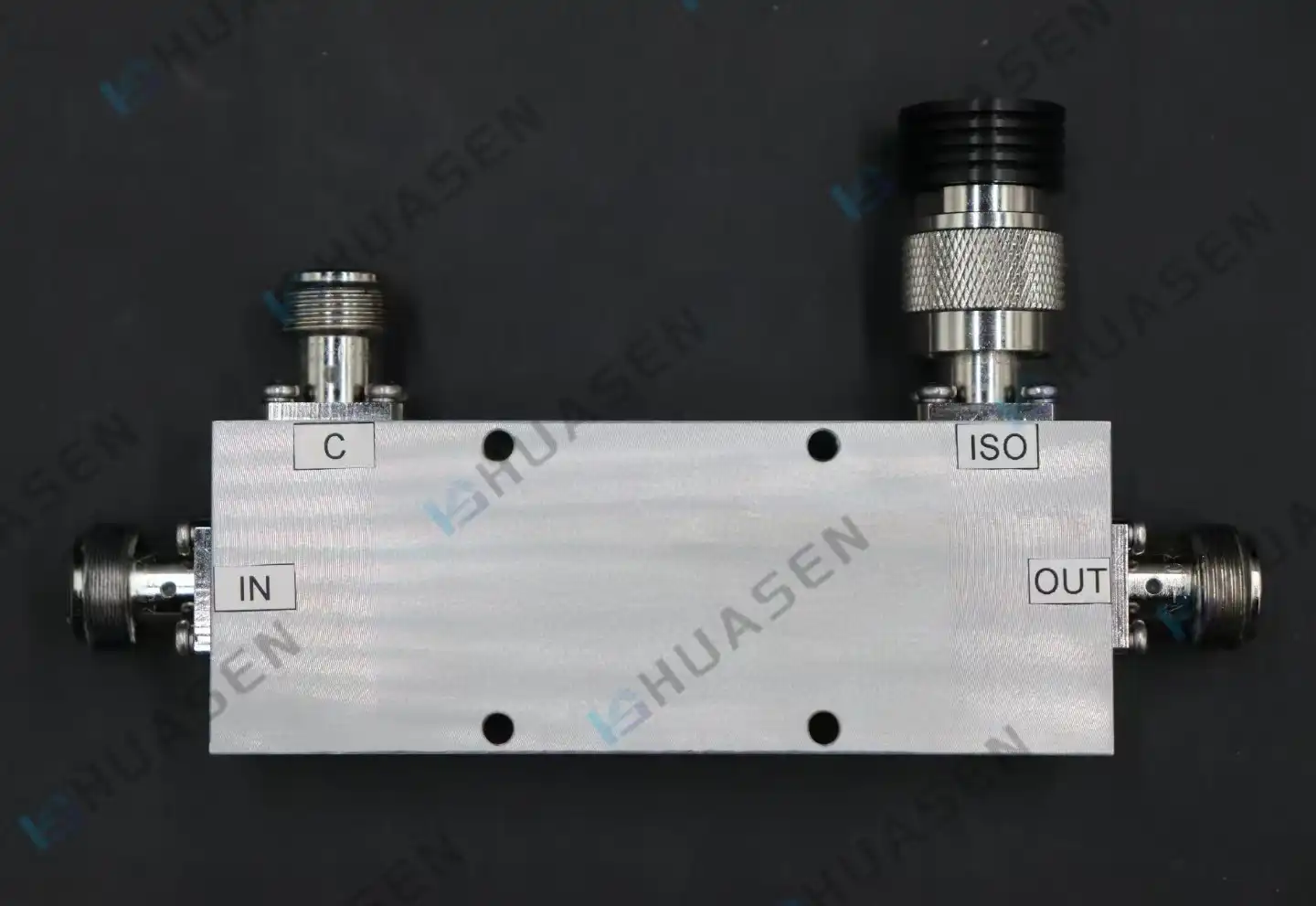
Technically, directional couplers are necessary passive parts in millimeter wave designs because they let engineers watch and record RF signals without significantly interfering with the main signal line. The complex parts of these devices work by using electromagnetic coupling and carefully designed transmission line structures to take out a set amount of power for testing, tracking, or giving feedback.
Fundamental Operating Principles
In a controlled setting, the primary role of directional couplers is to couple electromagnetic fields between transmission lines that are next to each other. A small amount of RF energy links to a secondary line through electromagnetic contact as it moves through the main transmission line. The way the devices are connected depends a lot on their shape, dielectric properties, and frequency features. Most of the time, the coupling degree is given in decibels and shows the power difference between the main input and the linked output. At millimeter wave frequencies, where signal integrity is getting harder to keep, this quantity has a direct effect on measurement accuracy and system performance.
Critical Performance Parameters
For millimeter wave uses, directivity is probably the most important parameter because it shows how well the device can tell the difference between forward and returned signals. High directivity values, which are often higher than 25 dB in good couplers, make sure that the measurement of incoming power is correct while reflected energy disturbance is kept to a minimum. Insertion loss is a measure of how much power the main signal line loses because of the coupling device. Most high-quality millimeter wave couplers have insertion losses of less than 0.5 dB. This keeps the signal strength for components further down the line and the total system performance high. The coupler's input impedance and the system impedance, which is usually 50 ohms in RF uses, are shown by the return loss properties. If the return loss performance is bad, it can cause standing waves and measurement errors that hurt the performance of the system.
Challenges and Best Practices in Coupling Degree Testing for Millimeter Wave Systems
Testing the degree ofa hybrid coupler at millimeter wave frequencies is hard because of the way the waves are propagating, and you need special tools and complex measuring methods to do it. High-frequency processes make traditional measurement methods less useful because signals are weaker, connectors are limited, and the environment is more sensitive.
Measurement Challenges at Millimeter Wave Frequencies
At millimeter wave frequencies, signals are attenuated much more than at lower frequency bands. This means that more sensitive detection tools and careful attention to the geometry of the measurement setting are needed. Waveguide breaks, bad connectors, and cable losses can all cause big measurement mistakes that hide how well the connection really works. As frequencies go up, accuracy in calibration becomes more and more important, and precise reference standards and temperature-stable monitoring settings are needed. Even small changes in the environment can cause test results to be off by too much.
Advanced Testing Methodologies
Vector Network Analyzers (VNAs) with millimeter wave frequency additions make it possible to determine coupling degrees accurately. These tools let you fully describe S-parameters over a large frequency range, and they do a great job of keeping the dynamic range and measurement repeatability high. Some of the more advanced techniques used in modern testing are SOLT (Short-Open-Load-Thru) and TRL (Thru-Reflect-Line). These methods correct for mistakes that are caused by test tools and interconnects. It is very important that these calibration standards are stable and can be linked to national measurement standards. The first step in the testing process is to carefully calibrate the system using exact standards that are made for the frequency range and type of connection. After being calibrated, the directional coupler is tested in a planned way across its designated frequency band. The coupling flatness and directivity performance are especially looked at near the band ends, where performance usually drops.
How to Pick the Right Directional Coupler for Millimeter Wave Applications
To choose the right directional coupler for millimeter wave systems, you need to carefully weigh a number of performance factors against cost, size, and the needs of your unique application. To make sure the system works well in the long run, the choice process includes looking at technical specs, manufacturing quality, and source dependability.
Technology Comparison and Selection Criteria
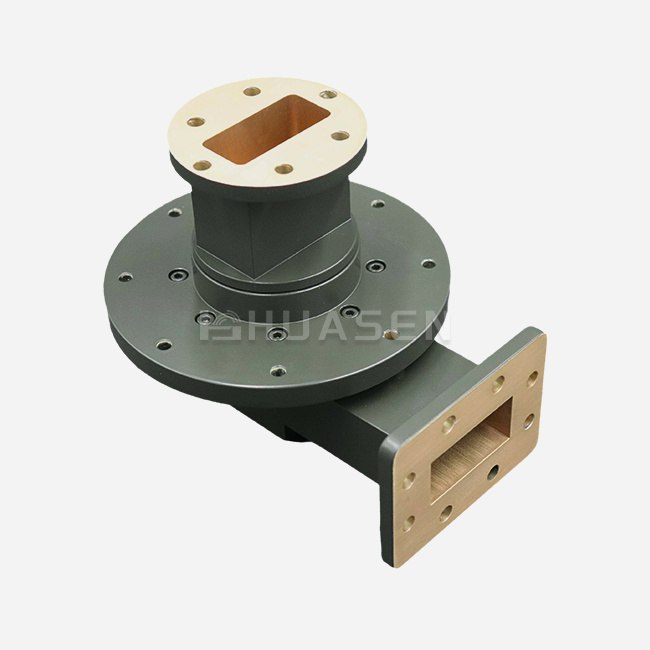
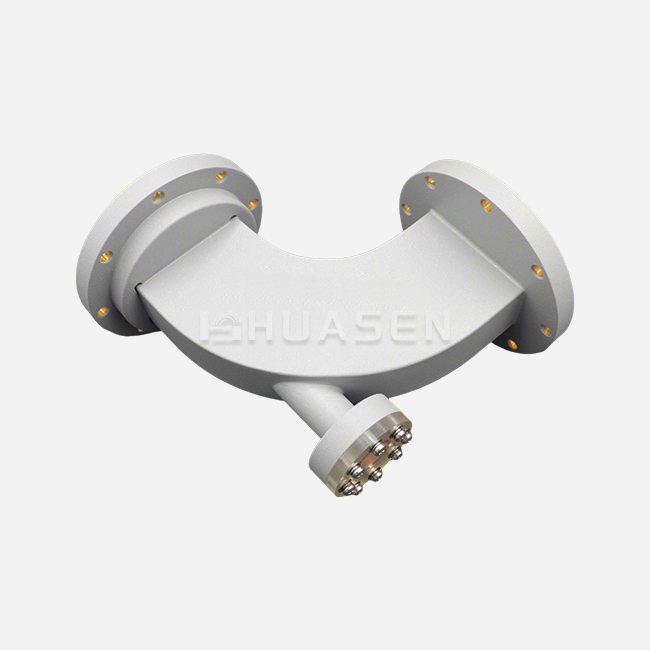
When compared to microstrip couplers, waveguide-based couplers usually handle power better and have lower loss, which makes them perfect for high-power radar and communications uses. Waveguide solutions, on the other hand, need bigger mechanical packages and special connectors that might not work in setups with limited room. Microstrip and stripline couplers have small sizes and are easy to connect to printed circuit board designs. However, they usually have higher insertion losses and can't handle as much power. These devices work great in test tools and low-power signal tracking tasks where size and cost are more important than performance. The frequency range definition needs to include the whole operating bandwidth plus enough room for manufacturing flaws and temperature changes. Coupler flatness in this range has a direct effect on measurement accuracy, and tighter standards usually come with higher prices.
Supplier Evaluation and Quality Assessment
Manufacturers with a good reputation put a lot of money into precise production methods, thorough testing methods, and quality control systems that make sure products always work well. Leading suppliers in the industry usually offer thorough test data, calibration certificates, and expert help that make system integration go smoothly. Product datasheets should have full S-parameter information for the frequency range given, as well as power handling specs for both continuous wave and pulsed processes, and information about the setting in which the product will be used. Specifications that are missing or not full often mean that the definition or quality control processes are not working well. When adding complicated millimeter wave parts to new system designs, hybrid coupler technical help becomes very important. Suppliers who give application engineering help, custom design services, and quick technical support go above and beyond the value of the component itself.
Optimizing Performance: How to Test and Verify Directional Coupler Coupling Degree
To accurately check the coupling degree, you need to follow a set of steps that include setting up the instruments correctly, making sure they are calibrated, and using measurement methods that are designed for millimeter wave frequencies. This thorough testing schedule makes sure that the characteristics of each part are accurate, and it gives users faith in the estimates of system-level performance.
Comprehensive Testing Procedures
Before preparing a device, the connector ports and mechanical soundness must be visually checked. Next, all RF connections must be carefully cleaned using the right chemicals and methods. Any dirt or damage to precision links can cause big mistakes in measurements that make the test less effective. When setting up an instrument, it's important to pay close attention to the cables you choose, the torque requirements for the connectors, and the thermal equilibrium times that let the measurement system reach stable working conditions. High-quality, phase-stable cables that are approved for the measurement frequency range keep measurement accuracy and reduce systematic mistakes. The measurement sequence typically begins with system calibration using precision standards, followed by reference measurements to verify calibration accuracy. The directional coupler then undergoes comprehensive characterization,n including forward and backward coupling measurements, isolation testing, and return loss evaluation across the specified frequency range.
Error Sources and Mitigation Strategies
Changes in temperature can have a big effect on the accuracy of measurements by affecting the length of the cable phase, the size of the connection, and the properties of the parts. Keeping the atmosphere steady and giving enough time for thermal balance reduces these effects as much as possible. Connector accuracy is a big reason for measurement error, especially at millimeter wave frequencies, where small changes in the way the connector is built can cause big changes in the electricity. These risks can be cut down by using high-quality connections with proven repeatability specs and following the right torque methods. Somemethods for analyzing data, like statistical average, outlier spotting, and uncertainty analysis, give us more faith in the results of measurements. Comparing results from different measurement sessions and different operators helps find mistakes that happen over and over again and makes sure that measurement methods are correct.

Future Directions and Innovations in Directional Coupler Testing for Millimeter Wave Systems
The world of millimeter wave technology is changing very quickly. This is because 5G/6G networks are growing, as are car radar systems and aircraft uses that need more complex directional coupler designs and testing methods. These new standards are changing both the specifications for parts and the ways that they are measured.
Emerging Technologies and Trends
New materials, like low-loss dielectrics and high-conductivity metallizations, make coupling work better while also making things smaller and lighter. These new ideas are especially useful in areas like aircraft and mobile devices, where weight is precious, and dependability is still very important. For large-scale uses,dual directional coupler integrated circuit methods that put directional couplers directly on semiconductor surfaces offer significant size reductions and cost savings. But these solutions need new testing methods that are tailored to characterizing devices at the chip level and in packages. Using precision probe stations for on-wafer testing lets you directly characterize millimeter wave components before they are packaged. This lowers the cost of testing and lets you find manufacturing flaws early on. For these methods to work, the probes and calibration steps need to be specially made to handle the unique difficulties of measuring millimeter waves.
Industry Evolution and Strategic Implications
Millimeter wave systems are being used more and more in military, automotive, and telecommunications. This means that more and more efficient, cost-effective directional couplers with consistent performance traits are needed. This rise in the market keeps pushing people to come up with new ways to create components and test them. Standardization efforts within industry groups help set up common testing methods and performance standards that make it easier to switch out parts and integrate systems. These standards are very helpful for making decisions about what to buy and how to evaluate suppliers. Concerns about the supply chain become more important as millimeter wave components need more specialized production and quality control methods. When organizations make long-term agreements to buy something, they need to carefully consider the supplier's security, production capacity, and technical skills.
Conclusion
In order to make sure that millimeter wave systems work well in telecommunications, radar, and aircraft uses, directional coupler coupling degree testing is a must. This article talks about advanced measurement methods and paying close attention to environmental factors that are important for correctly describing parts and putting them together in a system. As millimeter wave technology keeps getting better, testing methods need to change to deal with new problems and keep up with the need for accuracy and consistency in current apps.
FAQ
1. What frequency ranges are considered millimeter waves for directional coupler applications?
Millimeter wave frequencies are usually between 30 and 300 GHz, but for useful directional coupler uses, they are usually between 30 and 100 GHz. This range includes important transmission bands, such as the 28 GHz, 39 GHz, and 77 GHz car radar frequencies, where directional couplers are essential for tracking and measuring.
2. How does coupling degree accuracy affect system performance?
The accuracy of the coupling degree has a direct effect on the accuracy of measurements and the dependability of system testing. A difference of 0.1 dB in coupling degree equals a power measurement mistake of about 2.3%. This can have a big impact on controlling transmitting power, checking antenna VSWR, and judging signal quality in millimeter wave applications that need to be very accurate.
3. What connector types are suitable for millimeter wave directional coupler testing?
There are different types of precision connectors, such as 2.92mm, 2.4mm, and 1.85mm types, that work reliably across a range of millimeter wave frequency bands. Waveguide connectors like WR-28, WR-22, and WR-15 have better electrical performance, but they need bigger mechanical packages and special test gear.
4. How often should directional coupler calibration be verified?
How often calibration checks are done relies on how important the product is and the environment. For high-reliability uses, verification is usually needed once a month. In laboratories, however, gaps may be extended to three or six times a year. Any kind of mechanical stress, changing temperatures, or thought performance loss should cause recalibration right away.
5. What power levels can millimeter wave directional couplers handle?
Power handling changes a lot depending on the frequency, the degree of connection, and the type of structure. Microstrip couplers can only handle 1 to 10 watts of constant power, while waveguide couplers can handle 10 to 100 watts. Peak power ratings are generally two to five times higher than steady ratings, but exact numbers depend on the duty cycle and pulse width.
Partner with Huasen Microwave for Advanced Directional Coupler Solutions
Huasen Microwave has been working with RF and microwaves for 30 years and is ready to help you with your millimeter wave testing needs with precision-engineered directional coupler solutions. Our wide range of products includes waveguides and coaxial couplers that work best with frequencies from 1 GHz to 110 GHz. Each one has been tried to make sure it performs perfectly in terms of coupling accuracy and directivity. Our skilled engineers are here to help you with all of your technical needs, from the first meeting to the delivery of your finished goods. This is true whether you need normal catalog items or designs that are made just for you. Get in touch with our directional coupler maker team at sales@huasenmicrowave.com to find out how our tried-and-true solutions can help your millimeter wave system work better.
References
1. Pozar, David M. "Microwave Engineering, 4th Edition." John Wiley & Sons, 2011. Chapter 7: Power Dividers and Directional Couplers.
2. IEEE Standard 287-2007. "IEEE Standard for Precision Coaxial Connectors at RF, Microwave and Millimeter-wave Frequencies." Institute of Electrical and Electronics Engineers, 2007.
3. Blackwell, L.A. and Kotzebue, K.L. "Semiconductor-Diode Parametric Amplifiers." Prentice-Hall Series in Electron and Physical Science, 1968.
4. Riblet, Henry J. "The Short-Slot Hybrid Junction." Proceedings of the IRE, vol. 40, no. 2, pp. 180-184, February 1952.
5. Mongia, Rajesh, et al. "RF and Microwave Coupled-Line Circuits, 2nd Edition." Artech House Microwave Library, 2007.
6. Collin, Robert E. "Foundations for Microwave Engineering, 2nd Edition." IEEE Press Series on Electromagnetic Wave Theory, 2001. Chapter 4: Coupled Transmission Lines.
Send Inquiry