Choosing the Right Waveguide Loop Coupler for Aerospace Applications






2026-03-13 22:22:49
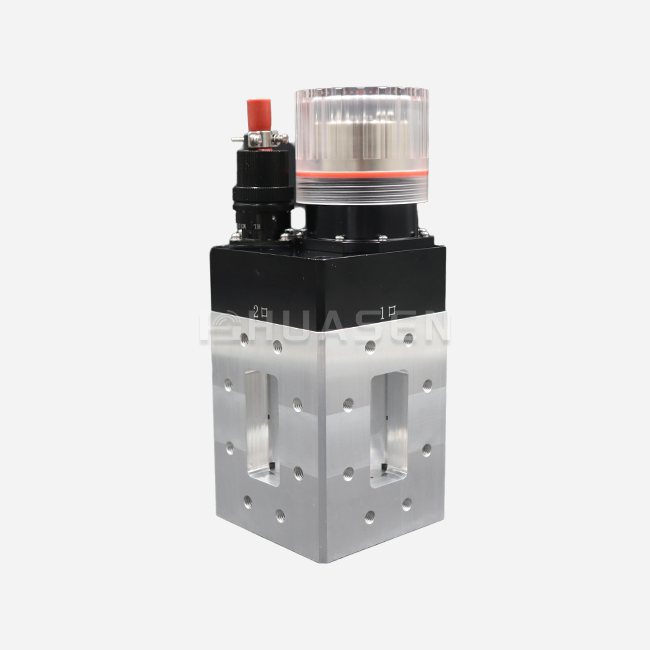
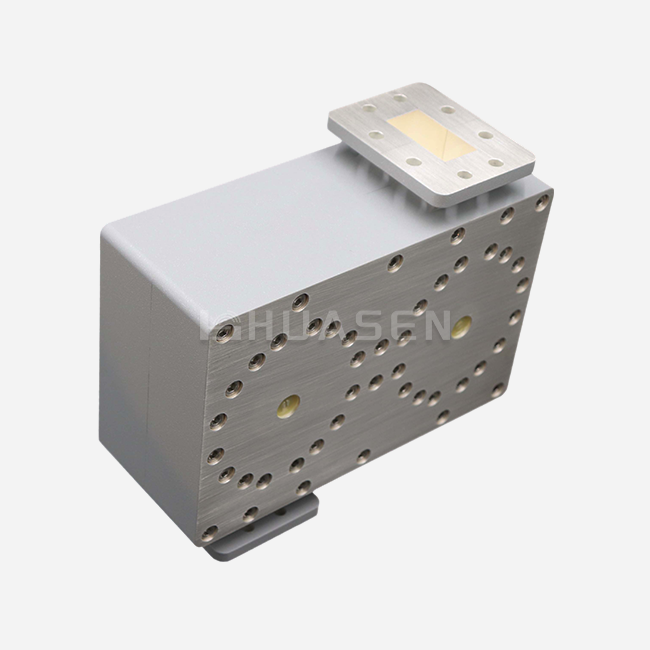
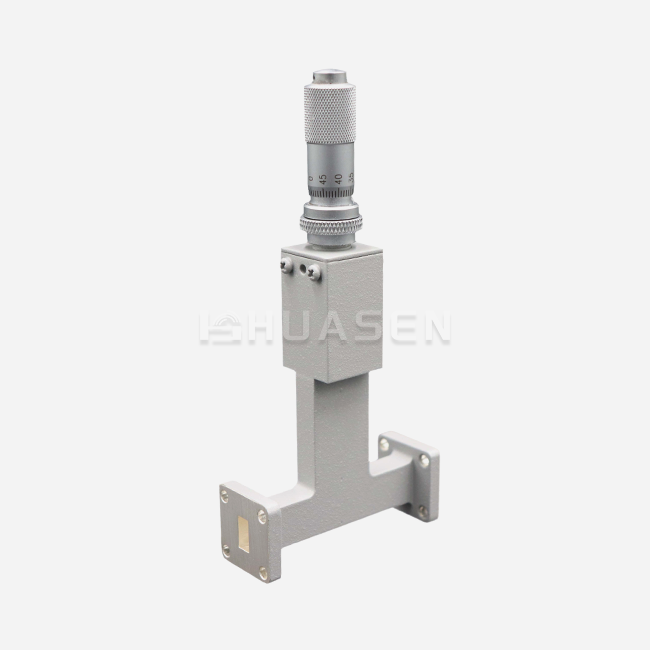
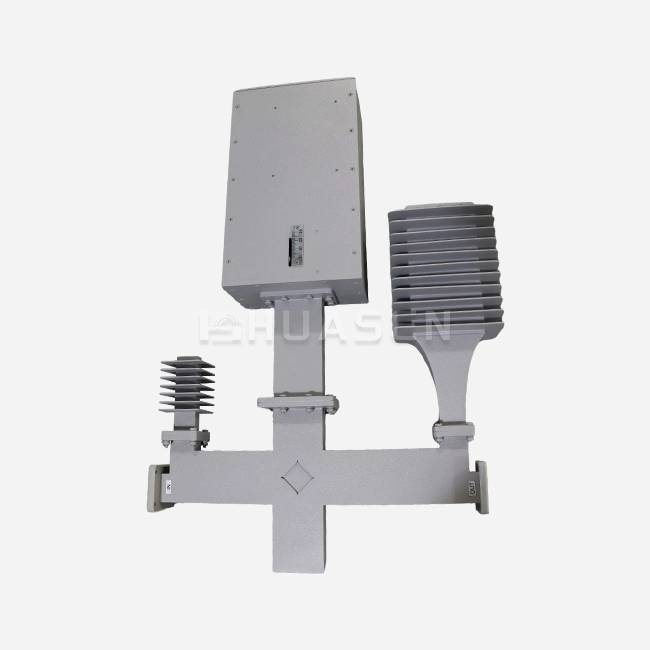
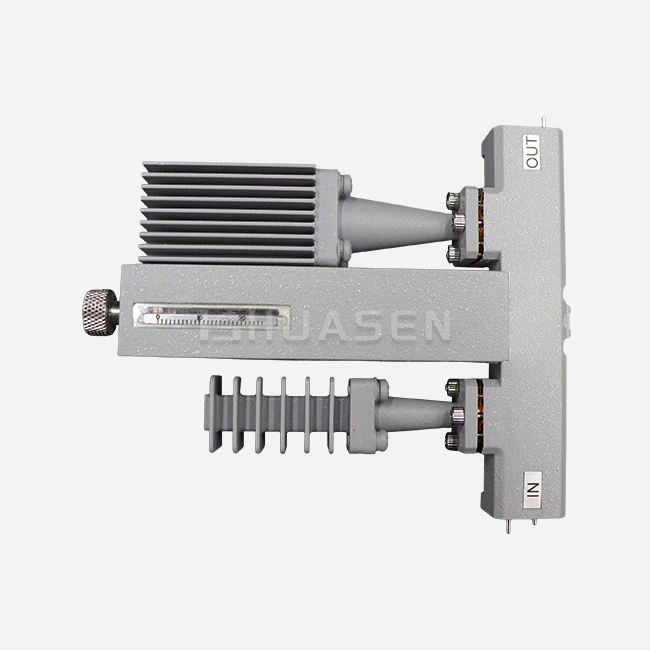
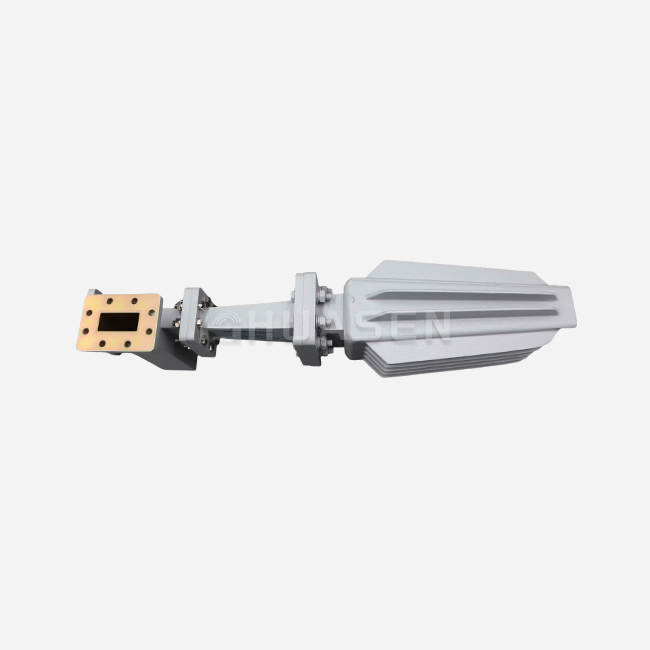
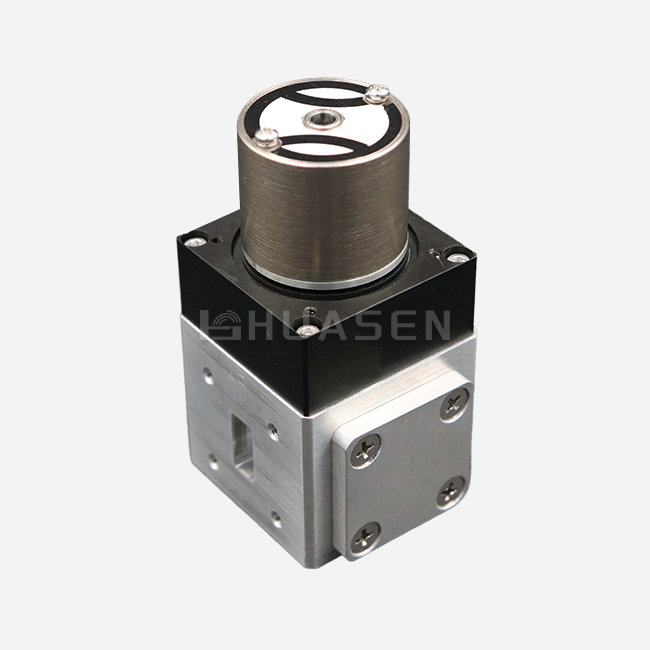
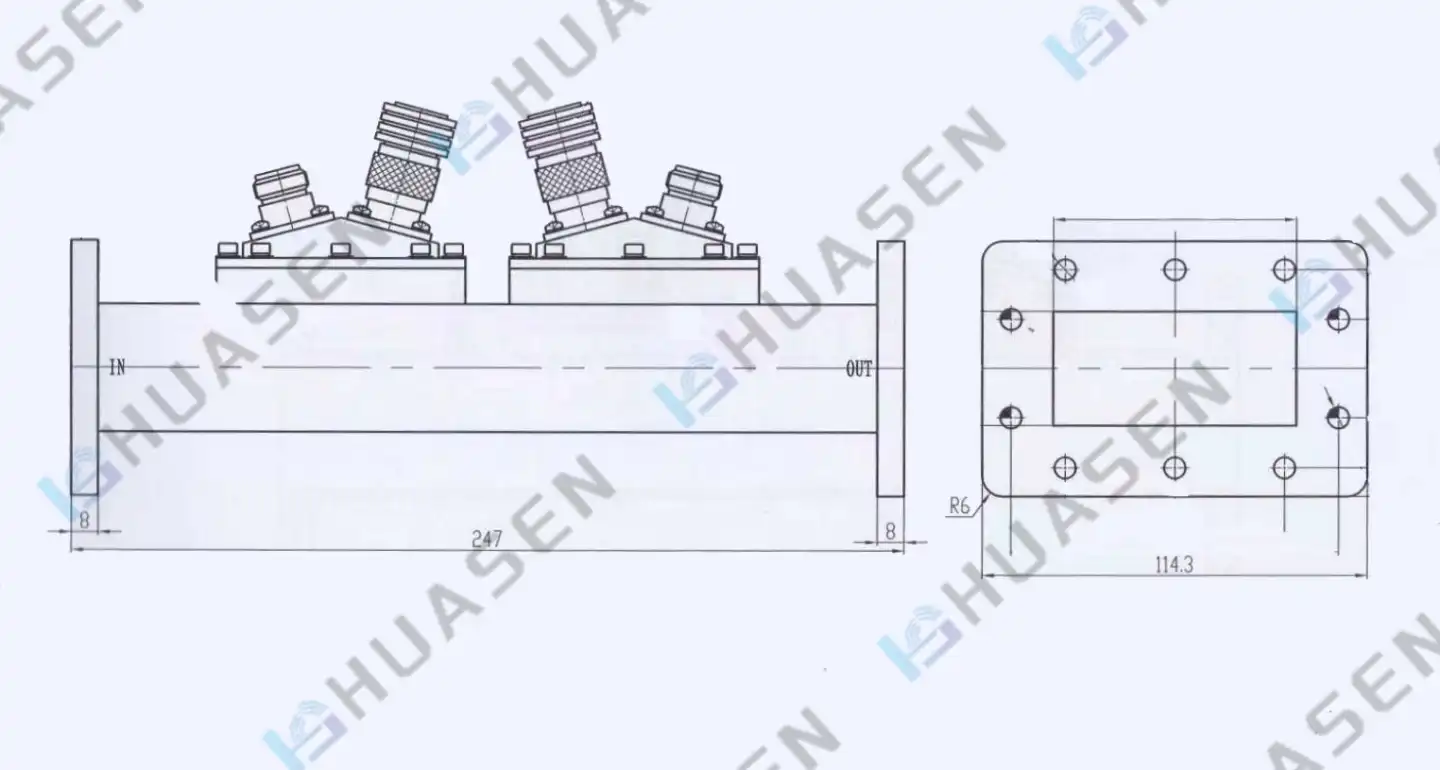
A lot of technical and practical factors need to be carefully thought through when choosing the right waveguide loop coupler for aerospace uses. These passive microwave parts are very well made and measure electromagnetic power using controlled loop probe mechanisms. They are very important for radar systems, satellite communications, and airplane tracking equipment. The Waveguide Loop Coupler works by using a loop antenna that is introduced into the waveguide to pick up magnetic fields. This changes waveguide modes into coaxial outputs while keeping the signal integrity very high and insertion loss very low in harsh aerospace settings.
Understanding Waveguide Loop Couplers and Their Working Principles
Waveguide loop couplers are high-tech passive microwave parts made just for aircraft microwave systems that need to keep tracking signals very precisely. Controlled electromagnetic interactions allow these devices to efficiently couple signals. They do this by using a loop antenna inside the waveguide structure to sample specific power fractions from the main transmission line.
Electromagnetic Coupling Mechanism
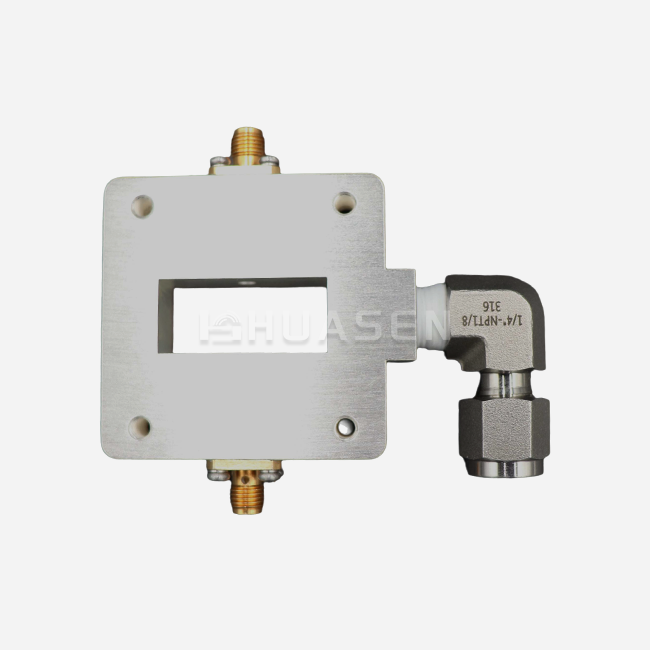
Using a carefully placed loop probe to pick up magnetic field components inside the waveguide is the basic idea behind how it works. This part changes waveguide modes into coaxial outputs, which are usually sent through SMA, N-type, or TNC connections. Unlike cross-guide or multi-hole couplers, the loop design is very small while still being able to handle a lot of power, which is important for radar and communication devices in space. When the loop antenna reacts to the H-field spread inside the waveguide, electromagnetic coupling takes place. Compared to E-field probes, this method reduces the chances of voltage breakdown, which makes it ideal for high-power aerospace uses where dependability cannot be sacrificed. How strong the coupling is is based on the loop's direction, how deep it is inserted, and how the frequencies behave.
Technical Specifications Impact on Performance
In aerospace uses, critical performance factors have a direct effect on how well a system works. Signal reflection is based on VSWR standards. For best performance, main line values need to be ≤ 1.1 and sub-line values need to be ≤ 1.25. These requirements guarantee the least amount of signal loss and the most efficient flow of power. When working with high-power radio emitters and satellite communication systems, the ability to handle power becomes very important. Since only a small part of the main signal is sent to the tracking port, the loop design naturally manages power very well. Because of this, waveguide loop couplers are very useful for megawatt-class radar systems that might not be able to be monitored in the usual way.
Aerospace Applications and System Integration
For navigation, radar, and transmission, modern aircraft systems depend on accurate signal monitoring. Waveguide loop couplers are very important in uses like spectrum tracking, VSWR protection circuits, and automatic level control loops. Because they are small, they can fit in places where every cubic inch is important, like on airplanes, spaceships, and satellite systems. Ultra-high vacuum compatibility and material outgassing become very important when particle accelerators are used for medical purposes or scientific study. This is where the coupling mechanism comes in very handy. In these settings, Loop Coupler parts need to keep working while also meeting strict material requirements and standards for keeping contamination under control.

Critical Factors to Evaluate When Choosing a Waveguide Loop Coupler
To choose the best waveguide loop coupler, you have to look at a number of performance factors that have a direct effect on the stability and operating effectiveness of the system. When working in flight, where a broken part can have very bad results, these things become even more important.
Performance Parameters and Signal Integrity
One of the most important things to look at when choosing a signal is its VSWR traits. Low reflection factors make sure that the signal stays pure throughout the system. VSWR values below 1.1 are usually needed for the main transmission line to stop standing waves that could damage high-power sources or make measurements less accurate. Even though the sub-line VSWR standards are a little less strict at 1.25, the tracking port still works very well. Specifications for directivity make sure that measures of forward and backward power can be correctly told apart. Values higher than 15dB provide enough separation to allow accurate monitoring in both directions, which is necessary for antenna tuning and checking the health of transmission lines in aircraft communication systems. Bandwidth affects the freedom and frequency range of a system design in a direct way. Modern aerospace systems often operate across multiple frequency bands, making wide bandwidth coverage increasingly valuable. Components with ≤20% bandwidth specs can meet a range of operating needs and make system design and inventory management easier.
Material Selection and Environmental Durability
Aerospace settings have their own problems that need to be solved with strong materials and building methods. Alloys made of copper and aluminum are very good at conducting electricity while still being light enough for use in airplanes and spaceships. Surface treatments, like silver coating, make things less likely to rust and more reliable over time. When dealing with changes in altitude, temperature, and moisture that are common in aircraft activities, environmental sealing qualities become very important. It has good binding properties that keep internal parts clean and ensure steady electrical performance over the course of their useful lives. The ability to fight vibration and shock must match the needs of the aircraft platform. In military standards, parts are often given strict mechanical stress levels that they must be able to handle during launch, flying, and landing. These requirements make sure that the machine can keep working even in tough mechanical settings.
Frequency Compatibility and Customization Options
Frequency range suitability is one of the most important selection criteria that must be perfectly in line with how the system works. Standard waveguide bands from L-band (WR650) to Ka-band (WR28) are wide enough to handle most radar and transmission needs in space. Waveguide standards BJ9 through BJ140 compatibility gives a lot of options for different system designs. With coupling factor choices between 20dB and 60dB, you can get precise signal sampling that fits your monitoring needs. Higher dB values mean weaker coupling, which reduces the effect on the main line, while higher dB values mean better coupling, which improves monitoring sensitivity. Because of this, system makers can make sure that the system works best for each application. Standard goods can't solve all the problems that come up in flight, but customization can. For specific uses, like space-qualified systems or military radar platforms, custom frequency bands, mechanical connections, and environmental requirements make it possible to make solutions that fit those needs.
Comparing Waveguide Loop Couplers with Other Coupling Solutions
Different coupling technologies have pros and cons that aircraft system makers need to know about in order to make smart purchasing decisions. Each method of linking has its own unique benefits that may make it better for certain applications.
Operational Distinctions and Performance Characteristics
Directional couplers are good at accurately directing signals and responding to changes in frequency, which makes them useful for tasks that need to control phase and amplitude accurately. Their bigger size and higher insertion loss, on the other hand, can make them less useful in space-limited aircraft uses where weight and volume limits apply. Hybrid couplers work great in situations where precise phase and amplitude balance are needed. They are especially useful in phased array radar systems and beamforming networks. These devices usually do a great job of isolating ports from each other, but they may be harder to mechanically integrate than loop couplers. Coaxial couplers are good for lower frequency uses because they can be integrated into small spaces and work well across a wide frequency range. But their inability to handle a lot of power and their complicated design can make them less useful in high-power aircraft radar systems,s where dependability is very important.
Aerospace-Specific Suitability Analysis
Waveguide loop couplers are especially useful in high-power aerospace uses that need strong construction and little main line effect. Their small size makes it possible to use them in places with limited room, and they still have great electricity performance. The loop coupling device offers natural directivity without needing complicated multi-element designs. This makes production easier and increases reliability. This trait is especially useful in aircraft uses where reducing the number of parts makes the whole system more reliable. Many times, loop couplers can handle more power than other coupling options. This makes them perfect for high-power radar emitters and satellite transfer systems. The physical separation of the coupling device from the main transmission line lowers the chance of breakdown and increases the lifetime of the system.
Cost-Performance Analysis for B2B Applications
When making investment choices in aircraft, it's important to weigh the original costs of buying something against the long-term operating benefits and dependability. Loop couplers usually have reasonable prices and work better in certain situations, which makes them appealing to buying programs that want to save money. Manufacturing complexity is usually lower than that of multi-element connection systems. This helps keep prices low for large purchases. This cost-benefit is especially important for big aerospace projects that need a lot of identical parts for a lot of different systems. Due to their passive nature and strong construction, loop couplers usually don't need much maintenance. This feature lowers lifecycle costs and raises operating availability, which are both important factors for aerospace uses where repair chances may be restricted.
Procurement Considerations for Aerospace B2B Clients
When buying aerospace products, you have to look at a supplier's skills, product details, and long-term help promises. These things to think about make sure that the program is carried out well and that operating performance stays high.
Supplier Evaluation and Certification Requirements
Suppliers of aerospace must show that they meet the standards for both military and civilian aircraft. Performance, environmental, and quality standards that parts must meet throughout their working lives are often spelled out in MIL-STD specifications. Quality management systems and ISO certification are two more ways to make sure that industrial methods are always the same. As part of their manufacturing skills, companies should have full testing centers that can confirm all important performance parameters. Vector network analyzers, high-power testing tools, and environmental modeling rooms make it possible to thoroughly test a product before sending it out. When foreign space projects need local support and resources, global footprint issues become important to think about. Suppliers with well-established technical support groups and marketing networks can offer better service levels throughout the lifecycle of programs.
Order Quantities and Lead Time Management
Minimum order numbers are often based on the size of the producing batch and the cost of the product. Knowing the MOQ standards helps you plan your programs and handle your inventory better. When you buy more, volume price tiers usually save you money, but they might make wait times longer. For aircraft projects with set delivery dates and integration goals, Loop Coupler managing lead times becomes very important. Early engagement with suppliers and accurate demand forecasts help make sure that the supply of parts matches the needs of the program. For custom production services, you need to give more wait time for testing and validating the design. Working together closely while creating specifications cuts down on the number of design changes needed and speeds up delivery times, all while making sure that the product meets the needs of the application.
Custom Manufacturing and Collaboration Benefits
Customized coupler designs let you get the best performance for certain frequency ranges, power levels, and mechanical limitations that are common in aircraft uses. Custom solutions can be made to meet specific weather needs, like meeting room standards, working in a wider range of temperatures, or being more resistant to vibrations. Through collaborative design methods, suppliers' knowledge is used to make sure that goods meet all the exact needs of the application. Getting technical help during the system integration stages can help improve speed and fix any compatibility issues that may come up during testing or launch. Long-term partnerships can help keep prices stable and give customers what they want when demand is high. As part of these relationships, people often talk about technology roadmaps that make sure that the creation of parts keeps up with the changing needs of the system.
Installation, Maintenance, and Future-Proofing Your Aerospace Systems
Correct construction methods and regular repair have a big effect on how well components work and how reliable the system is. These things are especially important in aircraft use, where limited access and high operational needs make problems unique.
Installation Guidelines and Integration Practices
When making a waveguide flange, it's important to make sure the surface is flat and clean to avoid arcing and make sure the electrical contact is stable. To get a good seal and keep mechanical stress from affecting electrical performance, torque requirements must be carefully followed. When installing a coaxial connection, you should follow standard procedures, such as applying the right amount of force and checking the connector. When moving cables, they need to be kept from bending too much or being put under too much mechanical stress, which could hurt their electrical performance or cause reliability problems during working vibration and heat cycling.VSWR, coupling factor, and directivity readings are some of the most important performance metrics that should be checked during system integration testing. These measures set a standard for performance that can be used for future maintenance and fixing.
Maintenance Routines and Longevity Enhancement
As part of regular inspections, flanges, plugs, and mounting gear should be looked at visually to find problems before they affect the system's performance. Corrosion, mechanical damage, or contamination needs to be fixed right away to keep performance from going down. Using standardized test tools for performance verification testing helps find small changes in performance that could mean problems are starting to form. Trend analysis can tell you when to replace a part and let you schedule repair ahead of time . During repair activities, handling methods should limit the amount of mechanical stress and contamination that workers are exposed to. When parts are stored properly, they are protected from damage from the environment during long repair times or when managing spare parts inventories.
Technology Advancement and Future Considerations
As material science progresses, parts keep getting better at working and withstanding harsh environments. New alloy formulas and surface treatment methods make them more resistant to corrosion while keeping the good electrical properties that are needed for aircraft uses. The main goals of design improvements are to improve mechanical coupling and increase bandwidth coverage. These changes make system designs more adaptable while lowering the number of parts and the total complexity of the system. Improvements in manufacturing technology make things more precise and repeatable, and they might also lower costs. Modern machining methods and quality control tools allow for better control of tolerances and more consistent performance across larger production amounts.
Conclusion
To choose the right waveguide loop coupler for aircraft uses, you need to carefully look at the technical specs, the operating conditions, and the environmental needs. These parts are especially well-suited for harsh aircraft settings because they are small, highly reliable, and can handle a lot of power. Some important things to think about are the VSWR features, the coupling factor choices, the frequency compatibility, and the supplier's abilities. In important aerospace uses, long-term performance and system stability are ensured by following the right installation steps, performing regular maintenance, and staying up to date on new technologies.
FAQ
1. What coupling factors are available for aerospace waveguide loop couplers?
Standard coupling choices usually fall between 20dB and 60dB, with 20, 25, 30, 35, 40, 45, 50, and 60dB being the most popular. For certain aerospace uses, the choice is based on the need for tracking sensitivity and main line effect.
2. How do environmental conditions affect waveguide loop coupler performance?
Extreme temperatures, vibrations, and changes in altitude are some of the problems that come up in aerospace settings. Couplers of good quality have good sealing properties and are made of strong materials that keep working well across all temperature ranges while also being resistant to mechanical stress and environmental contamination.
3. What maintenance procedures are recommended for aerospace installations?
Visual checks of flanges and connections on a regular basis help find problems early. Periodic performance proof tests should be done to find out what the trends are. Using the right handling techniques during repair tasks lowers the risk of contamination and motor stress.
Partner with Huasen Microwave for Superior Waveguide Solutions
Huasen Microwave Technology stands as a trusted waveguide loop coupler manufacturer with over three decades of expertise in high-frequency microwave component development. Our WHC series has great performance, with a main line VSWR of less than 1.1, different coupling choices ranging from 20 to 60dB, and directivity of more than 15dB across waveguides that are compatible with BJ9 to BJ140. Modern sealing technologies make sure that equipment works reliably in harsh aircraft settings while keeping the exact electrical properties. Get in touch with our engineering team at sales@huasenmicrowave.com to talk about your specific flight application needs and find out how our unique solutions can help your system work better.
References
1. Smith, J.R., "Microwave Coupler Design for Aerospace Applications," IEEE Transactions on Microwave Theory and Techniques, Vol. 68, No. 4, 2020.
2. Johnson, M.K., "High-Power Waveguide Components in Satellite Communication Systems," Journal of Spacecraft and Rockets, Vol. 57, No. 3, 2020.
3. Williams, D.A., "Environmental Testing Standards for Aerospace RF Components," Military Electronics & Communications Technology, Vol. 15, No. 2, 2019.
4. Brown, P.L., "Loop Coupler Performance Analysis in High-Power Radar Systems," IEEE Aerospace and Electronic Systems Magazine, Vol. 35, No. 8, 2020.
5. Davis, R.T., "Quality Assurance Methodologies for Aerospace Microwave Components," International Journal of RF and Microwave Computer-Aided Engineering, Vol. 30, No. 6, 2020.
6. Thompson, K.S., "Future Trends in Aerospace Communication Component Technologies," Proceedings of the IEEE Aerospace Conference, Big Sky, Montana, 2021.
Send Inquiry