Home / Blog
Blog
0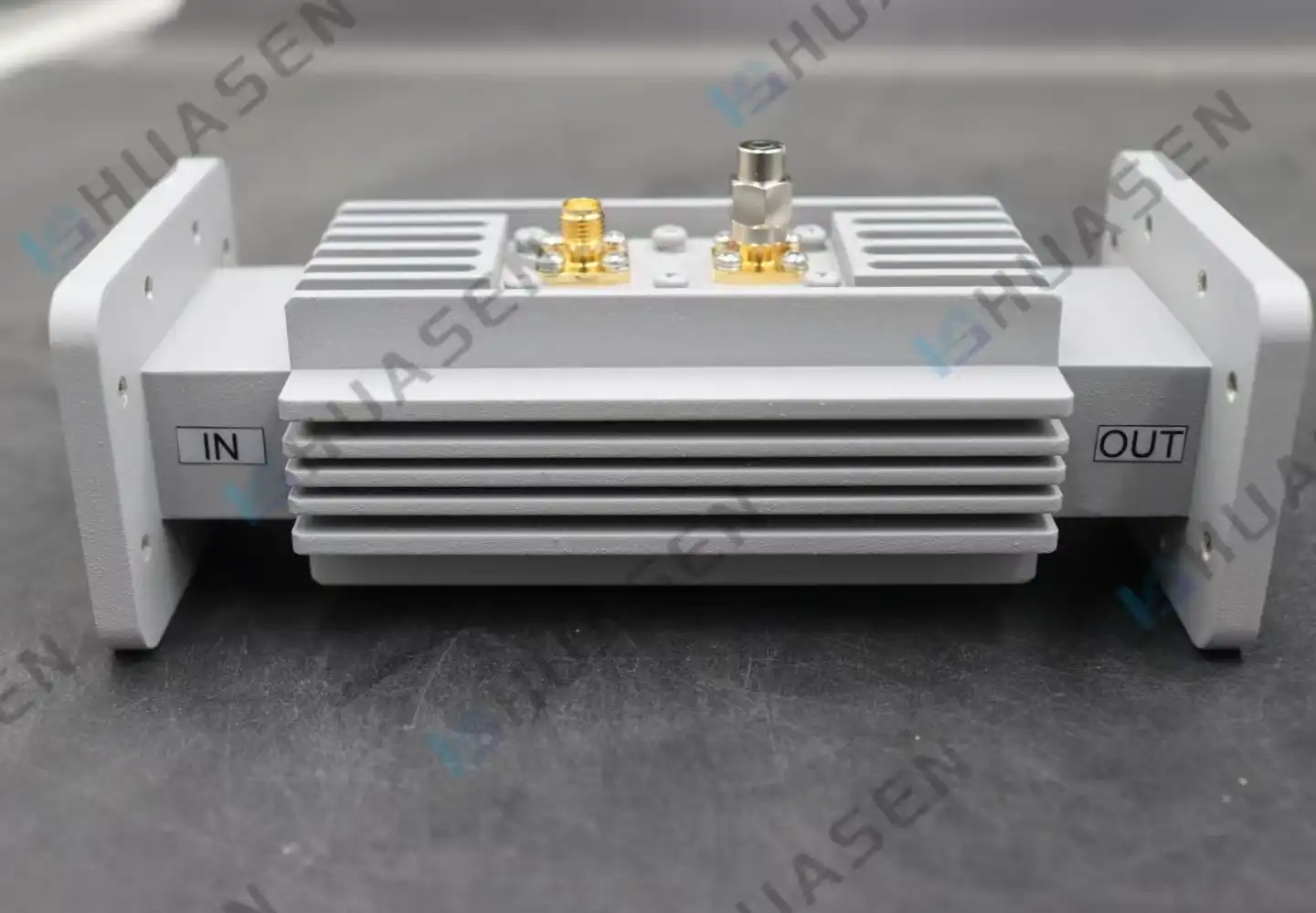
Waveguide Loop Coupler Applications in Radar, 5G, and RF Measurement
Waveguide Loop Coupler technology serves as the backbone for precision signal sampling across radar systems, 5G networks, and RF measurement applications. These specialized passive components utilize electromagnetic coupling principles to extract specific power fractions from main transmission lines without disrupting signal integrity. Modern telecommunications infrastructure, defense radar installations, and laboratory testing environments depend heavily on these couplers for accurate power monitoring, signal distribution, and system calibration tasks that demand exceptional reliability and performance consistency.VIEW MORE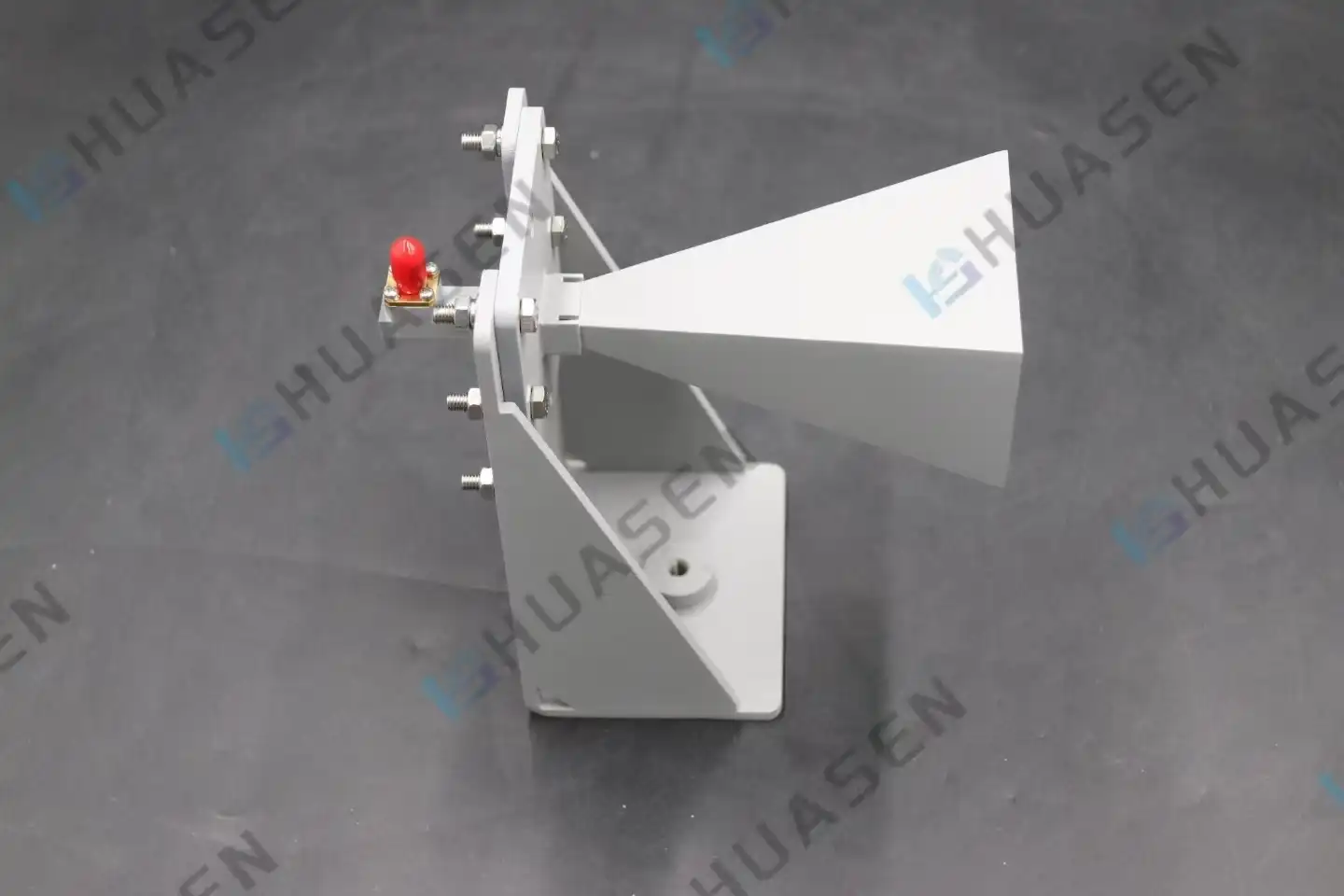
Standard gain horn antenna vs Other Reference Antennas
There is no doubt that the standard gain horn antenna is the best reference antenna for metrology uses when it comes to accurate RF measurements. These precision-engineered devices, standard gain horn antennas, unlike broadband test antennas or dipole references, have theoretical gain curves that fit measured performance very well. Their pyramidal or conical horn shape makes their radiation patterns predictable and their performance stable across certain waveguide frequency bands. This makes them essential for calibrating antennas, checking for EMC, and verifying RF systems where measurement error needs to be kept to a minimum.VIEW MORE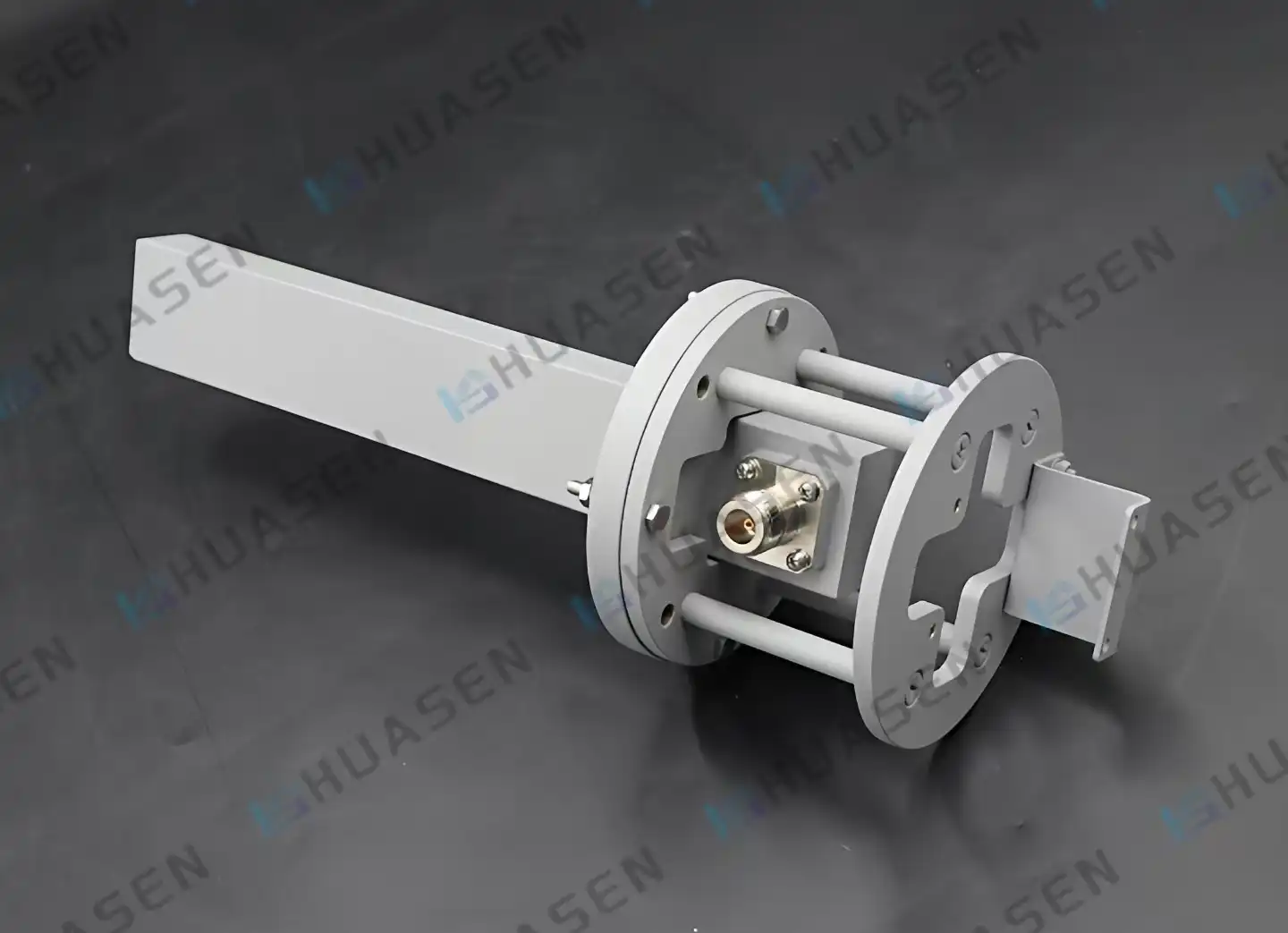
Near Field Probe Types and When to Use Each Type
For reliable electromagnetic field analysis, it is important to know the basic differences between probe types when choosing an antenna near-field measurement probe. Near field probes pick up electromagnetic emissions that are close to the thing being tested. This lets you get a better sense of where things are in space than with far-field readings. In the defence, aircraft, and telecommunications industries, these precise instruments are needed to characterise antennas, fix EMI problems, and make sure Antenna Near Field Measurement Probe that RF systems work. In critical situations, the choice of different probe configurations has a direct effect on the accuracy of measurements, the speed of testing, and the general performance of the system.VIEW MORE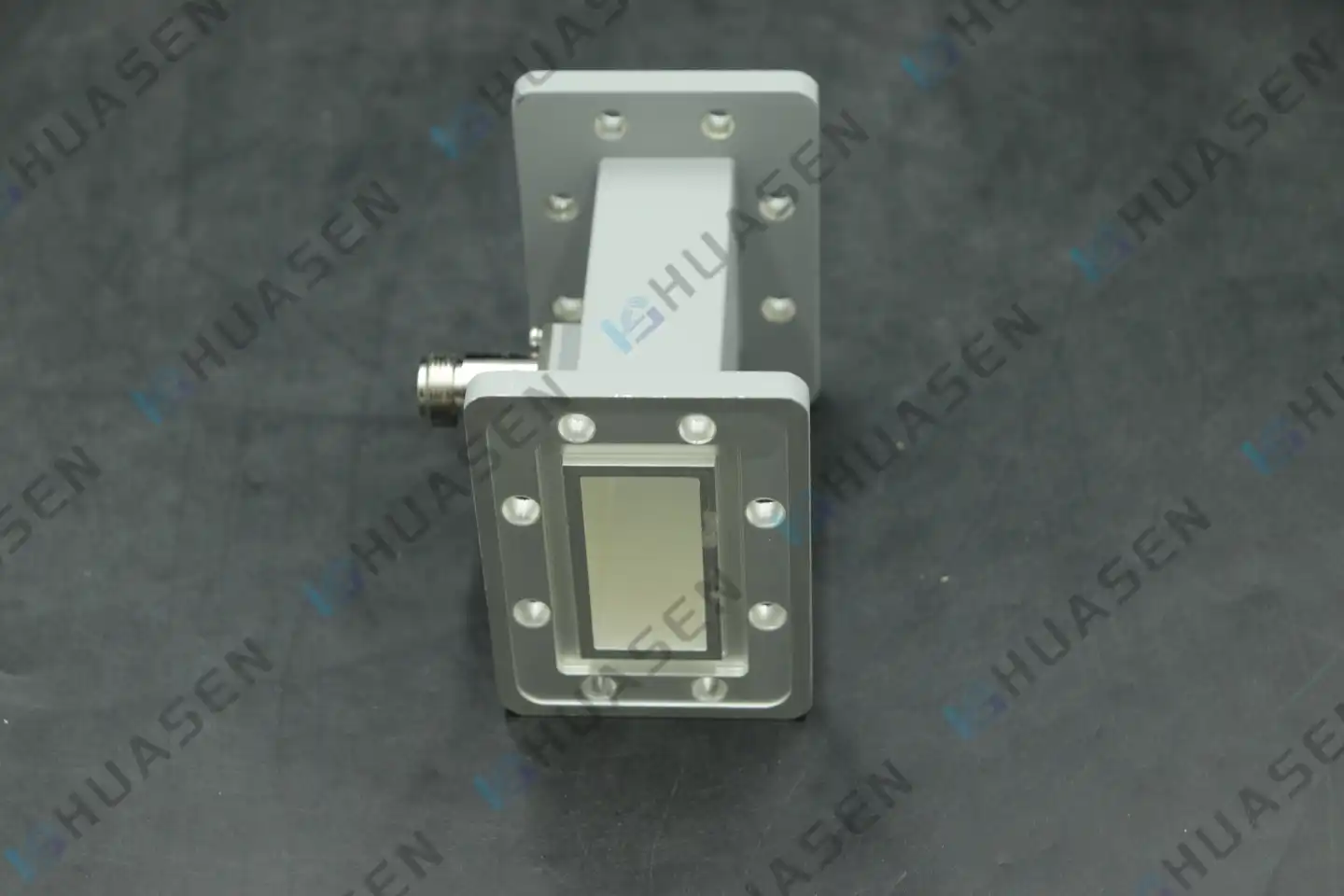
Top Manufacturers of High-Precision Waveguide Probe Couplers
When sourcing high-precision waveguide probe couplers, procurement professionals face the critical challenge of identifying manufacturers who deliver exceptional performance, reliability, and technical support. These specialized microwave components serve as the backbone for signal sampling and monitoring in radar systems, satellite communications, and precision test equipment. The waveguide probe coupler market encompasses manufacturers who excel in producing both fixed (WTC) and adjustable (WVTC) variants with coupling degrees ranging from 10 to 60dB, offering compact structures and user-friendly operation for diverse B2B applications.VIEW MORE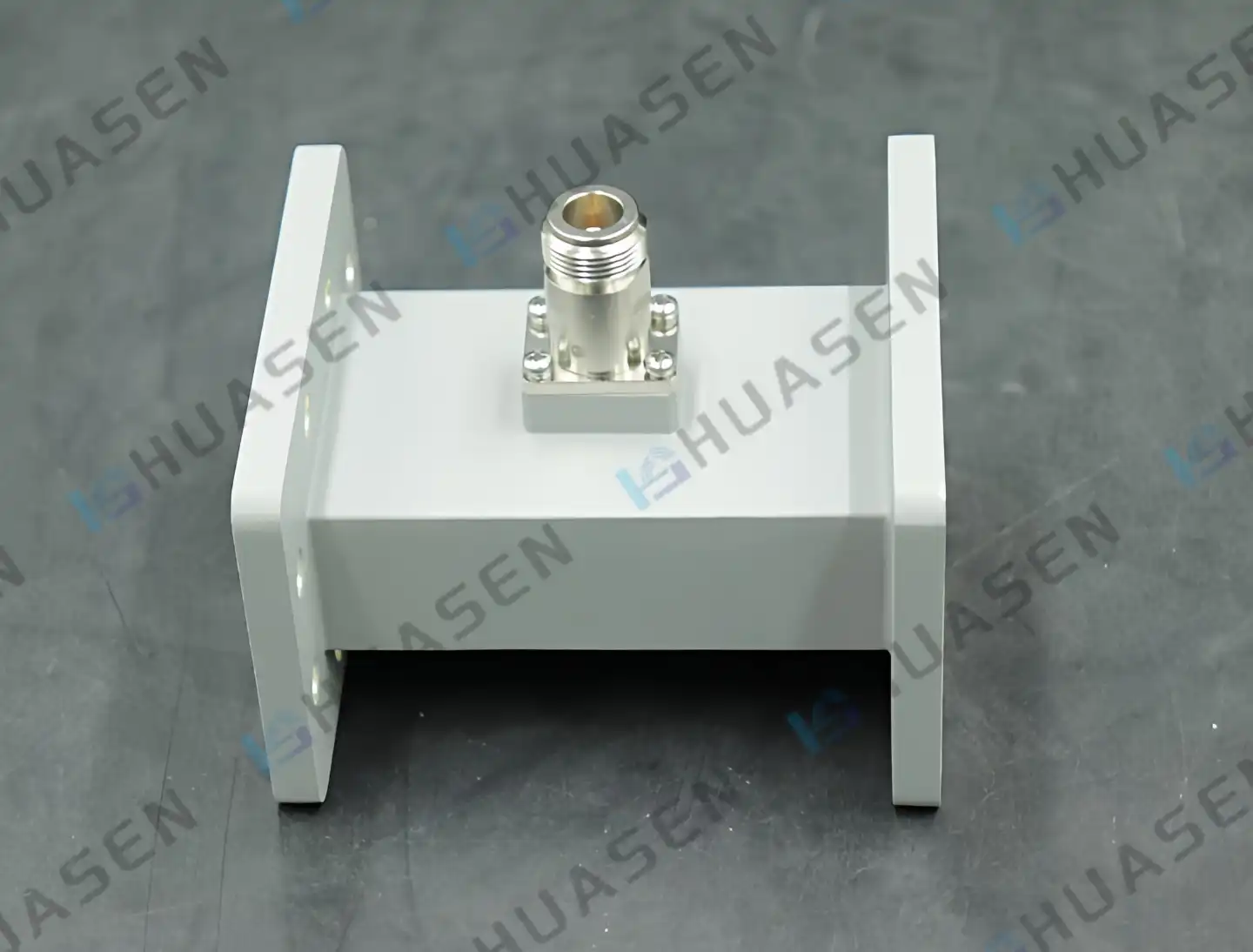
What Is a Waveguide Probe Coupler and How Does It Work in Radar?
A Waveguide Probe Coupler is a special kind of electromagnetic transition device that lets microwave signals in waveguide systems be precisely sampled and watched. This important part uses a conductive probe element placed in the waveguide structure to take out a part of the electromagnetic field without getting in the way of the main signal line. These couplers are necessary for signal analysis, power measurement, and system diagnostics in radar applications. They are also needed to keep the radar's performance and reliability at their best in harsh operational settings.VIEW MORE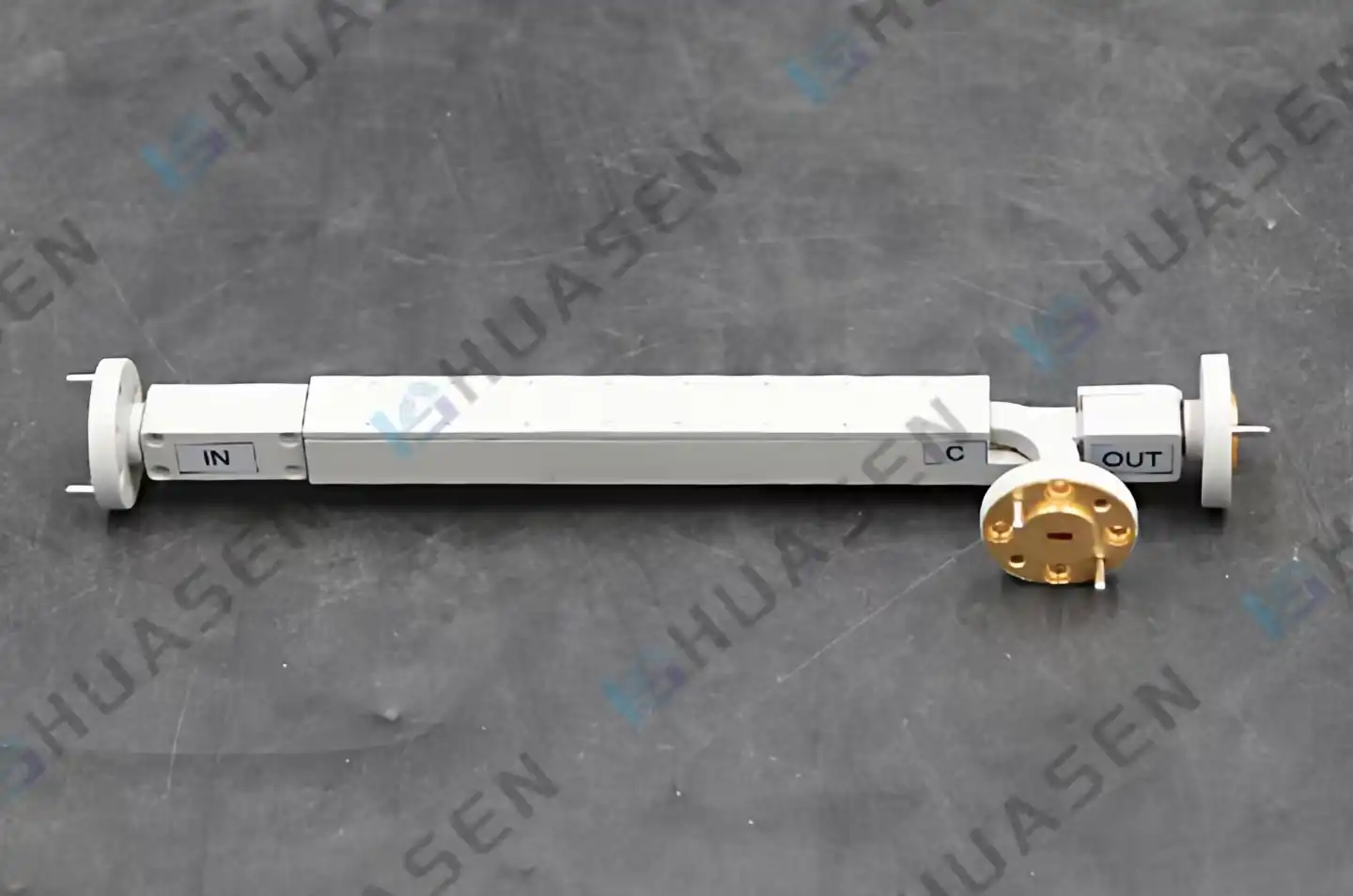
Key Factors Affecting Directivity Coupler Performance at High Frequencies
Directivity Coupler performance at high frequencies hinges on multiple critical factors that determine measurement accuracy and signal integrity. These passive RF components face unique challenges as operational frequencies increase, including material properties degradation, parasitic effects amplification, and thermal stability concerns. Understanding these factors enables engineers to select optimal couplers for demanding applications such as 5G base stations, satellite communications, and high-power radar systems where precise signal sampling and exceptional isolation are paramount.VIEW MORE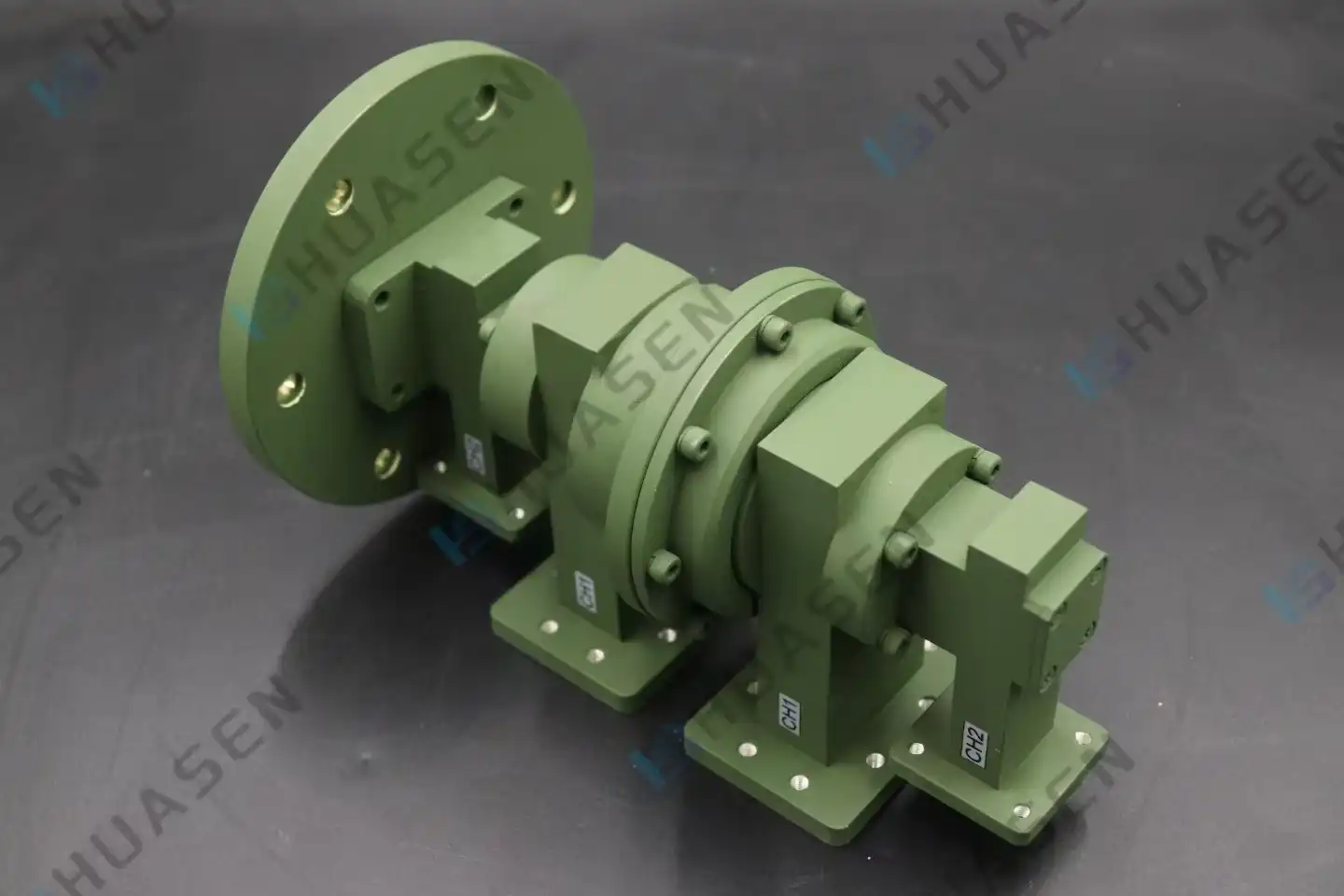
How to Select a Waveguide Rotary Joint for Aerospace Applications?
It is important to carefully consider the frequency specifications, power handling capabilities, and environmental tolerances when choosing the best waveguide rotary joint for aerospace uses. These precise parts make it possible for rotating and stationary systems in radar, satellite communications, and navigation tools to send and receive microwave signals continuously. To make sure mission-critical performance and dependability, the selection process must put low insertion loss, extreme durability, and compliance with strict aerospace standards at the top of the list.VIEW MORE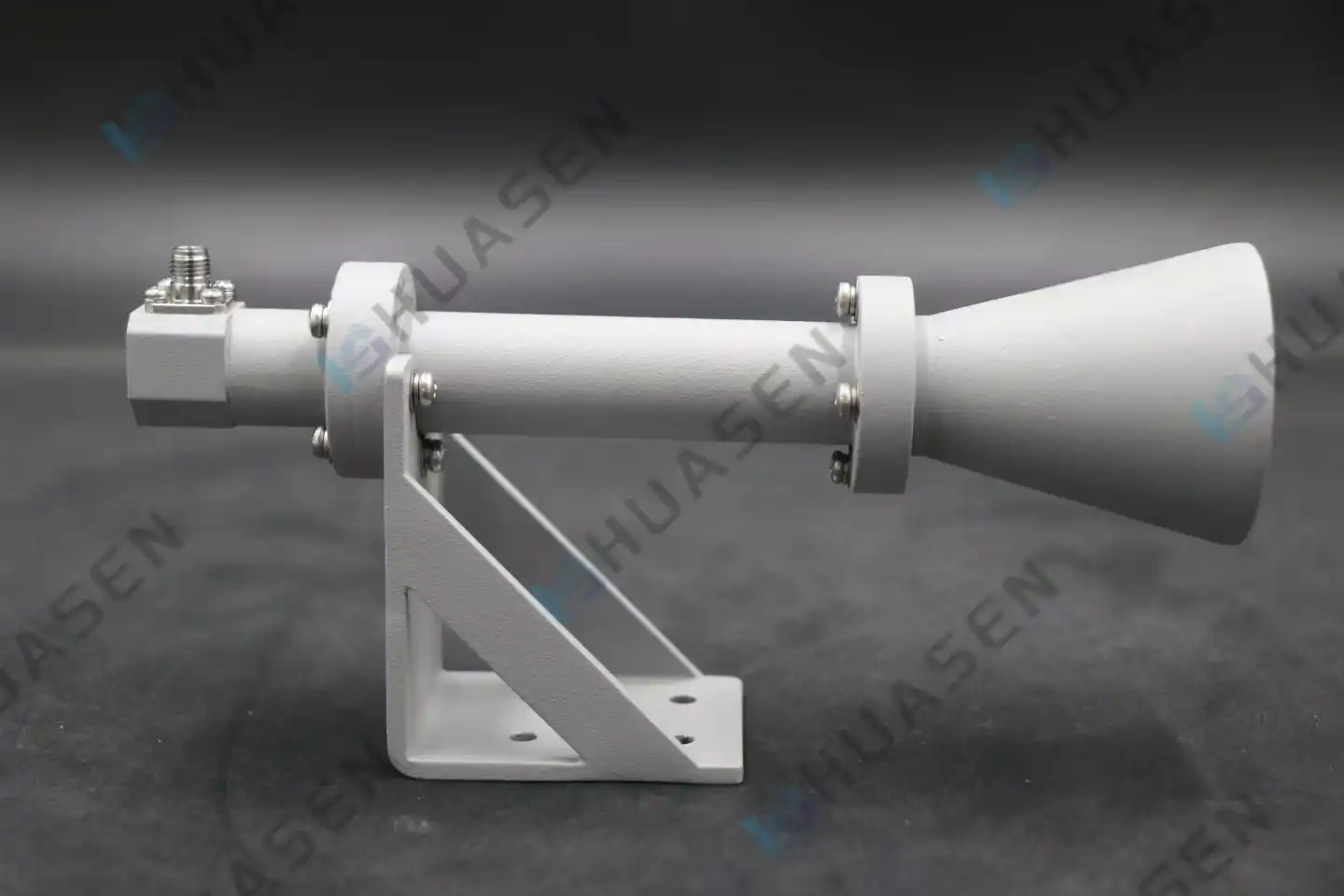
Why Use Circularly Polarized Horn Antenna for Satellite Communication?
Circularly Polarized Horn Antennas represent a critical advancement in satellite communication technology, offering unmatched signal stability and reliability in dynamic environments. These specialized antennas utilize rotating electric field vectors to maintain consistent communication links regardless of satellite orientation or atmospheric interference. Their ability to mitigate polarization mismatch losses, reduce multipath interference, and ensure continuous signal integrity makes them indispensable for mission-critical satellite operations across telecommunications, aerospace, and defense sectors.VIEW MORE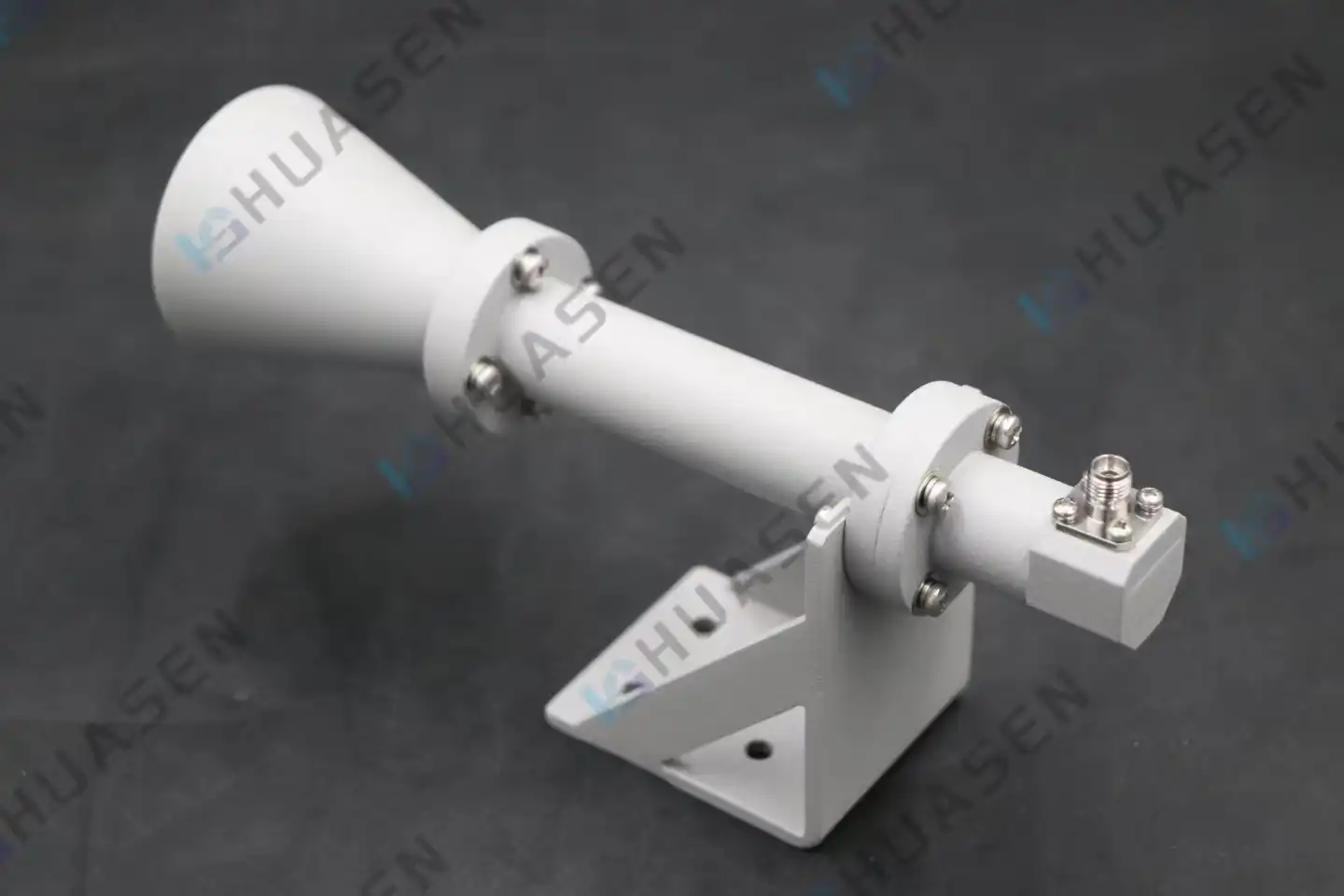
Circularly Polarized Horn Antenna Performance in 5G and Radar Systems
Circularly polarised horn antenna technology is a big step forward in modern RF communications. It works really well in 5G networks and radar uses. When compared to standard linear polarisation systems, these special antennas produce electromagnetic waves with rotating electric fields. This makes the signals more reliable and reduces interference. The fact that they have changing polarisation makes them very useful in communication settings where orientation changes happen a lot.VIEW MORE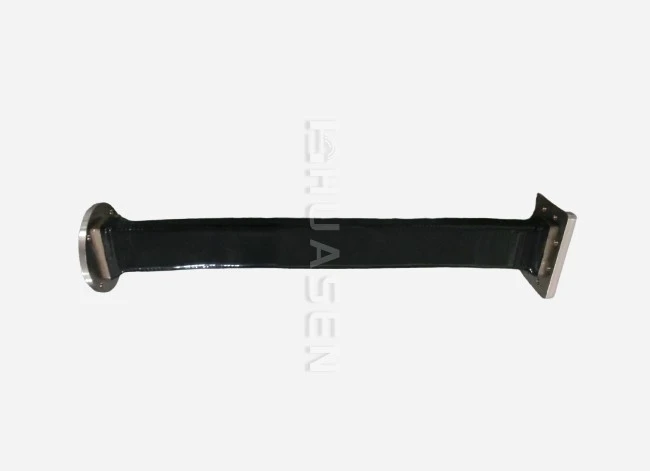
Selection of Flex Twist Waveguides for Aerospace
When choosing the right flex waveguide for aerospace uses, you need to carefully think about the operational parameters, performance standards, and environmental needs. In high-frequency RF and microwave systems, these special transmission line parts act as important electromechanical connectors. They connect rigid parts while allowing for mechanical movement, thermal expansion, and vibration isolation. To make sure that mission-critical communication and radar systems work perfectly in harsh environments, the aircraft industry needs waveguide solutions that are very reliable, lose very little signal, and are resistant to environmental damage.VIEW MORE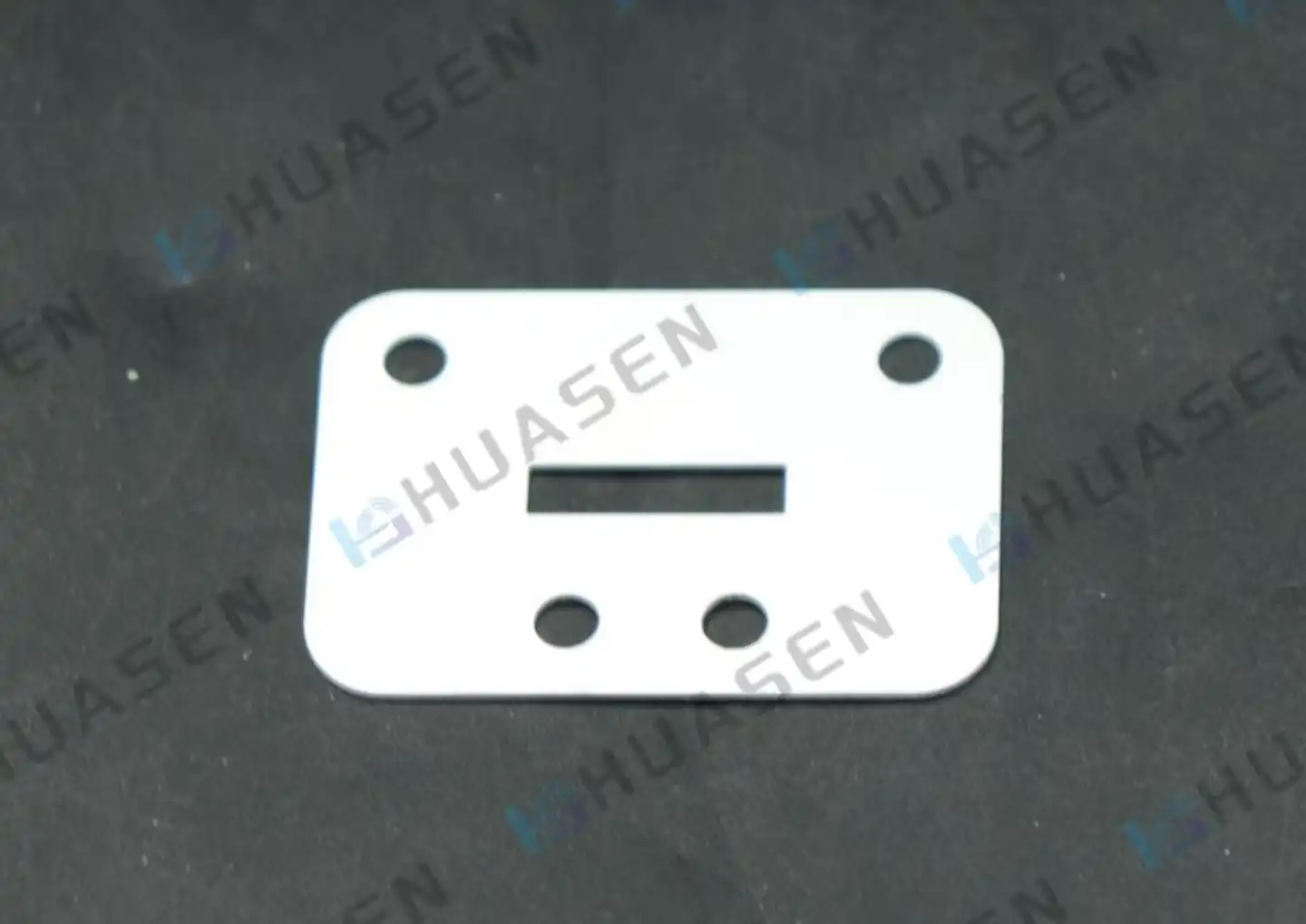
Design of Custom Flange Gaskets for Special-Shaped Flanges
To make custom flange gaskets for flanges with unusual shapes, you need to be very good at engineering gaskets and know a lot about how to solve specific sealing problems. Unlike standard circular shapes, special-shaped flanges need custom gasket solutions that can work with irregular shapes while still keeping the best seal integrity. When designing a gasket, it's important to think about how the pressure will be distributed, how well the materials will work together, and any external factors that are unique to the application. These unique sealing parts are very important for keeping system pressure high, stopping leaks, and making sure operations are safe in a wide range of industry settings where regular gaskets don't work.VIEW MORE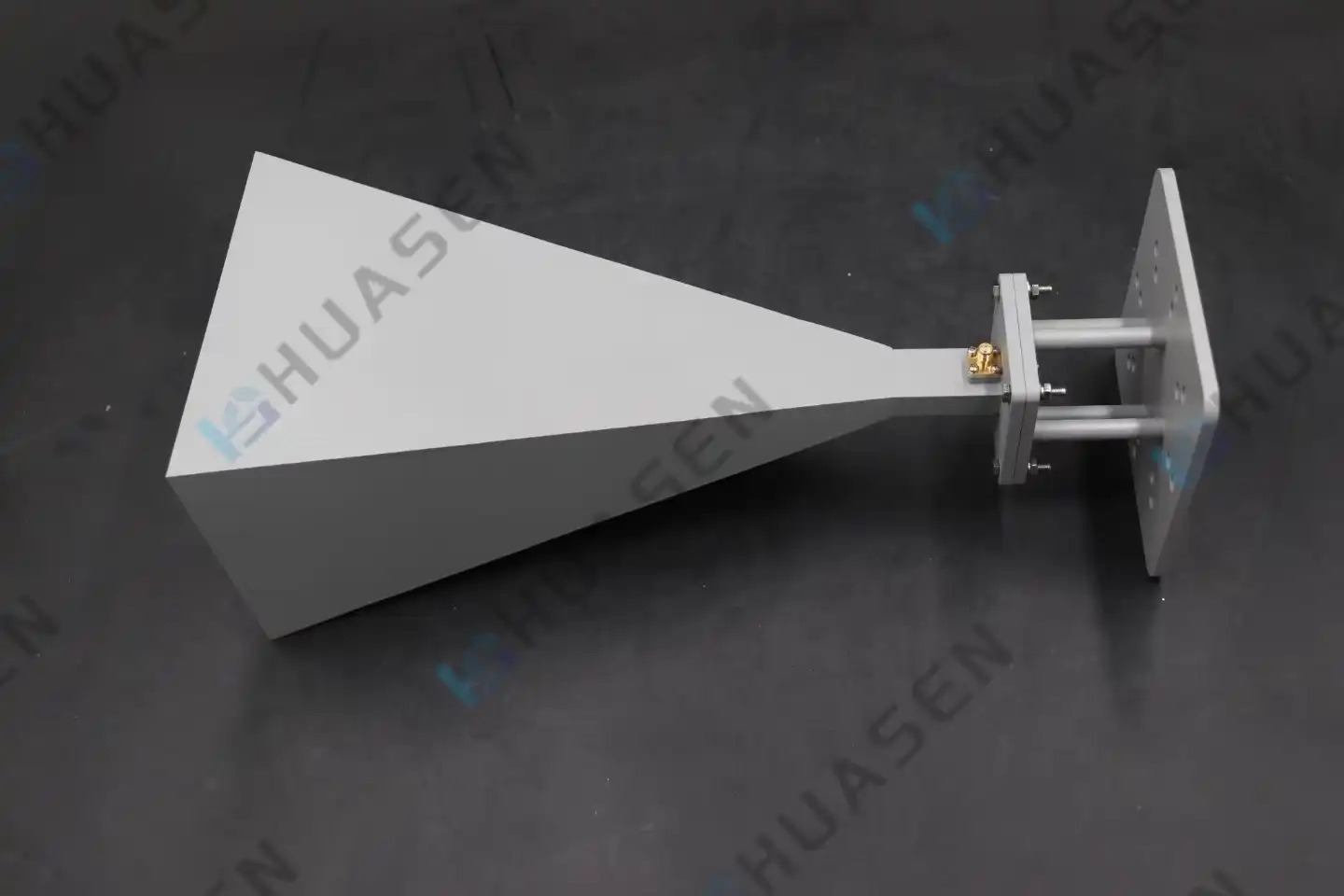
Broadband Horn Antenna Features Every RF Buyer Should Know
Knowledge of the ins and outs of broadband horn antenna technology is essential for successfully purchasing RF parts for mission-critical purposes. These complex devices are an important part of modern RF testing and measurement equipment because they provide excellent frequency coverage across multiple octaves while keeping consistent performance. Broadband Horn Antenna systems give engineers in the defence, aerospace, and telecommunications industries more options than ever before. This is because accuracy and dependability are so important for both operating success and following the rules.VIEW MORE
- 1
- 31
- 32
- 33
- 34
- 35
- 60
Total 60 pages