Near Field Probe Types and When to Use Each Type






2026-03-31 21:42:02
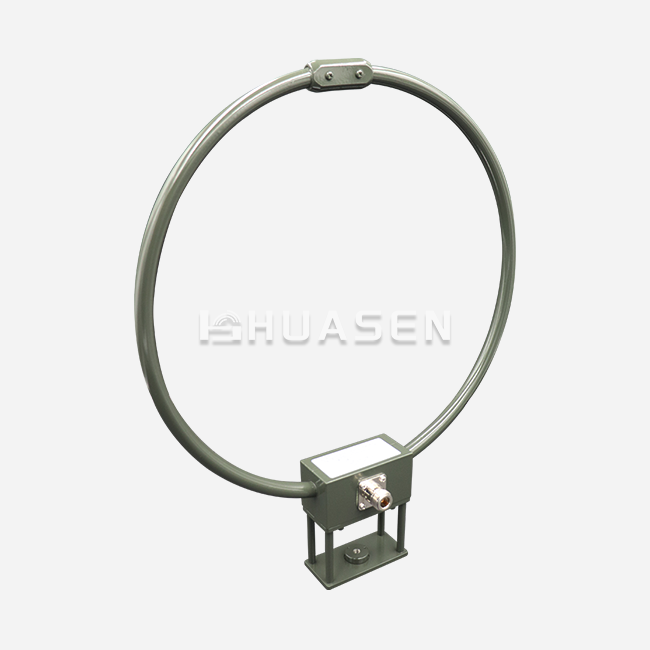
For reliable electromagnetic field analysis, it is important to know the basic differences between probe types when choosing an antenna near-field measurement probe. Near field probes pick up electromagnetic emissions that are close to the thing being tested. This lets you get a better sense of where things are in space than with far-field readings. In the defence, aircraft, and telecommunications industries, these precise instruments are needed to characterise antennas, fix EMI problems, and make sure Antenna Near Field Measurement Probe that RF systems work. In critical situations, the choice of different probe configurations has a direct effect on the accuracy of measurements, the speed of testing, and the general performance of the system.
Understanding Antenna Near-Field Measurement Probes
Near field measurement technology revolutionises how engineers characterise antenna systems by capturing electromagnetic data within the radiative near-field region. This approach eliminates the space constraints associated with traditional far-field measurements while maintaining exceptional accuracy through mathematical field transformation algorithms.
Technical Foundations of Near-Field Measurement
The idea behind near-field probes is to record both amplitude and phase data in the Fresnel region, which is usually 3 to 10 wavelengths away from the antenna being tested. This method for measuring proximity has a number of benefits over traditional far-field methods. Engineers can study big antenna groups inside small, soundproof rooms, instead of having to deal with the problems that come with testing them outside, where there would have to be kilometres of space between them. The vector field data that these probes collect is processed using the complex Fourier Transform to accurately recreate the far-field radiation patterns. Modern measuring tools are more accurate than ±0.05 dB because they use strict probe correction methods that take into account the radiation properties of the probe itself.
Key Performance Parameters
Important parameters determine how well a tool works in a variety of situations. The frequency range goes from L-band at 1 GHz to sub-THz frequencies close to 1100 GHz, and standard waveguide setups are used to get the purest modes. Cross-polarisation discrimination is higher than 35 dB on-axis to keep orthogonal fields from getting messed up during vector transformation processes. Specifications for return loss keep VSWR levels below 1.2:1, which gets rid of standing wave artefacts that can mess up measurements. When designing something physically, open-ended waveguide shapes with precise knife-edge chamfering are used to keep the radar cross-section and mutual coupling effects between the probe and antenna under test to a minimum.

Types of Antenna Near-Field Probes and Their Core Characteristics
The electromagnetic measurement industry offers diverse probe configurations, each optimised for specific testing scenarios and frequency requirements. Understanding these distinctions enables procurement professionals to select probes that align with their technical objectives and operational constraints.
Passive Probe Technologies
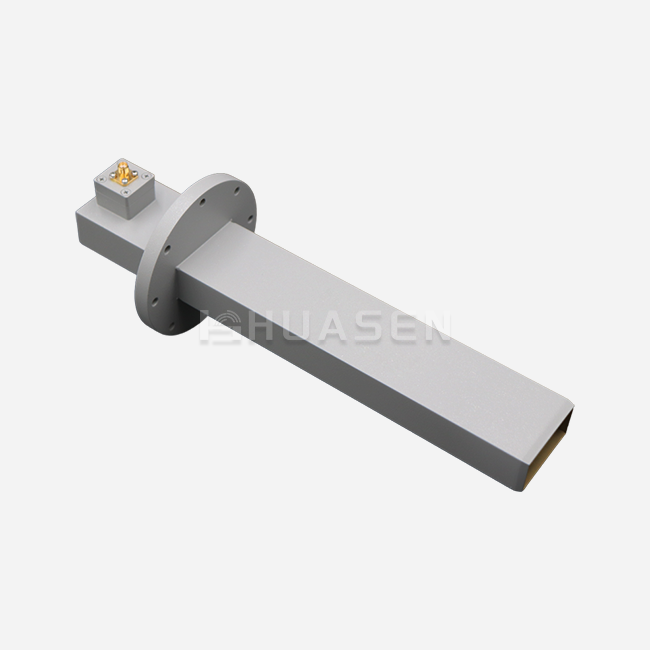
Passive probe designs dominate precision measurement applications due to their inherent stability and measurement repeatability. These configurations operate without active amplification, relying on direct electromagnetic coupling to capture field variations with minimal signal distortion. Orthogonal Feed (WOEWP) probes represent the fundamental building block of near-field measurement systems. Operating across 0.49–112 GHz frequency ranges, these probes deliver exceptional cross-polarisation isolation exceeding 25 dB. Standard connector configurations, including K, SMA-K, and 2.92-K interfaces, ensure compatibility with existing measurement infrastructure while maintaining signal integrity throughout the measurement chain. Waveguide Orthogonal Feed Type I (WOEWPI) configurations extend measurement capabilities into higher frequency bands where coaxial limitations become restrictive. These probes utilise precision waveguide transitions that preserve phase coherence across wide bandwidth applications, particularly valuable for millimetre-wave antenna characterisation in automotive radar and satellite communication systems. Waveguide Termination Feed (WOEWPE) designs optimise measurement accuracy through specialised termination structures that minimise reflection artifacts. This configuration proves essential when measuring high-gain antennas, where even minor reflection coefficients can introduce significant measurement uncertainties.
Advanced Probe Configurations
Specialised probe architectures address complex measurement scenarios that standard configurations cannot adequately handle. These advanced designs incorporate multiple sensing elements or enhanced sensitivity mechanisms to capture challenging electromagnetic phenomena. Coaxial Symmetric Dipole (COECP) probes excel in applications requiring balanced field detection with minimal ground plane interaction. The symmetric design provides consistent measurement characteristics across wide angular ranges, making these probes particularly suitable for characterising omnidirectional antennas and complex radiation patterns. Dual-Polarisation Near-Field Measurement Probe (WOEWDP) technology revolutionises measurement efficiency by simultaneously capturing orthogonal polarisation components. This capability reduces measurement time by approximately 50% while maintaining measurement accuracy, addressing the productivity demands of high-volume antenna testing environments. Broadband Near-Field Measurement Probe (WBOEWP) configurations address the growing need for multi-band characterisation within single measurement setups. These probes maintain consistent performance across extended frequency ranges, simplifying system design while reducing inventory requirements for organisations managing diverse antenna testing programs.
When to Use Each Type: Practical Scenarios and Decision Criteria
Selecting the optimal probe configuration requires careful analysis of measurement objectives, frequency requirements, and operational constraints. Different probe types excel in specific scenarios.Measurement Probeand understanding these applications ensures maximum measurement accuracy and operational efficiency.
Frequency-Specific Applications
High-frequency applications above 40 GHz typically benefit from waveguide-based probe configurations that maintain phase stability and minimise connector-related losses. Automotive radar system development at 77-81 GHz frequencies demands sub-millimetre positional accuracy to detect angular separation performance in complex bumper integration scenarios. Waveguide orthogonal feeds provide the necessary precision for these demanding applications. Mid-frequency applications spanning 1-40 GHz often utilise coaxial-based probes that offer flexibility in connector selection and system integration. Telecommunications infrastructure validation, including 5G massive MIMO base station characterisation, relies heavily on these configurations for element-level calibration and over-the-air throughput testing.
Application-Specific Probe Selection
To characterise a satellite payload in an ISO-class cleanroom, you need tools that can work in a thermal vacuum and keep their phase stability. Planar near-field measurement systems use special probe arrangements that can check how well beam shaping and steering work across big synthetic aperture radar arrays. The choice of probe must take into account the harsh climate while still providing accurate measurements that can be used in mission-critical situations. When troubleshooting EMI/EMC problems, high-sensitivity probe setups that can pick up very low emission levels are useful. In these situations, active probe designs with built-in amplification are often needed to pick up on interference sources that are too faint for passive probes to detect. Better sensitivity comes with trade-offs in dynamic range and signal distortion that need to be carefully thought through.
Procurement Considerations
Budget limits have a big effect on probe choice, especially for companies that manage more than one measurement system. Buying in bulk and getting calibration services grouped together can cut the total cost of ownership by a large amount while still allowing measurements to be tracked. When you work directly with a vendor, you often have access to technical support tools that are very helpful during the system integration and troubleshooting stages. When working on projects that need to be done quickly, especially when using custom probe setups, lead time becomes very important. When compared to specialised designs that need custom manufacturing methods, standard probe models usually have shorter delivery times.
Comparing Popular Brands and Models for Near-Field Probes
The market for precision measurement probes features established manufacturers with decades of experience in electromagnetic measurement technology. Each supplier brings unique strengths in terms of frequency coverage, measurement accuracy, and system integration capabilities.
Industry-Leading Manufacturers
Keysight Technologies has a wide range of products that focus on accurate measurements and flexible system integration. Their probe designs are made with high-tech materials and manufacturing methods that make sure they work well in all kinds of tough environments. Organisations that need long-term measurement stability can get more out of the company's vast calibration services and technical support infrastructure. Rohde & Schwarz focuses on coming up with new ways to make probes more sensitive and cover a wider range of frequencies. They are especially good at millimetre-wave applications. A lot of the time, their probe designs include special technologies that make measurements more accurate while reducing the effects of probe-to-antenna interaction. This method works especially well for describing low-gain antennas or finding small changes in patterns.
Performance Evaluation Criteria
For most uses, measurement accuracy is the most important factor in the evaluation process, and the best manufacturers can get uncertainties below 0.1 dB across their stated frequency ranges. For tasks like beam forming,measurement probe,or characterising phased arrays, where phase mistakes directly lead to less accurate pointing, phase measurement stability is becoming more and more important. Premium probe designs are different from normal ones because they can handle harsh environments. For military and aircraft uses, probes need to be able to work in a wide range of temperatures while still staying calibrated. Specifications for vibration resistance and shock tolerance are very important for mobile measurement systems or situations where they need to be used in the field.
Best Practices for Calibration and Maintenance of Near-Field Probes
Maintaining measurement accuracy over extended operational periods requires adherence to established calibration protocols and preventive maintenance procedures. These practices ensure measurement traceability while maximising probe operational lifespan and return on investment.
Calibration Protocols
Calibration methods that use a Vector Network Analyser check the performance of the probe over its entire operational bandwidth. This finds any possible degradation before it affects the accuracy of the measurements. Calibration using the three-antenna method sets absolute gain references that can be traced back to national standards. This makes sure that measurements are valid for regulatory compliance purposes. Using laser inspection tools to check aperture dimensions ensures that the shape of the physical probe stays within the allowed ranges. When probe apertures are damaged mechanically, they can make measurements very wrong in ways that normal electrical calibration methods might not notice. Physical checks once a year help find problems before they get bad enough to compromise the accuracy of measurements.
Maintenance Strategies
Controlled storage settings keep probe holes clean and safe from damage when they're not being used. Controlling temperature and humidity stops corrosion and keeps thermal stress on precise mechanical parts to a minimum. When you handle things the right way, you lower the chance of damaging the aperture, which can make expensive tools useless. Regular functional testing with standard reference antennas lets you know right away when performance is going down. These checks can find problems like worn-out connectors, deteriorating cables, Antenna Near Field Measurement Probeor clogged apertures before they have a big effect on the accuracy of the measurements. Setting up regular verification schedules helps keep measurement trust high while reducing the chance of unexpected downtime.

Conclusion
To get the best system performance, you need to carefully think about frequency needs, measurement goals, and working limitations when choosing a near-field probe. By knowing what makes each type of probe unique, engineers can match the technology's powers with the needs of the application. This keeps measurements accurate while keeping operations running smoothly. Investing in the right probe technology has a direct effect on the accuracy of measurements, compliance with regulations, and product development timelines in the defence, aerospace, and telecommunications businesses. The right way to calibrate and maintain a probe will make it last longer and keep measurements traceable, which is important for quality assurance processes.
FAQ
1. What factors determine probe frequency coverage requirements?
Application frequency bands drive probe selection, with waveguide-based designs preferred for millimetre-wave applications above 40 GHz due to lower losses and better phase stability. Coaxial designs offer flexibility for lower frequencies but face bandwidth limitations at higher frequencies.
2. How does cross-polarisation isolation affect measurement accuracy?
Cross-polarisation isolation exceeding 25 dB prevents orthogonal field contamination during dual-polarisation measurements. Insufficient isolation introduces measurement errors that can compromise antenna pattern analysis and polarisation purity characterisation.
3. When should dual-polarisation probes be selected over single-polarisation designs?
Dual-polarisation configurations reduce measurement time by 50% when characterising antennas requiring both polarisation components. However, single-polarisation probes often provide superior accuracy for applications where measurement speed is less critical than precision.
Partner with Huasen Microwave for Superior Antenna Near-Field Measurement Probe Solutions
Huasen Microwave Technology delivers precision-engineered near field measurement probes,Antenna Near Field Measurement Probe that meet the demanding requirements of modern telecommunications, aerospace, and defence applications. Our comprehensive probe portfolio spans 0.49–112 GHz frequency coverage with cross-polarisation isolation exceeding 25 dB, supporting critical measurement applications across diverse industries. As an established Antenna Near Field Measurement Probe manufacturer with over three decades of microwave engineering expertise, we provide custom solutions tailored to your specific measurement challenges. Contact our technical team at sales@huasenmicrowave.com to discuss how our advanced probe technologies can enhance your measurement capabilities and accelerate your product development timelines.
References
1. IEEE Standard 149-2021, "IEEE Recommended Practice for Antenna Measurements," Institute of Electrical and Electronics Engineers, New York, 2021.
2. Johnson, R.C., "Antenna Engineering Handbook, Fourth Edition," McGraw-Hill Professional, New York, 2019.
3. Balanis, C.A., "Antenna Theory: Analysis and Design, Fourth Edition," John Wiley & Sons, Hoboken, 2016.
4. IEEE Standard 1720-2012, "IEEE Recommended Practice for Near-Field Antenna Measurements," Institute of Electrical and Electronics Engineers, New York, 2012.
5. Hansen, J.E., "Spherical Near-Field Antenna Measurements," Institution of Engineering and Technology, London, 2020.
6. Gregson, S., "Principles of Planar Near-Field Antenna Measurements," Institution of Engineering and Technology, London, 2018.
Send Inquiry