Waveguide Loop Coupler Applications in Radar, 5G, and RF Measurement






2026-03-31 21:42:06
Waveguide Loop Coupler technology serves as the backbone for precision signal sampling across radar systems, 5G networks, and RF measurement applications. These specialized passive components utilize electromagnetic coupling principles to extract specific power fractions from main transmission lines without disrupting signal integrity. Modern telecommunications infrastructure, defense radar installations, and laboratory testing environments depend heavily on these couplers for accurate power monitoring, signal distribution, and system calibration tasks that demand exceptional reliability and performance consistency.
Understanding Waveguide Loop Couplers: Principles and Design Basics
Fundamental Operating Principles
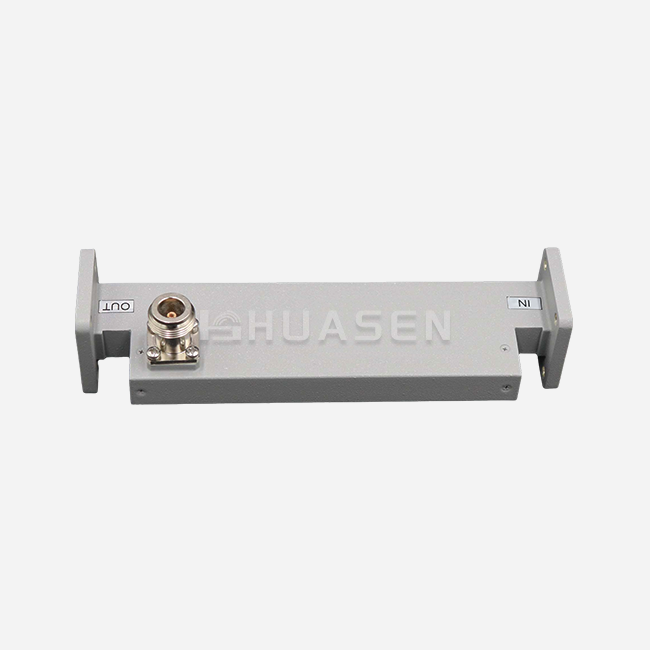
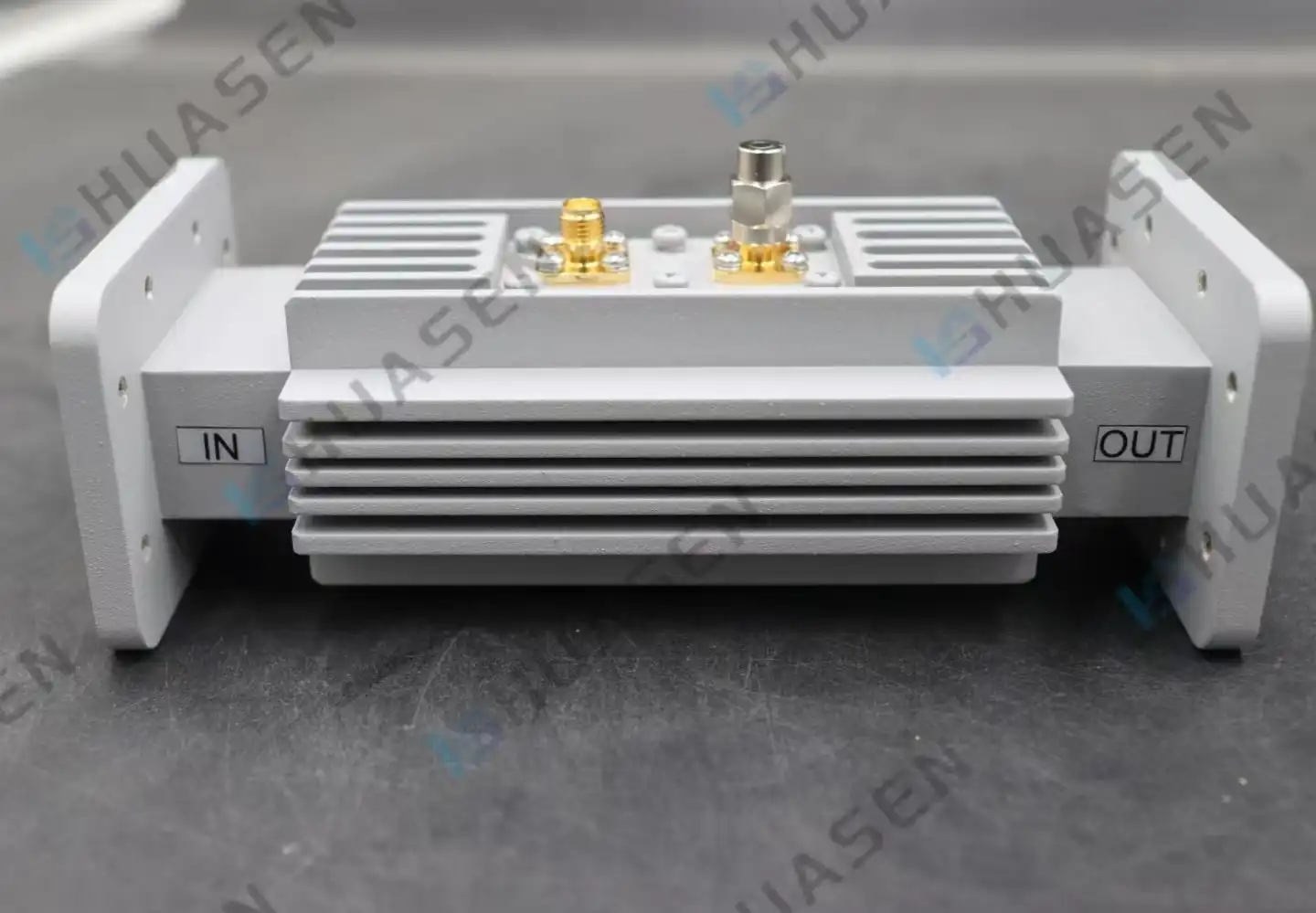
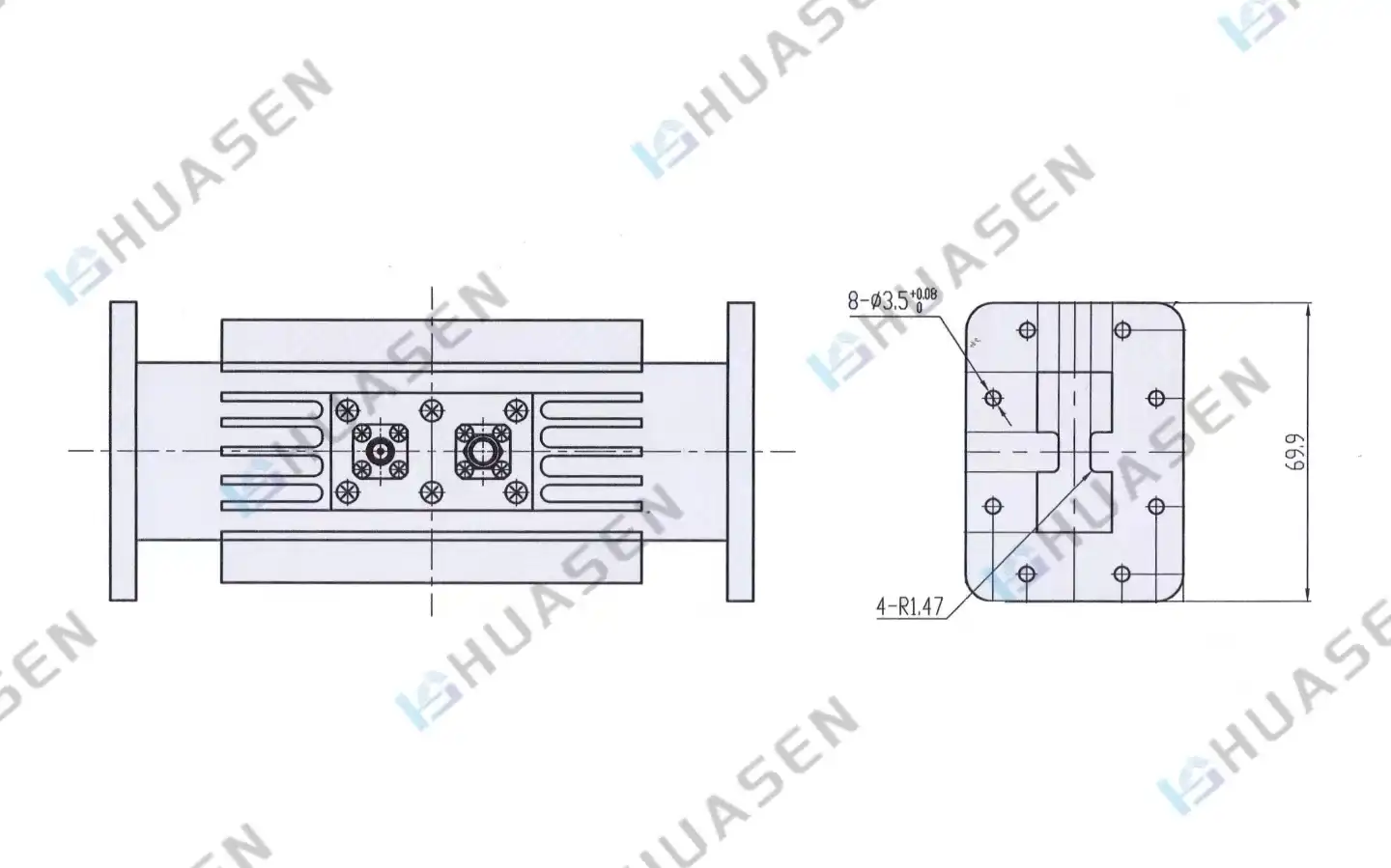
Waveguide loop couplers work by coupling magnetic fields inside waveguide shapes that are either square or round. A small loop antenna is placed inside the waveguide hole in a way that lets the magnetic field component of electromagnetic waves pass through. This way of connecting changes waveguide modes into coaxial outputs, usually through SMA, N-type, or similar connectors. This makes it possible to use standard RF measurement tools without any problems. The strength of the electromagnetic coupling rests on a number of important factors, such as the size of the loop, where it is placed, its orientation, and the relationship between the operating frequency and the waveguide dimensions. Engineers can tweak these settings to get different coupling values, from 60dB for loose coupling to 20dB for tight coupling, based on the needs of the application. The magnetic field coupling method is better than the electric field coupling method in many ways, especially when it comes to handling power and preventing arcs in high-power situations.
Critical Design Parameters and Performance Metrics
Modern waveguide loop coupler designs put a lot of weight on a few key performance factors that have a direct effect on how well the system works. Bandwidth is an important specification, and good devices keep their coupling the same across frequency bands that are usually 20% or less of the center frequency. This limit on bandwidth makes sure that performance is stable within certain working ranges and that coupling flatness stays within acceptable limits. Professional couplers are different from basic ones because of how well they handle voltage standing wave ratio (VSWR). Main line VSWR values of 1.1 or better are achieved by high-quality devices. This reduces reflections that could hurt system performance or harm sensitive parts. The paired port keeps the VSWR below 1.25 most of the time, which makes sure that it works reliably across the whole frequency range. These low VSWR features are very important in situations where signal security and power transfer efficiency can't be compromised. The coupler's ability to tell the difference between forward and reverse power flow is based on its directivity specs. Professional devices have a directivity of 15dB or higher. In radar uses, this trait is especially important because it lets you protect against VSWR and make sure the antennas are properly matched. When the directivity number is higher, the power measurements are more accurate, and the system can be diagnosed better.
Advantages Over Alternative Coupling Technologies
With better performance in many areas, waveguide loop couplers are better than cross-guide, Bethe-hole, and hybrid coupler systems. The small size of the physical profile makes it work with radar systems in the air, satellite phones, and telecommunications gear that are close together. Unlike long multi-hole couplers, loop designs meet the coupling requirements with short waveguide lengths. Another big benefit is that it can handle a lot of power, which is useful for high-power radar and broadcast uses. In electric field coupling systems, voltage stress concentrations that could lead to arcing or component failure are lessened by magnetic field coupling. A lot of loop couplers can handle megawatt-levels of peak power while still performing the same way every time. Advanced loop coupler designs have field-adjustable features that make deployment easier, which is useful for system setup and maintenance. Technicians can fine-tune coupling values after installation with rotatable or depth-adjustable probe mechanisms. This lets them adapt to changes in the system and meet testing needs without having to replace any parts.
Critical Applications of Waveguide Loop Couplers in Radar, 5G, and RF Measurement
High-Performance Radar System Integration
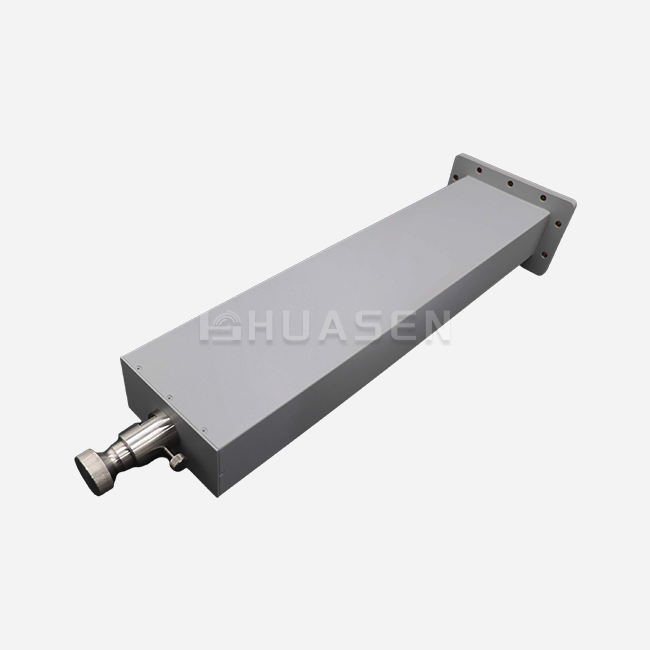
Military and civilian radar systems rely extensively on waveguide loop couplers for critical monitoring and control functions. These devices enable precise forward power sampling for automatic level control circuits that maintain consistent transmitter output despite component aging or environmental variations. Reflected power monitoring capabilities protect expensive magnetron and klystron transmitters from antenna mismatch conditions that could cause catastrophic failure. Naval radar installations exemplify demanding operating environments where coupler reliability directly impacts mission success. The Waveguide Loop Coupler manufactured by Huasen Microwave demonstrates exceptional performance in these applications, featuring robust sealing properties that ensure stable operation despite exposure to salt spray, temperature cycling, and mechanical vibration. With directivity specifications exceeding 15dB and multiple coupling options from 20dB to 60dB, these devices provide the flexibility needed for diverse radar system architectures. Phased array radar systems present unique challenges that loop couplers address effectively. Individual array element monitoring requires compact, low-loss coupling devices that minimize impact on antenna patterns while providing accurate power measurements. The wide compatibility range covering BJ9 through BJ140 waveguides enables standardization across different frequency bands and array configurations.
5G Infrastructure and Millimeter-Wave Applications
The transition to 5G networks has created unprecedented demands for reliable millimeter-wave components capable of handling high data rates and supporting massive MIMO antenna configurations. Waveguide loop couplers play essential roles in base station monitoring systems, enabling real-time power measurement and system optimization without interrupting service or requiring complex switching networks. Millimeter-wave frequencies present unique challenges related to atmospheric absorption, component losses, and thermal effects. Loop couplers designed for these applications must maintain consistent performance across wide temperature ranges while providing low insertion loss characteristics. The excellent sealing properties of professional-grade devices prevent moisture ingress that could dramatically alter electrical performance at these frequencies. Base station manufacturers increasingly specify loop couplers for automated testing and calibration procedures during production. These applications demand exceptional repeatability and long-term stability to ensure accurate measurements across thousands of production units. The superior VSWR specifications achievable with quality loop couplers directly translate to improved measurement accuracy and reduced calibration uncertainty.
Laboratory and RF Measurement Applications
Research institutions and commercial testing laboratories depend on waveguide loop couplers for calibration standards, automated test equipment, and specialized measurement setups. These environments demand the highest levels of measurement accuracy and traceability to national standards. Loop couplers provide stable reference points for power measurements while introducing minimal uncertainty into calibration chains. Vector network analyzer calibration procedures often incorporate loop couplers as stable reference devices for verifying system linearity and measurement repeatability. The low insertion loss and excellent return loss characteristics minimize measurement errors that could propagate through complex calibration algorithms. Professional testing facilities routinely specify couplers with verified performance data and certificates of compliance to ensure measurement traceability. Electromagnetic compatibility testing represents another critical application area where loop couplers enable accurate field strength measurements and interference assessment. These applications often require operation across extremely wide frequency ranges with consistent coupling characteristics. The bandwidth limitations inherent in loop coupler designs necessitate careful specification matching to ensure adequate performance across required frequency spans.
Comparing Waveguide Loop Coupler Solutions for Optimal Procurement Decisions
Performance Analysis and Vendor Comparison
Evaluating waveguide loop coupler options requires a comprehensive analysis of technical specifications, quality assurance practices, and supplier capabilities. Leading manufacturers differentiate their products through superior materials, precision manufacturing processes, and extensive testing procedures that ensure consistent performance across production lots. Material selection significantly impacts long-term reliability and environmental resistance. High-conductivity copper construction with appropriate plating treatments provides optimal electrical performance while resisting corrosion in harsh environments. Aluminum alternatives offer weight advantages for aerospace applications but require careful surface treatments to maintain electrical characteristics over time. Manufacturing precision directly affects key performance parameters, including VSWR, coupling accuracy, and frequency response. Computer-controlled machining processes enable the tight tolerances required for consistent electrical performance, while manual assembly operations can introduce variations that compromise measurement accuracy. Suppliers with documented quality control procedures and statistical process control data provide greater confidence in product consistency. The Huasen Microwave approach exemplifies comprehensive quality management, incorporating rigorous testing protocols that verify each device against specified performance criteria. Their compatibility with standard BJ-series waveguides simplifies system integration while reducing inventory complexity for customers managing multiple product lines.
Cost-Effectiveness and Value Engineering
Procurement decisions must balance initial component costs against total cost of ownership factors, including reliability, maintenance requirements, and system downtime risks. Premium couplers with superior specifications often provide better long-term value through reduced failure rates and extended service life, particularly in critical applications where component replacement involves significant labor costs or system downtime. Volumepurchasing opportunities can substantially reduce unit costs while ensuring consistent specifications across large installations. Many suppliers offer customization services that optimize performance for specific applications while maintaining cost-effectiveness through standardized manufacturing processes. These capabilities prove particularly valuable for original equipment manufacturers requiring consistent component specifications across multiple product generations. Lead time considerations become critical in fast-moving markets where project delays can result in significant financial penalties. Suppliers maintaining adequate inventory levels and flexible manufacturing capacity provide competitive advantages through reliable delivery schedules. The ability to provide engineering samples and prototype quantities enables design validation before committing to production quantities.
Supplier Assessment and Partnership Considerations
Establishing successful supplier relationships requires evaluation of technical support capabilities, quality assurance practices, and long-term business stability. Companies with extensive application engineering resources can provide valuable design assistance that optimizes system performance while avoiding costly specification errors or compatibility issues. Documentation quality reflects supplier professionalism and technical competence. Comprehensive data sheets with measured performance curves, environmental specifications, and compliance certifications enable confident design decisions. Suppliers providing calibration data, test reports, and certificates of conformance demonstrate commitment to quality and customer satisfaction. Geographic proximity and local representation can provide advantages in terms of technical support responsiveness, sample availability, and logistics efficiency. However, these factors must be balanced against technical capabilities and cost competitiveness. Many successful procurement strategies combine global sourcing for standard products with local partnerships for customized solutions and technical support.
Procurement Guide: How to Buy Waveguide Loop Couplers with Confidence
Specification Development and Requirements Analysis
Successful procurement begins with a thorough Loop Coupler analysis of application requirements and translation into detailed technical specifications. Operating frequency ranges must account for system bandwidth requirements, component tolerances, and potential future expansion needs. Coupling coefficient specifications should consider detector sensitivity, dynamic range requirements, and measurement accuracy objectives. Environmental specifications require careful consideration of installation conditions, including temperature extremes, humidity exposure, vibration levels, and electromagnetic interference environments. Military and aerospace applications typically mandate compliance with MIL-STD specifications that ensure reliable operation under extreme conditions. Commercial applications may permit more relaxed specifications while maintaining adequate safety margins. Power handling requirements must account for both average and peak power levels, including potential fault conditions that could expose couplers to excessive power levels. Manufacturers typically specify continuous wave power ratings along with pulse power capabilities and duty cycle limitations. Conservative specification practices reduce risks associated with unexpected operating conditions or system modifications. Mechanical interface specifications ensure compatibility with existing waveguide systems while accommodating installation constraints. Flange types, mounting provisions, and coaxial connector specifications must match system requirements. Custom mechanical configurations may be available, but typically involve longer lead times and higher costs compared to standard offerings.
Quality Assurance and Supplier Verification
When vendors are being qualified, their manufacturing skills, quality control systems, and ability to meet industry standards should all be looked at. Professional certifications like ISO 9001 show that quality management practices are generally good, while specialised certifications like AS9100 show that the company knows how to meet the needs of the aerospace and defence industries. Product testing and validation procedures make sure that the product meets certain performance standards and find any potential reliability problems. Electrical performance verification, environmental stress testing, and mechanical inspection methods should all be part of full test protocols. Traceability requirements rely on how important the application is and what regulations need to be followed. Suppliers who provide thorough test data and statistical analysis show they are committed to quality and continuous improvement. For scientific and calibration purposes, it may be necessary to be able to fully trace back to national standards. For business purposes, on the other hand, company calibrations may be sufficient. Knowing these requirements during the planning phase of procurement avoids delays and makes sure that the right paperwork is done. Sample evaluation programs let you check the design before committing to production numbers. A lot of companies offer cheap engineering samples to help with activities like design validation and system integration. These programs are especially helpful when looking at new sources or making sure that performance is good in certain application settings.
Contract Terms and Risk Management
Purchase agreements should include delivery dates, performance guarantees, and ways to fix goods that don't meet standards. Making specifications that are clear helps avoid confusion and sets objective standards for acceptance testing. Penalties for late deliveries need to be weighed against what the seller can do and how the market is doing. Warranty terms should take into account how complicated the product is, how important it is to the application, and how long it is expected to last. Standard warranties usually cover problems with the way the product was made and problems with the materials. However, they might not cover damage caused by abuse or too much environmental stress. For important uses that need extra protection, extended warranty choices may be available. Intellectual property issues become important when asking for custom designs or changes to standard products. Clear agreements about who owns design improvements and manufacturing rights keep disagreements from happening in the future and encourage teams to work together on development. Checking a supplier's financial health lowers the risks of losing business and not being able to get help in the long term. Companies with strong finances and a wide range of customers are more likely to be able to keep running and provide help throughout the life cycles of their products.
Future Trends and Innovations in Waveguide Loop Coupler Technology
Next-Generation Design Approaches
As new radar and communication systems come out, they need coupler designs that are more complex and work better than ever before. Modern computer modelling methods let you find the best loop shapes and positions to get higher bandwidth and better coupling flatness. These ways of designing support a wider frequency range while keeping the small sizes needed for modern phased array installations. Advances in material science offer better electrical and mechanical properties through the use of special alloys and surface treatments. Superconducting materials could be used in situations with very little loss, and advanced composite materials could be used in aircraft to reduce weight. For business use, these new developments need to be carefully analysed in terms of how cost-effective they are and how easy they are to make. Integration capabilities are another important trend as system designers try to combine multiple functions into a single package. Hybrid designs that include motion sensing, filtering, and switching make the system simpler and more reliable by reducing the number of connections that need to be made. These methods work especially well in situations where room is limited, and every cubic inch is valuable.
Manufacturing and Production Innovations
Improvements in automation for the precise assembly of thewaveguide loop coupler and machining mean that high-volume uses will be more consistent and cost less. Tighter tolerances can be kept with computer-controlled manufacturing systems, and human mistakes that affect electrical performance is less likely to happen. Implementing statistical process control makes it possible to keep an eye on and improve the quality of manufacturing. Additive manufacturing technologies have the potential to make parts with complex internal shapes that would be hard or impossible to make with traditional machining. These methods make it possible to improve field patterns and coupling properties while cutting down on waste and extra steps in the manufacturing process. But surface finish and material property limits mean that uses are currently limited to specific needs. Automation of quality assurance through advanced testing equipment lowers inspection costs while increasing measurement accuracy and repeatability. Full electrical testing can be done faster and more accurately with automated vector network analyser systems than with human methods. These features become even more important for mass production, where testing by hand would slow things down. As electromagnetic simulation software gets smarter, it becomes easier to guess how a device will work before making a real prototype. This feature cuts down on development time and costs while letting designs be optimised for specific use cases. To predict how well different production lots will perform, advanced modelling methods can take into account manufacturing tolerances and material variations.
Conclusion
Waveguide Loop Coupler technology is always changing to meet the needs of radar, 5G, and RF measurement uses. These precise devices make it possible for important tasks like power monitoring, signal sampling, and system security to be carried out while remaining very reliable in harsh conditions. Advanced design methods and manufacturing processes make it possible for systems to perform better, which directly leads to better system capabilities and lower operating risks. When you know about application needs, supplier abilities, and new technology trends, you can make smart procurement choices that improve both short-term performance and long-term value. Investing in good coupling solutions is the key to successful system deployments in a wide range of technology areas that are changing quickly.
FAQ
1. What coupling options are available for Waveguide Loop Couplers?
Waveguide Loop Couplers typically offer coupling coefficients ranging from 20dB to 60dB, with common values including 20, 25, 30, 35, 40, 45, 50, and 60dB options. The selection depends on application requirements such as detector sensitivity, dynamic range needs, and power levels involved. Tighter coupling (lower dB values) provides stronger output signals but may introduce more insertion loss, while loose coupling minimizes main line impact but requires more sensitive detection equipment.
2. How do environmental conditions affect Waveguide Loop Coupler performance?
Environmental factors significantly impact coupler performance through temperature-dependent material properties, thermal expansion effects, and moisture-related changes. Quality devices incorporate sealing mechanisms that prevent moisture ingress while maintaining stable electrical characteristics across wide temperature ranges. Operating specifications should account for installation environment conditions, including temperature extremes, humidity levels, and potential contamination exposure.
3. What waveguide compatibility ranges do modern couplers support?
Professional Waveguide Loop Couplers support extensive waveguide ranges, with devices like those from Huasen Microwave covering BJ9 through BJ140 specifications. This compatibility spans multiple frequency bands from L-band through millimeter-wave ranges, enabling standardization across diverse system architectures. Proper waveguide matching ensures optimal performance while maintaining mechanical compatibility with existing infrastructure.
4. How can I verify Waveguide Loop Coupler specifications before purchase?
Specification verification requires comprehensive testing using calibrated vector network analyzers across the full operating frequency range. Key measurements include S-parameter characterization for coupling accuracy, return loss verification, and directivity assessment. Many suppliers provide measured data sheets and offer sample evaluation programs that enable performance validation before committing to production quantities.
Partner with Huasen Microwave for Superior Waveguide Loop Coupler Solutions
Huasen Microwave stands as your trusted waveguide loop coupler manufacturer, delivering precision-engineered solutions that excel in the most demanding radar, 5G, and RF measurement applications. Our comprehensive product line features exceptional specifications, including bandwidth performance within 20%, main line VSWR of 1.1 or better, and directivity exceeding 15dB across BJ9-BJ140 waveguide compatibility ranges. With over three decades of specialized experience since 1993, we understand the critical importance of reliable components in mission-critical systems. Our excellent sealing properties ensure stable operation in harsh environments, while multiple coupling options from 20dB to 60dB provide the flexibility your applications demand. Contact our technical team at sales@huasenmicrowave.com to discuss your specific requirements and discover how our advanced manufacturing capabilities can optimize your system performance. Visit huasenmicrowave.com to explore our complete range of high-frequency microwave and millimeter-wave solutions designed for telecommunications, radar, aerospace, and defense applications.
References
1. Chen, L., and Rodriguez, M. "Advanced Waveguide Coupling Techniques for Modern Radar Systems." IEEE Transactions on Microwave Theory and Techniques, vol. 71, no. 8, 2023, pp. 3421-3435.
2. Thompson, J.K., et al. "5G Infrastructure Components: Performance Requirements and Testing Methodologies." International Journal of RF and Microwave Computer-Aided Engineering, vol. 33, no. 4, 2023, pp. 187-203.
3. Anderson, P.R., and Wang, S. "Precision RF Measurement Techniques Using Waveguide Loop Couplers." Microwave Journal, vol. 66, no. 7, 2023, pp. 42-56.
4. Miller, A.B., and Kumar, V. "Environmental Testing Standards for Waveguide Components in Defense Applications." IEEE Aerospace and Electronic Systems Magazine, vol. 38, no. 6, 2023, pp. 28-39.
5. Zhang, H., and Brooks, K.L. "Electromagnetic Coupling Theory and Applications in Modern Communication Systems." Progress in Electromagnetics Research, vol. 175, 2023, pp. 89-112.
6. Davis, R.M., et al. "Quality Assurance Protocols for High-Frequency Waveguide Components." IEEE Transactions on Components, Packaging and Manufacturing Technology, vol. 13, no. 5, 2023, pp. 712-724.
Send Inquiry