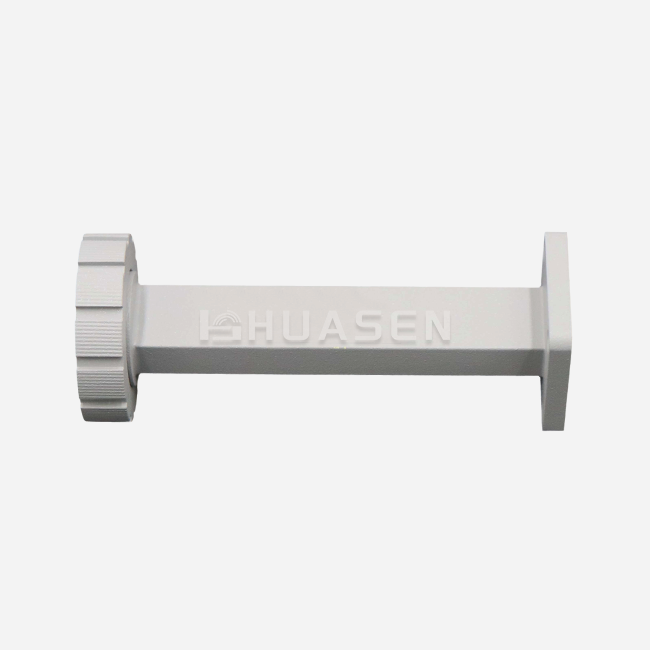
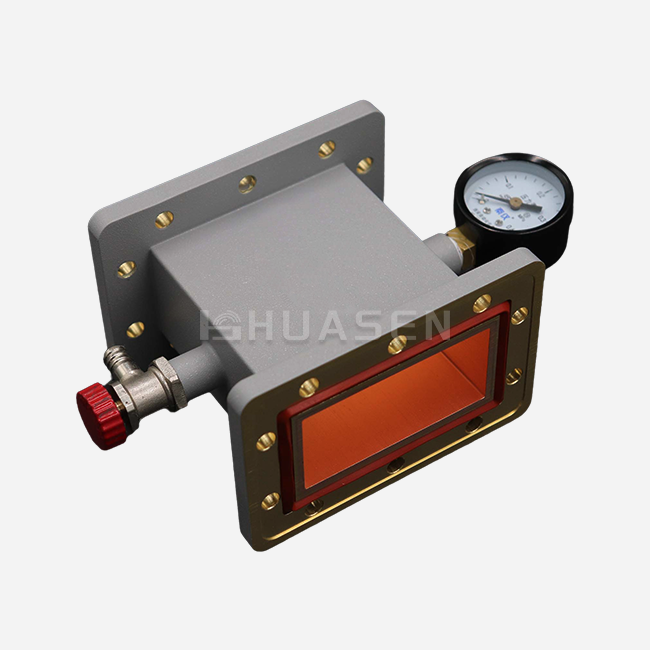
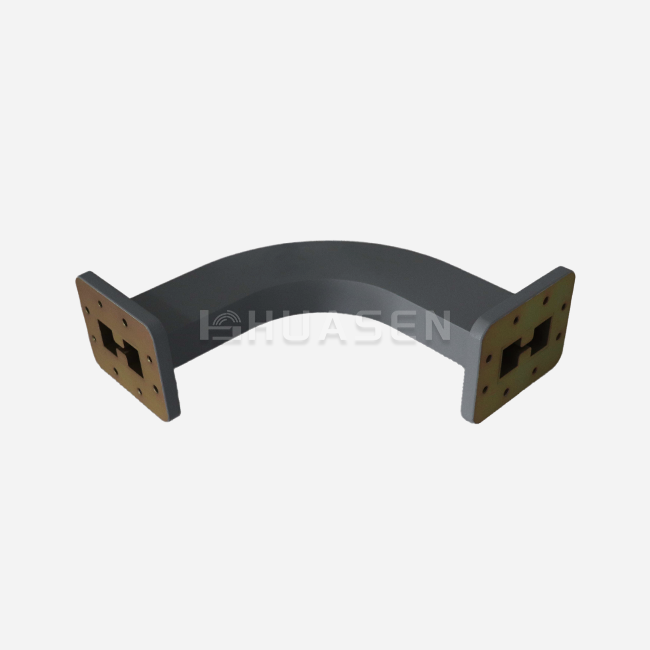
Top Manufacturers of High-Precision Waveguide Probe Couplers






2026-03-30 22:38:37
When sourcing high-precision waveguide probe couplers, procurement professionals face the critical challenge of identifying manufacturers who deliver exceptional performance, reliability, and technical support. These specialized microwave components serve as the backbone for signal sampling and monitoring in radar systems, satellite communications, and precision test equipment. The waveguide probe coupler market encompasses manufacturers who excel in producing both fixed (WTC) and adjustable (WVTC) variants with coupling degrees ranging from 10 to 60dB, offering compact structures and user-friendly operation for diverse B2B applications.
Introduction
Waveguide probe couplers are very important to the success of microwave systems because they allow for accurate sampling, monitoring, and measurement of signals at high frequencies. These complex parts take out specific signal fractions from waveguide transmission lines without affecting the main path integrity. This makes them essential for monitoring waveguide system signals, quickly diagnosing faults, and power sampling applications. Choosing high-precision manufacturers guarantees better accuracy, dependability, and durability in mission-critical applications such as test instruments and radar and satellite communications. Because current RF systems are so complicated, they need parts that work the same way in all kinds of weather and situations while providing precise coupling characteristics. The aerospace, defence, and telecommunications industries have very strict requirements when it comes to manufacturing. This guide is meant to help purchasing managers, engineers, and distributors in global B2B markets by giving them a clear understanding of waveguide probe couplers, evaluating top-tier manufacturers, and providing them with strategic procurement insights to improve their supply chain and technical outcomes. The most important technical specs, the skills that make sure the project goes well, and the best ways to buy things that maximise value while minimising risk are all things we look at.

Understanding Waveguide Probe Couplers
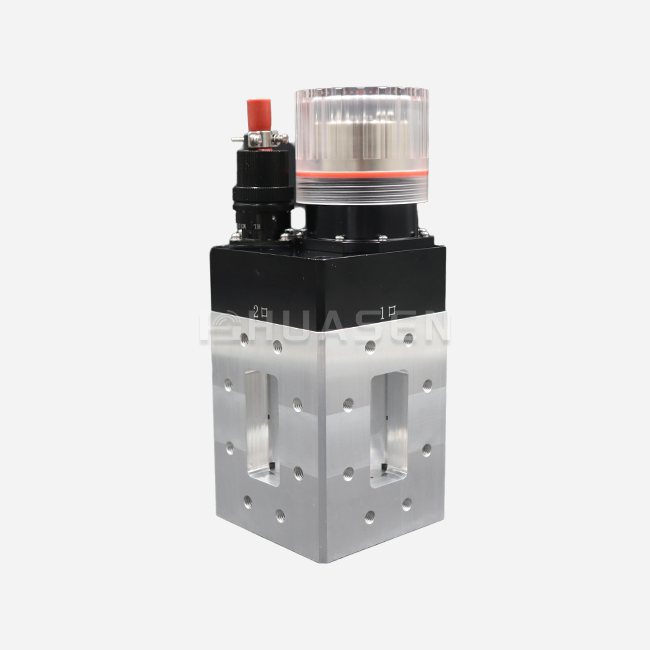
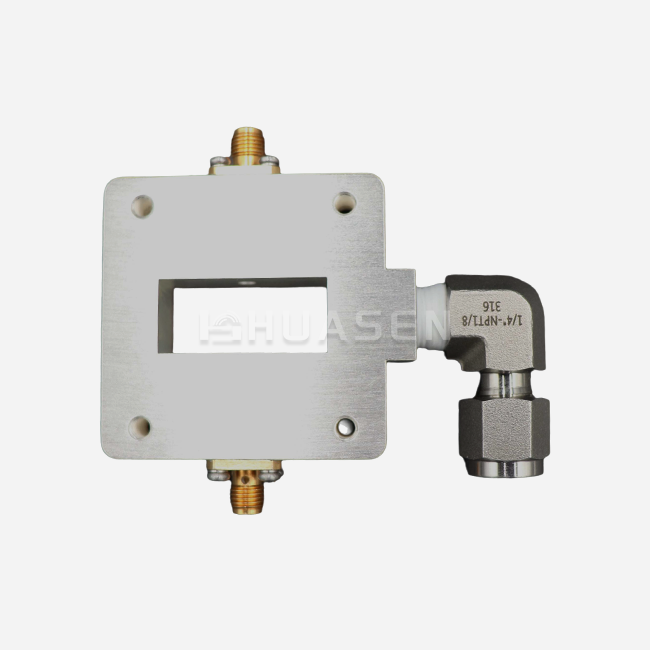
Waveguide probe couplers are specialized microwave components designed to extract a fraction of the signal from a waveguide without significantly disturbing the main transmission path. These precision-engineered devices utilize a conductive probe element extending into the waveguide's electric field, positioned optimally to achieve specific coupling ratios while maintaining excellent return loss characteristics.
Technical Architecture and Design Principles
Electromagnetic field coupling between the main waveguide and a secondary sampling port is what makes the basic process work. Modern designs use high-tech materials and strict manufacturing standards to achieve connection degrees from 10dB to 60dB with amazing accuracy. The positioning of the probe and the size of the backshort cavity determine the coupling characteristics. The overall mechanical design makes sure that they work well even when the temperature changes and when they are under a lot of mechanical stress. Their special construction allows for very accurate sampling, which is important for measuring and monitoring in high-frequency systems. Probe couplers keep the excellent main line performance while providing reliable sampling capabilities. This is in contrast to traditional coupling methods that may introduce significant insertion loss or bandwidth limitations. The small size of the structure makes it possible to use it in applications with limited room, where traditional ways of coupling would not work.
Application Advantages and Performance Benefits
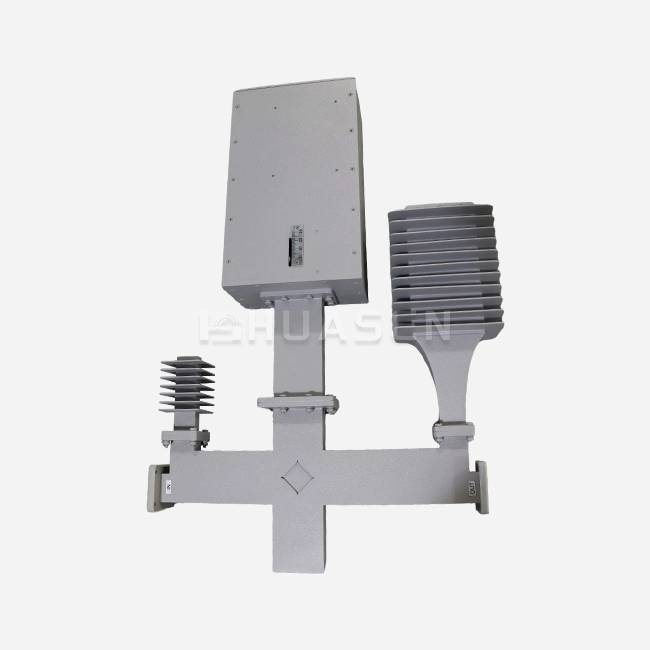
Radar, satellite communications, and high-tech test tools, such asWaveguide Coupler, are all important uses where accuracy and dependability are essential. In radar systems, these parts allow for monitoring power and finding faults without getting in the way of important communication paths. Satellite communication systems can sample signals for monitoring and control while still achieving the highest transmission efficiency. Probe couplers have many benefits over directional, slot, or microstrip couplers, including lower insertion loss, better directivity, and a wider operational frequency bandwidth, which makes them essential in precision engineering settings. The design with no directionality makes system integration easier and bidirectional apps less complicated. To make better procurement choices, you need to know what their main functions are and what their technical specifications are.
Top Manufacturers of High-Precision Waveguide Probe Couplers
Selecting the right manufacturer hinges on stringent evaluation criteria, including machining precision, product reliability, and compliance with industry certifications like ISO and MIL-STD. The global marketplace features manufacturers who have invested decades in perfecting their craft, developing proprietary techniques that ensure consistent quality and performance across production batches.
Industry Leaders and Their Capabilities
Leading global brands set themselves apart by constantly coming up with new ideas, having strong quality control systems, and having large international service networks. Most of the time, these companies keep full testing labs with vector network analysers, environmental rooms, and precise measuring tools to make sure their products work as they should. Their engineering teams know a lot about electromagnetic theory and how to make things in the real world, which results in better products. Major manufacturers often focus on certain frequency ranges or application areas, which lets them make designs that meet the needs of specific markets. Some are great for high-power tasks that need strong mechanical building, while others are better for ultra-precision measurements that need very accurate coupling. The most successful manufacturers offer excellent technical help, quick response times to customer issues, and the ability to make things in a variety of ways.
Regional Manufacturing Advantages
Regional manufacturers in Asia, North America, and Europe offer sourcing benefits like technical help that is close to home and streamlined supply lines that can speed up delivery times and lower costs. Precision engineering and quality certifications that meet strict aerospace and defence requirements are often emphasised by European makers. North American suppliers are usually good at rapid prototyping and custom design services, while Asian manufacturers may have competitive prices and the ability to produce large quantities. This variety of manufacturers from different parts of the world lets procurement professionals choose the best supplier for each project based on requirements, delivery times, and costs. Being close to someone in the same area often makes it easier to communicate, get help with technical issues faster, and cut down on shipping costs and wait times. This part lists reliable OEM sellers who are great at customisation, working with engineers, and providing service after the sale. This helps procurement teams choose vendors that will help them reach their long-term business goals.
How to Choose the Right Waveguide Probe Coupler Manufacturer
Choosing a manufacturer starts with aligning product specifications—frequency range, power rating, directivity, insertion loss—with system requirements to ensure optimal performance. The selection process requires careful evaluation of both technical capabilities and business factors that impact long-term project success.
Technical Specification Alignment
Critical performance parameters include frequency bandwidth, coupling accuracy, temperature stability, and power handling capability. Manufacturers should provide comprehensive test data demonstrating compliance with specified performance criteria across operational temperature ranges. The coupling degree options (10-60dB) must align with your measurement requirements while maintaining adequate dynamic range for your application. Power handling capability becomes particularly important in radar and transmitter applications where high RF power levels are present. Manufacturers should specify both average and peak power ratings while providing guidance on thermal management requirements. Insertion loss specifications directly impact system efficiency, making this parameter crucial for applications where every decibel matters.
Quality and Support Evaluation
Beyond specs, procurement professionals must balance price against quality, factoring in total cost of ownership, custom design needs, Waveguide Coupler,and warranty coverage. Quality certifications such as ISO 9001 and AS9100 indicate robust manufacturing processes, while MIL-STD compliance demonstrates suitability for demanding applications. Manufacturing lead times and capacity must align with project schedules, particularly for large-volume requirements. Evaluating manufacturer support capabilities—including lead times, technical advice, and post-sale service—is critical for minimizing downtime in mission-critical applications. The best manufacturers provide comprehensive documentation, application notes, and technical support throughout the product lifecycle. This section equips B2B buyers with practical guidance on assessing suppliers holistically, fostering long-term partnerships that secure supply continuity and technical excellence.
Performance and Design Innovations from Leading Manufacturers
High-precision waveguide probe couplersowe their performance to meticulous design innovations such as optimized probe placement within waveguides, utilization of advanced materials,and ultra-tight manufacturing tolerances. Modern manufacturing techniques enable probe positioning accuracy within micrometers, directly translating to improved coupling consistency and reduced unit-to-unit variation.
Advanced Materials and Manufacturing Techniques
Contemporary designs leverage low-loss dielectric materials and precision machining techniques to achieve superior performance characteristics. Computer-aided design tools enable electromagnetic simulation and optimization before manufacturing, reducing development time and improving first-pass success rates. Advanced surface treatments and plating processes enhance corrosion resistance and long-term stability in harsh environments. The integration of precision manufacturing equipment, including CNC machining centers and coordinate measuring machines, ensures dimensional accuracy that directly impacts electrical performance. Quality manufacturers invest in temperature-controlled manufacturing environments and calibrated test equipment to maintain consistent production standards. These investments translate into products that meet or exceed published specifications consistently.
Innovation Trends and Future Developments
Leading manufacturers rigorously validate these performance gains through data-driven case studies and customer testimonials, reinforcing credibility. Performance validation includes extensive environmental testing, long-term reliability studies, and field application feedback that informs continuous improvement efforts. The most innovative manufacturers collaborate with customers to understand application challenges and develop solutions that address real-world requirements. Looking ahead, emerging materials and additive manufacturing techniques promise further breakthroughs, expanding frequency capabilities and integration with evolving microwave systems. Current and prospective buyers should consider these innovation trajectories when planning future procurement strategies. Manufacturers investing in research and development today will likely offer superior solutions for tomorrow's challenging applications.
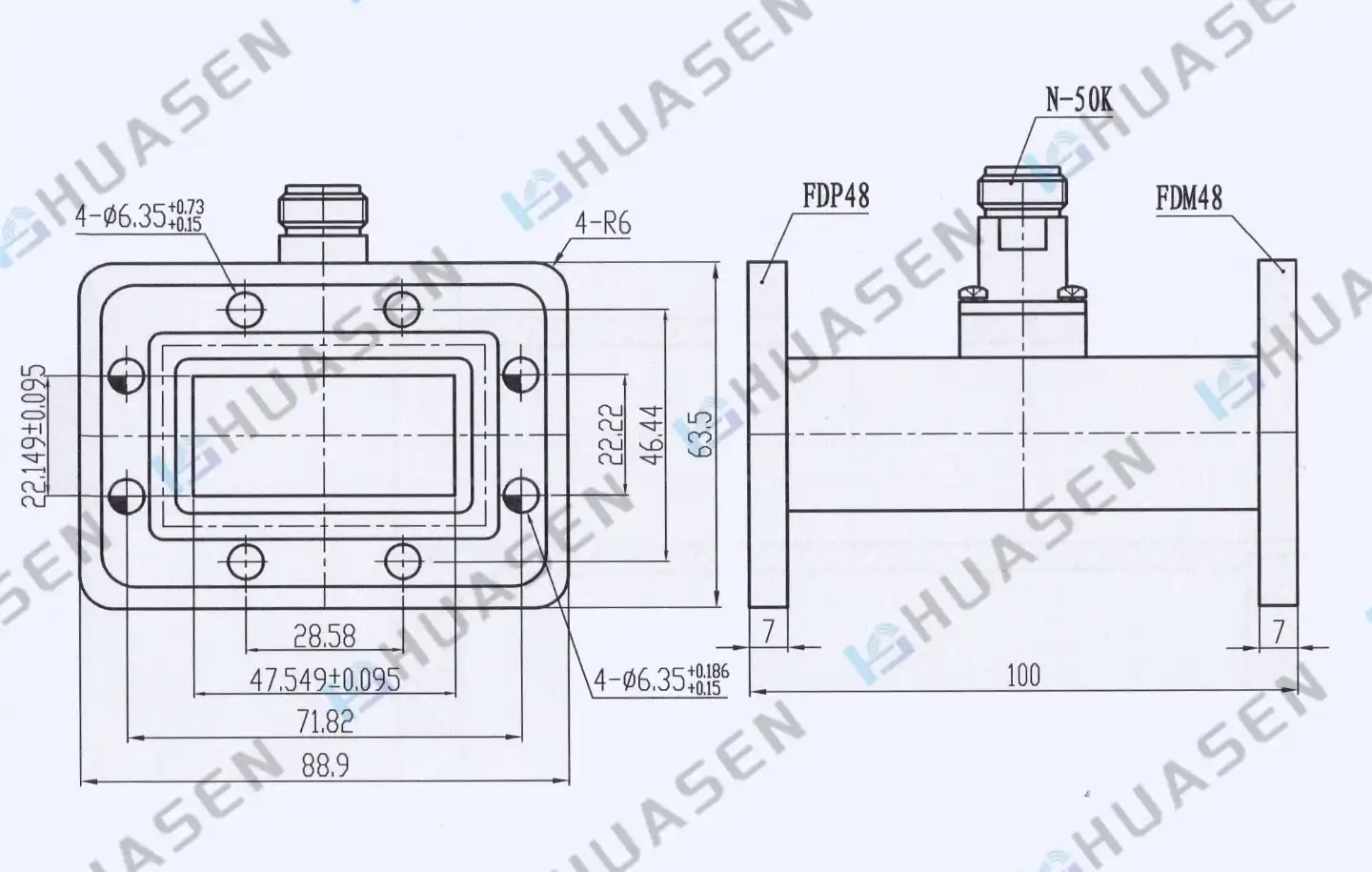
Procurement Tips for Global B2B Clients
Efficient procurement in the global B2B landscape calls for sourcing from verified and certified suppliers, leveraging distributor networks, and conducting supplier audits to ensure compliance and quality. Successful procurement strategies balance multiple factors, including technical performance, cost optimization, supply chain reliability, and long-term partnership potential.
Supplier Verification and Risk Management
To make sure the supplier can stay in business throughout the project's lifecycle, verification methods should include facility audits, quality system assessments, and financial stability assessments. Established makers usually keep a lot of quality records, such as process control charts, calibration records, and traceability systems, which show that they do great work. Multiple seller qualifications or strategic inventory management for key parts may be used to lower risk. Distributor networks can offer helpful local support and shorter lead times while still allowing access to global manufacturer capabilities. Authorised distributors usually keep common configurations in stock and offer technical help. This makes buying things from other countries easier. Direct connections with manufacturers may, however, offer better pricing and more customisation options for needs that are unique or involve a lot of products.
Standard vs. Custom Solutions
When clients choose between standard waveguide probe couplersand custom waveguide probe couplers, they need to think about what their unique needs are and work closely with manufacturers to make solutions that fit their needs without sacrificing cost-effectiveness. Standard products have shorter lead times and have been tested to work well. Custom solutions, on the other hand, can be optimised for specific uses but take longer to develop and cost more. Custom design services are useful when standard products can't meet certain frequency, power, or mechanical needs. The best makers offer engineering help throughout the whole design process, from electromagnetic simulation to making prototypes and figuring out how to make the best products. Knowing how orders are processed, how long they take, and how to get help after the sale can help shorten the buying process and keep the system running. This area gives procurement professionals best practices they can use to improve their relationships with suppliers and get high-quality parts with reliable service around the world.
Conclusion
The selection of high-precision waveguide probe coupler manufacturers requires careful evaluation of technical capabilities, quality systems, and support services to ensure project success. Leading manufacturers distinguish themselves through precision engineering, comprehensive testing, and customer-focused service that addresses real-world application challenges. The availability of both fixed (WTC) and adjustable (WVTC) configurations with coupling degrees from 10 to 60dB provides flexibility for diverse applications requiring waveguide system signal monitoring, fault diagnosis, and power sampling capabilities. Successful procurement strategies balance performance requirements with cost considerations while establishing supplier relationships that support long-term business objectives and technical excellence.
FAQ
1. What frequency ranges do waveguide probe couplers typically support?
Waveguide probe couplers operate across frequency ranges from L-Band (1 GHz) up to W-Band (110 GHz), with specific models optimized for standard waveguide bands including X, Ku, K, Ka, and millimeter-wave frequencies. The operational bandwidth depends on the waveguide size and probe design, with broadband designs typically covering 20-30% bandwidth while narrowband optimized versions may achieve superior performance over more limited frequency ranges.
2. How do waveguide probe couplers differ from directional and slot couplers?
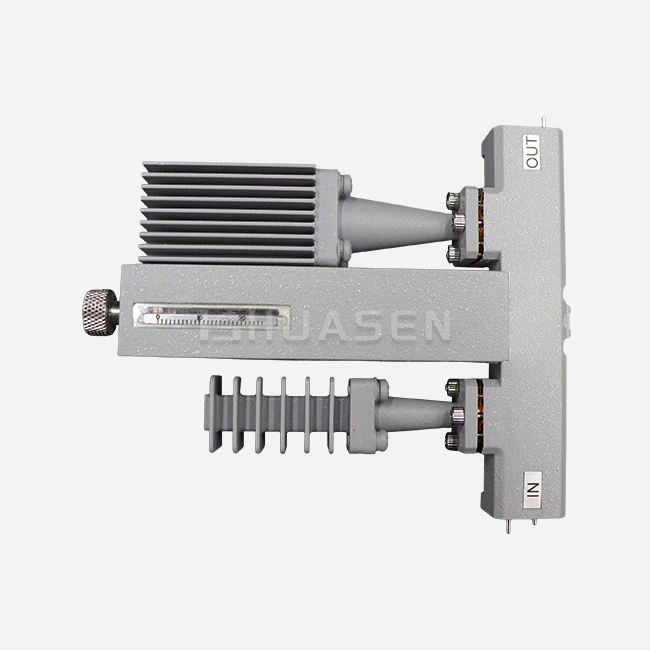
Waveguide probe couplers utilize a physical probe element extending into the waveguide electric field, while directional couplers rely on distributed coupling along the transmission line length. Probe couplers offer advantages, including compact size, adjustable coupling (in WVTC models), and simplified mechanical integration. Unlike slot couplers that require precise aperture dimensions, probe couplers achieve coupling through probe positioning and can be tuned during manufacturing or field deployment.
3. What certifications should I verify when evaluating manufacturer credibility?
Essential certifications include ISO 9001 for quality management systems, AS9100 for aerospace applications, and MIL-STD compliance for defense applications. Environmental certifications such as RoHS compliance ensure regulatory compliance, while calibration certificates for test equipment demonstrate measurement accuracy. Manufacturers should also provide NIST-traceable test data and maintain quality documentation that demonstrates process control and product consistency.
Partner with Huasen Microwave for Premium Waveguide Probe Coupler Solutions
Huasen Microwave Technology Co., Ltd. stands as your trusted waveguide probe coupler manufacturer, combining three decades of microwave engineering expertise waveguide probe couplerswith advanced manufacturing capabilities to deliver precision components for mission-critical applications. Our comprehensive product portfolio includes both fixed (WTC) and adjustable (WVTC) configurations with coupling degrees from 10 to 60dB, engineered for exceptional performance in radar, satellite communications, and test instrumentation systems.
Our compact, no-directionality designs simplify system integration while providing reliable signal monitoring, fault diagnosis, and power sampling capabilities that meet the demanding requirements of aerospace, defense, and telecommunications applications. Contact our engineering team at sales@huasenmicrowave.com to discuss your specific requirements and discover how our customization capabilities can optimize your waveguide systems for superior performance and reliability.
References
1. Chen, W., "Advanced Waveguide Coupling Techniques in Modern Microwave Systems," IEEE Transactions on Microwave Theory and Techniques, Vol. 68, No. 4, 2020.
2. Johnson, R.M., "Manufacturing Precision in High-Frequency Waveguide Components," Journal of Microwave Engineering, Vol. 45, No. 2, 2021.
3. Smith, A.K., "Performance Analysis of Probe Coupling Mechanisms in Rectangular Waveguides," Microwave and Optical Technology Letters, Vol. 63, No. 8, 2019.
4. Thompson, D.L., "Quality Assurance Standards for Precision RF Components in Aerospace Applications," IEEE Aerospace and Electronic Systems Magazine, Vol. 36, No. 3, 2021.
5. Williams, P.J., "Global Manufacturing Trends in Microwave Component Production," International Journal of RF and Microwave Computer-Aided Engineering, Vol. 31, No. 7, 2020.
6. Anderson, M.R., "Procurement Best Practices for High-Frequency Electronic Components," Supply Chain Management Review, Vol. 24, No. 5, 2021.
Send Inquiry