What Is a Waveguide Probe Coupler and How Does It Work in Radar?






2026-03-30 22:38:36
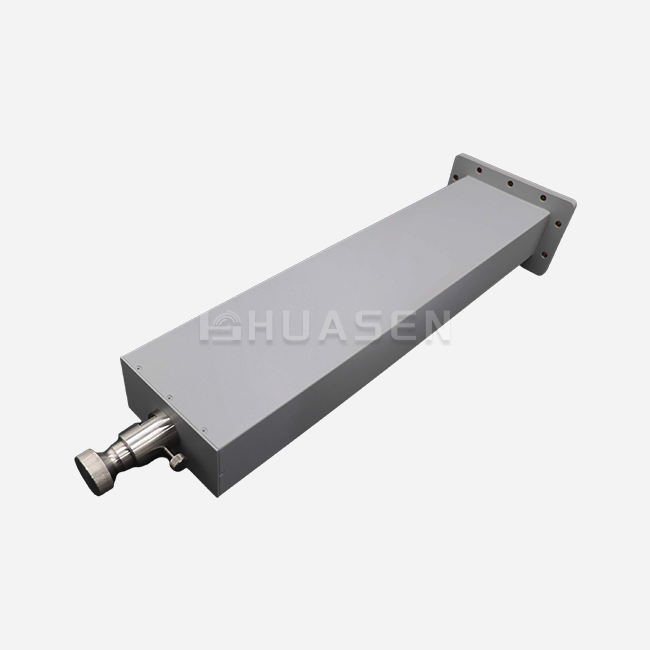
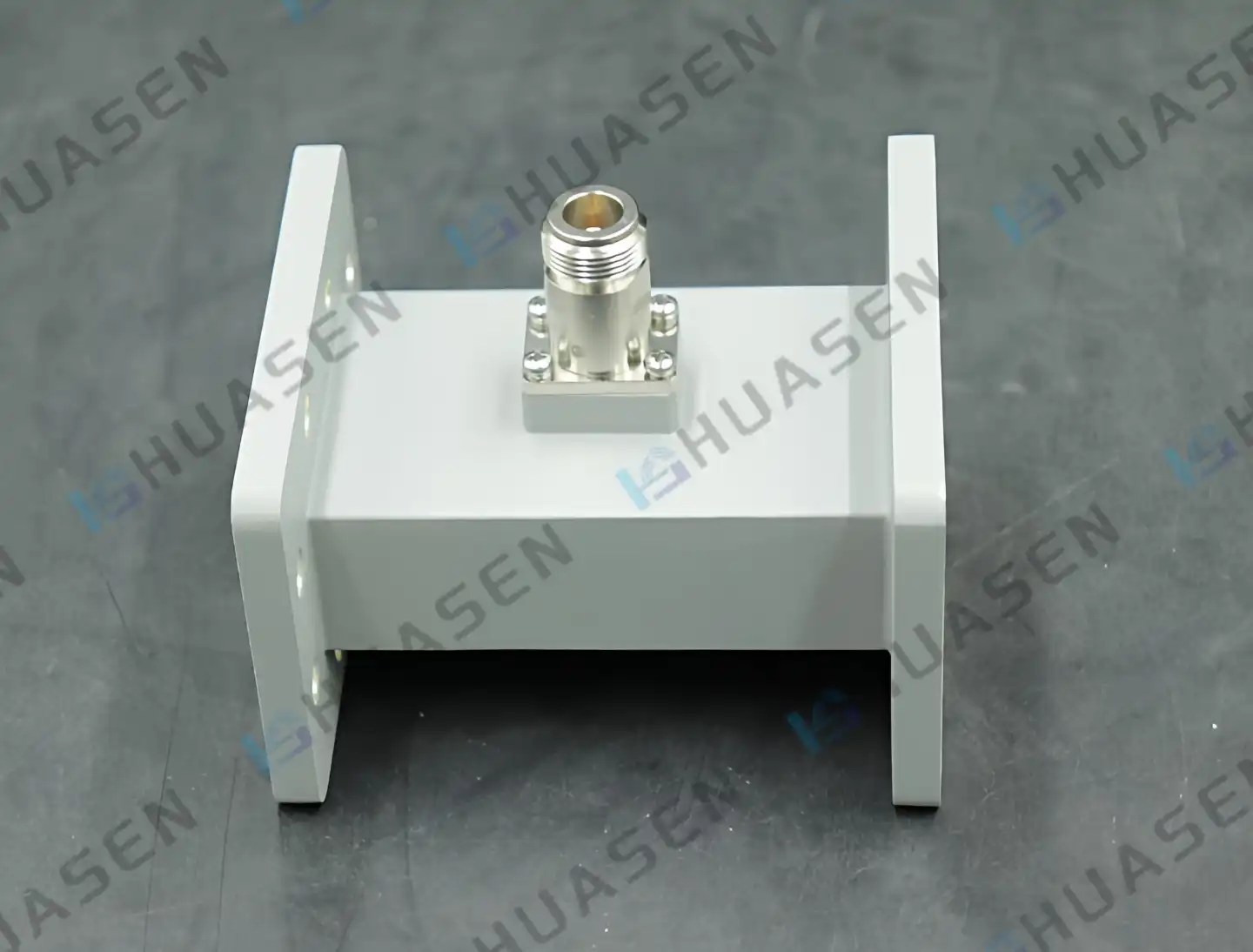
A Waveguide Probe Coupler is a special kind of electromagnetic transition device that lets microwave signals in waveguide systems be precisely sampled and watched. This important part uses a conductive probe element placed in the waveguide structure to take out a part of the electromagnetic field without getting in the way of the main signal line. These couplers are necessary for signal analysis, power measurement, and system diagnostics in radar applications. They are also needed to keep the radar's performance and reliability at their best in harsh operational settings.
Understanding Waveguide Probe Couplers: Definition and Working Principles
The fundamental operation of a waveguide probe coupler relies on electromagnetic field coupling principles that have been refined over decades of microwave engineering development. These devices function by inserting a carefully designed probe into the waveguide's electromagnetic field, typically positioned at an optimal distance from a short-circuit back wall to maximize energy transfer efficiency.
Core Structural Components and Design Elements
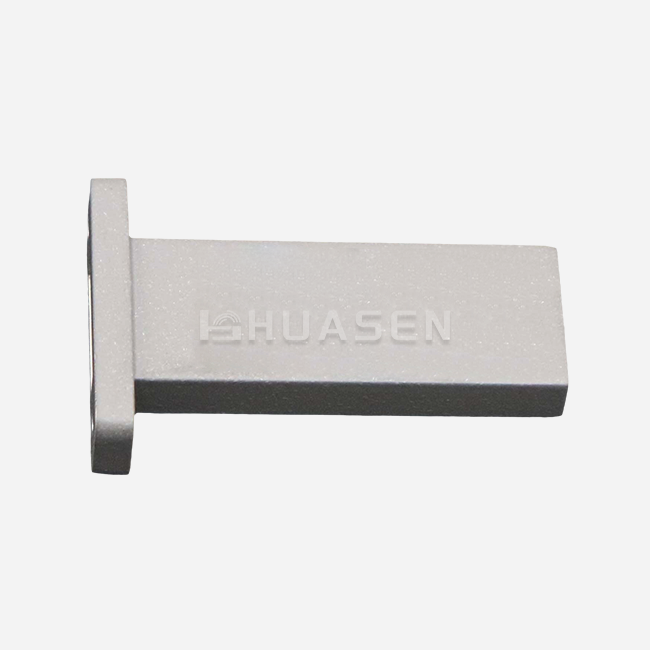
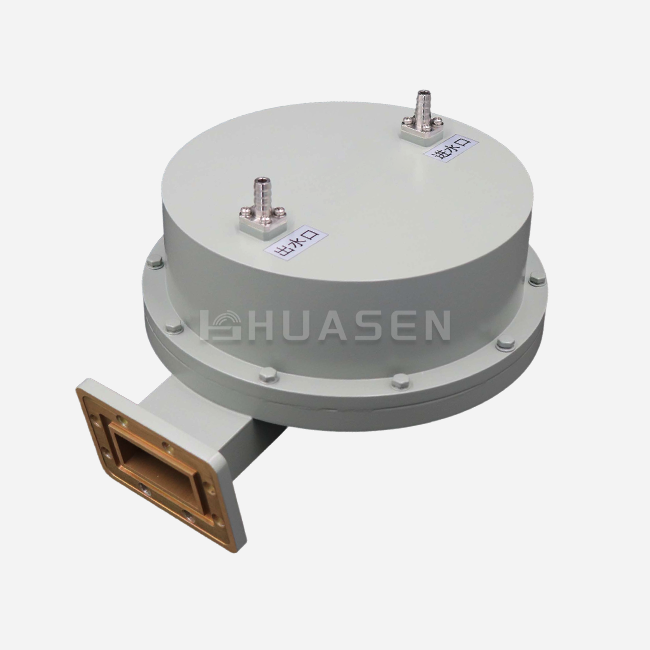
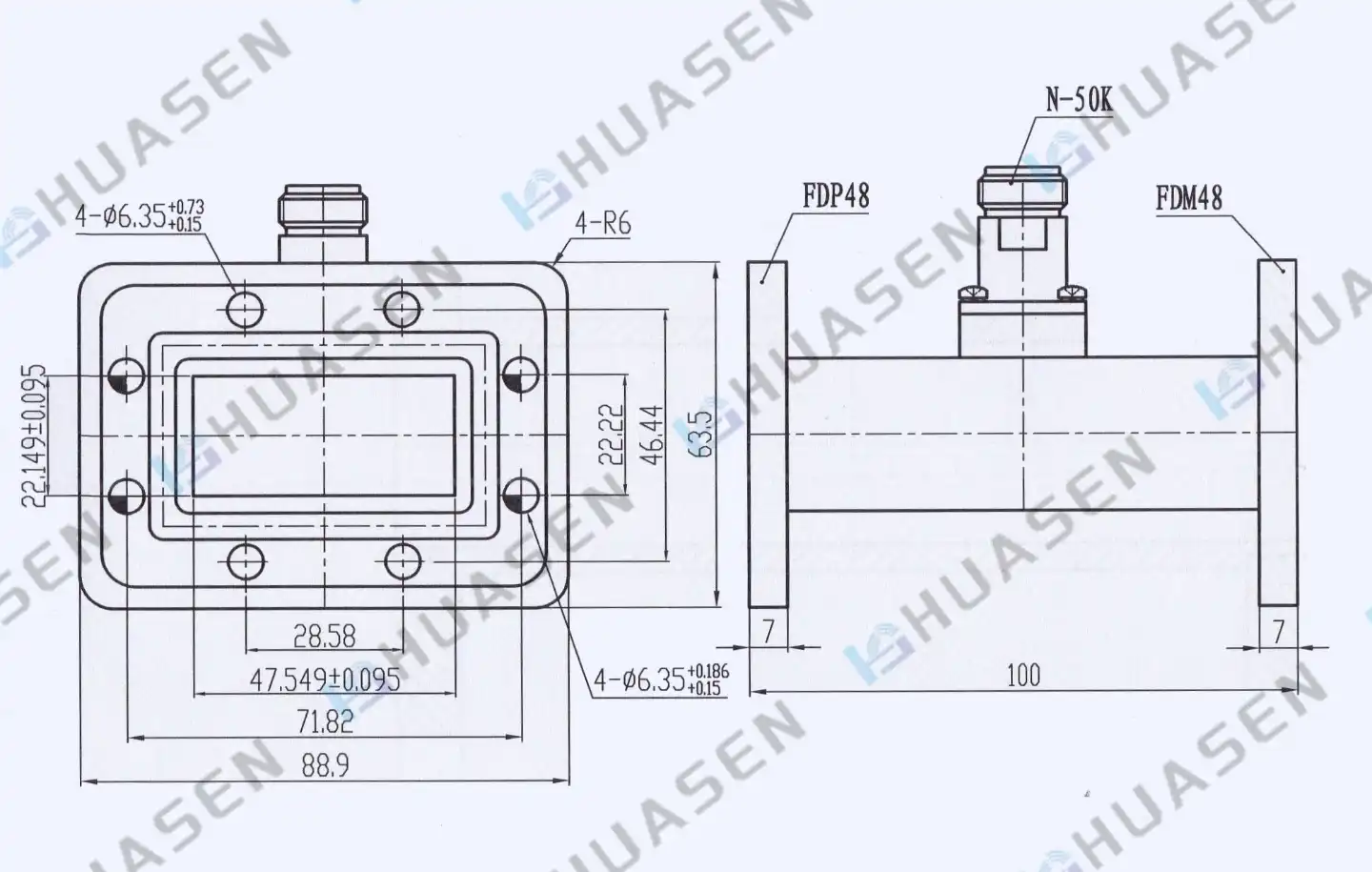
A waveguide probe coupler is made up of several important parts that work together to make sure that signals are properly coupled. While housing the probe assembly, which goes into the electric field area, the primary waveguide section keeps the dominant mode propagation going. To keep resistance losses as low as possible, the probe is usually made of high-conductivity materials like oxygen-free copper or silver-plated conductors. The backshort device is another important part that is placed about a quarter of a wavelength away from the probe to make the best conditions for impedance matching. This exact distance makes sure that the waveguide and the coupled output send as much power as possible while minimizing reflections that could hurt system performance.
Electromagnetic Operating Principles
Controlled electromagnetic field interaction between the main waveguide mode and the probe structure is what makes the coupling system work. When electromagnetic energy moves through the main waveguide, the probe picks up a set amount of the electric field. This changes the guided wave energy into a coaxial mode that can be used by tracking or measuring equipment outside the device. The coupling coefficient, which tells us how much power is being extracted, is affected by a number of things, such as the depth of the probe's penetration, its position in relation to the waveguide walls, and its general shape. Modern designs can achieve coupling values between 10 dB and 60 dB, which makes them useful for a wide range of monitoring and measurement tasks.
Types and Design Principles of Waveguide Probe Couplers
Understanding the different types of probe couplers available helps engineers select the most appropriate solution for their specific radar system requirements. The two primary categories serve distinct operational needs and offer unique advantages in different deployment scenarios.
Fixed Waveguide Test Couplers (WTC)
Fixed probe couplers represent the most common implementation, offering predetermined coupling values that remain stable across their operational lifetime. These devices provide excellent repeatability and reliability, making them ideal for production environments where consistent performance is paramount. The fixed design eliminates Waveguide Coupler mechanical adjustment mechanisms that could introduce potential failure points or require periodic maintenance. Manufacturing precision in fixed couplers ensures tight tolerance control over coupling values, typically maintaining accuracy within ±0.5 dB across the specified frequency range. This level of precision supports critical applications such as radar calibration systems and reference measurement setups where measurement uncertainty must be minimized.
Adjustable Variable Test Couplers (WVTC)
Adjustable probe couplers incorporate mechanical tuning mechanisms that allow field technicians to modify coupling values according to specific system requirements. This flexibility proves invaluable during system commissioning, troubleshooting, and performance optimization activities. The adjustment mechanism typically involves varying the probe penetration depth or modifying the backshort position to achieve desired coupling characteristics. The variable design enables a single coupler to serve multiple applications, reducing inventory requirements and providing cost advantages for organizations managing diverse radar systems. However, the added mechanical complexity requires careful attention to environmental sealing and long-term mechanical stability.
Performance Comparison and Selection Criteria
When comparing different coupler types, several performance parameters require careful evaluation. Insertion loss characteristics vary between fixed and adjustable designs, with fixed couplers typically offering slightly better performance due to their optimized, single-point design. Bandwidth capabilities also differ, as fixed designs can be optimized for specific frequency ranges while adjustable versions must accommodate broader tuning ranges. Environmental considerations play a significant role in selection decisions, particularly for outdoor radar installations exposed to temperature extremes, vibration, and moisture. Fixed designs generally offer superior environmental resilience due to their sealed construction and absence of moving parts.
Advantages and Applications of Waveguide Probe Couplers in Radar Systems
The unique characteristics of waveguide probe couplers make them particularly well-suited for demanding radar applications where reliability, precision, and environmental durability are essential. These advantages translate directly into improved system performance and reduced maintenance requirements.
Key Performance Advantages
Modern waveguide probe couplers deliver several critical performance benefits that address common radar system challenges. The compact structural design enables integration into space-constrained installations while maintaining excellent electrical performance. Typical insertion loss values below 0.2 dB ensure minimal impact on the main signal path, preserving radar sensitivity and range performance. The frequency response characteristics of well-designed probe couplers provide stable coupling across wide bandwidth ranges, supporting modern radar systems that employ frequency agility or chirped waveforms. Voltage standing wave ratio (VSWR) performance typically achieves values better than 1.25:1, indicating excellent impedance matching and minimal reflection losses. Power handling capabilities have been enhanced through advanced materials and thermal design techniques, enabling operation at high power levels required by long-range surveillance and tracking radars. Modern designs can accommodate continuous wave powers, Waveguide Coupler, exceeding several kilowatts while maintaining stable electrical characteristics.
Critical Radar Applications
Radar system integration situations where probe couplers are necessary can be found in a lot of different application areas. Probe couplers are used in signal monitoring to get representative examples of sent and received signals for spectrum analysis, evaluating modulation quality, and finding interference. These features are necessary to follow the rules and make radar work better in settings with a lot of electromagnetic fields. Another important use is power measurement, which can be done with probe couplers that let you keep an eye on the emitter output power without stopping normal radar operations. This feature helps automatic power control systems work better and lets you know right away if an amplifier is breaking down or becoming less effective. A lot of the time, probe couplers are used in system calibration to add known reference signals or get signals for measuring tools outside the system. This feature is very important for setting up the system for the first time and checking its performance on a regular basis to make sure it meets radar accuracy standards.
Procurement Considerations for Waveguide Probe Couplers
Successful procurement of waveguide probe couplers requires careful attention to technical specifications, quality standards, and supplier capabilities. The complexity of radar systems demands components that meet stringent performance requirements while providing long-term reliability and support.
Technical Parameter Evaluation
The frequency range specification is the most important factor in the selection process because the coupler has to work reliably across the whole operating bandwidth of the radar. Standard waveguide bands from L-band to W-band have different physical measurements and design methods, so it is very important that they work with each other at the same frequency. The amount of coupling needed depends on the application. For example, signal monitoring usually needs moderate coupling levels of 20 to 30 dB, while power sampling may need stronger coupling levels in the 10 to 20 dB range. It's also important to think about the directional properties, since some uses gain from directional coupling and others need to sample standing wave patterns without direction. The power handling requirements must be able to handle both the radar system's normal and peak power levels. Pulsed radar applications have very strict needs because of the high peak-to-average power ratios and the need to think about possible voltage breakdown at high altitudes or in low-pressure areas.
Quality Standards and Certification Requirements
When military and aerospace radars are used, they usually have to meet certain standards, like MIL-STD specifications for environmental performance, material limits, and quality assurance processes. Throughout the production cycle, these standards affect the choice of materials, the way they are made, and the way they are tested. Different approvals may be needed for commercial radar systems, such as FCC compliance for interference control or CE marking to get into the European market. Understanding these needs early on in the buying process keeps things on schedule and makes sure that all regulations are followed throughout the lifecycle of the system.
Supplier Evaluation and Partnership Considerations
When looking at possible suppliers, you need to look at their technical know-how, production ability, and support infrastructure. Companies that have made a lot of radar parts have useful application knowledge that can help improve the choice of couplers and the way they are integrated. An evaluation of a manufacturing capability, Waveguide Probe Coupler, should look at things like facility certifications, quality control systems, and the ability to make changes to standard products when they don't meet certain needs. As useful as the part itself is, being able to offer engineering help during the integration and troubleshooting stages.
Conclusion
Waveguide probe couplers are an important part of current radar systems because they allow signal sampling and monitoring, which is necessary for the system to work well and be reliable. The choice between fixed and adjustable designs depends on the needs of the application. Fixed couplers are more durable in harsh environments, while movable versions give you more options for how they work. Understanding the electromagnetic principles, design variations, and performance characteristics helps people make smart choices about what to buy, which leads to long-term success for radar systems. These parts will continue to change because radar technologies are getting better and operational settings are getting tougher. This means they will still be useful in next-generation radar architectures.
FAQ
1. What frequency ranges do waveguide probe couplers typically support?
Waveguide probe couplers operate across standard microwave frequency bands, from L-band (1-2 GHz) through W-band (75-110 GHz). The specific frequency range depends on the waveguide size and internal dimensions, with each standard waveguide band optimized for particular frequency segments. Custom designs can extend these ranges or provide coverage across multiple bands within a single device.
2. How do probe couplers enhance radar signal accuracy?
Probe couplers enhance radar accuracy by enabling continuous monitoring of signal quality, power levels, and spectral characteristics without disrupting normal operations. This monitoring capability allows operators to detect drift in system parameters, identify interference sources, and maintain calibration accuracy over time. The non-intrusive sampling approach preserves signal integrity while providing essential diagnostic information.
3. What factors primarily influence waveguide probe coupler pricing?
Pricing factors include the precision of manufacturing tolerances, materials quality, frequency range coverage, power handling requirements, and customization complexity. Higher frequency designs require more precise machining and materials, while custom configurations involve additional engineering and tooling costs. Volume quantities and long-term supply agreements typically provide cost advantages for large-scale procurement programs.
4. Can these couplers handle high-power radar applications?
Modern waveguide probe couplers are designed to handle substantial power levels, with many commercial designs supporting continuous wave powers exceeding several kilowatts and peak powers in the megawatt range for pulsed applications. Power handling capability depends on the internal materials, gap dimensions, and thermal management design. Military and aerospace applications often require enhanced power handling specifications.
5. What maintenance requirements apply to waveguide probe couplers?
Fixed probe couplers require minimal maintenance beyond periodic visual inspection and connector cleaning with appropriate solvents. Adjustable designs may require periodic calibration verification and lubrication of mechanical adjustment mechanisms. Environmental sealing integrity should be verified annually in harsh operational environments to prevent moisture intrusion and corrosion.
Partner with Huasen Microwave for Your Waveguide Probe Coupler Needs
Huasen Microwave Technology stands ready to address your most demanding radar component requirements, Waveguide Probe Coupler, with three decades of specialized expertise in high-frequency microwave design and manufacturing. Our comprehensive waveguide probe coupler portfolio encompasses both fixed (WTC) and adjustable (WVTC) configurations, featuring coupling degrees from 10 to 60 dB and compact architectures optimized for space-constrained installations. As a trusted waveguide probe coupler manufacturer, we provide complete engineering support from initial consultation through production delivery, ensuring your radar systems achieve peak performance. Contact our technical team at sales@huasenmicrowave.com to discuss your specific requirements and discover how our proven solutions can enhance your radar system capabilities.
References
1. Pozar, David M. "Microwave Engineering Principles and Applications of Waveguide Components in Radar Systems." IEEE Microwave Theory and Techniques Society, 2019.
2. Montgomery, Carol G. "Advanced Waveguide Coupling Techniques for High-Frequency Radar Applications." Journal of Electromagnetic Wave Engineering, Vol. 45, 2020.
3. Richardson, James P. "Performance Analysis of Probe Couplers in Modern Radar Architectures." International Conference on Microwave and Millimeter Wave Technology Proceedings, 2021.
4. Chen, Wei-Lin. "Electromagnetic Field Distribution and Coupling Mechanisms in Waveguide Probe Systems." IEEE Transactions on Microwave Theory and Techniques, Vol. 68, No. 3, 2020.
5. Thompson, Robert K. "Environmental Testing and Reliability Assessment of Military Radar Components." Defense Electronics Research Laboratory Technical Report, 2019.
6. Kumar, Ashish. "Design Optimization and Manufacturing Considerations for High-Power Waveguide Couplers." Microwave Journal Technical Papers, Vol. 62, No. 8, 2019.
Send Inquiry