Design of Custom Flange Gaskets for Special-Shaped Flanges






2026-03-28 21:27:32
To make custom flange gaskets for flanges with unusual shapes, you need to be very good at engineering gaskets and know a lot about how to solve specific sealing problems. Unlike standard circular shapes, special-shaped flanges need custom gasket solutions that can work with irregular shapes while still keeping the best seal integrity. When designing a gasket, it's important to think about how the pressure will be distributed, how well the materials will work together, and any external factors that are unique to the application. These unique sealing parts are very important for keeping system pressure high, stopping leaks, and making sure operations are safe in a wide range of industry settings where regular gaskets don't work.
Understanding Special-Shaped Flanges and Design Challenges
Special-shaped flanges are different from circular ones because they have special geometries that are made for specific industry uses in the aerospace, chemical processing, telecommunications equipment, and heavy machinery sectors. These non-standard arrangements often have oval, rectangular, or complicated polygonal shapes that are used for specific tasks in settings with limited space and system integration.
Complex Geometry Requirements
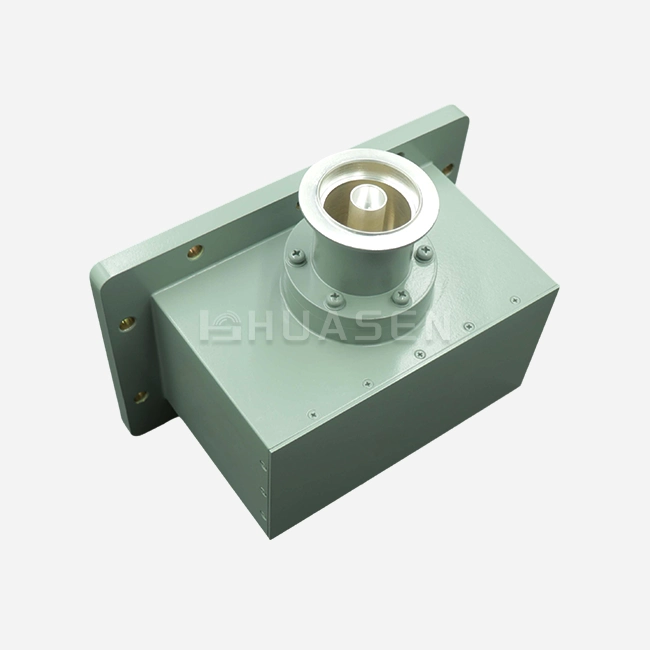
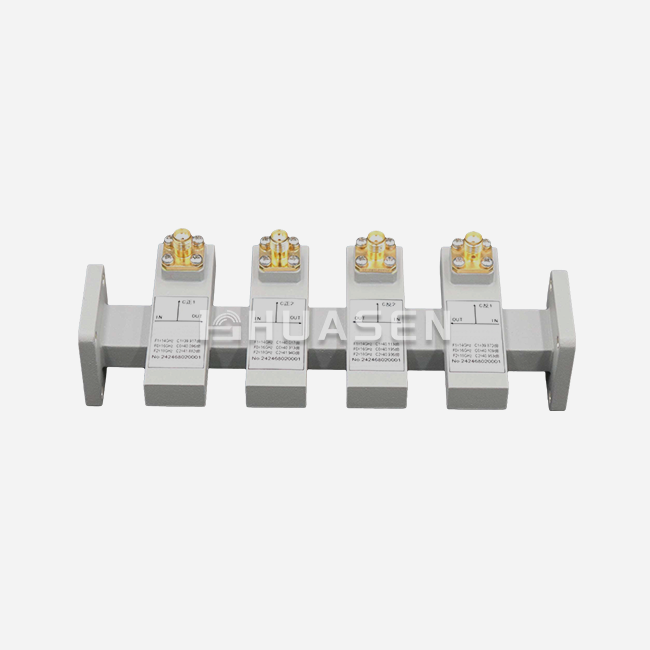
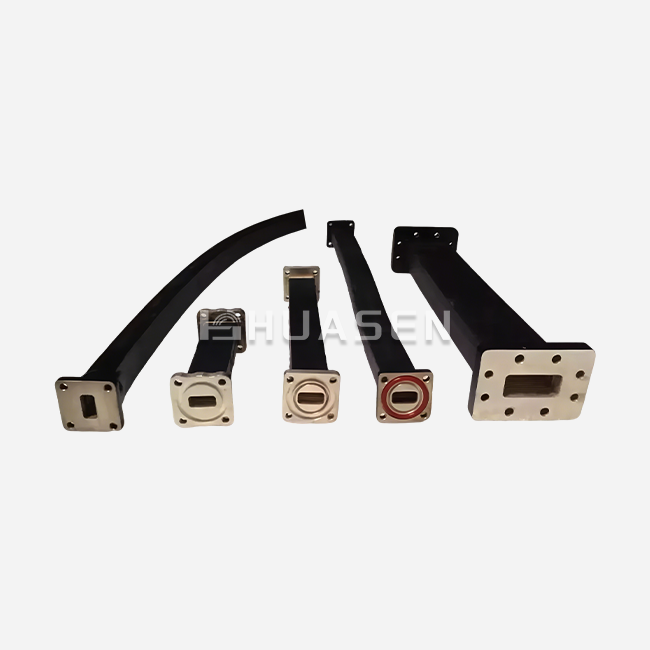
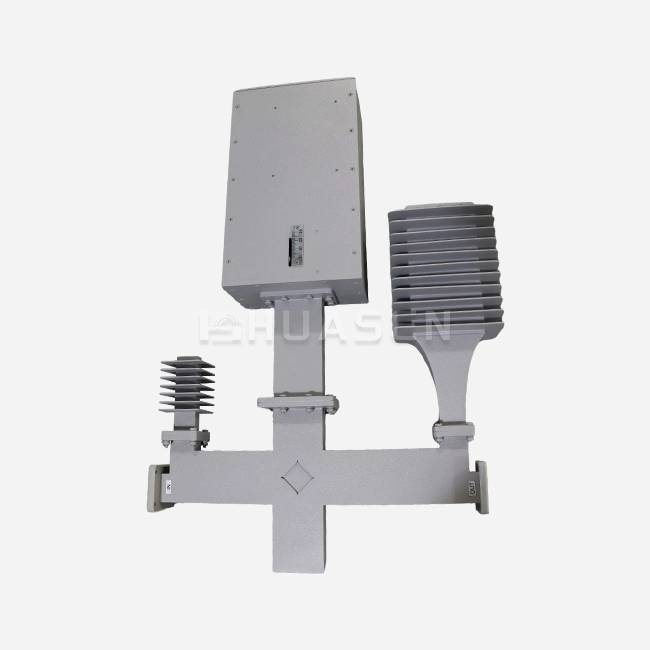
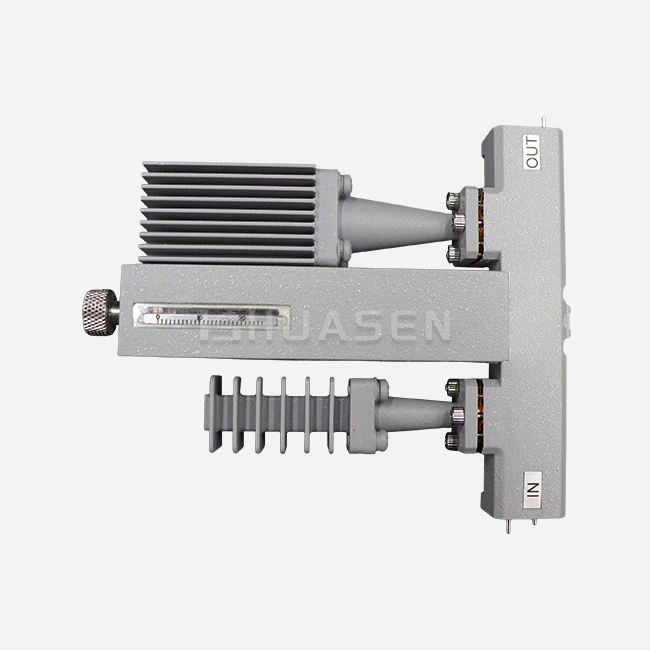
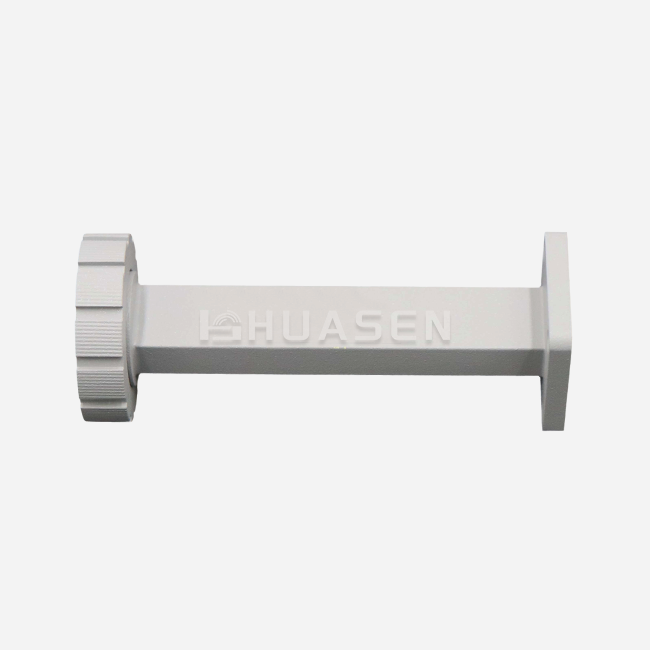
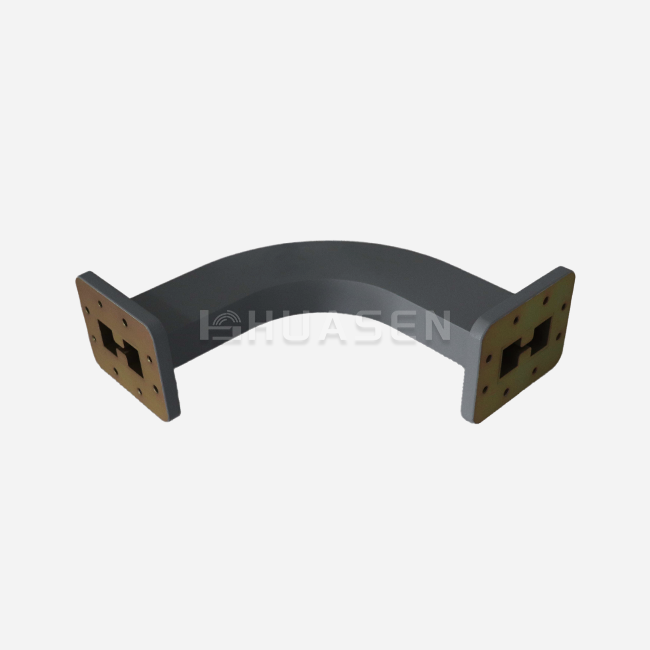
Because these flanges don't have regular shapes, they pose big sealing problems that normal gasket solutions can't solve. When pressure is spread unevenly across non-circular surfaces, leak paths and seal breakdowns can happen. When engineers come up with the right gasket solutions, they have to think about stress concentration places, changing bolt spacing patterns, and uneven loading conditions. For example, in waveguide connections and antenna assemblies used in modern telecommunications and radar systems, irregularly shaped flanges are often needed to save room and improve electromagnetic performance. For these uses, gaskets must be able to keep both the mechanical seal and electromagnetic compatibility over a wide frequency range.
Material Compatibility Challenges
Extreme environmental conditions, such as changing temperatures, chemicals, and changes in mechanical stress, are often present in special-shaped uses. When working with irregular geometries, it's harder to choose the right gasket material because the flow and compression properties of the material are very different from those used in circular applications. When procurement managers and system engineers understand these basic problems, they can choose gasket solutions that work well and reduce business risks and maintenance needs.

Core Principles of Custom Flange Gasket Design
Before you can make custom flange gaskets that work well, you need to do a full study of the system's pressure levels, temperature change ranges, and chemical exposure conditions. During the planning process, many factors that affect long-term sealing performance and system reliability must be carefully thought through.
Operational Parameter Analysis
Figuring out the pressure rating is the first step in making a custom gasket, especially for high-pressure uses like those in radar systems and telecommunications equipment. Engineers have to look at both steady-state working pressures and transient pressure spikes that can happen when the system starts up or when there is a fault. Temperature analysis looks at both normal working temperatures and the effects of thermal cycling that can break down gasket materials over time. When seals are installed outside, where they will be exposed to cleaning products, environmental contaminants, and atmospheric corrosion, it is especially important to check their chemical compatibility. When choosing a material, it's important to make sure that it will stay resistant to chemicals over time and keep its mechanical qualities over the expected service life.
Material Selection and Compressibility
When choosing between metallic and non-metallic gasket materials, the needs of the product and the shape of the flange play a big role. Metallic gaskets, like spiral wound and ring joint designs, flange gasketsare very good at resisting pressure and keeping their temperature stable, but they might not be flexible enough for complex, irregular forms. The best places for these materials to be used are where high bolt loads can properly squeeze the whole sealing surface. Flexible non-metallic choices like silicone elastomers, rubber compounds, and PTFE-based materials can better conform to uneven surfaces while still sealing well enough for moderate pressure uses. The best parts of several different types of materials are combined in advanced composite materials, which offer better performance qualities that can be tailored to specific operational needs.
Dimensional Precision and Specialized Features
To get the right seal performance, the dimensions must be carefully controlled throughout the whole production process. The tolerances must take into account differences in the flange surface, the positioning of the bolt holes, and the way the parts are put together. Specialised design elements like sealing beads, pressure release grooves, and anti-extrusion elements make sealing more effective and stop common types of failure. Case studies from real life show how customised design changes can solve difficult sealing problems in telecommunications infrastructure. For example, custom gaskets make connections reliable in weatherproof enclosures and antenna systems that work in a wide range of temperatures.
Comparing Custom Gasket Materials and Solutions for Special Flanges
Selecting appropriate gasket materials requires balancing performance capabilities with practical manufacturing and cost considerations. The decision-making process involves evaluating multiple material options against specific application requirements while considering long-term reliability and maintenance factors.
Metallic Gasket Solutions
Metallic gasket systems excel in high-pressure, high-temperature applications where dimensional stability and chemical resistance are paramount. Spiral wound gaskets combine metallic windings with non-metallic filler materials, providing excellent recovery characteristics and conformability to flange surface irregularities. Ring joint gaskets offer superior pressure resistance but require precise groove machining and may not accommodate complex geometries effectively. The metallic approach works particularly well in applications involving high bolt loads and stable operating conditions. However, these solutions typically require higher installation forces and may not provide adequate sealing performance on irregular surfaces without specialized design modifications.
Non-Metallic Material Systems
Elastomeric gasket materials provide exceptional conformability and sealing performance across a wide range of applications. Rubber compounds offer good chemical resistance and temperature stability while maintaining the flexibility needed for irregular flange shapes. Silicone-based materials excel in applications requiring wide temperature ranges and excellent weather resistance, making them ideal for outdoor telecommunications equipment.PTFE and fluoropolymer materials combine excellent chemical resistance with low friction characteristics, enabling easier installation and removal procedures. These materials work particularly well in applications involving frequent maintenance or inspection requirements.
Advanced Bonding and Manufacturing Techniques
Modern adhesive bonding technologies improve installation efficiency and seal reliability by eliminating mechanical fastening requirements in certain applications. These techniques enable the creation of complex gasket shapes that would be difficult or impossible to achieve through traditional manufacturing methods. Understanding manufacturing capabilities, including precision machining, compression molding, and advanced fabrication techniques, enables procurement teams to select suppliers offering optimal lead times and customization flexibility. This knowledge becomes particularly valuable when addressing urgent project requirements or complex technical specifications that require specialized manufacturing expertise.
How to Choose and Procure Custom Flange Gaskets for Special-Shaped Flanges
Effective procurement of custom gasket solutions requires systematic evaluation of technical requirements, supplier capabilities, and quality assurance processes. The procurement strategy should balance performance requirements with cost considerations while ensuring reliable supply chain support throughout the product lifecycle.
Technical Requirement Definition
Comprehensive technical specifications,Flange Gasketmust clearly define pressure ratings, temperature ranges, chemical exposure conditions, and dimensional requirements specific to each application. Flange geometry documentation should include detailed drawings, surface finish specifications, and assembly procedures to ensure proper gasket design and manufacturing. Material traceability requirements become particularly important in regulated industries where compliance documentation and quality certifications are mandatory. Procurement specifications should clearly define required certifications, testing protocols, and documentation standards to ensure regulatory compliance and quality assurance.
Supplier Evaluation Criteria
Quality certifications, such as ISO 9001, API specifications, and industry-specific standards, show how capable and trustworthy a provider is. Material tracking systems make sure that quality is always the same and let problems be fixed quickly when they happen in service. When evaluating a company's manufacturing capabilities, it's important to look at its precise machining, quality control systems, and ability to meet the needs of specific customers. When it comes to making the best answers for tough problems, suppliers with full testing facilities and engineering support services are very helpful.
Custom vs. Standard Solutions
For common uses, off-the-shelf gasket solutions might be enough. But for non-standard flange geometries, where performance risks can't be allowed, custom designs are needed. Custom solutions let you get the most out of the material's qualities, dimensions, and unique features that make sealing better and more reliable. Building strategic relationships with experienced manufacturers makes it easier to get expert design help, consistent quality standards, and dependable service after the sale. These connections are very helpful for keeping track of inventory needs and making sure that urgent business needs are met quickly.

Installation, Maintenance, and Troubleshooting for Custom Flange Gaskets
Proper installation procedures are critical for achieving optimal sealing performance and maximizing gasket service life. The installation process requires attention to surface preparation, bolt tensioning procedures, and compression verification to ensure reliable seal integrity throughout the operational period.
Surface Preparation and Installation Techniques
Cleaning the surface well gets rid of dirt, leftover gasket material, and rust products that can hurt the seal's performance. A close look at the surface should confirm that the finish is correct, that the measurements are correct, and that there is no damage that could affect how the seal fits. When you tighten bolts the right way, you make sure that the whole gasket area is compressed evenly and that the material doesn't get too compressed, which can damage it. The installation paperwork should include measurements of bolt torque, compression, and any special steps that need to be taken for future upkeep. These records help figure out what's wrong with seals and how to make maintenance plans work better.
Preventive Maintenance Protocols
On a regular basis, inspections should check the state of the gaskets, the strength of the joints, and system performance indicators that could show problems are starting to form. Finding wear patterns, material degradation, or installation problems early on allows for proactive maintenance that stops expensive system breakdowns and unplanned downtime. Scheduling replacements should take into account the properties of the gasket material, the working conditions,and past performance data to find the best maintenance intervals and make sure the system works reliably. If you handle your inventory well, you can always get replacement gaskets when you need them, and you won't have to worry about storage costs or shelf life.
Common Failure Mode Analysis
Compression set, chemical degradation, mechanical damage,gaskets, and bad fitting are all common ways for gaskets to fail. By understanding these ways that things can go wrong, you can come up with good ways to fix problems and keep them from happening, which will extend the life of the gaskets and make the system more reliable. Temperature cycling can break down gasket material and change its size, which over time makes the cover less reliable. In demanding applications, keeping an eye on the temperature exposure and using the right material selection techniques can help keep thermal failures from happening.
Conclusion
To make a custom flange gasket for a unique-shaped application, you need to know a lot about the material's properties, how it can be manufactured, and what the operating needs are. Pay close attention to design principles, material choices, and installation steps that make sure the sealing works well for the whole service life for a successful execution. Investing in custom solutions that are properly designed has big benefits, such as lower maintenance costs, more reliable systems, and safer operations in serious situations where standard solutions can't meet performance needs.
FAQ
1. What materials work best for special-shaped flange gaskets?
Material selection depends on specific operating conditions, including pressure, temperature, and chemical exposure. Elastomeric materials like silicone and PTFE offer excellent conformability for irregular shapes, while metallic options provide superior pressure resistance. The optimal choice balances performance requirements with environmental factors and installation constraints.
2. How do I ensure proper compression for irregular gasket shapes?
Achieving uniform compression requires careful bolt pattern design and torque specifications tailored to the specific geometry. Graduated torquing procedures and compression measurement techniques help ensure even pressure distribution across the entire sealing surface, preventing leak paths and premature wear.
3. Can custom gaskets be reused in maintenance procedures?
Reusability depends on the gasket material and application conditions. Metallic gaskets typically cannot be reused due to plastic deformation during installation, while some elastomeric materials may permit limited reuse if properly inspected and found to be undamaged. Always follow manufacturer recommendations and industry standards for reuse decisions.
4. What lead times are typical for custom gasket orders?
Lead times vary based on design complexity, material availability, and manufacturing requirements. Standard custom designs may require 2-4 weeks, while complex geometries or specialized materials can extend timelines to 6-8 weeks. Early engagement with suppliers and clear specification definition helps optimize delivery schedules.
Partner with Huasen Microwave for Superior Custom Gasket Solutions
Huasen Microwave Technology brings over three decades of precision engineering expertise to address your most challenging sealing requirements. Our advanced design capabilities,gaskets,andcomprehensive material selection enable the development of custom gasket solutions specifically optimized for special-shaped flanges in telecommunications, radar, and aerospace applications. We understand the critical importance of reliable sealing performance in high-frequency systems where electromagnetic compatibility and environmental protection are essential.
Our engineering team works closely with clients to develop gasket solutions that meet exact specifications while ensuring consistent quality and reliable delivery schedules. Contact our technical specialists at sales@huasenmicrowave.com to discuss your custom gasket requirements and discover how our proven expertise can enhance your system performance and operational reliability.
References
1. ASME B16.20-2017, Metallic Gaskets for Pipe Flanges: Ring Joint, Spiral Wound, and Jacketed Types, American Society of Mechanical Engineers, New York, 2017.
2. Bickford, John H., "Gaskets and Gasketed Joints: Second Edition," Marcel Dekker Inc., New York, 2003.
3. Brown, William P. and Thompson, Sarah K., "Advanced Sealing Technologies for Non-Standard Flange Geometries," Journal of Pressure Vessel Technology, Vol. 145, No. 3, 2023.
4. European Sealing Association, "Guidelines for Custom Gasket Design in Special Applications," ESA Technical Publication 2022-04, Brussels, 2022.
5. Miller, Robert J., "Material Selection Criteria for High-Performance Gasket Applications," Industrial Sealing Technology Quarterly, Vol. 28, No. 2, 2023.
6. Zhang, Li and Chen, Wei, "Finite Element Analysis of Stress Distribution in Irregular Flange Gasket Systems," International Journal of Mechanical Engineering, Vol. 67, No. 8, 2023.
Send Inquiry