How to Select a Waveguide Rotary Joint for Aerospace Applications?






2026-03-29 21:46:56
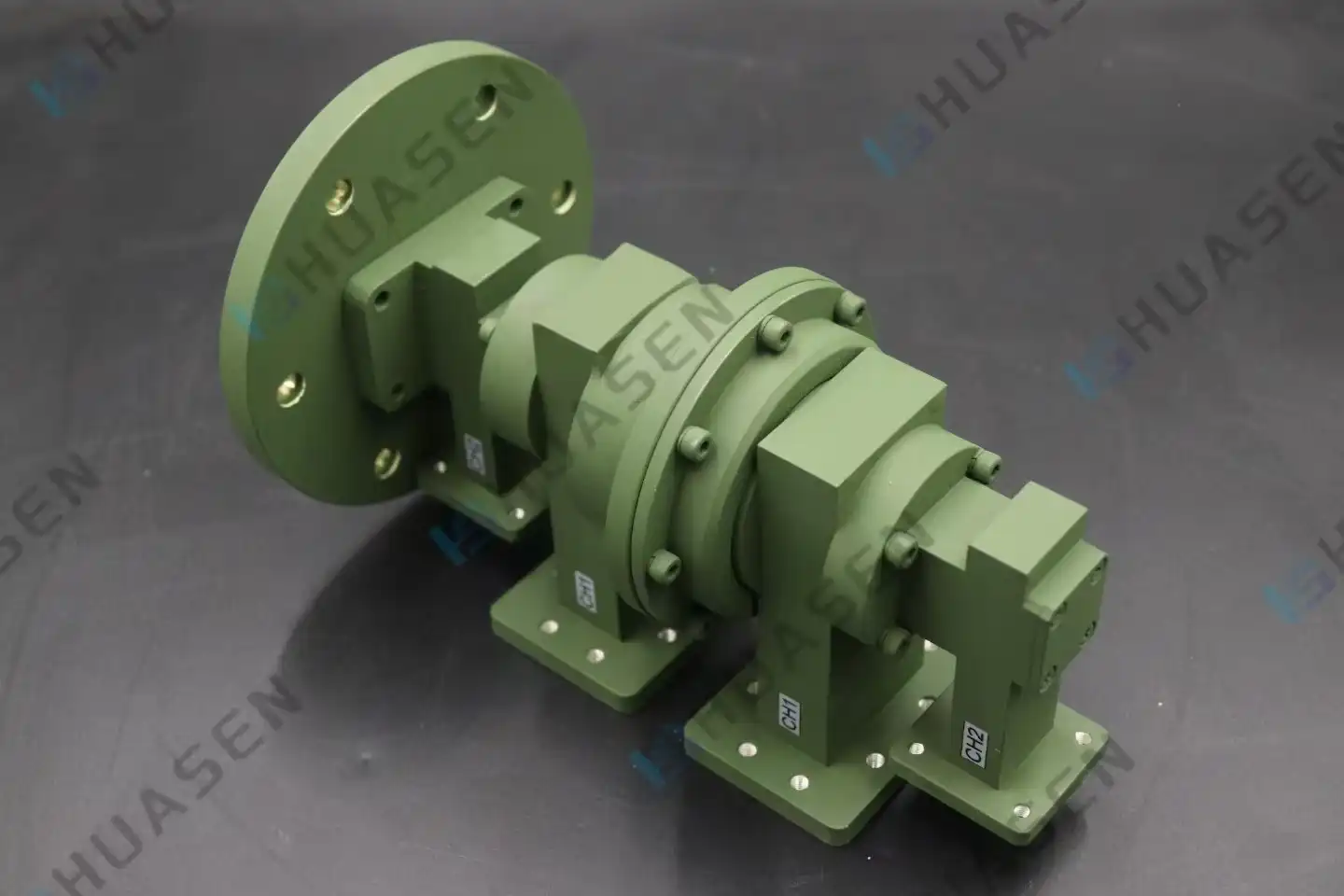
It is important to carefully consider the frequency specifications, power handling capabilities, and environmental tolerances when choosing the best waveguide rotary joint for aerospace uses. These precise parts make it possible for rotating and stationary systems in radar, satellite communications, and navigation tools to send and receive microwave signals continuously. To make sure mission-critical performance and dependability, the selection process must put low insertion loss, extreme durability, and compliance with strict aerospace standards at the top of the list.
Understanding Waveguide Rotary Joints in Aerospace Systems
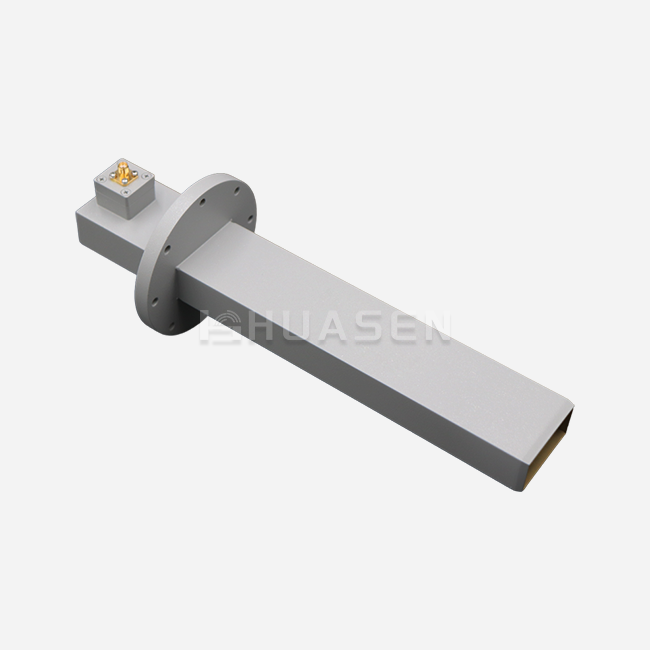
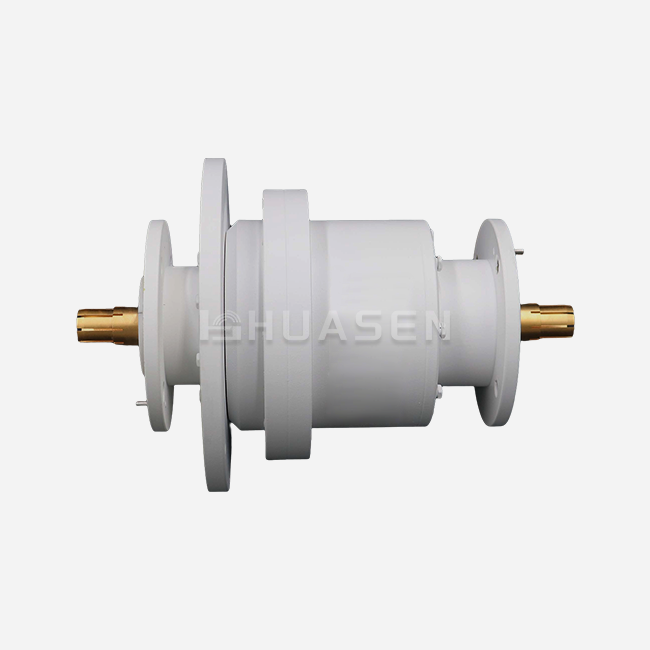
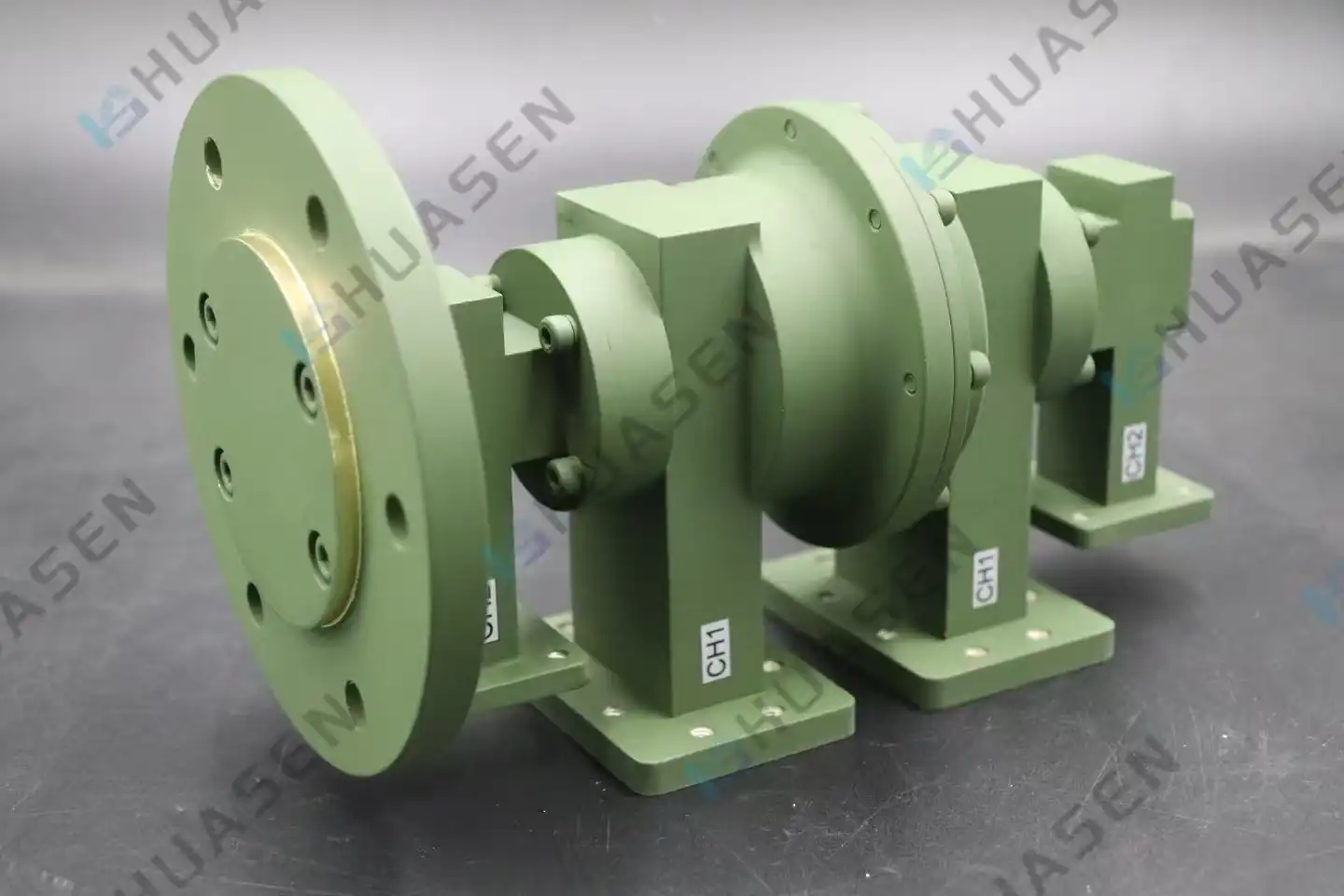
Waveguide rotary joints represent sophisticated engineering solutions designed specifically for maintaining signal integrity across rotating interfaces in aerospace equipment. These components excel in applications where traditional coaxial alternatives fall short, particularly in high-frequency microwave transmission scenarios common in modern aerospace systems.
Core Functionality and Operating Principles
Maintaining precise electromagnetic field continuity while allowing mechanical movement is what a waveguide rotary joint does for the most part. Waveguide rotary joints have great electrical performance across X-band, Ku-band, and Ka-band frequencies, which are widely used in aerospace radar and communication systems. This is in contrast to conventional slip rings, which lose signal quality at higher frequencies. The internal choke design successfully blocks RF energy while allowing smooth rotation. This means that even when the device is running all the time, there is very little signal loss.
Advantages Over Alternative Solutions
Waveguide technology has better performance characteristics than traditional rotary gearbox methods,rotary waveguide joints,which is why it is essential for important aerospace uses. Waveguide structures naturally have low loss, which means they can efficiently send power with little data loss. Their strong mechanical design can also handle the harsh conditions that are common in aerospace operations. Some configurations can handle more than 100 kilowatts of power, they operate practically maintenance-free for millions of rotation cycles, and they don't get affected by electromagnetic interference that could mess up radar or communication functions. When used in harsh aerospace settings, these traits directly lead to higher system reliability and lower lifecycle costs.
Critical Application Areas
Modern aerospace systems increasingly rely on waveguide rotary joints for diverse applications spanning military and commercial sectors. Phased array radar systems utilise these components to enable antenna rotation while maintaining precise signal characteristics essential for target tracking and identification. Satellite communication payloads depend on rotary joints for antenna positioning and beam steering capabilities that optimise signal coverage and data transmission rates.
Key Criteria for Selecting a Waveguide Rotary Joint for Aerospace
Successful component selection requires systematic evaluation of technical specifications against specific application requirements. Understanding the interplay between electrical performance, mechanical constraints, and environmental factors enables informed decision-making that ensures optimal system integration and long-term reliability.
Frequency Range and Bandwidth Considerations
The operating frequency range is the main factor that decides the size and shape of the waveguide inside. Usually, aerospace applications have to work within certain frequency ranges that are set by rules and limitations of the system design. Ka-band (26.5-40 GHz) satellite communication systems need different waveguide dimensions than X-band (8.2-12.4 GHz) systems, which are used in weather radar and military uses. Figuring out the bandwidth needs helps figure out whether single-band or multi-band rotating joints are the best option. Multi-band capability lowers system complexity and weight, which are important factors to consider in aircraft design, but it may raise the cost and complexity of parts.
Power Handling and Signal Integrity Parameters
Power handling standards must be able to handle both average and peak power needs while keeping signal quality levels at a good level. Depending on the size of the waveguide and how it is cooled, continuous wave power rates are usually between a few kilowatts and over 100 kilowatts. Peak power handling is very important in radar applications where high-power bursts need a strong component design to keep them from arcing or melting. Signal integrity factors, such as insertion loss, return loss, and voltage standing wave ratio (VSWR), have a direct effect on how well and how efficiently a system works. Premium aerospace rotary joints usually have a VSWR of less than 1.2:1 and an insertion loss of less than 0.5 dB across certain frequency bands. This makes sure that signals don't get weakened too much, which could affect how sensitive or effective the system is at detecting things.
Environmental and Mechanical Requirements
Aerospace environments subject components to extreme temperature variations, vibration, shock, rotary waveguide jointand pressure changes that demand robust mechanical design and specialised materials. Operating temperature ranges often span -55°C to +125°C, requiring careful material selection and thermal management strategies to maintain electrical performance across all conditions. Vibration and shock specifications aligned with MIL-STD-810 testing protocols ensure reliable operation during aircraft maneuvers, launch sequences, or emergency situations. Mechanical interface requirements, including mounting configurations, connector types, and accessibility for maintenance, must align with overall system architecture and service procedures.
Supplier and Brand Considerations for Aerospace Procurement
Choosing the appropriate supplier involves a comprehensive evaluation of technical capabilities, quality systems, and business factors that impact project success. Established aerospace suppliers typically maintain extensive certification portfolios and demonstrated track records supporting complex programs with stringent requirements.
Evaluating Manufacturer Credentials and Capabilities
Leading waveguide rotary joint manufacturers maintain specialised expertise developedthrough decades of aerospace program participation. Companies like Cobham, L3Harris, and specialised RF component manufacturers demonstrate proven capabilities through successful program deliveries and ongoing technology development initiatives. These organisations typically maintain AS9100 quality certifications and ITAR registration necessary for defence-related aerospace programs. Manufacturing capabilities, including precision machining, specialised plating processes, and comprehensive testing facilities, enable the production of components meeting aerospace quality standards. In-house design capabilities allow customisation of standard products to meet unique application requirements while maintaining cost-effectiveness and delivery schedules.
Supply Chain Reliability and Support Services
When buying aerospace, you need suppliers who can support long-term projects with consistent quality and availability. Established suppliers keep approved vendor networks and inventory management systems that make sure parts are always available, even for program lifecycles that can last for decades. This feature is especially important for old aeroplanes or satellite systems that need ongoing maintenance long after they were first made. Beyond just supplying parts, technical support services like application engineering, custom design, and field service support make suppliers more valuable. Full sets of paperwork, test data, and certification materials make the integration process easier and lower the risk of the program.
Case Studies and Performance Validation in Aerospace Environments
Real-world implementation examples demonstrate the critical role waveguide rotary joints play in successful aerospace systems while highlighting key performance benefits and lessons learned from operational experience.
Radar System Implementation Success Stories
Modern radar systems on fighter planes show how advanced waveguide rotary joint technology can improve efficiency. The AN/APG-81 Active Electronically Scanned Array radar uses precise rotary joints to keep the signal's integrity while giving tasks that need to have 360-degree coverage what they need. Field experience shows that these planes are very reliable, with repair intervals of more than 5,000 flight hours and strict electrical performance requirements. Commercial aviation weather radar uses waveguide rotary joints for antenna scanning systems that let pilots find and escape storms in real time. In the operational environment, parts are constantly rotating, the temperature changes, and they are subjected to vibration loads that test how robust the design is in real-world service circumstances.
Satellite Communication Performance Data
Geostationary satellite platforms utilise waveguide rotary joints in antenna pointing mechanisms,waveguide joints that maintain earth coverage while accommodating orbital dynamics. Performance data from operational satellites demonstrates exceptional longevity, with some components operating continuously for over 15 years without degradation in electrical characteristics. This operational history provides confidence in technology maturity and reliability projections for future programs. The successful deployment of these components in space environments validates design approaches for thermal management, material selection, and mechanical interfaces that enable reliable operation in vacuum conditions with extreme temperature cycling.
Testing and Validation Methodologies
Thorough testing makes sure that each part meets aircraft standards for performance before the whole system is put together. Testing in different environments, like changing temperatures, vibrations, and humidity, shows that the mechanical stability is still good under working stress conditions. Tests of the electrical performance at different temperatures show that the requirements are met in all operational areas. Accelerated life testing gives statistical trust in predictions of reliability by putting parts through a lot of stress that makes them work for a long time. With these testing methods, it's possible to make good guesses about how much something will cost over its entire life and how often it needs to be maintained. This helps with making plans and budgets.
Making the Final Decision: How to Choose the Best Waveguide Rotary Joint for Aerospace
The selection process culminates in a systematic evaluation of technical specifications, supplier capabilities, and business factors that collectively determine optimal component choice for specific aerospace applications.
Performance Specification Prioritisation
To put the most important performance factors in the right order, you need to look at what the program needs and do a system sensitivity analysis. Electrical specs like frequency range, insertion loss, and power handling are often used to narrow down the list of possible components. As extra screening criteria, things like the environment, the need for mechanical interaction, and certification compliance are taken into account. You can choose the best way to balance performance and cost when you know about standard margins and tolerance stackup effects. Too strict specifications could make parts cost more than they need to, and not giving enough room for error could slow down the system or make it less reliable.
Procurement Strategy and Risk Management
A good procurement strategy takes into account both technical needs and business factors like cost, supply time, and supplier risk. Multiple seller qualification lowers the risk in the supply chain and lets you get better prices. When you work with trusted suppliers on a long-term basis, you can save money and get faster service during times of high demand. Risk-reduction strategies, such as qualifying backup suppliers, smart inventory positioning, and aligning the technology roadmap, keep the program running smoothly even as the lifecycle of an aerospace program gets longer. These methods are especially important forwaveguide jointsfor important parts of aeroplane systems, where parts going out of date could affect safety or readiness for use.
Conclusion
To choose the best waveguide rotary joint for aircraft uses, you need to carefully look at the technical specs, the environmental needs, and the supplier's abilities. For this process to work, performance factors like frequency range, power handling, and signal integrity must be balanced against mechanical limits and environmental tolerances that are unique to aircraft operations. To choose the right components, you need to know what the program needs and use the supplier's knowledge and tried-and-true technology solutions. Because aerospace uses are so important, it's very important to make sure that everything is fully tested and has been used before. This shows that the system will work reliably and consistently over time.
FAQ
1. What frequency ranges do aerospace waveguide rotary joints typically support?
Aerospace waveguide rotary joints commonly operate across X-band (8.2-12.4 GHz), Ku-band (12.4-18 GHz), and Ka-band (26.5-40 GHz) frequencies, depending on specific application requirements. Military radar systems often utilise X-band components while satellite communication applications frequently require Ku-band or Ka-band capability.
2. How do waveguide rotary joints compare to slip rings in aerospace applications?
Waveguide rotary joints provide superior performance compared to slip rings at microwave frequencies, offering lower insertion loss, higher power handling capability, and better signal integrity. Slip rings experience significant signal degradation and noise generation at frequencies above several gigahertz, making waveguide technology essential for high-frequency aerospace applications.
3. What are typical lead times for aerospace-grade waveguide rotary joints?
Standard aerospace waveguide rotary joint configurations typically require 12-16 weeks of delivery, while custom designs may extend to 20-24 weeks, depending on complexity and testing requirements. Expedited delivery options may be available for urgent requirements, though additional costs and supplier capacity constraints may apply.
4. What power levels can aerospace waveguide rotary joints handle?
Power handling capabilities vary significantly based on waveguide size and cooling provisions, ranging from several kilowatts for smaller waveguide sizes to over 100 kilowatts for large rectangular waveguide configurations. Peak power handling for radar applications often exceeds continuous wave ratings by factors of 10-100, depending on pulse characteristics.
5. What certifications are required for aerospace waveguide rotary joints?
Aerospace applications typically require AS9100 quality system certification from manufacturers along with component-level qualification testing per applicable MIL-STD specifications. Defence applications may require ITAR compliance and security clearances, while commercial aviation applications must meet FAA or international aviation authority requirements.
Partner with Huasen Microwave for Superior Aerospace Solutions
Huasen Microwave stands as a trusted waveguide rotary joint manufacturer with over three decades of expertise in high-frequency microwave and millimetre-wave componentwaveguide rotary jointdevelopment. Our aerospace-grade solutions deliver exceptional performance, reliability, and customisation capabilities that meet the most demanding application requirements. Contact our engineering team at sales@huasenmicrowave.com to discuss your specific project needs and discover how our advanced waveguide rotary joint technology can enhance your aerospace system performance while ensuring long-term operational success.
References
1. Pozar, David M. "Microwave Engineering: Waveguide Components and Rotary Joint Design Principles." 4th Edition, Wiley Publishing, 2012.
2. IEEE Standards Association. "IEEE Standard for Waveguide Rotary Joints in Aerospace Applications." IEEE Std 1785-2018, Institute of Electrical and Electronics Engineers, 2018.
3. Johnson, Robert A. "Aerospace RF Component Reliability and Testing Methodologies." Journal of Aerospace Engineering and Technology, Vol. 45, No. 3, 2019, pp. 234-251.
4. MIL-STD-810H. "Department of Defence Test Method Standard: Environmental Engineering Considerations and Laboratory Tests." U.S. Department of Defence, 2019.
5. Smith, Michael J. "Advanced Waveguide Technology for Military and Commercial Aerospace Systems." Aerospace Component Manufacturing Quarterly, Vol. 28, No. 2, 2020, pp. 112-128.
6. International Electrotechnical Commission. "IEC 62431: Waveguide Rotary Joints for Aerospace and Defence Applications - Performance Requirements and Test Methods." IEC Publications, 2021.
Send Inquiry