
Home / Blog
Blog
0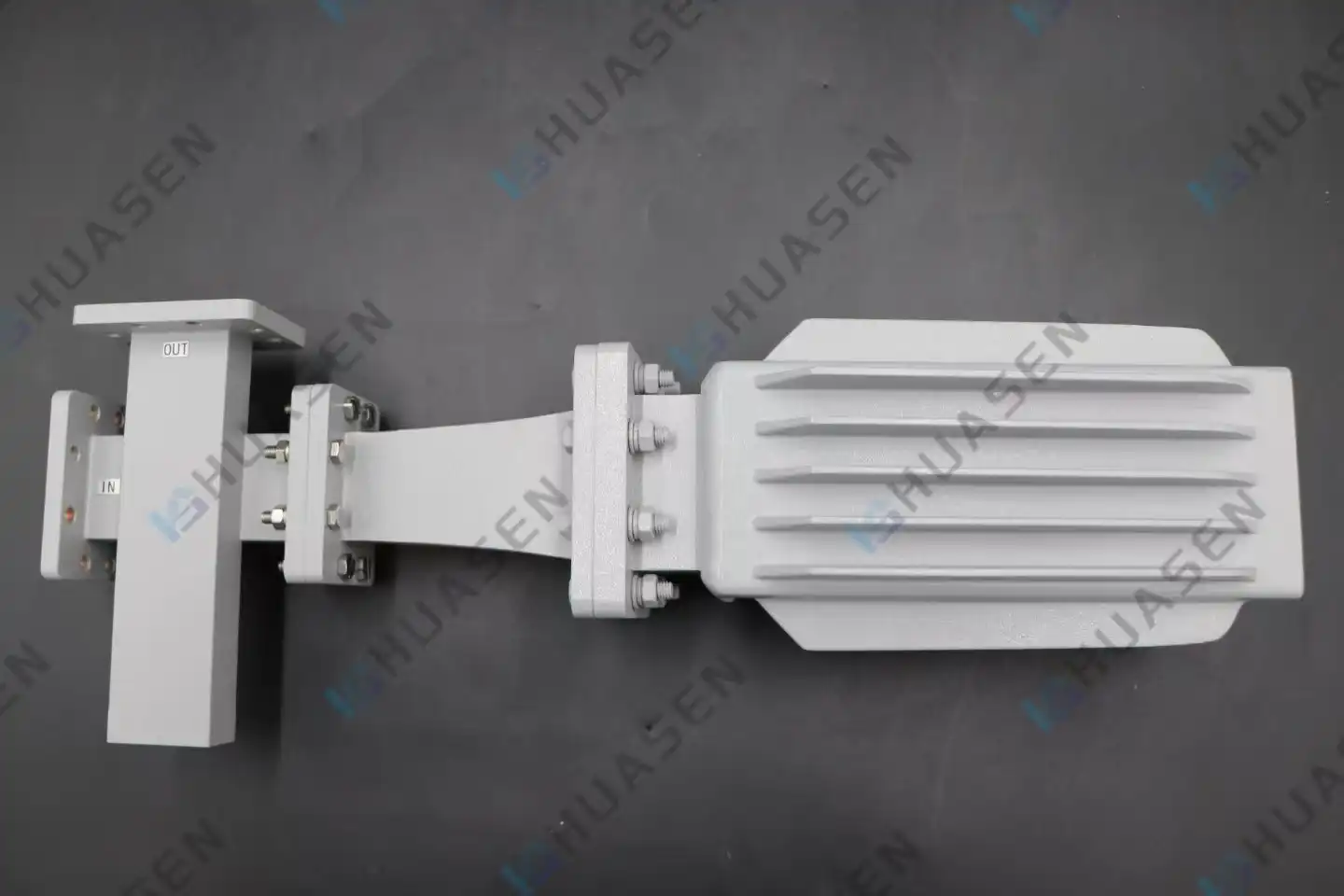
Benefits of Coupled Fixed Waveguide Attenuator in Radar
When we talk about radar system performance, precision matters more than almost anything else. The Coupled Fixed Waveguide Attenuator plays an indispensable role in protecting sensitive Coupled Fixed Waveguide Attenuator measurement equipment while maintaining signal integrity across broadband applications. These precision components reduce signal amplitude by predetermined values—ranging from 3 dB to 60 dB—without distorting waveform characteristics or introducing phase anomalies. In radar environments where transmitter power levels can easily destroy downstream receivers or spectrum analyzers, these attenuators act as critical guardians, enabling engineers to monitor, test, and calibrate systems safely and accurately.VIEW MORE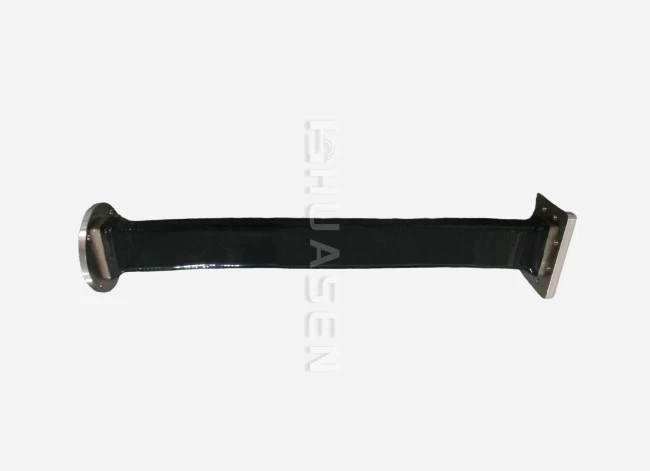
Flex Waveguide vs Rigid Waveguide: Performance Comparison
When choosing waveguide solutions for high-frequency uses, it's important to know what the pros and cons of flex waveguides andrigid and flexible choices are. Flex waveguides are great for complex routing situations because they can be installed in a lot of different ways and take up very little room. For fixed-path uses, rigid waveguides handle power better and have less insertion loss. The choice depends on your unique needs, such as where you want to install it, the environment, the power level, and the frequency bands. Both technologies are very important in the defence, aerospace, and telecoms industries, and each has its own benefits that depend on the needs of the job.VIEW MORE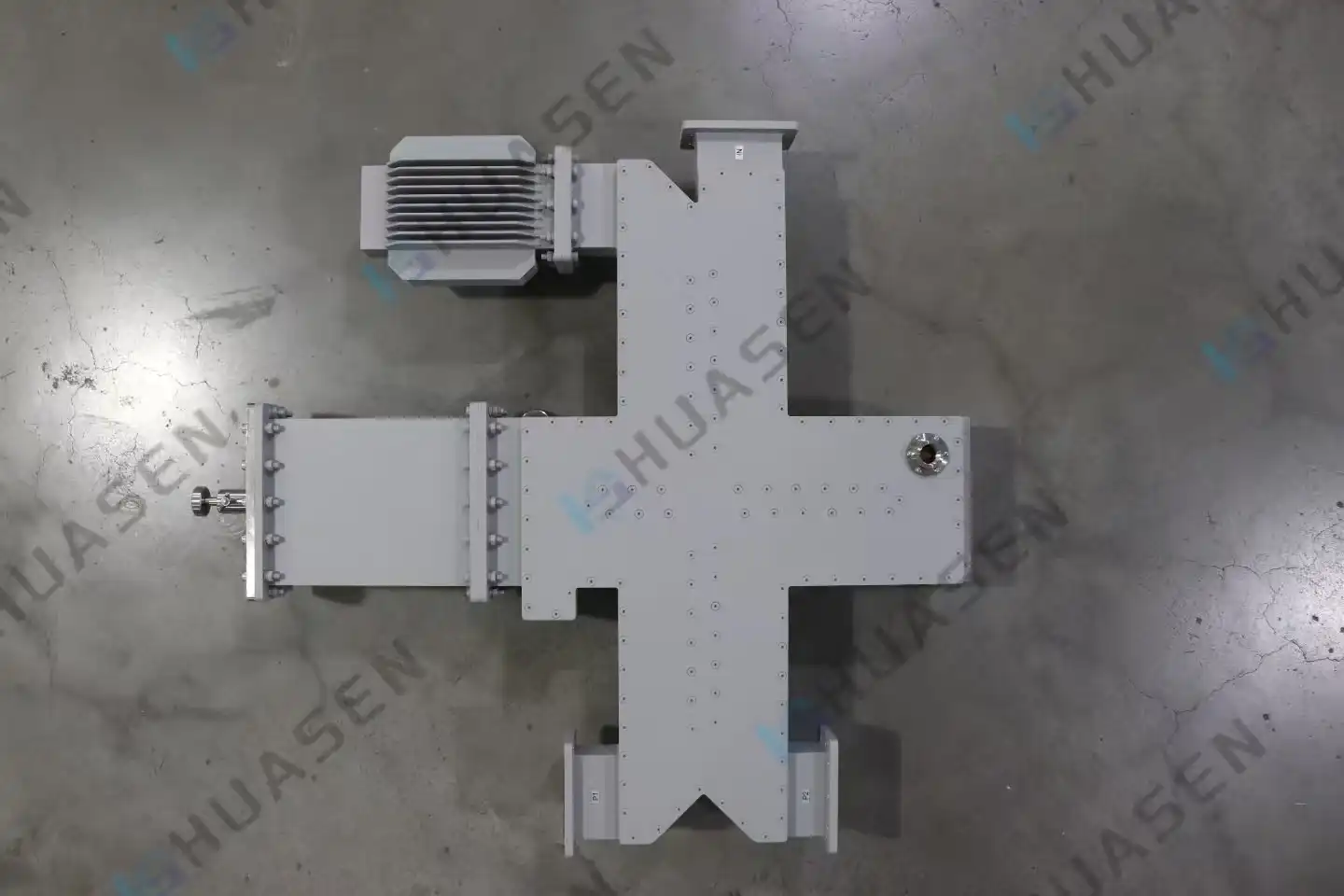
Where to Buy High-Precision Waveguide Power Dividers for Radar Systems?
Procuring high-precision waveguide power dividers for radar systems requires partnering with manufacturers who understand the critical balance between signal integrity, power handling, and environmental resilience. Huasen Microwave Technology Co., Ltd., established in 1993, stands as a trusted source for these sophisticated microwave components. With facilities capable of producing double-ridge waveguide magic tees, in-phase dividers, and one-to-many splitters across the 0.32 GHz to 112 GHz spectrum, the company delivers directly to system integrators, defense contractors, and research institutions worldwide. Whether you're based in the Americas, Europe, Asia, or the Middle East, accessing reliable waveguide distribution solutions begins with identifying suppliers who combine technical expertise with robust quality assurance.VIEW MORE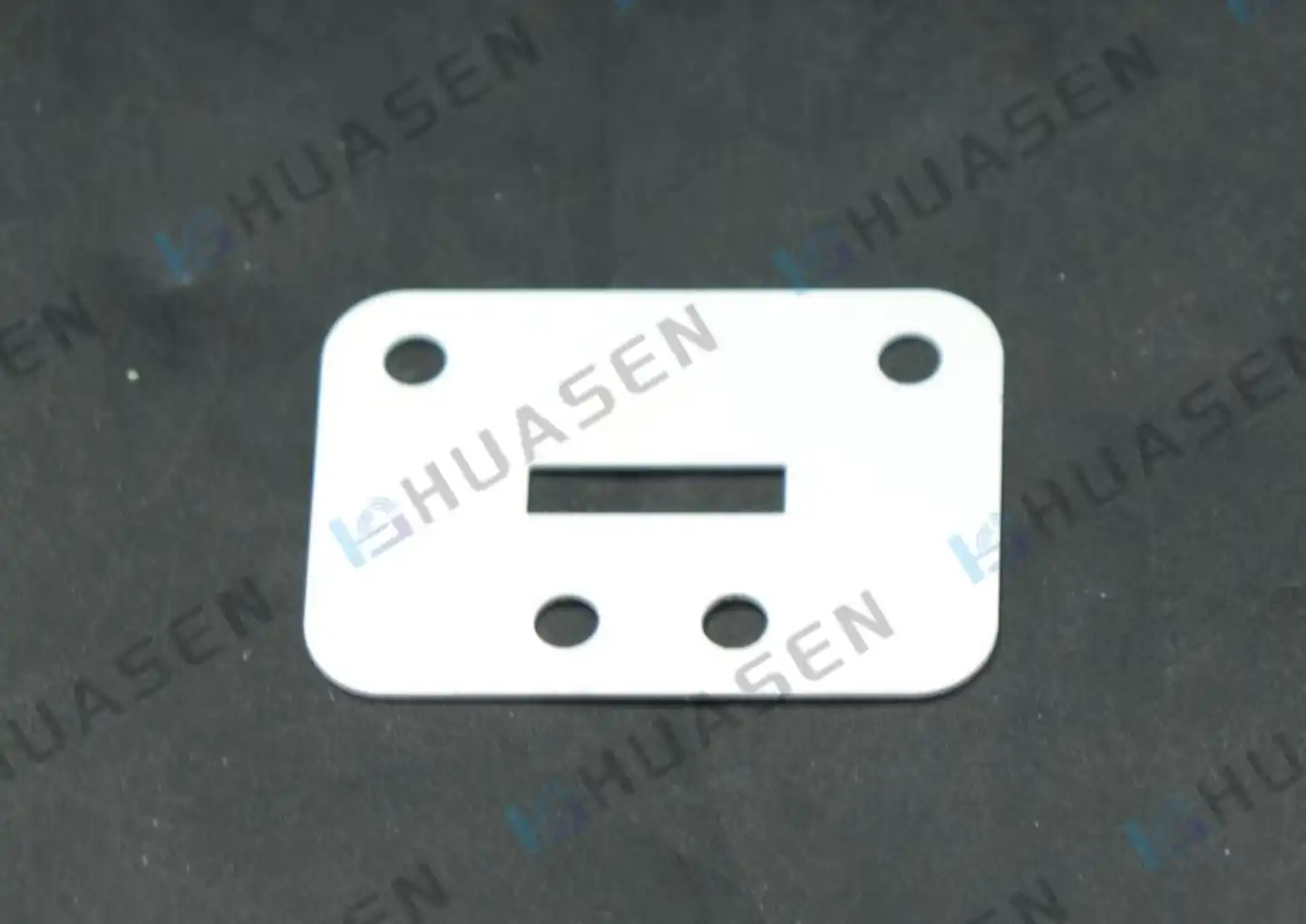
Why Waveguide Gasket Performance Matters in RF Systems?
How well a waveguide seal works directly affects how reliable an RF system is, how well the signals work, and how long it can be used. These precision sealing parts stop electromagnetic interference from leaking and create hermetic walls that keep out moisture, dust, and changes in pressure. When choosing the wrong gasket, it can cause insertion loss, VSWR degradation, and catastrophic system breakdowns in mission-critical areas such as naval radar systems, 5G infrastructure, and satellite communications. By knowing the properties of the material, how it compresses, and how well it works with other materials, sourcing teams can choose gaskets that keep the conductivity between waveguide flanges while also being able to handle high temperatures and chemicals.VIEW MORE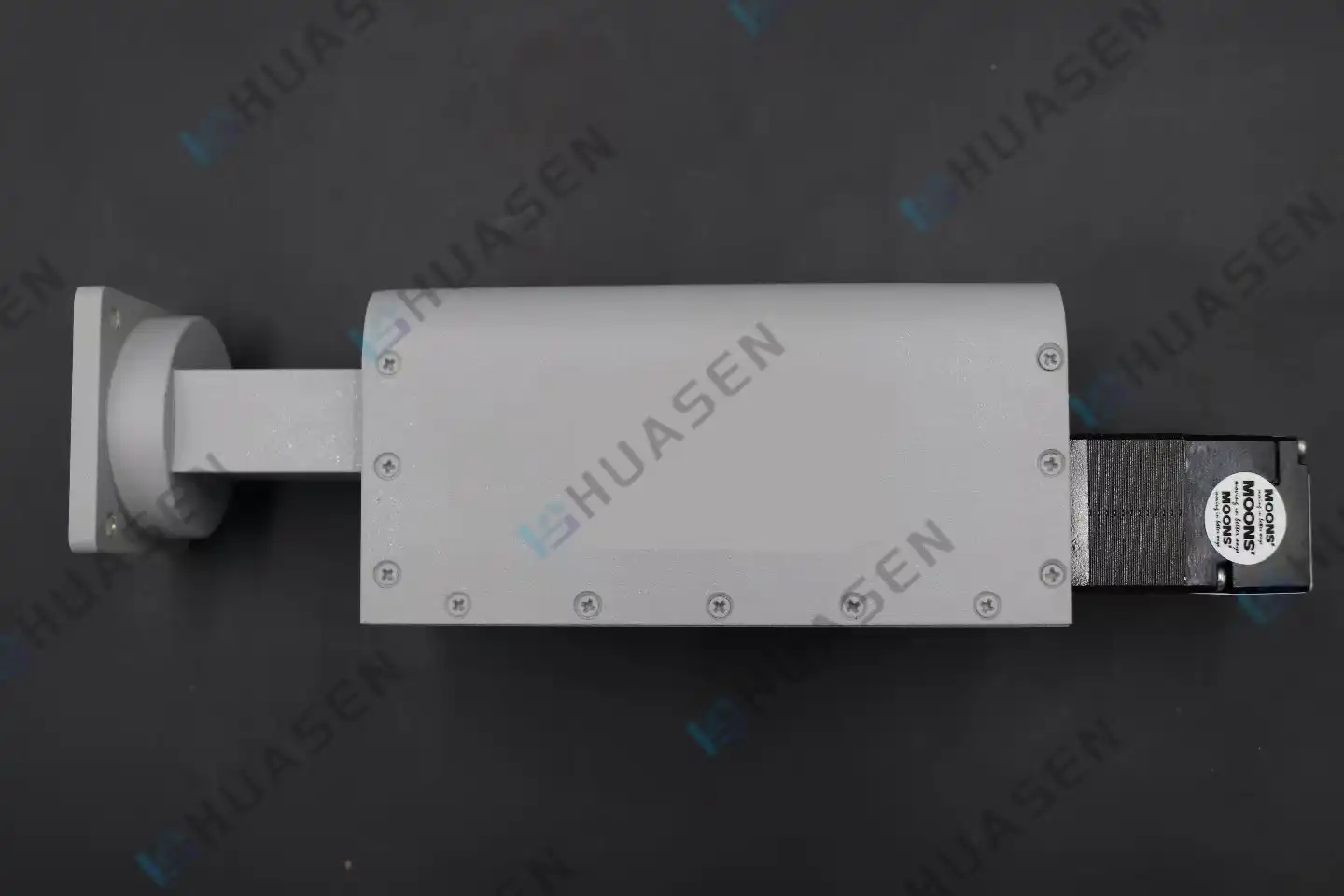
How to Use Waveguide Short Plates in Radar Systems and Microwave Calibration
Using waveguide short plates in radar systems, Waveguide Short Plate and microwave calibration involve creating precise electromagnetic reflection points that establish known reference planes for accurate signal measurement and system tuning. These high-conductivity metal terminations reflect incident electromagnetic energy with minimal loss, generating predictable standing wave patterns essential for Vector Network Analyzer (VNA) calibration, impedance tuning, and signal integrity verification across frequency ranges from 0.32 GHz to 112 GHz. Proper implementation requires careful attention to surface flatness, flange torque specifications, and material selection to achieve optimal VSWR performance while preventing signal leakage in high-power radar and telecommunications environments.VIEW MORE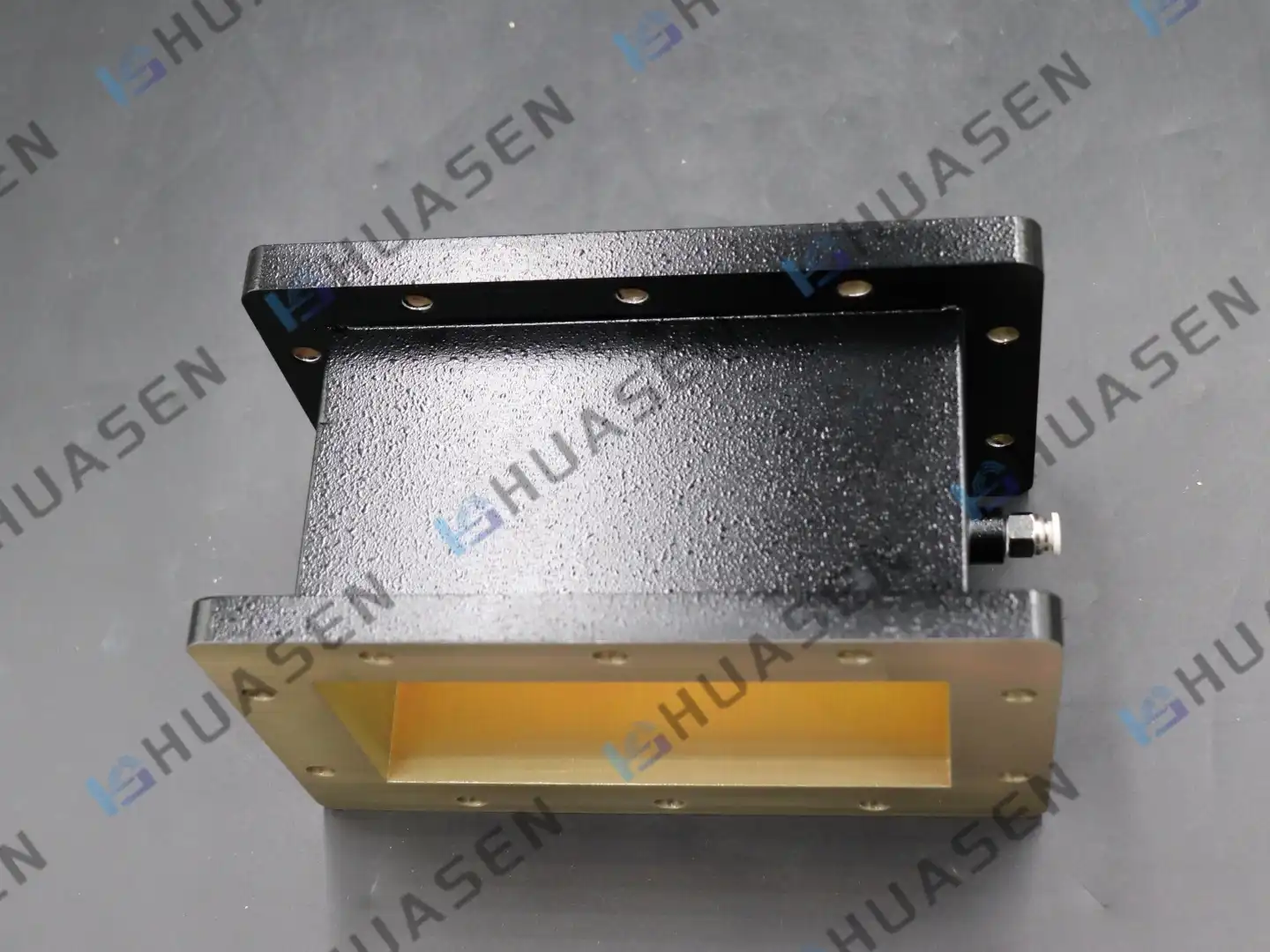
Maintenance Tips for Inflatable Straight Waveguide
Taking care of inflatable straight waveguides requires a plan that strikes a balance between technical accuracy and operational economy. To make sure the signal stays strong, these special RF transmission parts—which have air vents built into the walls of the waveguide—need to be constantly checked for pressure and protected from the environment. Regular maintenance has a direct effect on system uptime, keeps moisture and dust out, and keeps the excellent VSWR performance that mission-critical apps need. Understanding the details of pressure-sealed waveguide systems helps procurement teams, system integrators, and maintenance experts get the most out of equipment's life and keep it from breaking down when it's least expected in defence, aerospace, and telecommunications.VIEW MORE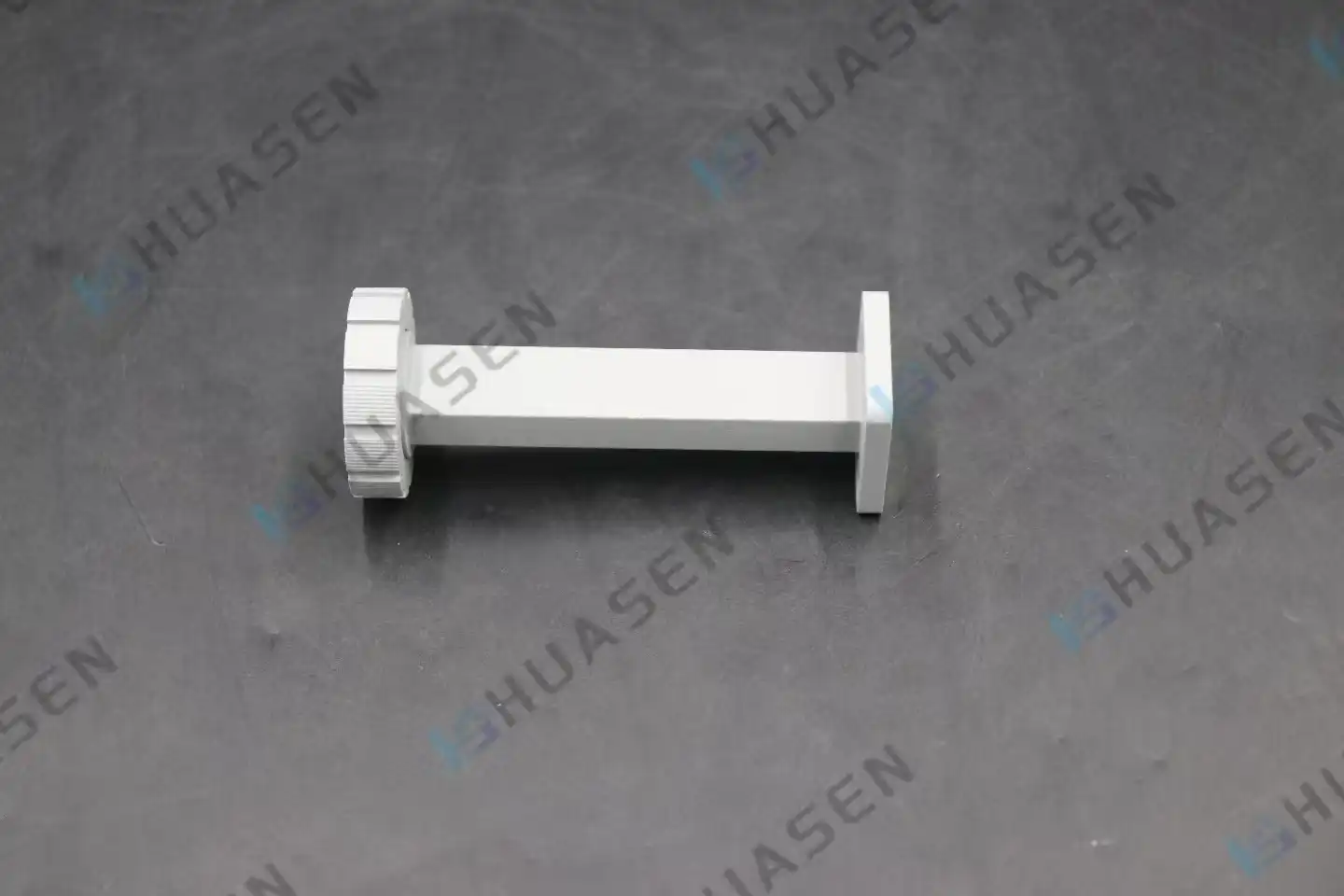
Precision Manufacturing of Waveguide Straight Section
When RF engineers and procurement specialists need to send high-frequency Waveguide Straight Section data with little loss, the Waveguide Straight Section is the best way to do it. This passive microwave transmission part is made up of a hollow metal tube with a cross-section that can be square, circular, or elliptical. Instead of using center conductors like coaxial lines, electromagnetic waves are guided through internal reflection. The straight part solves important problems by getting rid of dielectric losses above 2 GHz, handling high peak power without arcing, and providing better shielding in places with a lot of electromagnetic radiation.VIEW MORE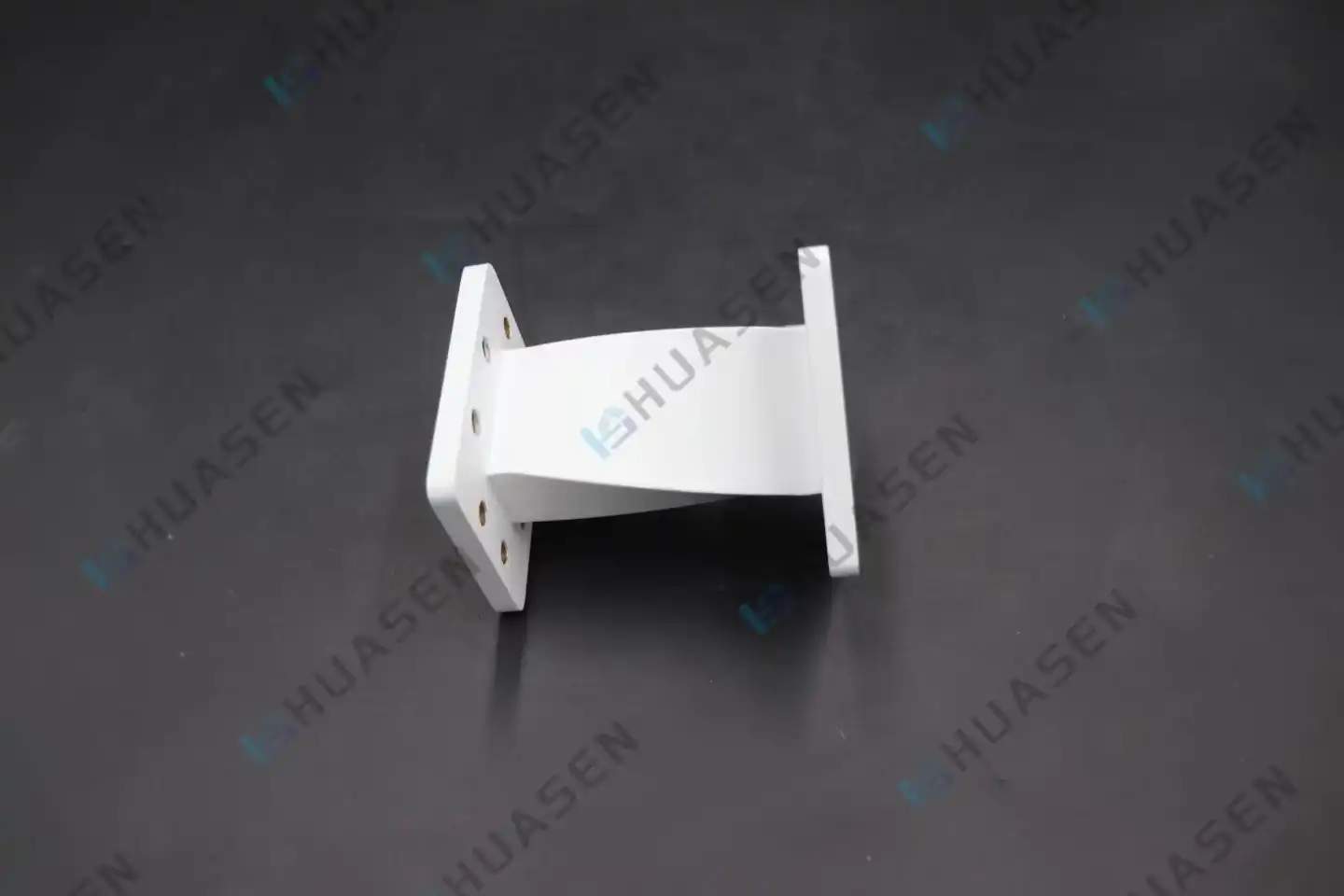
Waveguide Twist in Radar Feed Networks
In radar feed networks, the Waveguide Twist is a special kind of passive microwave part that rotates the polarisation direction of electromagnetic waves (usually the main TE10 mode) within the transmission line. It does this by physically rotating the waveguide cross-section, usually by 45° or 90°. This allows seamless connections between waveguide sections where flanges are placed orthogonally or where precise polarisation alignment is needed to keep the signal's integrity and reduce transmission losses.VIEW MORE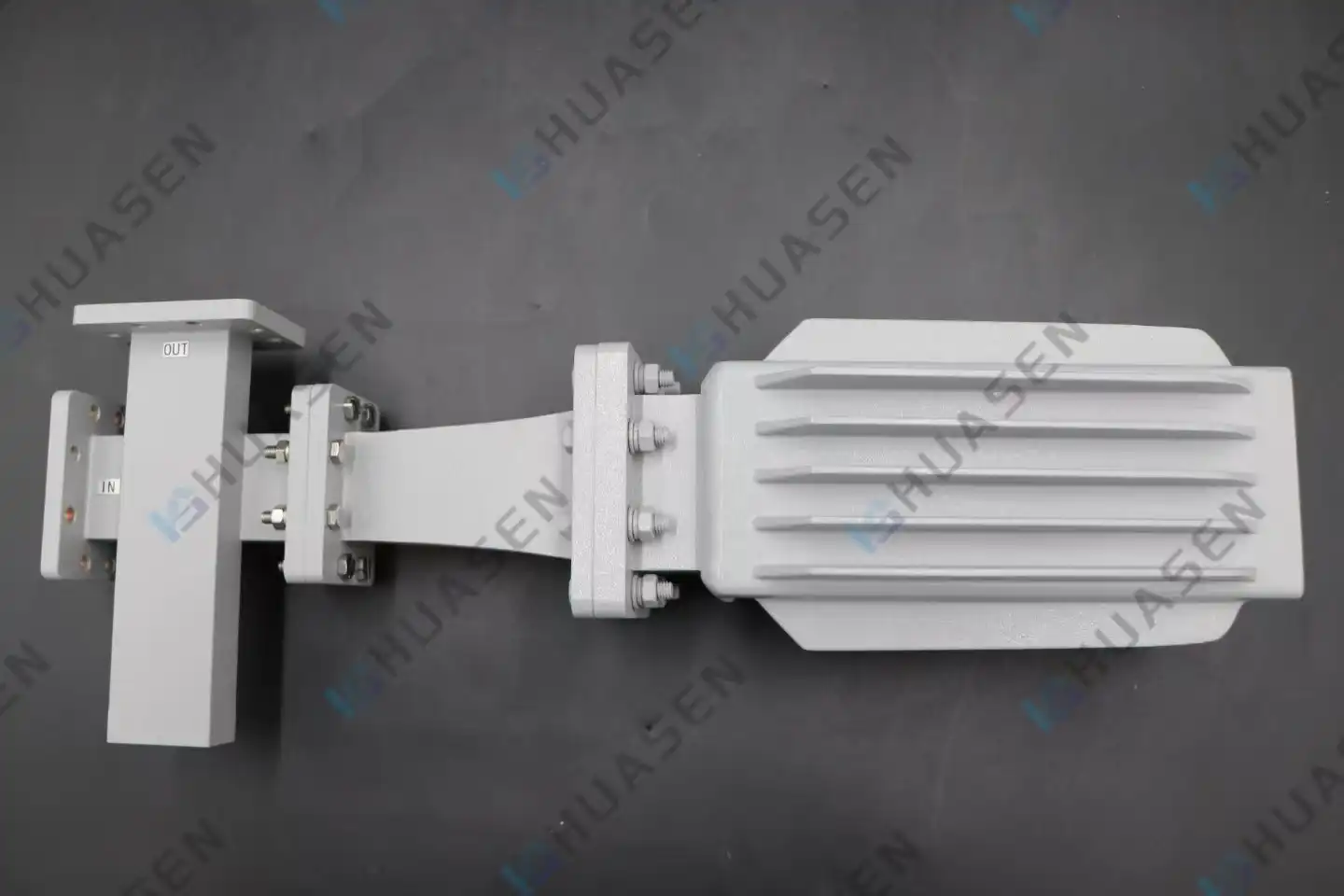
Waveguide Attenuator vs Coaxial: Performance Tradeoffs
When building RF waveguide attenuators and microwave systems, the performance, cost, and dependability are all affected by the choice between waveguide and coaxial attenuators. Waveguide attenuators are great for radar and satellite communications because they can handle a lot of power and have low loss in millimetre waves. Coaxial attenuators are small, cover a wide range of frequencies, and are cost-effective. They can be used for testing and base station systems. Engineers can choose the best option for their needs by learning about the trade-offs between things like power capacity, frequency range, insertion loss, and environmental durability.VIEW MORE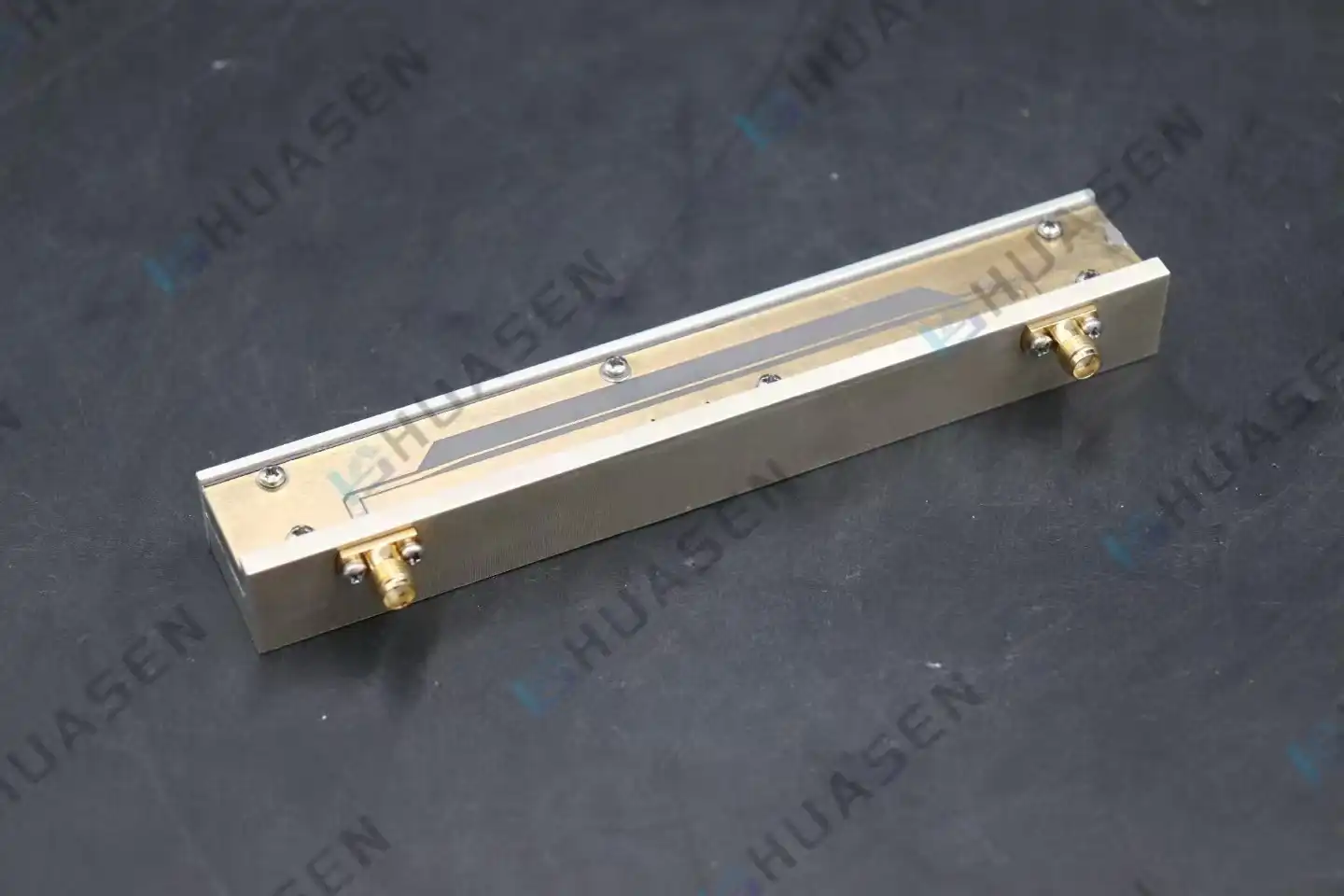
Coplanar Waveguide for mmWave Applications
Coplanar Waveguide (CPW) technology is used in millimeter-wave (mmWave) systems. It is a type of transmission line design that puts all conductors, including the center signal line and ground planes, on the same substrate surface. Engineers can make very small, high-frequency circuits for 5G infrastructure, satellite terminals, radar modules, and precise test equipment with a lot of freedom using this planar configuration. CPW structures have low radiation loss, good impedance control, and easy merging with active and passive parts. This makes them necessary for next-generation wireless systems that work beyond 24 GHz.VIEW MORE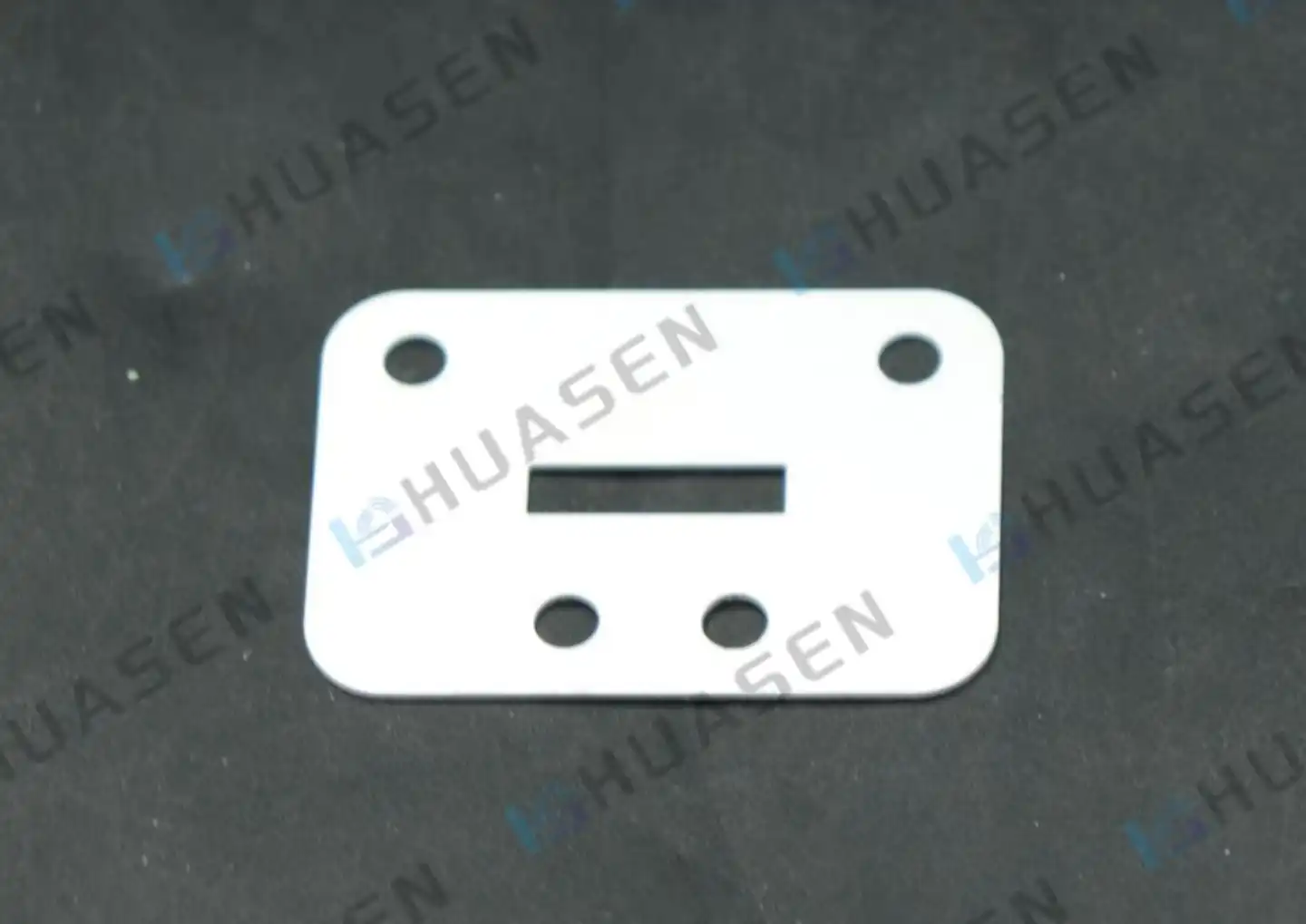
How Waveguide Gasket Ensures RF Sealing
One of the most important but often ignored parts of modern RF transmission Gasket systems is the waveguide gasket. Many engineers don't realise that these precision-engineered sealing elements do two things at once: they stop electromagnetic interference from leaking and create a barrier that keeps out outside air at flange contacts. A waveguide gasket keeps the electrical continuity across mating surfaces when it is properly defined and installed. This makes sure that the voltage standing wave ratio and insertion loss are as low as possible. The seal keeps tiny gaps—often measured in micrometers—from turning into slot antennas that send out valuable signal energy by accident. In addition to their electromagnetic performance, these seals keep moisture, salt fog, rust, and particulate contamination from getting into the waveguides. These things could otherwise cause dielectric breakdown or arcing in high-power situations.VIEW MORE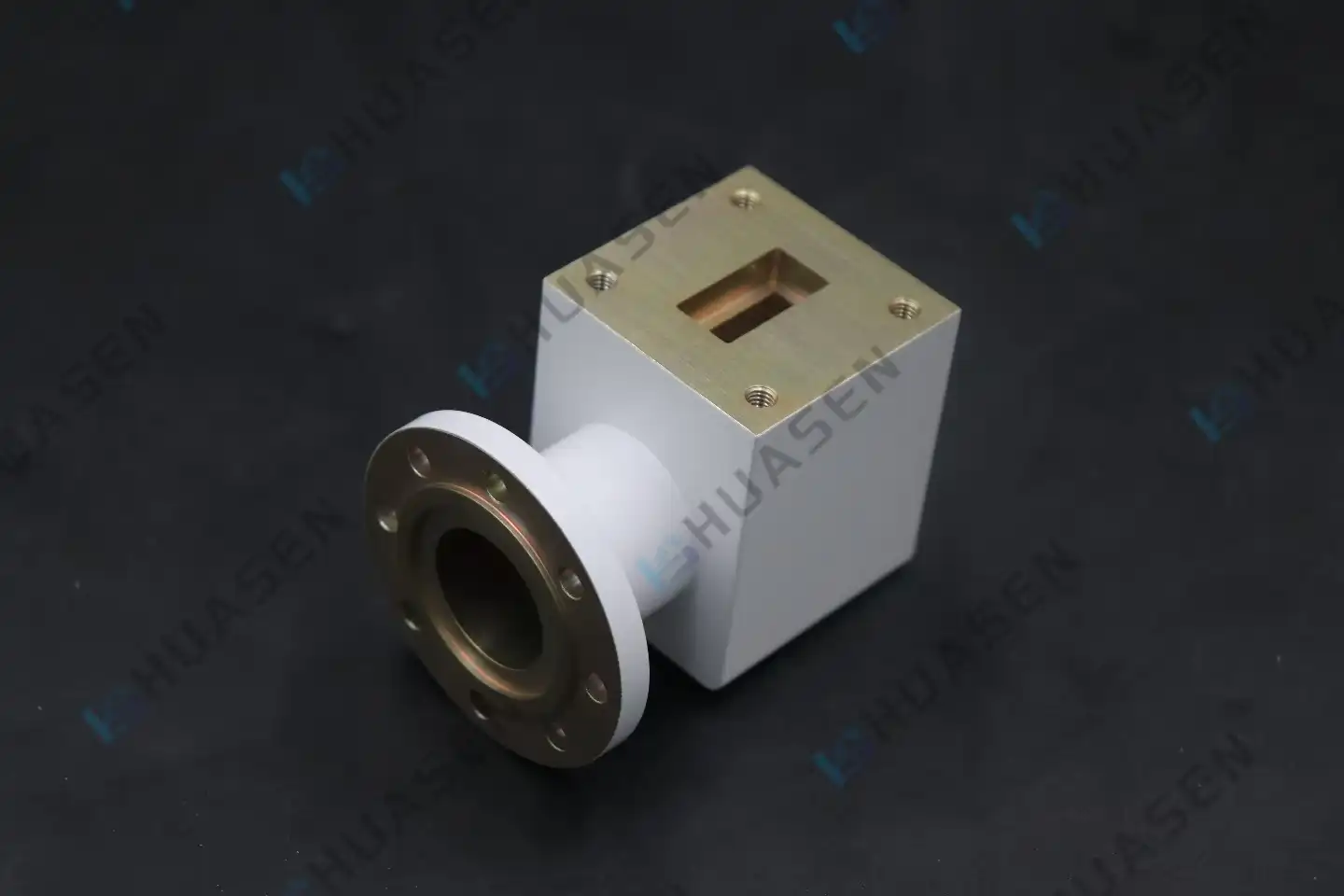
Layout Optimization of Antenna Diplexers in RF Test Benches
Layout optimisation of antenna diplexers in RF test benches is a big problem that impacts the accuracy of measurements and the dependability of the system. An RF diplexer is an inactive three-port device that lets two different frequency bands use the same antenna port without interfering with each other. Layout optimisation that is done right reduces insertion loss, improves port-to-port isolation, and makes sure that impedance matching is done across all operational bandwidths. This has a direct effect on test repeatability and signal integrity in challenging RF evaluation settings.VIEW MORE
- 1
- 28
- 29
- 30
- 31
- 32
- 60
Total 60 pages
