Maintenance Tips for Inflatable Straight Waveguide






2026-04-11 22:08:00
Taking care of inflatable straight waveguides requires a plan that strikes a balance between technical accuracy and operational economy. To make sure the signal stays strong, these special RF transmission parts—which have air vents built into the walls of the waveguide—need to be constantly checked for pressure and protected from the environment. Regular maintenance has a direct effect on system uptime, keeps moisture and dust out, and keeps the excellent VSWR performance that mission-critical apps need. Understanding the details of pressure-sealed waveguide systems helps procurement teams, system integrators, and maintenance experts get the most out of equipment's life and keep it from breaking down when it's least expected in defence, aerospace, and telecommunications.
Understanding Inflatable Straight Waveguide Maintenance
In high-frequency signal transmission systems where rigid structures aren't possible, inflatable straight waveguides are very important parts. Controlling the air pressure inside these devices keeps the cross-sectional geometry very exact. This makes sure that electromagnetic waves can travel through tough working environments with little loss. The way it works depends on keeping the dimensions stable by pressurising it, which has a direct effect on electrical performance factors like insertion loss and voltage standing wave ratio.
The Critical Role of Preventive Maintenance
Preventive maintenance procedures greatly increase the useful life of equipment and keep its RF performance characteristics. We've seen that systematic maintenance cuts down on failure rates by about 60% compared to reactive methods when it comes to base stations, satellite uplink systems, and radar installations. When you add up the costs of downtime, emergency repairs, and the chance that the signal will weaken during important activities, the difference in prices becomes very big.
Common Maintenance Challenges in Field Operations
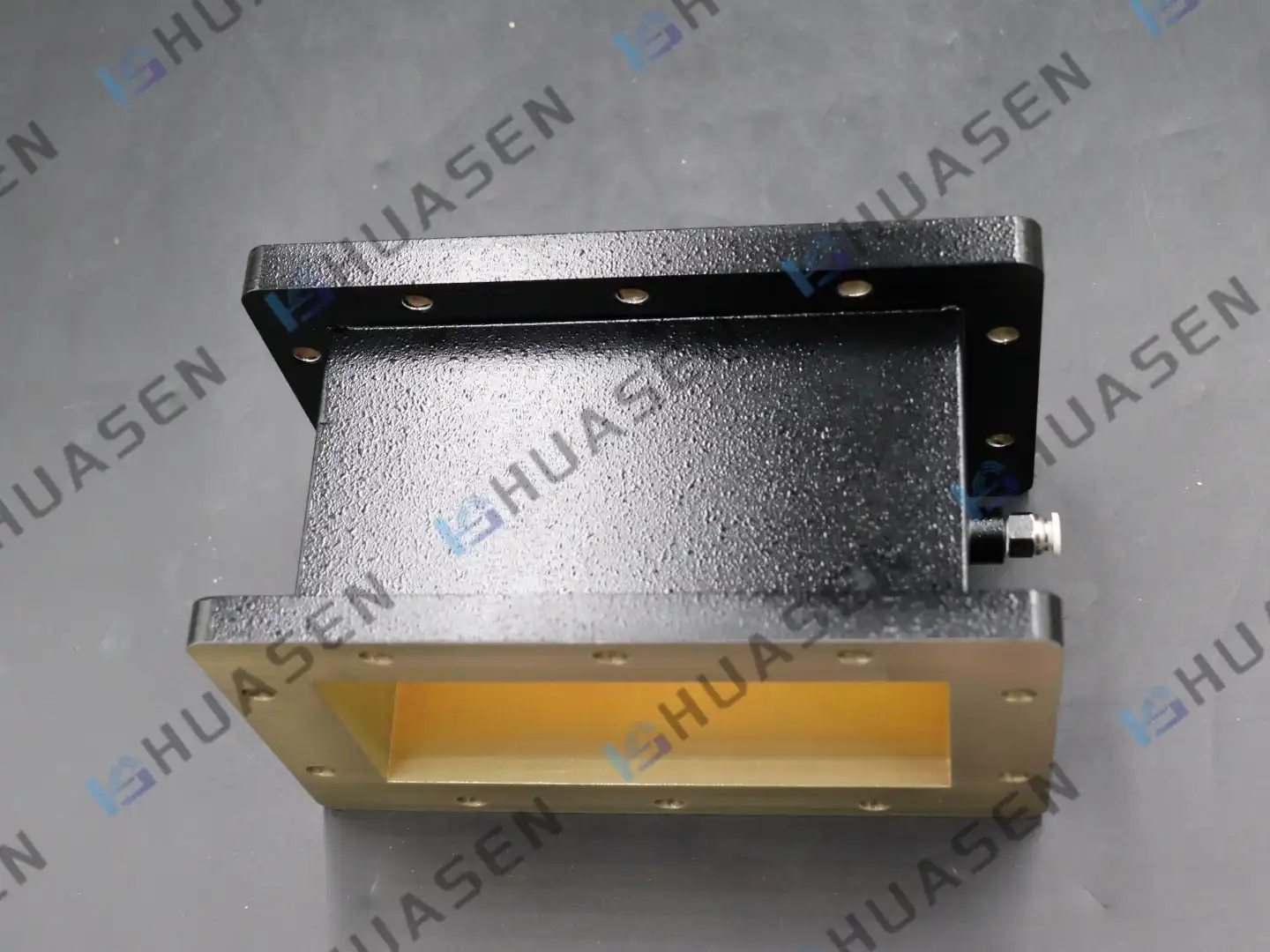
The most persistent threats to waveguide integrity come from environmental forces. Extreme temperatures can cause materials to expand and shrink, which could make the seal less effective. Moisture getting in through worn-out gaskets or broken air tubes causes dielectric losses that directly hurt signal quality. Impedance traits can be changed by dust building up on internal surfaces, and material fatigue is sped up by physical stress from vibration or bad mounting. When maintenance teams know about these weak spots, they can set up targeted inspection routines that stop specific types of failure before they affect system performance. Material degradation is another issue that needs to be considered, especially for units used in maritime communications or outdoor communication infrastructure. Aluminium and copper films lose their protective layers over time when exposed to ultraviolet light, and corrosive atmospheres attack the metalization layers. Different types of oxidised aluminium and silver-plated copper from specialised manufacturers have different levels of resistance to the climate and need different maintenance methods based on the materials they are made of.
Routine Maintenance Procedures for Inflatable Waveguide Systems
Establishing comprehensive maintenance routines ensures consistent RF performance while identifying potential issues during their earliest stages. Structured inspection schedules should align with operational intensity and environmental severity, with high-power applications or harsh deployment conditions warranting increased inspection frequency.
Visual Inspection and Pressure Monitoring Protocol
Maintenance plans that work are built on visual assessments. Technicians should look at the outside of the vehicle for discolouration, dents, or other surface flaws that could mean there are problems with the pressure inside or damage from impacts on the outside. Connection flanges need extra care because they are often the site of problems with misalignment or gasket stress. The air tube assembly needs to be carefully checked for cracks, damaged threads, or seal wear that could cause pressure to slowly drop. Monitoring pressure gives you numbers about how well the system is working. Readings of the baseline pressure that were taken during installation can be used as guides to find slow leaks or seal wear. The frequency of measurements depends on how important the application is. Mission-critical systems should be checked every day, while less demanding setups may only need to be checked once a week. Pressure gauges should show that their calibration can be traced back to national standards. This will make sure that measurements are accurate for as long as the gauge is in use.
Seal Evaluation and Cleaning Best Practices
The efficiency of environmental protection is directly related to the condition of theInflatable Waveguidegasket and seal. Regular inspection shows compression set, cracks, or stiffening that makes sealing less effective. Replacement schedules should match the material's specs, but if something looks bad, it needs to be fixed right away, no matter how often the replacements are planned. Compatible replacement parts that are the same size as the original equipment stop measurement mismatches that could cause VSWR degradation or create new leak paths. Cleaning methods must take into account how sensitive the metal is while getting rid of contaminants that could affect how well the electrical system works. When you wet non-abrasive cloths with isopropyl alcohol, they remove surface deposits well without scratching protected finishes. Stay away from solvents that come from petroleum, as they can damage gasket materials or leave behind residues that change the dielectric qualities. Complete depressurisation is needed for internal cleaning, which should only happen after baseline electrical performance has been recorded for proof after cleaning.
Storage and Handling Guidelines
Proper storage significantly impacts long-term reliability for spare units and seasonal equipment. Components should remain in climate-controlled environments with relative humidity between 30% and 60% to prevent condensation without inducing excessive dryness. Protective covers shield against dust accumulation and mechanical damage during storage periods. Pressure-sealed units benefit from periodic pressurization cycles during extended storage, preventing seal surfaces from bonding and maintaining material flexibility. Handling protocols prevent physical damage that could compromise structural integrity. Personnel should avoid dropping or striking waveguide sections against hard surfaces, as internal deformation may not produce visible external evidence while significantly degrading electrical performance. Lifting procedures should distribute load across flange surfaces rather than concentrating stress on air nozzle assemblies or thin-walled sections.
Troubleshooting Common Issues and Problem-Solving Tips
Operational anomalies require systematic diagnostic approaches that isolate root causes and determine appropriate corrective actions. Understanding the relationship between physical condition and electrical performance guides effective troubleshooting strategies.
Detecting and Addressing Pressure Loss
Pressure loss manifests through a gradual decline in internal pressure readings or complete depressurization in severe cases. Systematic leak detection begins with visual inspection of air nozzle assemblies and flange interfaces, as these represent the most common failure points. Auditory detection using ultrasonic leak detectors proves effective for locating small breaches that evade visual identification. Bubble testing with soap solution provides a definitive leak location for accessible surfaces. Temporary field repairs using approved sealants may restore functionality for non-critical applications, though permanent repair or component replacement remains the preferred solution for systems requiring guaranteed performance. Procurement teams should maintain an inventory of common wear items, including gaskets, O-rings, and air nozzle assemblies, to minimize downtime during corrective maintenance.
Signal Degradation Analysis and Remediation
Signal quality deterioration often correlates with physical condition changes that affect electromagnetic propagation. Increased VSWR measurements suggest dimensional irregularities, internal contamination, or moisture ingress. Return loss degradation typically indicates impedance discontinuities at connection points or along the transmission path. Insertion loss increases point toward resistive losses from corrosion, contamination, or material degradation. Diagnostic procedures should include network analyzer measurements comparing current performance against baseline data established during installation or previous maintenance events. Significant deviations warrant internal inspection following depressurization and disassembly protocols. Moisture presence requires immediate action, as extended exposure accelerates corrosion and can permanently degrade electrical properties.
When to Engage Supplier Technical Support
Complex issues exceeding field maintenance capabilities benefit from manufacturer expertise. Situations warranting professional support include persistent pressure loss despite seal replacement, unexplained electrical performance degradation, or physical damage requiring assessment of repair feasibility versus replacement. Established manufacturers provide technical consultation, calibration data interpretation, and failure analysis services that leverage decades of application experience across diverse operational scenarios. Huasen Microwave Technology's engineering team offers comprehensive technical support for inflatable waveguide systems, drawing on experience since 1993 serving telecommunications, aerospace, and defense sectors. This depth of application knowledge proves invaluable when troubleshooting uncommon failure modes or optimizing maintenance protocols for demanding Inflatable Waveguideoperational environments.
Advanced Maintenance: Technical Specifications and Design Considerations
Technical understanding of design parameters and material properties informs maintenance decisions that preserve performance characteristics throughout operational lifecycles. Engineers and procurement specialists benefit from knowledge connecting physical specifications to maintenance requirements.
Material Characteristics and Maintenance Implications
Aluminum variants with oxidized surfaces offer excellent corrosion resistance and lightweight construction suited to portable or weight-sensitive applications. The oxidation layer provides environmental protection but requires careful handling to avoid scratching that exposes the base metal to accelerated corrosion. Cleaning protocols must avoid abrasives that compromise this protective barrier. Copper construction with silver plating delivers superior electrical conductivity, particularly valuable for high-frequency applications where conductor losses significantly impact system performance. Silver plating requires protection from sulfur-containing compounds that cause tarnishing, suggesting storage environments free from industrial pollutants. Material selection influences thermal expansion characteristics, affecting seal integrity across temperature extremes. Aluminum's higher thermal expansion coefficient compared to copper necessitates seal designs accommodating greater dimensional variation. Maintenance intervals in thermally dynamic environments should account for these material-specific behaviors to prevent seal failure from repeated thermal cycling.
Dimensional Standards and Parts Compatibility
Waveguide dimensions follow standardized designations, ensuring mechanical and electrical compatibility across manufacturers. Replacement components must match original specifications exactly, as dimensional variations introduce impedance mismatches, degrading VSWR performance. Flange interfaces adhere to industry standards specifying bolt patterns, gasket grooves, and mating surface finish requirements. Non-standard dimensions require custom fabrication, emphasizing the value of partnering with manufacturers offering customization capabilities alongside standard product lines. Operating frequency ranges determine critical internal dimensions through the relationship between waveguide cutoff frequency and cross-sectional geometry. Maintenance procedures must preserve these dimensions, as deformation directly impacts frequency response and power handling capability. High-frequency models operating with tighter tolerances demand more rigorous inspection protocols to detect subtle dimensional changes affecting performance.
Installation and Reinstallation Best Practices
Proper installation techniques establish the foundation for maintenance success by preventing premature wear and ensuring baseline performance meets specifications. Flange alignment procedures prevent gasket damage and ensure uniform compression across sealing surfaces. Torque specifications for mounting hardware balance adequate sealing force against gasket over-compression that accelerates degradation. Air nozzle positioning, customizable in Huasen Microwave's QWAL series, should optimize accessibility for pressure monitoring while avoiding mechanical stress concentration zones. Reinstallation following maintenance requires verification that electrical performance matches pre-maintenance baselines. Network analyzer sweeps confirm that VSWR, return loss, and insertion loss parameters fall within acceptable ranges. Pressure testing validates seal integrity before returning equipment to operational service. Documentation of all measurements creates historical records supporting trend analysis and predictive maintenance planning.

Why Choose Trusted Suppliers for Support and Maintenance Services
Strategic partnerships with established manufacturers deliver measurable advantages throughout equipment lifecycles. Procurement decisions extending beyond initial purchase price to encompass total ownership costs consistently favor relationships with suppliers offering comprehensive technical support and genuine replacement components.
Guaranteed Authenticity and Performance Verification
Factory-direct sourcing eliminates counterfeit component risks that plague secondary markets. Authentic parts carry manufacturer performance guarantees backed by quality control processes ensuring dimensional accuracy, material specifications, and electrical characteristics meet design standards. This assurance proves particularly critical for applications in communications security systems, radar installations, and aerospace platforms where component failure carries severe operational consequences. Suppliers providing calibration data and test reports for individual units enable verification that delivered equipment meets specified performance criteria. This documentation supports system integration efforts and provides baseline references for future maintenance activities. Traceability to manufacturing batch and production date facilitates recall management andinflatable straight waveguide obsolescence planning for long-lifecycle projects.
Technical Expertise and Training Resources
Having access to application engineering help speeds up efforts to fix problems and make things work better. Manufacturers who have a lot of experience with applications in a wide range of industries can help with unique operational problems. This knowledge is useful when designing a system because it makes sure that maintenance access is taken into account along with electrical performance standards. Training programs teach maintenance staff how to use specific equipment and perform diagnostics. Technical staff from the manufacturer lead hands-on classes that teach people how to do things like pressure testing, replacing seals, and electrical verification. This sharing of information cuts down on mistakes made during maintenance and improves the organization's ability to support equipment for longer periods of time.
Streamlined Procurement and After-Sales Service
Established relationships with suppliers make it easier to get spare parts by negotiating prices ahead of time, speeding up the buying process, and helping with inventory management. Options for buying in bulk lower unit costs and make sure that parts are available when maintenance schedules call for them. Fast delivery cuts down on equipment downtime, which is especially helpful for infrastructure that is spread out geographically and can't keep parts in stock locally. Warranty coverage and after-sales service protect against premature failures and give you access to manufacturer support during coverage periods. Full warranty terms show that the maker trusts the product's dependability and holds people responsible for poor performance. These things help procurement teams reduce risk a lot when they compare the total cost of ownership of different options.
Conclusion
To keep inflatable straight waveguide systems in good shape, they need regular inspections, quick responses to problems, and smart partnerships with suppliers. Monitoring the pressure, checking the seals, and checking the electrical performance on a regular basis keeps small problems from getting worse and causing system breakdowns. Understanding how physical state affects RF performance helps maintenance teams understand diagnostic data and take the right steps to fix problems. Cleaning methods and replacement parts are chosen based on the material, while technical specs help with choices about compatibility and performance expectations. Partnerships with well-known makers give you access to original parts, application knowledge, and full support services that lower the total cost of ownership and improve operational reliability in demanding defence, aerospace, and telecommunications uses.
FAQ
1. How often should pressure checks be performed?
Inspection frequency depends on application criticality and environmental severity. Mission-critical systems in base stations or radar installations benefit from daily pressure monitoring, while laboratory equipment or benign indoor environments may permit weekly assessments. Establishing baseline pressure readings during installation provides reference points for detecting gradual leaks, indicating seal degradation. Any pressure decline exceeding 5% between inspections warrants immediate investigation to identify and address leak sources before complete failure occurs.
2. Can maintenance teams perform internal cleaning without specialized equipment?
Internal cleaning requires complete depressurization, disassembly following manufacturer procedures, and appropriate cleaning materials. Non-abrasive cloths with isopropyl alcohol effectively remove contaminants without damaging metallization. Avoid compressed air that could drive particles into inaccessible areas or introduce moisture. Post-cleaning electrical verification using network analyzers confirms performance restoration. Complex repairs or performance issues beyond field maintenance capabilities warrant engagement with supplier technical support to prevent inadvertent damage from improper procedures.
3. What warranty coverage should procurement teams expect?
Reputable manufacturers typically provide warranty coverage spanning one to three years, depending on product line and application environment. Coverage should address manufacturing defects, material failures, and performance degradation below specified parameters under normal operating conditions. Warranty terms excluding damage from misuse, improper maintenance, or environmental extremes beyond design ratings represent standard industry practice. Clarifying warranty scope, claim procedures, and support availability during procurement evaluation prevents misunderstandings and ensures appropriate risk allocation between supplier and customer.
Partner with Huasen Microwave for Your Waveguide System Needs
Huasen Microwave Technology delivers comprehensive inflatable straight waveguide solutions backed by over three decades of RF component manufacturing expertise. Our QWAL series features exceptional VSWR performance—most models achieving ≤1.05, with high-frequency variants at ≤1.1—ensuring signal integrity across demanding applications. Material options, including aluminum with oxidized surfaces and silver-plated copper, accommodate diverse environmental requirements, while customizable air nozzle placement optimizes system integration. As an established inflatable straight waveguide manufacturer serving telecommunications, aerospace, and defense sectors globally, we provide factory-direct access to genuine components, responsive technical support, and customization capabilities addressing unique application requirements. Contact our team at sales@huasenmicrowave.com to discuss your specific maintenance challenges, request technical documentation, or obtain quotations for your next procurement cycle. Our engineering staff stands ready to support your success with reliable, high-performance RF solutions.
References
1. Pozar, David M. Microwave Engineering, 4th Edition. Wiley Publishing, 2011.
2. Marcuvitz, Nathan. Waveguide Handbook. Institution of Engineering and Technology, 1986.
3. Saad, Theodore S. Microwave Engineers' Handbook, Volume 1. Artech House Publishers, 1971.
4. Collin, Robert E. Foundations for Microwave Engineering, 2nd Edition. Wiley-IEEE Press, 2001.
5. Institute of Electrical and Electronics Engineers. IEEE Standard for Rectangular Metallic Waveguides and Their Interfaces. IEEE Std 1785-2012.
6. Military Standard MIL-DTL-85/3C. Waveguide, Rigid, Rectangular, Copper. Department of Defense, 2008.
Send Inquiry