Home / Blog
Blog
0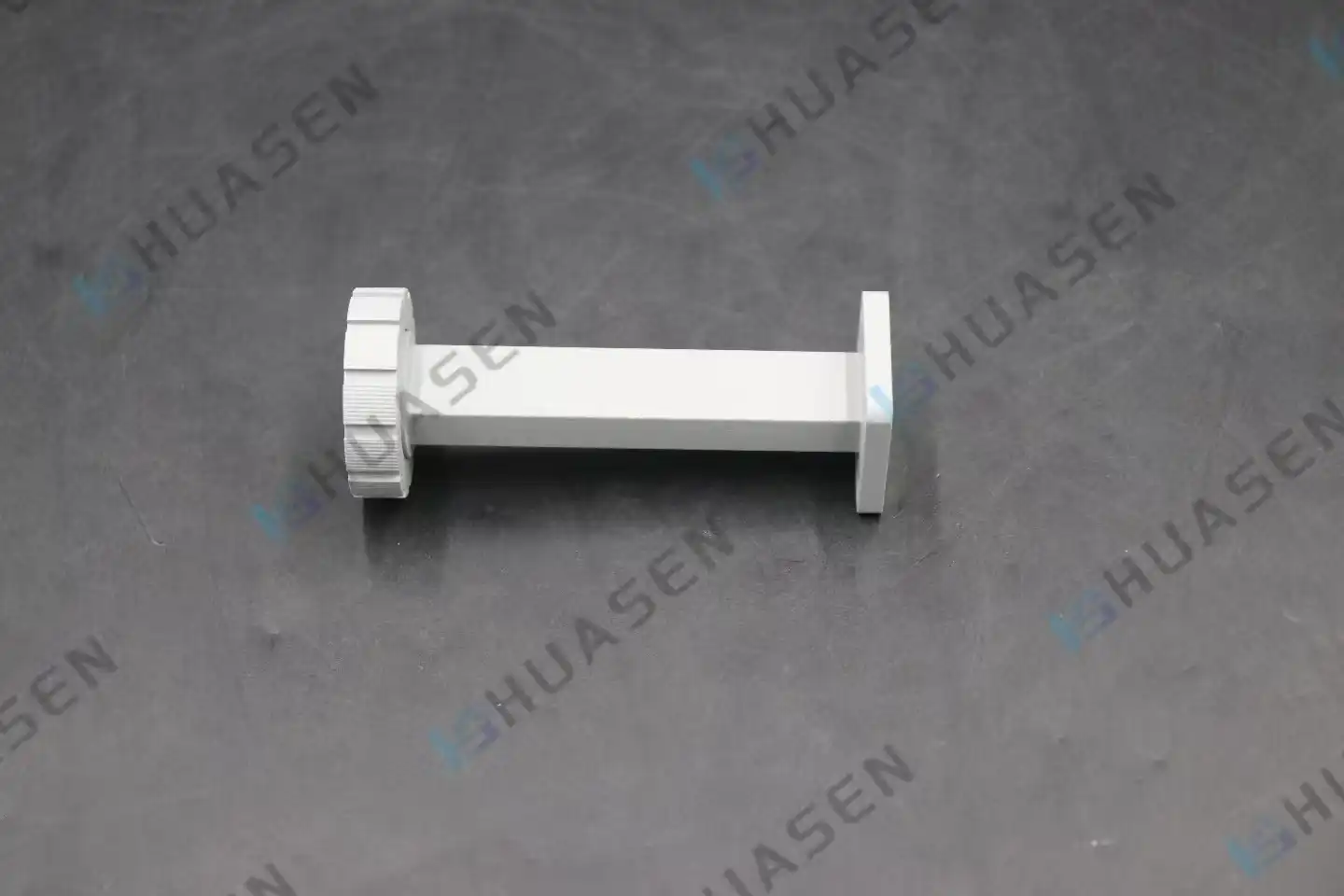
Waveguide Straight Section Design and Tolerance Guide
The waveguide straight section is the most important part of building microwave and millimeter-wave systems because it ensures that signals are sent reliably. To get the best performance across frequency bands from 0.32 GHz to 220 GHz, this precision-engineered part needs close attention paid to its dimensions, the material used, and the way it is made. Knowing how internal shape, surface finish, and temperature expansion work together will help you keep your system's low VSWR, low insertion loss, and high power handling—all of which are important for radar installations, satellite uplinks, and 5G infrastructure deployments.VIEW MORE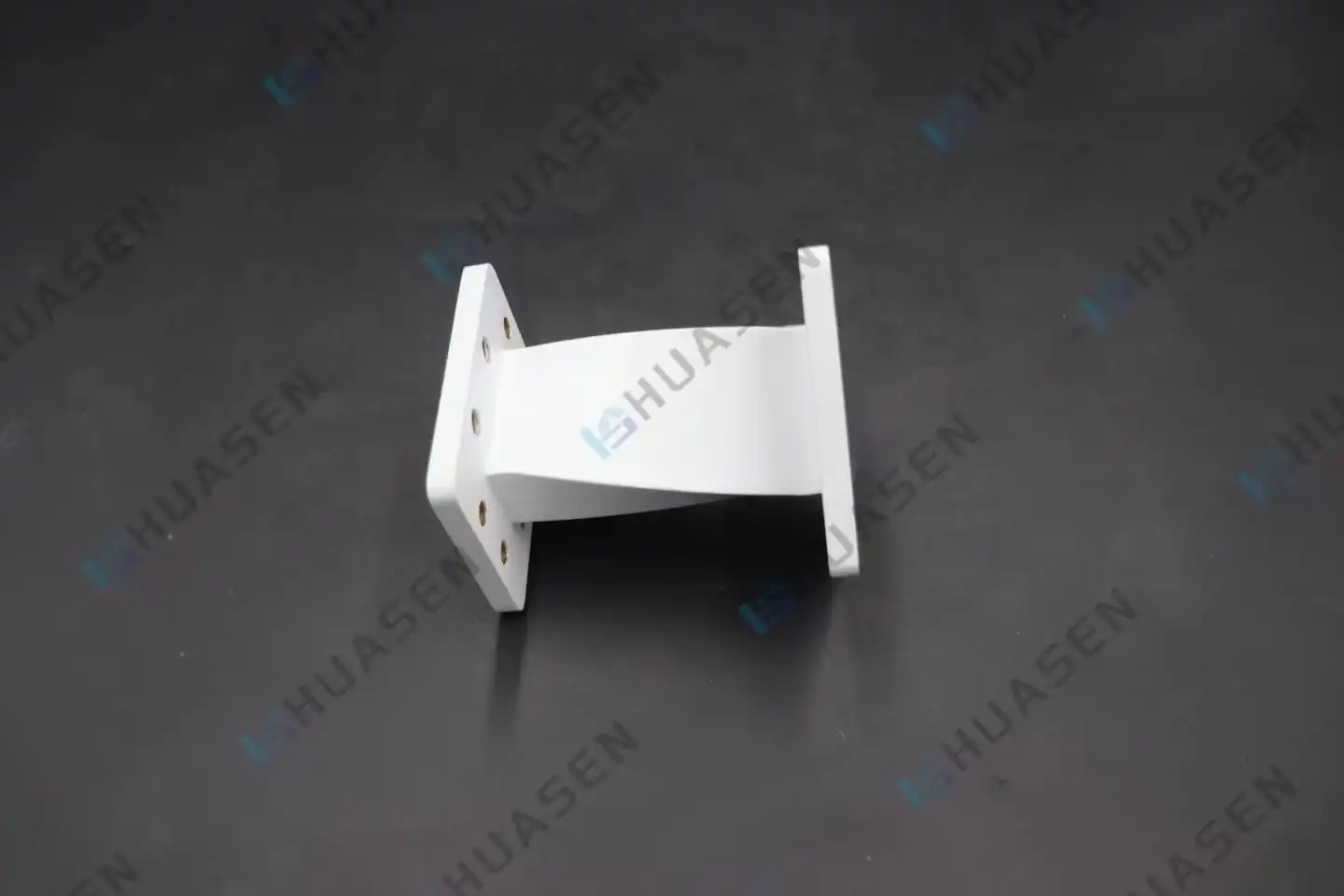
Waveguide Twist Function in Polarization Control
A waveguide twist is a precise passive microwave part that is designed to change the direction of polarization of electromagnetic waves moving through transmission line assemblies. By mechanically rotating the waveguide's cross-sectional profile in 45° or 90° steps, this device makes sure that signal sources and receiving elements are properly lined up. This fixes polarization mismatch without lowering the signal quality. In tough places where limited space doesn't allow normal routing, waveguide twists make it possible for small RF paths to be used while keeping impedance continuity and reducing reflections through precise internal geometries.VIEW MORE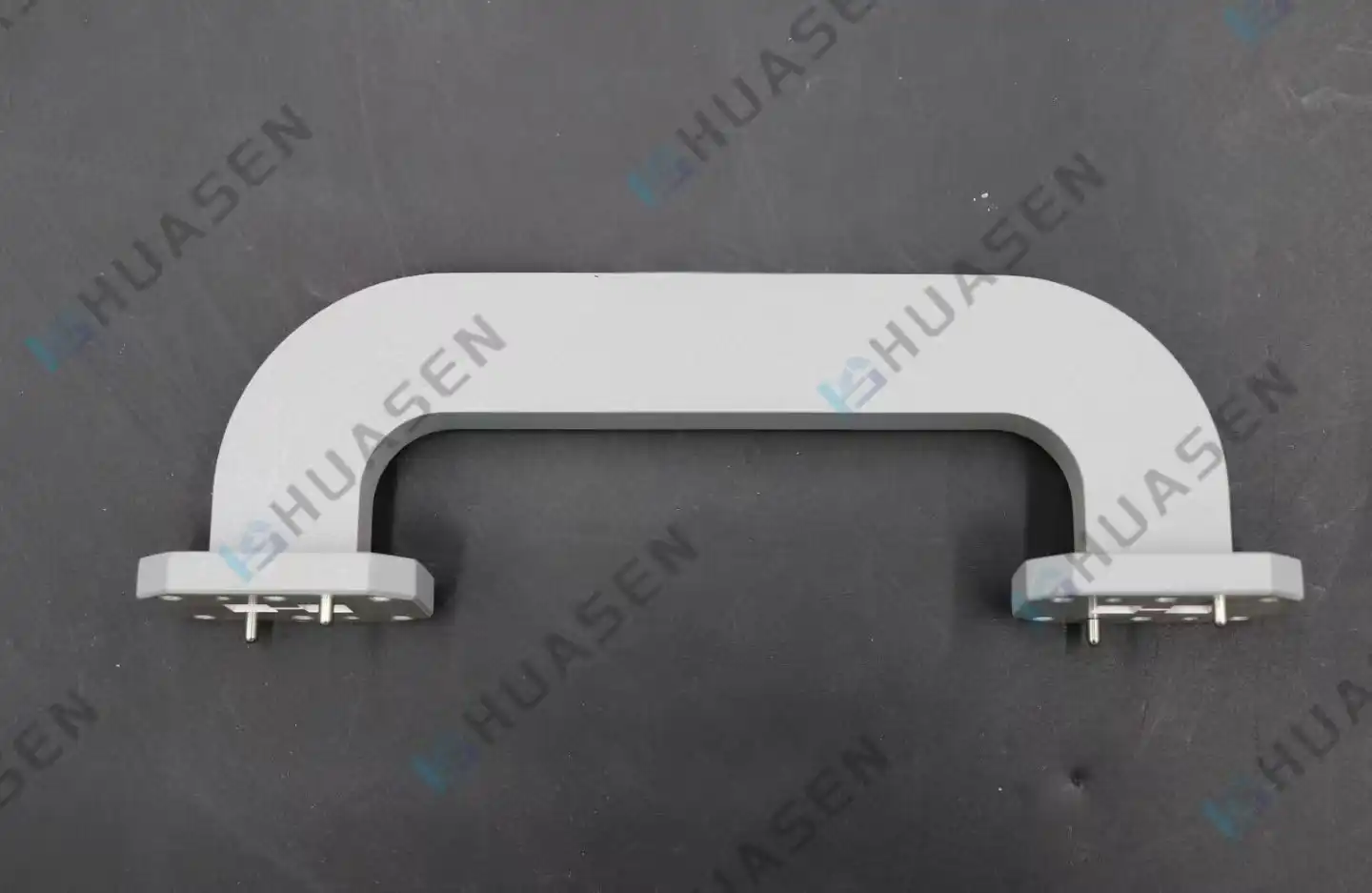
Double Ridged Waveguide Bend in Test Systems
When setting up a precise test system for measuring broadband RF or calibrating radar, it's important that every part of the signal path works properly. The double-ridged waveguide bend is an important passive part that lets engineers send high-frequency signals through complicated physical layouts without losing bandwidth or adding too much reflection. Standard rectangular waveguide bends can only work with a small range of frequencies. These special bends have two ridges inside them that load the waveguide structure capacitively. This makes the usable bandwidth much wider while still maintaining excellent electrical performance. Getting multi-octave frequency coverage in small, geometrically limited enclosures where signal routing requires precise angular transitions has been a problem for a long time. This new design solves that problem.VIEW MORE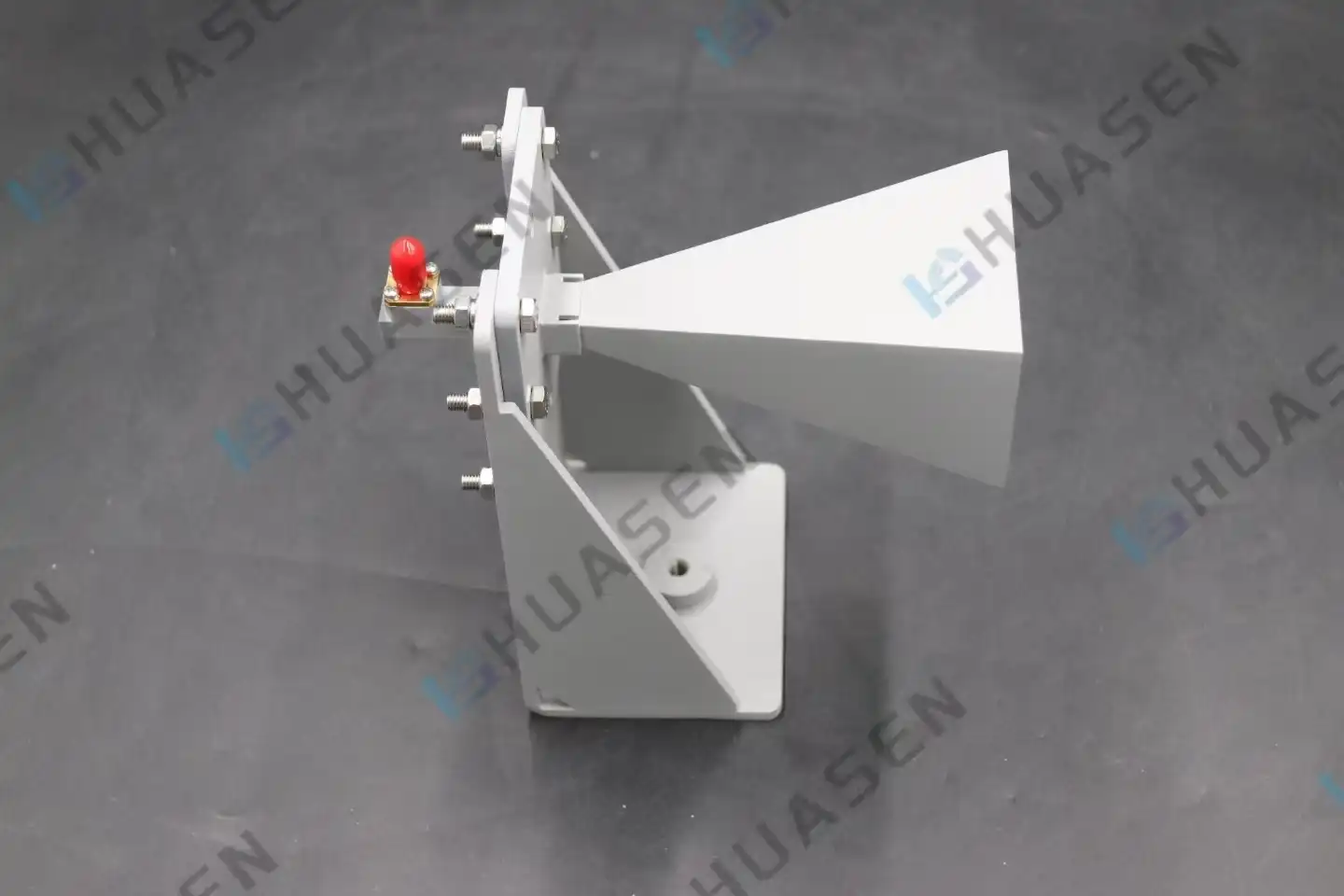
Why standard gain horn antenna Is Essential for EMC Testing?
Electromagnetic Compatibility (EMC) testing stands as a non-negotiable requirement across modern electronics manufacturing and telecommunications. Without rigorous EMC validation, devices risk interference, regulatory rejection, standard gain horn antenna, and catastrophic system failures. At the heart of precise EMC measurement lies the standard gain horn antenna—a metrologically sound reference tool that delivers predictable, repeatable performance. This precision-engineered pyramidal aperture antenna functions as the "gold standard" for calibrating test chambers, verifying field strength, and ensuring compliance with international standards like FCC, CISPR, and MIL-STD-461. Its stable gain characteristics, narrow beamwidth, and theoretical calculability make it indispensable for labs seeking measurement traceability and regulatory confidence.VIEW MORE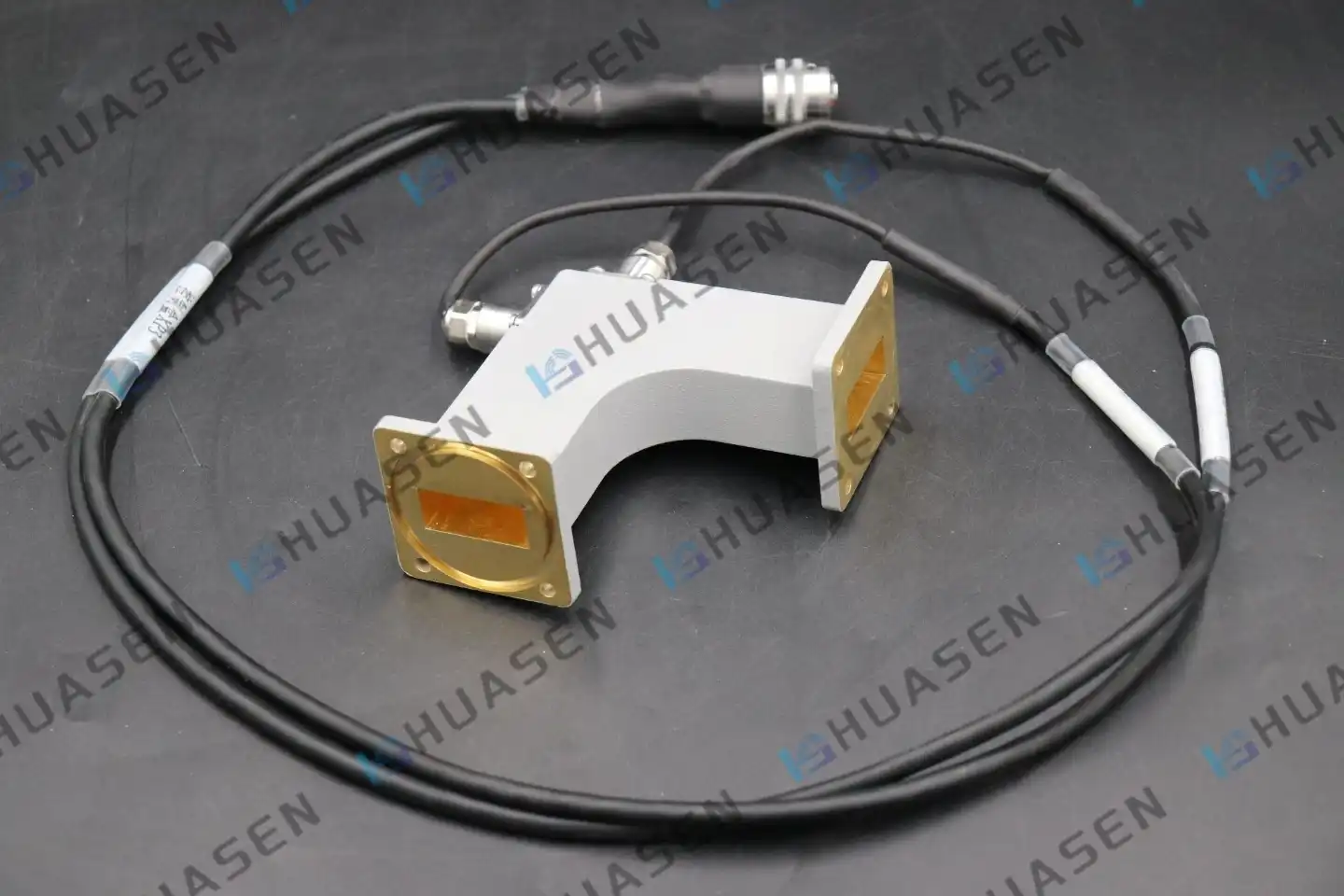
Waveguide Detection in Radar & Communication Networks
Waveguide Detection in radar and communication networks is an important process of watching for, recognizing, and reacting to changes in electromagnetic signals and possible failures in high-power RF and microwave transmission systems. This technology includes special parts like arc detectors and integrated tracking systems that pick up spectral fingerprints, pressure waves, or optical signs that show when the dielectric is breaking down, or there are problems with the impedance. These detection systems protect expensive transmitter parts, keep networks running, and keep signals pure in telecommunications infrastructure, military radar arrays, satellite links, and industrial microwave uses. They do this by letting people step in real time, often within microseconds.VIEW MORE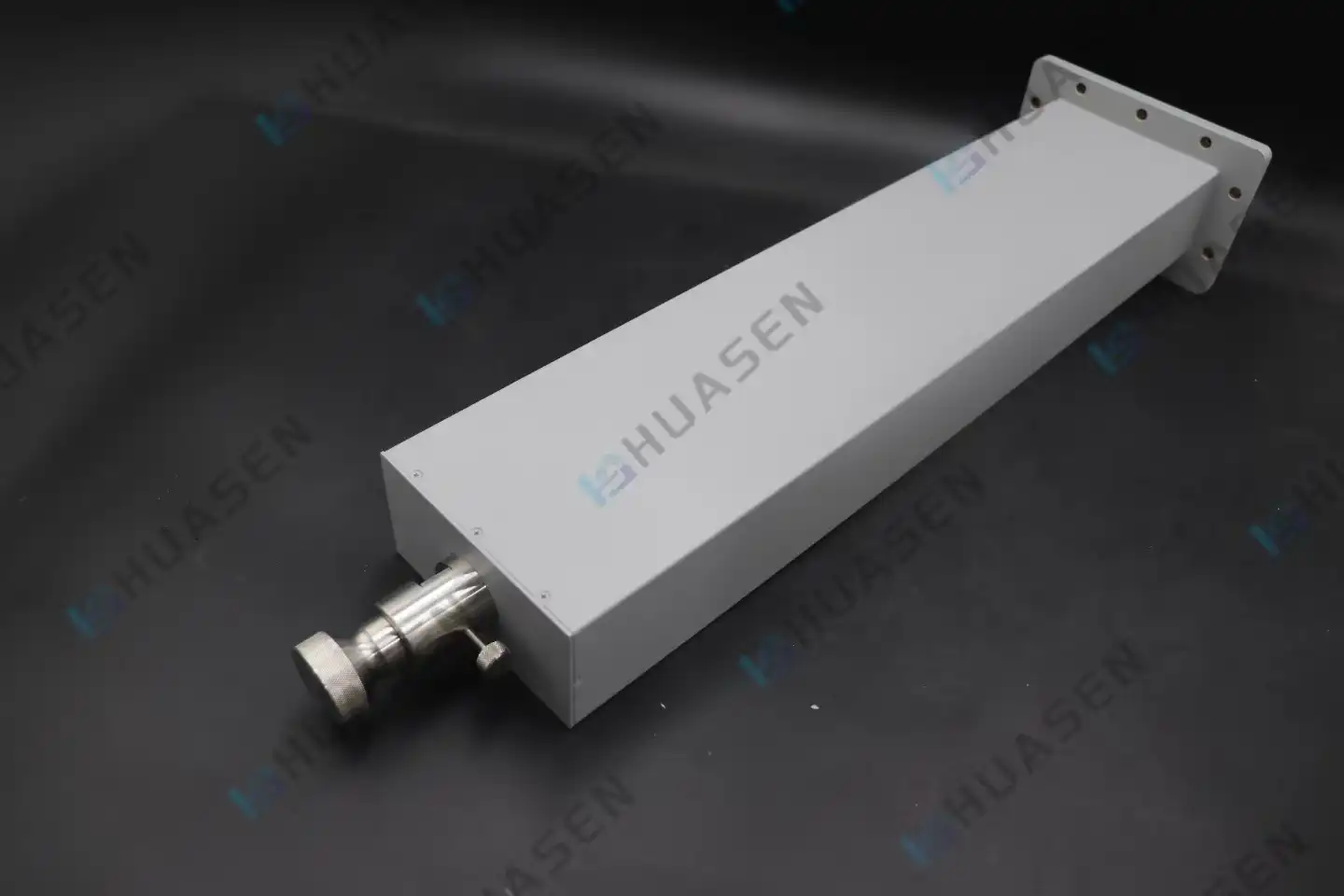
Waveguide Sliding Load for Calibration Applications
When exact tuning of high-frequency test equipment is needed for mission-critical tasks, engineers use the Waveguide Sliding Load, a specialized tool that has quietly changed the accuracy of measurements. This very accurate microwave termination device is the gold standard in measuring labs all over the world. It lets measurements be very accurate in ways that set loads just can't. A Waveguide Sliding Load is different from other types of loads because it has a tapered absorbing element inside a waveguide section that can be moved along the transmission line to change the reflection phase angles while keeping the magnitude the same. This one-of-a-kind feature lets calibration experts mathematically separate error terms in vector network analyzer measurements, achieving directivity levels above 60 dB—performance levels needed to describe next-generation 5G components, satellite communication systems, and defense radar installations.VIEW MORE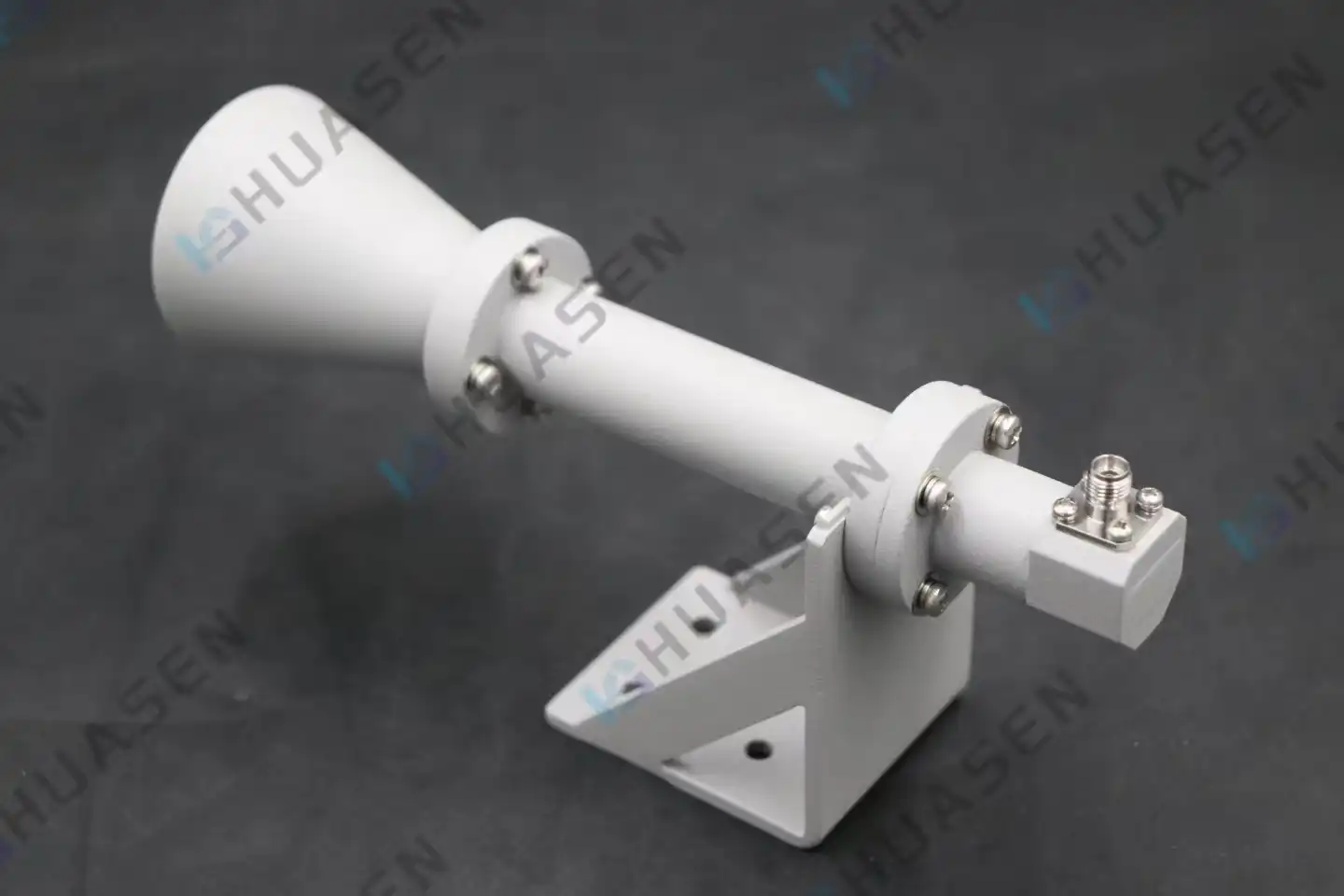
Dual Polarized Horn Antenna Benefits in MIMO RF Systems
When we talk about improving modern wireless networks, especially ones that need to be fast and reliable, specialized antenna technology plays a huge role. A Dual-Polarized Horn Antenna is one of the most important parts of MIMO (Multiple Input Multiple Output) RF systems because it lets two orthogonally polarized signals pass through the Dual-Polarized Horn Antenna and be received at the same time. This feature directly solves important problems in 5G/6G networks, satellite communications, and radar uses, where polarization variety leads to better spectral efficiency, less multipath fading, and higher signal-to-noise ratios. Our research shows how these devices help system integrators and equipment manufacturers who need reliable, high-performance parts in the real world.VIEW MORE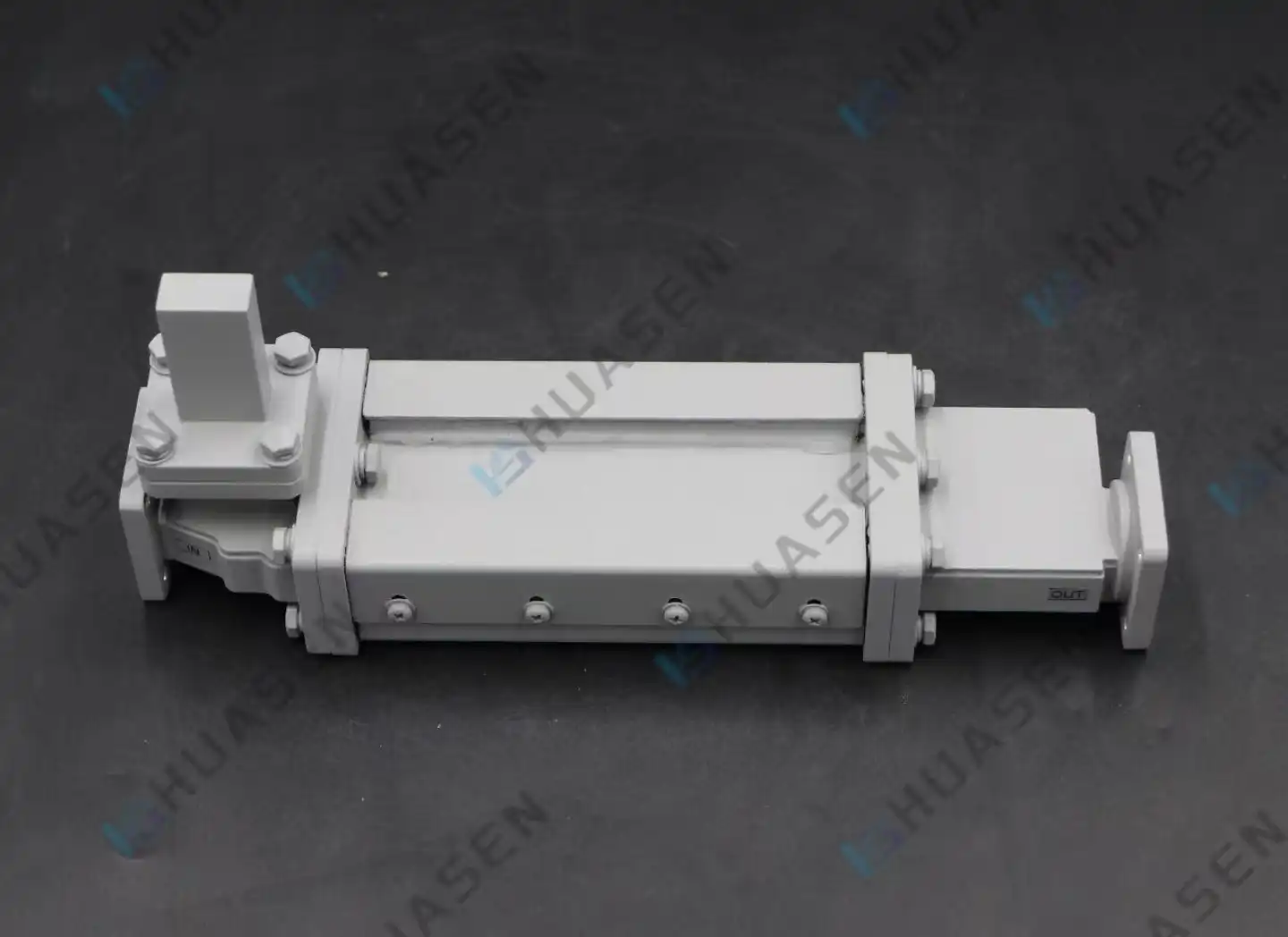
Why Use Differential Phase Shift Isolator in Radar?
Modern radar systems work in very strong electromagnetic fields, and the success of the task depends on the purity of the signals they send. When megawatt-level pulses are sent out by radar emitters, even small echoes from parts that don't fit together right can destroy expensive equipment in milliseconds. This major flaw is fixed by the High Power Waveguide Differential Phase Shift Isolator, which directs reflected energy away from sensitive amps and into special cooling loads. This dual-path design spreads RF energy over larger surface areas than traditional junction isolators, which have trouble with thermal dissipation. This makes it possible for systems like military radar, weather monitoring, and aircraft tracking to work reliably in situations where downtime is not an option.VIEW MORE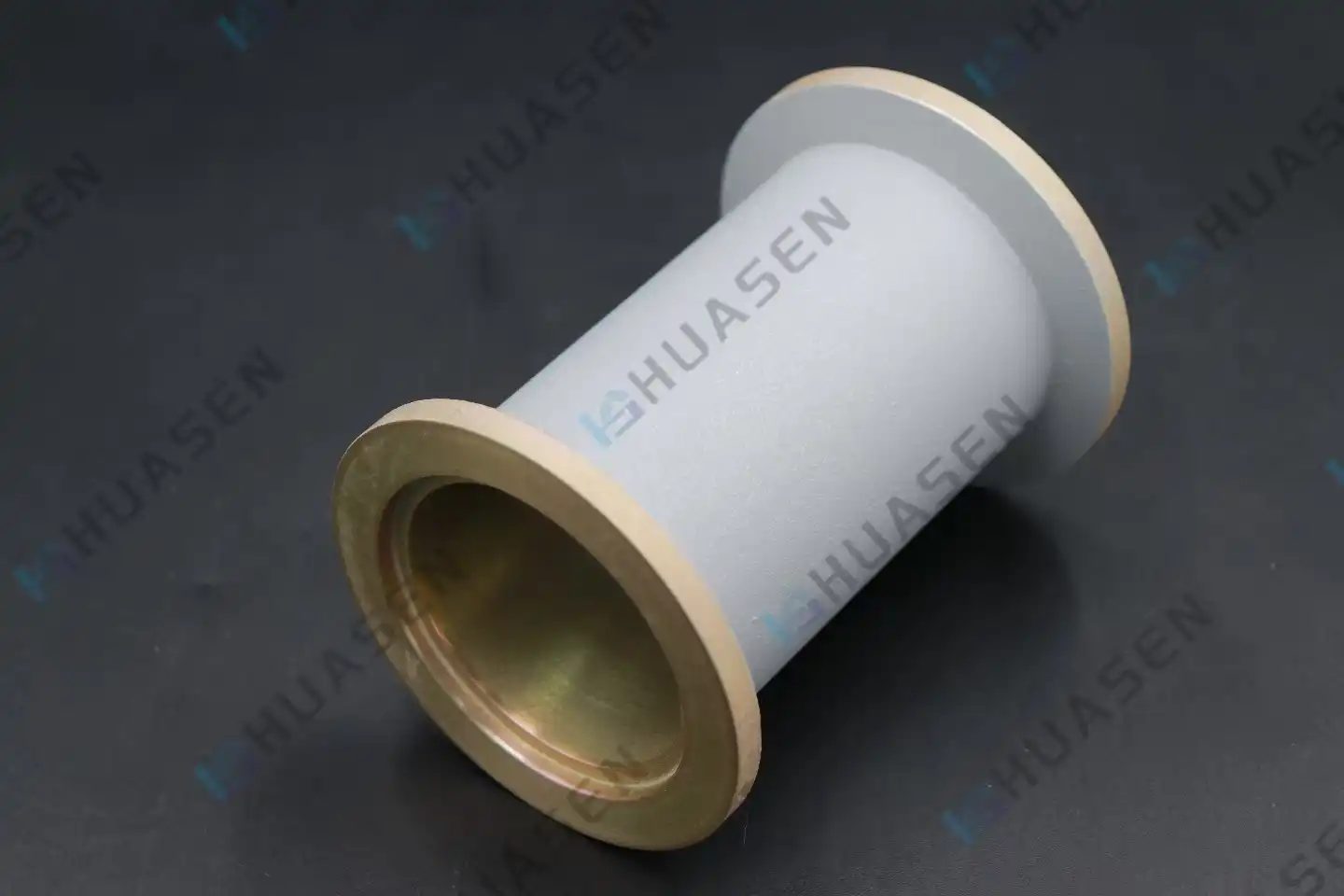
Circular Straight Waveguide for Rotating Joints
Engineers always have to deal with the problem of how to keep RF signals going while mechanical parts keep turning when they're making spinning joint assemblies for radar tracking systems, satellite earth stations, circular straight waveguides, or naval communications. This need is directly met by the Circular Straight Waveguide, which acts as the center conduit in rotary joint mechanisms. This lets electromagnetic waves travel smoothly during a 360-degree spin without losing power or changing their polarization. Because it is rotationally symmetric, it doesn't have the mode-coupling problems that come with rectangular shapes. This makes it the best choice for uses that need both mechanical freedom and electrical accuracy.VIEW MORE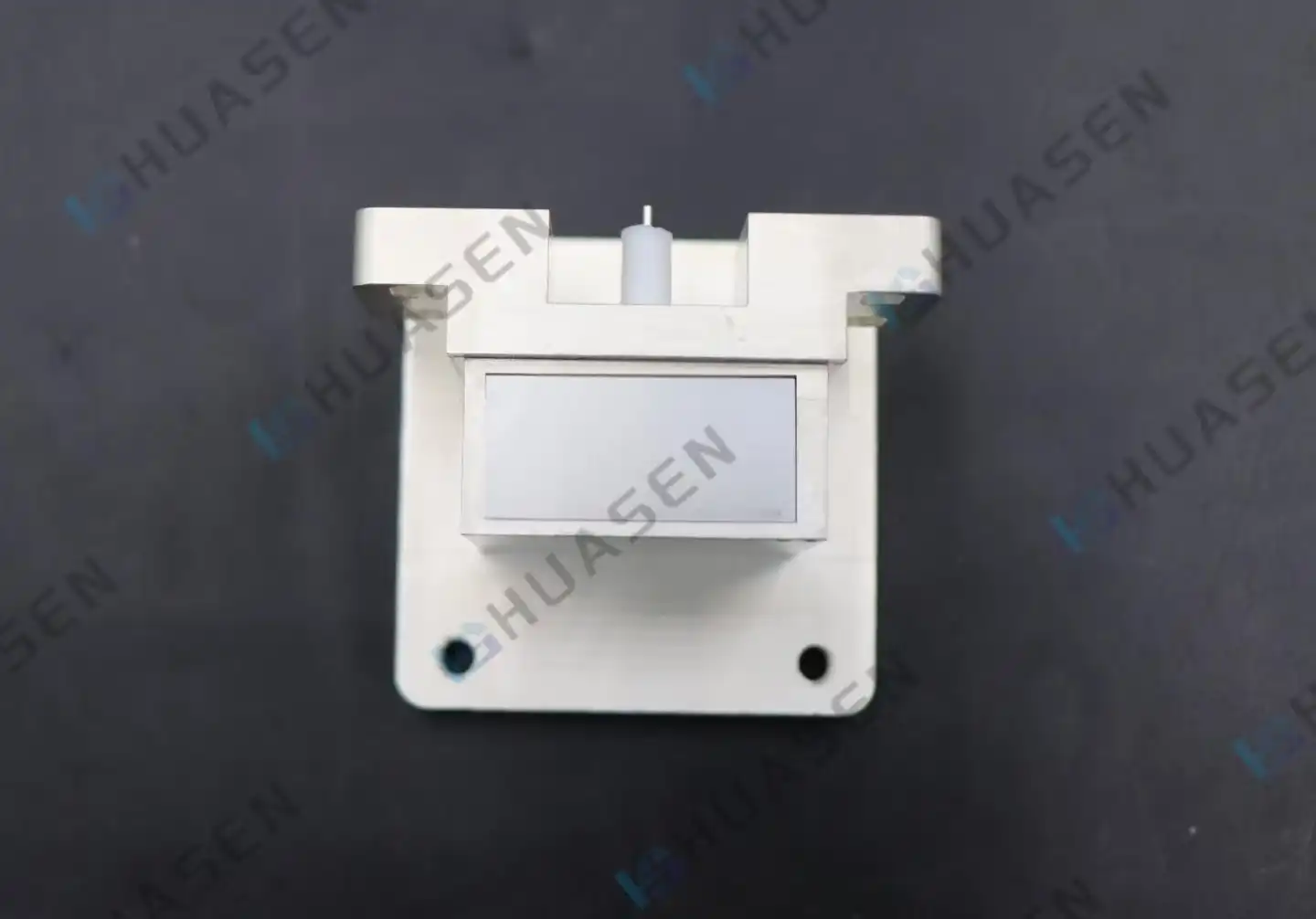
How Waveguide to Microstrip Transition Enables PCB RF
Waveguide to Microstrip Transition components are important physical links in modern RF systems because they change electromagnetic signals from large waveguide structures to small planar circuits. These parts work by changing the main TE10 mode of rectangular waveguides into the Quasi-TEM mode of microstrip lines and matching the impedances at the same time. The change connects the usual waveguide impedance of over 300 Ohms to the normal 50-Ohm microstrip systems used in PCB designs. This makes it possible for high-power waveguide systems and small printed circuit board electronics to work together without any problems.VIEW MORE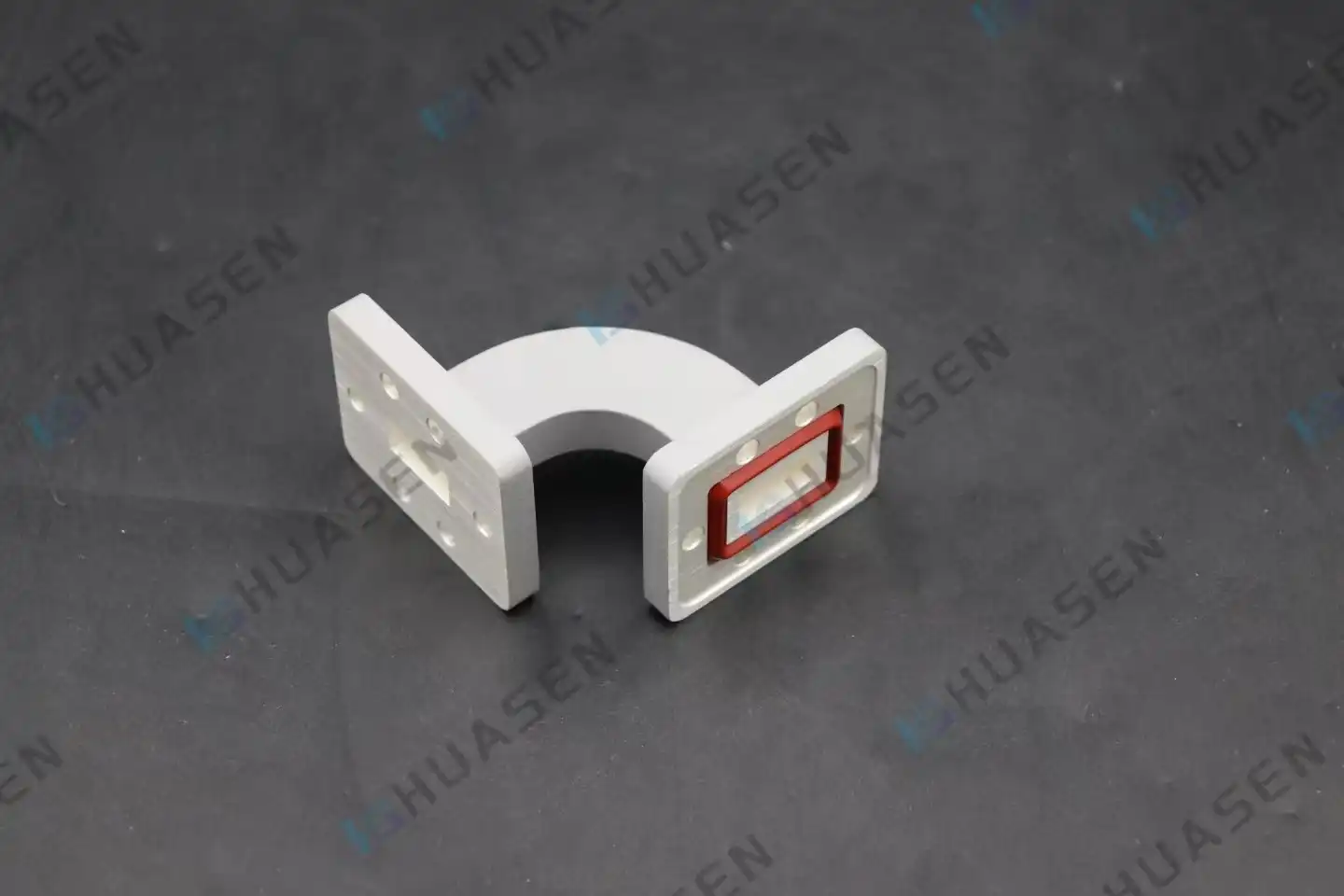
Bend Waveguide Loss Mechanism Explained
Engineers and procurement managers who work with microwave and millimeter-wave systems need to understand how Bend Waveguide loss works. When electromagnetic waves pass through waveguides that need to change directions, like H-bends, S-bends, or multi-bend shapes, the signal is attenuated in a number of ways, such as by mode conversion, reflection at bends, and changes in surface resistance. In radar modules, satellite communication links, and aircraft uses where signal integrity can't be compromised, these losses have a direct effect on how well the system works. To keep these losses to a minimum, you need exact geometric design, high-quality materials like OFHC copper that have been properly plated, and strict manufacturing limits that are laid out in standards like MIL-DTL-85.VIEW MORE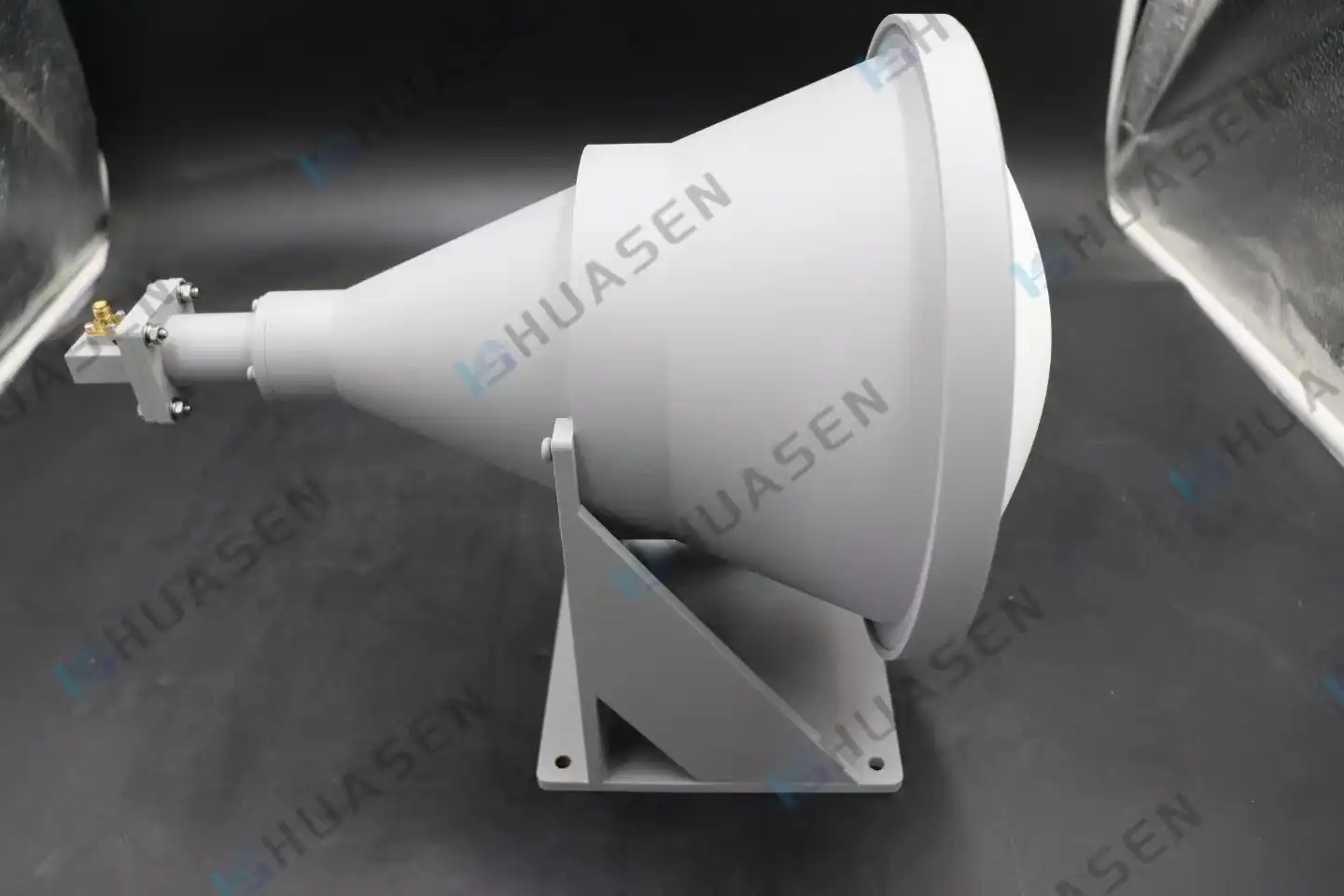
Lens Horn Antenna Applications in Microwave and 5G Testing
Lens horn antennas are a high-tech group of microwave parts that combine precise dielectric lens elements with regular horn radiators to provide excellent beam control and signal clarity. Engineers can get very exact readings across millimetre-wave and sub-terahertz frequencies with these antennas when testing 5G and microwave technologies. Because they can make flat wavefronts with little phase distortion, they are essential for calibrating base stations, analysing antenna patterns, and making sure that high-frequency communication links work. When test accuracy and repeatability have a direct effect on when a product can be certified and put into use, it is very important to pick the right antenna setup.VIEW MORE
- 1
- 26
- 27
- 28
- 29
- 30
- 60
Total 60 pages