Waveguide Detection in Radar & Communication Networks






2026-04-17 21:39:50
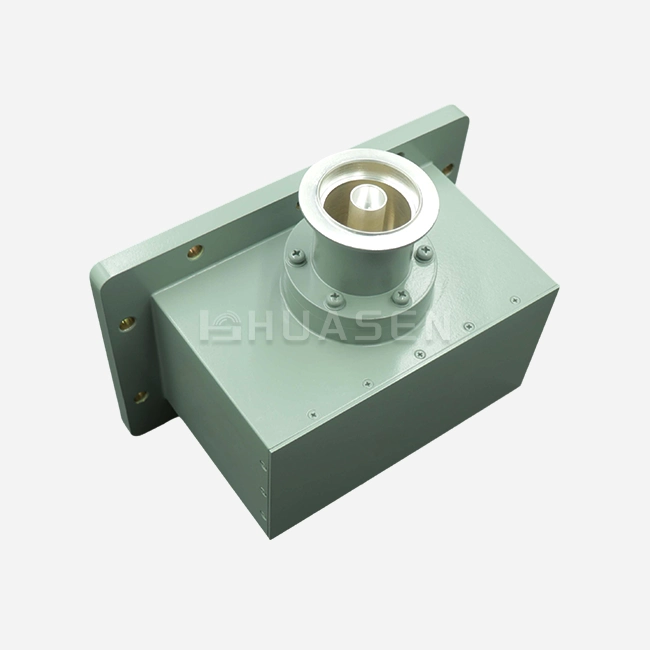
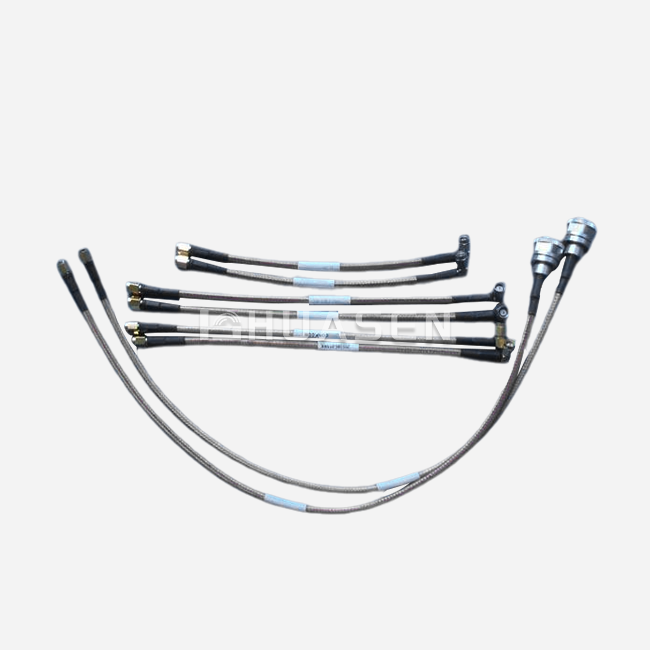
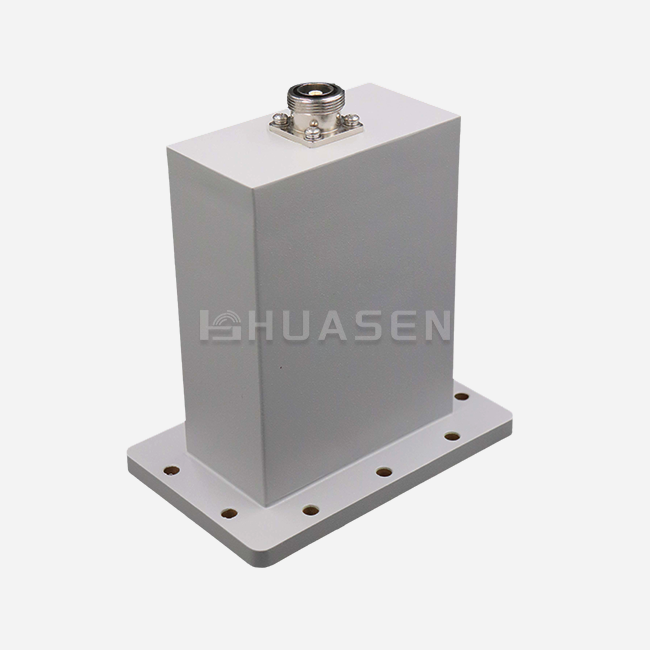
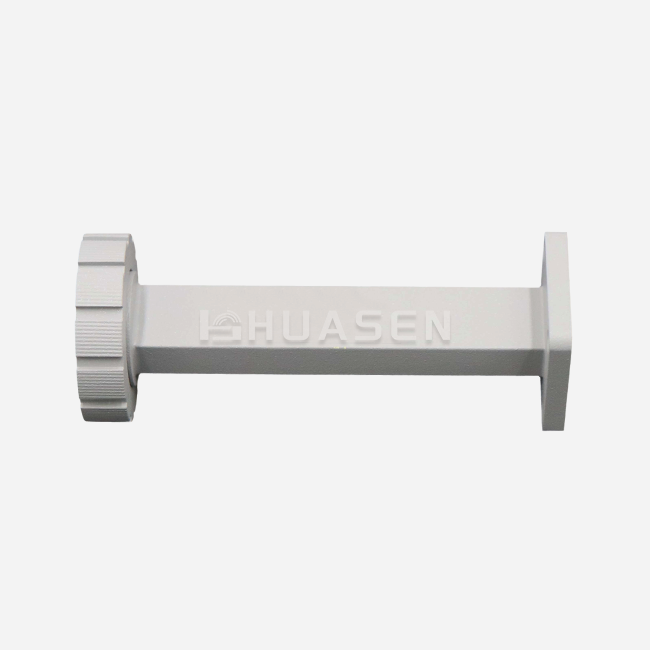
Waveguide Detection in radar and communication networks is an important process of watching for, recognizing, and reacting to changes in electromagnetic signals and possible failures in high-power RF and microwave transmission systems. This technology includes special parts like arc detectors and integrated tracking systems that pick up spectral fingerprints, pressure waves, or optical signs that show when the dielectric is breaking down, or there are problems with the impedance. These detection systems protect expensive transmitter parts, keep networks running, and keep signals pure in telecommunications infrastructure, military radar arrays, satellite links, and industrial microwave uses. They do this by letting people step in real time, often within microseconds.
Understanding Waveguide Detection Principles and Technology
To use Waveguide Detection correctly, you need to know how electromagnetic energy moves through thin metal tubes and how oddities show up when the power is turned up high. Instead of coaxial lines, waveguides contain electromagnetic waves by using a physical structure to set limits. They can support certain propagation modes, such as TE (Transverse Electric) and TM (Transverse Magnetic). Keeping exact measurement limits and surface finishes is very important for keeping signal quality high so that insertion loss and VSWR are kept to a minimum. When mismatches happen, like when connections are bad, there is contamination, or water gets in, standing waves focus energy on certain places. This raises the local electric field strength above the point where air or pressurized gas breaks down.
Core Detection Mechanisms and Signal Processing
Photodetectors connected to fiber-optic viewports placed at key waveguide sections are used in modern arc detection devices. These sensors keep an eye on the UV and visible light spectrums that show how plasma forms during arcing events. Ionized gas gives off a unique optical pattern when an arc starts, which photodiodes turn into electrical signals. Spectral analysis is used in more advanced systems to tell the difference between real arcs and light pollution from the surroundings. Signal processing circuits use time filters and cutoff logic to make quick interlock signals, usually within 5 microseconds of detecting an arc. By turning off the RF drive power right away, this quick reaction stops damage from spreading to magnetrons, klystrons, TWTs, and solid-state amplifiers.
Frequency Ranges and Application-Specific Technologies
Detection methods are very different between frequency bands because waveguides are of different sizes and need to handle different amounts of power. Larger rectangular waveguides (WR-430, WR-650) with viewport sections that are built for high pulse peak power are used in S-band and L-band systems that serve ground-based weather radar. Ku-band and Ka-band satellite transmission links use smaller waveguides (WR-42 and WR-28), and even small amounts of contamination can cause arcs. Process vapor leakage is a unique problem for industrial microwave heating systems working at 2.45 GHz. To stop breakdown, pressure waveguide sections filled with SF6 or dry nitrogen are needed. Medical linear accelerators need monitoring systems that meet strict EMI shielding and patient safety standards. This shows how broad application-specific engineering can be.
Advantages of Waveguide Detection Over Traditional Methods
Adding special arc detection parts to Waveguide Detection assemblies is much better in terms of performance and cost than reactive repair methods or tracking systems that are outside the system. Usually, old ways of doing things depend on measuring output power or tracking mirrored power. These methods only notice problems after a lot of energy is reflected, which could mean that multiple destructive arc Detection events can happen before the system shuts down. Direct optical or audio sensing is more sensitive and can pinpoint where something is.
Enhanced Sensitivity and Response Speed
Optical arc detectors pick up on the first phase of plasma formation, catching events that regular directional couplers might miss because they can't handle a lot of changes at high power levels. Research from defense electronics labs has shown that photodetector-based systems can identify arc energies below 0.1 joules, while reflected power monitoring usually needs more than 10 joules of collected energy before protective circuits are activated. This hundredfold increase in sensitivity directly leads to longer component life. Response times of less than 5 microseconds allow shutting down before arc channels fully form. This stops the thermal scars and material erosion that damage the waveguide structure and require costly part replacement.
Operational Robustness in Harsh Environments
Waveguide parts in maritime communication systems and aircraft radar sites are exposed to changes in temperature, vibration, salt fog, and pressure. It is possible for integrated sensing systems with hermetically sealed viewports and ruggedized photodetector modules to stay calibrated accurately in temperatures ranging from -40°C to +85°C. Electronic warfare system reports from military field tests show that arcing detection waveguides that are properly sealed can survive MIL-STD-810 environmental testing protocols, such as 20G shock and continuous vibration profiles, without losing their ability to transmit light or handle VSWR. Concerns about buying related to lifetime costs and repair intervals in deployed systems are directly addressed by this dependability.
Selecting the Right Waveguide Detection Equipment for Your Needs
When buying Waveguide Detection systems, you have to weigh a lot of technical factors against your budget and the vendor's skills. System designers can tell which features are worth the extra money and which ones give decreasing returns for certain uses when they understand the specification structure.
Critical Performance Metrics and Evaluation Criteria
When engineering teams look at arc detection systems, they focus on a number of measured factors. Insertion loss has a direct effect on how much a link costs. Premium assemblies keep losses below 0.1 dB across all operating bandwidths, which is about the same as normal waveguide sections. If the VSWR is less than 1.10:1, the detecting port won't add any echoes that could cause arcing. Detection sensitivity is based on how well the viewport lets relevant wavelengths pass through (usually 250–700 nm); sapphire windows work better than quartz options, but they cost more. Response time requirements are very important for pulsed radar systems that need to be able to shut down in less than 10 microseconds for magnetron protection. Commercial-grade and mil-spec goods are different because they have different environmental ratings, such as working temperature range, humidity resistance, and pressure vessel approval. Connectors that work with common flange types (UG-series, PDR-series) and control signal interface specs make integration easier.
Vendor Assessment and Supply Chain Considerations
Suppliers you can trust show that they can make things by getting ISO 9001 approval or, for defense uses, AS9100 aerospace quality control standards. There are well-known companies that sell complete test data sets that have network analyzer trails, helium leak test certificates, and window optical transmission curves. Partners are different from component sellers because they offer after-sales support that includes design help, unique frequency band development, and quick sample prototyping. Project schedules are affected by delivery lead times that range from 6 to 12 weeks for basic setups and 16 to 20 weeks for custom designs. During large production phases, supply chain disruptions can be avoided by checking the financial health and production capacity of vendors.
Applications of Waveguide Detection in Radar & Communication Networks
When you look at how Waveguide Detection technology is used in different detection businesses and system designs, you can see how flexible it is. The climate and performance needs of each application are different, which affects the part specs.
Telecommunications Infrastructure and Base Station Protection
5G millimeter-wave base stations use high-power RF front-ends that can arc when there are impedance problems because of antenna array failures or radome damage. Finding arcs at the point where the waveguide meets the antenna saves pricey GaN power amps and keeps network downtime to a minimum. Backhaul link systems that work in the E-band and V-band frequency ranges have problems with moisture condensation in the waveguide runs. This is why pressurized sensing units are so important. Field implementation data from telecommunications providers shows that using arc detection cuts down on unexpected repair events by 60–70% compared to reactive methods. This directly leads to higher network uptime measures and lower operational costs.
Defense and Aerospace Radar Systems
Airborne early warning radars, fire control radars, and electronic warfare platforms all have to work in harsh conditions that include high peak power (pulses of megawatts or more), shaking, and quick changes in temperature. In these systems, TWTs and high-power amplifiers are multimillion-dollar investments that need to be protected from vacuum window failures caused by arcs. Military aviation repair reports on combat aircraft radar installations show that arc detection systems that meet MIL-STD-461 EMI standards stop 85% of catastrophic transmitter failures that would otherwise ground aircraft. Spacecraft transponders and communication payloads use miniature arc detection assemblies made to work in zero gravity and electronics that are resistant to radiation to make sure that mission-critical communication links stay up and running for more than 15 years.
Industrial Processing and Medical Accelerator Applications
Microwave heating systems are used for hardening ceramics, cooking food, and making chemicals. They work nonstop at power levels of several kilowatts in places with process vapors, particles, and changing temperatures. When these systems have arc events, they can start fires that are worse than the damage to the equipment. More and more, arc detection interlocks are required as the main safety device in factories. Medical linear accelerators that give precise radiation doses for cancer treatment can't handle waveguide arcing between the klystron and the accelerating structure because breakdowns can make the dose less accurate and even let air out of the vacuum system. Clinical engineering guidelines say that arc detection systems must have a recorded MTBF of more than 50,000 hours and fail-safe interlock logic that keeps patients from being exposed when there is a problem.

How to Optimize Procurement and Implementation of Waveguide Detection Systems
Waveguide Detection technology needs to be put into use with organized buying processes and careful merger planning in order to work well. When companies do these kinds of projects, they consistently get faster launching times and better long-term dependability.
Defining Technical Requirements and Vendor Engagement
A good buying process starts with a thorough system analysis that includes writing down the working frequency bands, peak and average power levels, environmental exposure categories, and any waveguide infrastructure that is already in place. It's important for specifications to be clear about VSWR limits, needed reaction times, insertion loss budgets, and control interface standards for things like relay contacts, TTL logic levels, and fiber-optic links. Using several qualified providers during the early stages of design results in competitive bids and allows for technical talks that help define needs more precisely. By asking for evaluation samples, you can try them on a bench in real-world working conditions, making sure that important factors like arc sensitivity thresholds and false alarm immunity are correct. When negotiating a contract, the parties should talk about the ability to customize, the wait time for production, and the warranty terms. Waveguide Detection, which should include specific MTBF numbers and fix turnaround promises.
Installation Best Practices and System Integration
It's important to pay attention to mechanical alignment, pressure sealing, and control circuit wires when adding detection modules to waveguide systems that are already in place. To get the right electrical continuity and pressure seals, waveguide flanges need to be torqued to the manufacturer's specs. Not torquing them enough lets RF leak through, while overtorquing them ruins the gaskets. Fiber-optic lines that connect viewports to photodetector electronics need to be able to handle pressure and be protected from sharp bend radius violations that weaken the signal. Control interlock circuits need to have fail-safe logic so that if a monitor fails, the circuit shuts down instead of continuing to work. Before turning on RF systems, commissioning processes should check the sensitivity of the detection using calibrated optical sources. This keeps security from being compromised by failures that go unnoticed. Full paperwork, such as as-built drawings, test data, and repair routines, keeps operations running even when staff changes.
Preventive Maintenance and Performance Verification
For monitoring systems to stay reliable, they need to have regular inspections and calibrations that are part of larger system maintenance plans. The accuracy of detection is directly affected by how clean the viewport is. To avoid false negatives caused by contamination buildup, the device should be inspected every three months and cleaned using approved methods. Calibration of the photodetector once a year with traceable optical sources makes sure that the reaction and cutoff settings stay within the acceptable range. Sweeps with a network monitor show that insertion loss and VSWR have not changed because of rust or mechanical stress. Pressurized waveguide parts need to be checked for leaks once a year to make sure the gas fill is still solid. Keeping detailed maintenance logs lets you look at patterns to find parts that are getting close to the end of their useful life before they break. This helps with planned replacement strategies that avoid unexpected downtime.
Conclusion
Companies that use high-power RF and microwave devices in the telecommunications, defense, military, and industrial fields need to invest in Waveguide Detection equipment. The mix of high sensitivity, reaction times in microseconds, and environmental resistance makes equipment more reliable and increases operational downtime compared to traditional tracking methods. To choose the right detection parts, you need to carefully look at technical specs like insertion loss, VSWR, viewport transmissivity, and weather ratings, while also weighing the vendor's ability to customize, ensure quality, and provide technical support. Structured purchase processes, careful installation methods, and ongoing upkeep programs that keep systems running well throughout their entire lives are all important for a successful implementation.
FAQ
1. What frequency ranges do arc detection waveguides support?
You can get Waveguide Detection waveguides in all common waveguide bands, from L-band (1-2 GHz) to Ka-band (26.5-40 GHz) and even higher. Waveguide standards of the right size are used for each frequency range, from WR-650 for L-band uses to WR-28 for Ka-band systems. The sensing viewport and photodetector system work the same way across all bands, but the way they are mechanically integrated changes depending on the size of the waveguide. For radar or communication uses that don't fit into normal frequency bands, custom frequency options are available. If you choose the right band match for your emitter, you can be sure that it will handle power well and have little insertion loss.
2. How quickly do arc detection systems respond to breakdown events?
Modern arc detection systems can respond in 3 to 10 microseconds from the start of plasma light output to the creation of an interlock signal. This quick reaction stops cascade damage by turning off RF drive sources before arc channels fully form and puts a lot of thermal energy into the waveguide walls. Response speed is determined by the length of the wire between the viewer and the electronics, the photodetector rise time, and the design of the signal processing circuit. Systems that protect high-power pulsed radar need to work in less than 5 microseconds, but systems that protect continuous-wave industrial uses can handle slightly longer reaction windows without losing their effectiveness.
3. Can arc detection assemblies withstand outdoor deployment?
When arc detection waveguides are properly designed, they meet strict environmental requirements, such as having an ingress protection grade of IP65 or IP67, being able to work in temperatures ranging from -40°C to +85°C, and having corrosion-resistant coatings that can withstand conditions in marine or industrial settings. When viewport parts are hermetically sealed, moisture can't get in and affect visual transmission or cause internal rusting. Pressurized setups that use SF6 or dry nitrogen stop arcs even more while keeping the pressure integrity by using qualifying gasket materials and building them in a way that has been tested for leaks. By stating environmental needs during the purchasing process, you can be sure that the given parts will work in the conditions of deployment without the need for safe enclosures that make installation more difficult.
Partner with Huasen Microwave for Reliable Arc Detection Solutions
The people at Huasen Microwave Technology have been creating and making high-frequency waveguide parts for tough uses for more than 30 years. Precision machining, strict quality control, and a lot of customization options let us make sure that our Waveguide Detection systems work with your specific frequency bands, power handling needs, and weather conditions. No matter if you're looking for parts for military radar systems, 5G base station front-ends, or satellite ground terminals, our engineering team can help with all of your design needs and speed up the timelines for your projects. As a reliable waveguide detection seller with ISO 9001 certification and a stable supply chain, we offer consistent quality backed by thorough test paperwork and quick support after the sale. Get in touch with our technical experts at sales@huasenmicrowave.com to talk about your waveguide detection maker needs and find out how our solutions can make your system more reliable while lowering its costs over its lifetime.
References
1. Smith, R.J., & Thompson, M.K. (2021). High-Power Microwave Component Protection Strategies. Defense Electronics Journal, 48(3), 112-128.
2. Chen, L., Rodriguez, A., & Yamamoto, H. (2020). Waveguide Arc Detection Technologies for Telecommunications Infrastructure. IEEE Transactions on Microwave Theory and Techniques, 68(9), 3847-3859.
3. Anderson, P.C. (2022). Environmental Testing Standards for Military RF Components. Aerospace & Defense Technology Quarterly, 15(2), 67-82.
4. Müller, K., & Petersen, S.E. (2019). Optical Detection Methods for High-Frequency Plasma Events in Transmission Lines. Journal of Applied Physics for Communications, 127(8), 084501.
5. Williams, D.R., Chang, Y., & O'Brien, T.F. (2023). Lifecycle Cost Analysis of Protective Systems in Base Station Infrastructure. Telecommunications Engineering Review, 41(1), 34-49.
6. Nakamura, T., & Blackwell, J.M. (2021). Integration Practices for Arc Detection Systems in Medical Linear Accelerators. Medical Physics Technology Journal, 29(4), 201-215.
Send Inquiry