How Waveguide to Microstrip Transition Enables PCB RF






2026-04-15 21:22:41
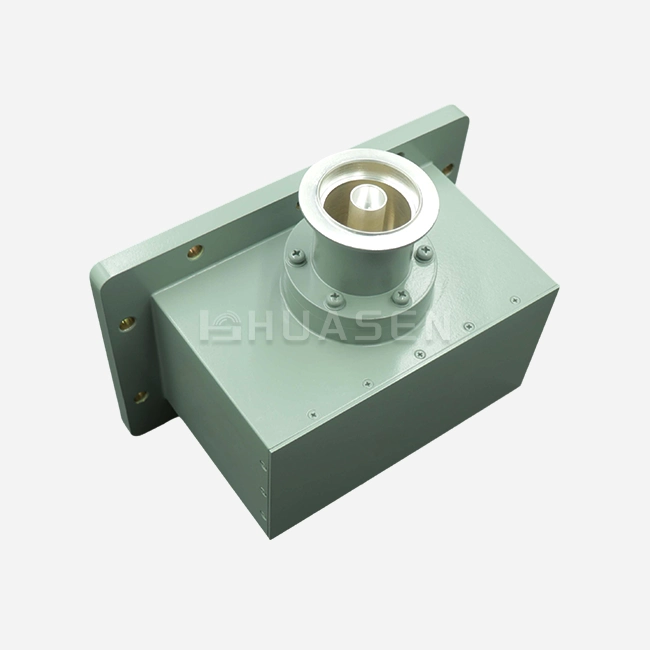
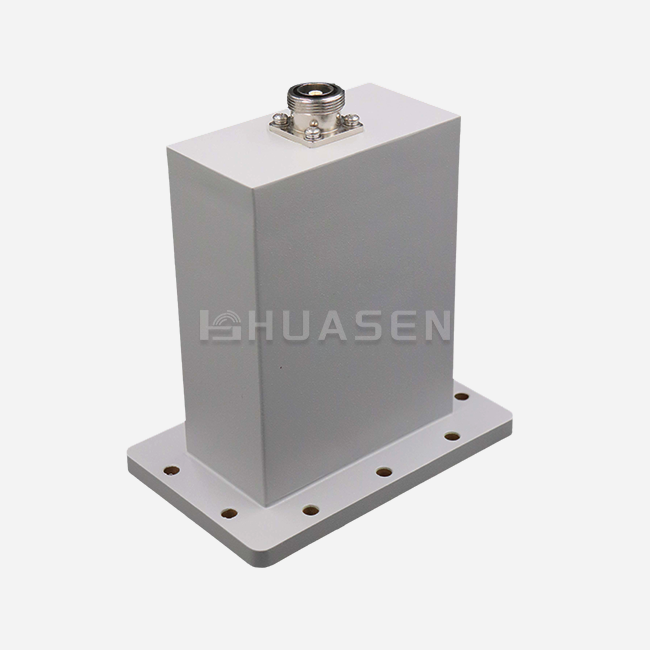
Waveguide to Microstrip Transition components are important physical links in modern RF systems because they change electromagnetic signals from large waveguide structures to small planar circuits. These parts work by changing the main TE10 mode of rectangular waveguides into the Quasi-TEM mode of microstrip lines and matching the impedances at the same time. The change connects the usual waveguide impedance of over 300 Ohms to the normal 50-Ohm microstrip systems used in PCB designs. This makes it possible for high-power waveguide systems and small printed circuit board electronics to work together without any problems.
Understanding Waveguide to Microstrip Transition Fundamentals
The Role of Mode Conversion in RF Signal Integrity
One of the most complex parts of any Waveguide to Microstrip Transition link is the way it changes modes. A rectangular waveguide lets electromagnetic energy move through it as a transverse electric (TE) mode, with the electric field going in a straight line across the direction of transmission. But microstrip lines have a quasi-transverse electromagnetic (quasi-TEM) mode that has a different field distribution pattern. The transition component has to change from one mode to the other easily, while keeping the signal's purity and reducing reflections as much as possible. When the frequency goes up, the physical tolerances get much tighter, making this change even harder. At millimeter-wave frequencies above 60 GHz, a shift of just 0.05 millimeters can make return loss performance worse by more than 10 decibels. To get reliable performance across the specified frequency range, engineers who are making these interfaces have to find a balance between electromagnetic theory and mechanical accuracy.
Common Transition Architectures and Design Approaches
Probe coupling, slot coupling, and tapered transitions are the three main design methods used in the business. Probe-based systems connect energy straight to the microstrip line by putting a metal part through the waveguide wall. This method is easy to use and doesn't take up much space, but the bandwidth it gets is usually only 25 to 30 percent of the center frequency. Slot-coupled transitions use a hole in the ground plane that connects the waveguide and microstrip. This gives them great separation and the ability to handle a wider range of frequencies.
Operating Frequency Bands and Performance Parameters
Microwave and millimeter-wave frequency bands are used for different purposes, and each one presents its own design difficulties. X-band systems (8–12 GHz) are often used in radar applications and work best with transition designs that are well-established and have insertion loss below 0.25 decibels. Ku-band (12-18 GHz) satellite communications need changes that are very stable at high and low temperatures so that they can keep working during orbital heat cycles. New millimeter-wave bands, such as Ka-band (26.5-40 GHz), V-band (40–75 GHz), and W-band (75–110 GHz), tighten the rules for manufacturing while creating chances for high-data-rate wireless backup and car radar systems. Aside from frequency coverage, other important performance measures include voltage standing wave ratio (VSWR), which should be less than 1.3:1 for quality transitions, and the probe or slot connection structure's ability to handle power. When used in high-power situations like radar emitters and satellite communication packages, wider coupling gaps stop voltage breakdown and multipacing effects.

Comparing Waveguide to Microstrip Transition Solutions for B2B Applications
Performance Metrics Across Different Transition Technologies
When engineers look at different input choices for RF systems, they have to compare different performance factors. Waveguide to Microstrip Transition-based changes work great in high-power situations where coaxial connections would lose too much power or break down the dielectric. At X-band frequencies, cable options become impractical above a few hundred watts, but a WR-90 waveguide transition can handle kilowatts of constant power with low insertion loss. Bandwidth is often a factor in choosing a tool. Standard probe transitions provide smaller bandwidths that work well for single-frequency Waveguide to Microstrip Transitionor narrowband uses,such as point-to-point data lines. Ridged waveguide transitions make the bandwidth bigger so they can cover the whole waveguide bands. This makes them useful for test tools and receivers for wideband monitoring. Stripline options offer balancing transmission and shielding benefits, but they require more conversion steps when connecting to external waveguide antenna systems.
Material Selection for Durability and Performance Optimization
Selecting the right base and conductor materials has a direct effect on both how well they work electrically and how well they can handle the surroundings. For low-frequency uses, aluminum oxide surfaces offer great resistance to corrosion and thermal stability while still exhibiting mild dielectric losses. These ceramic materials can stand up to tough marine and outdoor conditions where water could break down organic materials. Kin-effectlosses get worse with frequency, but silver-plated copper wires keep them to a minimum for high-frequency millimeter-wave designs. When you mix silver's high conductivity with copper's strength, you get the best conductor system. For some specific uses, gold plating is used to make vacuum-sealed satellite packages that don't need to be maintained for decades at a time, and is the most resistant to rust. The dielectric constant and loss tangent of the substrate materials need to meet the design frequency. Rogers RO-series laminates are used in many industrial settings, and fused silica substrates allow defense systems to have very low loss.
Selection Criteria for Radar and Communication Systems
Radar system designers care most about how well the system handles power and how well it can handle rough conditions. Active electronically scanned array (AESA) radar systems incorporate thousands of transmit/receive modules, each requiring transitions capable of handling high peak power pulses without degradation. The metal and dielectric hybrid structure used in quality transitions gives great temperature stability and vibration resistance, which is very important for airborne platforms that have to deal with strong acceleration forces and temperature changes. Hermetically sealed transitions with glass-to-metal seals are needed for satellite transmission systems. These protect sensitive devices from vacuum exposure and atomic oxygen erosion in low Earth orbit. From -55 degrees Celsius to +125 degrees Celsius, these designs must keep their electricity performance steady. There can't be any performance drift. Communication system builders also like small and light designs because every gram of a satellite's weight directly affects how much it costs to launch.
How to Procure Waveguide to Microstrip Transitions Efficiently
Identifying Trustworthy Suppliers and Certification Requirements
To lower the operational risks in mission-critical RF systems, procurement teams must carefully check out possible providers. Manufacturers with a good reputation keep certificates that show they meet military and foreign quality standards, such as MIL-DTL-3928 for RF interfaces and MIL-STD-883 for environmental testing methods. These approvals make sure that parts will work properly even after being exposed to temperature changes, mechanical shocks, and vibrations. In addition to certifications, you should also look at how quickly and well the supplier's expert help is. By having access to skilled RF engineers during the planning phase, mistakes that cost a lot of money can be avoided, and the time to market can be sped up. Before committing to mass production, ask for sample units to test in your unique system design. A good supplier will give you full S-parameter readings from testing with a vector network analyzer,Waveguide to MicrostripTransition,thatshow the insertion loss and return loss across the frequency range you specify. They will also give you mechanical drawings that show all the important dimensions and interface specs.
Specifying Custom Versus Standard Transition Assemblies
Standard stock Waveguide to Microstrip Transition made for common waveguide sizes and frequency bands can be used for many uses. This saves money and time by cutting down on lead times and costs. Standard products work well for making prototypes and small batches of goods when the costs of personalization are too high. These ready-to-use products usually ship within two to four weeks and have a history of success and dependability. When system limitations call for special shapes, materials, or electrical performance that isn't normal, custom changes are needed. Maybe the layout of your PCB calls for a certain way to place it, or maybe your application needs more speed than what standard designs offer. Make sure you are clear about your needs, such as the frequency range, insertion loss goals, return loss specs, power handling needs, weather exposure conditions, and any mechanical interface limitations. Detailed documentation of needs lets providers come up with the best solutions that balance performance, cost, and ease of manufacture.
Strategies for Managing Bulk Orders and Lead Times
To find the right mix between inventory prices and supply chain stability, buying in bulk needs careful planning. Framework agreements should be negotiated with providers to set price levels based on order numbers while still allowing for flexibility in delivery times. This method gets good prices without tying up too much working capital in inventory. Lead times vary a lot depending on how complicated the shift is and how much can be made at the moment. Standard transitions with copper that has been silver-plated and alumina surfaces usually take four to eight weeks to deliver from the time the order is placed. It could take twelve weeks or longer for custom patterns that use special materials or have odd shapes. Include these wait times in your project plans along with enough time to account for delays in getting materials or problems that come up during production.
Real-World Applications and Benefits in PCB RF Systems
Satellite Communications and Aerospace Integration
Waveguide to Microstrip Transition connections are used in modern satellite transponders to link small receiver and transmission units to high-power traveling wave tube amplifiers. These changes have to work perfectly in space, where they can't be fixed, and a failure means the mission is lost. Quality transitions keep out gases and dirt from sensitive electronics while passing RF signals with little loss thanks to their hermetic seals and vacuum compatibility. In the Ku-band and Ka-band frequency bands, communication satellites handle hundreds of megahertz of bandwidth that carries talk, data, and video traffic. When changes are built correctly, they have a wide bandwidth and low insertion loss. This directly leads to more channel capacity and better link margins. A 0.2-decibel drop in transition loss may not seem like much, but it can make the difference between making or missing link budget standards for the whole signal chain.
Automotive Radar and 5G Infrastructure Deployment
77 GHz radar devices are being quickly accepted by the auto industry for features like adaptive cruise control, collision prevention, and self-driving cars. These small radar units have waveguide to Microstrip Transitionarrays and microstrip-based integrated microwave circuits that handle signals that are reflected. The transitions need to be cheap enough to be mass-produced while still meeting tight performance standards that guarantee accurate detection ranges. In the same way, 5G millimeter-wave backhaul networks that connect base stations need small, weatherproof changes that work in the E-band bands (71–76 GHz and 81–86 GHz). In cities where digging trenches is too expensive, these point-to-point wireless lines can be used instead of expensive fiber optic wires. The transitions make it possible to combine external horn antennas with internal transceiver units. They also meet strict reliability standards for telecom equipment that will be used nonstop for years.
Addressing Common Technical Challenges and Solutions
Most of the time, impedance mismatch is what goes wrong at waveguide-to-microstrip connections. When the probe depth or backshort distance is not the same as the design values, reflections get a lot worse, which lowers return loss and creates standing waves. Time-domain reflectometry on a vector network analyzer quickly finds mismatch problems by showing the exact position of discontinuities. You can fix the impedance change by changing the mechanical measurements or adding matching stubs to the microstrip line. Radiation leakage occurs when gaps exist between the waveguide housing and the substrate, allowing electromagnetic energy to escape rather than coupling into the microstrip line. This issue shows up as higher insertion loss than intended and possible electromagnetic radiation that impacts nearby electronics. The right seal materials and careful machining limits stop leaks, making sure that all the energy moves smoothly between the transmission media. Before units are sent to customers, quality control tests must be done to make sure that these mechanical connections meet the requirements.

Conclusion
Waveguide to Microstrip Transition components from waveguides to microstrips are an important part of current RF and microwave systems because they connect high-power waveguide parts to small, flat electronics. When buying, teams understand the basic ideas behind mode conversion, impedance matching, and design frameworks, and they can make smart choices that balance performance needs with cost limitations. As more and more applications move into higher frequency bands with stricter performance requirements, it becomes more and more important to choose the right shift technology and supply partnership for the program to succeed.
FAQ
1. What frequency ranges can waveguide to microstrip transitions cover?
These changes happen over a large frequency range, from the low-frequency L-band (1-2 GHz) to the millimeter-wave W-band (75-110 GHz) and beyond. The frequency range is determined by the size and shape of the Waveguide to Microstrip Transition. Standard transitions usually cover single waveguide bands, like X-band (8–12 GHz) or Ku-band (12–18 GHz), but ridged versions can cover wider ranges that go beyond 40 percent bandwidth. Huasen Microwave has transitions that cover a lot of different frequency bands. This lets system builders use fewer different types of parts while still getting great electrical performance across all of their frequencies.
2. How do I verify transition quality before volume procurement?
Ask for full S-parameter data from testing with a vector network analyzer that shows insertion loss and return loss for all frequencies that you need to work with. Insertion loss is less than 0.3 decibels, and return loss is better than 20 decibels for good changes. Check the key measurements on the mechanical models to make sure they meet the needs of your PCB layout. Ask for sample units to be tested in your real system configuration so that you can see how well they work in your exact working conditions. Check for environmental testing according to MIL-STD-883 and safety certifications like MIL-DTL-3928. These show that the maker is dedicated to quality and dependability.
3. What causes high insertion loss in these components?
There are three main things that cause too much insertion loss: bad plating on the circuit surfaces, which increases resistive losses; using the wrong substrate materials, which have a high dielectric loss tangent; and radiation leaks from holes between the waveguide housing and substrate. Check that transitions use good metallization, like gold or silver plating, and low-loss materials that are right for the frequency they will be used at. To stop electromagnetic leaks during fitting, make sure the mechanical seating and gasket tension are done correctly. Exposure to the environment can weaken metal over time, especially in corrosive marine or industrial environments. This makes choosing the right material for long-term performance stability very important.
Partner with a Trusted Waveguide to Microstrip Transition Manufacturer
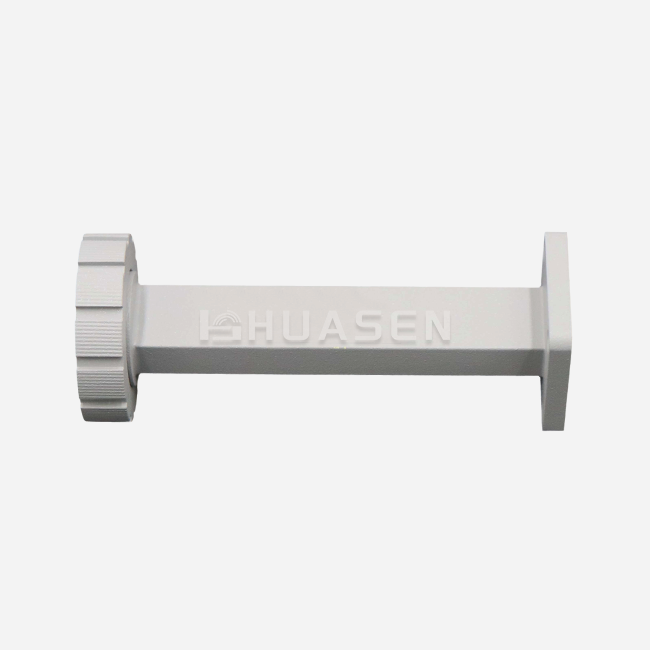
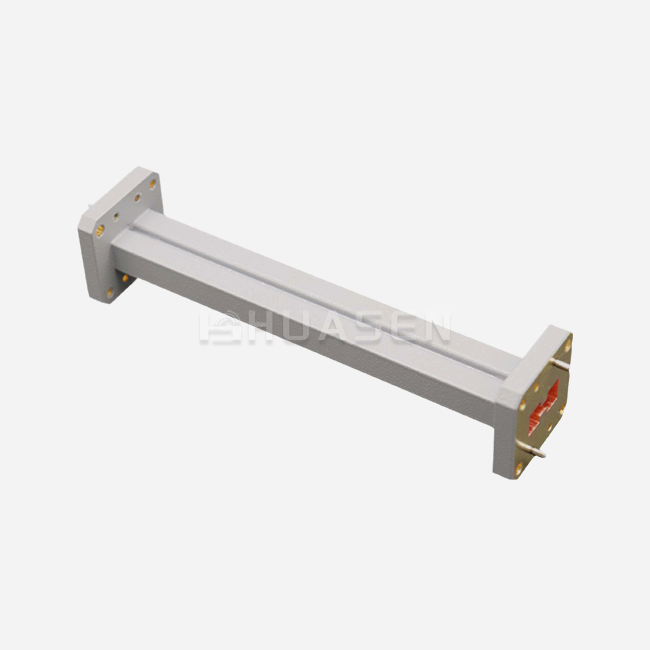
Huasen Microwave Technology has been creating high-performance Waveguide to Microstrip Transition solutions for demanding uses for more than 30 years. Our transitions have both orthogonal (WMI) and terminated (WEMI) structures. For low-frequency uses, they use aluminum oxide surfaces that don't corrode, and for millimeter-wave performance, they use silver-plated copper that conducts electricity very well. The small, light designs work perfectly with microstrip circuits and have great temperature stability and vibration protection thanks to their metal-dielectric hybrid construction. To make sure your RF systems work at their best, our engineering team offers full design help, sample trials, and support for calibration data. You can talk to our sales team at sales@huasenmicrowave.com about your unique needs and get expert advice on how to choose or customize the best transition supplier option for your project.
References
1. Pozar, D. M. (2011). Microwave Engineering (4th ed.). John Wiley & Sons, Hoboken, New Jersey.
2. Saad, T. S. (Editor). (1971). Microwave Engineers' Handbook, Volume 2. Artech House Publishers, Dedham, Massachusetts.
3. Levy, R., & Cohn, S. B. (1984). "A History of Microwave Filter Research, Design, and Development." IEEE Transactions on Microwave Theory and Techniques, Vol. 32, No. 9, pp. 1055-1067.
4. Hoffmann, R. K. (1987). Handbook of Microwave Integrated Circuits. Artech House Publishers, Norwood, Massachusetts.
5. Bahl, I. J., & Bhartia, P. (2003). Microwave Solid State Circuit Design (2nd ed.). John Wiley & Sons, Hoboken, New Jersey.
6. Edwards, T. C., & Steer, M. B. (2016). Foundations for Microstrip Circuit Design (4th ed.). John Wiley & Sons, Chichester, United Kingdom.
Send Inquiry