
Home / Blog
Blog
0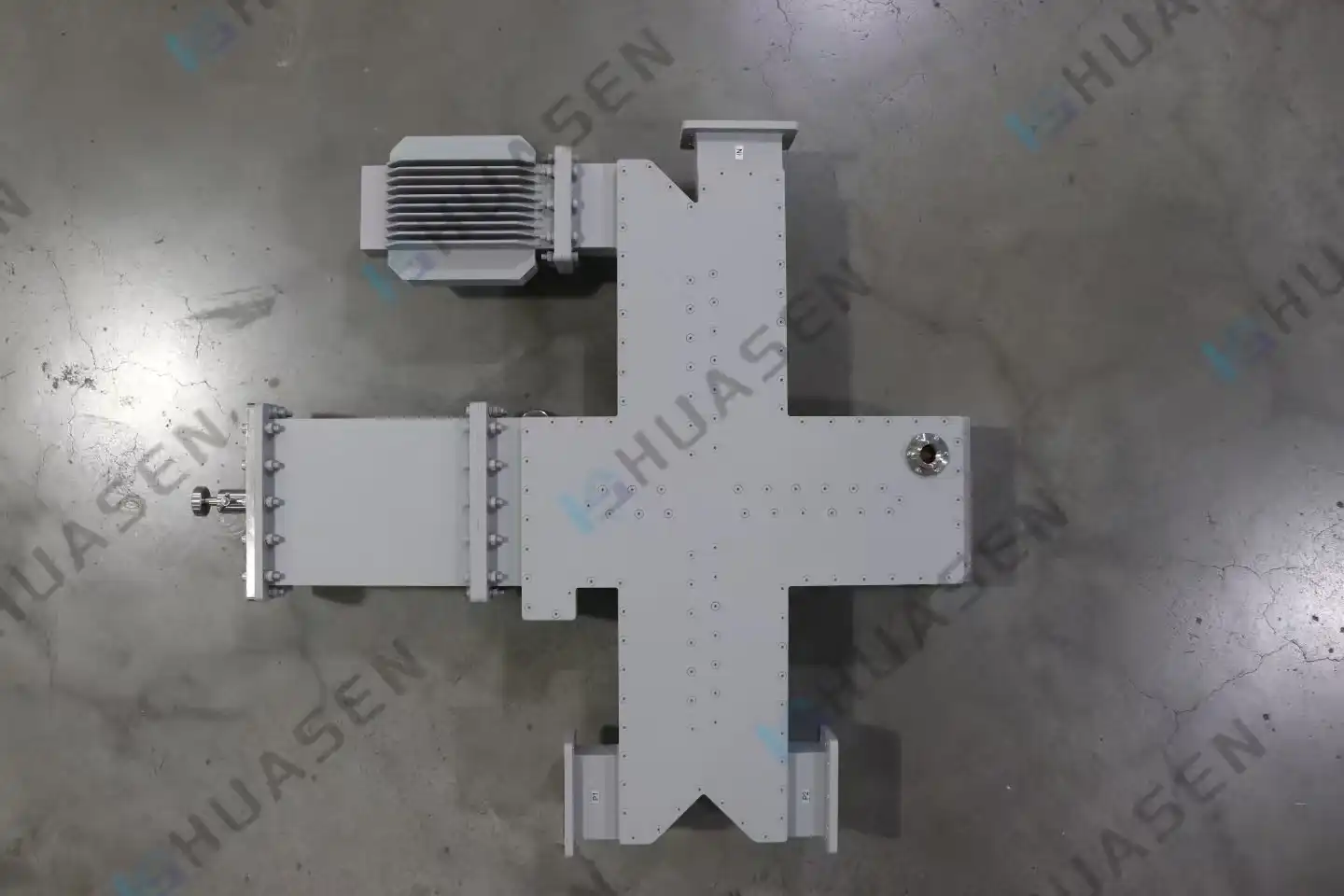
2-Way vs 4-Way Waveguide Power Divider Differences Explained
Choosing between a 2-way and 4-way waveguide power divider (also referred to as a waveguide power splitter) has a direct effect on the cost, signal integrity, and speed of RF distribution systems for radar, satellite communication, or 5G infrastructure. A 2-way waveguide power divider takes in one signal and sends it to two outputs that can be equal or not equal. A 4-way unit, on the other hand, sends the signal to all four ports. Insertion loss, physical complexity, separation performance, and application breadth are the main things that make them different. Knowing these differences helps procurement managers and RF engineers choose the right part for mission-critical installations, making sure that performance needs are met while also taking price and installation room into account.VIEW MORE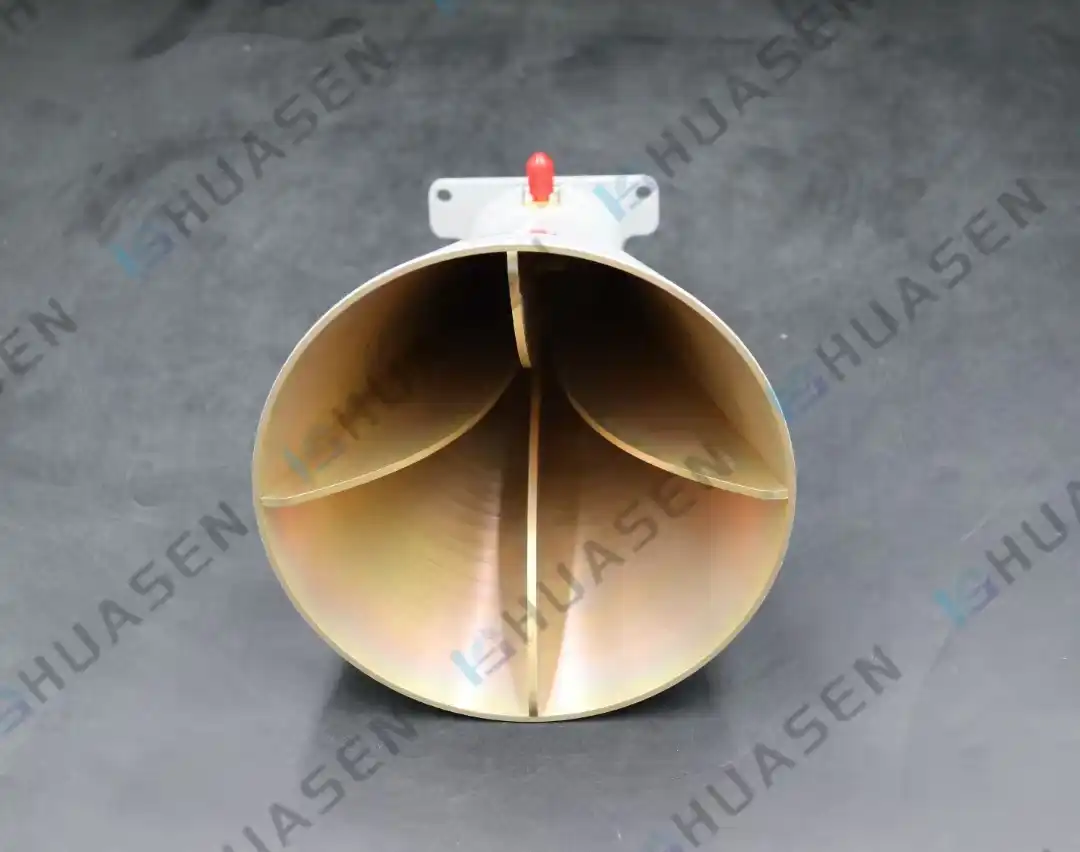
Dual Polarized Horn Antenna Construction and Isolation Design
A dual-polarised horn antenna is a high-tech RF device that can handle two orthogonal polarisations (usually vertical and horizontal) at the same time through a single opening. These antennas are different from others because they combine an Orthogonal Mode Transducer (OMT) with a conical horn structure. This lets them send and receive linearly polarised waves without mechanical spinning or switching delays. This design gives great polarisation separation, often above 30 dB, while keeping VSWR values below 1.5 across all working bandwidths. For system designers working on 5G backhaul lines, satellite ground stations, or MIMO testing settings, it's important to understand the basics of building and isolation design in order to make sure communication is reliable and free of interference.VIEW MORE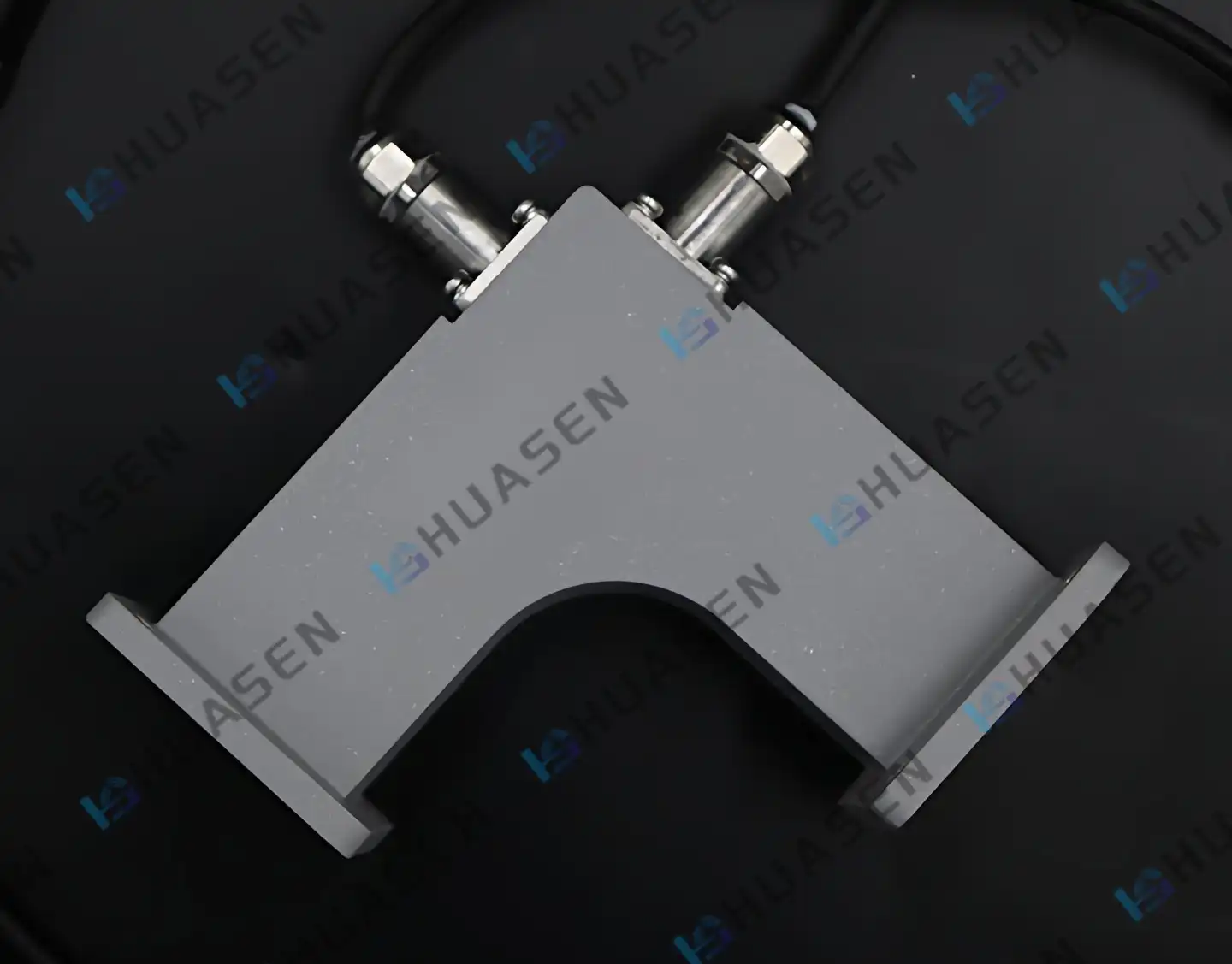
How to Detect Signal Leakage in Waveguide Systems
Finding signal leakage in waveguide systems means finding electromagnetic energy that is leaving from waveguide structures without being meant to. This is done by regularly testing and watching the structures. Effective waveguide detection uses advanced diagnostic tools and special optical and electromagnetic sensors to find leaking sources that are caused by physical flaws, failed connectors, or environmental damage. These methods protect the security of the system by keeping the signal strong, reducing interference, and stopping expensive system breakdowns in radar, telecommunications, and satellite communication networks.VIEW MORE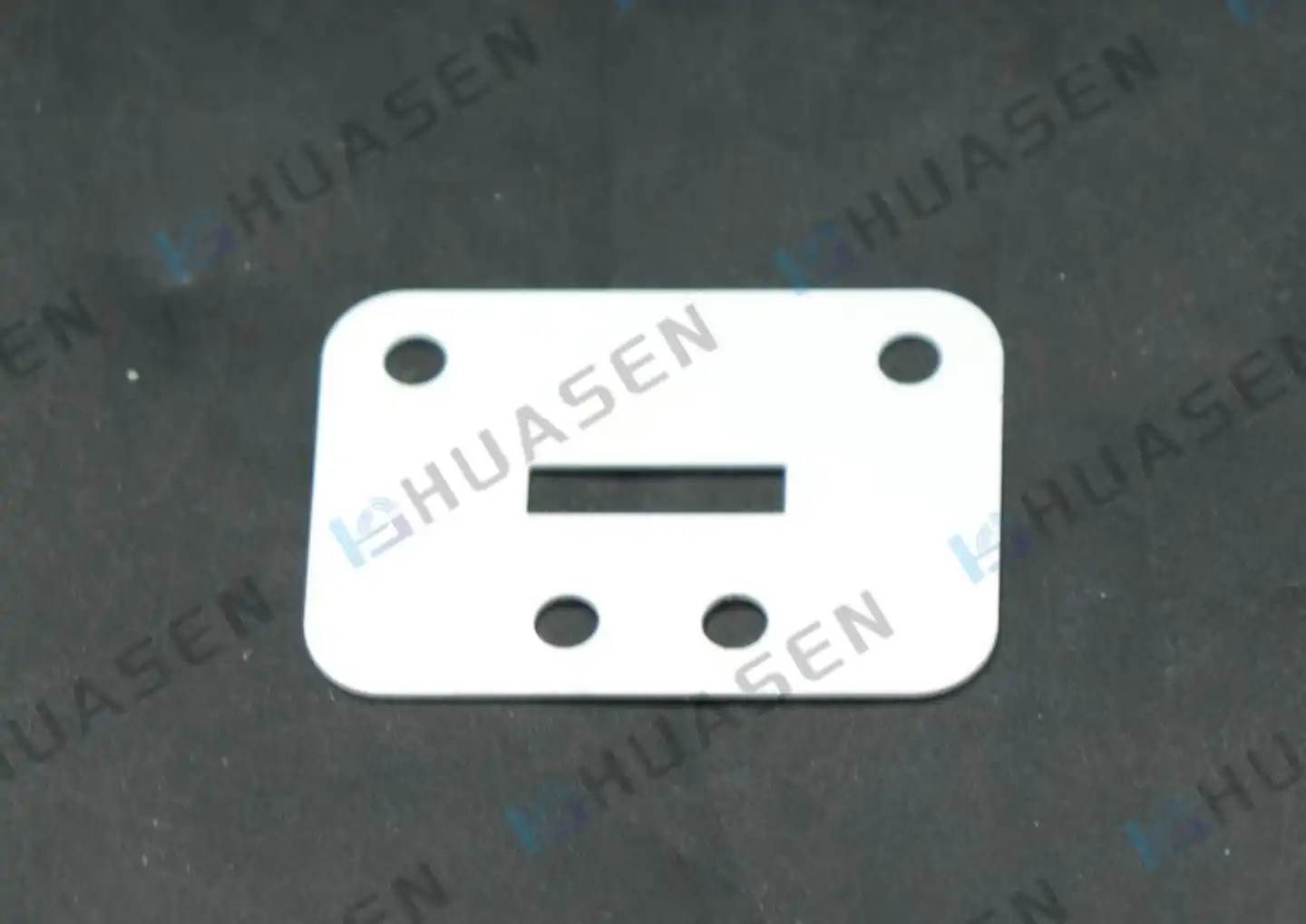
What Materials Are Used in Waveguide Gasket for High Power
High-power waveguide gaskets are typically constructed from specialised metals like beryllium copper, aluminium, and silver-plated alloys that provide exceptional electrical conductivity and EMI shielding. These gasket materials must simultaneously deliver environmental sealing against moisture and contaminants while maintaining low contact resistance across flange interfaces. Material selection depends on frequency range, power handling requirements, operating temperature extremes, and environmental exposure—factors that directly impact signal integrity and system reliability in telecommunications, radar, and aerospace applications, where even microscopic leakage compromises performance.VIEW MORE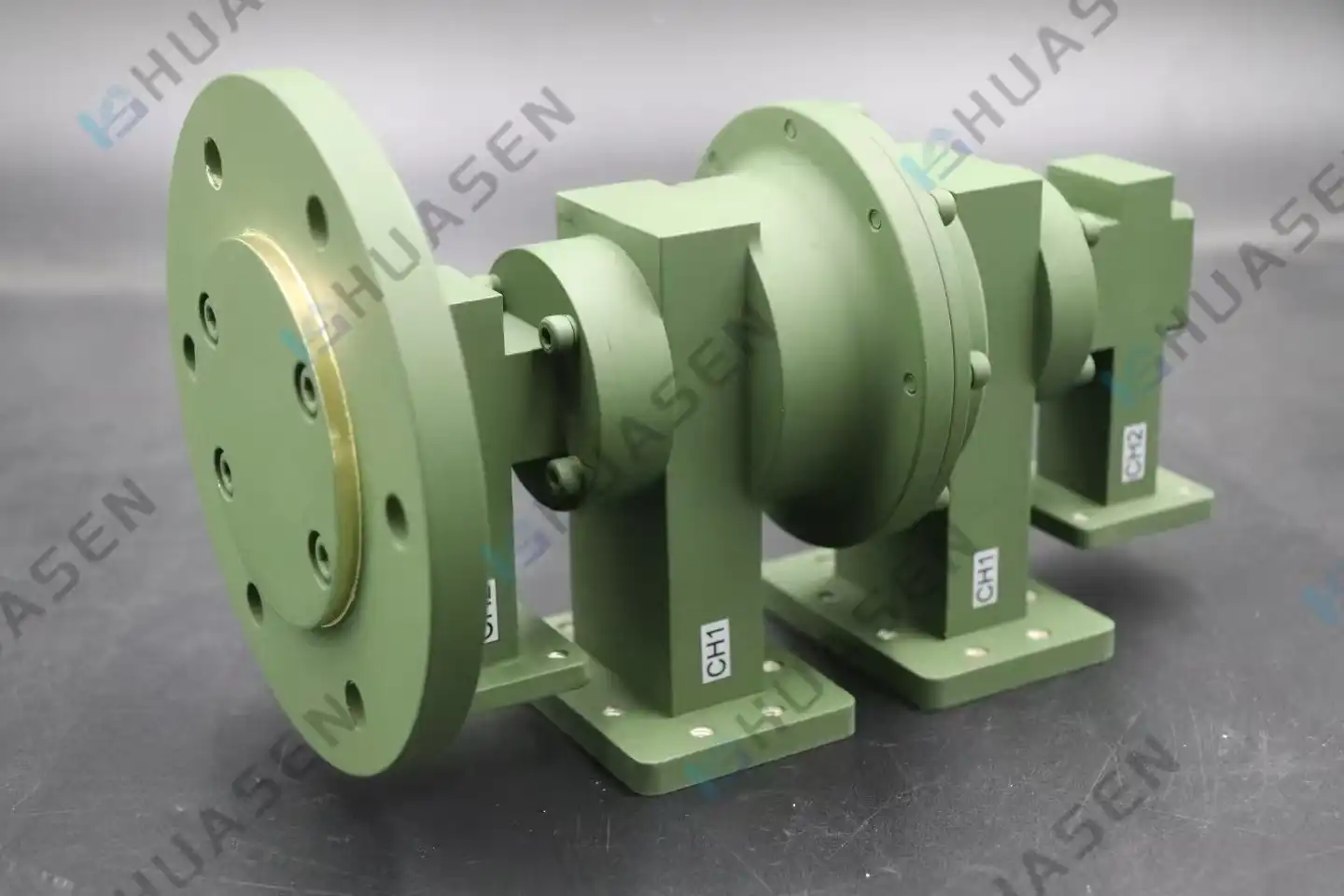
Best Waveguide Rotary Joint Designs for High-Frequency Radar Systems
When engineers choose parts for high-frequency radar systems, they have to deal with a big problem: keeping the signal strong while moving antenna units all the time. This issue can be fixed by the best waveguide rotary joint designs, which allow microwaves to pass through both stationary and moving parts without any issues. These highly precise devices use advanced mode conversion methods and non-contacting choke mechanisms to achieve very low insertion loss (usually below 0.5 dB) across a wide frequency range from X-band to Ka-band, while keeping VSWR values below 1.5:1 throughout 360 degrees of rotation. This makes them essential for radar tracking systems, satellite communications, and electronic warfare platforms.VIEW MORE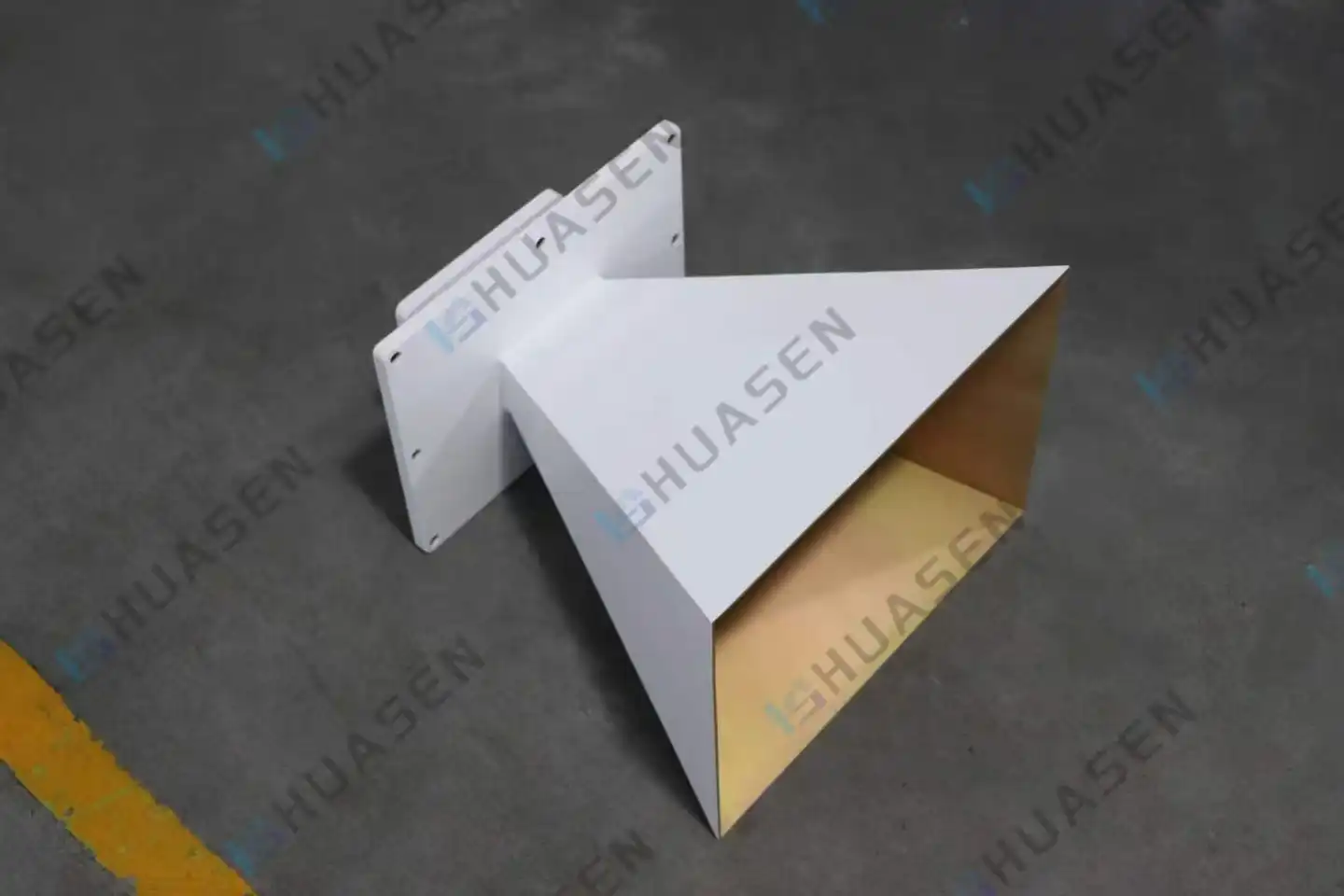
What Is Pyramidal Horn Antenna and When to Use It?
Pyramidal horn antennas are a type of waveguide aperture antenna that sends out electromagnetic energy at microwave and millimetre-wave frequencies. It has a unique structure with a rectangular waveguide that gradually flares outward in both the electric and magnetic field lines, making an opening in the shape of a pyramid. This curved shape changes the impedance from the waveguide to the impedance of empty space, which is about 377 Ohms. The antenna reduces impedance mismatch, which cuts down on signal reflections and boosts power transfer efficiency. This makes it essential for users that need high directivity, stable gain, and low VSWR in tough RF settings.VIEW MORE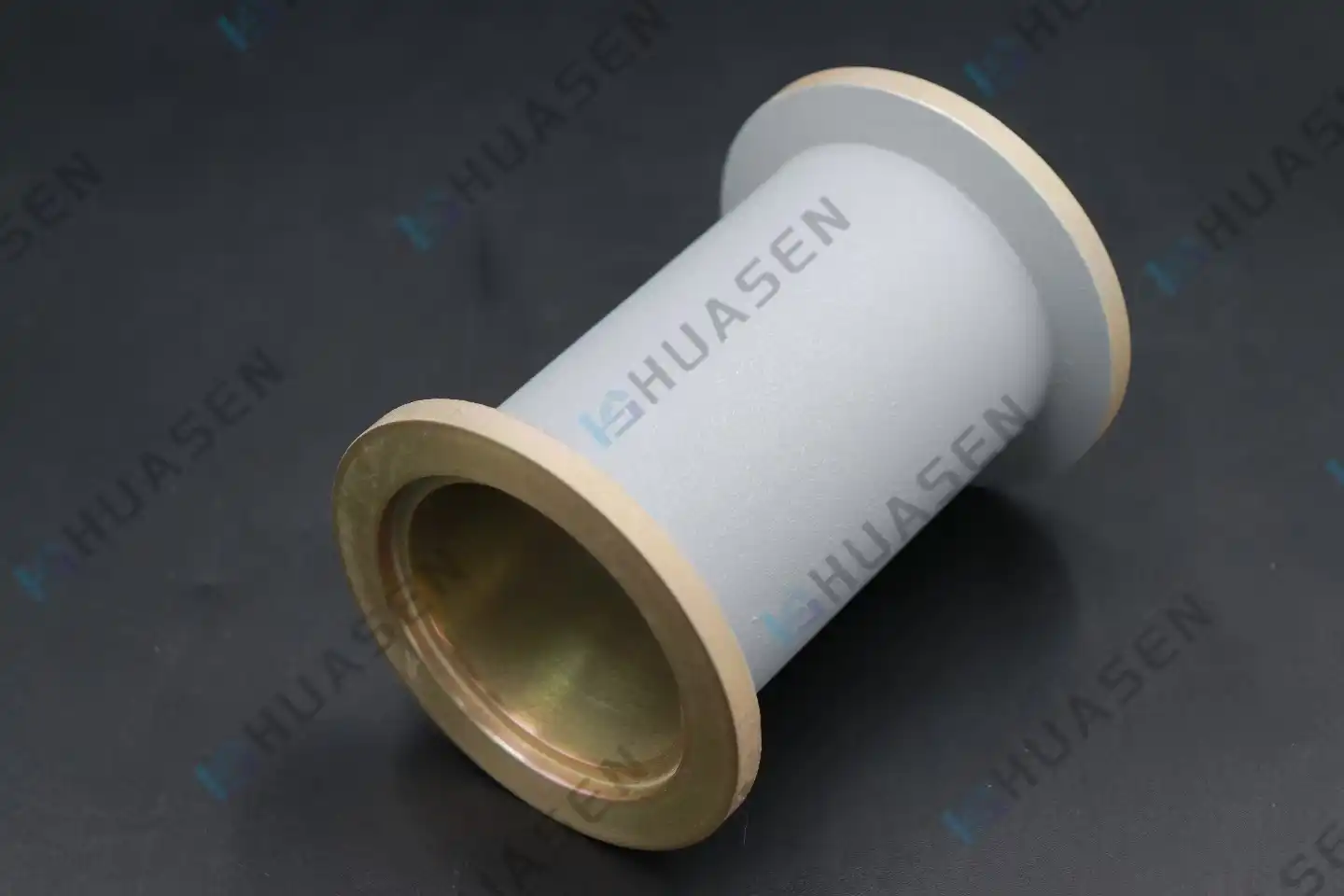
Circular Straight Waveguide for Satellite RF Paths
If you want to build solid satellite communication links, picking the right RF broadcast component is very important. Circular straight waveguides are an important technology for satellite earth stations, radar feeds, and aircraft uses that need to be able to handle high power and transmit signals with little loss. Instead of rectangular waveguides, which lock signals into set polarisations, or coaxial lines, which lose too much signal strength above 10 GHz, circular straight waveguides offer rotational symmetry that keeps signals intact across both vertical and horizontal polarisations at the same time. We have seen how this part solves real-world problems in satellite RF paths at Huasen Microwave. For example, Ka-band earth stations need to recover frequencies, and military radar systems need to send megawatts of peak power without arcing or mode switching.VIEW MORE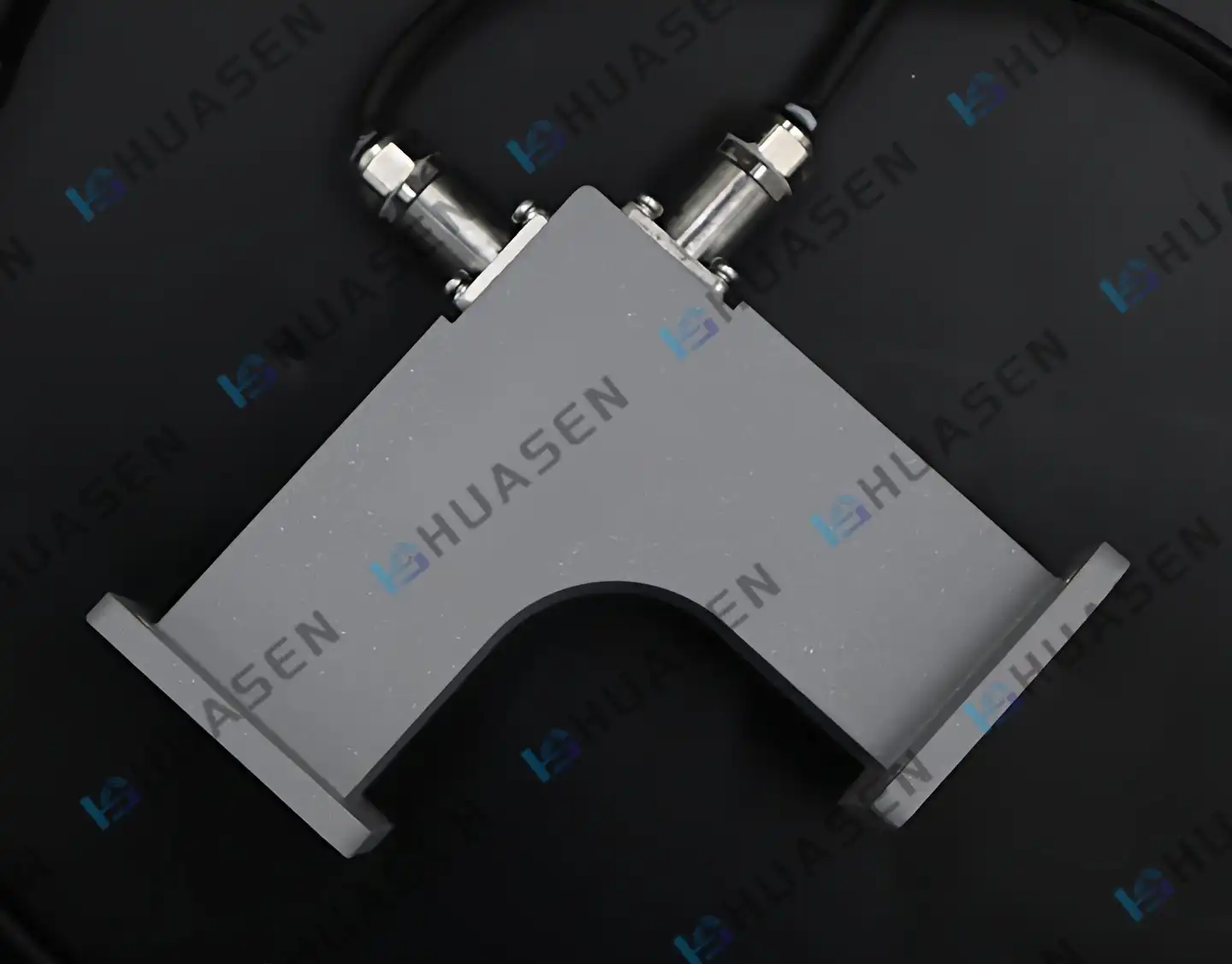
Using Waveguide Detection to Optimize Microwave Signal Quality
Waveguide detection is an advanced tracking method that completely changes how engineers keep microwave signals safe and improve their performance in high-power RF systems. Companies can find dielectric breakdown events within microseconds by using special arcing detection waveguides with built-in optical viewports and rapid-response sensor assemblies. This is done long before expensive active components like klystrons or travelling wave tubes are damaged badly. This technology solves problems like signal loss, impedance mismatches, and plasma formation that keep happening in places like telecommunications infrastructure, military radar systems, and industrial microwave processing settings. When these systems are down, big money is lost.VIEW MORE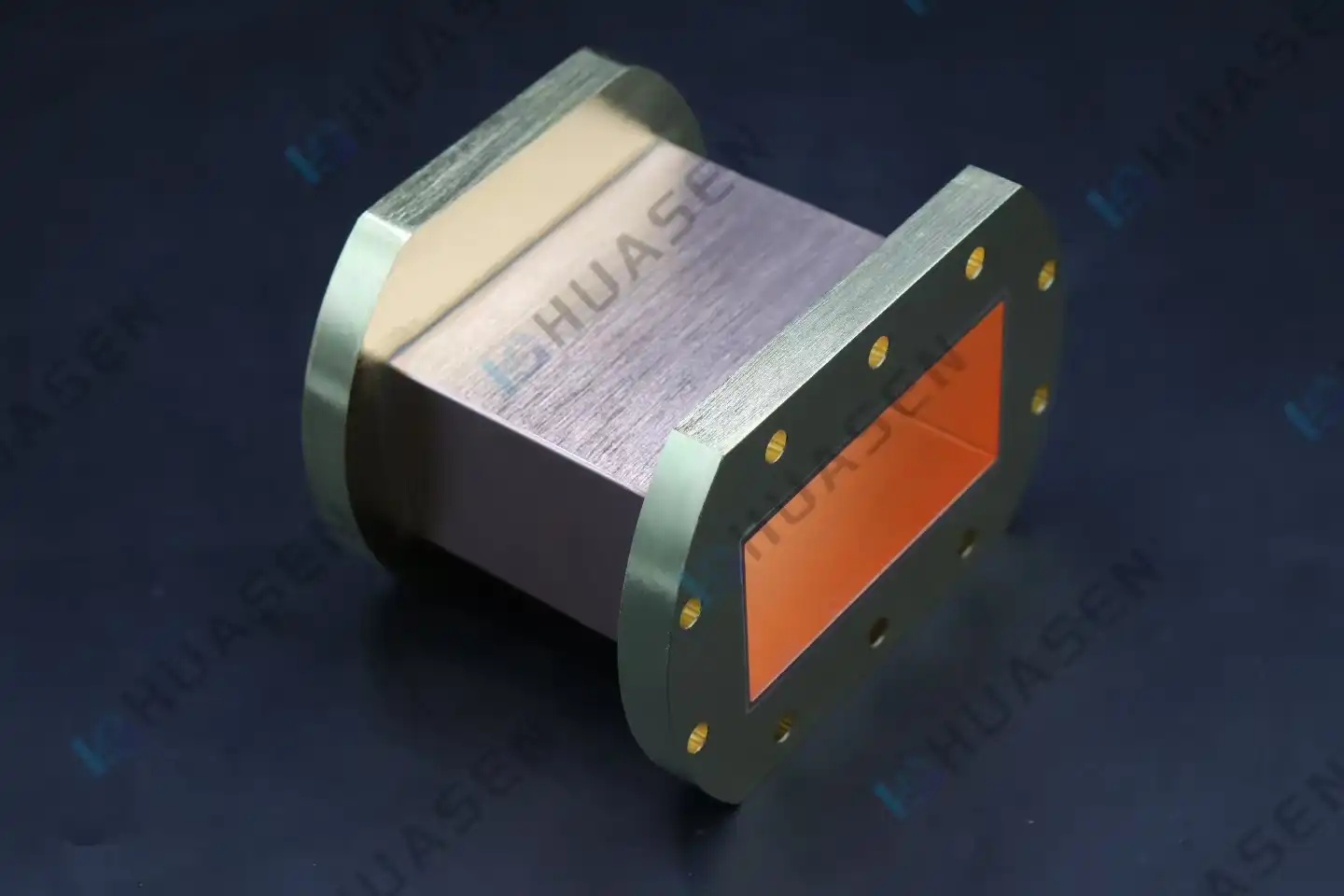
Custom Waveguide Tubes for Satellite Communication: Choosing the Right Dimensions and Materials
To choose the right custom waveguide tube for satellite communication, you need to carefully think about the size requirements and material qualities, as these have a direct effect on the integrity of the signal and the stability of the system. Microwave transmission is made possible by these carefully designed hollow electrical structures, which are used in satellite ground stations, uplink ports, and communication platforms in space. When system designers order custom waveguide tubes, they have to find the best balance between electromagnetic performance requirements, such as frequency band compatibility, power handling capacity, and insertion loss characteristics, with practical constraints, such as budget, weight, and environmental durability. This is done to ensure that the system works as efficiently as possible over the long term.VIEW MORE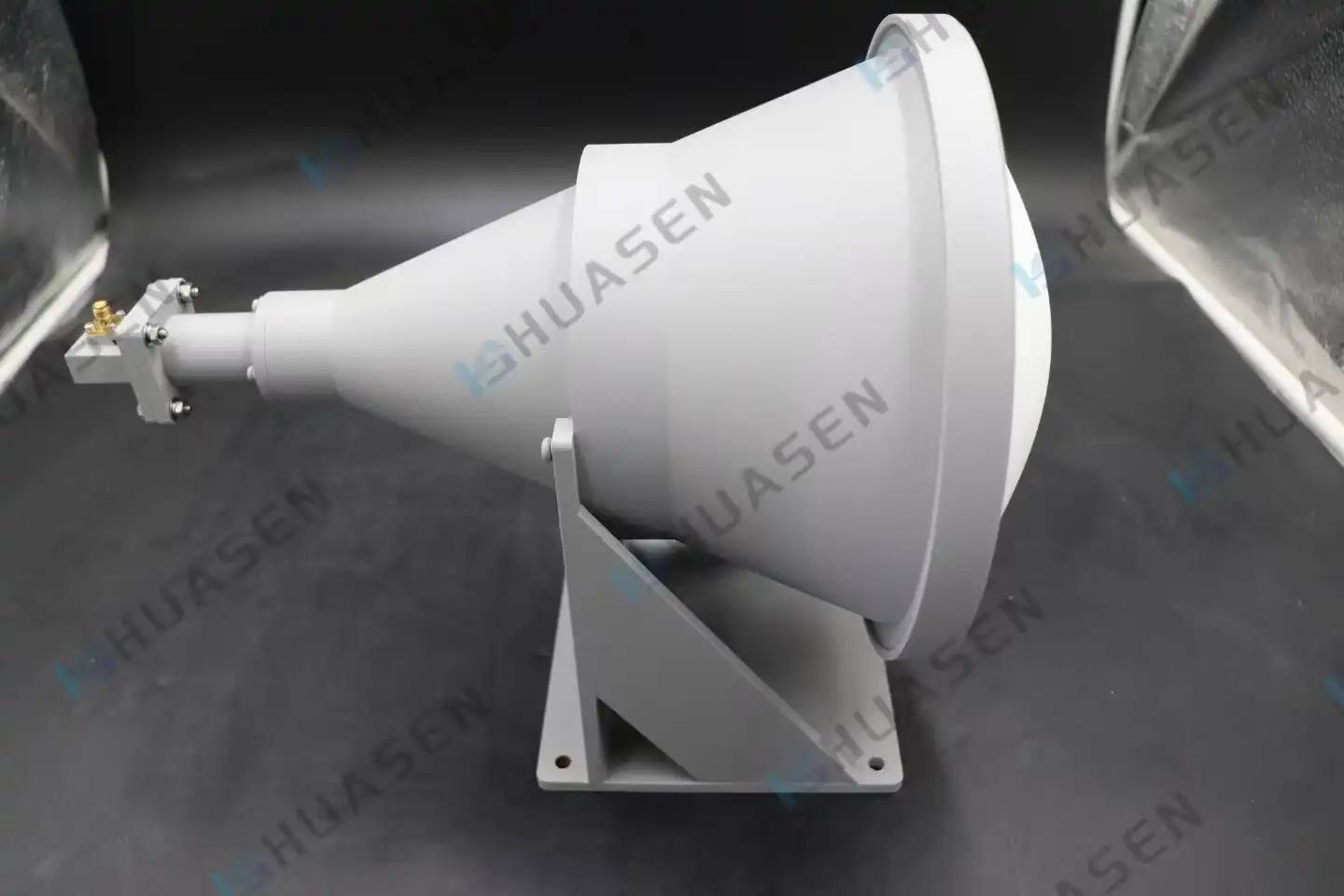
Lens Horn Antenna Construction and Material Considerations
Understanding how lens horn antenna systems are put together and choosing the right materials is important for getting the best performance from advanced microwave and millimeter-wave systems. A lens horn antenna combines a precise dielectric lens with a feed horn structure, which is usually conical or pyramidal. It does this by turning spherical wavefronts into flat phase fronts, which lowers phase errors and improves directivity. The materials used for the metallic horn body and the dielectric lens have a direct effect on important performance metrics like gain stability, sidelobe suppression, durability in harsh environments, and the overall efficiency of the system. These antennas work great in tough situations, like 5G backhaul networks and aerospace radar calibration, thanks to the careful balance of their construction design and material properties.VIEW MORE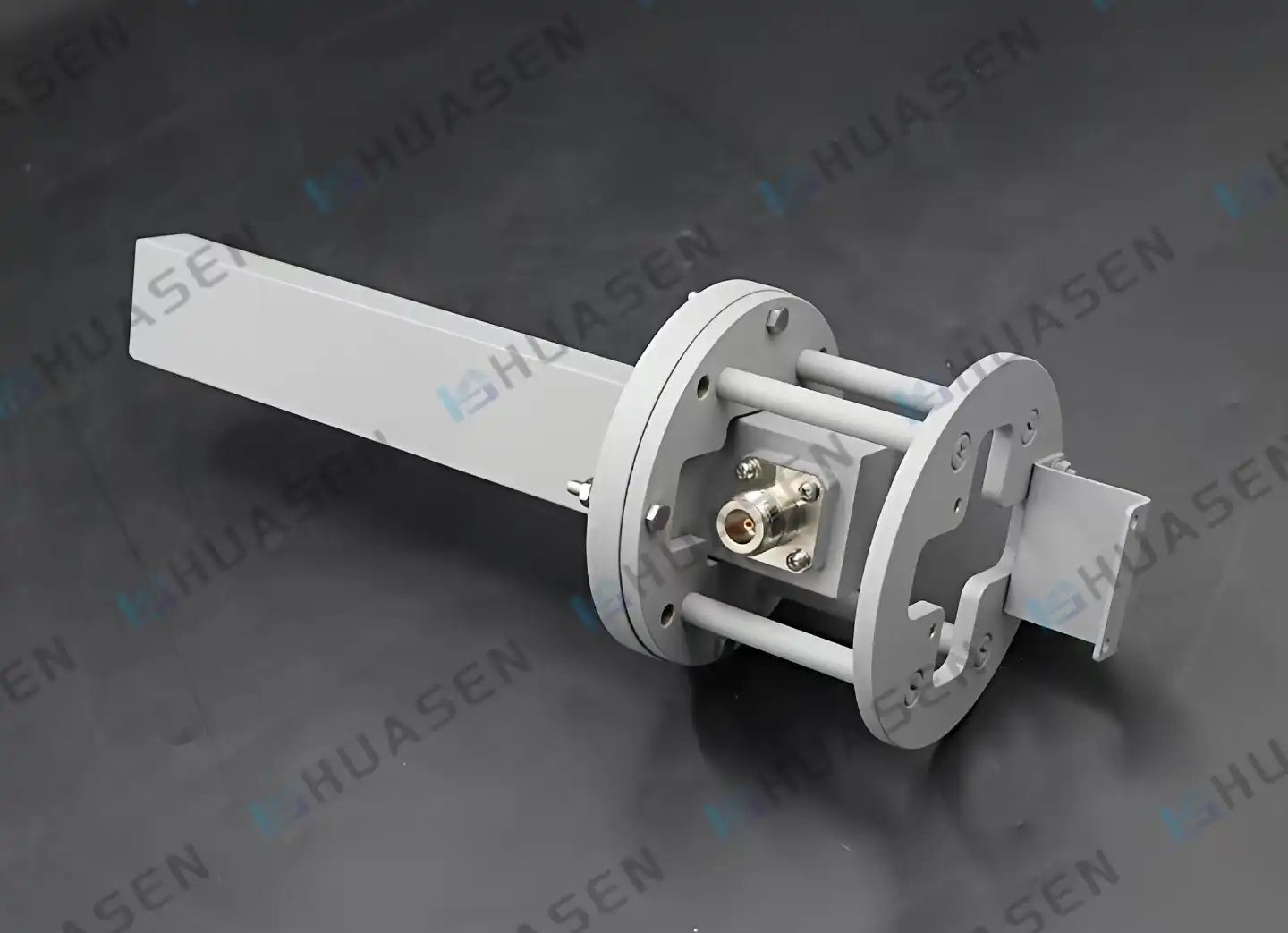
Why Use Antenna Near Field Measurement Probe for RF Diagnostics
Accurate RF diagnostics are a must when making cutting-edge antenna systems for 5G networks, satellite payloads, or radar applications. An antenna near-field measurement probe gives you the accurate measurements and high spatial resolution you need to check antenna performance in controlled settings. In contrast to far-field testing, which needs long outdoor ranges of hundreds of meters, near-field diagnostics collect electromagnetic field data close to the antenna under test (AUT), usually within three to ten wavelengths. Because they are so close, engineers can easily find gain problems, polarization errors, and phase distortions. This makes these probes essential for RF testing labs, base station manufacturers, and aerospace integrators who need to quickly and accurately characterize something.VIEW MORE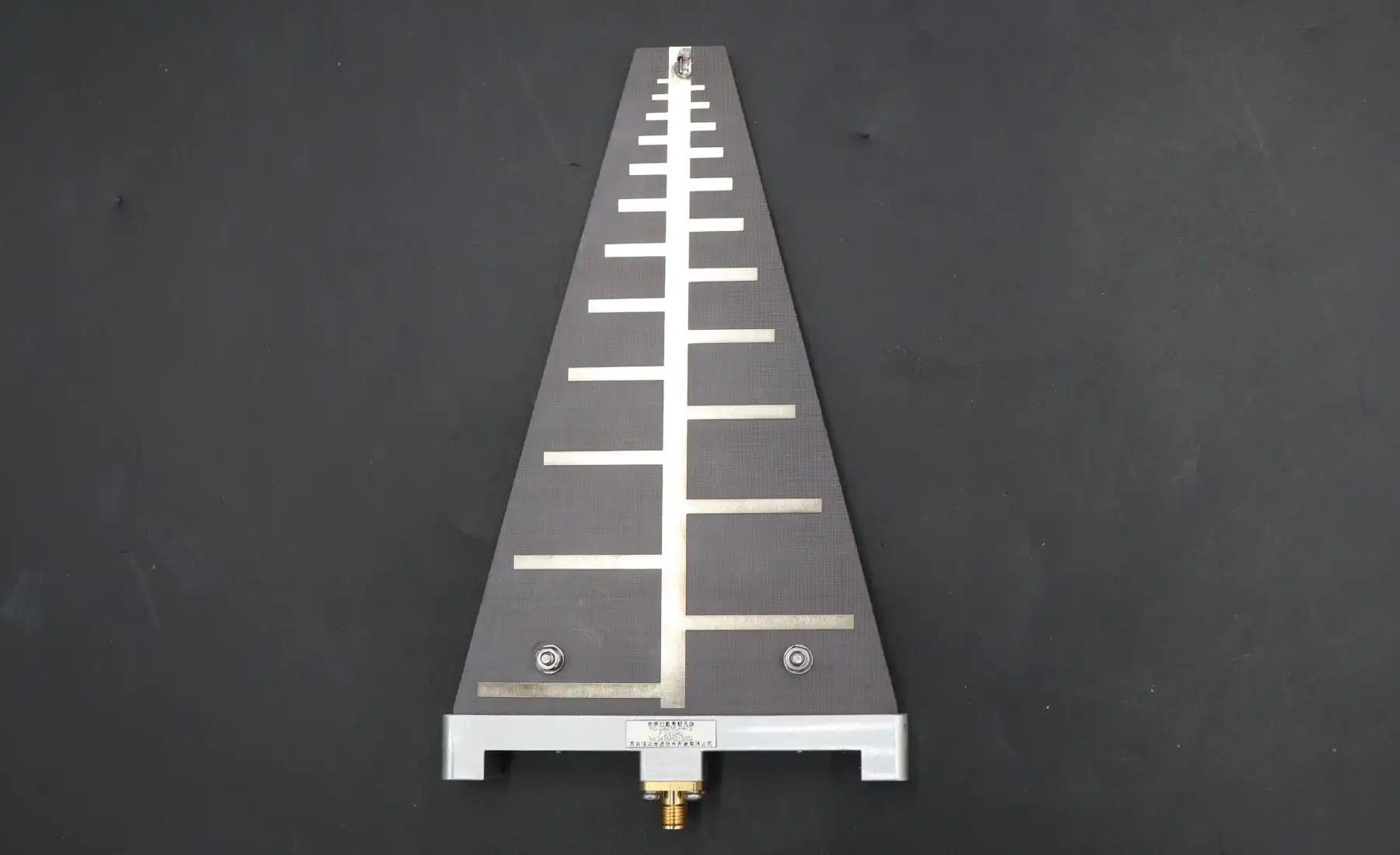
Log Periodic Antenna Fundamentals: Design and Frequency Behavior
When we talk about broadband antenna solutions for tough RF environments, the log periodic antenna stands out as a reliable piece of engineering that gets rid of the need to switch between an annoyingly many antennas for different frequency bands. A logarithmic geometric progression of dipole elements is used in this wideband directional antenna to keep the impedance, gain, and radiation properties the same over a wide range of frequencies, usually from 30 MHz to 3 GHz or higher. The active region of a log-periodic dipole array moves along the boom dynamically as the operating frequency changes, which is different from narrowband Yagi-Uda designs. This gives frequency-independent performance that handles spectral fragmentation in EMC testing, spectrum monitoring, tactical communications, and satellite link applications.VIEW MORE
- 1
- 22
- 23
- 24
- 25
- 26
- 60
Total 60 pages
