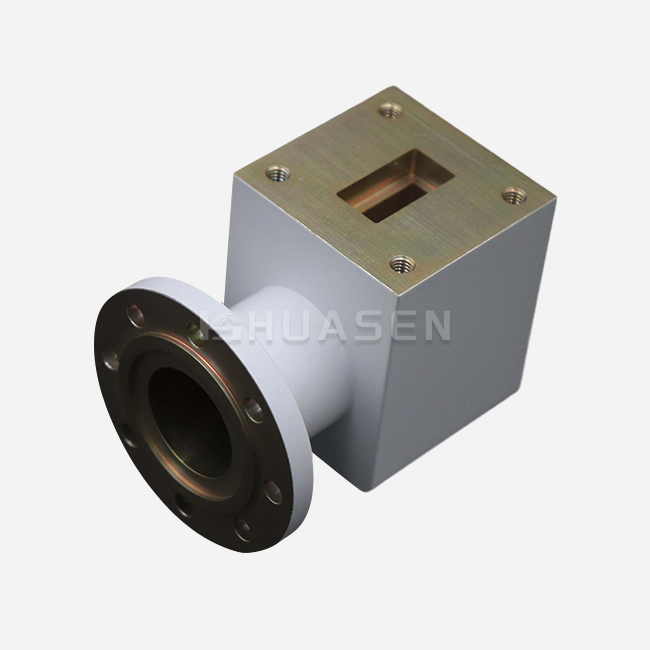
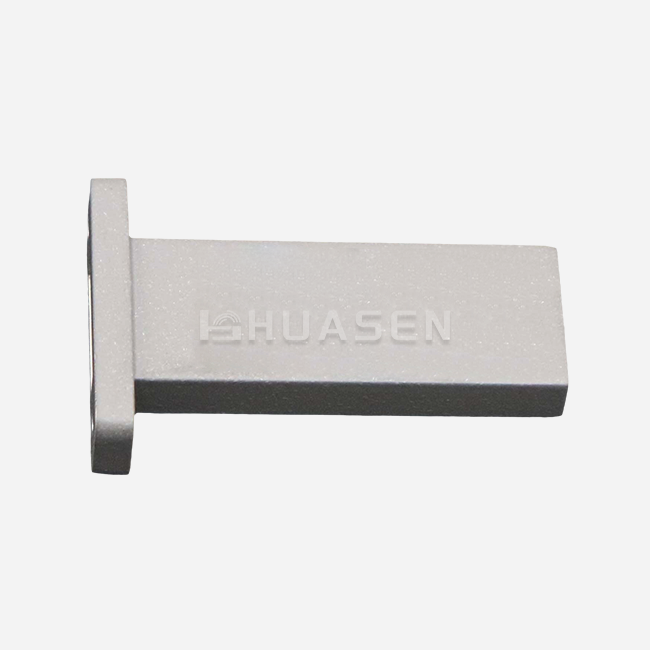
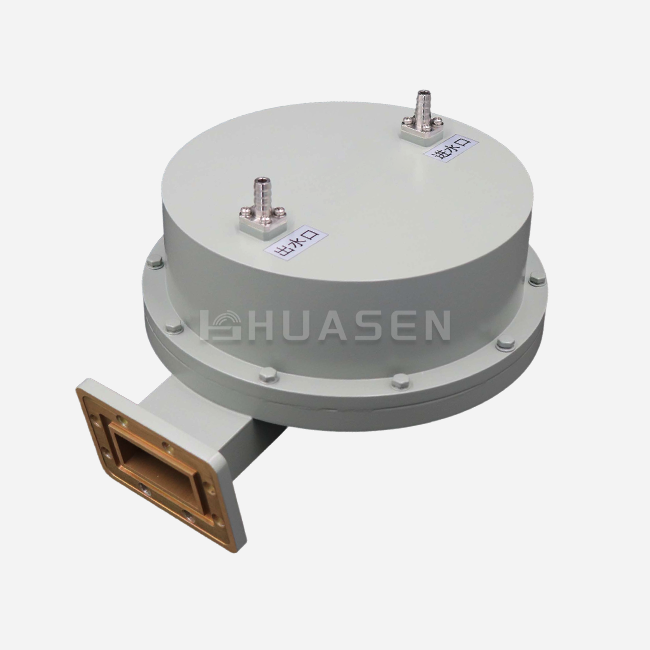
Circular Straight Waveguide for Satellite RF Paths






2026-05-06 21:06:44
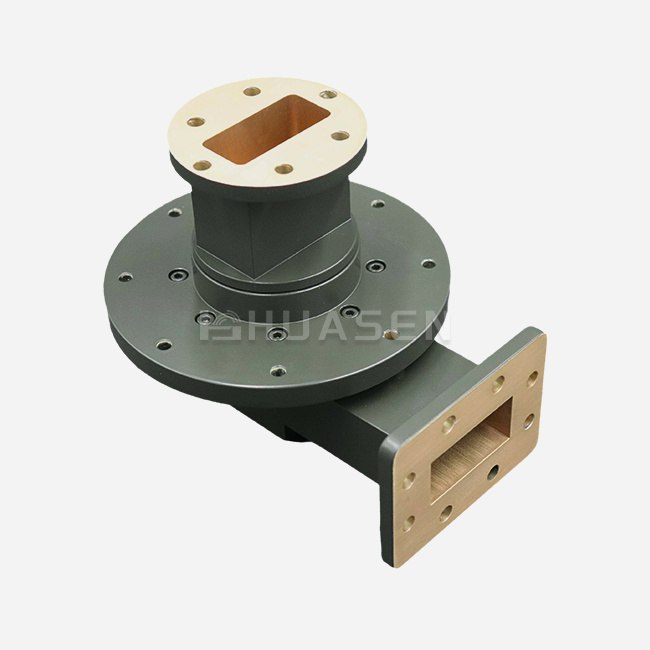
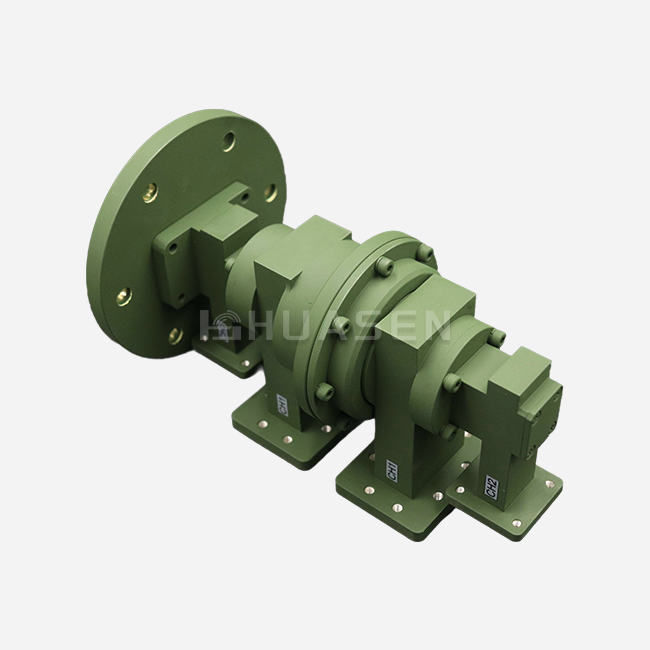
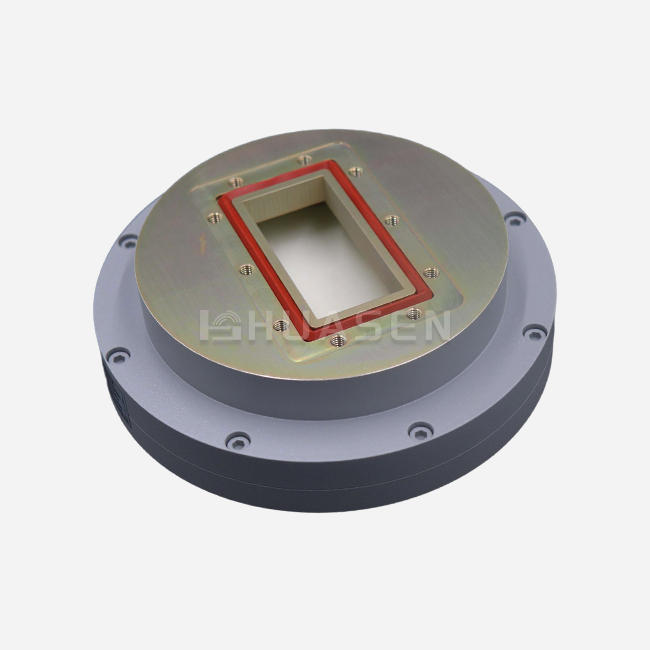
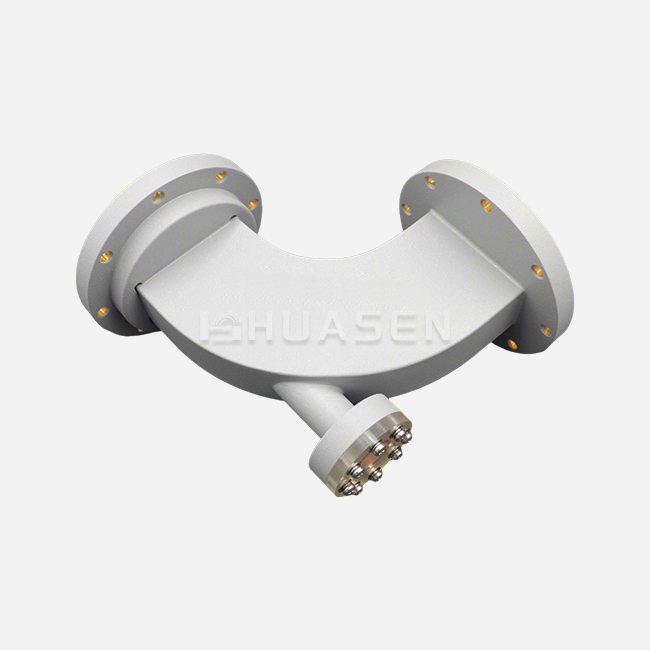
If you want to build solid satellite communication links, picking the right RF broadcast component is very important. Circular straight waveguides are an important technology for satellite earth stations, radar feeds, and aircraft uses that need to be able to handle high power and transmit signals with little loss. Instead of rectangular waveguides, which lock signals into set polarisations, or coaxial lines, which lose too much signal strength above 10 GHz, circular straight waveguides offer rotational symmetry that keeps signals intact across both vertical and horizontal polarisations at the same time. We have seen how this part solves real-world problems in satellite RF paths at Huasen Microwave. For example, Ka-band earth stations need to recover frequencies, and military radar systems need to send megawatts of peak power without arcing or mode switching.
Understanding Circular Straight Waveguides in Satellite RF Systems
The structure of these circular straight waveguides is based on a hollow metal tube with circular cross-sections that were carefully made. This shape is very different from rectangular ones because it allows electromagnetic wave propagation patterns to move easily around the centre axis. This makes dual-polarised signal transfer possible, which is important for current strategies for optimising satellite bandwidth.
Electromagnetic Mode Characteristics and Their Impact
The Circular Straight Waveguide (CWAL series) from Huasen Microwave can handle different electromagnetic modes, such as TE11, TM01, and TE21. Each one has its own communication needs. The main TE11 mode handles most dual-polarisation feeds in satellite ground stations. The specialised TE01 mode, on the other hand, has very low attenuation that actually goes down as frequency goes up. This is a unique property that is used in millimetre-wave research facilities and long-distance microwave transport where losses must stay below 1 dB per kilometre. This mode selection versatility solves a major problem: it lets system designers make the best use of the same waveguide structure in various operating situations without having to redesign the whole RF chain.
The way it works is based on electromagnetic fields being contained within conductive walls. Current flows from boundary conditions that control the spread of waves. The surface finish, wall thickness, and internal diameter all have a direct effect on the mode purity and insertion loss. Our production process keeps the concentricity within ±0.02 mm to stop mode conversion that isn't wanted and would hurt cross-polarisation detection in dual-pol systems.
Material Selection and Performance Trade-offs
Copper (C), aluminium (A), and stainless steel (S) are the three main materials we offer. Each meets different performance and environmental needs. Copper has the best electrical conductivity, which means it has the least amount of ohmic losses in high-frequency uses above 20 GHz. Aluminium is a great material for reducing weight in systems that will be used in space or in the air, where every gramme counts when it comes to fuel economy and launch costs. In shipboard satellite stations and remote communication platforms, stainless steel can handle the harsh conditions of the sea.
Putting silver on copper waveguides lowers the surface resistance even more. This makes the useful bandwidth bigger and the signal-to-noise ratios better in receiver chains with very low noise. To choose between these materials, you have to weigh their conductivity, weight, resistance to corrosion, and temperature expansion factors against the conditions of placement.
Structural Advantages Over Alternative Transmission Lines
The basic tube shape gets rid of all dielectric materials, which gets rid of the ways that coaxial wires and microstrip lines lose dielectric at microwave frequencies. This design also stops radiation leaks, which is a problem that always comes up with open transmission systems. High power capacity comes from the big cross-sectional area that spreads out current densities and heat loads. This lets the device work continuously at kilowatt levels and send pulses of megawatts without breaking down or getting too hot. These traits directly address problems for base station makers who need stable 5G backhaul lines and defence companies who are building powerful radar front ends.
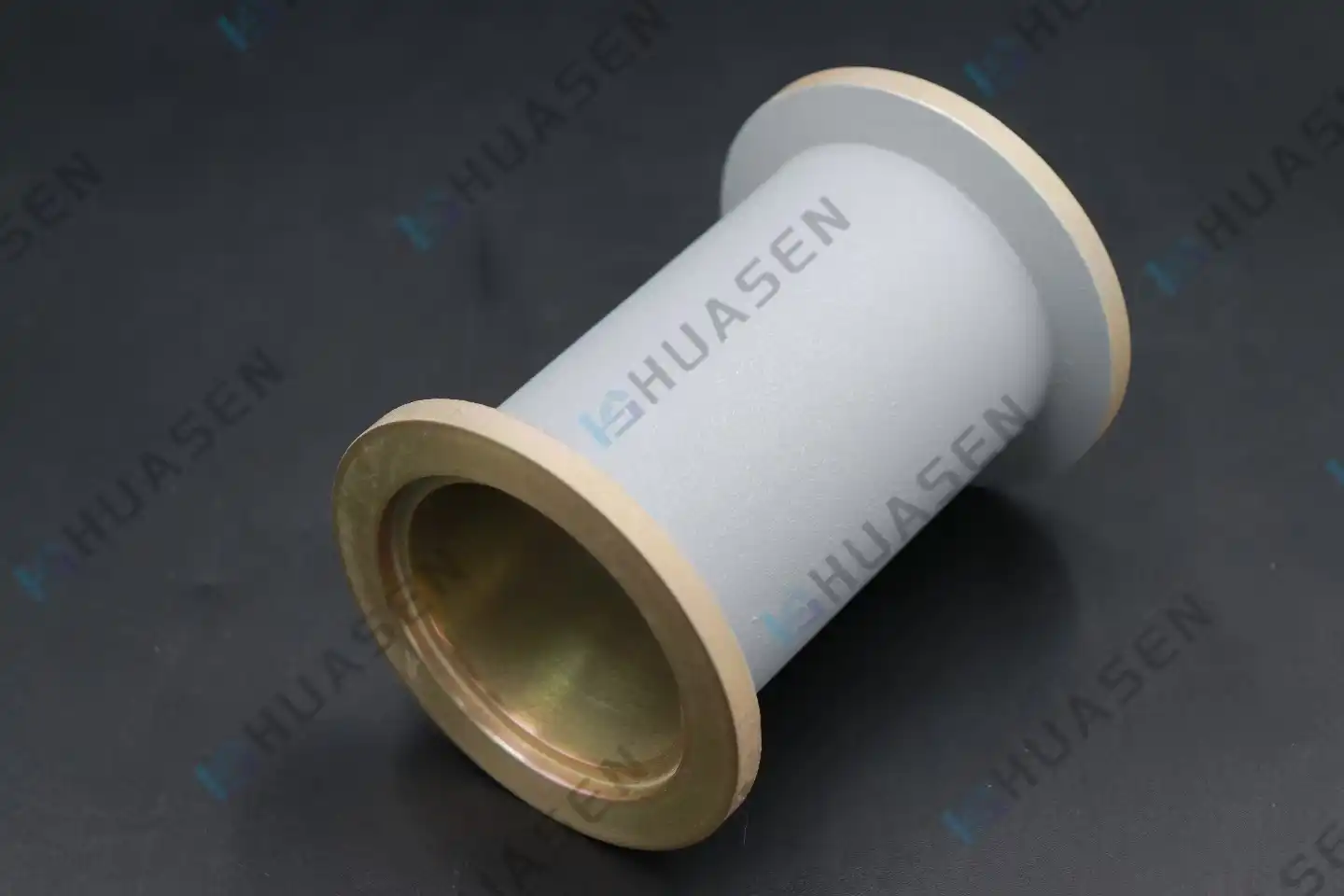
Procurement Insights for Circular Straight Waveguides: Ensuring Quality and Reliability
Verification of technical specifications is the key to good buying. When looking at frequency compatibility, you need to think about the cutoff frequencies where the circular straight waveguide dimensions allow the desired mode to propagate. For the TE11 mode, the cutoff frequency for a circular straight waveguide with an internal width of d is fc = 1.841c/(πd), where c is the speed of light. By giving a diameter, you can make sure that the action is far enough above cutoff to keep the signal from getting distorted while staying below higher-order mode stimulation frequencies that would cause crosstalk.
Critical Quality Metrics and Testing Standards
VSWR readings show how well the impedance matching is doing; numbers below 1.15:1 across the operational bandwidth mean the matching is working very well. We offer full two-port S-parameter tests that are traceable to NIST standards. These measurements show the insertion loss, return loss, and phase uniformity over certain frequency bands. These test reports help system integrators make sure that parts work properly before they are installed. This keeps expensive rework from having to be done during the testing steps.
Verification of the dimensional tolerances ensures that the flange can be used with matching parts. Specification standards for interfaces like UG-series flanges, CPR flanges, and special mounting patterns need exact bolt circle widths, flange thicknesses, and gasket groove sizes. Our quality control method includes checking key dimensions with a coordinate measuring machine (CMM) and writing down any measurement errors. This gives us concrete proof that the product meets the requirements.
The wire losses are directly affected by the surface finish inside the waveguide. We set the highest levels of surface roughness and use profilometry to make sure the finish meets the design standards. Overcoats that don't damage silver-plated surfaces keep their conductivity while they're being stored and used. This stops rust, which would lower performance over time.
Supplier Evaluation and Certification Requirements
Supply chain risks are lower when goods are bought from companies with well-established quality management systems. Being certified with ISO 9001 shows that you are committed to consistent processes, and being certified with AS9100 shows that you have experience with aircraft quality standards such as traceability, configuration control, and preventing fake parts. We keep these certifications up to date and welcome check visits from possible customers who are looking at a supplier's skills.
Material approvals check the makeup and mechanical qualities of an alloy. We offer test results on materials from recognised labs that prove the purity of the copper, the grade of the aluminium alloy, or the specifications for stainless steel. This paperwork is very important for users who need to make sure that the product meets MIL-STD standards or for export control purposes in defence uses.
Environmental testing sets trustworthy providers apart from those who don't have the right infrastructure for proof. Testing for temperature changes, vibrations, humidity, and salt fog all mimic conditions that might be encountered during operation. Our test labs are exact copies of real-world settings, so we can get data that shows waveguide systems can handle installation stresses and extreme environmental conditions without losing efficiency.
Custom Manufacturing and Lead Time Management
Catalogue items that are already made work well for many uses, but satellite projects often need special designs that fit the specific shapes of the payloads. We can make custom lengths, flange combinations, pressure windows that are built in, and mode changers that are part of the same system. The design process starts with figuring out what the customer wants, then moves on to electromagnetic simulation and mechanical modelling, and ends with making a prototype and testing it before putting it into production.
Lead times depend on how complicated the customisation is and where the production queue is at the time. Standard CWAL setups ship two weeks after the order is confirmed. Custom designs, on the other hand, need six to ten weeks for engineering, prototyping, and production. We keep a smart stock of popular materials and flange types on hand so that we can quickly fill urgent orders without lowering the quality. Clear communication throughout the order process keeps buying teams up to date on progress and any changes that might affect the plan.
Scalability is important for customers who want to set up multiple sites or run production projects that need hundreds of units. We can make both small prototypes and large batches of products, and our prices are set in a way that takes savings of scale into account. Long-term supply deals lock in prices and delivery dates, making it easier to plan budgets for projects that last more than one year.
Optimising Satellite RF Paths with Circular Straight Waveguides
When you put something correctly in the circular section, you can keep the speed from dropping, which takes away from the benefits of the circular straight waveguide. To keep coaxiality within certain limits—usually ±0.5mm radial offset—flange alignment must stay in place so that joints don't change modes. We suggest force levels for flange bolts that squeeze seals just enough for RF sealing without putting too much mechanical stress on them, which could bend round profiles.
Installation Best Practices and Common Mistakes
- The placement of structural supports changes the security of the structure without putting extra stress on it. Support frames should touch waveguide sections every quarter of a wavelength, at field minima, so that electromagnetic transmission is disturbed as little as possible.
- Rigid fixing at flanges stops thermal expansion stresses during temperature cycles. This is especially important for outdoor applications where temperatures change during the day.
- To avoid mode conversion when bending large-diameter waveguides, the radius must be carefully chosen. For TE11 mode uses, we suggest a bend radius that is at least three times the diameter of the waveguide. For TE01 mode, where field patterns are more sensitive to changes in geometry, this radius should be five times the diameter. When it comes to keeping insertion loss low, custom-made elbow sections with precisely tooled bends work better than field-bent installs.
- When putting in a connector, you need to pay attention to which seal to use and how to prepare the surface. We offer gaskets that are compatible with different types of flanges and frequency bands. The materials we use range from conductive elastomers for weather sealing to PTFE for low-loss RF connections. Before being put together, the sides of the flanges need to be cleaned to get rid of any dirt or dust that could cause tiny gaps that make the RF contact less effective.
Maintenance and Performance Monitoring
- Regular checks find problems as they arise, before they become so bad that the system stops working. By looking at flange joints visually, you can find rust, loose hardware, or seal wear. Using borescopes to look inside something shows any moisture getting in, foreign object trash, or surface dirt that might make losses worse or cause arcing in high-power situations.
- Vector network monitors are used to measure performance by keeping an eye on insertion loss and VSWR across the operating bandwidth. Setting baseline measures during commissioning gives maintenance teams a way to compare numbers during regular maintenance rounds. Increases in entry loss can be a sign of problems like moisture buildup or surface rust that need to be fixed.
- Protecting outdoor projects from the weather makes them last longer. We have circular sections, radome caps, pressurisation ports, and desiccant breather systems that keep the inside of things dry so condensation doesn't form. External treatments that are painted or anodised guard against UV light and corrosion from the air. This is especially important in marine and tropical settings.
Conclusion
In conclusion, when choosing the right circular straight waveguide technology for satellite RF paths, you have to think about the budget, the surroundings, the technical limitations, and the electrical performance. When you need to send high-power signals, handle dual-polarisation, and allow spinning, circular waveguides are the only ones that can do it. Copper, aluminium, and stainless steel are all materials that system designers can choose from to get the best conductivity, weight, or corrosion protection for each deployment situation. Huasen Microwave has been making precision waveguide parts for 30 years, which gives system integrators, procurement workers, and research institutions the scientific background and quality guarantee they need. The right way to specify, install, and maintain these parts makes sure they work reliably for the whole time the satellite system is in use.
FAQ
1. What frequency ranges work best with circular waveguides in satellite communications?
Circular straight waveguides work well in microwave and millimetre-wave bands ranging from 2 GHz to 100 GHz. They can handle all the main frequencies used for satellite transmission, such as C-band, X-band, Ku-band, Ka-band, and the new Q/V-band assignments. The cutoff frequency is based on the diameter, with bigger sizes allowing lower frequencies. We make designs that are designed for each band so that they can work in a single mode across bandwidths that the customer specifies.
2. How do circular designs handle more power than rectangular waveguides?
When compared to rectangular ends, where field concentrations happen, the circular shape spreads current levels more evenly around the circle. This spreads out the voltage, and heat lessens the differences in voltage that can lead to breakdown. Also, the bigger cross-sectional area for equal cutoff frequency gives more surface area for heat dissipation, which lets it work continuously at kilowatt power levels common in radar and satellite uplink emitters.
3. Can waveguide dimensions be customised for unique payload requirements?
Yes, customisation is one of the main services we offer to satellite makers and system installers. Based on your instructions, our engineering team creates waveguides with accurate lengths, diameters, flange types, and mounting holes that work with current hardware. We test the performance of electromagnetic models before they are made, which ensures that the end product meets all electrical and mechanical requirements the first time.
Partner with a Trusted Circular Straight Waveguide Manufacturer
For more than 30 years, Huasen Microwave has been making precise RF and microwave parts for satellite, aircraft, and telecommunications uses that are very specific. Our CWAL series Circular Straight Waveguide has a proven electromagnetic design and strict production quality control. They give your satellite RF lines the low-loss, high-power performance they need. We help our customers with every step of the project, from the first design meeting and prototype development to mass production and expert support after the sale. System installers, research labs, and equipment makers in North America, Europe, and Asia can use our global supply skills to get the goods they need at reasonable prices and on time. Get in touch with our tech team right away to talk about your unique needs. For your next satellite transmission project, email us at sales@huasenmicrowave.com to get technical specs, help with a unique design, or quotes. Let us show you why top companies around the world choose Huasen Microwave as their Circular Straight Waveguide provider for important RF transmission lines.
References
1. Marcuvitz, Nathan. Waveguide Handbook. Institution of Engineering and Technology, 1986.
2. Ramo, Simon, John R. Whinnery, and Theodore Van Duzer. Fields and Waves in Communication Electronics. John Wiley & Sons, 1994.
3. Clarricoats, P. J. B., and A. D. Olver. Corrugated Horns for Microwave Antennas. Institution of Engineering and Technology, 1984.
4. Balanis, Constantine A. Advanced Engineering Electromagnetics. John Wiley & Sons, 2012.
5. Collin, Robert E. Foundations for Microwave Engineering. Wiley-IEEE Press, 2001.
6. Pozar, David M. Microwave Engineering. John Wiley & Sons, 2011.
Send Inquiry