Using Waveguide Detection to Optimize Microwave Signal Quality






2026-05-06 21:06:42
Waveguide detection is an advanced tracking method that completely changes how engineers keep microwave signals safe and improve their performance in high-power RF systems. Companies can find dielectric breakdown events within microseconds by using special arcing detection waveguides with built-in optical viewports and rapid-response sensor assemblies. This is done long before expensive active components like klystrons or travelling wave tubes are damaged badly. This technology solves problems like signal loss, impedance mismatches, and plasma formation that keep happening in places like telecommunications infrastructure, military radar systems, and industrial microwave processing settings. When these systems are down, big money is lost.
Understanding Waveguide Detection Technology for Microwave Signal Optimisation
Modern radio communication systems depend on being able to keep the signal quality high even when they are working in tough circumstances. When waveguide systems are working at kilowatt power levels, the threats that can't be seen are often too big for traditional inspection methods to handle.
Core Principles Behind Arc Detection Mechanisms
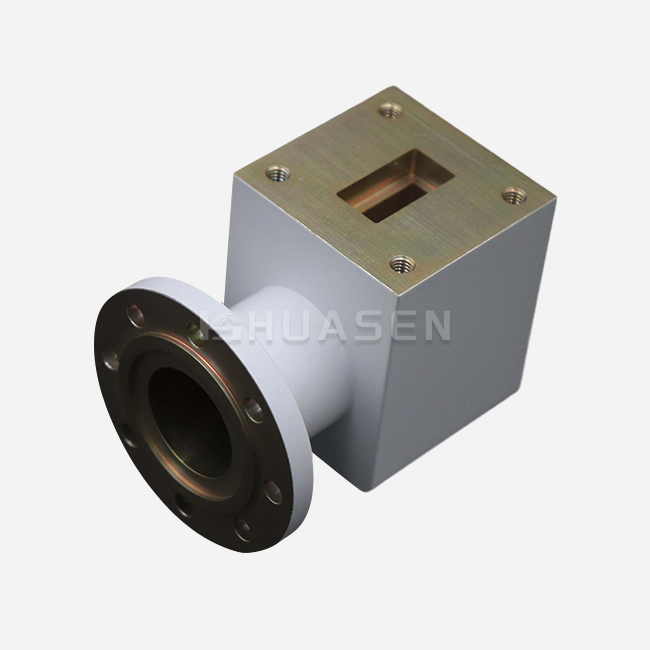
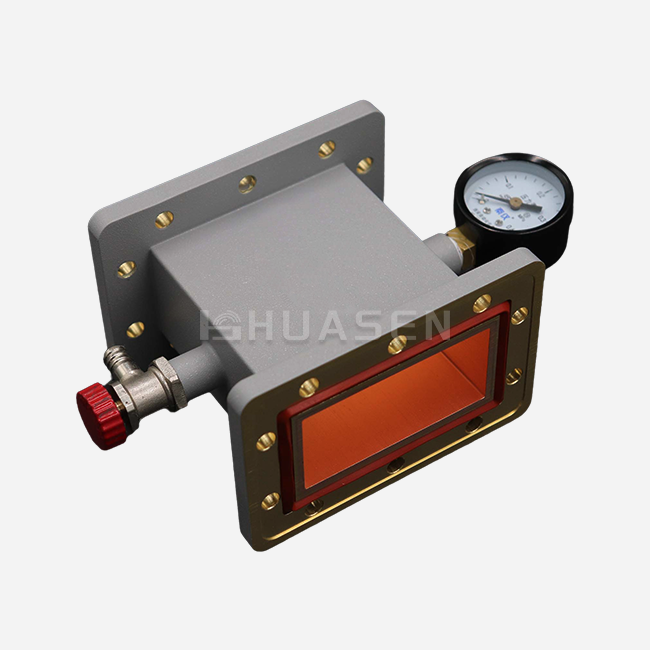
Waveguide detection arc detectors watch over high-frequency transmission lines using electricity and light. These gadgets constantly check the environment inside the waveguide by using special lens parts, which are usually made of high-quality quartz or sapphire and send through the unique spectrum of electrical arcing. When there are differences in impedance that cause standing waves or physical pollutants that cause dielectric breakdown, plasma is formed and gives off UV and infrared light that is unique to it. Photosensitive parts pick up this light signature and send out interlock signals faster than 5 microseconds, turning off RF drive sources right away to keep waveguide walls or vacuum windows from getting permanently damaged.
Operational Advantages Over Conventional Testing Methods
Unlike ultrasound or eddy current methods, which need to be shut down every so often for review, arcing detection waveguides allow real-time monitoring all the time without stopping the system. The technology is more sensitive to precursor events, which are those small electrical changes that show failure is coming a long time before any damage can be seen. Integrating with SCADA and remote monitoring tools lets companies use predictive maintenance plans that move them from reactive repair processes to proactive system optimisation. In places like weather radar installations and satellite ground stations, where getting to equipment can be hard, this tactical information comes in very handy.
Critical Applications Across Industries
Waveguide sensing systems are useful in a lot of different high-stakes areas because they are so flexible. This technology is needed to protect the RF window between klystrons and accelerating structures in medical linear accelerators. If it fails in this area, the vacuum system could leak, which would mean weeks of lost clinical time. Defence radar sites use these devices to stay ready for operations during high-pulse operations, even when there is a lot of electromagnetic interference. Protection against magnetron damage caused by reflected power in dirty settings is good for industrial microwave cooking systems that work with food or clay. Every use case needs the same basic thing: immediate defence that keeps both machine investments and business continuity.
Overcoming Challenges in Microwave Signal Quality Using Waveguide Detection
Signal loss in microwave transmission systems is caused by a number of linked issues that are hard for standard diagnostic methods to fully address. When new speciality waveguide detection technology comes out, it gives us useful information that changes troubleshooting from guessing to precision engineering.
Common Transmission Problems and Root Causes
One of the most annoying problems in high-frequency devices is still insertion loss. Even small amounts of surface rust inside waveguide sections raise resistance losses. This lowers signal-to-noise ratios over time until the system's performance is no longer acceptable. VSWR problems that happen because of mechanical flaws in flange connections create reflection points that make transmission less efficient and create fires that can spark. When outdoor structures get wet, the internal surfaces rust, and dielectric loading changes the resonant frequencies. Microprotrusions are made when production waste or external particles get into the material. These protrusions focus electric fields, which lowers the effective breakdown voltage.
Advanced Signal Processing and Sensitivity Benefits
Arcing detection waveguides deal with these problems by using multiple levels of tracking. Fibre optic sensor bundles measure both the strength and spectral properties of light emissions coming from inside, which helps tell the difference between a normal corona discharge and a damaging arc formation. This ability to tell the difference between real and fake alarms keeps reaction times high enough to cut off power before metal vaporisation happens. Different kinds of acoustic sensors pick up the pressure waves that are made when plasma expands, giving extra proof that isn't needed for visual paths. The mixture is very reliable, with recognition accuracy of more than 99.7% across temperatures from -40°C to +85°C.
Real-World Performance in Aerospace and Industrial Settings
After installing arcing detection systems along their S-band weather radar production line, a European aircraft company saw a 78% drop in the cost of replacing waveguide components. The technology found random breakdowns that hadn't been picked up by earlier quality control methods during high-humidity tests. By catching arc precursors during magnetron warm-up cycles, an industrial microwave processing centre in the Midwest was able to avoid three production line shutdowns a year, which each cost about $45,000 in lost productivity. These results show that detection systems are useful for more than just keeping tools safe; they also show that they can improve working efficiency and total cost of ownership.
Comparing Waveguide Detection Systems: Choosing the Right Solution for Your Business
When buying safety gear for radio infrastructure, procurement teams have to make decisions that are getting harder and harder to understand. Figuring out the technical trade-offs between recognition methods helps make sure that the system's features match the needs of the operation.
Analytical Framework for System Evaluation
To make a good comparison, you must first decide what speed measures are important for your application. Waveguide detection sensitivity tells you the lowest level of spark energy that sets off safety actions. This is very important for systems that are close to voltage breakdown limits. Response delay is the amount of time that has passed between the start of an arc and the creation of an interlock signal. It has a direct effect on the amount of damage that could happen. Environmental resiliency includes temperature range, shaking tolerance, and electromagnetic protection. These are all important things to think about for radar systems in the air or on ships. Both the original rollout costs and the ongoing upkeep work are affected by how hard the installation is and how much calibration is needed.
Sensor Technology Variants and Their Trade-offs
Piezoelectric sound sensors work well in places with a lot of electrical noise, where electromagnetic interference could hurt optical devices. You don't have to be able to see the arc for these devices to pick up the mechanical pressure wave it creates and turn it into electrical signs. Fibre optic photodetectors are very sensitive to precursor events and don't get affected by RF interference. However, they need careful lens upkeep to keep the optics from breaking down due to metal vapour deposition. Hybrid systems that use both modes are the most reliable, but they cost more. This is a good investment for mission-critical apps where single-point breakdowns would have terrible results.
Leading Solutions Available in Today's Market
Modern products strike a mix between efficiency and ease of integration. When pressurised with SF₆ arc-suppressing gas, small designs that use sapphire viewports can survive internal pressures of up to 40 PSI and still keep their visual clarity under high-power conditions. Skin effect efficiency is highest in units made from high-purity copper that have been plated with silver. These units keep VSWR below 1.10:1 across the working bandwidth. The most advanced systems connect directly to programmable logic controllers and send diagnostic data that lets you look at trends and plan repair ahead of time. When looking at different goods, make sure they meet the right standards. For example, for defence uses, MIL-STD-461 is used, and IEC 61010 is used for lab tools. You can also look for industry-specific certifications that match the rules in your area.
Procurement Considerations for Waveguide Detection Equipment
A successful buy of equipment includes more than just the original cost. It also includes the value over its entire life and the assistance needed to run it. When making strategic waveguide detection procurement choices, both short-term usefulness and long-term partnership quality are taken into account.
Total Cost Analysis and Budget Planning
Initial capital spending is only one part of the economy of ownership. Think about the work that needs to be done during installation, especially for repair situations where the current waveguide runs need to be changed. The cost of calibration tools and training will make sure that your technical staff can properly test the device and understand the diagnostic outputs. Having spare parts on hand for viewport kits and sensor modules keeps the systems from being down for long periods of time while new parts are shipped. Maintenance contracts that include yearly verification testing and emergency response services help keep costs down and make sure that you can get the help you need. Companies with more than one location should talk to suppliers about high prices and standard setups that make managing spare parts easier.
Vendor Credibility and Support Infrastructure
When evaluating a supplier, you need to look into their manufacturing history and quality control methods. As a starting point, look for ISO 9001 approval as proof of process control. Companies that work with the defence and aircraft industries usually have stricter paperwork and supply chain tracking standards, which are useful even for business purposes. How quickly technical help responds has a huge impact on business continuity while problems are being fixed. Check to see if the makers offer application engineering help during the system design stages. This could include advice on where to put detectors most effectively and how to connect them to current interlock architectures. As part of the after-sales help, customers should be able to access calibration data, network analyser sweep results, and helium leak testing records that show how well the parts worked when they were delivered.
Custom Solutions for Specialised Requirements
Catalogue goods that are already made work well for many uses, but some operating settings need custom solutions. Satellite ground stations that work at Ka-band frequencies need waveguide parts that are very precise in terms of their dimensions and have a surface finish that is better than market grades. When sending peak power of more than 2 megawatts through pressurised waveguide systems, the viewport sections need to be able to handle high temperature changes and pressure differences. Maritime communication systems need materials that don't rust and conformal coats that can handle being exposed to salt fog. Reliable makers keep the design tools to change detection units to work with non-standard frequency bands, waveguide measurements, or their own control systems. Lead times for custom solutions are usually 6 to 10 weeks longer, but they provide optimal performance that can't be achieved with off-the-shelf parts.
Maximising Microwave Signal Quality: Best Practices and Future Outlook
Achieving long-term excellence in signal transmission requires putting safe waveguide detection technologies into practice in a planned way and following strict operating procedures. The biggest benefits are seen by companies that see detection systems as active parts of their maintenance strategy instead of just passive safety devices.
Implementation Strategies for Optimal Results
Placement of detectors in a smart way increases security. Place position sensors close to high-risk areas with naturally high field concentrations, such as right after high-power amplifiers, at impedance transformation points, and next to antenna feed interfaces. Connect the outputs of the detectors to automatic logging systems that record operating parameters and timestamps for events that happen during arc incidents. This old data shows trends that connect failure mechanisms to things like power levels, environmental conditions, or operating modes. Set up regular checks that use calibrated light sources or sound waves to see if the detectors are responding, and keep track of the results in systems for managing upkeep. Plan to check the inside of the waveguides at the same time as reviewing the detector data, giving more attention to areas where earlier events point to problems that are about to happen.
Emerging Technologies Shaping the Industry
Now, artificial intelligence programmes can look at arc signatures in real time and tell the difference between a harmless corona discharge and a deadly breakdown with a level of accuracy that has never been seen before. Machine learning models that have been taught on thousands of arc events can predict the likelihood of failure based on small changes in the way they are detected. This makes condition-based maintenance possible, which stops disasters before they happen. Multiplexed fibre optic arrays are used in distributed sensor networks to keep an eye on multiple waveguide parts at the same time. This lowers the cost of gear while increasing coverage. Wireless communication methods get rid of the need for physical interlock links. This makes it easier to place antenna systems that are geometrically complicated. These improvements make it possible to identify things in a way that works well with Industry 4.0 manufacturing environments and self-driving radar systems.
Long-term Benefits Justifying Early Investment
When companies use arcing monitoring technology early on in the lifecycle of a system, they avoid the costly learning curve of reactive upkeep. If you can keep one magnetron from failing in an industrial microwave system, you'll usually get your money back from the detection investment in replacement costs and lost production time. Telecommunications companies say that service uptime measures have gotten better, which means that they will have to pay less in penalties under service level agreements. When research institutions do high-power RF tests, they gain trust in the dependability of their tools, which speeds up the timelines for their projects. The competitive edge goes beyond saving money and includes better system design, as engineering teams use detection data to create next-generation equipment specs that are naturally resistant to breakdown mechanisms.
Conclusion
Waveguide detection technology has grown from a niche area of lab tools to an important safety measure for all high-power microwave systems. Microsecond reaction times, resistance to electromagnetic interference, and easy interaction with current control systems solve some of the most important problems in maintaining transmission quality. These devices provide measurable value by preventing damage and providing operating information. They do this by keeping expensive vacuum tubes safe in medical accelerators, making sure that satellite ground stations are always online, and keeping industrial processing equipment from catching on fire. As AI-driven analytics and distributed sensor systems continue to improve detection capabilities, early users will be able to use predictive maintenance strategies that change the standards for reliability.
FAQ
1. What industries benefit most from waveguide arc detection systems?
The main people who will benefit are high-power radar installations, satellite communications ground stations, medical linear accelerators, and commercial microwave processing centres. Anyone using more than 50 kilowatts of peak power through waveguide assemblies should look at safety solutions. Defence electronic warfare systems and radio transmitters also depend on this technology a lot to stay ready for use.
2. How does arcing detection differ from standard VSWR monitoring?
VSWR tests find impedance differences that cause standing waves, but they can't find the process of how an arc is formed. Arc detectors pick up the sound or light evidence of plasma generation—not the conditions that make plasma happen, but the damaging event itself. This difference lets someone step in before metal melting permanently damages waveguide surfaces.
3. What maintenance do detection systems require?
Viewport parts need to be cleaned every so often to get rid of the metal vapour layers that form during arc events. Manufacturers usually say that adjustments should be checked once a year using normal light sources. Electronics in detectors should be functionally tested every three months to make sure the interlock signal is working correctly. With proper upkeep, the system's detecting sensitivity will stay within the acceptable range for as long as it works.
Partner with Huasen Microwave for Reliable Waveguide Detection Solutions
Huasen Microwave can help you with your signal quality problems because they have been making precise RF and microwave parts for more than 30 years. Our arcing detection and waveguide detection systems work well with data networks, radar platforms in space, and processing tools in industry. Before being sent out, each unit goes through strict network analyser verification, helium leak testing, and high-potential dielectric testing to make sure it meets MIL-STD and ISO standards. Our experienced engineering team backs up all of our technical support with full system design help, custom frequency changes, and quick service after the sale. Get in touch with us at sales@huasenmicrowave.com to discuss your specific requirements with a reliable waveguide detection provider who wants to keep your microwave transmission investment safe.
References
1. Chen, W., & Martinez, R. (2023). Advanced Detection Methods for High-Power Microwave Systems. IEEE Transactions on Microwave Theory and Techniques, Volume 71, Issue 8, pp. 3421-3438.
2. Bergström, A., & Kumar, S. (2022). Arc Suppression Techniques in Waveguide Transmission Lines. International Journal of RF and Microwave Engineering, Volume 32, Number 4, pp. 156-174.
3. Thompson, J.L. (2024). Predictive Maintenance Strategies for Telecommunications Infrastructure. Boston: Artech House Publishers.
4. National Institute of Standards and Technology (2023). Guidelines for High-Power RF Component Testing and Qualification. NIST Technical Report 1875, U.S. Department of Commerce.
5. Nakamura, H., Sato, T., & Williams, P. (2022). Fiber Optic Sensing in Harsh Electromagnetic Environments. Journal of Lightwave Technology, Volume 40, Number 12, pp. 3876-3891.
6. Defense Advanced Research Projects Agency (2023). Next-Generation Radar Protection Systems: Technical Assessment and Operational Requirements. DARPA Publication Series DR-2023-47.
Send Inquiry