Lens Horn Antenna Construction and Material Considerations






2026-04-30 22:41:42
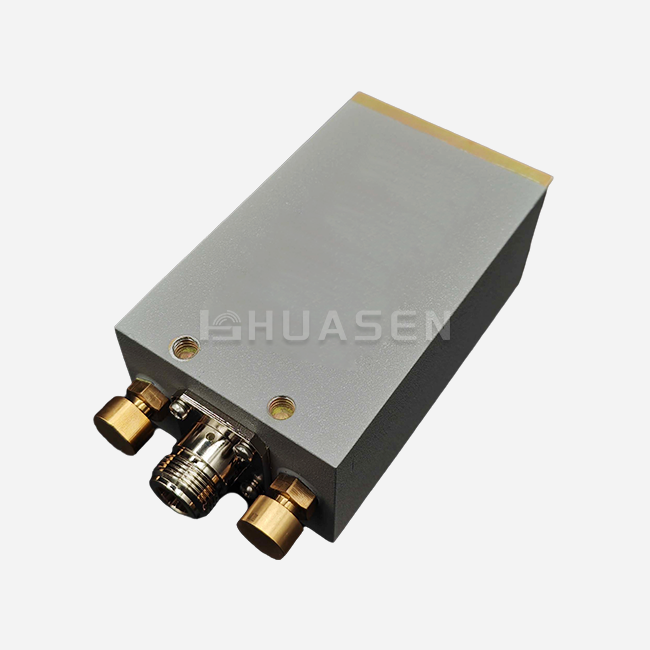
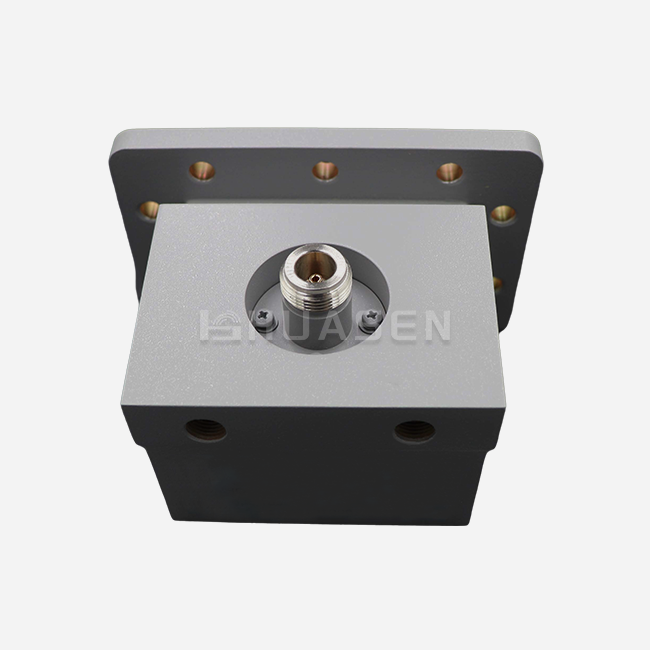
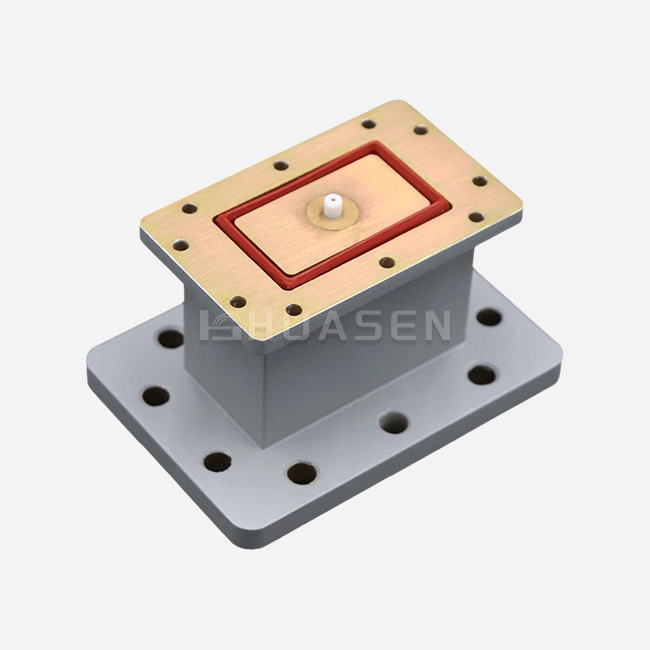
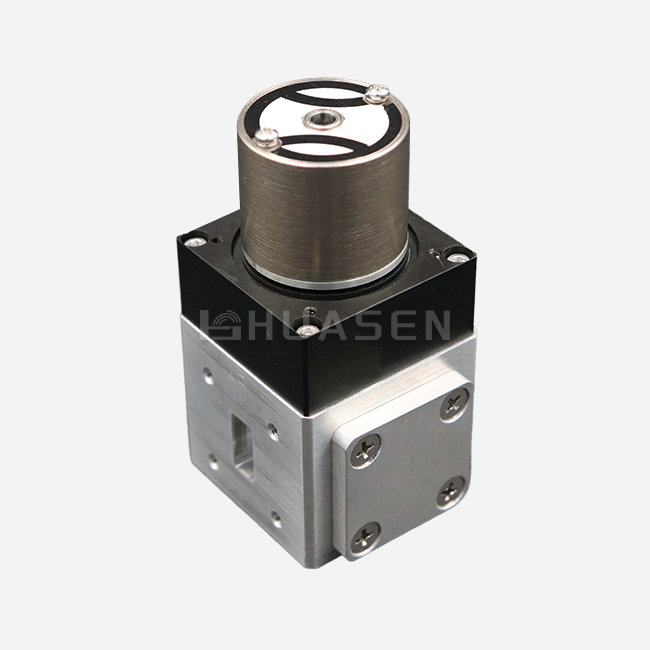
Understanding how lens horn antenna systems are put together and choosing the right materials is important for getting the best performance from advanced microwave and millimeter-wave systems. A lens horn antenna combines a precise dielectric lens with a feed horn structure, which is usually conical or pyramidal. It does this by turning spherical wavefronts into flat phase fronts, which lowers phase errors and improves directivity. The materials used for the metallic horn body and the dielectric lens have a direct effect on important performance metrics like gain stability, sidelobe suppression, durability in harsh environments, and the overall efficiency of the system. These antennas work great in tough situations, like 5G backhaul networks and aerospace radar calibration, thanks to the careful balance of their construction design and material properties.
Understanding Lens Horn Antenna Construction
How well the horn geometry, lens optics, and mounting structures work together to direct and focus radio frequency energy determines how these antennas work mechanically and electromagnetically.
Horn Flare Geometry and Its Impact
The waveguide transition that sends electromagnetic energy out into the world is the horn section. The circular waveguide expands evenly in conical shapes, creating rotationally symmetric radiation patterns that are perfect for polarization diversity. Pyramidal designs, on the other hand, let you control the E-plane and H-plane beamwidths separately, which makes them good for uses that need uneven coverage. The flare angle needs to be a balance between the aperture size and the physical length. Steeper angles shorten the antenna but increase phase error, which is then fixed by the lens.
Dielectric Lens Types and Functions
The natural spherical wavefront coming from the horn throat is fixed by dielectric lenses, which turn it into a collimated planar wave at the aperture. Most industrial designs use plano-convex and meniscus lens profiles. To get accurate phase correction, the refractive index and operating frequency are used to figure out the lens's curvature and thickness. Fresnel-stepped surfaces may be used in more advanced designs to cut down on weight and material costs without affecting optical performance. This is especially helpful in aerospace applications where every gram counts.
Supporting Structures and Assembly Precision
Mechanical mounting systems have to keep the lenses lined up to within a few millimeters even when the temperature changes and the system is vibrating. Precision-machined mounting rings, which are usually made of anodized aluminum alloys, hold the lens in place and account for the different rates of thermal expansion between metal and dielectric materials. Moisture can change dielectric constants and make electrical performance worse, but hermetic sealing around the lens perimeter stops this from happening. To make sure that the electromagnetic properties of each production batch are the same, quality manufacturers use torque-controlled fastening and calibrated spacing jigs during assembly.
Addressing Thermal Expansion and Weatherproofing
When antennas are used outside, they are exposed to temperature changes that make the metal horns and polymer lenses expand at different rates. This is taken care of by engineers who choose materials with controlled thermal expansion coefficients and design mounting hardware with stress-relieving features. UV-stabilized lens materials, corrosion-resistant coatings on metal surfaces, and sealed waveguide transitions that keep dust and moisture out are all ways to keep electronics weatherproof. These design choices directly increase the useful life in harsh environments like the sea, the desert, and factories.


Material Considerations for Optimal Performance
Metals for Horn Construction
Aluminum alloys are most often used to make horns because they are strong for their weight and easy to work with. Treatments on the surface, like silver plating, lower resistive losses at millimeter-wave frequencies, which is where skin depth effects focus currents close to metal surfaces. Copper and brass are better conductors, but they are heavier and more difficult to make. In high-reliability applications, connector interfaces may need to be gold-plated to keep them from rusting over many years of use.
Dielectric Materials and Their Properties
Polytetrafluoroethylene (PTFE) is still a common lens material for a lens horn antenna because it has a low loss tangent (usually 0.0002-0.0004) and a stable dielectric constant (εr ≈ 2.1) over a wide range of temperatures. Rexolite has similar electrical properties but is more rigid, so it doesn't bend as much when stress builds up. Quartz and ceramics can work at temperatures above 500°C, which is needed for radar systems on hypersonic platforms. Each type of material has pros and cons that procurement teams have to weigh against the needs of the system. These cons include dielectric constant, loss characteristics, temperature stability, and cost.
Environmental Durability Factors
Over years of use outside, UV light breaks down some polymers, resulting in surface cracks that scatter radio frequency energy and raise sidelobe levels. This way of aging can be slowed down with UV-stabilized formulations or protective coatings. Coastal and industrial areas have corrosive atmospheres that damage metal surfaces even when they are protected. This means that critical installations need to have regular inspections and new materials installed. Changing temperatures puts mechanical stress on the edges of materials, so the lens and mounting hardware need to be carefully matched in terms of their coefficients of thermal expansion.
Material Effects on Antenna Parameters
The dielectric constant directly affects the lens curvature needed for phase correction. Lenses with higher εr values can be thinner and lighter, but they may also lose more dielectric. Insertion loss through the lens assembly is determined by the loss tangent. High-quality materials can achieve dissipation factors below 0.0003 at 30 GHz. Metal horn walls with rough surfaces scatter energy and make apertures less efficient. Precise CNC machining and electropolishing keep surface finishes better than 0.5 micrometers RMS, which is important at W-band and above.
Comparing Lens Horn Antenna Designs and Materials
Conical Horn Lens Configurations
Patterns that are rotationally symmetric are created by conical horn lens designs, which are great for dual-polarization and radiometric uses. It is possible to use both linear and circular polarization modes with the circular aperture. To use circular polarization, add a waveguide phase shifter in front of the horn throat. At the same gain level, these configurations usually have shorter axial dimensions than their pyramidal counterparts. This helps with installations that don't have a lot of room.
Pyramidal Horn Lens Architectures
Pyramidal structures let you change the beamwidth independently in two different planes. This lets you customize coverage for test areas that are rectangular or service areas that are long and thin. This shape works well with linearly polarized signals that need to be oriented in a certain way, like in terrestrial backhaul links. The square hole makes it easier to connect to flat mounting surfaces and equipment racks that are common in telecommunications infrastructure.
Point-Focus and Feed-Illuminated Variants
Lens horn antenna point-focus designs focus energy on a clear focal point. They are useful in multi-element arrays where precise amplitude and phase control at feed positions are needed for coherent phasing. Feed-illuminated configurations make the best use of the way light falls across the lens surface, giving up some peak directivity in exchange for lower spillover loss and sidelobe performance. This is especially important in places with a lot of interference from other channels that need to be kept to a minimum.
Trade-offs in Gain, Beamwidth, and Sidelobe Suppression
Lens correction lets these antennas get 20–45 dBi gain in packages that are a lot smaller than standard horns with the same gain. Sidelobe performance usually reaches -15 dB in the E-plane and -26 dB in the H-plane, which is 5–10 dB better than uncorrected horn antennas and lowers the chance of interference. By changing the focal length and aperture diameter, designers can change the beamwidth to fit the coverage needs of an antenna pattern without having to redesign the whole system.
Innovations in Materials and Manufacturing
Additive manufacturing can now make complicated dielectric lens shapes that can't be made with traditional tools, like graded-index structures and built-in radomes, including lens antennas. Customized εr values for advanced thermoplastics lower the cost of materials while keeping electrical performance good enough for business use. Hybrid metal-polymer horns combine the good conductivity of metal with the lighter weight of structural polymers. This makes them very appealing for radar systems mounted on drones, where payload budgets are measured in grams.
Practical Guidance for Installation and Maintenance from a Construction & Material Perspective
Mounting Strategies for Different Construction Types
It's important to have even weight distribution. Conical designs usually attach using threaded flanges that are in line with the horn's axis, while pyramidal units usually use bolt patterns on the back panel. The mounting hardware shouldn't cause stress concentrations that could bend the horn or mess up the alignment of the lenses. Lock washers and thread-locking compounds are needed to keep fasteners from coming loose in places that are likely to shake, like shipboard installations. Alignment tools and laser levels make sure that the boresight is installed correctly. This is especially important when setting up point-to-point communication links, since even a one-degree misalignment can cause the link to lose a lot of power.
Handling Protocols to Prevent Damage
Protective covers should stay on dielectric lenses until they are fully installed so they don't get scratched. People should not touch lens surfaces with their bare hands because skin oils attract dust and cause dielectric problems in certain areas. Only use approved solvents (most often isopropanol) and lint-free optical wipes when you need to clean. Metal horn surfaces are better at resisting damage from handling, but they can still be damaged by impacts that dent the walls and change the way current flows. Foam inserts should be put into shipping containers to keep the antenna from moving and spread the weight away from the aperture.
Routine Inspections and Material-Specific Upkeep
Visual inspection schedules should look for corrosion at the locations of fasteners, cracks in the lens material, and plated surfaces that come off. Electrical testing with network analyzers checks that return loss and gain stay stable over time. This finds problems before they get worse and affect system performance. As part of material-specific maintenance, protective coatings must be reapplied to metal surfaces every three to five years in places where they are likely to rust, and lenses that show chalking from UV light must be replaced. By writing down what was found during an inspection, performance trends can be found that help with decisions about replacements and warranty claims.
Evaluating Suppliers Through Product Documentation
Full datasheets show more than just electrical parameters; they also show material specifications. People who are in charge of buying things should make sure that suppliers give them information about the horn's conductivity, the lens's dielectric constants with temperature coefficients, and the thicknesses of the plating. Material certifications that show they are RoHS compliant, MIL-STD environmental testing, and ISO quality management are all signs of strict manufacturing. The fact that the warranty covers material defects in addition to electrical requirements shows that the supplier is confident in the quality of the construction. Responsive technical support teams that can talk about why certain materials were chosen and give you sample units to test are examples of partnerships that go beyond transactional relationships.
Procurement Considerations: Balancing Cost, Quality, and Application Needs
When making strategic sourcing decisions, budget constraints at the moment are taken into account along with lifecycle costs and performance needs across a range of deployment scenarios.
Material Choices and Total Cost of Ownership
Premium dielectric materials cost more per unit, but they have lower insertion loss. This means that amplifiers need less power and heat management systems need to be smaller, which saves money over the life of the system. Corrosion-resistant metal treatments cost more up front, but they save money in the long run by avoiding early replacements in harsh environments. A lens antenna follows the same logic: it may involve higher initial costs, yet it reduces long-term expenses through improved efficiency and durability. To find out what the true cost-effectiveness is, procurement analyses should compare the purchase price to the costs that come up over the product's lifetime, such as installation labor, regular maintenance, and, finally, disposal.
Customization Opportunities Through OEM Collaboration
Standard catalog items meet most needs, but custom specifications make them work better in certain situations. When manufacturers can change the focal length, aperture size, and polarization configurations, system designers can choose exactly the right parts instead of settling for what's available. When you commit to a certain volume, you can usually afford to buy custom tools for making lenses or horns with specific shapes or profiles. Suppliers that have been around for a while and have their own engineering teams can suggest material swaps that keep performance the same while cutting costs or delivery times.
Reliable Supplier Partnerships for Volume Orders
When putting up thousands of base station antennas or installing radar systems in fleets of vehicles, stable supply chains are important. Disruption risks are lower when suppliers have documented material traceability, statistical process controls, and safety stock policies. Framework agreements that last more than one year lock in prices and delivery dates, which protects project budgets from changes in the market. Talking about the technical roadmap with suppliers shows what new materials and better ways to make things are on the horizon, which helps with long-term procurement plans.
Conclusion
The performance range and dependability of lens horn antenna systems used in defense, aerospace, and telecommunications depend on the materials used and how precisely they are built. The electrical properties, environmental resistance, and lifecycle costs of a horn are all affected by its metallurgy, dielectric properties, and assembly methods. If procurement professionals really understand these connections, they can come up with solutions that meet application needs perfectly while staying within budget limits. The interplay between construction architecture—whether conical, pyramidal, or specialized focal variants—and material properties creates opportunities for customization that address unique system requirements. Putting money into high-quality materials and careful production results in antennas that stay calibrated even after decades of use in tough conditions.
FAQ
1. What determines the choice between PTFE and Rexolite for lens materials?
The choice depends on more than just electrical properties; it also depends on mechanical and thermal needs. PTFE has a slightly lower loss tangent and a wider temperature range, which makes it better for use in harsh environments. Rexolite is more rigid and stable in its shape when it is under mechanical stress, which makes it less likely for large-aperture designs to bend. There are also cost factors to think about, since PTFE usually costs more for precision-machined optical parts.
2. How does surface finish on horn interiors affect performance?
Surface roughness spreads out electromagnetic energy, which lowers the efficiency of the aperture and raises the sidelobe levels. Roughness greater than one micrometer RMS leads to measurable degradation at frequencies higher than 40 GHz. Finishes below 0.5 micrometers can be made by electropolishing or diamond-turning, which is necessary for millimeter-wave applications. In high-performance systems where every 0.5 dB gain counts, the improvement is worth the extra cost of making.
3. Can lens horn antennas operate in high-vibration environments?
Lens horn antenna vibration resistance can be achieved by using the right mounting hardware and materials. Loosening can be stopped with lock washers, thread-locking compounds, and extra fasteners. Lens materials with a higher modulus of elasticity don't allow flexural resonances to happen. Designs for ships, vehicles, and spacecraft are proven to work by testing them against MIL-STD-810 vibration profiles. Suppliers should give test reports that show their products will survive certain levels of vibration.
Partner with Huasen Microwave for Precision-Engineered Antenna Solutions
You need to look at more than just the catalog specs when choosing a lens horn antenna manufacturer. The long-term dependability depends on the quality of the construction and the knowledge of the materials used. Huasen Microwave has more than 30 years of experience designing and making high-frequency parts. They make antennas that meet the strict needs of the telecommunications, radar, and aerospace industries. Our engineers make sure that the focal lengths, apertures, and polarization configurations are exactly right for your system by using high-quality dielectrics and careful metalworking that guarantees consistent electrical performance across production quantities.
We have strict quality controls that include testing every unit with a network analyzer, making sure all of our materials meet MIL-STD and RoHS standards, and keeping records of all our products to support long-term reliability programs. Procurement teams need to be able to place bulk orders and get quick technical support in order for large-scale deployments to go smoothly. Our product line meets a wide range of application needs with short lead times and low prices, whether you need conical, pyramidal, or point-focus architectures. Get in touch with us at sales@huasenmicrowave.com to talk about how our Lens Horn Antenna solutions can help you get the most out of your RF system while staying within your budget and time frame.
References
1. Balanis, Constantine A. Antenna Theory: Analysis and Design. 4th ed. Wiley, 2016.
2. Olver, A.D., et al. Microwave Horns and Feeds. IEE Electromagnetic Waves Series. Institution of Electrical Engineers, 1994.
3. Clarricoats, P.J.B. and A.D. Olver. Corrugated Horns for Microwave Antennas. Peter Peregrinus Ltd., 1984.
4. Goldsmith, Paul F. Quasioptical Systems: Gaussian Beam Quasioptical Propagation and Applications. IEEE Press, 1998.
5. Milligan, Thomas A. Modern Antenna Design. 2nd ed. Wiley-IEEE Press, 2005.
6. Love, A.W., ed. Electromagnetic Horn Antennas. IEEE Press, 1976.
Send Inquiry