What Materials Are Used in Waveguide Gasket for High Power






2026-05-07 20:40:25
High-power waveguide gaskets are typically constructed from specialised metals like beryllium copper, aluminium, and silver-plated alloys that provide exceptional electrical conductivity and EMI shielding. These gasket materials must simultaneously deliver environmental sealing against moisture and contaminants while maintaining low contact resistance across flange interfaces. Material selection depends on frequency range, power handling requirements, operating temperature extremes, and environmental exposure—factors that directly impact signal integrity and system reliability in telecommunications, radar, and aerospace applications, where even microscopic leakage compromises performance.
Understanding Waveguide Gaskets for High-Power Applications
In high-power RF systems, waveguide seals keep signals safe in a way that can't be seen. Any gap, even one measured in microns, can act like a slot antenna when we connect two waveguide sections. It sends energy outward and lowers the performance of the system. I've seen setups where the wrong choice of gasket led to VSWR spikes greater than 1.5:1, which caused power to be reflected and damage expensive amps.
These parts have two functions that regular closing parts can't do at the same time. On the electromagnetic side, they make sure that there are no breaks in the electrical paths between the flange surfaces. This stops insertion loss and EMI leaks from happening. On the technical side, they create hermetic walls that keep humidity, salt spray, and particles from getting into the waveguide settings inside.
Why Does Material Choice Matter in High-Power Systems?
Applications that use a lot of power put a lot of stress on sealing parts. When kilowatts are sent through X-band waveguides, surface currents gather at the flange contacts, heating up the area to more than 200°C while it is running continuously. When these conditions happen, materials that aren't good at transferring heat or staying stable mechanically contract, leaving air holes that cause the voltage to break.
In pressurised waveguide systems, which are popular in satellite transmission earth stations, the stakes get higher. At high elevations or in humid areas, these devices pump dry nitrogen at 5 to 15 psi to stop internal arcing. If the seal is damaged, pressure can drop, moisture can get in, and the dielectric starts to break down. This leads to a chain of failures that shut down the whole system during important transmission times.
Common Failure Modes Procurement Teams Must Avoid
Most of the time, gaskets fail because they break down due to thermal degradation. Seals made of elastomers that work great in low-power situations become stiff and carbonised when they come into contact with high RF currents. I have seen failed installs where EPDM gaskets, which were fine for pipes, turned into brittle carbon after six months in a 500W continuous-wave radar system.
Another danger in mobile platforms is mechanical tiredness. Vibrations in airborne radar systems happen at frequencies between 10 and 2000 Hz, which causes tiny movements between flanges. Gaskets that don't have enough compression set resistance eventually lose contact pressure, allowing RF leaks and environmental entry. The result is speed degradation that happens from time to time and is typically hard to figure out without taking the whole thing apart.
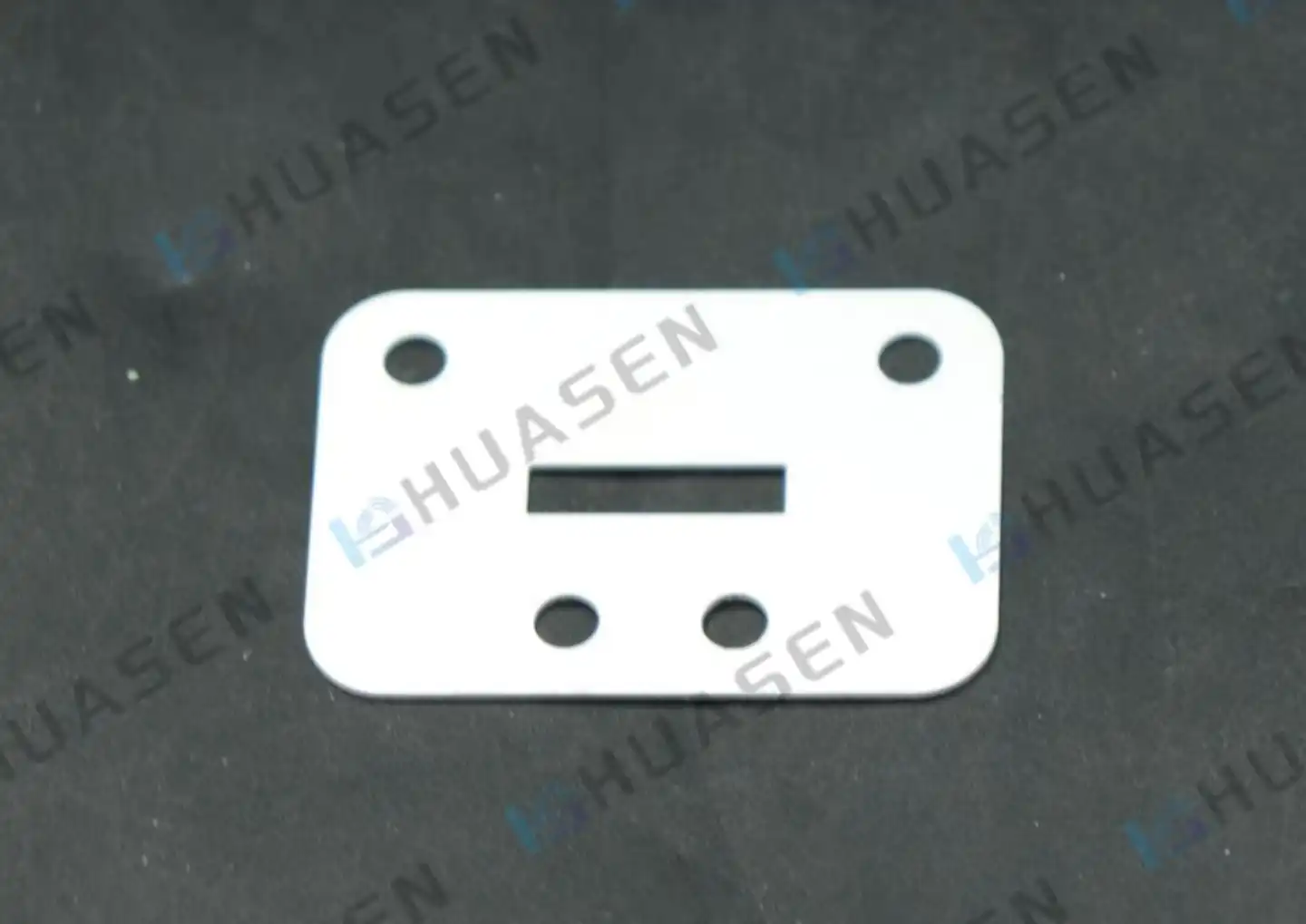
Common Materials Used in High-Power Waveguide Gaskets
Material choice is what separates displays that work from ones that break down too soon. There are different performance traits for each material family that are matched to different operating profiles. When procurement pros understand these trade-offs, they can make sure that specifications are based on real-world situations instead of theoretical needs for the gasket.
Metallic Gasket Solutions for Maximum Conductivity
Beryllium copper alloys are the most common choice for high-reliability uses because they have the best spring qualities and electrical performance. These materials keep the contact pressure even when the temperature changes from -55°C to +125°C, and their surface conductivity is about the same as pure copper. The usual beryllium copper gasket has a fingerstock shape, which means that it has springy contacts that can bend on their own to fit uneven surfaces on matching flanges.
We recommend beryllium copper for marine radar systems and satellite ground sites where the higher cost is worth it for long-term dependability. These gaskets keep their protective power above 100 dB even after decades of changing temperatures and being exposed to salt fog. The material's ability to prevent corrosion is very important in marine settings, where metal alternatives would rust quickly.
Aluminium that has been silver-plated is a cheap option that can be used in controlled settings with moderate power levels. The aluminium substrate makes the structure light, which is important for aircraft uses, and the silver plating ensures that there is low contact resistance at the flange surfaces. But because of galvanic corrosion worries, this choice can only be used for setups with aluminium waveguide parts all over. Mixing metals leads to electrochemical degradation.
Copper and copper alloys are used in high-power television systems that need to keep heat under control. Pure copper has a very high thermal conductivity (401 W/m·K), which means that heat from surface currents is quickly lost. We've used phosphor bronze gaskets in FM broadcast combiners that can handle 40 kW of constant power. The gasket itself transfers heat between waveguide sections and forced-air cooling systems.
Non-Metallic Options for Specialised Environments
Expanded graphite seals protect against chemical exposure situations that eat away at metal alternatives. These materials can handle coming into close contact with hydraulic fluids, fuels, and industrial solvents that are used in ground support equipment for aerospace uses. The layered structure of the graphite keeps its shape at all temperatures and provides enough EMI shielding for waveguide systems with frequencies below 10 GHz.
PTFE (polytetrafluoroethylene) materials that are strengthened with conductive fillers are used in specific situations where they need to be chemically inert and provide some protection. I asked for these for lab test setups, where putting them together and taking them apart over and over would damage metal fingerstock gaskets. The low tension set and resistance to cleaning solvents of the material make it last longer in testing labs.
Composite and Hybrid Constructions
Modern composite gaskets use more than one piece of material to meet different needs. A common mixed design has a metal core that blocks electromagnetic interference (EMI) and elastomer layers that keep out the environment. This design is good for things like cellular base station antennas, where gaskets need to stop RF leaks and protect flanges from rain, UV light, and pollution from factories.
Conductive rubber mixtures with silver or nickel particles make installation easier because they can mould to rough flange surfaces without needing a lot of bolt pressure. These materials work well in situations where installation teams don't have precise torque tools or where regular repair access requires assembly without tools. The downsides are higher insertion loss compared to metal-on-metal contact and a temperature range that is usually limited to -40°C to +85°C.
Criteria for Choosing the Right Gasket Material for High-Power Waveguides
To choose the right gasket materials, you need to carefully look at their performance in a number of different areas. The choice framework looks at the costs and benefits of electricity needs, environmental issues, mechanical limitations, and the product's entire life. I think of this as a filtering process, where I use more and more detailed criteria to cut down the choices.
Electrical Performance Parameters
The amount of conductivity needed goes up as the frequency and power level go up. When the frequency is less than 6 GHz, gaskets with contact resistance less than 5 mΩ/in usually work well. As frequencies rise into the Ka-band (26-40 GHz), the skin effect focuses currents within a few micrometres of the surface. This means that gasket materials need to have surface conductivities that are close to those of copper or silver.
Specifications for shielding efficiency usually call for 80 to 120 dB of attenuation across the working span. To reach the high end, there must be more than one point of touch per wavelength. This is a measure that affects both the shape of the flange gasket and the choice of material. Fingerstock made of beryllium copper and contacts spaced 0.100 inches apart reliably blocks 100+ dB of noise, while solid rubber gaskets with conductive coats struggle to block more than 60 dB above 10 GHz.
Thermal Management Considerations
Thermal conductivity and the highest working temperature are directly related to how much power is handled continuously. We figure out the worst-case temperature rise by:
- ΔT = (P × R_thermal) / A_contact
- Where P is the power in watts, R_thermal is the thermal resistance of the material, and A_contact is the area where the gasket and flange actually touch. This estimate shows why copper metals work better than stainless steel in kilowatt applications: copper's better thermal conductivity stops hot spots that cause gaskets to break down.
- Matching thermal expansion stops mechanical force when temperatures change. When the coefficients of heat expansion of the gasket, flange, and waveguide body are not the same, they cause cyclic shear forces that wear down gasket materials. Aluminium waveguides (CTE = 23 ppm/°C) work best with aluminium or beryllium copper seals. On the other hand, Invar waveguides need special low-expansion metals.
Environmental Durability Requirements
For marine and coastal sites, being able to fight salt fog becomes very important. MIL-STD-810 Method 509 calls for exposure to 5% salt solution fog, which shows which materials are still working after 240 hours or more. Options made of beryllium copper, stainless steel, or nickel plating pass this test. On the other hand, carbon steel and aluminium that haven't been treated rust quickly and lose their ability to carry electricity and close.
When installing seals outside where they will be exposed to strong sunlight, UV stability is important. When exposed to UV light for 18 months, standard silicone and EPDM elastomers break down, becoming rigid and losing their ability to resist compression set. UV-stabilised formulations or metallic seals get rid of this way of failing during the purchase process, instead of having to be replaced in the field.
Chemical compatibility with cleaning agents, pressurisation gases, and closed system fluids keeps things from breaking down too quickly. I've seen EPDM gaskets grow and protrude when they come into contact with oil-based lubricants that move from nearby rotating joints, breaking the seal completely. There are material suitability charts that must list all the things that the gasket could come into contact with during its lifetime.
Mechanical Design Factors
Compression force standards affect how something is made and how reliable it will be in the long run. Metallic fingerstock gaskets work in a wide range of compressions (10–40% bending), accommodating changes in bolt force and uneven flange surfaces. For solid rubber gaskets to work, the torque must be carefully controlled. If the torque is too high, the gasket will extrude, and if it is too low, it will leak.
Aerospace-grade seals are different from market ones because they can withstand vibrations. Gaskets on aeroplanes, drones, and marine equipment must keep the contact pressure constant even when they are being vibrated all the time. Materials with high wear limits and gasket shapes that include spring elements stop the tiny movements that weaken seals over time in mobile platforms.
Procurement Considerations When Selecting Waveguide Gasket Materials
Strategic procurement is more than just comparing unit prices. It also looks at things like total ownership cost, supply chain stability, and the availability of expert help for the gasket. I have led buying teams through evaluation systems that find sources that can meet strict industry and military requirements while still keeping costs low.
Certification and Standards Compliance
Standardised testing methods are used to make sure that MIL-STD-461 compliance is met for electromagnetic compatibility performance. Gaskets that meet these requirements show that they are successful at shielding across certain frequency bands and provide documented performance data that supports EMC certification at the system level. This paperwork is very important for defence companies that have to go through government acceptance tests.
Compliance with RoHS and REACH affects buying for European markets and, more and more, for global buyers who have environmental sourcing policies. Because beryllium is a substance of very high worry, copper gaskets made from it are closely inspected. Regulatory approval processes are sped up when suppliers offer compliant options or thorough material safety paperwork.
ISO 9001 certification means that a seller has quality control systems that can make sure that all production lots of the same product meet the same standards. This is very important when buying seals for systems that need extra parts to be available for a long time. When problems happen in the field, certified providers keep track of them by linking batch numbers to material certifications. This makes it possible to figure out what went wrong and fix the problem.
Supplier Technical Capabilities
Custom engineering helps set makers apart who can make flange gaskets and gasket designs work better for certain uses. We worked with suppliers who changed standard fingerstock patterns to fit non-standard bolt hole locations and gave thermal models that predicted how temperatures would spread during real-world operations. This technology cooperation lowers the risk of development and speeds up the time it takes to launch.
Samples and prototyping services make it possible to try and confirm the design before committing to large amounts for production. Reliable seal providers for high-power waveguide uses can send samples within two to three weeks and help with improving the design over and over again based on test results. In contrast, commodity providers treat gaskets like stock items and don't optimise them for specific uses.
Conclusion
When choosing a material for high-power waveguide gaskets, it's important to keep electrical performance, environmental stability, and mechanical efficiency all in mind. Metals like beryllium copper offer the best conductivity and durability in tough situations, while speciality elastomers and plastics meet specific needs. To be successful at procurement, you need to compare materials to specific operating patterns, check the certifications of suppliers, and follow the right installation steps. The gasket is a small part that has a big effect on the dependability of the system. If it fails, it can damage the surroundings, mess up the signals, and cause expensive downtime. For telecommunications, radar, and aircraft applications that need zero-tolerance performance, strategic buying from approved gasket makers, along with technical cooperation and lifetime cost analysis, leads to the best results.
FAQ
1. Can non-metallic gaskets handle high-power waveguide applications?
Non-metallic gaskets work best in mild power situations (less than 100 watts continuous) where their ability to seal out moisture is more important than their electrical limits. Up to 10 GHz, conductive rubber materials work well as shields, but they break down at temperatures above 150°C. Installations with more than 500 watts of continuous power usually need mechanical covers that are better at transferring heat and keeping the temperature stable.
2. How often should waveguide gaskets be inspected?
How often you inspect relies on how bad the situation is and how much power is available. Outdoor setups in marine settings need to be checked every three months for corrosion and seal integrity. When inspected once a year, indoor telecommunications systems with modest power levels work consistently. High-power transmission systems need to have their VSWR checked every month, and their physical condition checked every six months. Condition-based tracking that finds performance trends lets you replace things before they break.
3. What advantages do composite gaskets offer?
Composite gaskets have metal shielding parts and rubber environmental covers. They can be used in situations that need to keep electromagnetic waves (EMI) inside and keep the weather out. These hybrid designs make fitting easier by lowering the amount of force needed for the bolts, but they still work well enough for electrical frequencies below 18 GHz. Outdoor telecommunications gear and ground support systems can use composites because they are easier to maintain and don't need as much electrical performance as all-metal options.
Get Precision-Engineered Waveguide Gaskets from a Trusted Supplier
To get solid waveguide gasket materials for your high-power systems, you need a seller with both manufacturing know-how and quick technical help. Huasen Microwave has been supplying high-precision RF parts to defence companies, aircraft system designers, and telecommunications infrastructure around the world since 1993. Whether you need beryllium copper fingerstock for military radar or composite seals for 5G base station antennas, our engineering team can make gasket solutions that work best for your frequency range, power levels, and weather conditions.
From MIL-STD compliance paperwork to RoHS certification, we keep a full set of quality certifications and material traceability to meet your buying needs. As an approved gasket maker with decades of experience making waveguide components, we can offer you reasonable prices for both small prototypes and large production runs. During the entire product development cycle, we will also provide you with expert support. Email our team at sales@huasenmicrowave.com to talk about your application needs and get thorough specs that are made to fit the performance goals of your system.
References
1. Balanis, C.A. (2012). Advanced Engineering Electromagnetics, 2nd Edition. Wiley Publishing, Chapter 9: Waveguides and Cavity Resonators.
2. Institute of Electrical and Electronics Engineers (2019). IEEE Standard for Rectangular Metallic Waveguides and Their Interfaces for Frequencies of 110 GHz and Above, IEEE Std 1785.2-2016.
3. Pozar, D.M. (2011). Microwave Engineering, 4th Edition. John Wiley & Sons, Section 3.7: Waveguide Flanges and Transitions.
4. United States Department of Defense (2015). MIL-STD-461G: Requirements for the Control of Electromagnetic Interference Characteristics of Subsystems and Equipment.
5. White, J.F. (2004). High Frequency Techniques: An Introduction to RF and Microwave Engineering. Wiley-IEEE Press, Chapter 12: Waveguide Components and Systems.
6. Zhurbenko, V. (Ed.) (2014). Passive Microwave Components and Antennas. InTech Publishing, Chapter 4: Waveguide Sealing and Environmental Protection Methods.
Send Inquiry