
Home / Blog
Blog
0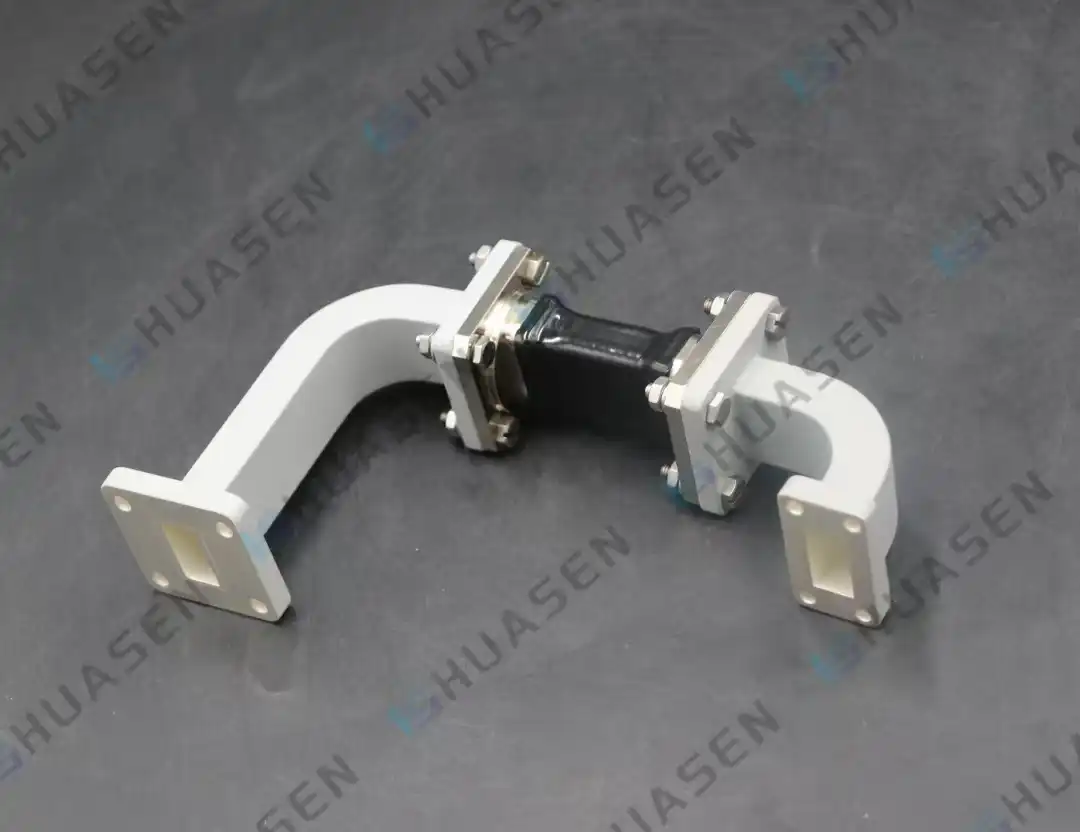
How Flex Waveguide Improves Microwave System Flexibility
Modern communication networks, radar systems, and satellite links rely on microwave transmission, but rigid components struggle with movement, thermal expansion, and space constraints. Flexible waveguides solve this by enabling signal transmission through bends and twists without loss of quality. Their metal cores—typically silver-plated brass or phosphor bronze—are encased in protective jackets to prevent physical damage while maintaining low insertion loss and high VSWR. By isolating vibrations, accommodating thermal changes, and correcting alignment issues, flexible waveguide assemblies help designers build more robust microwave infrastructures, meeting the reliability demands of telecom, aerospace, and defense sectors.VIEW MORE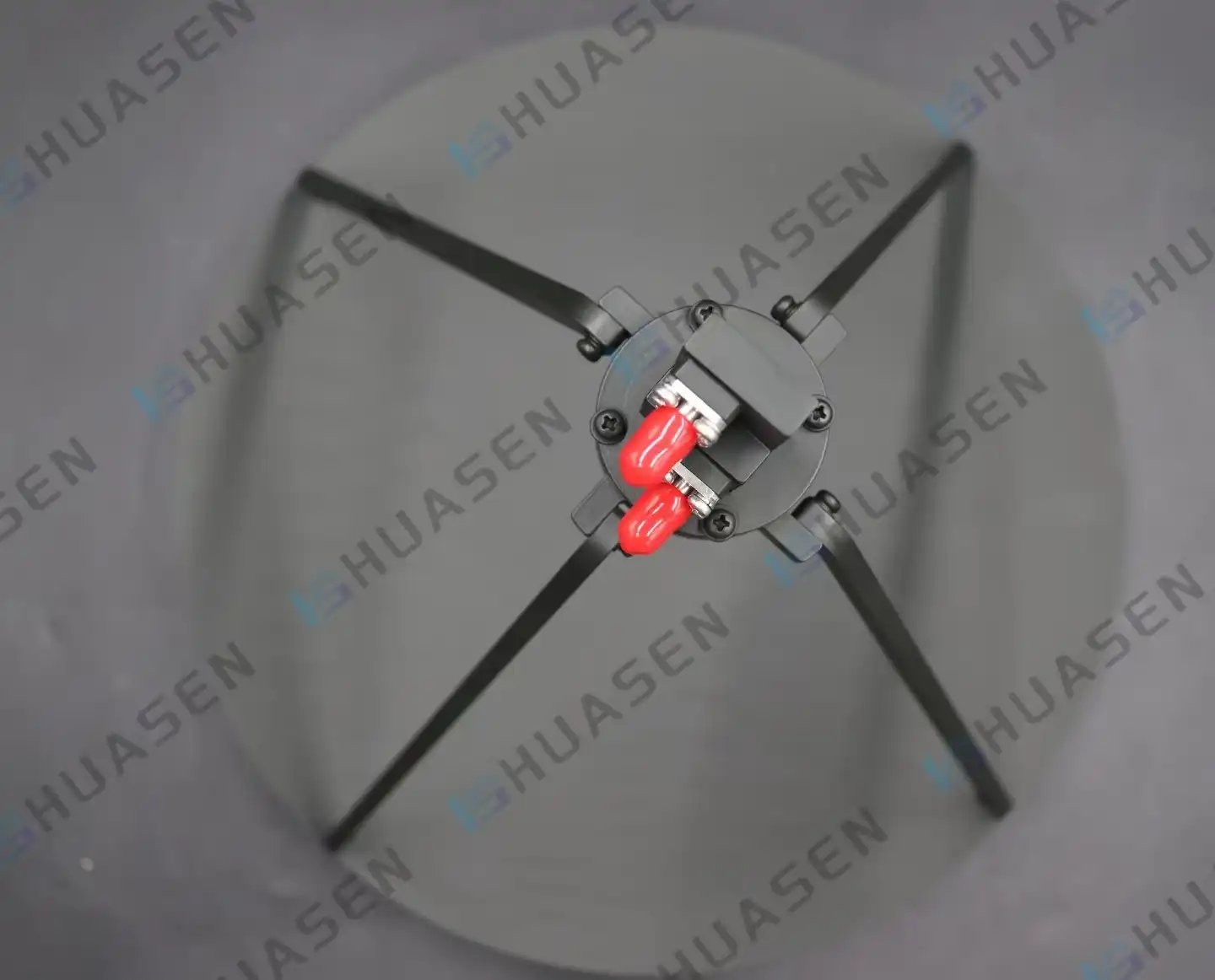
Parabolic Antenna Beamwidth and Directivity Characteristics
When designing high-performance wireless communication systems, it is very important to know about the beamwidth and directivity of parabolic antennas. The angle coverage of a radiated energy is set by its beamwidth, which is measured at the half-power points where signal strength drops by 3 dB. When compared to an isotropic radiator, directivity measures how well the antenna focuses electromagnetic energy in a certain direction. In places where accuracy is very important, like telecommunications backhaul, satellite ground stations, and radar installations, these parameters determine how well the link works, how well it blocks interference, and how efficiently it uses spectrum.VIEW MORE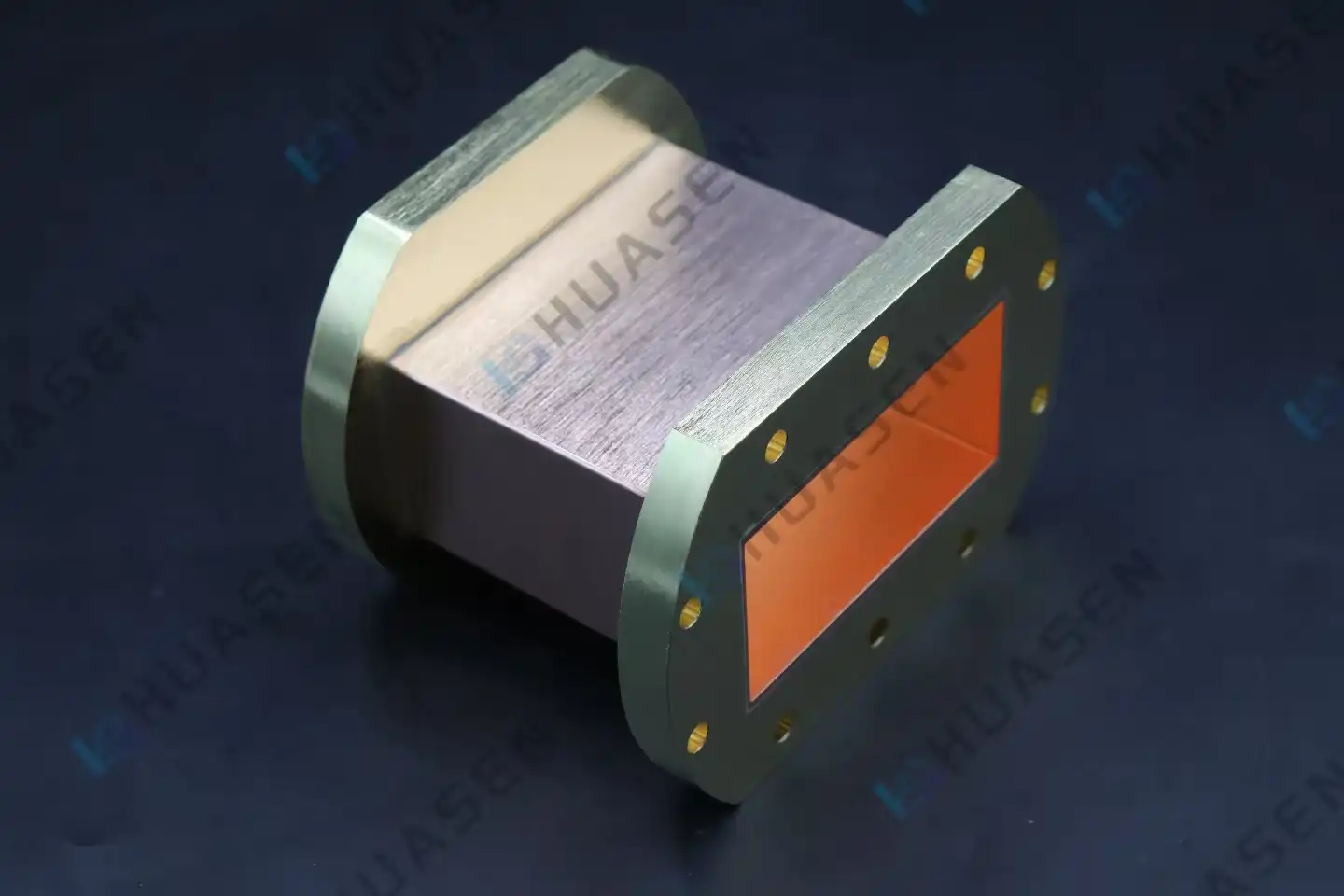
What Is a Waveguide Tube and How Does It Work in Microwave Communication?
A hollow, carefully built metal Waveguide Tube transports high-frequency electromagnetic waves, notably microwaves and millimetre waves, with negligible energy loss. Instead of coaxial wires, these tubes convey electromagnetic fields via air or specific gases within their metal walls. The dielectric losses of ordinary transmission lines over 1 GHz are eliminated. TE (Transverse Electric) and TM (Transverse Magnetic) propagation modes make signal transmission dependable in challenging settings where power management, signal purity, and environmental resistance are all musts.VIEW MORE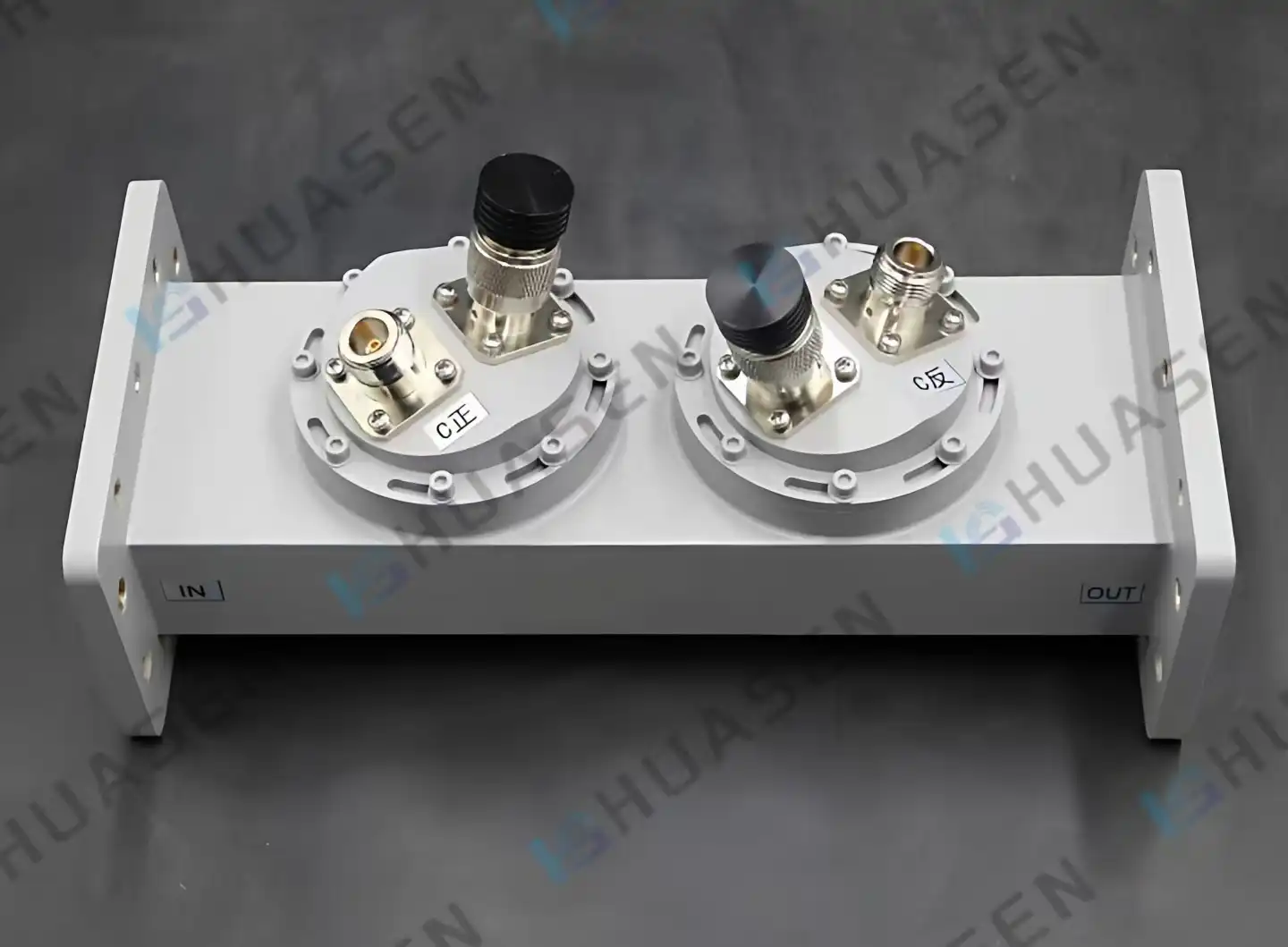
Waveguide Loop Coupler Performance Verification for Radar and RF Labs
Waveguide Loop Coupler testing is a top priority in radar and RF laboratories. These meticulously constructed passive devices assess electromagnetic power going through waveguide transmission lines using a loop probe that interacts with the magnetic field. Maintaining adequate sample accuracy, insertion loss, and directivity is crucial. This affects system dependability in mission-critical contexts, including military radar sites, satellite ground stations, and sophisticated communications testing facilities. Buying teams may avoid costly system failures and maintain operational preparedness by validating these components.VIEW MORE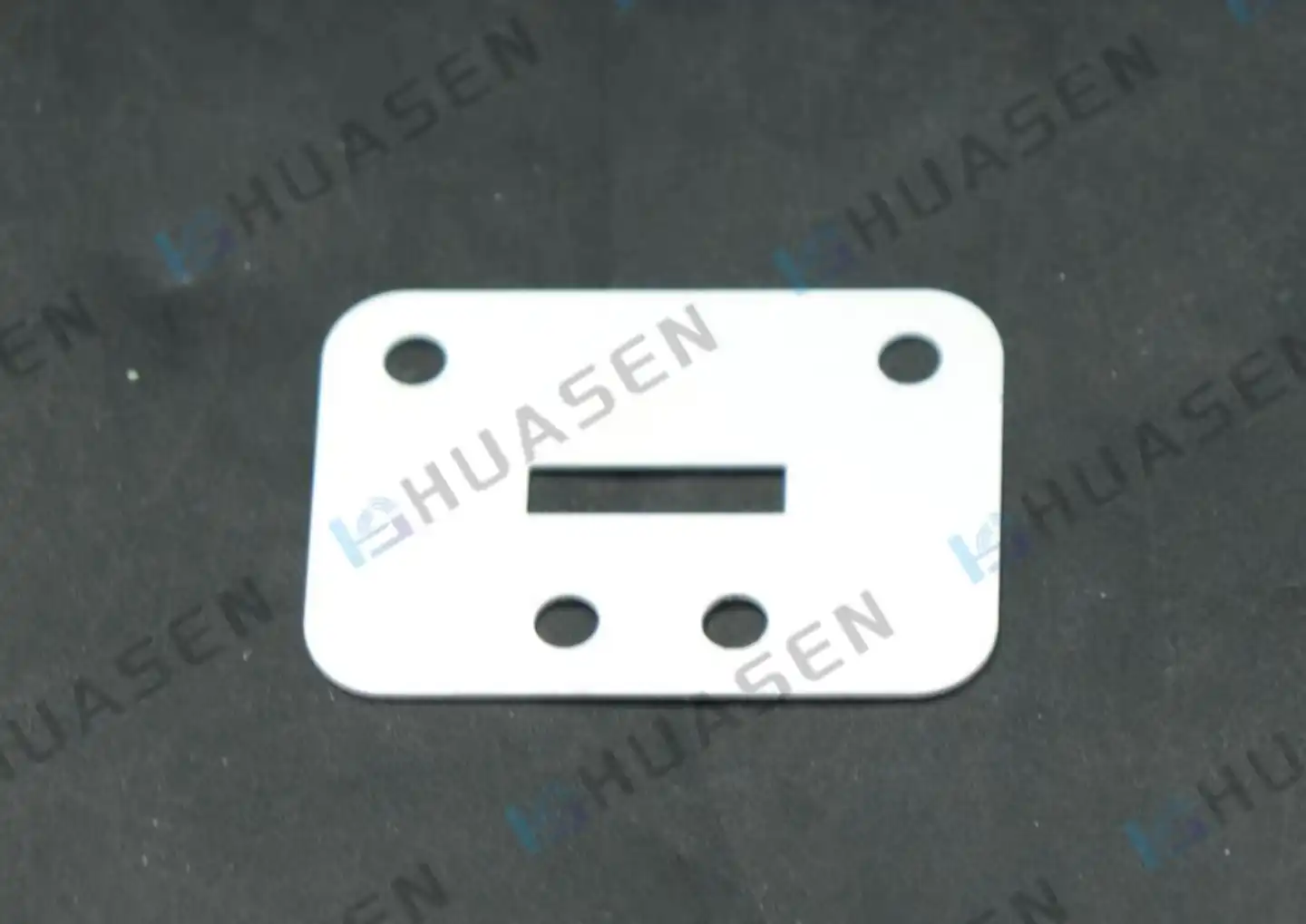
Waveguide Gasket vs O-Ring: Choosing the Best Seal Option
If you are making RF systems for 5G infrastructure or satellite communications, the signal and the environment will be more stable if you use a waveguide gasket instead of a normal O-ring seal. For microwave devices that work between 1 GHz and 110 GHz, waveguide gaskets are very important. They seal in two ways: they keep electromagnetic fields from leaking, and they keep air from getting in. There is no RF safety for O-rings, so they can't be used in hydraulic or gas systems. This means that insertion loss and VSWR degradation happen. In mission-critical cases, knowing which closing choice works best for you will help you avoid costly signal loss, water getting in, and system failure before it's meant to.VIEW MORE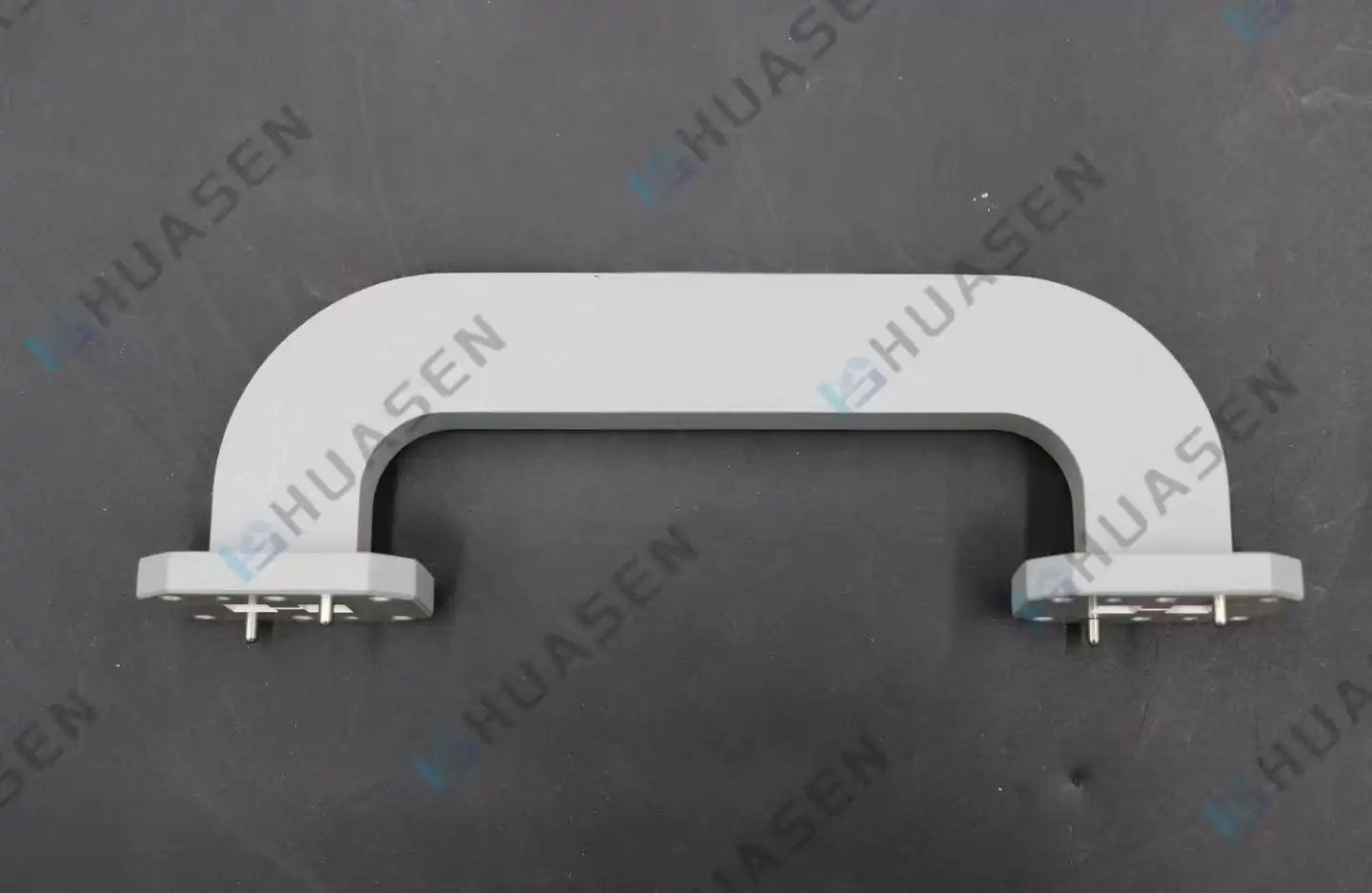
Double Ridged Waveguide Bend for Wideband RF
The Double Ridged Waveguide Bend is the best technical option for precise RF systems that need both a very wide bandwidth and reliable signal routing. This unique passive part solves the basic problem of how to guide electromagnetic waves through complicated physical paths without reducing signal quality or losing spectral coverage. This design achieves frequency ranges from 0.84 to 40 GHz by adding metallic ridges inside the waveguide's wide walls. It does this while maintaining excellent impedance matching and low insertion loss, which are important for mission-critical uses in defence, satellite communications, and high-tech test equipment.VIEW MORE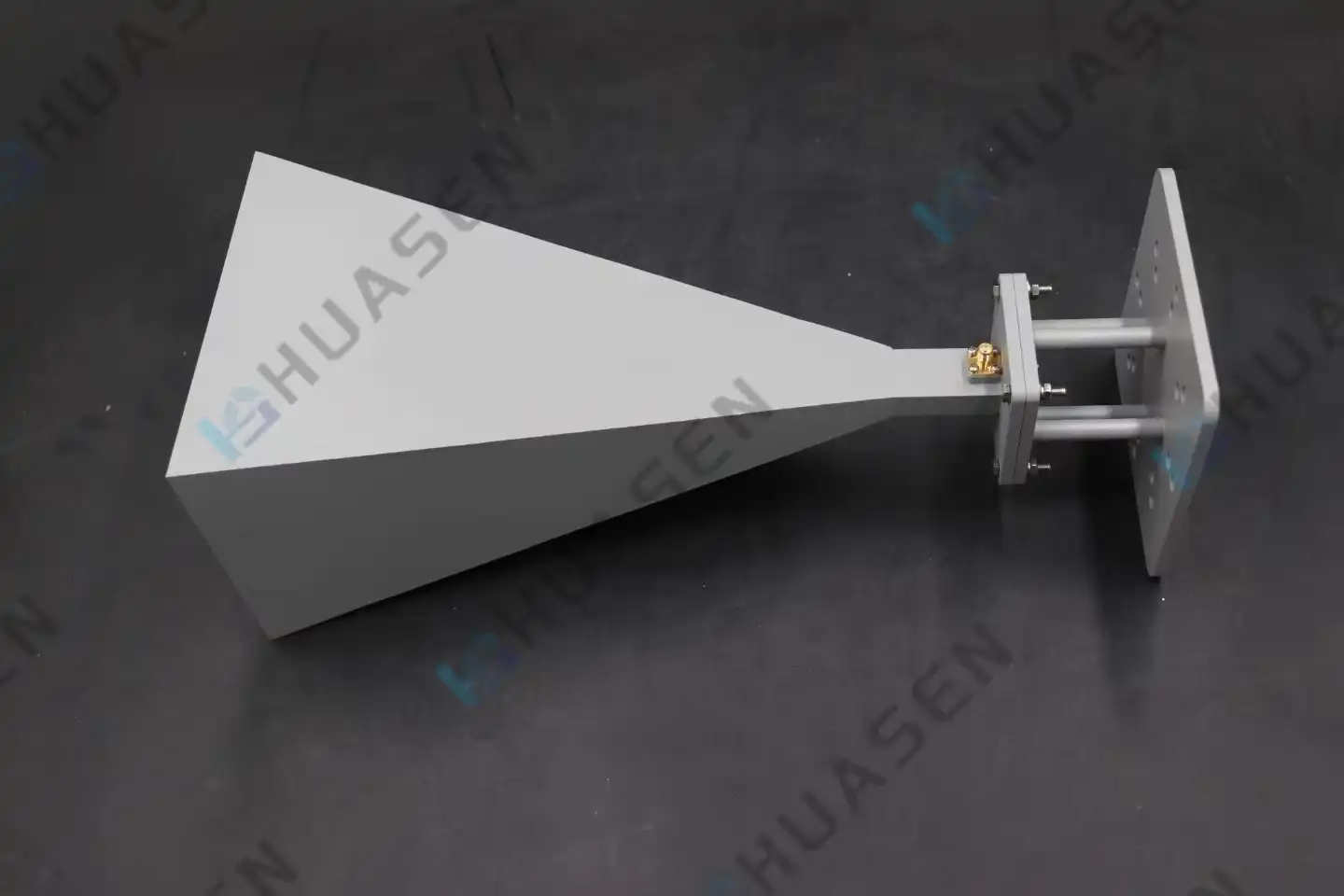
How Broadband Horn Antenna Works Across Wide Frequency Bands
Glass and natural cork fit together in a certain way to make a good seal, much like a broadband horn antenna is designed for efficient signal transmission over a specific frequency range. Putting corks on jars might seem like a simple idea. The spherical cork-sealed jar is a good concept. It's made of borosilicate glass and has a cork ball lid that fits around the neck of the jar several times to keep food safe. The pressure is the same all over because it's round. Since cork naturally bends, it can be pressed against the glass to make a seal that lets air flow but keeps the glass safe. How does it work? Cork has lots of tiny air pockets that help it keep its shape even when you squash it. Also, boron glass doesn't change shape when the temperature does. This is because it doesn't mix with acids or bases.VIEW MORE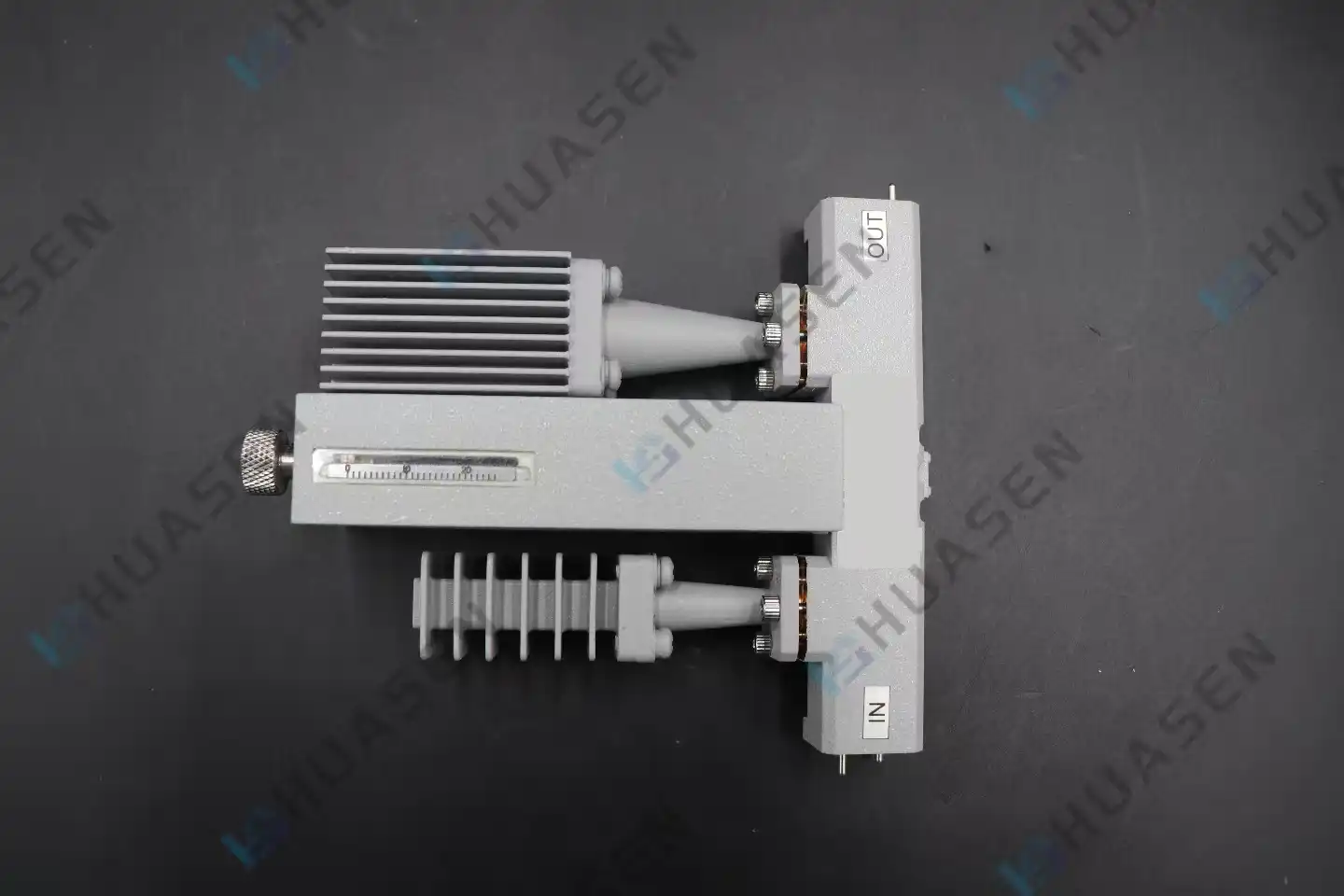
Selecting Variable Waveguide Attenuator for RF Benches
Choosing the right waveguide attenuator for your RF test bench demands careful consideration of frequency coverage, power handling, and attention precision. Variable waveguide attenuators enable dynamic signal amplitude control from 0.96 GHz to 112 GHz, supporting attenuation ranges up to 30 dB with power capabilities spanning 10 W to 4000 W. These adjustable components eliminate the need for multiple fixed attenuators, streamlining test configurations for satellite communications, radar calibration, and 5G/6G system validation while maintaining low VSWR and insertion loss across operational bandwidths.VIEW MORE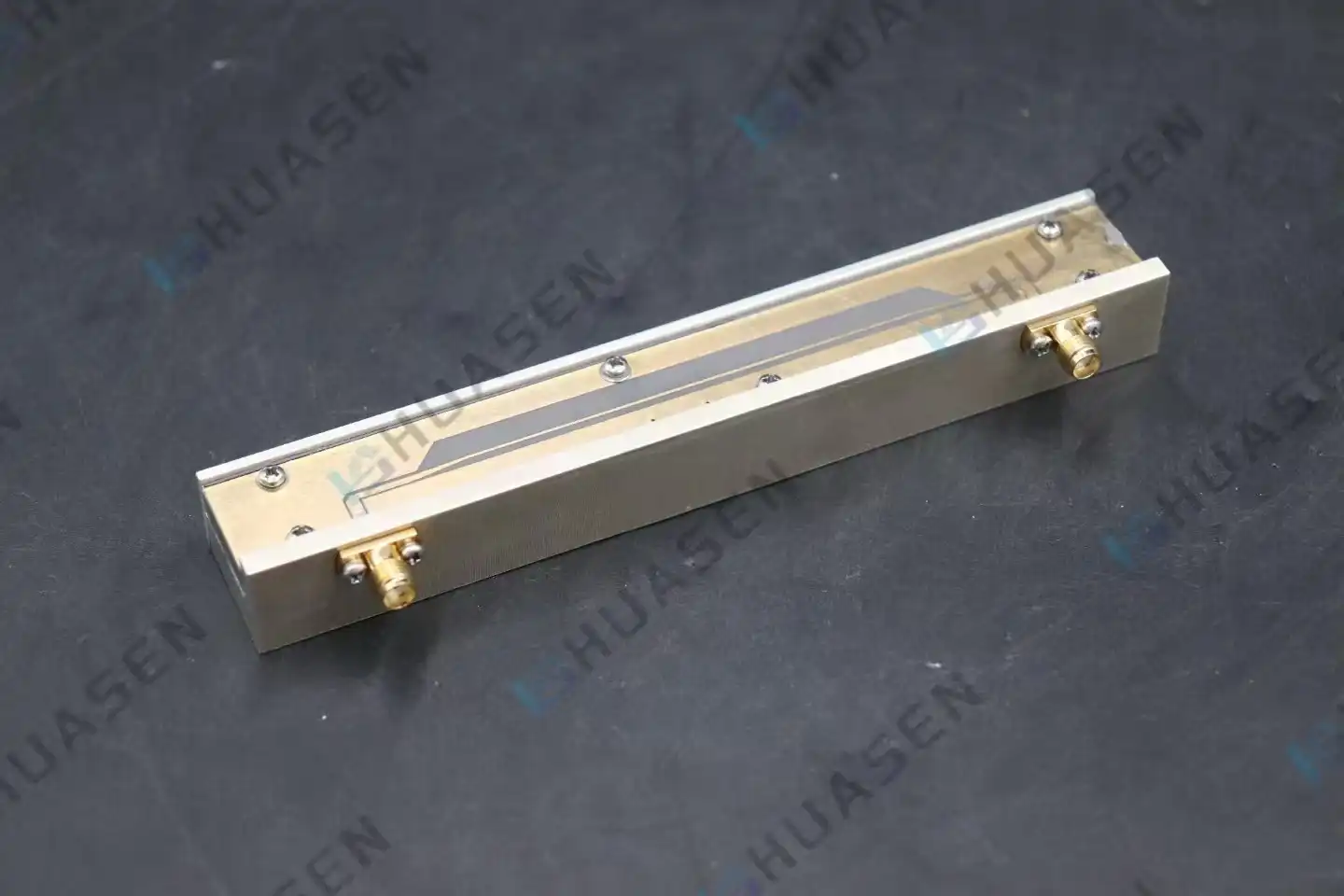
Loss Mechanisms of Coplanar Waveguide
Loss mechanisms in coplanar waveguide structures directly affect the quality of the signal and how well the system works in high-frequency situations. Attenuation in these transmission lines mostly happens because of conductor losses due to skin effect and surface roughness, dielectric losses from substrate materials, radiation losses due to electromagnetic leakage, and flaws in the way they were made. When engineers and procurement managers understand these processes, they can choose the right substrate materials, conductor geometries, and parts that meet performance needs while staying within budget. This is especially important in demanding applications like 5G infrastructure, satellite communications, and millimeter-wave radar systems, where even small losses in dB can have a big effect on how well the system works as a whole.VIEW MORE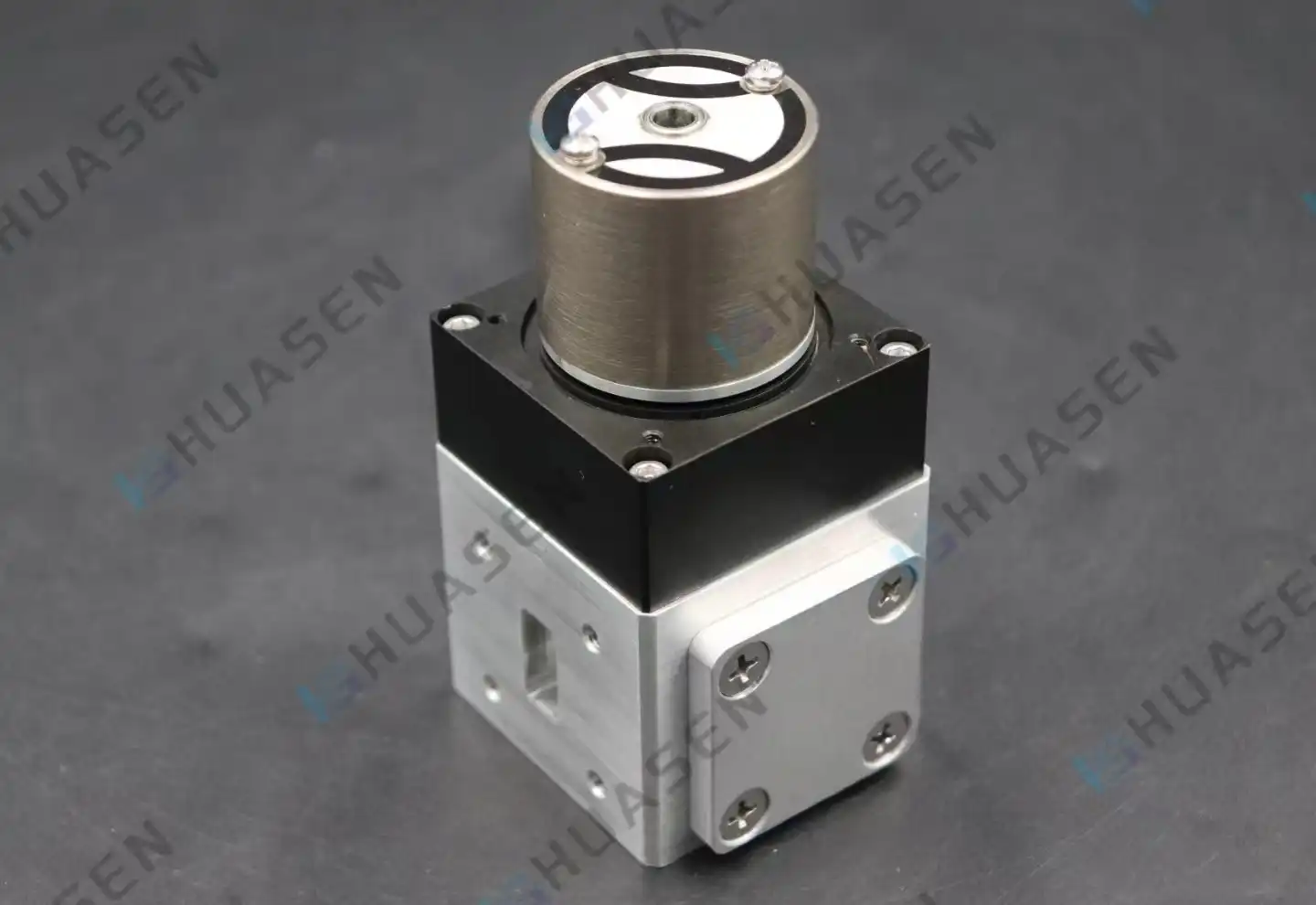
When to Use Manual Waveguide Switch in Labs
Choosing the best signal routing solution has a direct effect on the accuracy of measurements and the reliability of operations in precision RF and microwave labs. A manual waveguide switch is an important part for labs that need full control over signal paths. This is especially true for high-power testing, calibration procedures, and other situations where electronic control systems add extra complexity or potential failure points. These switches work great in places where mechanical simplicity, immediate tactile feedback, and not needing any outside power are important. For test engineers in charge of setting up vector network analyzers, validating radar parts, or testing satellite communication equipment, waveguide switches that are operated by hand offer unmatched repeatability and failsafe operation that automated options can't match in critical measurement situations.VIEW MORE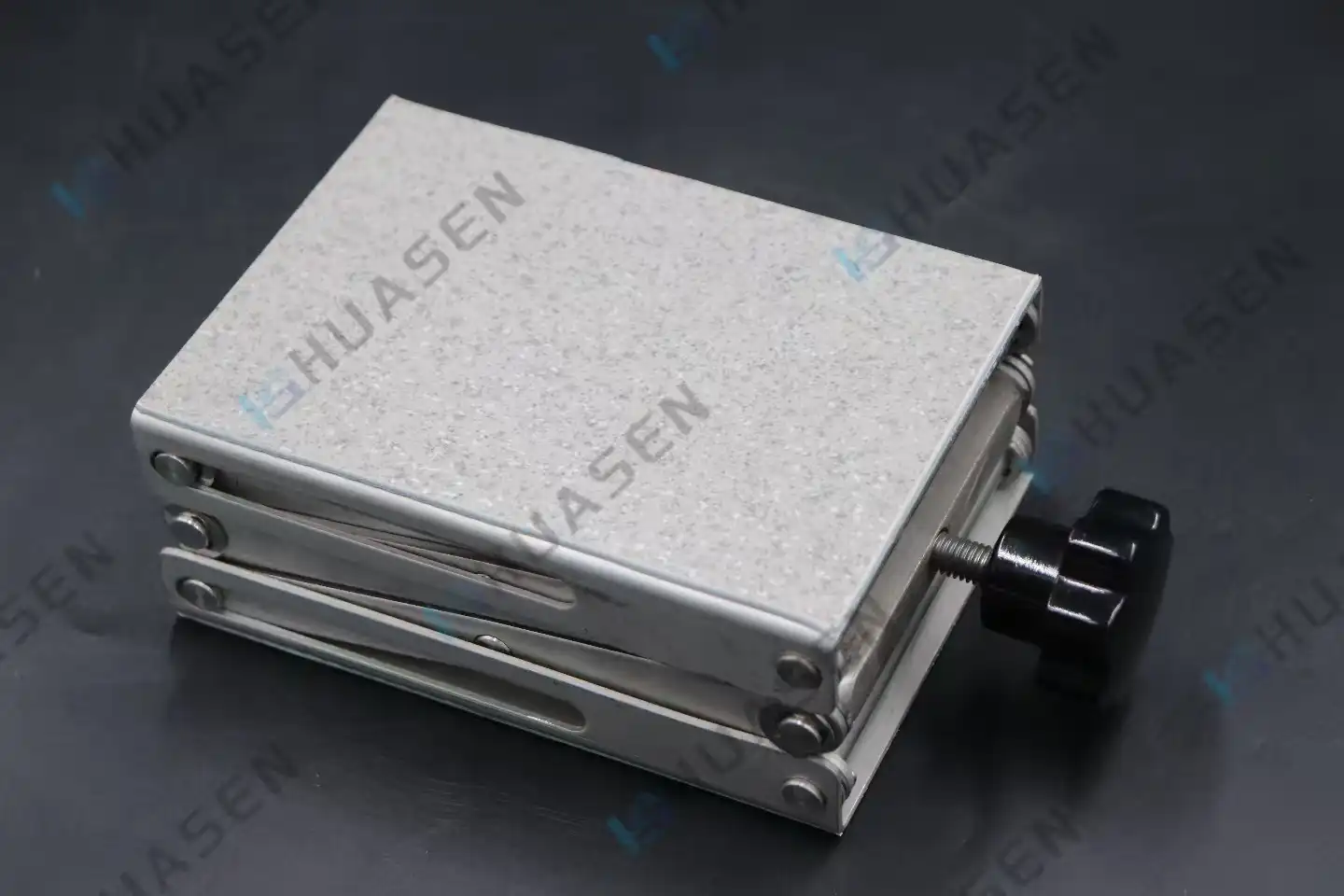
Mobility Features of Waveguide Elevating Platform
When talking about the Waveguide Elevating Platform, "mobility" doesn't just mean being able to move it around; it also means being able to precisely position it vertically, which is important for RF and microwave testing. With these specialized electromechanical systems, engineers can precisely line up antenna feeds, waveguide transitions, and test fixtures by adjusting the elevation within a set range, usually between 36mm and 260mm. The mobility mechanism makes sure that heavy RF parts, which usually weigh between 40 and 80 kilograms, can be moved around without putting any mechanical stress on the transmission path or making the phase unstable. This basic feature meets a very important need in antenna measurement labs and satellite ground stations, where sub-millimeter positioning accuracy has a direct effect on the validity of measurements.VIEW MORE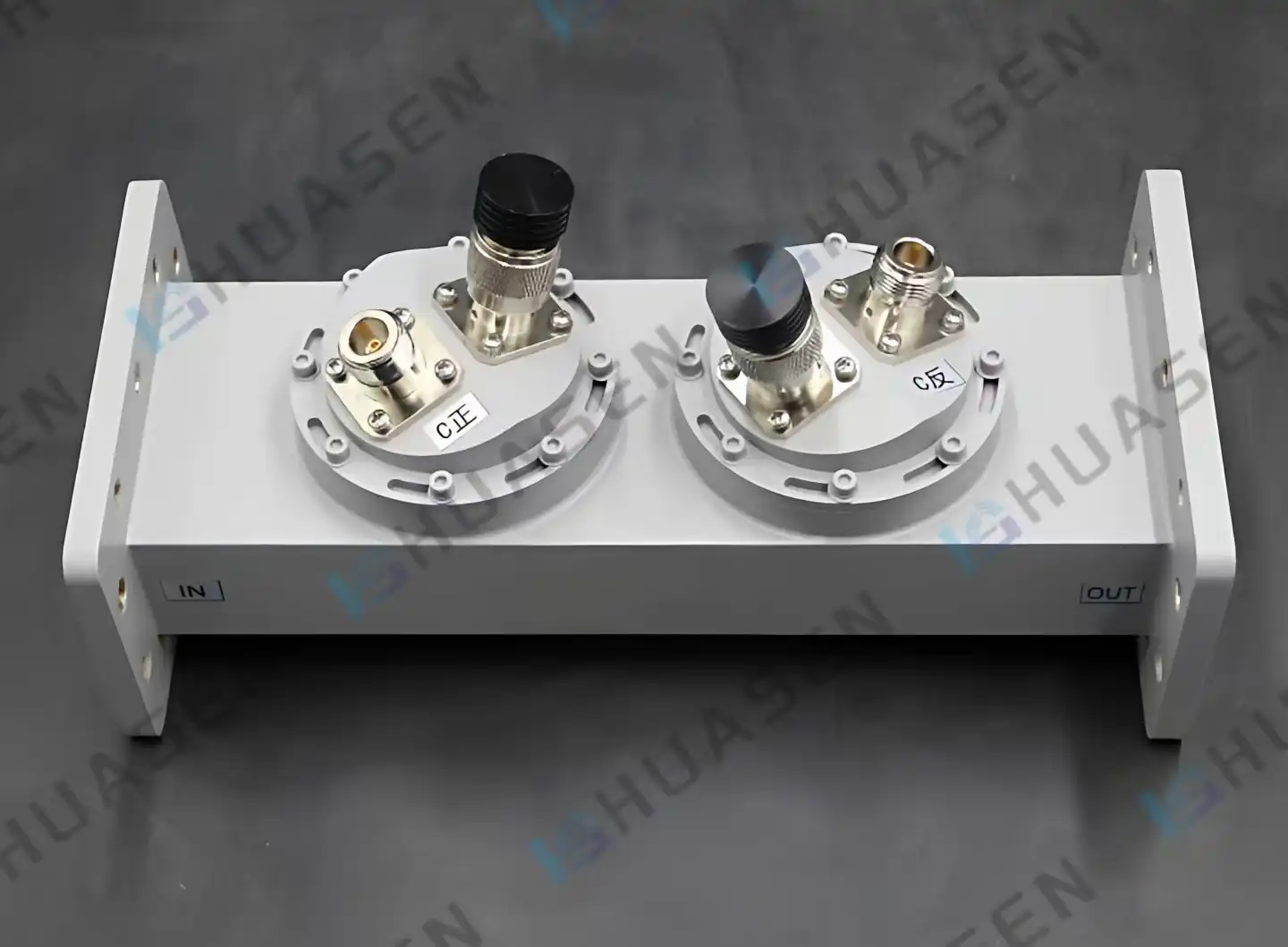
Waveguide Loop Coupler Stability Testing in Low-Temperature Environments
Waveguide loop coupler stability testing in low-temperature settings checks how well these precise microwave parts keep working with electromagnetic fields when they are very cold. This testing shows important changes in coupling values, VSWR traits, and directivity that have a direct effect on the stability of systems in high-altitude radar, Arctic communications, and spacecraft. Validated low-temperature testing methods help procurement professionals find parts that are made with thermally stable materials and closing technologies that keep signal integrity at all temperatures, reducing field failures and costly system downtime.VIEW MORE
- 1
- 21
- 22
- 23
- 24
- 25
- 60
Total 60 pages
