What Is a Waveguide Tube and How Does It Work in Microwave Communication?






2026-05-09 21:29:45
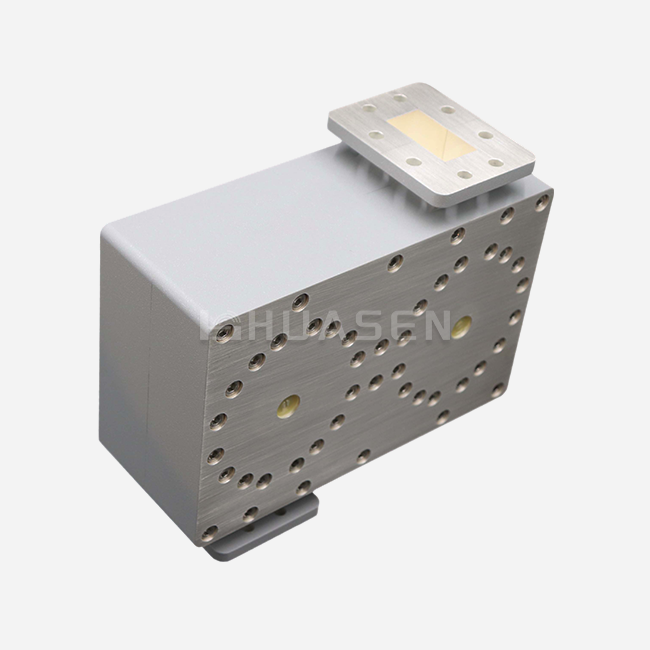
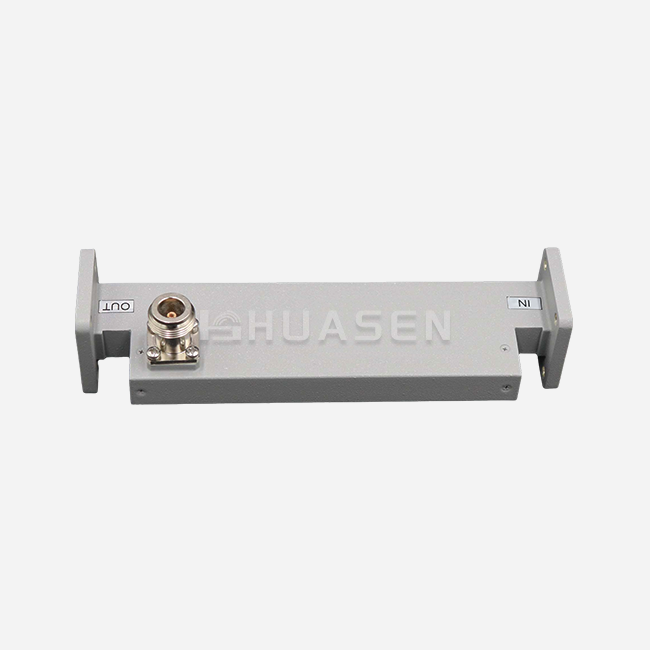
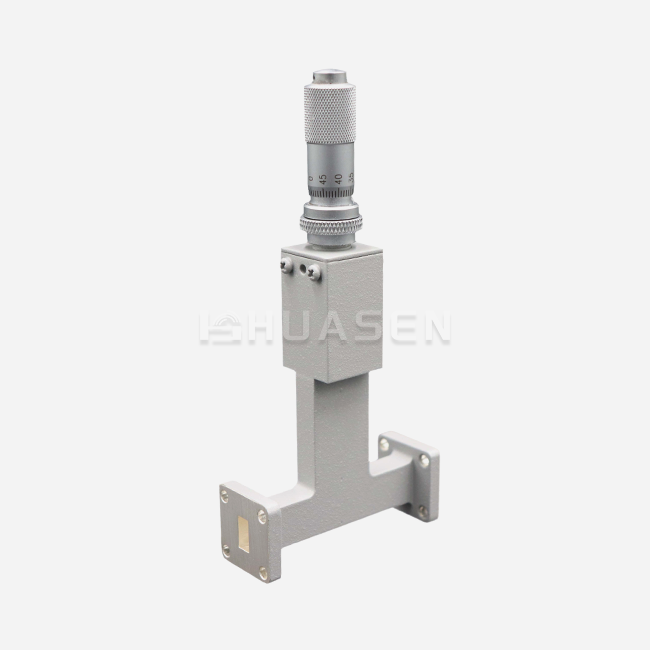
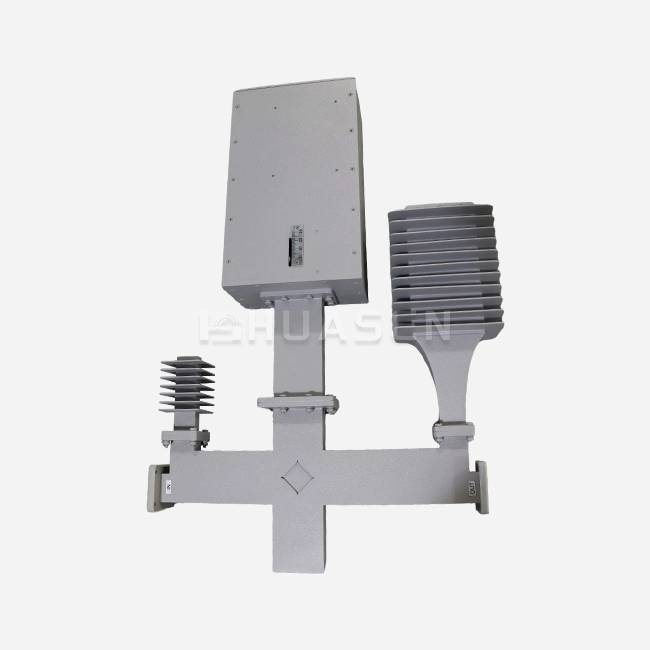
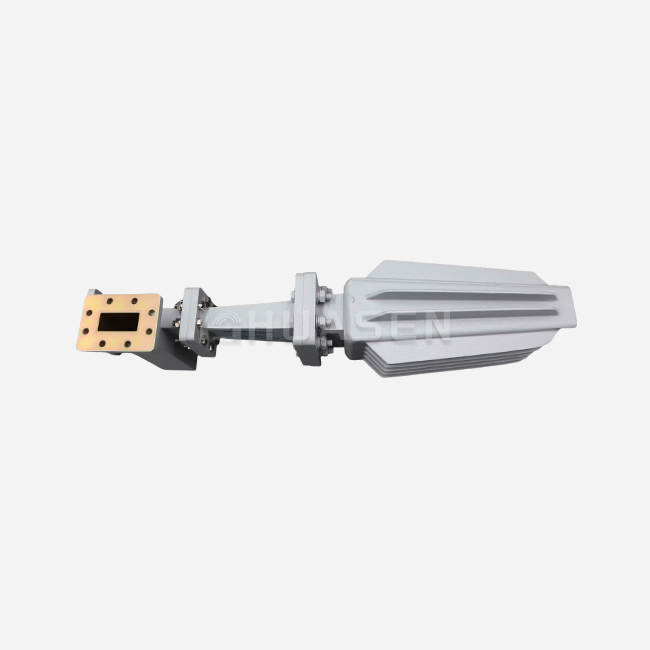
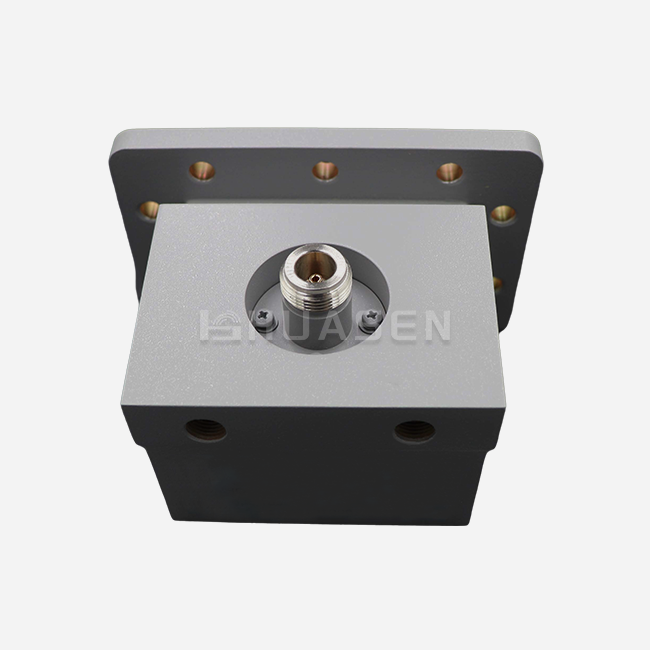
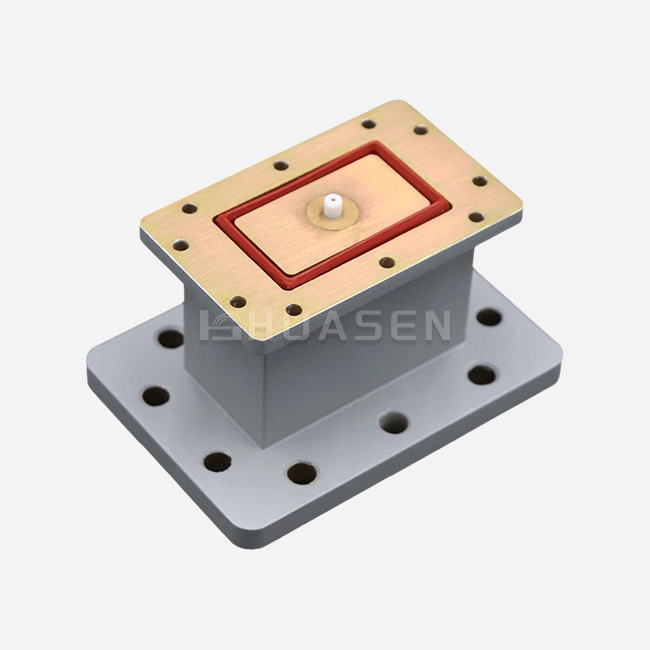
A hollow, carefully built metal Waveguide Tube transports high-frequency electromagnetic waves, notably microwaves and millimetre waves, with negligible energy loss. Instead of coaxial wires, these tubes convey electromagnetic fields via air or specific gases within their metal walls. The dielectric losses of ordinary transmission lines over 1 GHz are eliminated. TE (Transverse Electric) and TM (Transverse Magnetic) propagation modes make signal transmission dependable in challenging settings where power management, signal purity, and environmental resistance are all musts.
Understanding Waveguide Tubes: Definition and Working Principles
Physical Structure and Material Composition
Waveguide Tubes feature hollow aluminium, copper, brass, or stainless steel channels. These conduits are usually rectangular or round. Material choice affects weight and conductivity. In ground-based systems where weight is less relevant, copper minimises ohmic losses since it conducts better. Aluminium is perfect for air tracking systems and satellite communications, where every gramme matters since it is robust for its weight. Brass is mildly conductive and simple to work with, making it ideal for testing. However, hostile marine environments suit stainless steel.
The operating frequency range is employed to precisely measure these tubes' insides. WR-90 is a rectangular waveguide with a 0.90-inch internal width that works well for X-band (8.2-12.4 GHz). Size and frequency determine the structure's cutoff frequency, which is below which electromagnetic waves can't pass.
Electromagnetic Wave Propagation Modes
Waveguide devices propagate electromagnetic energy in several modes instead of along a central line. Most rectangular waveguide modes use TE10. The electric field is perpendicular to transmission and varies sinusoidally throughout the bigger dimension in this mode. This mode's consistent polarisation is vital for radar and satellite communication.
Higher-order modes are seldom employed in single-mode applications since they distort the signal and make resistance matching harder. The tube form acts as a high-pass filter, allowing only frequencies above the cutoff to travel. Because of its built-in filtering, many system designs don't require further filters. This simplifies the RF configuration and reduces failure sites.
Operational Advantages Over Coaxial Cables
Traditional coaxial lines lose transmission at microwave frequencies due to insulation loss. Air insulation in waveguide tubes practically eliminates dielectric losses. This design can handle kilowatts to megawatts without losing efficiency at extreme temperatures. This is crucial for industrial heating and high-power radar emitters.
All-metal housing naturally blocks electromagnetic fields, preventing signal leaks and outside interference. This protective integrity allows several systems to function together without contaminating each other in crowded radar operating settings. There is no centre line, hence there are no skin effect losses, which are problematic in coaxial systems over 10 GHz.
Key Types and Applications of Waveguide Tubes
Rectangular Waveguides: Industry Standard for Polarisation Stability
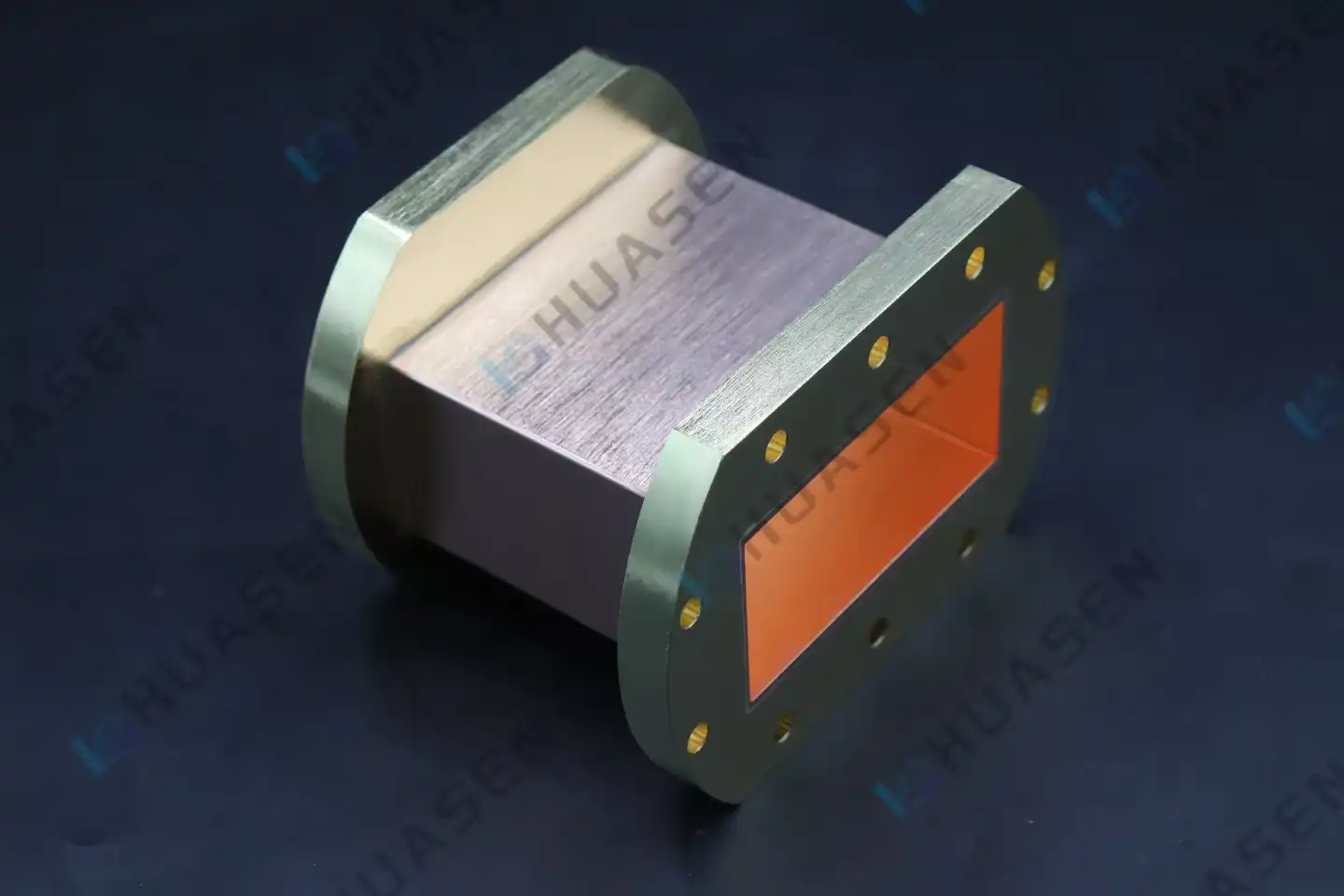
Rectangular Waveguide Tubes are most frequent in corporate and military situations because they maintain polarisation over the bandwidth. Standard measures are used in the WR series. This allows parts from multiple manufacturers to operate. Predictable resistance qualities make network analysis and system connections simpler with these tubes.
Huasen Microwave makes single- and dual-ridge rectangular waveguides. A metal extension runs along one interior wall of single-ridge models. This decreases the cutoff frequency while reducing the size. This arrangement balances size and electrical capability, making it ideal for drone communication systems and compact test equipment.
Both wide walls of dual-ridge waveguides feature opposite-facing ridges. This considerably boosts operating bandwidth and decreases cutoff frequency. This concept is helpful in broadband radar systems and multi-band satellite ground stations when one portion must handle many frequency ranges. Fewer component linkages mean a simpler, more dependable system architecture and higher bandwidth.
Circular and Specialised Geometries
Rotationally symmetric circular waveguides simplify mechanical connections in rotating radar station pedestal joints. Due to mode degeneracy, several modes may travel at the same frequency, causing polarisation rotation during transmission. Special corrugations or dielectric plugs reduce this tendency in precise applications.
The intricate bellows of flexible waveguide sections enable heat expansion, vibration separation, and fitting faults. Marine radar systems that constantly experience hull bending and mechanical stress need these elements. Internal corrugations maintain electrical performance and mechanical flexibility, although they produce higher insertion loss than stiff contemporaries.
Application Across Critical Industries
Modern 5G base stations employ waveguide sections in fronthaul connections and beamforming networks to provide good signal quality over distributed antenna arrays and minimal loss. Lower insertion loss immediately improves cell edge signal-to-noise ratios and coverage range.
Satellite base stations employ large waveguides for kilowatt-class broadcast powers at Ku, Ka, and V bands. These elements carefully manage resistance to preserve link budget reserves for deep-space missions and geostationary communication satellites. Pressurised waveguide lines supplied with dehumidified nitrogen prevent moisture from causing power reflection and dielectric breakdown via the ceiling.
In areas where electronic warfare is forbidden, military radar systems require unhackable waveguide communication connections. These tubes totally block electromagnetic radiation, so foes can't detect transmission line leaks. This safeguards activities. Peak energies at high-power radar installations may approach one megawatt, which would instantly destroy any coaxial cable line.
Waveguide Tubes vs Other Transmission Solutions: Informed Comparison for B2B Buyers
Performance Metrics That Drive Selection Decisions
System builders must weigh several considerations while choosing gearbox lines. Signal power over the transmission line is controlled by insertion loss. Every tenth of a decibel affects long-distance satellite uplink availability during rain fade. For X-band frequencies, rectangular Waveguide Tube systems exhibit losses < 0.05 dB per metre. Unlike pricey coaxial cables, which lose 0.5 dB per meter or more at the same frequency.
Power management typically determines radio output network success. Waveguide structures can carry 100 kilowatts of continuous power and megawatt-class peak outputs, whereas microwave-rated coaxial cables seldom exceed 500 watts. Metallic wall structure allows this due to its wide interior area and improved heat discharge.
The initial component choice depends on the frequency range. Microstrip transmission lines function well below 30 GHz but lose power and precision at millimetre-wave frequencies. Even though they need different measurements, waveguides function the same across whole bands like the X-band, Ku-band, and Ka-band. Huasen Microwave's dual-ridge designs cover more frequencies with one component, making them ideal for broadband systems.
Material Selection Impact on Lifecycle Costs
Aluminium waveguides are the least expensive to buy and work well enough for most business uses. Their lower weight means that radio towers and spaceships don't need as much structural support. This saves money on installation costs that more than make up for any slight performance loss compared to copper. Anodising processes keep metals from rusting in seaside and marine settings, so they can be used for decades with little upkeep.
Copper is the best material for important ground-based systems where weight is not an issue because it has the lowest resistive losses and is also the best at conducting electricity. Because the material is soft, it can be precisely machined and electroplated to get interior finishes that are as smooth as glass. This keeps surface roughness losses at millimetre-wave frequencies to a minimum. Copper construction is often required for laboratory-grade test tools to keep measurement error below 0.1 dB.
Chemically aggressive places like offshore oil rigs and marine transmission systems need buildings made of stainless steel. The material doesn't rust, so it can be used for decades without any repairs in salt spray environments where aluminium or copper would break down quickly. Even though resistance losses are a little higher, they are worth it compared to the cost of replacing parts that break down too soon.
Installation and Integration Considerations
To keep flange gaps from affecting electrical performance, rigid waveguide systems need to be carefully mechanically aligned. Standard flange types, like the UG-series and CPR-series, make sure that mating measurements are the same across makers. However, when purchasing parts from more than one source, buying teams must check that the flanges are compatible. Huasen Microwave goods can be used with both national and American standards, which makes it easier to integrate systems from different countries.
Because waveguide units are heavy and mechanically rigid, they need strong structural support systems. This makes installation more difficult than with flexible coaxial wires. But once they are set up correctly, these stiff systems are more stable over time and don't lose performance like coaxial wires do when they are bent over and over or when the temperature changes. Pressurisation systems that keep the dry gas pressure high stop moisture from getting in, which gets rid of a common way for things to fail in wet places.
Procurement Guide: How to Source Waveguide Tubes for Microwave Systems
Defining Technical Requirements Before Requesting Quotations
Clearly defining practical limits is the first step to successful procurement for a Waveguide Tube project. Waveguide band designations are based on the working frequency range. For example, WR-90 is used for X-band and WR-42 is used for Ka-band. System power levels set the minimum flange pressure values and material requirements. The environmental requirements must take into account the high and low temperatures, humidity, shaking patterns, and shock loads that the part will be exposed to during its lifetime.
Mechanical contact standards include the type of flange, the design of attachment holes, and the maximum length. Systems that don't have a lot of room may benefit from single-ridge configurations, which decrease the outside measurements while keeping the electrical performance the same. Different types of applications have different certification needs. For example, military programmes usually need MIL-STD-202 environmental testing, while business telecoms equipment might need ISO 9001 quality management verification and RoHS compliance for environmental rules.
Evaluating Supplier Capabilities and Credentials
Manufacturers that have been around for a long time and have been making things offer supply chain security that is important for long-term projects. The company Huasen Microwave was established in 1993 and has more than 30 years of experience making high-frequency microwave and millimetre-wave parts. This means that the company has been around for a long time and has developed production methods, quality systems, and technical knowledge that new companies can't copy.
Technical help is what sets competent sellers apart from those who are just brokers for parts. Engineering teams that can predict insertion loss, do VSWR estimates, and do temperature analysis can speed up system integration and cut down on the number of expensive design changes that need to be done. Before committing to production numbers, sample programmes let you test for errors. This lowers the risk in custom applications where performance estimates need to be proven in the real world.
Custom Manufacturing and OEM Partnership Benefits
Many uses exist for standard catalogue parts, but unique designs are often needed to get the best system performance. Some frequency-specific improvements could be internal matching sections that lower VSWR below 1.15:1 across smaller bandwidths, or special finishes that make it easier for components to handle power in high-altitude, low-pressure settings. Custom flange setups can work with different mechanical interfaces in current system designs, so there's no need for adapter parts that can lose their insertability and cause failures.
OEM agreements give engineers specialised help throughout the whole lifetime of a product. Collaborative design reviews make sure that the design can be made while also aiming for the best electricity performance and lowest cost. Minimum order amounts that are flexible can be used for prototypes before production volumes are increased, and lead times that are negotiated can make sure that parts are delivered on time for project goals. Long-term pledges are rewarded by volume pricing deals, which lower unit costs as production volumes rise.
Maintenance and Performance Optimisation of Waveguide Tubes
Preventive Maintenance Protocols for Extended Service Life
Waveguide Tube systems don't need as much care as active components, but regular checks keep them from breaking down too soon. When installed outside, flange seals should be looked at visually every three months to make sure that UV light isn't breaking down the gasket materials in a way that lets water in. Checking the torque of fixing bolts ensures they keep the clamping force that was stated. This is important because heat cycling can slowly loosen hardware and create flange gaps that hurt electrical performance.
Pressurised systems have desiccant jars that take in any remaining water from the gas amount inside. Colour-indicating desiccants make upkeep easier because they change from blue to pink when they're full, making it clear that they need to be replaced or regenerated. When you don't take care of your desiccant, humidity builds up and forms condensation, which leads to resistance losses and possible arcing at high power levels.
Troubleshooting Common Performance Degradation
When VSWR readings go up during normal tests, it means that there are impedance discontinuities in the transmission path. A close look at the object often shows dents or deformations that change the cross-section inside and mess up the electromagnetic field patterns. At millimetre-wave frequencies, where errors in size are measured in thousandths of an inch, even small dents that don't go through the outer wall can cause large echoes.
Internal contamination from foreign particles or rust products gets inside, causing localised losses and can cause arcing at high power levels. Completely purging the system with dry nitrogen gets rid of loose particles. In seriously damaged units, rust products may need to be removed by chemical cleaning. Inspection holes or parts that can be taken off make it easier to look inside without taking apart the whole transmission lines.
Emerging Technologies and Performance Enhancements
Electroless nickel plating with gold flash coats and other advanced surface treatments make the surface very smooth, down to microinches. This lowers the skin effect losses at millimetre-wave frequencies. These processes also protect against corrosion better than anodising, which means that upkeep times can be longer in harsh settings. Even small changes in insertion loss can make a big difference in how well a system works, so the extra cost is worth it in serious situations.
Miniaturised designs that use precise CNC cutting and advanced joining methods make it possible to incorporate waveguides into systems that are getting smaller and smaller. With three-dimensional printing, it is now possible to make waveguides with complicated shapes that include transitions and filtering structures that would not be possible with older ways of making things. With these improvements in production, the number of parts needed and the difficulty of putting them together are both reduced, but waveguide designs still offer better electrical performance.
Conclusion
The Waveguide Tube remains the transmission line solution of choice for high-frequency, high-power microwave systems where signal integrity and reliability cannot be compromised. Their fundamental operating principles—electromagnetic propagation through air-filled metallic structures—provide inherent advantages in power handling, loss performance, and electromagnetic shielding that alternative technologies cannot match. Understanding the distinctions between rectangular, circular, single-ridge, and dual-ridge configurations enables informed component selection tailored to specific operational requirements. Material choices, flange standards, and environmental protections must align with application demands to ensure decades of maintenance-free service. As microwave systems continue advancing toward higher frequencies and greater power levels, waveguide technology evolves through improved materials, precision manufacturing, and innovative designs that extend performance boundaries while maintaining the core advantages that have made these components indispensable across telecommunications, aerospace, defense, and scientific research sectors.
Frequently Asked Questions About Waveguide Tubes
1. What determines the cutoff frequency of a waveguide?
The frequencies that are cut off are set by the Waveguide Tube cross-section's internal size. When it comes to rectangular waveguides, the cutoff frequency of the main TE10 mode is controlled by the wider internal diameter, which is usually written as "a." Smaller waveguides have higher cutoff frequencies, which means they can only work in wider frequency ranges. Ridge-loaded shapes lower the cutoff frequency while keeping the outside dimensions small.
2. Can different metals be used in the same waveguide assembly?
Mixed-metal systems are common, but the galvanic corrosion potential needs to be carefully watched at places where different metals meet. At the point where aluminium meets copper, there should be corrosion-resistant seals and protective coats. When attaching plates made of different materials, stainless steel hardware stops galvanic reactions. Mixed-metal systems can work reliably for a long time if they are designed and treated properly.
3. How does pressurisation improve waveguide performance?
Putting dry nitrogen or dehumidified air under pressure does two things. The positive pressure stops water from getting in through tiny holes in the flanges, which stops water-related damage and loss. Higher internal pressure also raises the dielectric strength, which lowers the amount of power needed for internal arcing. When compared to designs that use air pressure, systems that are pressurised can handle much higher peak powers without the dielectric breaking down.
Partner With a Waveguide Tube Manufacturer for Your Next Project
Finding the right Waveguide Tube components means matching technical requirements, the needs of the surroundings, and your budget. This is where having help from someone with experience is very helpful. Huasen Microwave has more than thirty years of experience as an expert engineer in high-frequency transmission line components. They help customers from the first idea to putting the parts into production. Our normal rectangular waveguides come in both single-ridge and dual-ridge configurations to fit a wide range of frequency ranges and limited room requirements. They also keep the low-loss, high-power performance that your important systems need. In addition to catalogue items, our engineering team works together to create custom designs that improve electrical performance for specific uses. This is true whether you are making next-generation 5G infrastructure, satellite communication stations, or precise test equipment. Please email us at sales@huasenmicrowave.com to talk about your needs with experts who know a lot about microwave transmission systems and can help you find solutions that fit your project's budget and timeline. We are a dependable waveguide tube provider that is dedicated to making high-quality products and providing quick customer service. We will help you succeed at every stage of system development and operation.
References
1. Pozar, David M. "Microwave Engineering, Fourth Edition." John Wiley & Sons, 2011.
2. Collin, Robert E. "Foundations for Microwave Engineering, Second Edition." IEEE Press, 2001.
3. Saad, Theodore S. "Microwave Engineers' Handbook, Volume 1." Artech House, 1971.
4. Marcuvitz, Nathan. "Waveguide Handbook (MIT Radiation Laboratory Series)." McGraw-Hill, 1951.
5. Montgomery, C.G., Dicke, R.H., and Purcell, E.M. "Principles of Microwave Circuits (MIT Radiation Laboratory Series)." Dover Publications, 1948.
6. Ramo, Simon, Whinnery, John R., and Van Duzer, Theodore. "Fields and Waves in Communication Electronics, Third Edition." John Wiley & Sons, 1994.
Send Inquiry