When to Use Manual Waveguide Switch in Labs






2026-05-08 21:40:34
Choosing the best signal routing solution has a direct effect on the accuracy of measurements and the reliability of operations in precision RF and microwave labs. A manual waveguide switch is an important part for labs that need full control over signal paths. This is especially true for high-power testing, calibration procedures, and other situations where electronic control systems add extra complexity or potential failure points. These switches work great in places where mechanical simplicity, immediate tactile feedback, and not needing any outside power are important. For test engineers in charge of setting up vector network analyzers, validating radar parts, or testing satellite communication equipment, waveguide switches that are operated by hand offer unmatched repeatability and failsafe operation that automated options can't match in critical measurement situations.
Understanding Manual Waveguide Switches
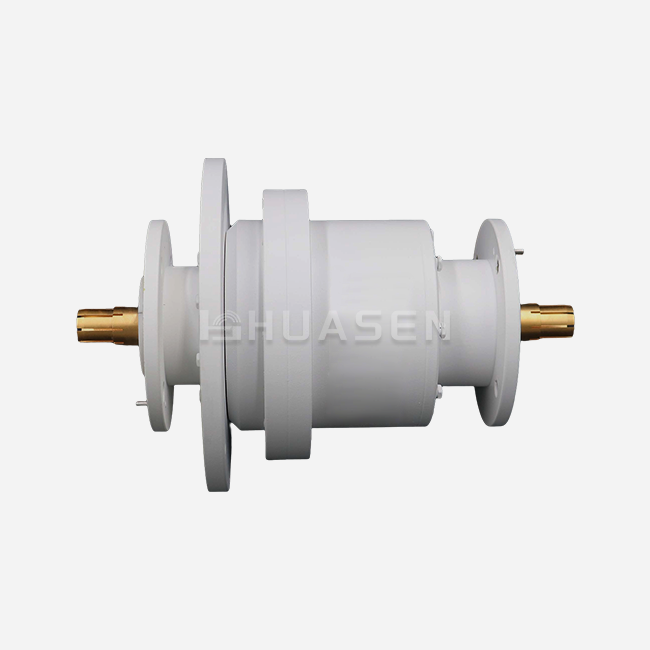
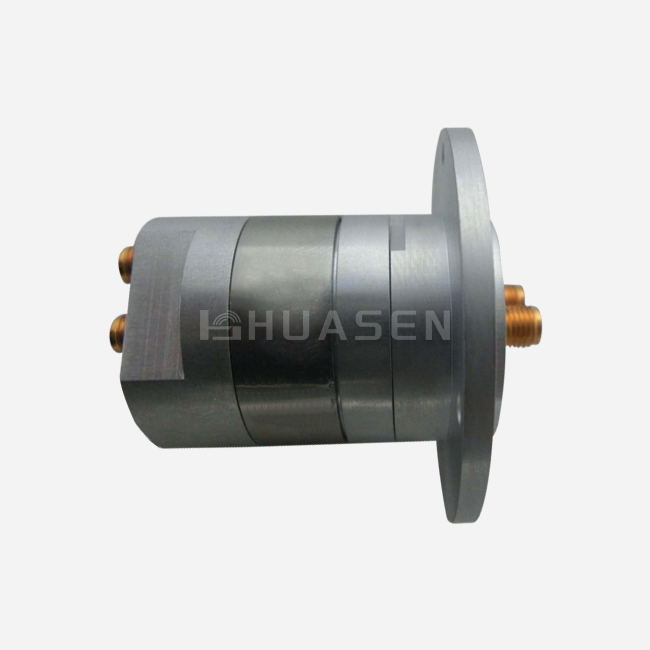
A special kind of RF routing device is a manual waveguide switch. To change electromagnetic signals between waveguide ports, operators physically move a lever or knob. These devices don't need control circuitry like motorized ones do, so they are naturally resistant to electromagnetic interference and power outages.
Core Characteristics and Operational Principles
The basic design has a precisely machined rotor that physically changes the flow of signals through rectangular or dual-ridge waveguide channels. Modern designs can work with both E-plane (WES) and H-plane (WHS) architectures, which makes them easy to integrate into a variety of test bench layouts. The mechanical detent mechanism makes sure that each position is positively locked. This guarantees electrical repeatability within 0.05 dB over thousands of switching cycles.
Different routing needs can be met by multi-channel configurations. Single-pole double-throw (SPDT) configurations are good for choosing a simple signal path, while double-pole double-throw (DPDT) configurations let you switch between transmit and receive channels at the same time. Three-channel six-port designs can handle complicated measurement situations that need more than one reference path or different configurations for the device being tested without having to reconnect the cables over and over again.
Technical Specifications That Matter
Performance parameters determine whether an application is right for it. Isolation levels above 70 dB stop signals from leaking between ports, which is an important requirement when testing for intermodulation distortion or characterizing sensitive receiver parts. During the measurement chain, insertion loss stays very low, usually less than 0.1 dB at lower frequencies and less than 0.5 dB even at millimeter-wave ranges. This keeps the signal integrity.
From 1.72 GHz to 112 GHz, the frequency range includes cellular bands as well as advanced radar frequencies. This range can be used for 5G FR2 testing, satellite Ka-band validation, and the development of automotive radar. Because this covers so much, labs can use the same switch platform for all of their test applications. This makes it easier to keep track of inventory and train technicians.
Distinctive Advantages in Lab Environments
There are real benefits to operating things by hand that electronic switches can't match. For simple actuation, configuration software or control interfaces are not needed. This cuts down on setup time and eliminates the chance of programming mistakes. These devices are good for procurement strategies that want to save money without sacrificing measurement quality because they have a high cost-performance ratio. Strong ability to block electromagnetic interference is very important in high-power test cells, where transmitter emissions can mess up automated switch controllers.

Manual vs. Automatic Waveguide Switch: Which One Fits Your Lab Needs?
Understanding the operational trade-offs between manual and motorized switching solutions is key to making decisions about what to buy. Different technologies meet different needs in the lab, and matching the features of switches to how they are actually used saves money on initial costs and improves long-term operational efficiency.
Performance Durability and Use Cases
Motorized switches work great in automated test systems that need to quickly move through different measurement states while being controlled by software. This speed advantage helps with the testing of antenna modules on the production line; it only takes milliseconds to switch between frequency points and polarization states. But the electromechanical actuators add more ways for things to go wrong, like motor burnout, encoder drift, and control board problems, which make maintenance plans more difficult.
These electronic weaknesses are taken care of by manual waveguide switches, which work only mechanically. For characterization studies where switching happens between measurement runs instead of automatically, research labs find that manual operation works just fine. When you get rid of the control cables, it's easier to set up the test bench. This is especially true in shielded enclosures, where motor power feedthrough holes can cause RF leakage.
Comparison with RF Coaxial Alternatives
Waveguide technology can handle more power than coaxial switches, even though coaxial switches have small footprints and cover a wide range of frequencies. Kilowatts of continuous output are often generated during testing of high-power amplifiers. Rectangular waveguide cross-sections dissipate heat better than coaxial transmission lines, which keeps the dielectric from breaking down. For pulsed radar applications, manual waveguide switches can handle peak power levels measured in megawatts, which is a range where coaxial technology fails horribly.
Waveguide implementations have lower insertion loss, especially above 40 GHz, where coaxial connector losses build up quickly. This is helpful for measurement uncertainty budgets when using multiple switching stages in complicated test setups.
Procurement Considerations
The way prices are set favors manual waveguide switches for labs that don't need automated control. Unit costs are usually 40–60% of similar motorized models, which frees up budget for more test equipment or wider frequency coverage. Lead times stay short because these switches have fewer parts that can be affected by problems in the supply chain for electronic parts.
Supplier availability is highest among well-known companies that make RF components and keep their waveguide product lines going. Huasen Microwave Technology is an example of a supplier that offers full frequency coverage and strict quality control to make sure that all production lots have the same electrical performance. Checking the supplier's ISO 9001 quality management, MIL-STD environmental testing, and RoHS compliance can help you be sure that the devices you buy meet the strict reliability standards needed for defense and aerospace applications.
When to Choose Manual Waveguide Switches in Your Lab Setup?
Strategic selection criteria help procurement managers choose the best parts. Understanding the specific needs of an application keeps you from either over-specificating, which raises costs, or under-specificating, which limits your ability to measure.
Ideal Application Scenarios
Labs that do calibrations can benefit a lot from manual switching. In order to calibrate a vector network analyzer, you have to connect known standards (open, short, load, and thru) in a certain order. By using manual waveguide switches, you can quickly change the configuration between the reference standards and the devices being tested without having to go through multiple connector mating cycles, which can damage the flatness of the flanges and cause errors in the measurements. The tactile confirmation of switch position gives operators a physical way to know that the right signal path is active, which lowers the chance of mistakes during calibration.
For safety reasons, high-power test cells that measure radar transmitters or base station power amplifiers need to be switched on and off by hand. Before technicians go into antenna test ranges, they can see for themselves that the power has been safely turned off by manually diverting the transmitter output to dummy loads. This physical switching gets rid of the need for electronic safety circuits that could fail, keeping people safe from dangerous RF exposure.
Researchers who are characterizing materials or measuring antenna patterns, such as with a waveguide switch, want to know how reliable it is without any maintenance. When academic labs don't have a lot of money, they don't have to pay for things like motor controller repairs and software license renewals that come with automated systems. When properly maintained, these switches can be used for an infinite number of years. This is similar to how long most university research facilities use their equipment for.
Precision and Reliability Advantages
When it comes to measurements, mechanical simplicity directly leads to confidence. Since there are no electronic parts, there is no drift, no need for control system calibration intervals, and no chance of damage from electrostatic discharge during handling. Specifications for repeatability make sure that changes in insertion loss stay within a hundredth of a decibel across switching cycles. This protects the accuracy of small-signal measurements where uncertainties of a few decibels are important.
The construction is strong enough to withstand harsh environmental conditions. In maritime communication test facilities, gold-plated internal surfaces on passivated aluminum housings keep them from rusting. Environmental chambers that test spacecraft parts can change the temperature from -40°C to +85°C. This environmental resilience lowers the number of failures and raises the average amount of time that goes by without maintenance.
Installation and Integration Guidelines
Mounting options allow for both horizontal bench-top setups and vertical rack installations. Standard waveguide flange specifications, such as UG cover, UG choke, or CPR variants, make sure that they work with the lab equipment that is already there. Orientation flexibility lets the signal flow direction line up with the geometry of the test bench, which reduces the need to bend the waveguide, which causes reflection gaps.
When installing flange hardware, you need to pay attention to the torque requirements. Under-torquing lets RF leak through at interfaces, which hurts isolation; over-torquing bends flanges, which raises VSWR. Following the torque values suggested by the manufacturer—usually between 40 and 60 inch-pounds for small waveguide sizes—ensures the best electrical contact and long-term mechanical durability.
When chassis potentials are properly grounded, they don't affect measurements that are too sensitive. Using low-impedance straps to connect the switch housing to the test bench ground plane keeps the reference potential the same throughout the RF signal chain. This is especially important when characterizing low-noise amplifiers, since interference of a few microvolts can mess up measurements of the noise figure.
Selecting the Right Manual Waveguide Switch for B2B Procurement
Specification matching is what separates successful component integration from mistakes that cost a lot of money. Knowing how electrical performance, mechanical limitations, and supplier capabilities affect each other helps people make smart decisions.
Core Performance Metrics
The main criteria for selection are frequency range and the integration of a waveguide switch. The frequency range of 1.72-112 GHz, which can be controlled by high-tech manual waveguide switches, is used for testing cellular infrastructure and developing millimeter-wave radar. To keep equipment from becoming obsolete too soon, procurement managers should specify the actual operating band plus a 20% margin to allow for harmonic measurements and future test expansion.
Switching speed is not as important in manual systems as it is in automated ones, but it still has an effect on how well things work. Position changes can happen in less than two seconds thanks to well-designed detent mechanisms that give positive tactile feedback to confirm engagement. Smooth actuation keeps operators from getting tired during long test sessions with a lot of reconfiguring.
Power handling must be able to handle both continuous wave and pulsed operation. For testing base station parts, you usually need 500-watt CW capability. For validating radar transmitters, you need peak power ratings that are close to megawatt levels. By checking these specifications, you can avoid damaging parts and having to stop tests, which costs a lot of money.
Brand and Supplier Evaluation
Companies that are known to be good at what they do keep strict quality standards. Pasternack has a large catalog of waveguide components and can deliver them quickly in standard configurations, which is great for projects with tight deadlines. HUBER+SUHNER specializes in solutions for harsh environments that are more resistant to vibrations for use in aerospace. Amphenol offers options that can be changed to fit non-standard frequency assignments or specific flange needs.
Huasen Microwave Technology stands out because it has been making things for 30 years. The company has been around since 1993 and makes precision-machined manual waveguide switches that meet MIL-STD durability standards at prices that are competitive. Off-the-shelf products can't always meet specific needs, like changing frequency bands, making housings more durable, or adding dummy load terminations. OEM customization services can. This flexibility is very helpful for system integrators who are making their own test equipment or for defense contractors who need to meet program-specific requirements.
Procurement Best Practices
Sourcing strategies should find a balance between lowering costs and making sure the supply chain is strong. Single-source procurement from well-known suppliers cuts down on the work needed to qualify suppliers, but it leaves you open to problems caused by those suppliers. Dual-sourcing agreements with qualified alternatives offer continuity assurance, but they need more qualification testing.
Taking advantage of economies of scale means negotiating bulk orders. When you commit to annual volume projections, you can use tiered pricing structures that lower the cost per unit by 15–25% compared to buying on the spot. Blanket purchase agreements with scheduled releases keep cash flow smooth and guarantee availability during the execution phases of a project.
To manage lead times, you need to know how long it takes for suppliers to make things. Standard catalog items usually ship in two weeks, but custom configurations take eight to twelve weeks to make. By adding these dates to the project schedule, you can avoid delays on the critical path, especially for integration milestones that depend on switches being available.
Conclusion
Manual waveguide switches are still very important in labs that value accurate measurements, ease of use, and long-term value. Their strong mechanical properties, resistance to electromagnetic interference, and excellent electrical performance from microwave to millimeter-wave frequencies meet important needs in research institutions, high-power test environments, and calibration facilities. Automated options work well for testing products in production, but manual operation is best when safety rules and measurement accuracy are improved by human oversight. Specification matching that carefully looks at frequency coverage, power handling, isolation performance, and supplier capabilities makes sure that buying decisions are in line with how labs actually work. Regular maintenance makes equipment last longer, and knowing about new trends helps companies get ready for changing test needs in 5G, IoT, and next-generation wireless technologies.
FAQ
1. What frequency range do most manual waveguide switches work with?
Manual waveguide switches cover frequencies from about 1.7 GHz to 112 GHz, which include millimeter-wave radar frequencies, cellular bands, and satellite communication frequencies. Different models are made for different waveguide sizes, from WR-650 for lower microwave bands to WR-10 for W-band applications. This lets labs choose devices that meet their exact test needs without having to pay extra for frequency coverage that isn't needed.
2. How do manual and motorized switches compare in terms of how well they isolate?
When manufactured correctly, both technologies meet similar isolation standards, which are usually higher than 70 dB. Because they don't have any electronic parts that can break down over time, manual waveguide switches will always work this way. Motorized switches may lose their isolation over time as the accuracy of the actuator positioning decreases, necessitating regular recalibration to return to original specifications.
3. Can manual waveguide switches be customized for specialized applications?
Reliable manufacturers give you a lot of ways to customize their products, such as non-standard frequency bands, ruggedized environmental ratings, and built-in features such as dummy load terminations or indicator flags that show where the switch is located. Customized flange shapes work with unique waveguide systems, and changed actuation mechanisms work well in small installation areas. Talking about specific needs with suppliers during the planning phase of procurement helps find changes that are possible and the lead times that go with them.
Request Manual Waveguide Switch Specifications from Huasen Microwave
Huasen Microwave Technology makes Manual Waveguide Switches that are precisely engineered to meet the strict needs of RF testing and communications. At lower frequencies, our devices have insertion loss below 0.1 dB and isolation above 70 dB, so they keep their great performance across the 1.72-112 GHz spectrum. As a well-known company that has been making Manual Waveguide Switches for thirty years, we can support both standard configurations and OEM customization for unique needs. Email our engineering team at sales@huasenmicrowave.com to talk about the specific needs of your lab, get detailed technical datasheets, and get quotes from other companies. Our quick response support makes sure that your procurement process goes smoothly, from clarifying specifications to helping with delivery and integration.
References
1. Pozar, David M. Microwave Engineering, 4th Edition. Wiley, 2011.
2. Saad, Theodore S. Microwave Engineers' Handbook, Volume 1. Artech House, 1971.
3. Baden Fuller, A.J. Microwaves: An Introduction to Microwave Theory and Techniques, 3rd Edition. Pergamon Press, 1990.
4. Institute of Electrical and Electronics Engineers. IEEE Standard for Waveguide and Flanges. IEEE Std 1785-2020.
5. Montgomery, C.G., Dicke, R.H., and Purcell, E.M. Principles of Microwave Circuits. Dover Publications, 1965.
6. Ishii, Thomas Koryu. Handbook of Microwave Technology: Components and Devices, Volume 1. Academic Press, 1995.
Send Inquiry