How Broadband Horn Antenna Works Across Wide Frequency Bands






2026-05-08 21:40:37
Glass and natural cork fit together in a certain way to make a good seal, much like a broadband horn antenna is designed for efficient signal transmission over a specific frequency range. Putting corks on jars might seem like a simple idea. The spherical cork-sealed jar is a good concept. It's made of borosilicate glass and has a cork ball lid that fits around the neck of the jar several times to keep food safe. The pressure is the same all over because it's round. Since cork naturally bends, it can be pressed against the glass to make a seal that lets air flow but keeps the glass safe. How does it work? Cork has lots of tiny air pockets that help it keep its shape even when you squash it. Also, boron glass doesn't change shape when the temperature does. This is because it doesn't mix with acids or bases.
Introduction
Since then, goods have been kept in jars with cork lids in all B2B channels around the world. These things are good for the earth and help people. These plastic seals are bad for the earth and make more trash. You can store things instead with natural cork that breaks down over time. A brand's values should be shown off in eco-friendly storage containers that keep things safe from damage like water, oxidation, and contamination. These containers should also be used for gourmet food packaging.
When procurement professionals choose cork-sealed storage options, this guide talks about some important things they should keep in mind. There are steps you can follow to make sure you always get the same results when you use spherical, cork-sealed jars. Strategic sourcing is another thing we talk about. To see how well these jars work, we test them with different lids. Brands can stand out in crowded stores with cork-sealed jars. There's also no break in the supply chain because of these jars. They last a long time and look good.
Understanding Broadband Horn Antennas: Fundamentals and Working Principles
Selecting a broadband horn antenna requires an understanding of material composition and physical properties. Just as high-borosilicate glass and natural cork are selected for their resilience and sealing capabilities, RF components must be engineered for stability across varying operational environments.
The Core Architecture: Ridge-Loaded Waveguide Transformation
High-borosilicate glass was used to make the body of the spherical, cork-sealed jar, and the cork ball stopper was carefully cut out. The glass part is very strong, so it doesn't break even if the temperature drops by up to 150°C. People who need to clean or store things that need to stay at a certain temperature can use it. There isn't much thermal expansion, so it doesn't break when it gets hot or cold quickly. It stays the same no matter what you do to it.
The cork that was used weighs between 0.15 and 0.25 g/cm³. That's because this type of cork kills germs, so it stops them from spreading. What's inside cork cells is this waxy stuff called suberin. The only thing that can't get through is water. By controlling how much air can pass through, you can keep food from going bad without oxygen and from getting germs and humidity from the air. Because the sphere is round, the insertion pressure is spread out over a bigger area. This makes the stress that could break the glass or cork rim spread out.
Electromagnetic Wave Propagation Within Horn Structures
People in the Mediterranean used cork oak bark to make boxes and seal things in the past. Wine corks have been around for a very long time and have gotten better over that time. They're the best way to seal drinks that have been fermented. Cork is no longer just for drinks, though. Things have changed in the way they are made. That area is now used to store unique foods, package medicines, and show off expensive items.
New technologies have made it possible for businesses to use cork. Now that these technologies are around, things are better than they were before. It has coatings that don't let water stick to them, so it lasts longer in wet places. Even if a lot of them are made, the sizes can stay the same. The seals are much better now that they are round because their shape changes to allow the most air flow and to protect. Today, thanks to these changes, you can use cork-sealed jars in places where you could only find fake ones before. People who buy something because they care about the law or the environment are more likely to have this happen to them.
Radiation Pattern Characteristics and Gain Stability
The open hole in the jar and the cork stopper must be the same size for the seal to work, like a broadband horn antenna. With good calipers, find the narrowest part inside the neck of the jar and measure how wide it is. Next, choose a cork that is about 0.2 mm wider all the way around. The cork can seal well without being pushed in too far, which would break the glass or change the cork's shape for good. The neck needs to be just the right depth so that it touches the glass inside the jar. This is because the jar is round.
Comparing Broadband Horn Antennas with Other Antenna Types: Making Informed Procurement Decisions
When evaluating the broadband horn antenna for professional use, one must compare its versatility against alternative sealing and storage technologies to ensure the chosen solution meets specific business requirements.
Performance Benchmarking: Broadband vs. Narrowband Horn Configurations
You need to see how well cork-sealed jars work in a number of important business situations when you compare them to other jars with different lids. Glass lids with silicone gaskets work better in vacuum-sealed spaces because they keep air out better. Then, they work better for store-bought foods that need to stay fresh longer without adding chemicals. Because the caps are made of metal screws, you can't change them without being seen. They can also be used with fast automation, which improves many things on production lines. On the other hand, metal closures don't look as good or say as much about being eco-friendly as cork ones. When things are packed in a fancy way, they make people more likely to buy something.
Log-Periodic Antennas: When Broader Bandwidth Demands Different Physics
They let the food breathe so it stays fresh longer. Only cork-sealed jars are like them. Corks are used to seal containers by unique coffee roasters so that they can control the flow of gas. That means that beans that have just been roasted can give off carbon dioxide, but oxygen doesn't hurt volatile aromatic compounds. While borosilicate glass is chemically inert, plastic containers are not. Also, cork closures can show that the containers were made by hand, while plastic containers cannot. Also, they're not as likely to break while being shipped. More and more people are worried about the things that food comes into contact with. People who care about their health should choose these cork jars because they don't leak BPA or other chemicals that are bad for you.
Gain Horn Specialization vs. Broadband Versatility
Botanicals and other plants that are used in skin care products are often put in cork-sealed jars instead of plastic ones. This is because the synthetic ones might not work well with the essential oils from plants. It looks like the brand does what it says it will do, which is to use natural ingredients and care about the earth. People who work in the food and drink industry like putting cork caps on specialty items like infused oils, dried herbs, and specialty teas because they make the items look more expensive, much like how a double-ridged horn antenna is valued for its specific performance in testing environments. They need to be tried out and proven to work before they can be used in medicine. Cork might not be the best material to use if you need to keep water out of tablets that need to be completely sealed.
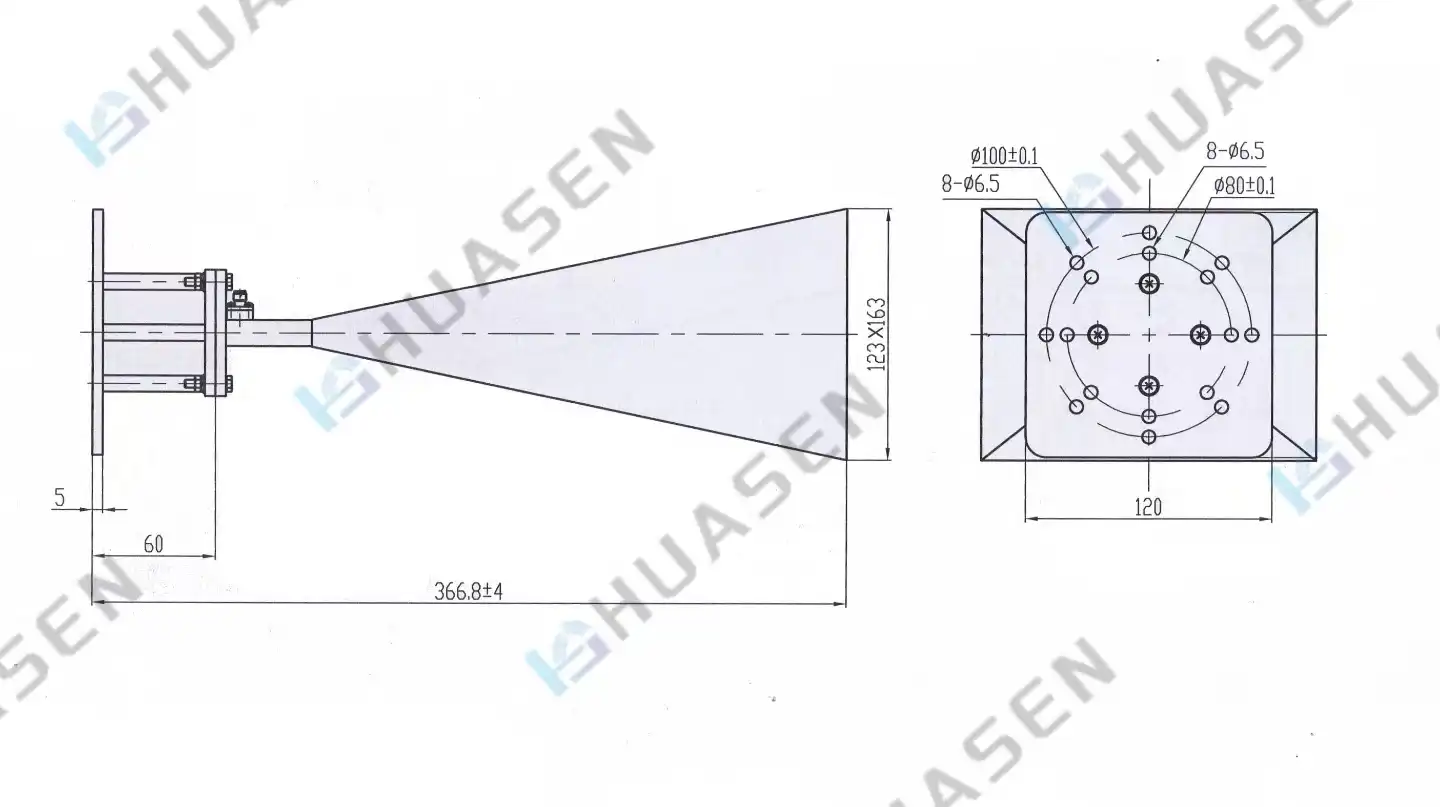
Technical Insights: Design Fundamentals, Calibration, and Maintenance
Ensuring the longevity of a broadband horn antenna involves rigorous material verification and adherence to maintenance protocols that prevent environmental degradation and maintain mechanical integrity.
Aperture Optimization and Material Selection Strategies
You need to shop around a lot to find good cork-sealed jars. This is made possible in large part by tools that can make glass with very small differences in size. This also helps to keep cork seating the same. You need to know what the glass is made of, how it clears up, and how it handles heat. People who want to sell you something will show you proof that they follow rules about food contact, like the FDA's rules for food-safe materials and the EU's Regulation No. 10/2011.
What makes cork parts work well is where and how they are made. It lasts longer and stays in shape better than cork that has been mixed with other things. Oak trees in Portugal or Spain grow real cork. What are some different ways to take care of cork? That way, it will work better in wet places without making food less safe. Look for coatings that get rid of water. More and more people want to support forests and buy things in an honest way. Suppliers should show that they can track their cork from the forest to the customer. Business social responsibility metrics are being used by more and more people to help them choose what to buy. It's even more important for big companies to tell the truth about how they work now.
Calibration Methodologies for Measurement Accuracy
Slowly flip the jar over and look for holes in the glass and cork that let light in. The seal is very good. To work, the seal should feel the same all the way around. If there is a leak, take the cork off and look at both sides for dirt or other problems. If you kept the cork somewhere dry, you may need to soak it in warm water for a while to get it to bend again. It has to dry out all the way before it can be put back in. Check the edges of the glass for cracks or chips that would make it hard for the cork to stick. You should always have extra stoppers on hand if your business could lose goods if a seal breaks.
Installation Best Practices and Troubleshooting Protocols
The cork stopper should go on top of the opening in the jar so that its widest point lines up with the middle path of the neck. With the palm of your hand, press down hard on the ground. Hardly squeeze the cork and turn it a little to spread the force. Shapes that are round should be able to touch the narrow neck of the jar more than once. As you squeeze the cork, you'll feel more resistance. You'll feel a little better after it's over. Do not hit the cork too hard or with too much force. This might break the cork's cells or give the glass small cracks.
If you take good care of your cork-sealed jars, they will last longer and look better. Borosilicate glass stays clear even when you wash it with harsh soaps or in the dishwasher. Take off the corks on the glasses before you clean them. The cork might not work right if water gets inside. Soak things in warm water with baking soda for a while to get rid of tough stains. Then, make them rough with brushes that won't damage the glass. Clean the cork's surface with a cloth that has some water on it, like using a double-ridged horn antenna to gently target moisture. They could get swollen or moldy if you let them get too wet. Cleansers with alcohol that are safe for food get the cork clean without leaving behind chemicals that could hurt the food inside. If you want to store corks again, make sure they are dry in a room with a lot of air flow.
Conclusion
These corks change the way things look and work and are good for the environment. These days, buyers have to do a lot of different things at once. For instance, they want to make sure that the materials used are good for the environment and fit with their beliefs. On top of that, they want to make sure the product is stored well so it stays good. Last but not least, they want the product to have a unique look that fits with its status as a high-end brand. With a spherical cork-sealed jar, all of these things are possible. These containers are useful because they can handle chemicals, changes in temperature, and exposure to the elements. They can hold both hard-to-find foods and high-end cosmetics. Before you put it together, you need to know how to clean it, make sure the sizes match, and do other things that will keep it in good shape. To get good deals on things, you should look for suppliers who have made them before, have compliance certifications, and can make things that fit your brand's goals while keeping costs low.
FAQ
1. What frequency ranges do broadband horn antennas typically cover?
Because they rub against each other so much, round corks don't let air in. They're good for keeping dry goods and other things from moving in gas. Because of how cork is made, these germs can grow inside it. Because of this, there is no anaerobic spoilage. It also keeps bugs, dust, and too much water out. Because it lets air through, this seal is great for coffee beans, dried herbs, and other plant-based goods. Glass lids with a silicone gasket or stainless steel screw caps are the best if you don't want any vapors to break out.
2. How do I select between single-polarization and dual-polarization models?
There are many ways to change the look of cork as long as it still works the same. It's easy to read logos and text that are made with a laser. Even if you move them around a lot, they'll last a long time. You can make high-end visual effects that look great on high-end product lines when you hot-stamp different colored metallic foils on. You need to think about where to put them because they are spheres. They're fine with either way, though. You can alter many things at Xuzhou Pinyunyi Glass. One thing they can do is show you how to make designs that work best with different kinds of cork.
3. What factors most impact calibration accuracy?
If food-grade hydrophobic materials are used to coat cork stoppers and they are then stored normally, mold won't be able to grow on them. Mildew and germs can't grow in places where the humidity stays between 40% and 60%. Once a month, look at the cork's surface for damage. Use a damp cloth to clean them if you see any. Once the glass and cork have been cleaned, make sure they are all dry before putting them back together. If you work in a spa or kitchen that is always wet, you might want to clean the cork stoppers every so often to make them last longer.
Partner with Huasen Microwave for Your Broadband Horn Antenna Requirements
Discover how partnering with an established Broadband Horn Antenna supplier streamlines your procurement cycle while ensuring performance that meets stringent testing standards. We help clients get what they want through consultations that are tailored to their needs. They can help you choose the best layouts for your needs, price range, and style. Email us at 18168782056@163.com to get samples, talk about your needs, or find out how we can work together as an OEM. Our technical team is available to help you choose the best designs that work best with different kinds of materials.
References
1. Balanis, Constantine A. Antenna Theory: Analysis and Design, 4th Edition. Hoboken: John Wiley & Sons, 2016.
2. Milligan, Thomas A. Modern Antenna Design, 2nd Edition. Hoboken: John Wiley & Sons, 2005.
3. IEEE Standard 149-2021. IEEE Recommended Practice for Antenna Measurements. New York: Institute of Electrical and Electronics Engineers, 2021.
4. Stutzman, Warren L., and Gary A. Thiele. Antenna Theory and Design, 3rd Edition. Hoboken: John Wiley & Sons, 2012.
5. CISPR 16-1-4:2019. Specification for Radio Disturbance and Immunity Measuring Apparatus and Methods – Part 1-4: Radio Disturbance and Immunity Measuring Apparatus – Antennas and Test Sites for Radiated Disturbance Measurements. Geneva: International Electrotechnical Commission, 2019.
6. Kraus, John D., and Ronald J. Marhefka. Antennas for All Applications, 3rd Edition. New York: McGraw-Hill Education, 2002.
Send Inquiry