Waveguide Gasket vs O-Ring: Choosing the Best Seal Option






2026-05-09 21:29:42
If you are making RF systems for 5G infrastructure or satellite communications, the signal and the environment will be more stable if you use a waveguide gasket instead of a normal O-ring seal. For microwave devices that work between 1 GHz and 110 GHz, waveguide gaskets are very important. They seal in two ways: they keep electromagnetic fields from leaking, and they keep air from getting in. There is no RF safety for O-rings, so they can't be used in hydraulic or gas systems. This means that insertion loss and VSWR degradation happen. In mission-critical cases, knowing which closing choice works best for you will help you avoid costly signal loss, water getting in, and system failure before it's meant to.
Understanding Waveguide Gaskets and O-Rings: Key Concepts
You need to know how each part of your system works in order to pick the right seal. Buyers of base stations, radar systems, and test tools still don't know what to pick between gaskets and rubber seals, even though they are used for different things.
What Defines a Waveguide Gasket?
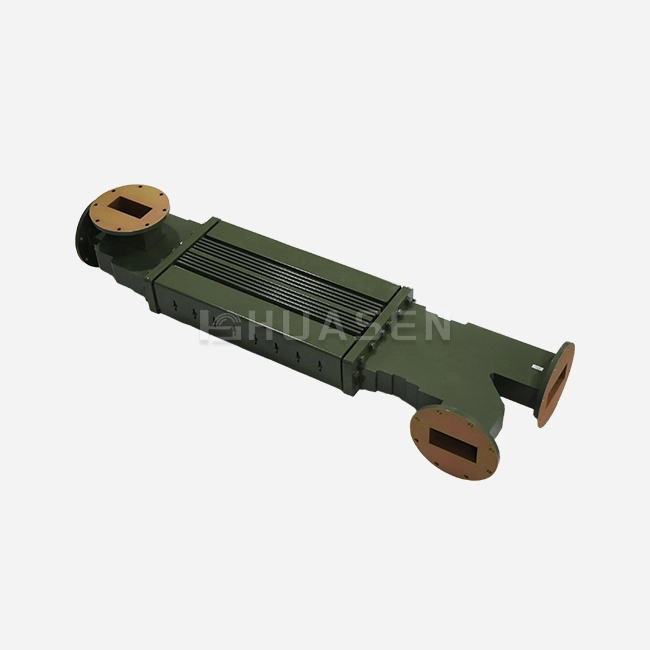
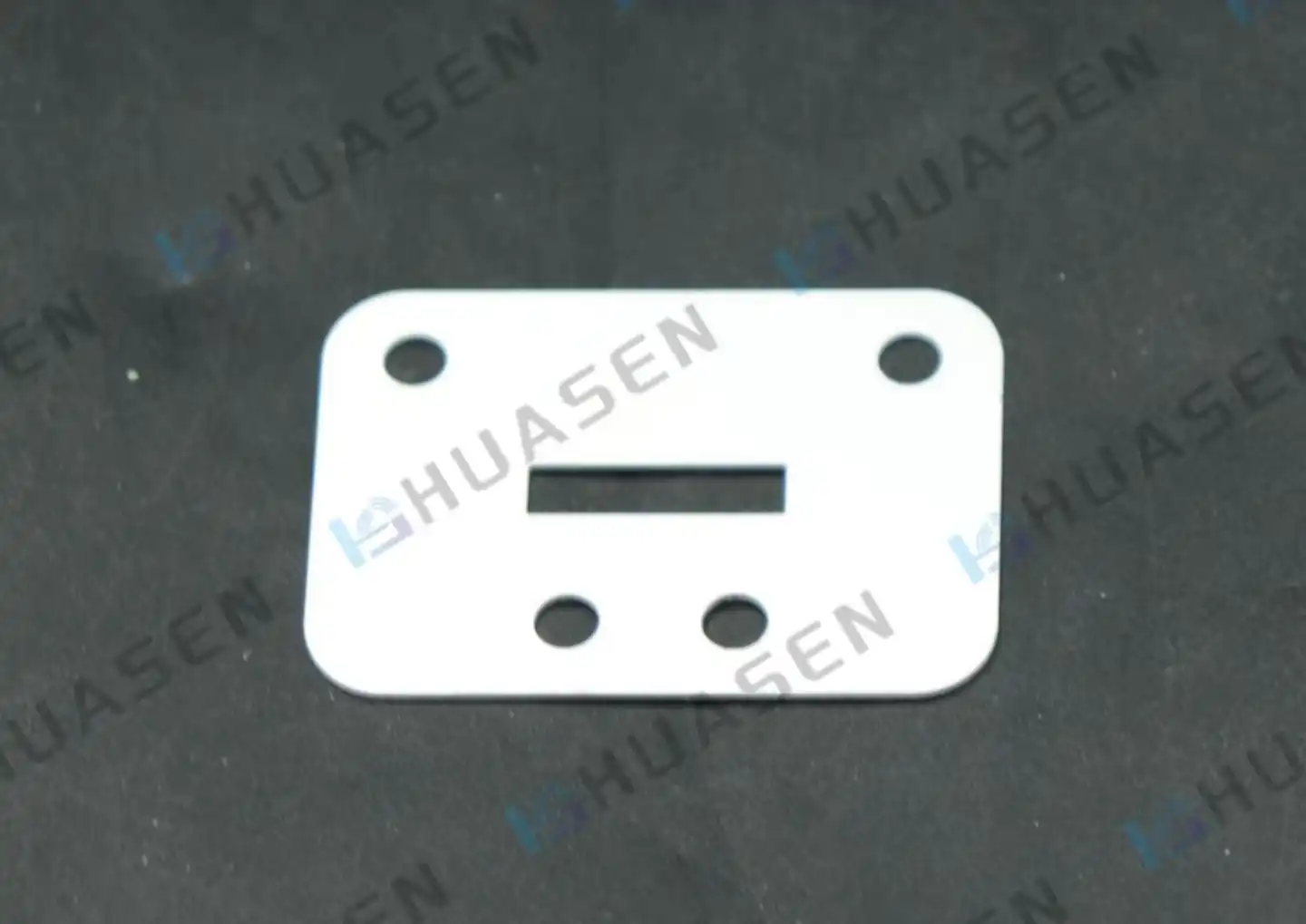
A waveguide gasket is a contact part that is meant to join two waveguide plates together and keep electromagnetic interference (EMI) and other things from getting in. Unlike most pipe gaskets, this one works across microwave bands to keep the electrical link between surfaces that touch. Slot antennas can be made out of very small holes at the ends of flanges. These antennas send out radio frequency energy, which makes the system less useful. These breaks are fixed by the seal, which makes sure that there is low contact resistance across the joint. So, the signal stays the same, and changes in wetness, dust, and pressure are stopped. It stops arcing when dry nitrogen is pumped into the system, and the cover keeps dielectric breakdown out and the system from opening.
The Role of O-Rings in Fluid and Gas Systems
O-rings are round, stretchy seals that are used in machines to keep fluids or gases in. You can get these plugs made of nitrile (NBR), fluorocarbon (FKM), or silicone. They fit into holes to keep things from leaking. They work with moving wheels, hydraulic cylinders, and pneumatic tools that have pressures from 0 to a few thousand pounds per square inch. O-rings work great when things are moving or still, and electric impacts don't matter. Based on the material you choose, they can be used in temperatures from -40°C to +200°C.
Structural and Functional Distinctions
Silver-plated aluminium or beryllium copper are two conductive materials that are used in waveguide gaskets to keep the RF link going. These steps fix issues with electric fields and the surroundings at the same time. Electricity can't run through O-rings, and they can't stop electromagnetic interference (EMI). They only close physically when the rubber is pressed together. An O-ring can't stop electromagnetic energy from leaking in RF setups, so it can't be used on waveguide flanges where more than 0.2 dB of signal loss isn't okay. On the other hand, waveguide gaskets aren't bendy or strong enough to be used for dynamic sealing in machines that spin or move back and forth. If engineers know these basic differences, they can pick the right type of seal based on whether RF performance or mechanical control is the most important thing.
Technical Comparison: Waveguide Gasket vs O-Ring
The details of these closing methods show that they are very different in how they work with materials, how they handle weather, and how they need to be fitted. Whether or not you buy something rests on how well these features fit your performance and price range.
Material Composition and Electrical Properties
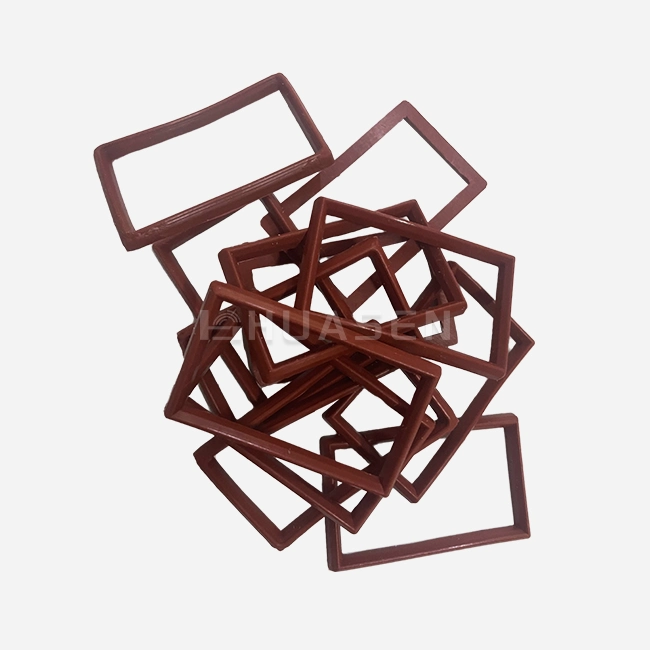
Metals like silver-plated metal, tin-plated steel, or beryllium copper alloys are often used as the base for waveguide flange gaskets. Silicone or fluorosilicone is often used as the covering layer. This mixed design lets the electricity flow (with contact resistance of less than 0.5 milliohms) while still letting the metal bend to fix flaws on the sides of the lip. The metallic layer stops the loss of radio waves and keeps the VSWR below 1.15:1 at all frequencies. O-rings, on the other hand, are made of elastomers that are not conductive and are made to be resistant to chemicals and high temperatures. Perfluoroelastomers (FFKM) can handle strong acids and temperatures as high as 327°C. Nitrile rubber, on the other hand, works well with oil-based fluids. The different types of materials show what their job is: O-rings are meant to close chemically and mechanically, while waveguide gaskets are meant to keep the electromagnetic integrity.
Temperature and Pressure Performance
Waveguide gaskets work well in outdoor telecoms equipment that is subject to temperature differences like -55°C in the winter and +85°C in the desert. They don't affect how well the equipment blocks radio waves. But they can only handle up to 30 psi of pressure inside, which is just enough dry air or nitrogen to keep water from collecting inside waveguide runs. A Shore A durometer can be used to find out how hard an O-ring is. Depending on the compound, it can handle steady pressures from 0 psi to 5,000 psi. The seals on fluorocarbon versions can stay in place at temperatures as high as 204°C. These O-rings are necessary in hydraulic systems on aeroplane landing gear or in pressure tanks deep underground, where mechanical stress is much higher than what waveguide assemblies go through. This is because they can handle this much pressure.
Environmental Resistance and Lifespan
Waveguide anti-leak gaskets can stand up to UV light, salt fog, and rain that comes from the wind, all of which are common in marine radar and cell phone towers near the coast. It will take them at least 10 years for their airtight seals to break. The mix pattern doesn't break in ozone and stays in shape even when the temperature changes. Hydraulic fluids, industrial gases, and gasoline products don't stick to O-rings very well. But most elastomers break down over time if they don't have housings around them. O-rings made of silicone are better at blocking ozone and UV light, but they don't work as well with chemicals. This shows the pros and cons of the combinations you can choose from. A compression set means that both types of seals break down over time. This is because they are always deformed when they are under a steady load. But waveguide gaskets that are used for RF outside tend to last longer because they are strengthened with metal and have coatings that protect them.
Installation Complexity and Maintenance Requirements
To correctly place waveguide gaskets, flange bolts need to be torqued to a certain level. For WR-90 rectangular flanges, this level is usually 50–80 in-lbs. This makes sure the bolts are tight and make good contact with the electricity. If you tighten the bolt too much, the lip could bend, and the resistance might not match. If you tighten it too little, RF could leak out, and water could get in. You should use accurate torque tools and take steps that are timed steps. When installing an O-ring for dynamic use, it is especially important to check the groove sizes and keep the stretch ratios under control while the ring is being put in place. It takes a different amount of time for each type of care. Waveguide gaskets don't need to be changed unless the flanges are taken off to rearrange the system. O-rings in rotating tools, on the other hand, might need to be changed every 500 to 2,000 hours of use, depending on how often they are used and how dirty they are. Compared to dynamic O-ring uses, waveguide installations have lower lifecycle upkeep costs because they don't move.
How to Choose the Best Seal: Criteria for Procurement and Application
When you buy something strategically, the first thing you should do is make sure that the seal's features match the needs of the business and the location's conditions. If you pick the wrong option, you might lose the signal, have to fix it without planning to, and have to wait longer for it to work again.
Matching Seal Attributes to Application Requirements
When you talk about seals for 5G microwave backup radios that work at 28 GHz, you must talk about electromagnetic safety. Waveguide gaskets stop RF leaks that would raise bit error rates and raise the cost of the link. On the other hand, the system's liquid cooling loop needs O-rings that can handle coolants and expand when heated to 65°C. Map each touch point to its main close challenge, such as chemical, mechanical, electromagnetic, or thermal. This way, you can be sure to use the right technology. Both needs can be met by satellite earth station high-power amplifiers. Inside the same equipment case, waveguide gaskets protect RF connections, and fluorocarbon O-rings keep water circuits under pressure.
Key Decision Metrics for Vendor Selection
Buying managers need to look at more than just the technical specs. They also need to see how well providers can adapt to new needs, guarantee quality, and meet deadlines. Some older radar systems have flanges that don't fit standard sizes. Can the seller change the gasket's width or material to fit these flanges? How well does the safety work across the frequency range you need? Do they give you test results that show VSWR, insertion loss, and these things? Checks by a third party, such as ISO 9001:2015 and RoHS compliance, show that a process has been developed and follows the rules. Top companies like Parker Hannifin and Federal-Mogul make O-rings and waveguide gaskets. These companies keep track of tracking methods and quick life testing data that make long-term deployments safer. If you look at these quality factors along with the unit price, you can avoid problems with compatibility that cost a lot of money following installation.
Balancing Cost, Availability, and Total Ownership Economics
Costs for waveguide gaskets range from $15 to $80 per unit, but they change based on the frequency band and the material. But O-rings vary in price from $0.50 to $20 per unit, based on the size and compound. When the number of replacements is thought about, the differences in the beginning costs get smaller. Like, an O-ring that needs to be changed every 18 months in a harsh environment costs more over its lifetime than a waveguide gasket that doesn't need to be serviced for 15 years. Availability also changes the total cost of buying. Standard O-ring sizes, like AS568 dash numbers, can be sent out from a wholesaler within days if they have them in stock. We can get normal waveguide gaskets for WR-series flanges in about 6–8 weeks, but it may take longer. Long-lead gaskets are kept in strategic stock by owners of critical infrastructure, and normal O-rings are delivered just in time. This saves money on operating capital without putting the quality of service at risk.
Real-World Applications of Waveguide Gaskets and O-Rings
In many different types of companies, the choice of seal has a direct impact on how well systems work, how much they cost to run, and how reliable they are. This shows that the main things we talked about earlier are true.
Case Study: Waveguide Gaskets in Coastal Surveillance Radar
Saltwater kept getting into the waveguide joints of X-band marine surveillance radar that was being put in place along the Pacific coast by a security company. At first, normal steel flange gaskets were used, and EMI safety wasn't thought about. Corrosion caused the contact resistance to drop to 12 dB, which cut the return loss and the detecting range by 18%. The return loss dropped to 22 dB when these were changed out for silver-plated metal waveguide gaskets with fluorosilicone backing. After three years of nonstop use, water was no longer getting in. The two-in-one gasket passed both the outdoor sealing and electromagnetic continuity tests. This shows that picking the right seal directly improves how well missions work in rough marine environments.
Case Study: O-Rings in Hydraulic Actuators for Satellite Tracking Antennas
At a satellite ground station, someone saw that tracking antennas on 13 metres were dripping hydraulic fluid from their azimuth drive actuators. These messed-up RF parts needed repair every month. Researchers found that the synthetic ester hydraulic fluid that was used in cold weather didn't work with rubber O-rings. This made the O-rings grow and push out. The RF system stayed clean and leaks stopped by using hydrogenated nitrile (HNBR) O-rings that can handle ester fluids and temperatures as low as -40°C. Maintenance visits went from 12 to 1. This case shows how important it is to make sure that the elastomer's chemistry works with the fluids and temperature changes that will be around it. It's not important to think about this when picking out an RF seal, but it is when picking out a belt or chain.
Comparative Insights for Procurement Teams
If RF performance and weather protection are important, waveguide gaskets are a must. Some examples are cell phone base stations, satellite terminals, radar systems, and test equipment that works outside or under pressure. Some types of RF joints can't use them because they can't handle moving parts or strong mechanical forces. It is possible for electromagnetic problems to happen when O-rings are used in fluid power systems, moving wheels, and pressure tanks. Not only can they be used in flying, but they can also be used in industrial processes. Most of the time, buying teams that are in charge of complicated systems ask for both technologies at the same time. They want waveguide gaskets for RF connections and O-rings for coolant circuits, hydraulic systems, and air controls. You shouldn't look at these closing technologies as rivals. Instead, you should look at how they work together to strengthen the system.
Conclusion
You should pick waveguide gaskets or O-rings based on whether you need electromagnetic safety or just a tight seal. Waveguide gaskets protect both the signal and the area around it. This is very important for microwave systems that can lose the signal or let water in. People often use O-rings to keep fluids inside, even when the temperature and pressure are too high for a waveguide gasket to handle. Electricity waves can still pass through them, though. By making sure that the features of the seals match running needs, material compatibility, and temperature conditions, procurement teams lower the chances that seals will fail early and stop working. Your closing solutions will last longer and cost less if you buy them from companies that let you make them fit your needs, test them thoroughly, and deliver them on time.
FAQ: Essential Questions from Procurement Managers and Engineers
1. What distinguishes waveguide gaskets from standard metallic gaskets?
Waveguide gaskets are made of conductive materials that block RF signals and a rubbery backing that keeps the outside world out. This keeps out both water and electric leaks. Metal flange gaskets that are widely used don't have the low contact resistance that radio systems need to keep messages strong.
2. Can O-rings substitute for waveguide gaskets in RF applications?
When it comes to RF systems, O-rings can't be used instead of waveguide gaskets because elastomers don't conduct electricity well. This means that RF can leak out, and VSWR and insertion loss go down. On top of that, they don't keep the exact surface touch that is needed for microwave waves to work.
3. How do I select materials for extreme temperature environments?
Waveguide gaskets using fluorosilicone backing maintain performance from -55°C to +200°C, suitable for outdoor telecommunications. O-rings require compound-specific selection: fluorocarbon (FKM) can handle temperatures up to +204°C, perfluoroelastomer (FFKM) can handle temperatures up to +327°C, and silicone can handle temperatures as low as -62°C.
4. Where can I source custom waveguide gaskets for non-standard flanges?
Companies that only make RF parts can make waveguide gaskets that are specific to the size of the flange, the frequency band, and the surroundings. Lead time is usually six to eight weeks, but it changes based on where the products come from and how they need to be checked.
Partner with Huasen Microwave for Precision Waveguide Gasket Solutions
How much your system works, how well the signs work, and how long it works all depend on the gasket or closing option you choose. Waveguide gaskets from Huasen Microwave have been made with trust since 1993. For 5G infrastructure, satellite communications, radar systems, and aeroplanes, they make RF sealing solutions that are very well designed. A lot of years of experience with microwaves and high-quality standards help us make sure that our waveguide gaskets have low VSWR, seal the environment completely, and last a long time even in the worst conditions. Our expert team can help you create custom flange gaskets for non-standard interfaces or quickly deliver a large number. They can also provide test samples and quick support throughout the whole purchase cycle. Contact our experts at sales@huasenmicrowave.com to talk about your specific sealing needs and get full product paperwork that fits your price and performance requirements.
References
1. Pozar, David M. Microwave Engineering, 4th Edition. Wiley, 2011.
2. Saad, Theodore S. Waveguide Flanges and Their Influence on Transmission System Performance. IEEE Transactions on Microwave Theory and Techniques, Vol. 33, 1985.
3. Parker Hannifin Corporation. O-Ring Handbook: Design and Application Guidelines. Parker Seals Group, 2020.
4. Military Standard MIL-DTL-3922. Gaskets: Packing, Preformed, Rubber, General Specification For. U.S. Department of Defence, 2018.
5. Institute of Electrical and Electronics Engineers. IEEE Standard 1785: Rectangular Waveguides and Flanges. IEEE Standards Association, 2016.
6. Flexitallic Group. Industrial Gasket Selection Guide: Material Properties and Application Criteria. Flexitallic Technical Publication, 2019.
Send Inquiry