Home / Blog
Blog
0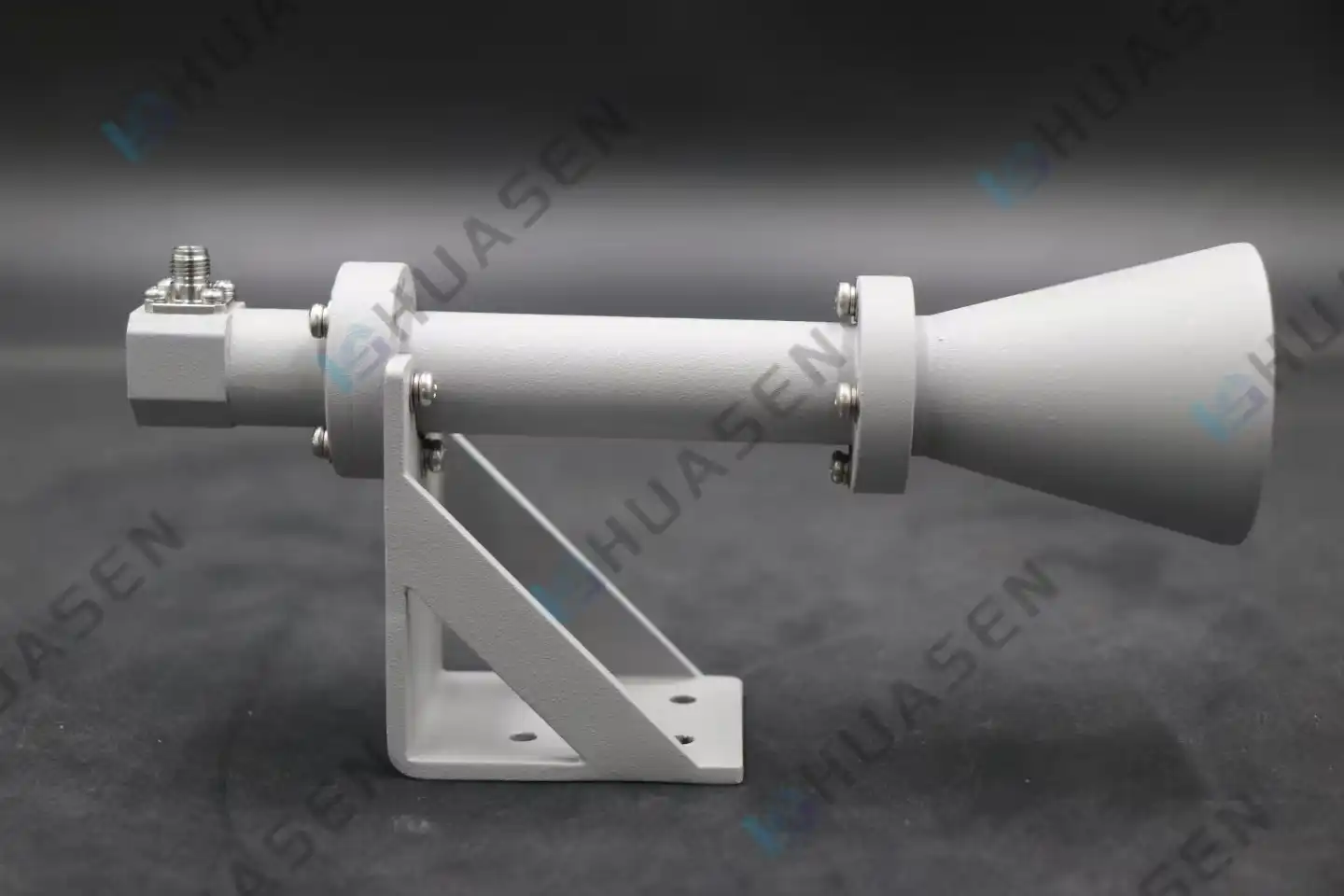
How to Compare Circularly Polarized Horn Antenna Manufacturers Globally
When evaluating global suppliers for circularly polarized horn antennas, buyers should prioritize manufacturers demonstrating consistent axial ratio performance below 1.5 dB, comprehensive frequency coverage across mission-critical bands, and verified compliance with international standards like MIL-STD and ISO certifications for the circularly polarized horn antenna. The comparison process centers on technical specifications, customization flexibility, supply chain reliability, and post-sale engineering support—elements that directly impact system integration success and long-term operational costs.VIEW MORE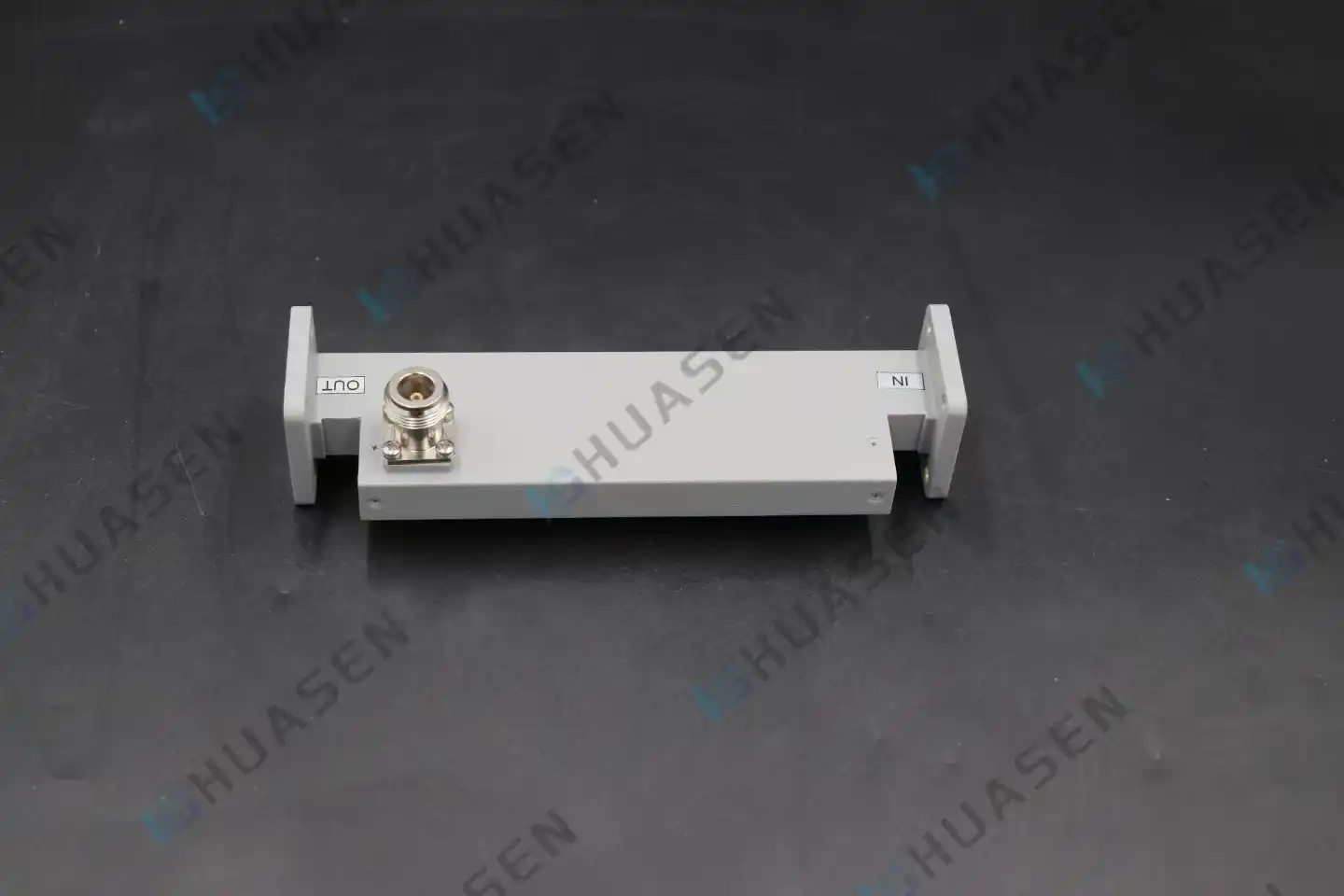
Simulation Methods for Waveguide Directivity Coupler Analysis
When engineers are making high-frequency systems for 5G base stations, satellite communications, or radar uses, they face a big problem: how can they tell how well a directivity coupler will work before they spend a lot of money on expensive prototypes? The answer can be found in simulation methods for waveguide directivity coupler analysis. With these computer methods, we can very accurately model electromagnetic behavior and guess coupling factors, directivity levels, and insertion loss across a wide range of frequency bands. A directivity coupler is designed to pick up signals going in one direction while blocking signals going the other way. Its ability to do this is measured by its directivity standard, which in high-performance units often goes over 40dB. By simulating, we can find the best coupler shape, make sure our design choices are correct, speed up time-to-market, and lower the risk of having to make expensive design changes. For procurement teams and system designers who need accurate performance data before making large orders, this analytical method is now a must.VIEW MORE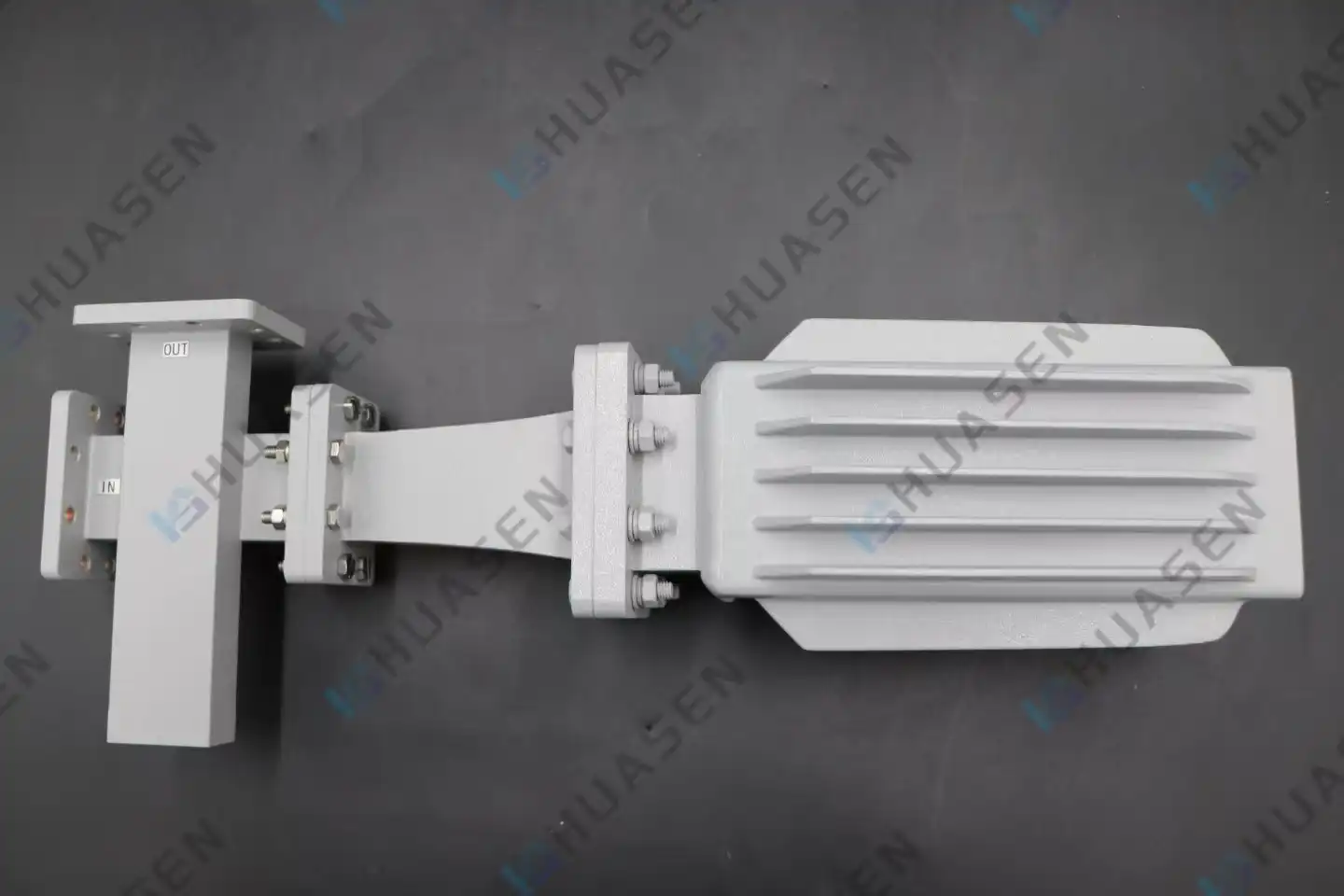
Key Specifications When Buying Waveguide Attenuator
When choosing a waveguide attenuator for your RF or microwave system, it's very important to know the important specs to get the best performance and long-term dependability. These precise parts lower the power of a signal by set or programmable amounts while keeping the signal's purity across important frequency ranges. When putting parts together in 5G base stations, satellite ground systems, or radar test benches, it's important to know which technical parameters are the most important. These include attenuation range, frequency compatibility, power handling capacity, VSWR performance, and mechanical interface standards. Knowing which ones to prioritize will directly affect how well the system works and how accurately measurements are made. Proper specification matching avoids expensive redesigns, reduces signal distortion, and guarantees seamless mechanical integration into existing waveguide assemblies. This is why procurement professionals in the defense, aerospace, and telecommunications sectors need to make smart buying decisions.VIEW MORE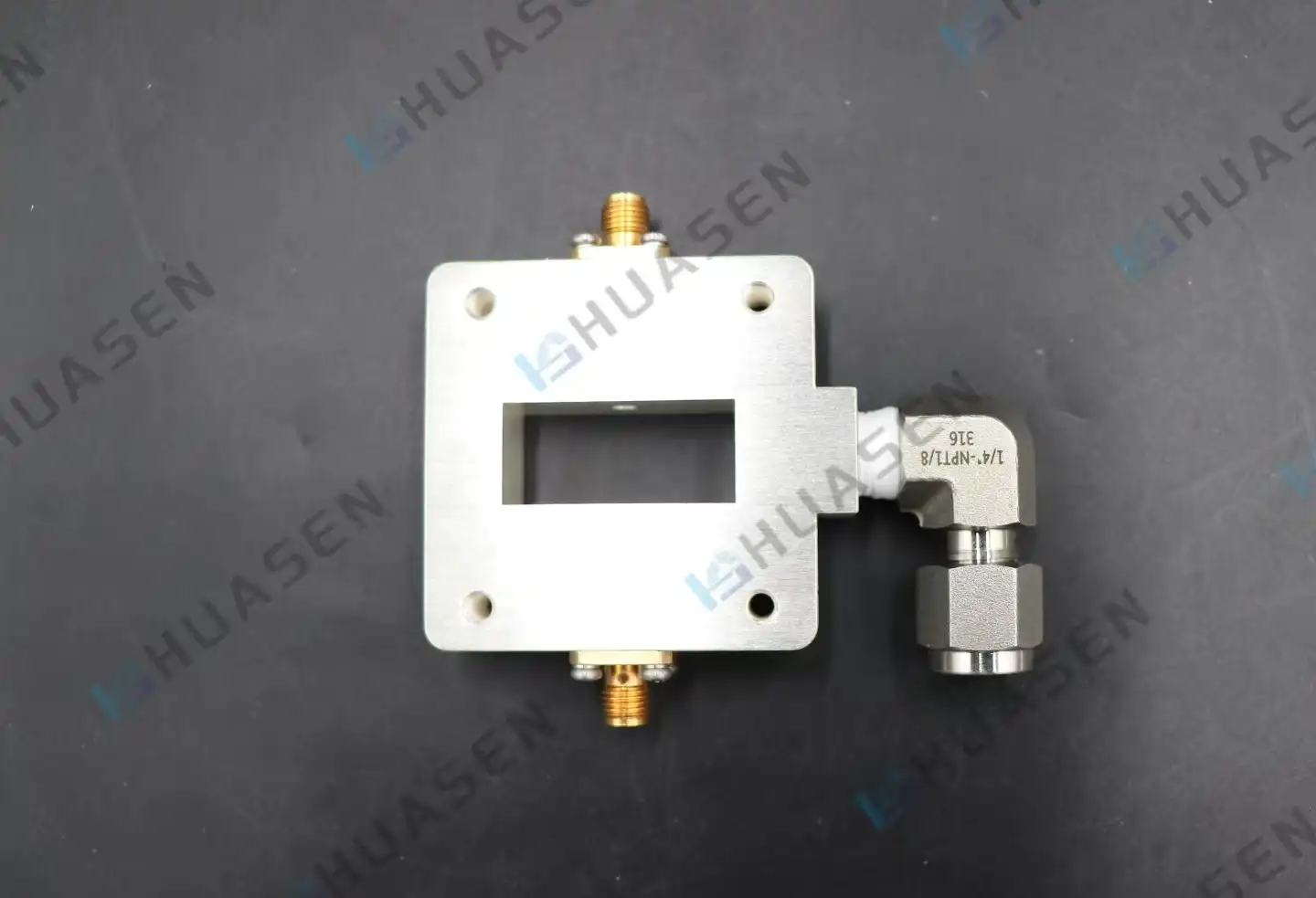
Best Waveguide Probe Coupler for Radar and Microwave Measurement
It is essential to get accurate signal sampling when working with radar systems or microwave measurement tools, without interfering with the main broadcast line. A Waveguide Probe Coupler is that important link. It is a passive device that is designed to take out a controlled part of the electromagnetic signal that is moving through a waveguide. This sample that was taken out lets you watch, calibrate, and find faults in the system without adding a lot of insertion loss or impedance difference. In radar applications, the accuracy of detecting targets depends on the integrity of the signal, and in microwave test labs, the accuracy of measurements determines the validity of the component. Choosing the right coupling device is a strategic decision that affects both operational reliability and cost efficiency. In this guide, we'll look at how these specialized RF transition components help system designers, test engineers, and procurement managers in the defense, aerospace, and telecommunications industries deal with real-world problems. Whether you're expanding a 5G base station network, testing satellite communication ground equipment, or validating radar front-end modules, you can make smart sourcing choices if you know about the technical specs and buying factors.VIEW MORE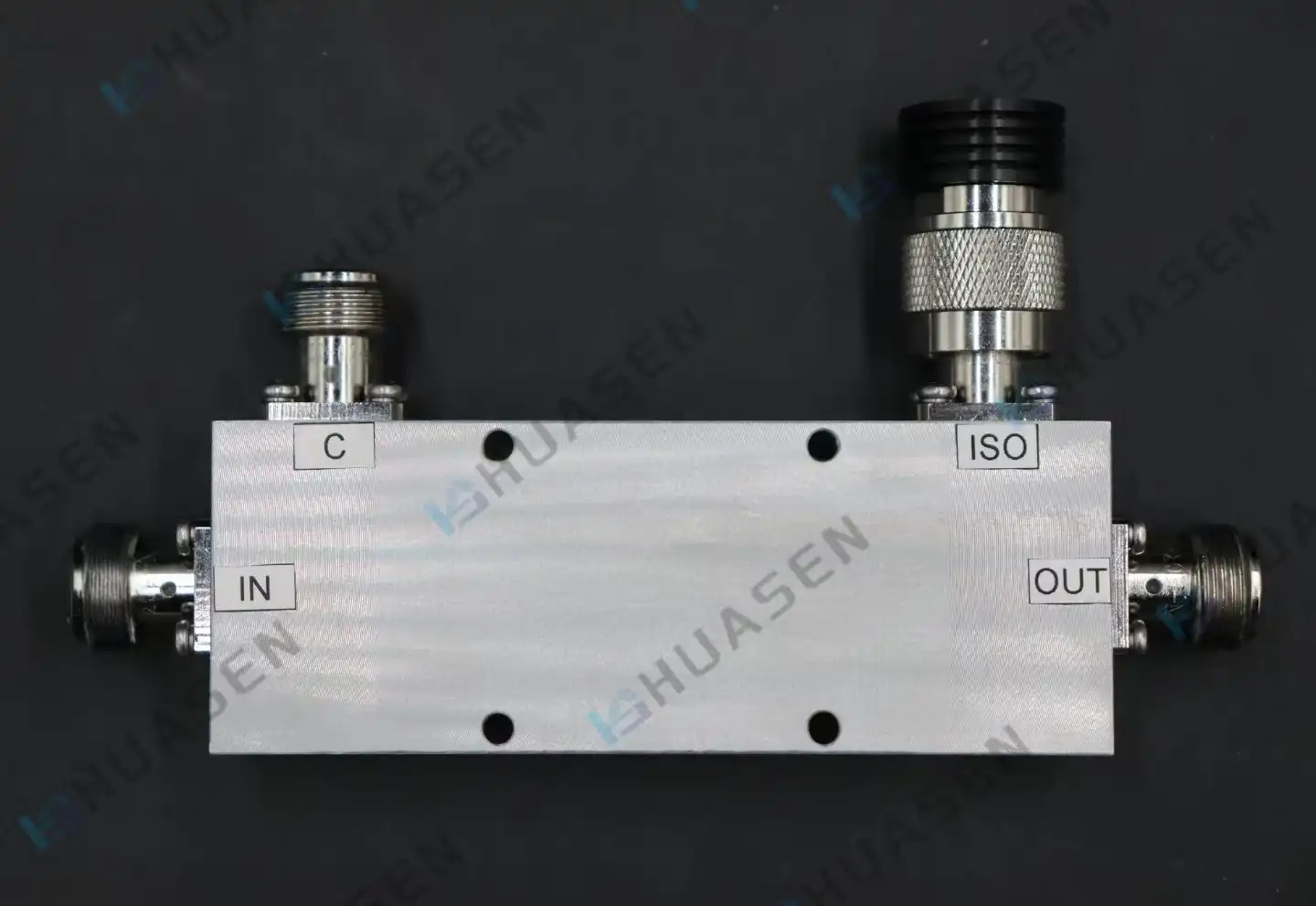
Millimeter Wave Directional Coupler Performance Testing Methods
To get accurate signal sampling, millimeter-wave directional couplers separate a small amount of electromagnetic power moving along transmission lines. They do this while keeping the forward and reflected waves very well separated. In the range from 30 GHz to over 110 GHz, these tools are essential for RF testing, system tracking, and making sure that impedance matching is correct. Important specs like directivity, coupling accuracy, and insertion loss are checked thoroughly during performance testing. These are the kinds of specs that have a direct impact on measurement accuracy in 5G base stations, satellite ground terminals, and aircraft radar systems.VIEW MORE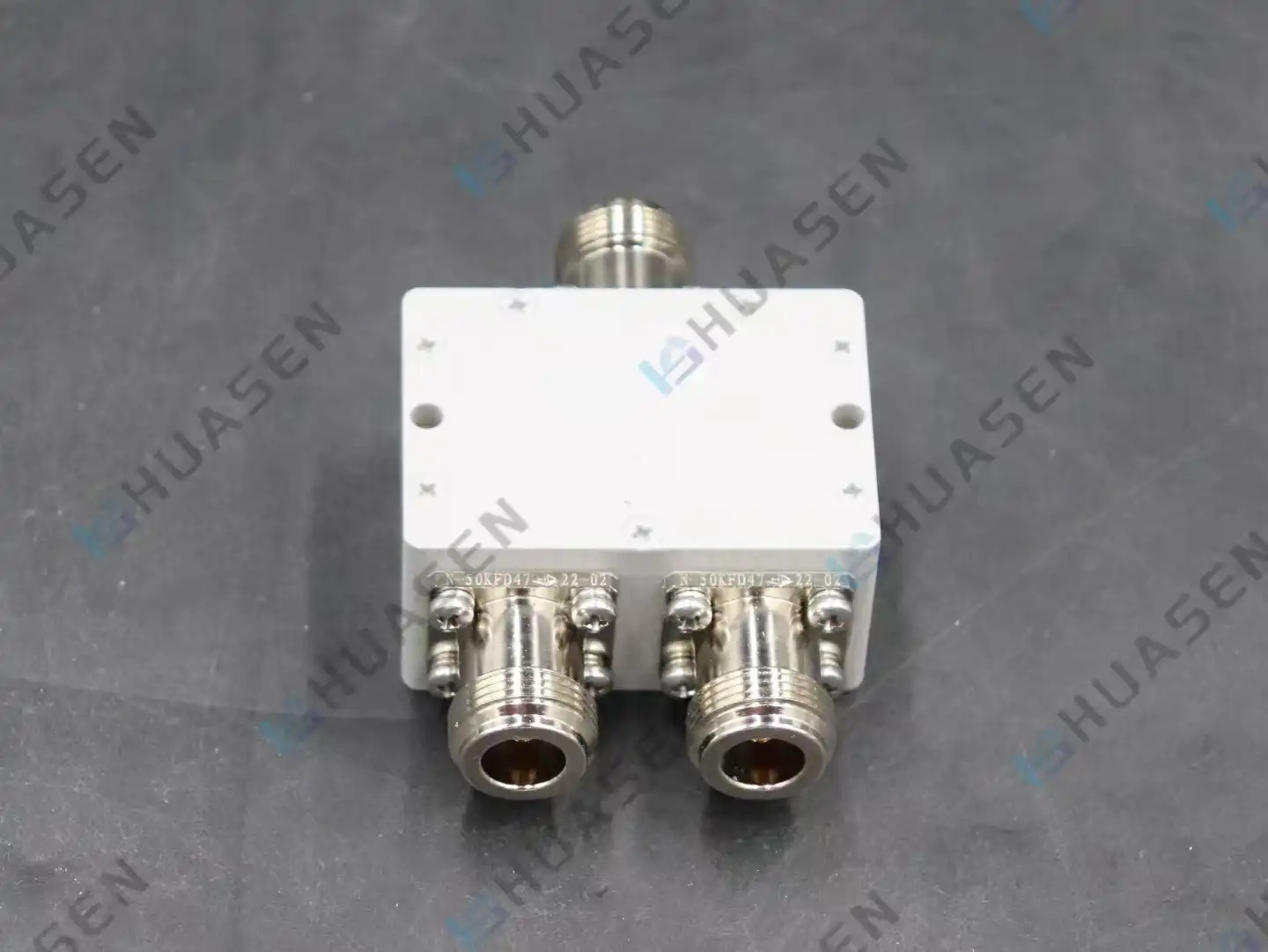
RF Combiner Layout Optimization in Anechoic Chamber Test Environments
RF combiner layout optimization in anechoic chamber test settings includes placing passive combining devices in a way that keeps the signal's integrity and gets rid of unwanted echoes. When an RF combiner combines several signal lines inside a test box that is electromagnetically isolated, the placement of the absorber panels, the shape of the cables, and the placement of the fixtures all have a direct effect on the accuracy of the insertion loss measurements and the port isolation measurements. Operators of test chambers and test engineers often have problems with measurement drift because standard benchtop plans don't directly translate into confined, reflection-free areas. This is because even small metal-surface proximity can cause parasitic coupling.VIEW MORE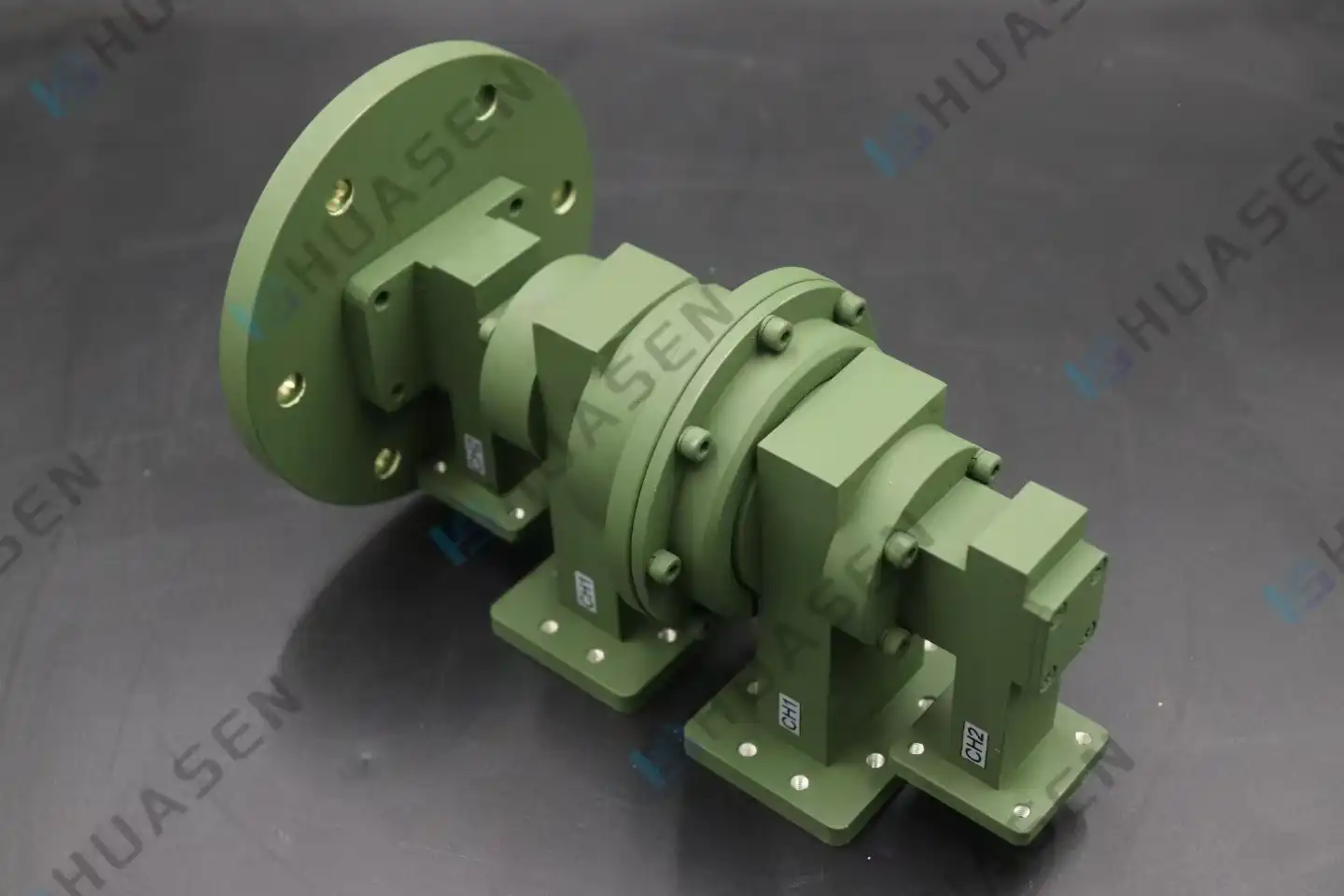
Why Use a Waveguide Rotary Joint in Aerospace RF Applications
A waveguide rotary joint lets RF signals travel without interruption between aircraft platforms with fixed and moving parts, all without affecting the integrity of the signals or the ability to handle power. These precise electromechanical parts solve one of the most important problems in engineering: how to send high-frequency microwave energy across moving surfaces like those found in radar pedestals, satellite communication systems, and monitoring platforms in the air. Traditional coaxial solutions break down when they are rotated indefinitely, but waveguide-based designs keep their low insertion loss and consistent impedance matching even when they are rotated 360 degrees. When system dependability, environmental longevity, and electromagnetic performance directly affect mission success, choosing the right rotary joint design is very important. This guide helps procurement managers, RF engineers, and OEM integrators understand technical specs, judge manufacturing skills, and make choices that are in line with standards in the aerospace industry.VIEW MORE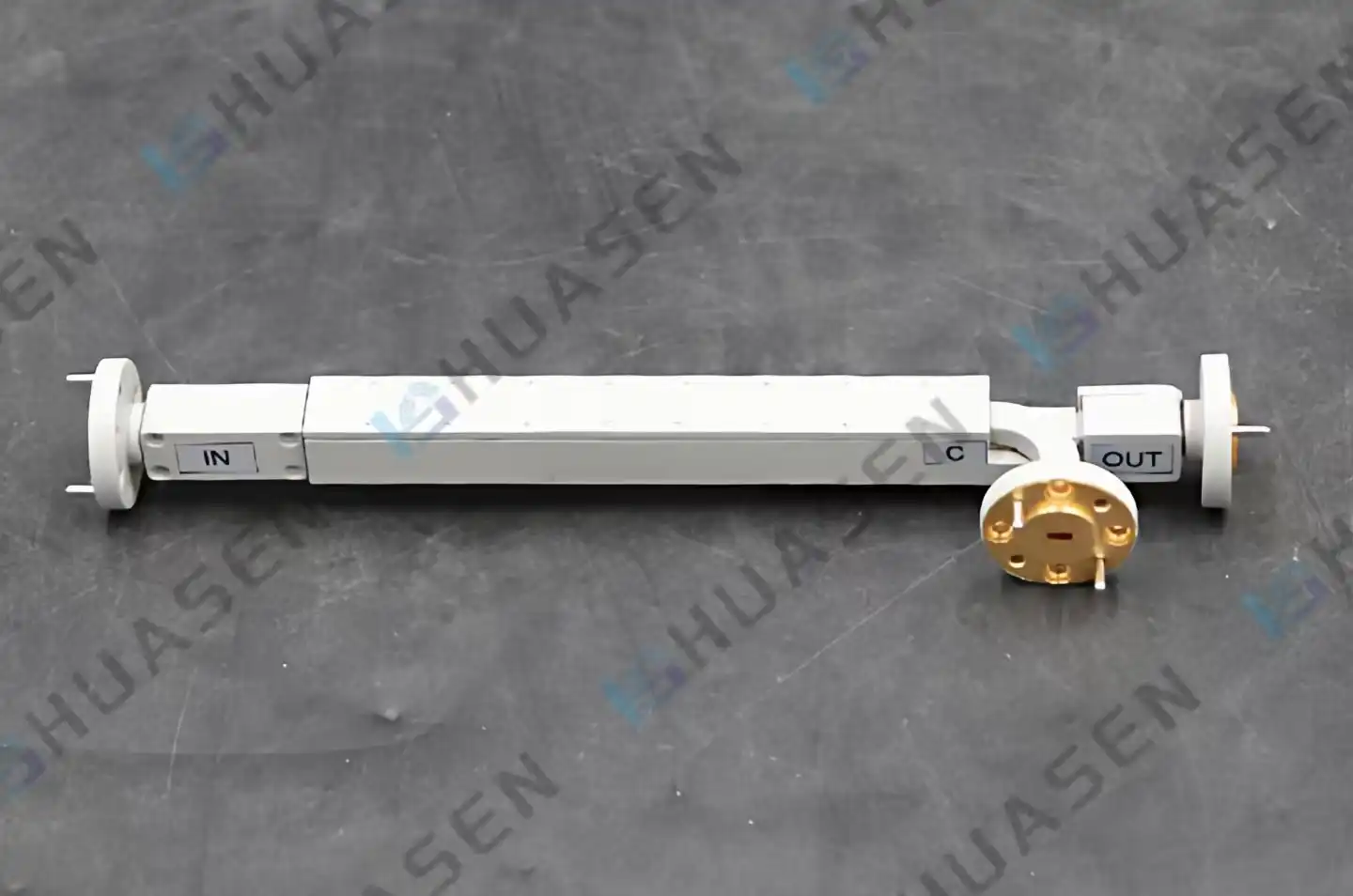
OEM Directivity Coupler Solutions for Custom RF Measurement Systems
When your RF measurement system demands precision signal sampling without compromising system performance, choosing the right directivity coupler becomes mission-critical. Our OEM directivity coupler solutions address the specific challenges faced by system integrators, test equipment manufacturers, and telecommunications providers who require components with exceptional isolation, minimal insertion loss, and reliable power measurement capabilities across wide frequency bands. At Huasen Microwave, we've engineered customizable directivity coupler technologies that transform standard measurement architectures into high-performance, application-specific solutions tailored to your exact technical specifications.VIEW MORE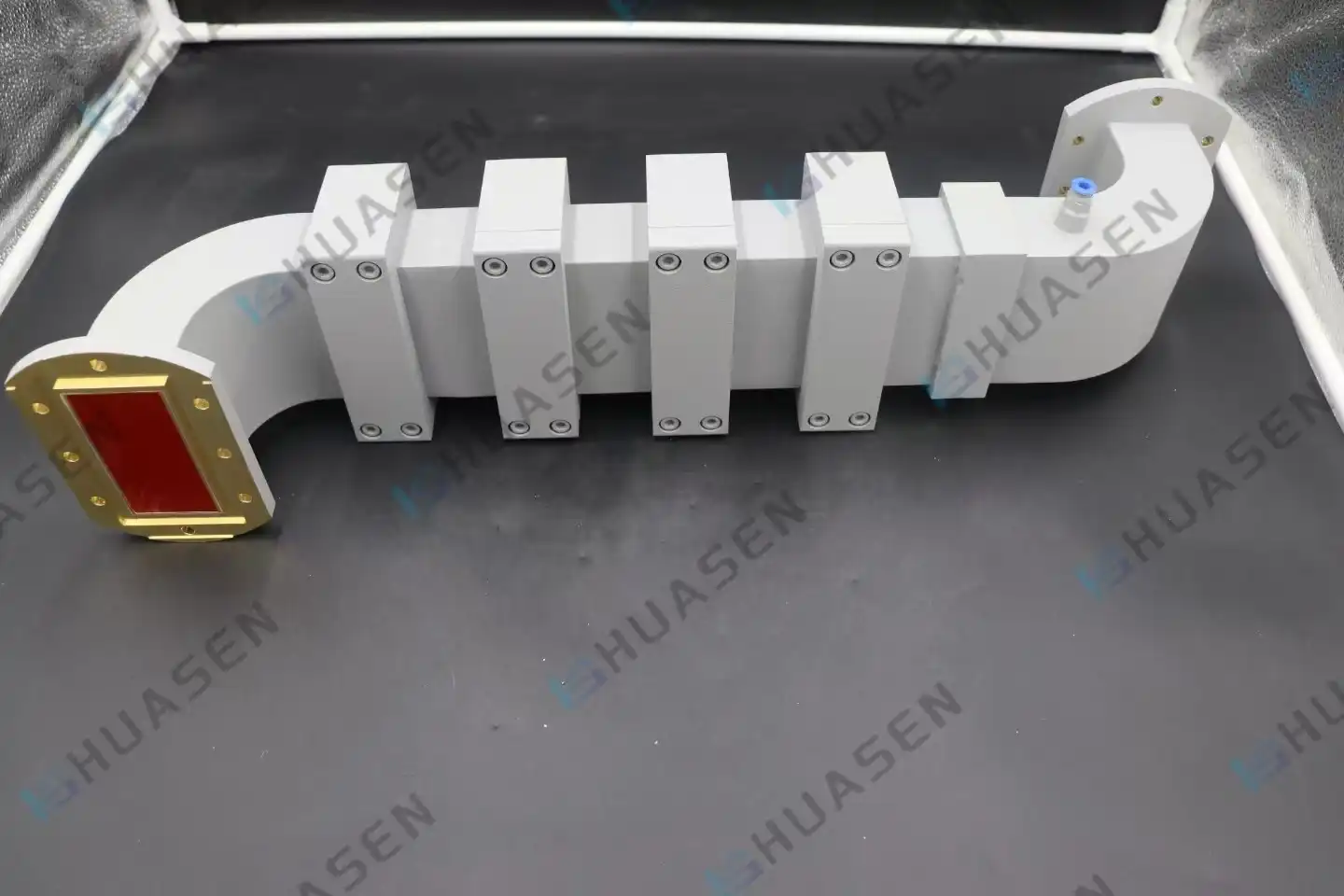
Transport Benefits of Inflatable Waveguide Bend
Every choice is important when sending expensive RF parts across countries. By mixing mechanical strength with safe design, inflatable waveguide bend technology offers unique benefits for transportation. Instead of hard waveguide sections that need to be carefully packed and transported, inflatable bends absorb shock during transport, keep their airtight seal, and are ready to be installed when they arrive. The ability to pressurize keeps the insides dry during long ocean freight trips, and the bendable core can handle small hits from handling. These advantages in transportation directly lead to fewer claims for damage, faster rollout times, and a lower total cost of ownership for equipment makers and system installers around the world.VIEW MORE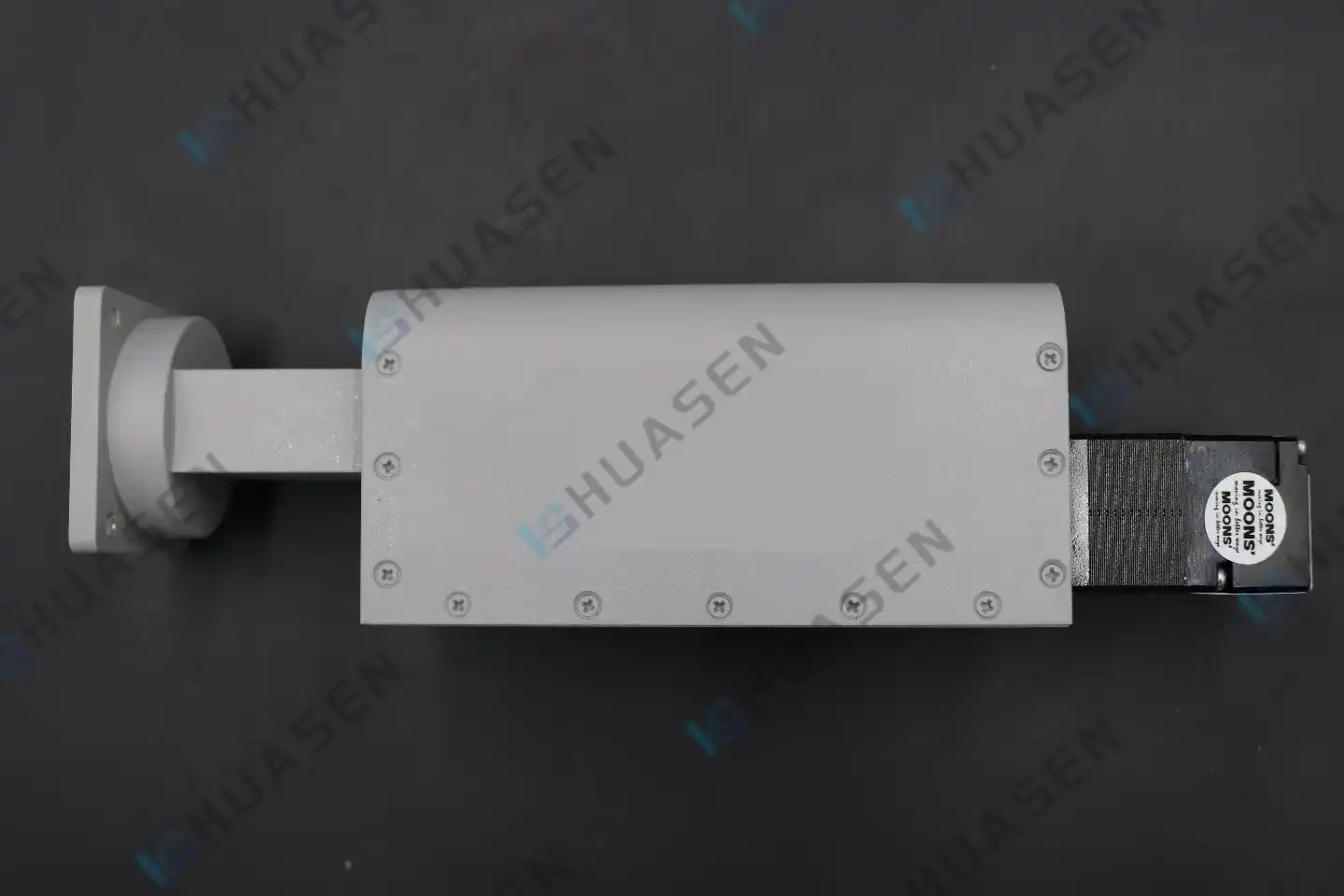
Choosing the Right Materials for Waveguide Short Plates: What You Need to Know
When you choose the materials for a waveguide short plate, it has a direct effect on how well the system works, how accurate the calibration is, and how long it lasts in both RF and microwave applications. A waveguide short plate is a precise termination part that reflects all electromagnetic energy that comes in. It does this by creating a defined reference plane that is important for calibrating a vector network analyzer, terminating a high-power radar port, and tuning a resonant cavity. The choice of material affects how well it conducts electricity, how stable it is at high temperatures under reflected power loads, how well it holds up under thermal cycling, and how well it resists damage from the environment. Aluminum alloys are often used as base materials for aerospace applications that need to be light, and oxygen-free copper is often used for laboratory-grade metrology. Silver or gold plating on the surface can reduce resistive losses at the skin depth. When procurement teams understand these material trade-offs, they can make sure that the specifications of parts meet operational needs while also keeping an eye on costs and the reliability of the supply chain.VIEW MORE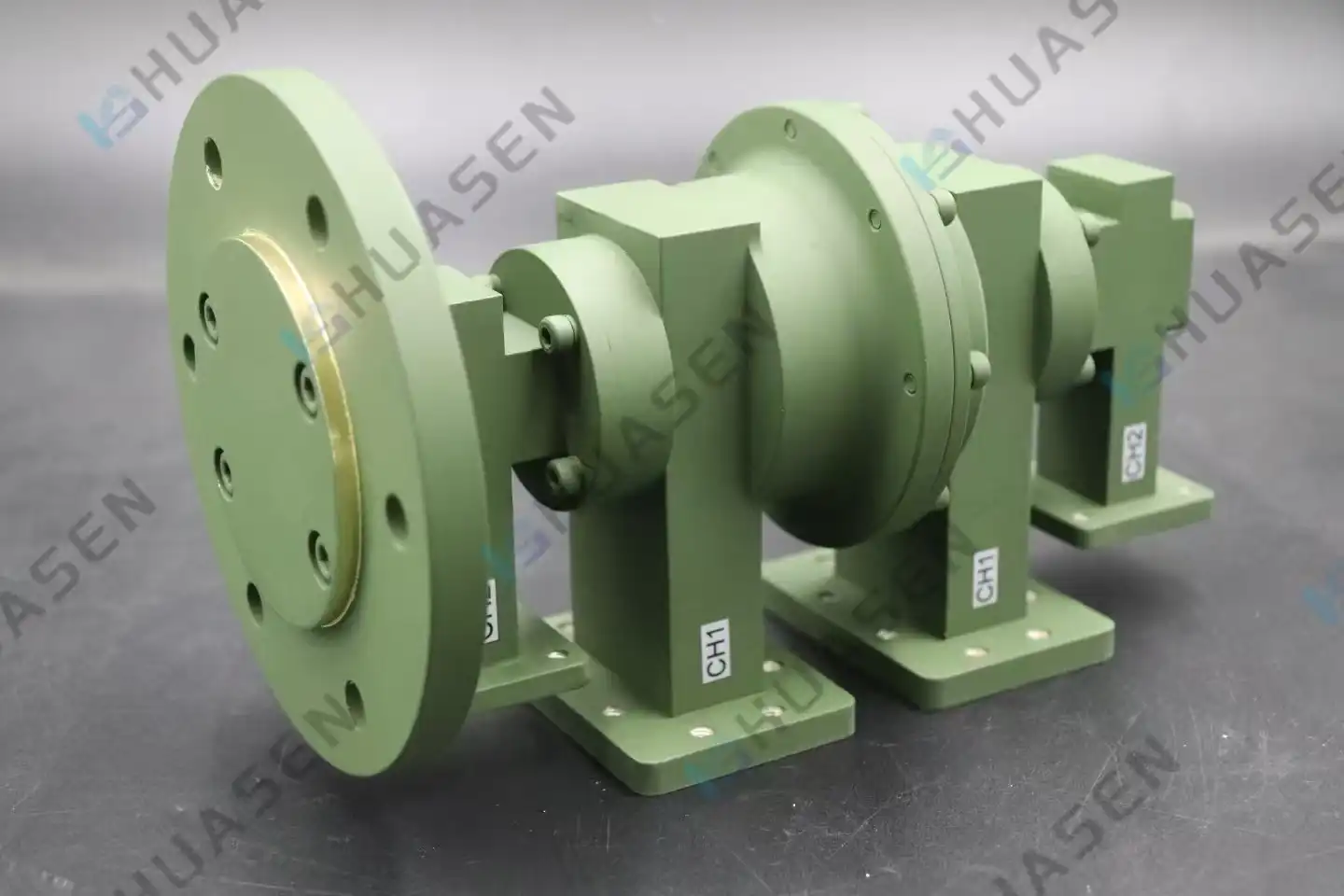
Using Dual Channel Rotary Joints in Radar and Antenna Systems
For radar antennas and satellite communication platforms that need to keep turning while sending signals perfectly, dual-channel rotary joints are the only way to go. These carefully made parts allow for the transmission of two separate RF or microwave signal paths at the same time between structures that are still and those that are moving, without the cables getting tangled up. They make up for lack of space by supporting multiple signal types—like transmit/receive frequencies or dual polarizations—in a single small housing. This stops crosstalk that could hurt system performance in mission-critical situations.VIEW MORE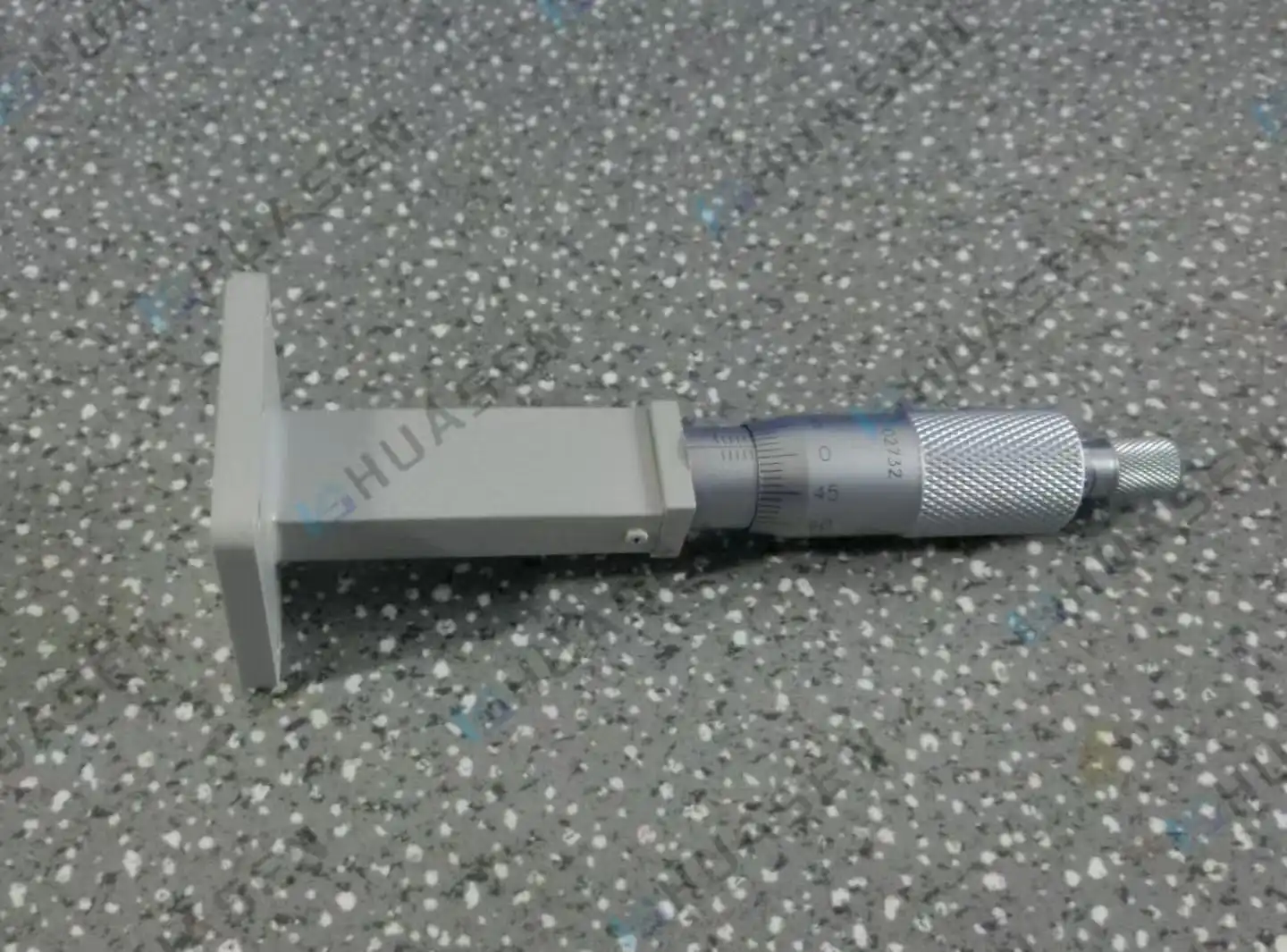
Waveguide Sliding Short Design Tips for Accurate Tuning
To get accurate results in microwave testing, you need parts that have consistent, reliable reflection properties. A Waveguide Sliding Short does just that; it's an adjustable way to end the circuit, and the position of the plunger determines the reflection phase. Engineers can fine-tune impedance matching, calibrate vector network analyzers, and make high-frequency circuits work better by mechanically changing the location of the shorting plane. The Huasen Microwave waveguide sliding short works with frequencies from 0.32 GHz to 112 GHz and has a VSWR of less than 50. It can be adjusted to slide between 10 mm and 300 mm, making it useful for dynamic tuning in radar, aerospace, and telecommunications systems.VIEW MORE
- 1
- 20
- 21
- 22
- 23
- 24
- 60
Total 60 pages