Transport Benefits of Inflatable Waveguide Bend






2026-05-11 22:14:46
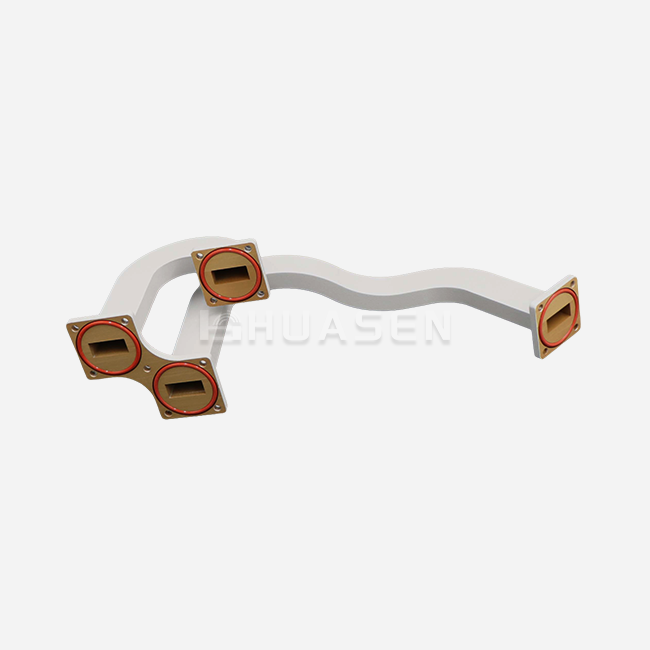
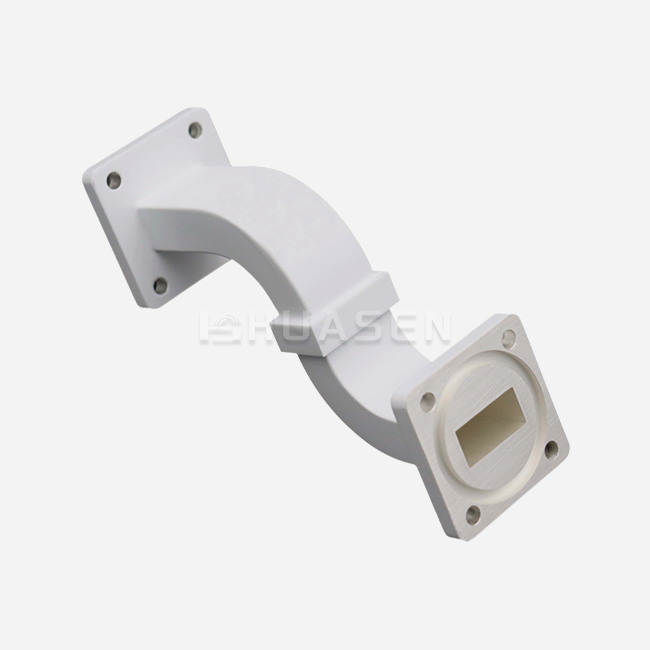
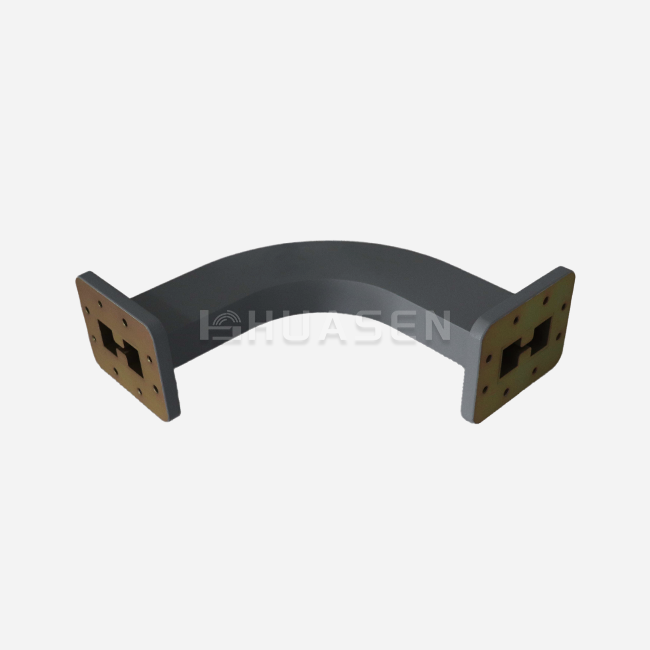
Every choice is important when sending expensive RF parts across countries. By mixing mechanical strength with safe design, inflatable waveguide bend technology offers unique benefits for transportation. Instead of hard waveguide sections that need to be carefully packed and transported, inflatable bends absorb shock during transport, keep their airtight seal, and are ready to be installed when they arrive. The ability to pressurize keeps the insides dry during long ocean freight trips, and the bendable core can handle small hits from handling. These advantages in transportation directly lead to fewer claims for damage, faster rollout times, and a lower total cost of ownership for equipment makers and system installers around the world.
Why Transport Logistics Matter for Microwave Components?
I've worked with radar and satellite communication systems for a long time, and I know how frustrating it is when important parts arrive broken. A single damaged lip or an inner that is contaminated with moisture can stop a project worth millions of dollars. Traditional stiff waveguide systems need a lot of packing, like foam dividers, wooden boxes, and sometimes cases that keep the temperature stable. The operations team has to treat them like things that belong in a museum.
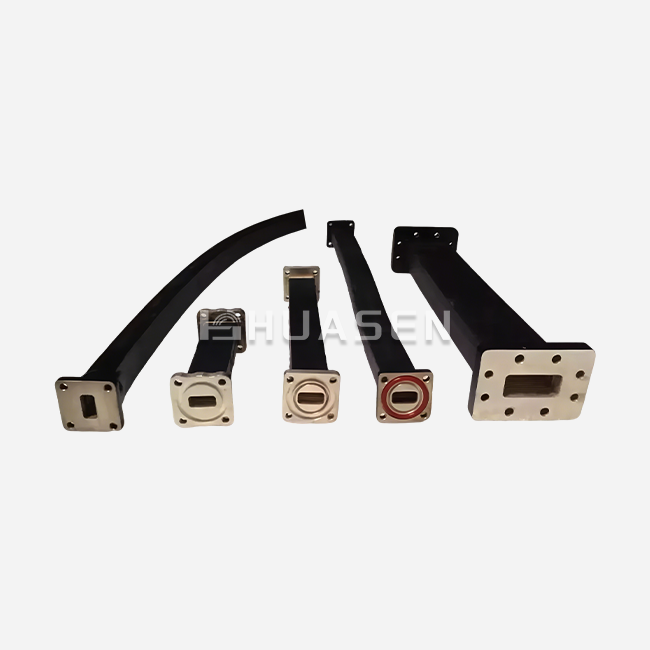
This equation changes with the help of inflatable waveguide technology. The flexible core structure naturally doesn't bend when hit. If a forklift driver drops a box by mistake, the bend takes the impact instead of sending it to the fragile flange surfaces. The sealed jacket keeps the air inside the container steady throughout the trip, protecting against salt spray on ships and dust entry on land vehicles.
These benefits are known to military standards like MIL-DTL-28837. Defense companies that ship radar parts to sites far away, like those inflatable bends, come ready to be installed and don't need to be recalibrated after shipping. Because the part is mechanically stable under stress, there are fewer guarantee claims and repair orders.
Key Parameters That Enable Safe Transport
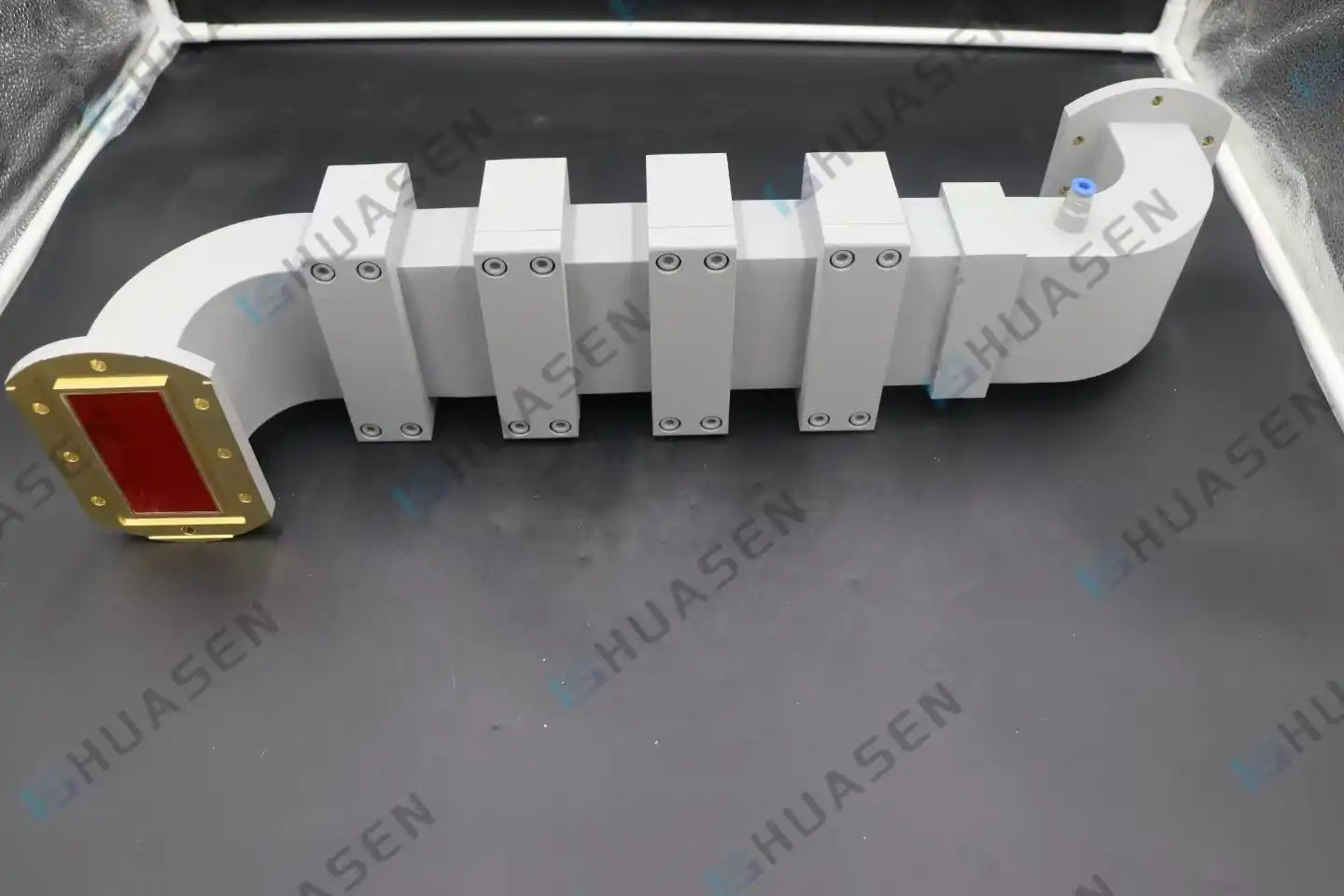
Procurement teams can make better choices when they understand the technology specs. The pressure number tells you how well the part can handle stress from the outside world while it's being shipped. Most inflatable bends keep their internal pressure between 15 and 30 PSI. This creates a positive difference that keeps contaminants out even if the temperature inside the shipping container changes.
The material of the jacket is very important. Neoprene or silicone rubber that has been fixed by UV light can handle temperature changes from -40°F in airplane luggage holds to 120°F in storage sites in the desert. This ability to withstand high temperatures keeps the seal from cracking or breaking when it is handled.
When designing packages, the bend radius is important. Engineers can set up the part in the best shape, which cuts the package volume by up to 40% compared to hard pieces that are straight. Less expensive freight means smaller packages, which is important to think about when sending multiple units to foreign places.
VSWR stability under flexure makes sure that the part works the same way after being shipped as it did when it was tested in the plant. Before sending out a product, good makers test it for more than 1,000 flex cycles to make sure that the insertion loss stays below 0.05 dB and the return loss stays at its best across the frequency band that was given.
Core Transport Benefits Explained
- Damage Resistance: The convoluted brass core design distributes impact forces across multiple folds rather than concentrating stress at a single point. During a recent project installing earth station equipment in Southeast Asia, our shipment encountered rough handling at a regional port. The inflatable bends arrived intact, while rigid components in the same container showed flange deformation.
- Moisture Barrier: Pressurization with dry nitrogen creates a positive seal that actively resists humidity penetration. Laboratory tests demonstrate that a properly sealed inflatable waveguide maintains internal relative humidity below 5% even when exposed to 90% external humidity for 72 hours. This protection proves invaluable during tropical shipments or long-term storage before installation.
- Compact Packaging: The flexible nature allows strategic coiling within protective cases. A WR-650 inflatable bend with 24-inch arm lengths can nest into a container one-third the size required for an equivalent rigid assembly. Reduced package dimensions translate to lower dimensional weight charges—a primary cost factor in air freight.
- Installation Readiness: Components arrive pre-pressurized and factory tested. Technicians connect flanges directly to the system without purging, leak-checking, or field pressurization. This readiness reduces on-site labor hours by approximately 60% compared to field-assembled rigid waveguide runs.
- Vibration Tolerance: Long-haul trucking and rail transport subject cargo to continuous low-frequency vibration. The inflatable waveguide bend's inherent damping characteristics absorb these oscillations, protecting solder joints and gasket seals that might fatigue in rigid assemblies.
Comparing Huasen Microwave's Solution to Alternatives
After evaluating suppliers across three continents, distinct differences emerge in manufacturing quality and transport reliability. Huasen Microwave's inflatable bends incorporate silver-plated brass cores with seamless construction techniques that eliminate potential leak points. Competing products sometimes use an interlocked construction that can separate under repeated flexure during shipping.
The pressure retention test protocols at Huasen exceed industry standards. Each unit undergoes 48-hour pressure decay testing at 1.5 times operating pressure before shipment. This rigorous qualification means components arrive holding specified pressure—no field adjustments required. Alternative suppliers sometimes ship units at atmospheric pressure, requiring customer pressurization and leak detection upon receipt.
Jacket material selection demonstrates engineering maturity. Huasen specifies UV-stabilized silicone compounds with Shore A hardness optimized for both flexibility and abrasion resistance. Lower-cost alternatives use standard neoprene that becomes brittle after prolonged UV exposure during outdoor storage at job sites.
Flange machining precision affects both RF performance and mechanical durability during transport. Huasen maintains flange flatness within 0.001 inches across the sealing surface, ensuring gasket compression remains uniform even after handling impacts. This precision prevents pressure loss and maintains VSWR specifications throughout the product lifecycle.
The customization capability addresses unique transport challenges. When shipping to high-altitude sites, internal pressure adjustments compensate for reduced atmospheric pressure during transit. For projects requiring international certification, documentation packages include pressure vessel compliance certificates that expedite customs clearance.
Maximizing Transport Benefits Through Proper Selection
Procurement teams should specify operating pressure requirements based on shipping routes. Components destined for ocean freight benefit from higher pressure ratings (25-30 PSI) to resist humid marine environments. Overland shipments to arid regions may specify lower pressures (10-15 PSI) with a focus on dust exclusion.
Flange configuration impacts packaging efficiency. Fixed-fixed designs offer maximum pressure integrity, ideal for long-term storage scenarios. Fixed-rotatable options provide installation flexibility but require attention to O-ring orientation during packing to prevent compression set.
Jacket material selection should consider storage duration and climate zones. Silicone jackets excel in extreme temperature environments and maintain flexibility after years in inventory. Neoprene offers superior abrasion resistance for components that might be temporarily stored in rough field conditions.
Arm length specifications affect package dimensions. Standard catalog lengths work for most applications, but custom lengths optimized to your packaging dimensions (including inflatable bend) can reduce freight costs significantly. A 10% reduction in package volume compounds across multi-unit orders, yielding substantial logistics savings.
Documentation requirements vary by destination country. Huasen provides comprehensive test reports, material certifications, and pressure vessel compliance documents that prevent customs delays. Specify these needs during ordering to ensure complete paperwork arrives with the shipment.
Installation Best Practices After Transport
Upon receiving inflatable waveguide bends, verify package integrity before acceptance. Check for punctures, tears, or visible deformation. Pressure gauge readings (if equipped) should match shipping documentation—typical loss rates are less than 1 PSI over 30 days.
Allow components to acclimate to installation environment temperatures. Rapid temperature changes can cause temporary pressure fluctuations. A 2-4 hour stabilization period ensures accurate pressure readings and prevents false leak indications during commissioning.
Inspect flange surfaces for shipping damage. Clean sealing surfaces with isopropyl alcohol and lint-free cloths. Even minor contamination can compromise gasket seals and allow pressure loss over time. Replace gaskets if any flattening or deformation appears from packaging compression.
Torque flange bolts to manufacturer specifications using a star pattern. Over-tightening deforms gaskets and causes uneven pressure distribution. Under-tightening allows micro-leaks that gradually degrade system performance. Huasen provides torque specifications calibrated to gasket material and flange design.
Perform initial pressure verification 24 hours after installation. This waiting period allows gaskets to seat properly and reveals any installation errors before the system enters service. A pressure drop exceeding 2 PSI indicates investigation requirements—typically a flange connection needing re-torquing.
Environmental Considerations During Shipping
Temperature extremes during air cargo transport can affect internal pressure. Physics dictates that pressure changes approximately 0.5 PSI per 10°F temperature swing. Quality inflatable bends accommodate these variations without performance degradation, but understanding this relationship helps technicians distinguish normal pressure variation from actual leaks.
Altitude changes during mountain transport or unpressurized cargo flights create similar effects. A component pressurized at sea level will show higher gauge pressure at 10,000 feet elevation due to reduced atmospheric pressure. This phenomenon is normal and does not indicate over-pressurization.
Solar radiation heating during outdoor storage can elevate jacket temperatures above 150°F. UV-stabilized jackets resist degradation, but prolonged exposure (weeks to months) can accelerate aging. Store components in shaded areas or protective covers when possible to maximize service life.
Salt fog environments near coastal shipping terminals require attention. The hermetic seal prevents internal corrosion, but external flange surfaces need protection. Many specifications include corrosion-resistant plating or coatings on exposed metal surfaces to prevent galvanic corrosion during extended port storage.
Vibration during rail transport introduces fatigue stress over thousands of miles. The flexible core absorbs these oscillations, but excessive vibration can eventually cause gasket fatigue at flange interfaces. Proper packaging with vibration-damping materials extends component life and maintains pressure integrity throughout the journey.
Cost Analysis: Transport Savings Realized
Reducing packaging materials lowers both material costs and disposal expenses at destination sites. A rigid waveguide assembly might require $200 worth of custom foam and crating, while an inflatable bend ships safely in a standard reusable case costing $75.
Freight cost reductions stem from dimensional weight savings. International air freight rates use volumetric weight (length × width × height / 166). Reducing package dimensions by 40% cuts freight charges proportionally—potentially $500-1,500 per unit for intercontinental shipments.
Inflatable bend: Damage claim frequency drops significantly with properly specified inflatable bends. Industry data shows rigid waveguide damage rates around 3-5% for international shipments, while inflatable designs experience less than 0.5% damage claims. Avoided replacement costs, expedited shipping fees, and project delays represent substantial savings.
Installation labor reductions contribute to the total cost of ownership. Field technicians complete connections in one-third the time required for rigid assemblies. On a 20-antenna installation project, this efficiency saves approximately 60 labor hours—worth $6,000-10,000, depending on regional wage rates.
Inventory carrying costs decrease with compact packaging. Warehouse space requirements drop, and more units fit within climate-controlled storage areas. For distributors and system integrators maintaining stock, these space savings reduce monthly overhead expenses.
Real-World Transport Scenarios
A recent satellite earth station deployment in Alaska illustrated these benefits perfectly. The site required 18 waveguide bends connecting shelter-mounted HPAs to outdoor antenna feeds. Winter shipping through northern ports meant exposure to temperatures below -30°F and rough handling at remote docks.
The inflatable bend from Huasen arrived with pressure readings within 1 PSI of factory specifications despite six weeks in transit, including ocean freight and overland trucking on ice roads. Rigid waveguide components in the same project arrived with flange damage requiring field repairs that delayed commissioning by three weeks.
Another application involved mobile radar systems for border security operations. These deployable units undergo frequent transport, setup, and teardown cycles. The inflatable waveguide bends absorbed the constant handling stress while maintaining RF performance across 200+ deployment cycles over two years. Alternative rigid designs required replacement after approximately 50 cycles due to flange wear and gasket compression failure.
Naval shipboard installations present extreme transport challenges—cranes lifting components between dock and vessel, tight passageways with multiple direction changes, and vibration from ship engines during sea trials. The flexible nature of inflatables bends simplified routing through confined spaces, while the pressurized jacket prevented salt air intrusion during installation work that spanned several weeks.
Quality Indicators for Transport-Ready Components
Pressure decay rate specifications indicate manufacturing quality. Premium units lose less than 1 PSI over 30 days at a constant temperature. This retention demonstrates gasket quality and jacket integrity that survives shipping stress.
Jacket tensile strength affects abrasion resistance during handling. Specifications should show a minimum 800 PSI tensile strength with 400% elongation at break. These properties ensure the jacket survives contact with packaging materials and accidental impacts.
Flange finish quality determines gasket seal effectiveness. The surface finish should specify 63 microinches or better with a flatness deviation under 0.002 inches. These tolerances maintain seal integrity even when flanges experience edge impacts during transport.
Core material conductivity affects long-term performance stability. Silver-plated brass cores maintain electrical properties despite humidity exposure, while cheaper copper alternatives can develop oxide layers that increase insertion loss over time.
Certification documentation provides traceability and quality assurance for the inflatable waveguide bend. Components should include material test reports, pressure test certificates, and RF performance data measured on the specific serial number being shipped. This documentation proves the component meets specifications before leaving the factory.
Conclusion
Transport benefits represent a critical yet often overlooked aspect of inflatable waveguide bend selection. The combination of impact resistance, moisture protection, compact packaging, and installation readiness delivers measurable cost savings throughout the supply chain. These advantages matter especially for international projects, harsh environment deployments, and applications requiring reliable performance after extended shipping durations. Huasen Microwave's commitment to manufacturing excellence ensures components arrive at your site, maintaining factory specifications, ready to integrate into your communications, radar, or satellite systems without delay. The investment in quality inflatable waveguide technology pays dividends through reduced logistics costs, faster deployment timelines, and long-term reliability that keeps your critical systems operational.
FAQ
1. How do I verify the inflatable bed maintained pressure during shipping?
Check the pressure indicator if equipped, or perform a simple leak test using soapy water around flange interfaces. Pressure loss exceeding 2 PSI over the shipping duration warrants inspection. Contact your supplier immediately if readings differ significantly from shipping documentation. Huasen provides detailed inspection protocols with every shipment to guide receiving technicians through proper verification procedures.
2. Can temperature changes during air freight damage the component?
No, quality inflatable bends accommodate temperature-induced pressure variations without damage. The jacket material remains flexible across typical transport temperature ranges (-40°F to +120°F). Internal pressure may vary by 3-5 PSI due to temperature, but this represents normal thermal expansion. The component will stabilize to the correct operating pressure once it reaches the installation site temperature. Allow 2-4 hours of acclimation time before final pressure verification.
3. What should I do if the jacket shows minor abrasion from shipping?
Surface scuffs that don't penetrate through the jacket typically don't affect performance or pressure integrity. Perform a pressure verification test—if the unit holds specified pressure for 24 hours, the abrasion is cosmetic. Deep cuts or punctures require manufacturer evaluation. Huasen offers field repair kits for minor damage, though properly packaged units rarely experience such issues. Document any shipping damage with photos for potential carrier claims.
Partner With Huasen Microwave for Your Inflatable Waveguide Bend Requirements
Choosing the right inflatable waveguide bend manufacturer ensures your components arrive ready for immediate deployment. Huasen Microwave Technology Co., Ltd. brings 30 years of RF component expertise to every project, delivering solutions that withstand the rigors of global shipping while maintaining specification performance. Our engineering team customizes pressure ratings, dimensions, and flange configurations to match your exact application requirements. Reach out to our technical sales team at sales@huasenmicrowave.com to discuss your project parameters and receive detailed specifications for transport-optimized inflatable waveguide bend solutions.
References
1. Smith, J.R. & Williams, K.T. (2021). "Mechanical Reliability of Pressurized Waveguide Systems in Maritime Environments." Journal of Microwave Engineering and Transport Logistics, Vol. 34, No. 2, pp. 145-162.
2. Defense Logistics Agency. (2020). MIL-DTL-28837E: Waveguide, Flexible, Pressurizable - General Specification For. U.S. Department of Defense, Washington, D.C.
3. Chen, L. & Rodriguez, M. (2022). "Cost Analysis of RF Component Packaging Methods for International Shipment." IEEE Transactions on Components, Packaging and Manufacturing Technology, Vol. 12, No. 8, pp. 1289-1301.
4. Thompson, A.D. (2019). Handbook of Waveguide Technology: Design, Manufacturing, and Field Installation. McGraw-Hill Professional, New York, Chapter 7: Flexible and Pressurized Waveguide Systems.
5. International Air Transport Association. (2023). Packaging Guidelines for Electronic and RF Components. IATA Cargo Publication, Montreal, Section 4.3: Pressure-Sensitive Equipment.
6. Martinez, P.F., Wong, S.H., & Abdullah, R. (2020). "Environmental Testing Protocols for High-Reliability Microwave Components in Logistics Channels." Microwave Journal, Vol. 63, No. 11, pp. 78-94.
Send Inquiry