Why Use a Waveguide Rotary Joint in Aerospace RF Applications






2026-05-12 23:23:17
A waveguide rotary joint lets RF signals travel without interruption between aircraft platforms with fixed and moving parts, all without affecting the integrity of the signals or the ability to handle power. These precise electromechanical parts solve one of the most important problems in engineering: how to send high-frequency microwave energy across moving surfaces like those found in radar pedestals, satellite communication systems, and monitoring platforms in the air. Traditional coaxial solutions break down when they are rotated indefinitely, but waveguide-based designs keep their low insertion loss and consistent impedance matching even when they are rotated 360 degrees. When system dependability, environmental longevity, and electromagnetic performance directly affect mission success, choosing the right rotary joint design is very important. This guide helps procurement managers, RF engineers, and OEM integrators understand technical specs, judge manufacturing skills, and make choices that are in line with standards in the aerospace industry.
Understanding the Fundamentals of Waveguide Rotary Joints in Aerospace
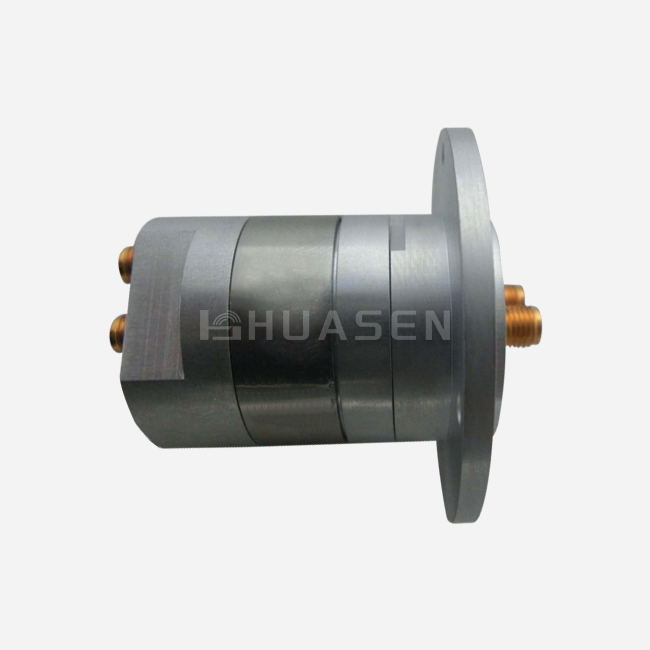
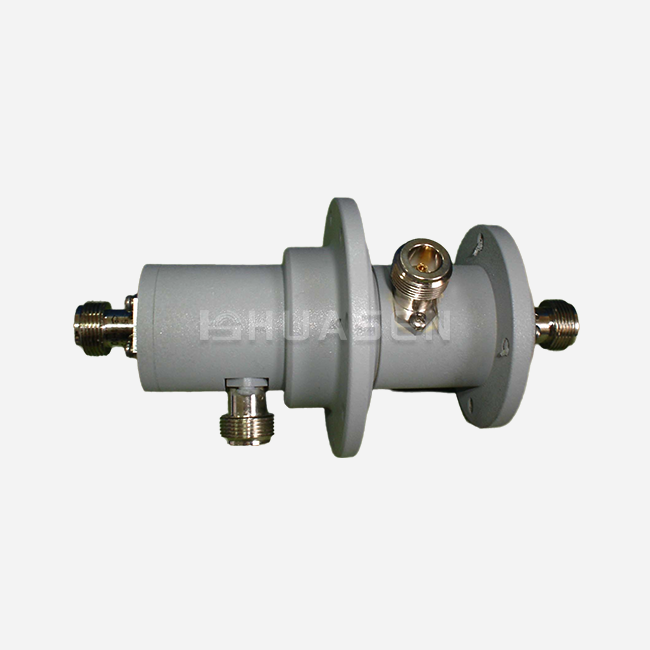
Aerospace RF systems need to send signals all the time, even when antenna units or sensor arrays are turning to keep an eye on targets or keep satellite links open. This is done by a waveguide rotary joint, which changes rectangular waveguide modes into rotationally symmetric circular modes (usually TE11 or TM01) that move through a precisely machined spinning channel without the moving and stationary parts touching each other. The design that doesn't make contact with anything gets rid of the mechanical wear and electrical noise that sliding contacts in slip ring assemblies cause.
Operating Principles and Mode Conversion
Electromagnetic field change is what makes the main function work. There is a smooth change from rectangular waveguide sections that feed stationary ports to circular waveguide shapes that keep the field direction no matter where they are rotated. In more advanced designs, choke flanges are used to make capacitive coupling across the air gap. This stops RF leaks while still letting the component rotate freely. This way of engineering keeps the phase and intensity of the signals stable, which is important for phased array radar systems and precision tracking.
Frequency Band Coverage and Specifications
These days, spacecraft can work on more than one radio band at the same time. X-band devices (8–12 GHz) are used for weather radar and fire control. Ku-band (12–18 GHz) and Ka-band (26.5–40 GHz) bands are used for satellite communications and high-resolution imaging radar. Most single-channel rotary joints cover a single standard waveguide band and have a VSWR of less than 1.3:1 and an insertion loss of less than 0.3 dB. Double ridge setups greatly increase bandwidth, with some types covering 6–18 GHz or 18–40 GHz in single assemblies. This meets the needs of multifunctional RF systems in airborne sites with a limited area.
Power Handling Requirements
In burst operation, aerospace radar emitters can produce peak power levels of more than a few megawatts. The average power that standard atmospheric pressure joints can handle is between 200W and 2kW, for arotary waveguide joint, but this depends on the frequency and waveguide size. When dry air or sulfur hexafluoride is used in pressurized designs, the power capacity goes up by three to five times. This helps long-range radar monitoring and electronic warfare systems that need a lot of power. Aerospace-grade parts are different from commercial ones because they can easily lose heat while keeping pressure seals even when they are vibrating and going through thermal cycles.

Performance and Design Advantages Over Alternative Technologies
When looking at different transmission line choices for rotating surfaces, waveguide rotary joints offer clear benefits that directly meet the needs of flight operations. Coaxial rotary joints have trouble above 18 GHz because of differences in size and circuit losses. Slip ring assemblies, on the other hand, make electrical noise and need to be serviced often. It is built into hollow waveguide structures to allow higher power transfer with lower loss per unit length.
Superior Power Density and Thermal Management
Instead of collecting current in the center conductors, the hollow metallic structure spreads electromagnetic fields over large cross-sectional areas. This shape lowers the chance of power failure and resistive heating. When transmit duty cycles hit 10 to 30 percent in high-power radar systems, thermal buildup shortens the life of parts. Waveguide joints made of aluminum alloys and silver-plated contact surfaces keep junction temperatures below 85°C even when they are used continuously, which means that the average time between failures is now over 50,000 hours.
Reduced Insertion Loss and Signal Integrity
Every decibel of insertion loss means that the detecting range is shorter or more transmission power is needed. When it comes to usable bands, good single-channel waveguide joints have insertion loss between 0.15-0.30 dB, which is a lot less than coaxial versions, which have insertion loss of around 0.8-1.2 dB at similar frequencies. The change in VSWR during spin, called "wow," stays below 0.05:1 in precision-machined units. This keeps the antennas matched and stops reflected power from damaging solid-state receivers worth hundreds of thousands of dollars.
Environmental Robustness and Longevity
Temperatures can range from -55°C to +85°C on aerospace platforms. They also have to deal with changes in pressure caused by altitude, rust from salt spray, and vibrations of more than 20G. Here are the main benefits of building a waveguide in these situations:
- Non-contacting design: Gets rid of brush wear and arcing issues that come with slip rings, so maintenance plans can be stretched out over several years instead of every three months.
- Corrosion-resistant materials: Aluminum metals that have been coated with chromate or nickel can stand up to decades of contact with salt water or the ocean.
- Sealed pressure chambers: IP67-rated shelters keep out moisture, which can cause arcing and fatal failure right away in high-power settings.
- Vibration tolerance: Even though the machine is vibrating continuously at 20 to 2000 Hz, the rigid mechanical connection through precision bearings keeps the line within micrometers.
In situations where field repair costs are many times higher than component purchase prices, these features are necessary for military fire control radar, airborne early warning systems, and communication links for robotic aerial vehicles. Manufacturers who work with defense companies show that they are following the rules by putting their products through approval tests that follow MIL-DTL-3928 and MIL-STD-810 environmental standards. These tests show that the products can handle shock, vibration, and temperature changes.
Broadband Capability Through Ridge Loading
Due to cutoff frequency limits, a traditional rectangular waveguide rotary waveguide jointcan only work with frequency ratios of 1.5:1. There are metal ridges inside double-ridge waveguide rotary joints that lower the cutoff frequency while keeping single-mode transmission, which makes it possible to get 3:1 bandwidth ratios. A WRD-750 double ridge joint works in the 2.6-7.8 GHz range and lets you use both L-band and S-band at the same time in a single small setup. This feature gets rid of multiple separate joints, which cuts the system's weight by 40–60% and makes RF plumbing easier in aircraft nose cones and ship mast installs with limited room.
Procurement Considerations and Supplier Selection Guide
To get a waveguide rotary joint for aircraft integration, they need to be looked at in more detail than what is described in the catalog. Suppliers that can support program lifecycles that last 20 to 30 years are different from catalog vendors offering business markets in terms of manufacturing quality, supply chain stability, and technical support capabilities.
Quality Certifications and Manufacturing Standards
Aerospace supply chains need AS9100 certification to show that they have quality control systems that meet the needs of both flight and military. This certification system makes sure that raw materials can be tracked, that inspection methods are followed during production, and that final test results are recorded. Suppliers should give test results for each individual part, such as swept frequency VSWR measures, power handling approval, and rates of pressure loss for sealed units. Instead of relying on standard catalog items, ask for proof that the company can make low-volume, unique setups.
Customization Capabilities and Engineering Support
Most aerospace projects need to change parameters to fit special installation needs or performance standards. Needs for customization often include: changing the flange contact between UG and PDR patterns or adding coaxial adapters for mixed systems; Optimization of frequencies in non-standard bands for secret uses or international spectrum sharing; Designs for mounting brackets that can fit different base shapes and meet load distribution needs; Better thermal control by adding a forced air cooling or liquid cooling jacket. Requests for changes are answered within 4 to 6 weeks by suppliers who have their own RF design teams and precision machining facilities, but it takes 12 to 16 weeks for suppliers who rely on networks of subcontractors. Ask an expert for help during the review phase to check the technical depth and responsiveness that will determine the success of the program during the integration and sustainment phases.
Warranty Terms and Long-Term Support
Commercial warranties that last between 12 and 24 months aren't enough for aircraft bases that need to last 25 years. Talk about getting an additional guarantee that covers hidden manufacturing flaws for five years, with clear terms for when repairs will be done and when loaner units will be available. Set up framework deals that spell out how to handle obsolescence, keep track of which parts are available throughout the lifecycle of a program, and rethink help if base materials stop being available because of changes in regulations.
Pricing Models and Total Cost Analysis
Standard X-band single-channel joints cost $8,000 per unit, waveguide joints while special Ka-band pressurized units with built-in tracking systems cost $45,000 per unit. When buying 10 or more units at once, you can usually get a 15–25% discount. However, aircraft buyers should look at the total cost over the product's entire life, not just the purchase price. Over the course of 20 years, a $12,000 commercial-grade joint that needs to be replaced every three to four years costs more than a $20,000 aerospace-qualified unit that has been tested and proven to last 50,000 hours. In economic analysis models, you should include the costs of merging labor, system downtime, and transportation support.
Why Waveguide Rotary Joints Are the Preferred Choice for Aerospace RF Applications
System designers in the aerospace industry always choose a waveguide rotary joint for important RF transmission routes because they work better and have been used for decades. Major defense companies only use waveguide solutions for naval SPY-6 radar systems, airborne AWACS platforms, and next-generation missile defense devices. This is because other technologies can't meet the needs for power handling, stability, and bandwidth all at the same time.
Proven Reliability in Mission-Critical Systems
Waveguide rotary joints send megawatt-level radar waves constantly over the course of a ship's 30-year service life for the Aegis Combat System, which is used on more than 100 military ships. In this tough salt-spray climate, the average time between failures is over 40,000 hours, while coaxial options fail between 5,000 and 8,000 hours. Airborne monitoring platforms that work at -40°C temperatures and 40,000 feet show similar performance records. Waveguide joints have been known to work properly after 15 years or more without any upkeep.
Cost Efficiency Through Lifecycle Analysis
When buying things, people always choose more expensive aerospace-grade waveguide joints when they compare the cost of the original part to the total cost of ownership. A thorough cost study of a standard military radar system shows this idea: a $35,000 pressurized Ku-band rotary joint that works 4,000 hours a year for 50,000 hours needs to be replaced every 12 years. A market option that costs $15,000 and has an MTBF of 8,000 hours needs to be replaced every two years. Over 20 years, the premium part needs one replacement, which costs $70,000, while the business part needs nine replacements, which cost $150,000, plus installation work that costs more than $45,000. The aerospace-qualified part saves $125,000 and lowers the chance of system failure.
Flexibility for Emerging Applications
Modernization plans for the defense force are calling for multi-band operation within the limits of current platforms more and more. Frequency-agile radar and transmission systems can use double-ridge waveguide rotary joints instead of multiple separate units, which would add weight and complexity. Recent UAV integration projects replaced three single-band coaxial joints with a single double-ridge waveguide assembly that covers 6 to 18 GHz. This cut the weight of the RF transmission system by 12 pounds, which is very important for airframes that have to be light.
Conclusion
In conclusion, waveguide rotary joints are the best way to handle high power in aerospace RF systems that need low signal loss and a track record of dependability in harsh environments. Waveguide designs have non-contacting electromagnetic coupling that gets rid of the wear processes that plague other technologies. Additionally, hollow metal structures support power levels that aren't possible with coaxial transmission lines. When procurement teams work with makers that can show they are AS9100 certified, offer customization, and provide long-term technical support that fits with the lifecycles of aircraft programs, everyone wins. Aerospace-qualified waveguide rotary joints offer real economic benefits in addition to performance excellence when total cost analysis takes into account repair intervals, system downtime, and operating lifespan.
FAQ
1. What frequency ranges do waveguide rotary joints typically support in aerospace applications?
S-band (2-4 GHz), C-band (4-8 GHz), X-band (8-12 GHz), Ku-band (12-18 GHz), and Ka-band (26.5-40 GHz) are all common waveguide bands that can be covered by single-channel systems. With double ridge setups, you can get multi-octave bandwidths like 6–18 GHz or 18–40 GHz. This lets you use broad electronic warfare and multi-function radar systems in small packages that can be used on land, sea, or in the air.
2. How do waveguide rotary joints compare to slip rings for high-frequency applications?
Slip rings depend on brushes rubbing against conductive rings. This causes electrical noise and wear on the parts, which limits their useful life to less than 8,000 hours in aircraft settings. Waveguide rotor joints use electromagnetic coupling that doesn't touch, so there is no wear. They also keep insertion loss below 0.3 dB and can handle power levels above 2 kilowatts continuously, which is something that slip ring technology can't do above 12 GHz.
3. What maintenance challenges should aerospace operators anticipate?
When compared to other technologies, well-designed waveguide rotary joints don't need as much upkeep. Some of the most important things to keep an eye on are lubricating the bearings every 5,000 hours, checking the pressure in sealed systems, and checking the VSWR on a regular basis to make sure there is no contamination or seal damage. Operators should set standard performance readings during installation and look at the data every three months to see if there are any signs of a problem that could affect the mission.
Partner With Huasen Microwave for Aerospace-Grade Waveguide Rotary Joint Solutions
For over 30 years, Huasen Microwave Technology has been making precise waveguide parts for use in military and aerospace applications around the world. As a well-known company that supplies waveguide rotary joints, our engineering team creates unique solutions that meet the specific frequency needs, power handling needs, and mechanical integration limitations of current aircraft RF systems. During the production process, we follow strict quality standards to make sure that every part meets MIL-STD environmental requirements and performs as expected at temperatures ranging from -55°C to +85°C.
We have normal single-channel rotary joints from S-band to Ka-band in our product line, as well as double-ridge designs that offer multi-octave bandwidth in small packages. Our manufacturing capacity can be scaled up or down to meet delivery plans without lowering quality standards. This is true whether your program needs five prototype units to test the system or large numbers to support platform deployment. Our RF engineers work with you during the integration process, provide swept frequency test data, and offer field service training to make sure your repair teams get the most out of the parts' lifespan.
Email our applications engineering team at sales@huasenmicrowave.com to talk about your particular needs. We will give you full technical specifications, prices for large orders, and samples that you can use to test our work in your system design.
References
1. Rao, S.K. (2015). Microwave Engineering and Applications in Aerospace Systems. New York: Springer International Publishing.
2. Levy, R. & Cohn, S.B. (2018). Advanced Waveguide Components for Radar and Satellite Communications. IEEE Microwave Theory and Techniques Society Monograph Series, Vol. 8.
3. Department of Defense (2019). MIL-DTL-3928 Detail Specification: Joints, Rotary, Radio Frequency Coaxial and Waveguide. Washington, DC: Defense Standardization Program Office.
4. Hansen, R.C. (2016). Phased Array Antennas: System Architecture and Integration Considerations. Hoboken, NJ: John Wiley & Sons.
5. Marcuvitz, N. (2020). Waveguide Handbook: Principles, Design, and Applications for Modern RF Systems (3rd ed.). London: Institution of Engineering and Technology.
6. Aerospace Industries Association (2021). AS9100 Quality Management Systems: Requirements for Aviation, Space, and Defense Organizations. Arlington, VA: AIA Standards Department.
Send Inquiry