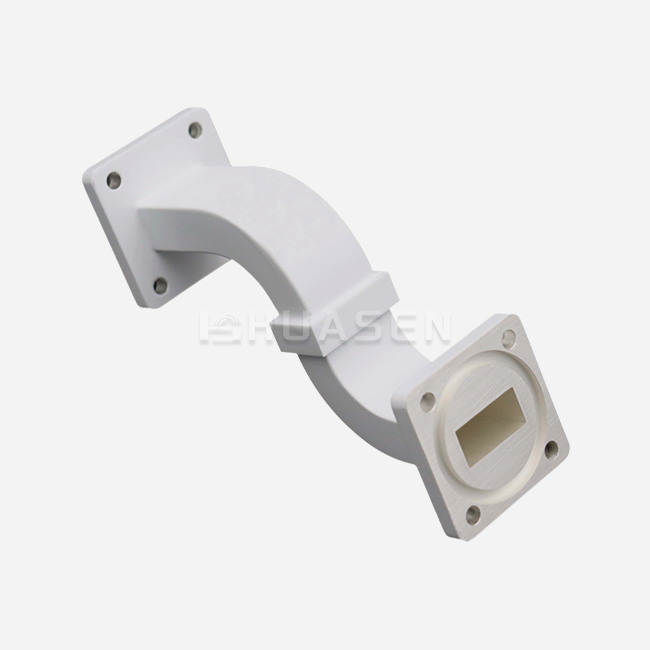
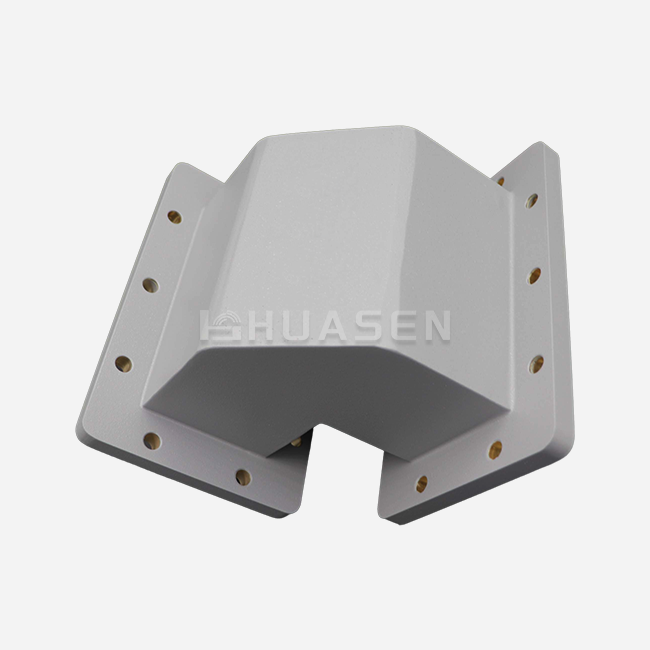
Best Waveguide Probe Coupler for Radar and Microwave Measurement






2026-05-12 23:23:19
It is essential to get accurate signal sampling when working with radar systems or microwave measurement tools, without interfering with the main broadcast line. A Waveguide Probe Coupler is that important link. It is a passive device that is designed to take out a controlled part of the electromagnetic signal that is moving through a waveguide. This sample that was taken out lets you watch, calibrate, and find faults in the system without adding a lot of insertion loss or impedance difference. In radar applications, the accuracy of detecting targets depends on the integrity of the signal, and in microwave test labs, the accuracy of measurements determines the validity of the component. Choosing the right coupling device is a strategic decision that affects both operational reliability and cost efficiency. In this guide, we'll look at how these specialized RF transition components help system designers, test engineers, and procurement managers in the defense, aerospace, and telecommunications industries deal with real-world problems. Whether you're expanding a 5G base station network, testing satellite communication ground equipment, or validating radar front-end modules, you can make smart sourcing choices if you know about the technical specs and buying factors.
Understanding Waveguide Probe Couplers: Fundamentals and Design Principles
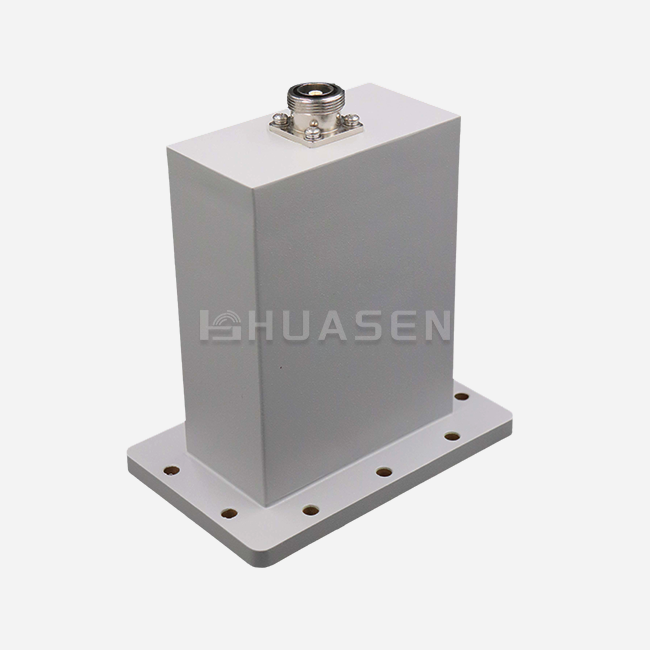
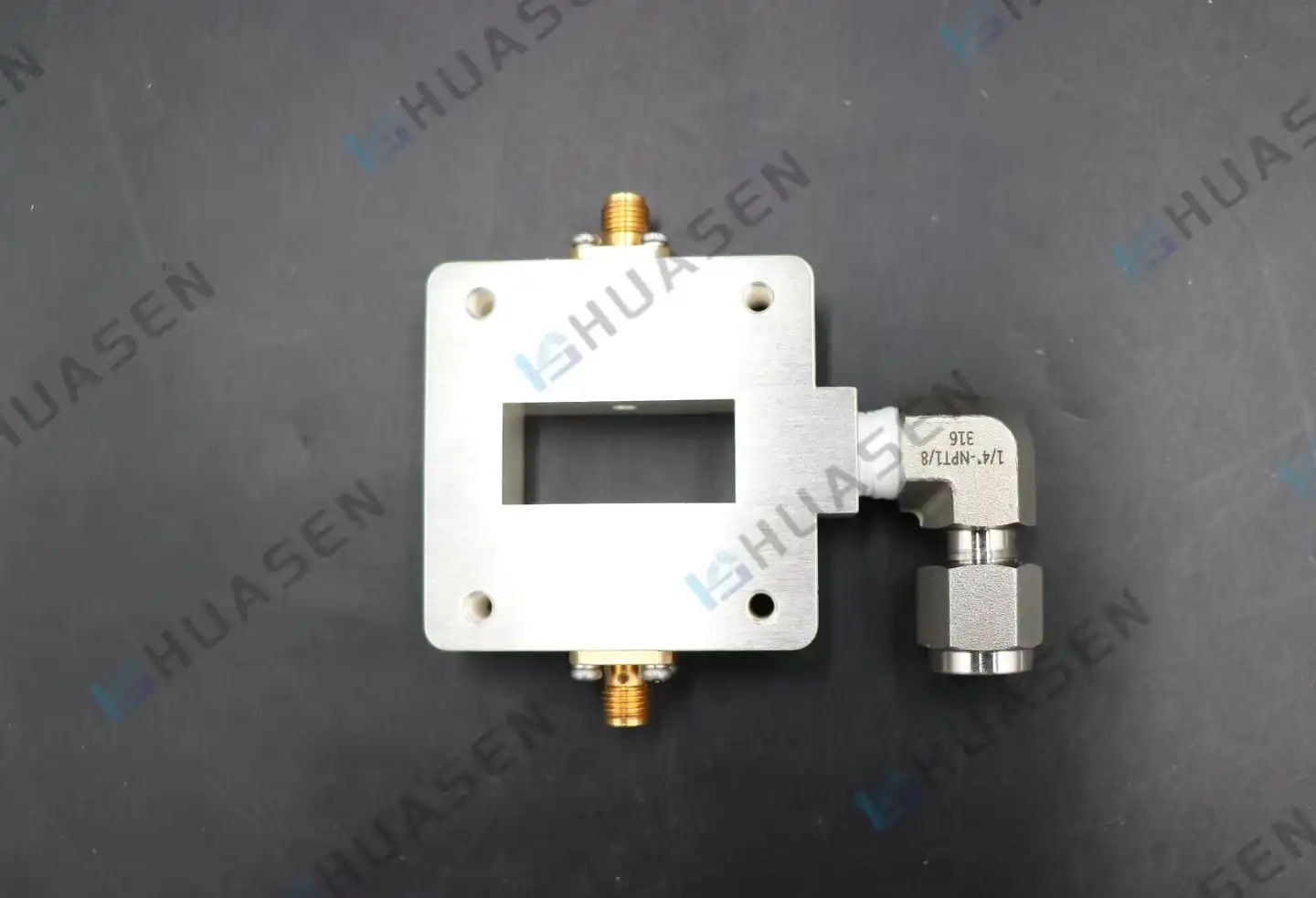
A Waveguide Probe Coupler works on a simple but clever idea: a metallic probe element, usually a quarter-wavelength monopole antenna, goes into the waveguide channel and interacts with the main TE10 mode electromagnetic field. A small part of the wave is turned into a coaxial TEM mode signal by this probe. This signal can then be sent to measuring tools or tracking systems.
Physical Construction and Material Selection
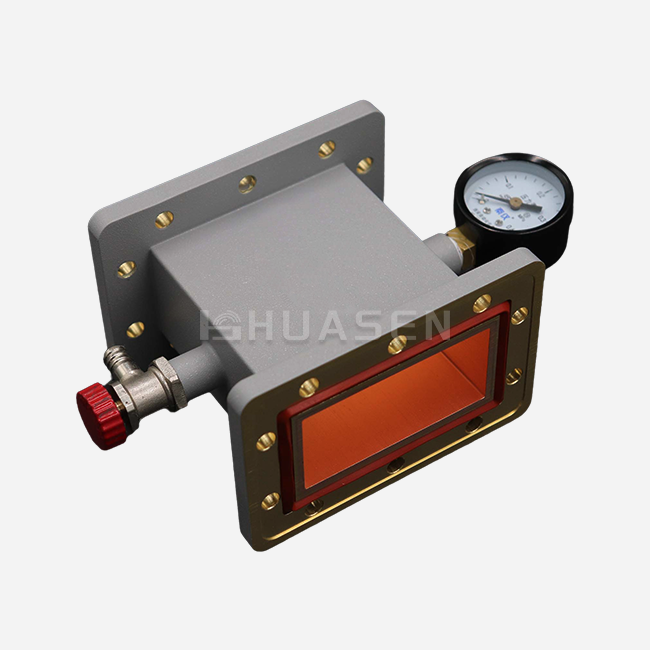
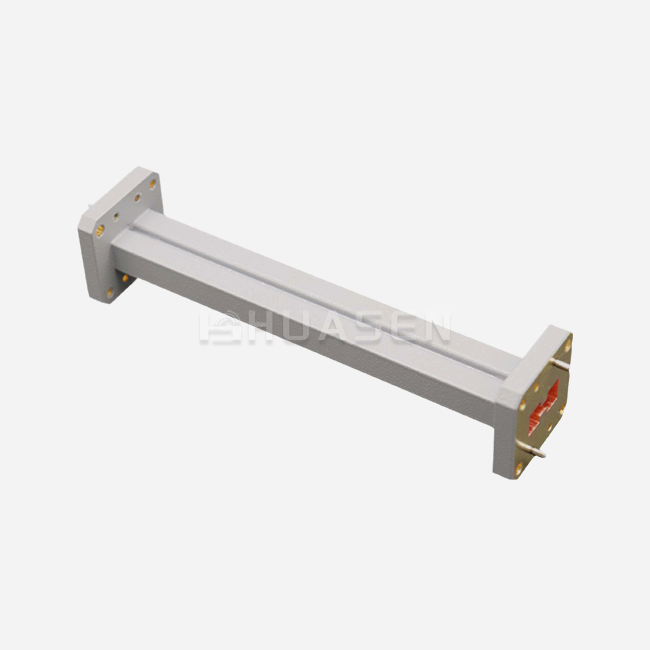
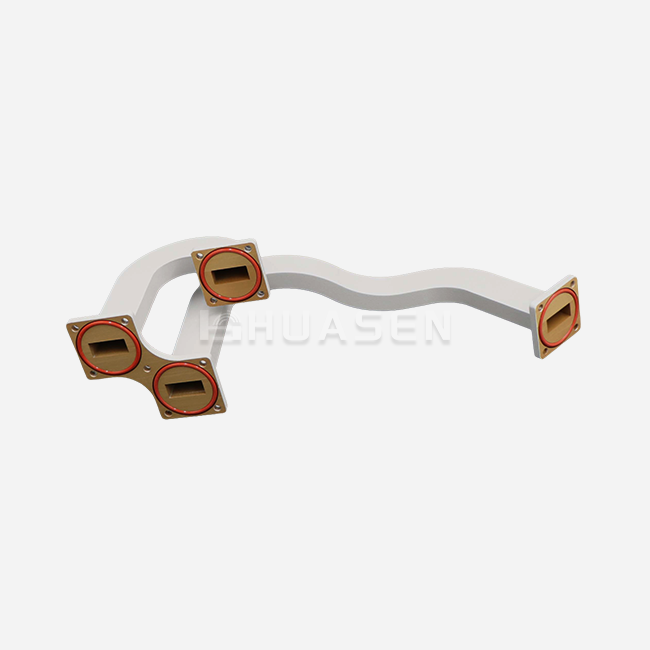
The waveguide body, which is usually made from metal or aluminum alloy, is the first part of the mechanical design. Brass is great for lab tools that need to stay calibrated over time because it is good at conducting electricity and resisting rust. The use of aluminum in building lowers both weight and production costs, making it ideal for making a lot of business-based station equipment. Small changes in the probe's dimensions—as little as 0.1 mm—can cause the coupling coefficient to shift by several decibels across microwave frequencies. How well the surface is finished is also related to how well it works at high frequencies. When the frequency is above the Ka-band, a rough surface leads to more losses because of current crowding. Electroplating with gold or silver helps with this problem and protects against rusting in wet or salty places.
Electrical Performance Parameters
The coupling degree tells you how much power is going through the through port and into the linked port. It's usually between 10 dB and 60 dB. A 20 dB coupler takes out 1% of the incident power, which is enough for power tracking without putting too much stress on the main signal route. Deeper coupling values (40–60 dB) are used for spectrum analysis tasks that need very little disturbance. It is still important to measure insertion loss, and the best designs achieve less than 0.2 dB extra loss in the through path. This keeps the signal power budget in cascaded systems. As long as the VSWR is less than 1.3:1 across the working bandwidth, there will be few echoes. This is especially important when couplers are built into phased array antenna feeds, where standing waves can mess up beam patterns. In general, there are two main types of setups. Fixed couplers (WTC series) have a permanently set coupling value that is chosen based on cost and mechanical strength. The Adjustable variants (WVTC series) have a sliding backshort system that lets field techs fine-tune the coupling degree over a certain range. This adaptability comes in handy when trying prototypes or when a single gadget needs to be used for more than one type of measurement.
Key Benefits and Applications of Waveguide Probe Couplers in Radar and Microwave Measurement
The unique capabilities of probe-based coupling translate into tangible benefits across multiple application domains. Here are the core advantages that make a Waveguide Probe Coupler indispensable in mission-critical RF systems.
- Probe couplers offer wide frequency coverage, often covering a full waveguide band. For example, X-band devices can work from 8.2 to 12.4 GHz with less than ±1 dB coupling stability. Because it works across a wide frequency range, you don't have to keep a lot of different narrowband couplers on hand for each Waveguide Coupler frequency range. This makes your inventory simpler and lowers the cost of buying new ones. System makers like that they can use a single measurement point that works with different radar modes or software-defined transmission protocols without having to change the hardware.
- The compact mechanical form factor makes it easier to place in equipment racks and antenna feed units that are already full. Probe designs can fit into small areas between filters and amplifiers that standard coupling solutions can't because their volumes are usually 50–70% smaller than those of comparable directional couplers. In phased array radar modules, where hundreds of T/R modules have to fit into a small antenna space, this space economy is very important.
- Operational simplicity represents another benefit; not having complicated internal systems means that there are fewer ways that it could go wrong. Multi-section directional devices depend on precise spacing between coupling elements that can shift under mechanical stress. Probe couplers, on the other hand, can handle vibration and heat cycles better. Military radar systems that are used on ships or planes are naturally tough, so they can meet the standards of MIL-STD-810G for shock and shaking without needing extra mechanical support.
These benefits show up in a wide range of application situations. Technicians who work on satellite ground stations use flexible probe couplers to check the downlink signal power at the LNB input. This lets them check the antenna alignment and the effects of air attenuation in real time without cutting off the communication link. In radar calibration labs, probe couplers are used as precise reference ports. Signals are sampled at several points along the broadcast chain to check the power amplifier's gain compression and phase stability. The low insertion loss keeps the signal path intact during automatic test routines that go through thousands of different combos of power and frequency. These couplers are built into missile tracking receivers at aerospace test ranges. The coupled port feeds spectrum analyzers, which check that the transmitter frequency stays stable during high-G movements. In this case, the non-directional coupling property works to your benefit because mirrored signals from antenna mismatch can be seen on the coupled port. This lets engineers know if the radome or connection is breaking down.
Procurement Guide for Waveguide Probe Couplers: What Global B2B Buyers Should Know
When looking for the right Waveguide Probe Coupler, you need to think about more than just the electrical specs. Managers of procurement have to find a balance between performance standards, price constraints, delivery deadlines, and long-term dependability issues.
Supplier Qualification and Manufacturing Capabilities
First, look at the technical qualifications of the maker. Established companies that make RF components usually have ISO 9001 certification, which shows that their quality management system is mature. If couplers are going to be used in military systems, defense companies should make sure they follow ITAR rules, since export controls may make it hard to send goods across borders. The ability to make things is important. Look for providers that use CNC machining centers that can accurately place probes to within ±0.02 mm of their target dimensions. Having coating facilities in-house is a sign of vertical integration because it cuts down on the need for subcontractors, which can make wait times longer. Ask for example test results that show VSWR and coupling Waveguide Couplerflatness across the given frequency range. These numbers show how consistent the production process is.
Customization Options and Engineering Support
Standard store items can be used in a lot of different situations, but sometimes they need to be customized to fit the needs of a particular system. Can the provider change the types of flanges so that the current infrastructure works with the switch from UG-series to CPR-series waveguide interfaces? If their engineering team helps you budget for insertion loss, can they help you find the best coupling values that balance measurement sensitivity and signal path degradation? Lead times for prototypes show how quickly operations are. When working with agile suppliers, you can get unique models in two to three weeks. This lets you make quick changes to the design while the system is being built. When the project gets bigger, production scalability becomes important. Make sure the provider can go from 10-unit prototype runs to 500-unit production numbers without lowering quality or pushing back delivery dates past what is okay for the project.
Pricing Structures and Total Cost of Ownership
Unit pricing changes a lot depending on the type of connection and the amount. Because they are easier to put together mechanically, fixed couplers usually cost 30 to 40 percent less than flexible ones. Around 50 to 100 units, you can get a volume price, and for large-scale base station operations, you could save up to 25%. Don't just look at the original buy price; also look at the total ownership cost. Most warranties last between 12 and 24 months, but for multi-year plans, longer coverage may be possible. For test equipment uses, having access to calibration services is important. Suppliers who offer yearly recalibration with certified measurement tracking make measuring easier and guarantee accurate measurements for a long time. The mechanics of shipping affect the final cost. Getting goods from sellers in the United States cuts down on the hassle of taxes and the time it takes to get them to you, usually within one to two weeks. Buying from makers in the Asia-Pacific region may offer unit costs that are 15-20% lower, but keep in mind thatocean freight takes 4–6 weeks, and tariffs could have an effect on the end price.
Optimizing Performance and Making an Informed Decision
To choose the best Waveguide Probe Coupler setup, you need to make sure that the device's features are right for the measurement situation and work setting. During the selection process, a number of important success measures should be carefully looked at.
Technical Parameter Prioritization
- Insertion loss directly impacts system noise figure and dynamic range. For receiver front-end uses where a tenth of a decibel counts, choose couplers with a through-path loss of no more than 0.15 dB. A little more loss is okay for transmit chain monitoring—0.3 dB of insertion loss is still fine when the main goal is to find amplifier problems instead of measuring precise power.
- Coupling flatness across the operational bandwidth affects measurement uncertainty. A change of ±0.5 dB in the coupling leads directly to an uncertainty in the power reading. This uncertainty grows when multiple couplers are used in a multi-stage measurement setup. Lab-grade couplers are flat within 0.3 dB across all waveguide bands, but tracking units that are used in the field may be able to handle 1.0 dB differences in order to save money.
- Power handling capability must match the features of your signal. Applications that use continuous waves, like cell phone base stations, need average power ratings. For most cell phone Waveguide Probe Couplerequipment, a 50-watt average CW rate is enough. For pulsed radar systems, it's important to pay attention to the peak power specs: a 10 kW peak, 1 microsecond pulse at 1% duty cycle equals 100 watts of average power, but the voltage breakdown risk is based on the immediate field strength at the probe tip.
Environmental Robustness and Reliability
- Operating temperature range becomes critical for outdoor installations. Standards allow temperatures between -20°C and +65°C, making them good for equipment bunkers that are closed off and have climate control. Extreme environment versions take this range all the way to -40°C to +85°C, addressing polar communications installations and desert radar sites where diurnal temperature swings span 50°C.
- Humidity resistance requires attention in maritime applications. Verdigris corrosion can happen to copper or brass couplers in salty air if they are not covered by gold plating or conformal covering. Aluminum housings are better at resisting saltwater, but they lose some of their ability to carry electricity. For shipboard radar systems or offshore wind farm communication lines, explicitly specify marine-grade construction with sealed connector interfaces.
- Passive intermodulation (PIM) performance matters in high-power multi-carrier systems. Intermodulation products show up as false signals in sensitive receiver bands when there are bad contact surfaces or ferromagnetic contaminants in the coupler assembly. For collocated transmit/receive systems, specify PIM ratings below -150 dBc to ensure measurement accuracy isn't compromised by coupler-generated artifacts.
Manufacturers like Huasen Microwave have built their names on being able to meet these complex needs through decades of technical improvement. Their WTC and WVTC series couplers show how careful design—precisely machined probe positioning, premium plating processes, and strict testing protocols—leads to durability that has been proven in the field for use in defense, aircraft, and telecommunications.
Conclusion
To choose the right Waveguide Probe Coupler connection device, you have to weigh a lot of scientific and business factors. Fixed WTC-series couplers are a cheap way to set up stable tracking systems, and changeable WVTC versions give you more options for how the system works while it's being tested and set up. Because these devices are small, cover a wide bandwidth, and are easy to use, they are good options for setups with limited room and systems that can be set up in the field. When you know the pros and cons of probe-based designs and other connection structures, you can better match the features of a device to the needs of an application. The selection method described here gives you an organized way to make decisions about what to buy, whether your goal is to minimize insertion loss, increase power handling, or achieve tight coupling accuracy. When you work with well-known makers that can show they have both the technical know-how and the dependability of their supply chains, you get long-term value that goes beyond the initial purchase price and includes operating performance and support throughout the product's lifecycle.
FAQ
1. What factors influence the operating frequency range of a probe coupler?
The frequency range is largely determined by the size of the waveguide. Each common waveguide size allows a certain band where the TE10 mode can travel without higher-order mode interference. The probe length needs to be just right so that there is a quarter-wavelength resonance at the center frequency. This reduces the immediate bandwidth. To get good broadband performance, you need to make sure that the probe shape stays good across the whole range of waveguide cutoff to overmoded.
2. Can probe couplers be customized for unique radar system requirements?
Of course. Some of the ways that customization can be done are by changing the connection values, the flange types, the non-standard frequency ranges, and the addition of custom port interfaces. Expert makers work with your engineering team to find the best probe placement and housing shape for the power level, bandwidth needs, and weather conditions. Making a prototype usually only takes a few weeks, which lets you test the idea before committing to making a lot of them.
3. How do probe couplers compare in durability versus other coupler types?
The internal structure is simplified, with only one probe element inside a waveguide case. This gets rid of the need for the complicated multi-section systems that are common in directional couplers. This technical simplicity means that there are fewer ways for it to break, and it can handle shocks, vibrations, and changes in temperature better. In the field, probe designs have been shown to keep working as expected for millions of hours in harsh settings where other coupling systems need to be replaced or recalibrated on a regular basis.
Partner With Huasen Microwave for Superior Waveguide Probe Coupler Solutions
Since 1993, Huasen Microwave Technology has been designing and making high-frequency parts. Their Waveguide Probe Coupler solutions meet the strict needs of radar systems, satellite communications, and high-precision test equipment. Our engineering team works with your project requirements to get the best coupling performance, whether you need standard WTC fixed configurations or WVTC versions that can be adjusted for field-tunable uses. As a reliable company that makes waveguide probe couplers for test labs and system installers around the world, we stick to strict quality standards that are backed up by a lot of test data and calibration records. Contact our sales team at sales@huasenmicrowave.com to talk about your unique needs, get detailed datasheets, or set up sample tests that show how our coupling solutions improve the accuracy of measurements and the reliability of your system.
References
1. Collin, R. E. (2001). Foundations for Microwave Engineering. IEEE Press Series on Electromagnetic Wave Theory. John Wiley & Sons, New York.
2. Pozar, D. M. (2011). Microwave Engineering, 4th Edition. John Wiley & Sons, Hoboken, New Jersey.
3. Saad, T. S. (1971). "Design of Waveguide Probe Couplers." IEEE Transactions on Microwave Theory and Techniques, Vol. 19, No. 3, pp. 274-279.
4. Montgomery, C. G., Dicke, R. H., & Purcell, E. M. (1948). Principles of Microwave Circuits. MIT Radiation Laboratory Series, Volume 8. McGraw-Hill, New York.
5. Microwave Encyclopedia Committee (2018). RF and Microwave Component Design Handbook. Institute of Electrical and Electronics Engineers, Piscataway, New Jersey.
6. Kumar, A. & Sharma, R. (2019). "Performance Analysis of Waveguide Couplers in High-Power Radar Systems." International Journal of Microwave and Wireless Technologies, Vol. 11, Issue 7, pp. 621-632.
Send Inquiry