
Home / Blog
Blog
0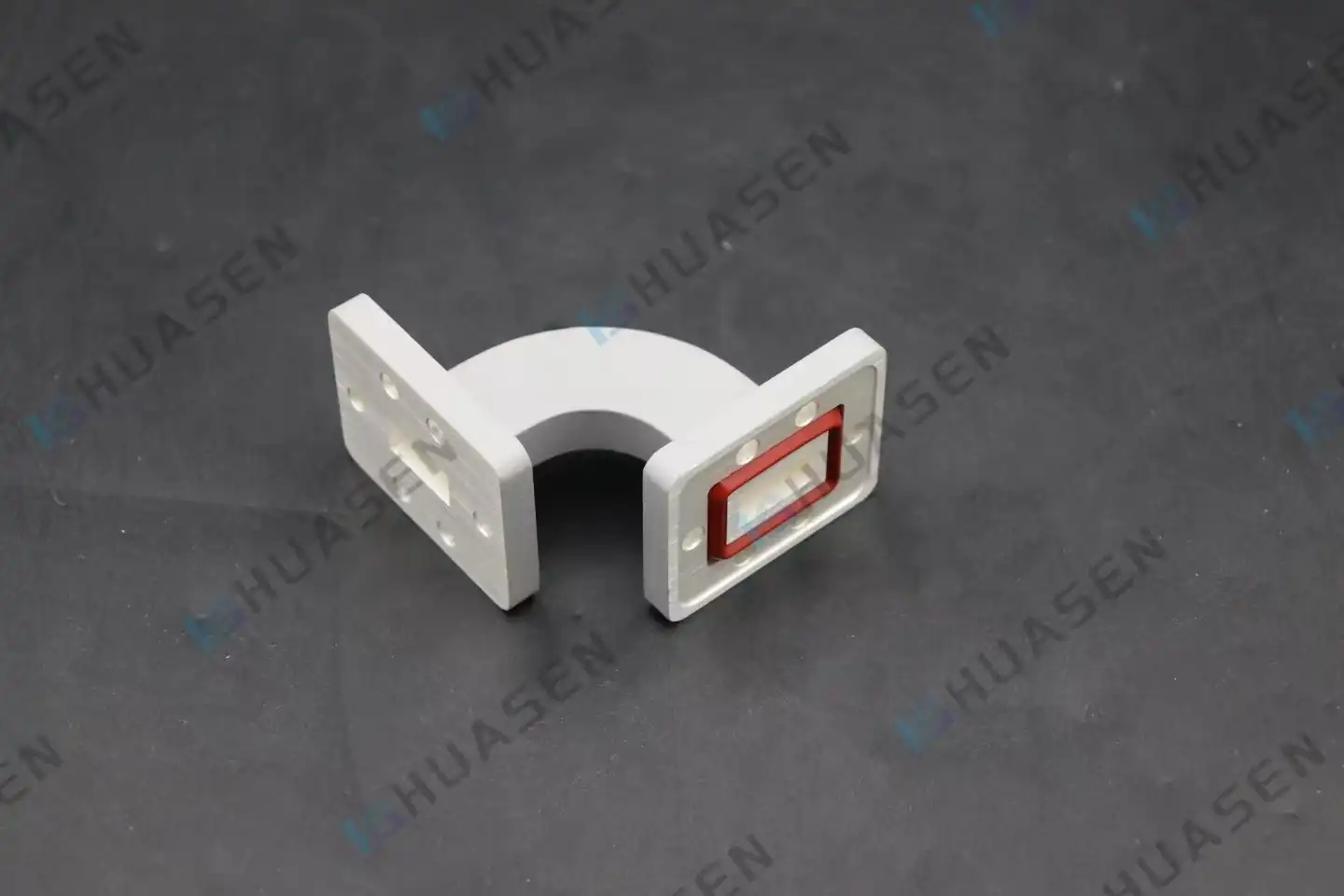
Bend Waveguide for Compact RF Layouts
Engineers always have to figure out how to get high-frequency signals through smaller and smaller enclosures without lowering performance when they're making current RF systems for things like radar, satellite communications, and telephones. A bend waveguide is a beautiful answer because it lets you change the direction of electromagnetic waves very precisely while keeping low insertion loss and high signal integrity. When it comes to microwave and millimeter waves, flexible coaxial wires lose a lot of their signal strength. But these precision-machined parts keep the signal strength even when room is limited. Understanding the features and uses of Bend Waveguides is important for getting the best system performance, whether you're putting parts into a 5G base station front-end, a satellite payload, or a flying radar module.VIEW MORE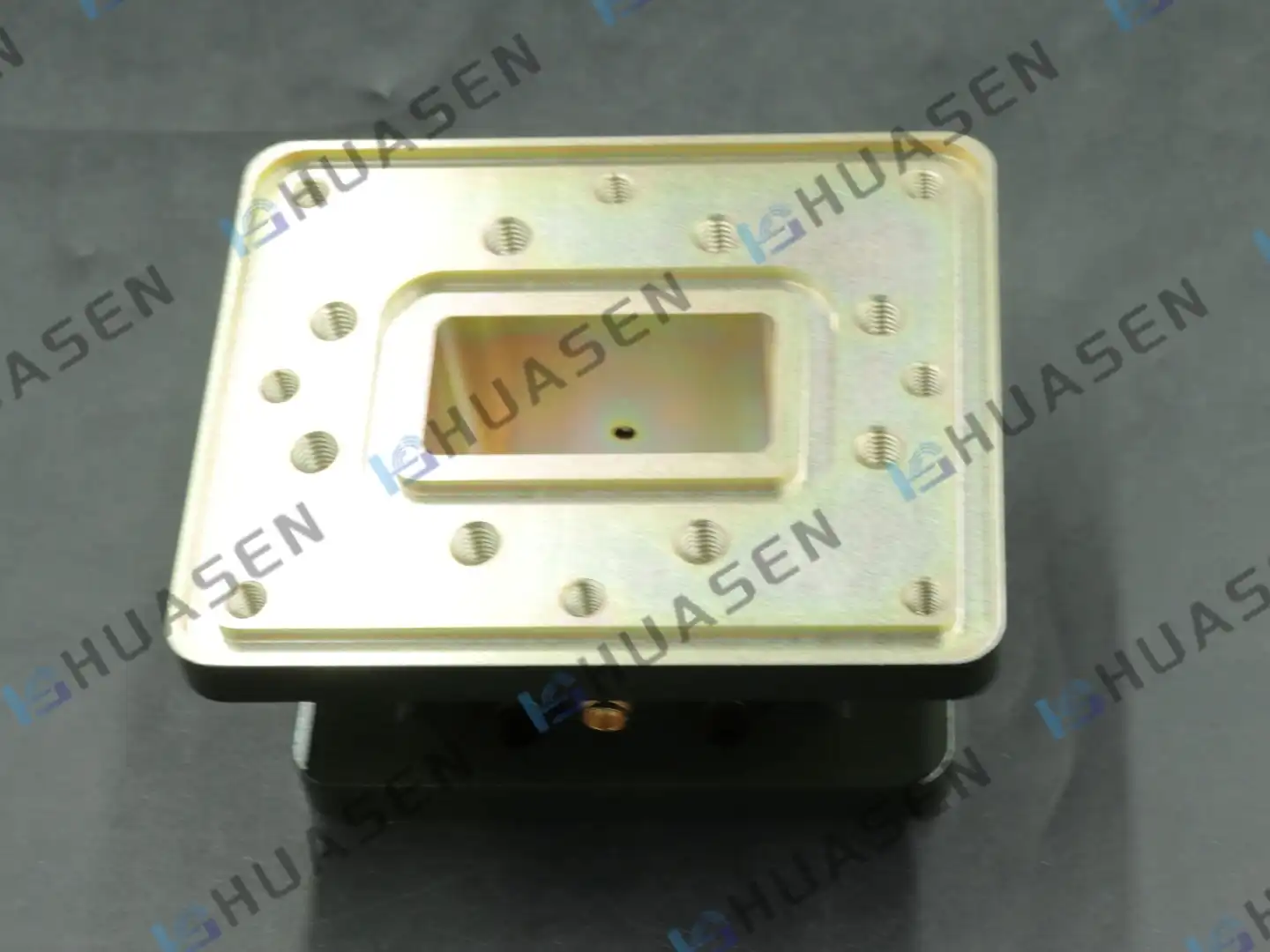
How to Maintain Waveguide Window Integrity in Harsh Environments
Choose the proper materials, maintain them, and follow quality control guidelines to keep Waveguide Windows in excellent condition under harsh environments. Pressure or seal Waveguide Windows keep outside pollutants out while allowing RF energy flow through with minimum loss. It's the principal barrier between pressured interiors and the outside world. In harsh environments like military radar, satellite communications, and industrial microwave systems, these parts must endure high and low temperatures, humidity, corrosion, and mechanical stress. Protecting these windows will improve system performance, save downtime, and extend its lifespan. As a 30-year Huasen Microwave engineer, let me share our knowledge.VIEW MORE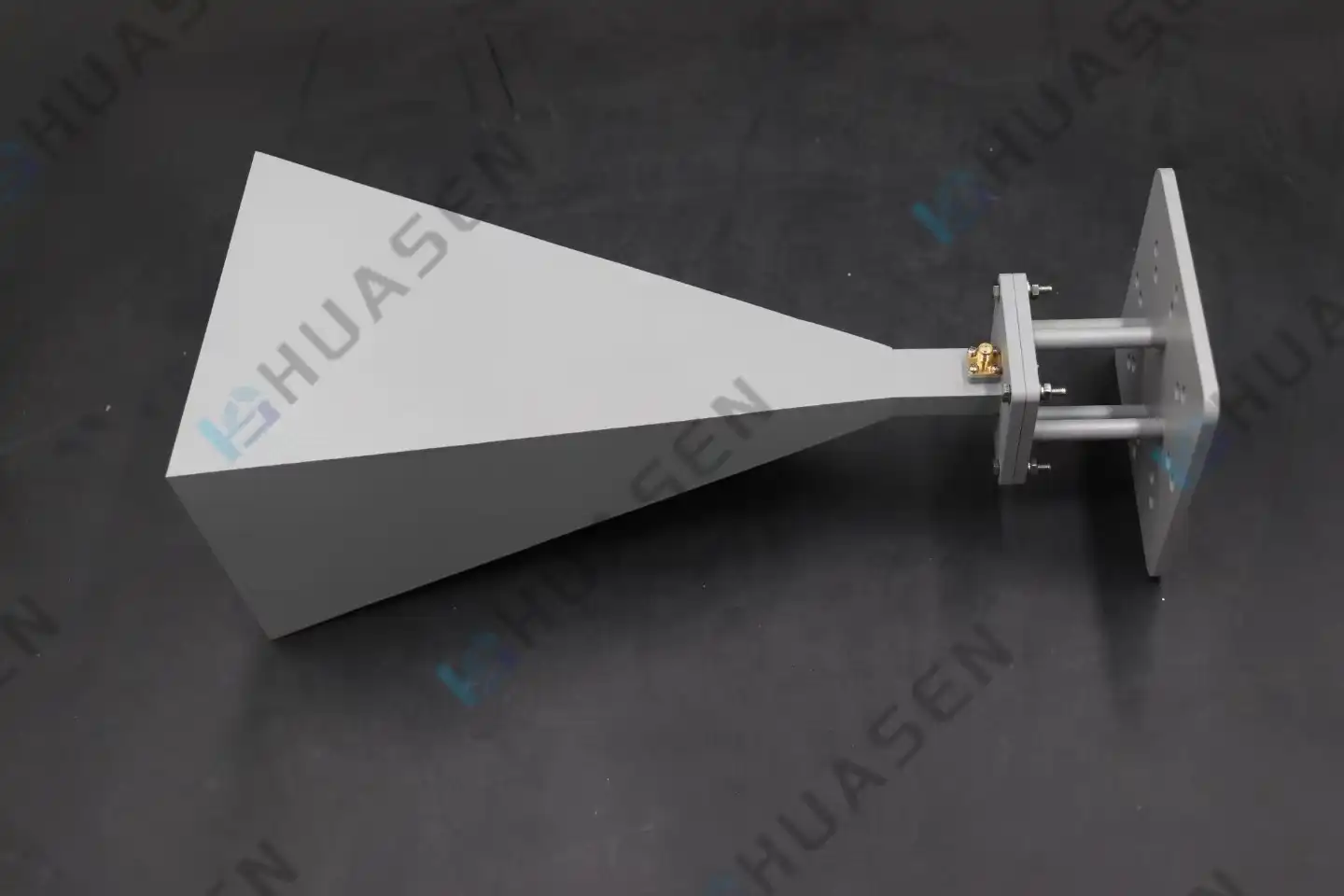
Broadband Horn Antenna vs Narrowband Horn: Technical Differences
It is important to know the difference between broadband and narrowband horn antennas when choosing RF parts for demanding purposes. Broadband Horn Antennas, especially those with two ridges, can cover a wide range of frequencies, from 1 GHz to 18 GHz or even 18 GHz to 40 GHz. This means that engineers can test and keep an eye on things across multiple octaves without having to switch antennas. Narrowband horns, on the other hand, are designed to work best with certain frequency ranges. They have higher gain and narrower beamwidths within these ranges. Everything from EMC compliance testing to satellite communications is affected by this basic difference. It affects buying choices in the defense, aerospace, and telecommunications sectors.VIEW MORE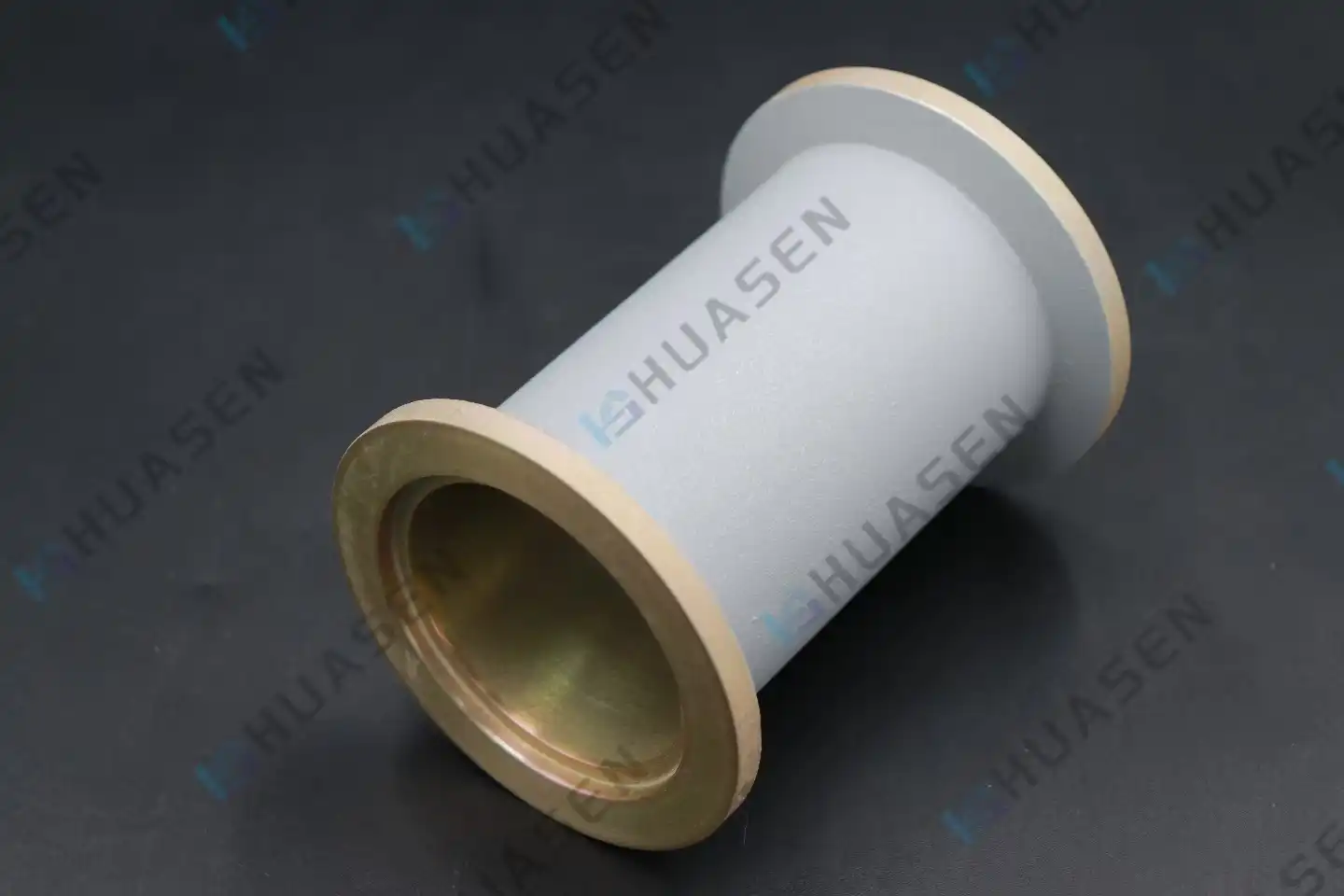
Selecting Circular Straight Waveguide Materials
Choosing a Circular Straight Waveguide material depends on how well it conducts electricity, lasts mechanically, and manages the environment. Circular Straight Waveguides with thin metal tubes that are exactly circular convey electromagnetic waves with negligible loss in high-frequency applications. The most frequent materials are copper, aluminium, or stainless steel. Material affects signal loss, temperature stability, power management, and long-term reliability. These material facts enable procurement managers and RF engineers to choose wisely, balancing system demands with budgets.VIEW MORE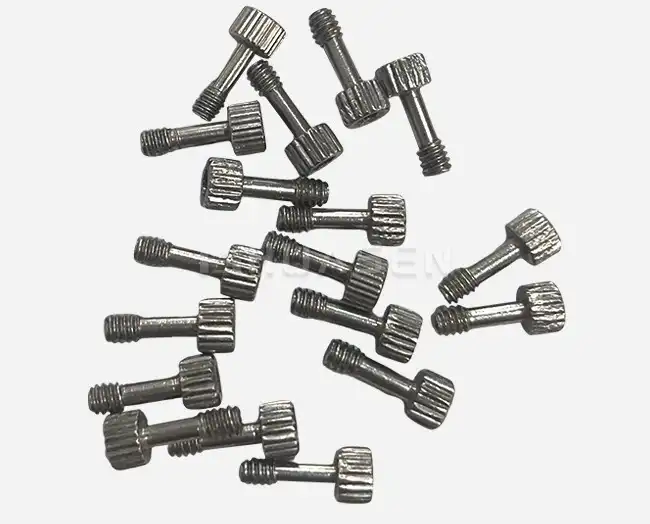
Corrosion Resistance in Waveguide Screw Choice
It is important to know how rust affects screw performance when choosing fasteners for waveguide parts so that the system lasts a long time. Waveguide screws keep important RF parts in place in places like seaside base stations and spacecraft platforms, where moisture, salt spray, and high temperatures can damage the materials. Using screws that don't rust stops mechanical failure, keeps signal quality high, and cuts down on costly downtime. This choice has a direct impact on how well transmissions work, how reliable they are, and how much they cost over their whole life. This is especially true for businesses like 5G infrastructure, satellite communications, and radar systems that need to work without interruption in tough circumstances.VIEW MORE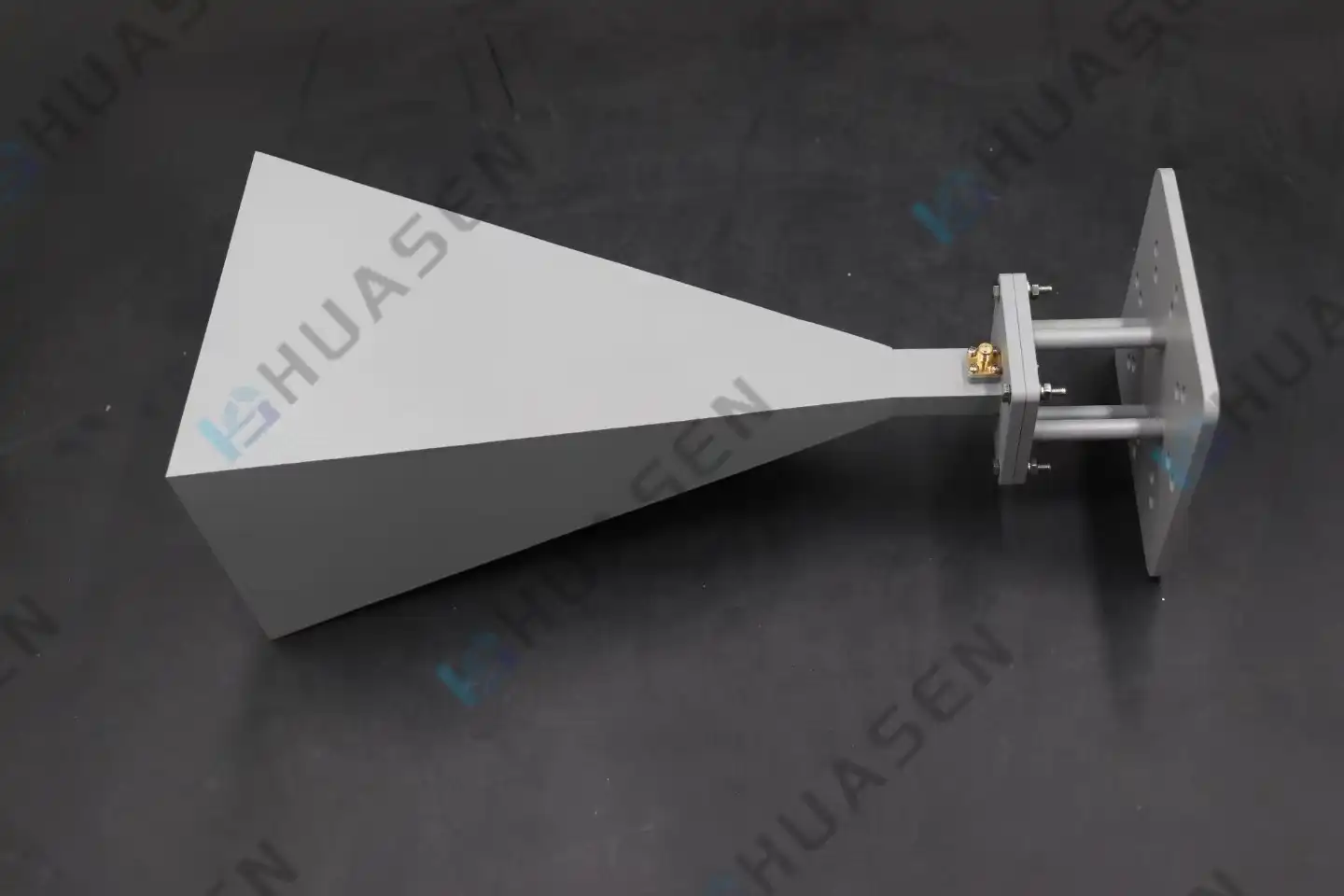
Broadband Horn Antenna Radiation Pattern and Performance Explained
A Broadband Horn Antenna is an electromagnetic reflector that sends energy in a reliable way across a large frequency range, usually from 1 GHz to 18 GHz or higher. In serious situations, the radiation pattern—which shows how electromagnetic energy spreads from the antenna into space—determines how well signals can be sent and received. Engineers and procurement professionals can choose antennas that perfectly match system needs by understanding these patterns along with performance parameters like gain, bandwidth, and polarization. This makes sure that systems work reliably and cost-effectively in the defense, testing, and telecommunications sectors.VIEW MORE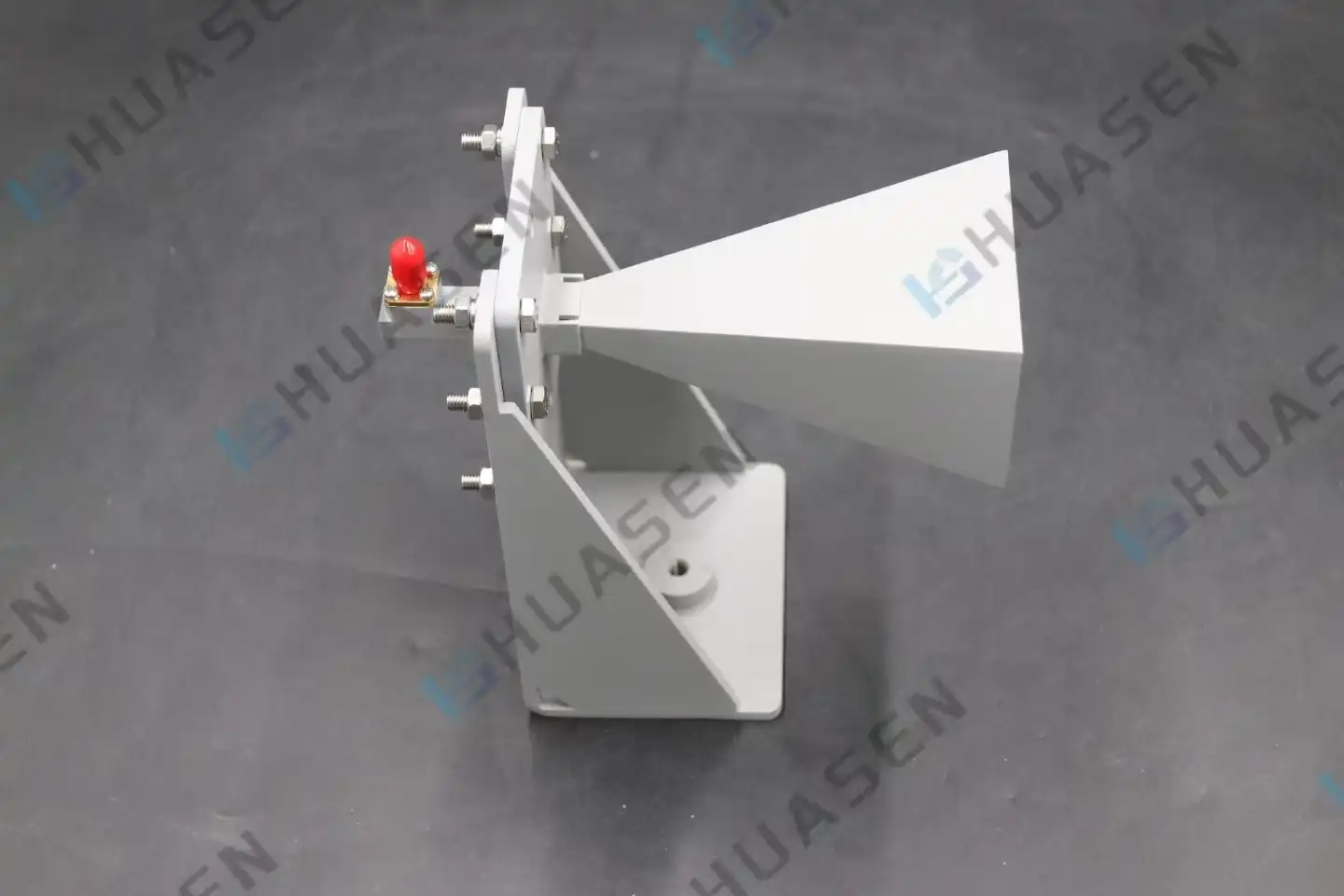
Standard gain horn antenna Performance Factors to Know
Understanding performance factors is very important when buying precise calibration tools for checking microwaves and radio waves. A standard gain horn antenna is a measuring tool designed to give consistent, repeated gain values across a range of waveguide frequencies. Unlike broadband antennas used for general monitoring or communication, these devices are set in size to produce theoretically calculable gain levels, which are usually between 10 dBi and 25 dBi. This makes them essential for EMC testing, system verification, and laboratory calibration. The most important thing is getting rid of measuring error, which has a direct effect on how accurate tests are and how well compliance certifications work.VIEW MORE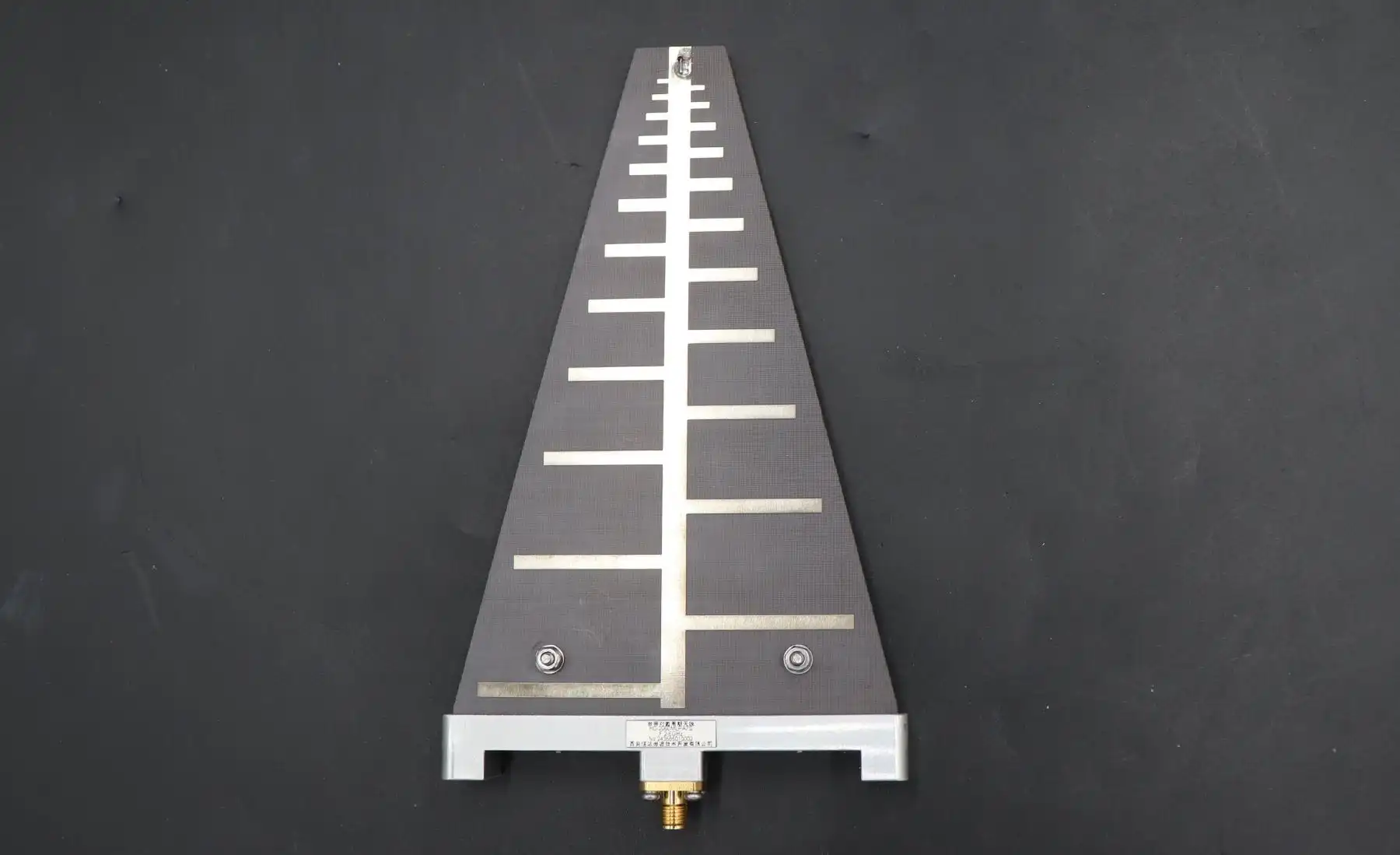
How Log Periodic Antenna Maintains Stable Radiation Across Bands
The self-scaling geometric form of a Log Periodic Antenna, in which dipole elements are grouped in a logarithmic path, makes it stable across a number of frequency bands. This one-of-a-kind design makes an "active region" that moves along the boom as the frequency changes. This keeps the impedance matching and radiation patterns the same across the whole operating range. This design is different from narrowband antennas that need to be physically swapped to cover different bands. Instead, it provides reliable performance across multiple octaves, usually from 30 MHz to 3 GHz or higher. This makes it essential for spectrum monitoring, EMC testing, and tactical communications, where being able to switch frequencies quickly is needed.VIEW MORE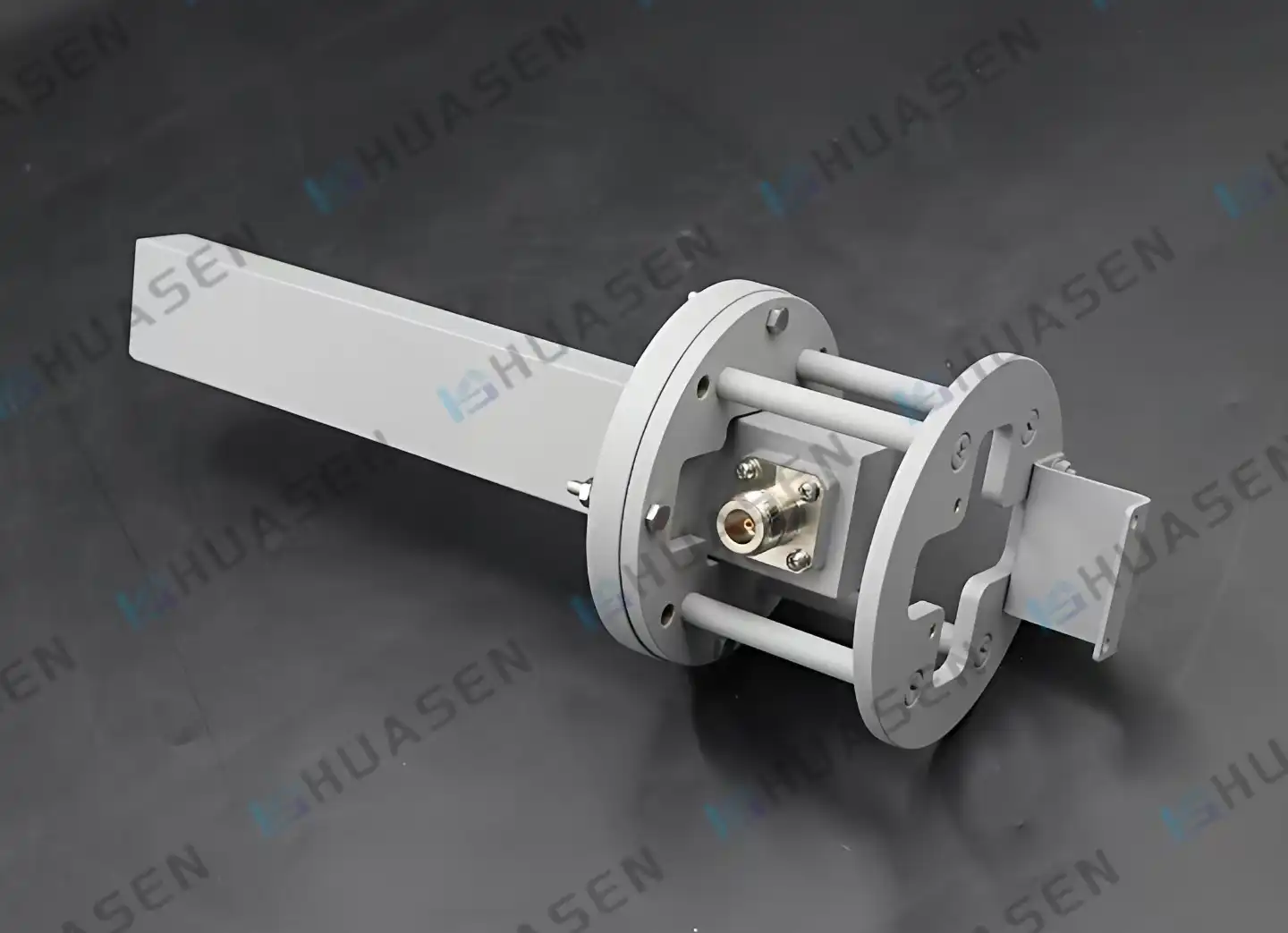
Best Practices for Using Antenna Near Field Measurement Probe in Labs
Understanding how an Antenna Near Field Measurement Probe gathers electromagnetic field data in a Device Under Test's Fresnel area is the first step to near field measurement. These precision-engineered sensors collect amplitude and phase data 3 to 10 wavelengths from the antenna aperture and use Fourier algorithms to translate it into far-field patterns. These probes provide precise characterisation in tiny anechoic chambers, addressing the practical restrictions of current RF testing facilities handling enormous satellite arrays and 5G enormous MIMO systems.VIEW MORE
Waveguide Gasket Material Selection Guide
The gasket material for waveguide flange assemblies affects system dependability, signal integrity, and long-term operating expenses. Waveguide gaskets shield internal components from moisture and impurities and maintain low-resistance electrical continuity across mating surfaces to minimise RF leakage and optimise VSWR. Huasen Microwave has designed precise waveguide components for satellite ground stations, aerospace radar, 5G infrastructure, and defence systems for 30 years. Our expertise indicates that material selection is a strategic choice that affects maintenance cycles, system uptime, and total cost of ownership in challenging applications from cryogenic temperatures to high-power gearboxes.VIEW MORE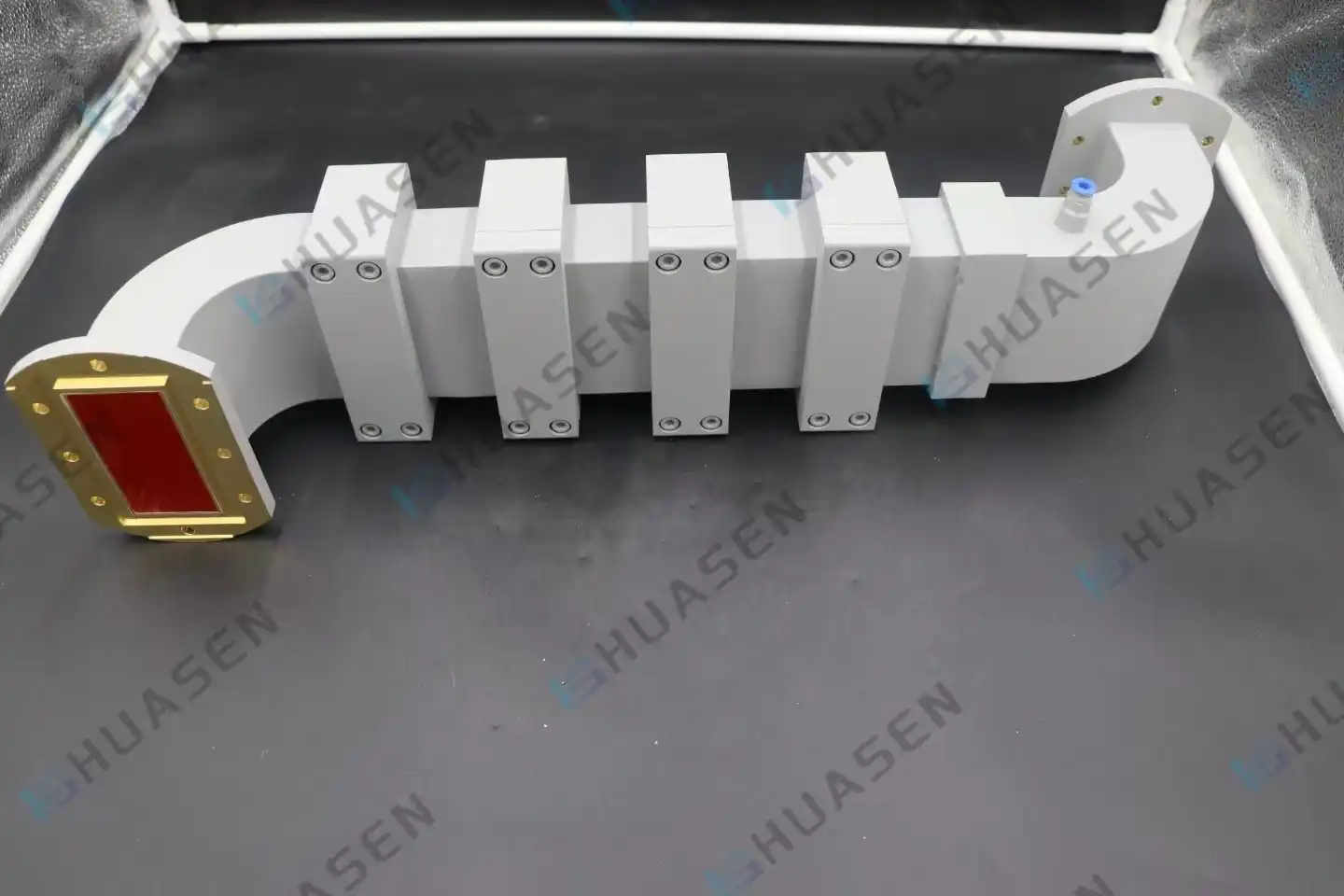
Inflatable Waveguide Bend Durability Factors
The quality of the pressure-sealing materials, how well they fight environmental stresses, and how well the internal pressurization systems work all affect how long an inflatable waveguide bend lasts. These special microwave transmission parts keep the signal strong by pumping dry nitrogen or dehydrated air at controlled pressures. This stops wetness from getting in and lowering the voltage or weakening the signal. The complex metal core, which is usually copper or silver-plated brass, bends inside a UV-stabilized jacket, allowing for mechanical movement while maintaining tight seals. The special way this is built solves some of the biggest problems in high-power RF systems: it stops rust, lowers thermal expansion stress, and keeps the VSWR performance low even in harsh operating conditions. When buying these parts, procurement workers in satellite communications, naval radar, and broadcast systems are putting more and more emphasis on longevity. As the world moves toward 5G backhaul networks and remote earth stations, there is a greater need for inflatable waveguide bend systems that can work reliably in tough outdoor conditions for decades. By knowing what factors affect longevity, engineering teams can choose parts that lower the total cost of ownership, keep system downtime to a minimum, and meet the high reliability standards needed in mission-critical applications.VIEW MORE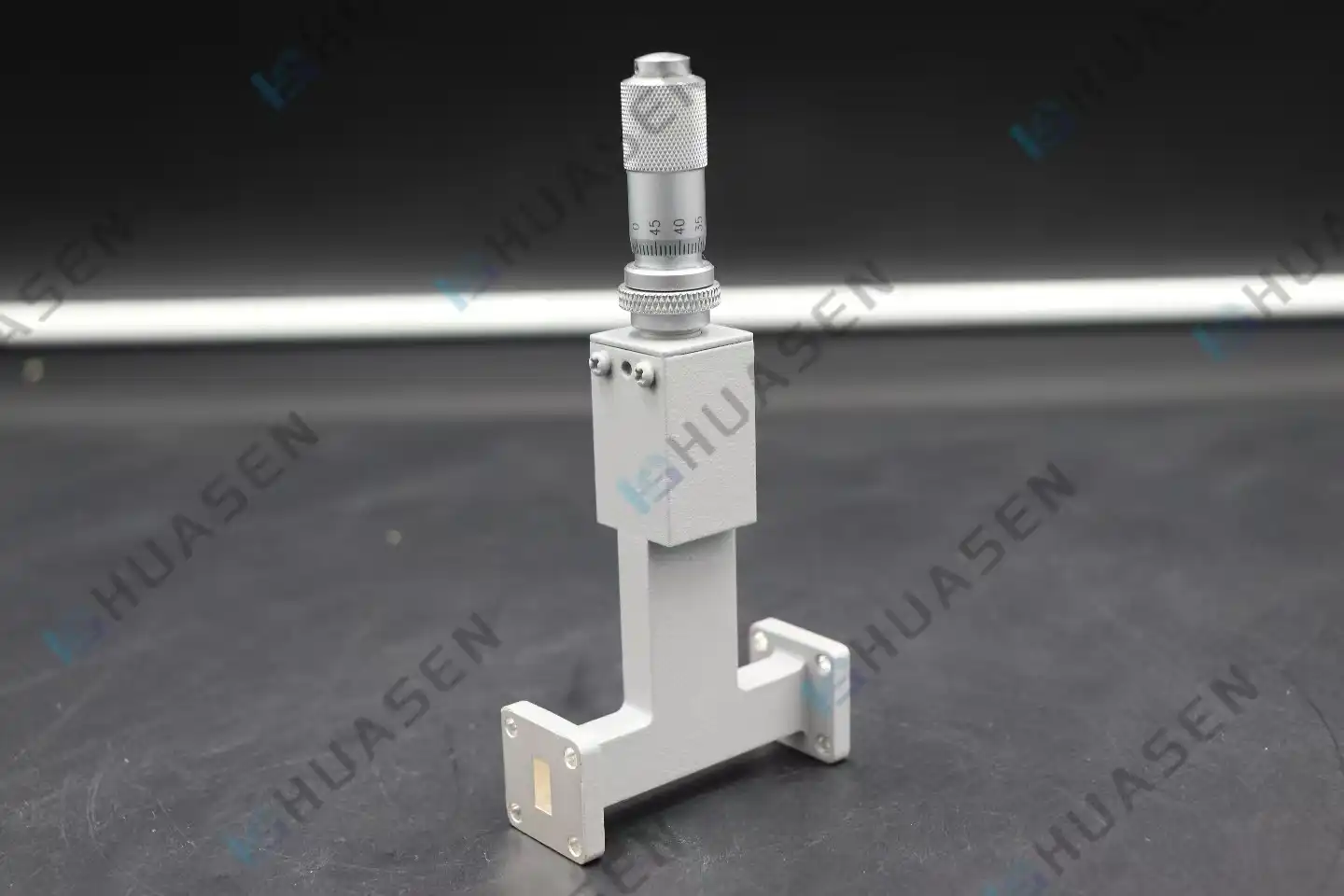
Troubleshooting Phase Error of Digital Phase Shifters in RF Systems
Phase error in digital phase shifters is often the main cause of beam direction drift or signal distortion that you don't expect in your RF system. These precise parts manage signal phase using discrete logic states, but even small changes, usually measured in degrees, can hurt the performance of antenna arrays, make radar less accurate, and make communication links less reliable. To fix phase error, you need to know where it comes from, be able to measure it correctly, and use targeted correction methods that fix the system without having to change all of its parts.VIEW MORE
- 1
- 19
- 20
- 21
- 22
- 23
- 60
Total 60 pages
