How to Maintain Waveguide Window Integrity in Harsh Environments






2026-05-15 23:34:56
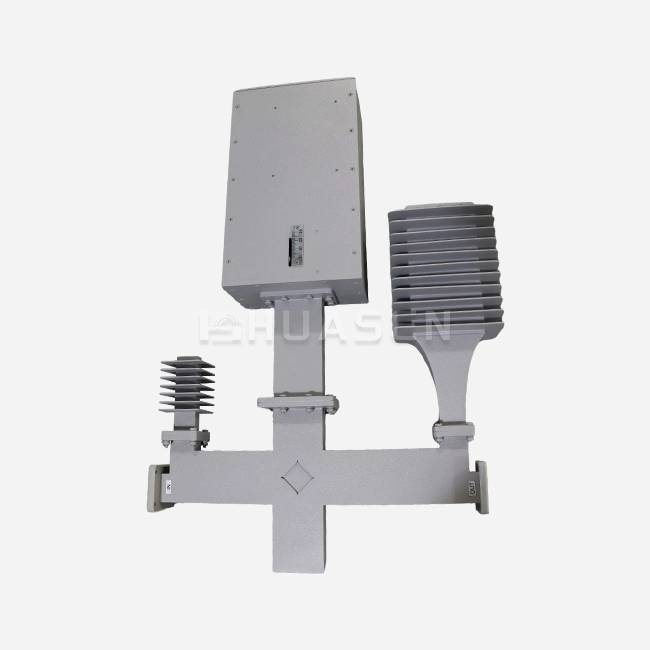
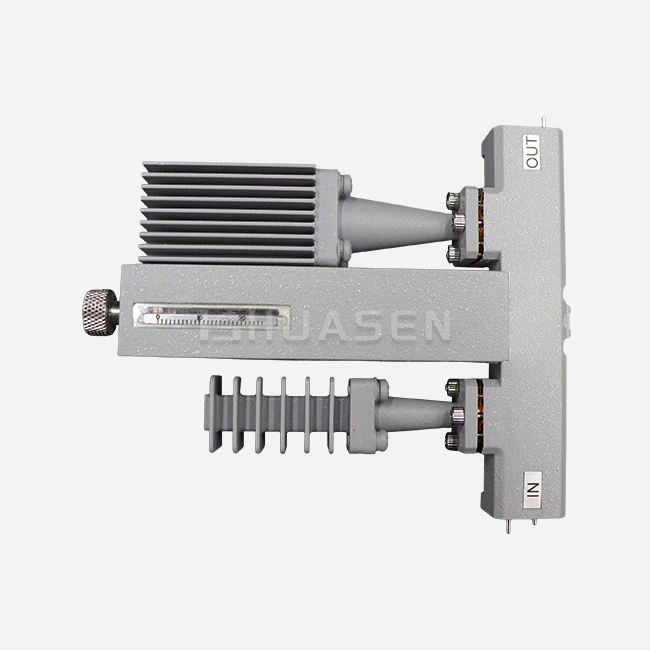
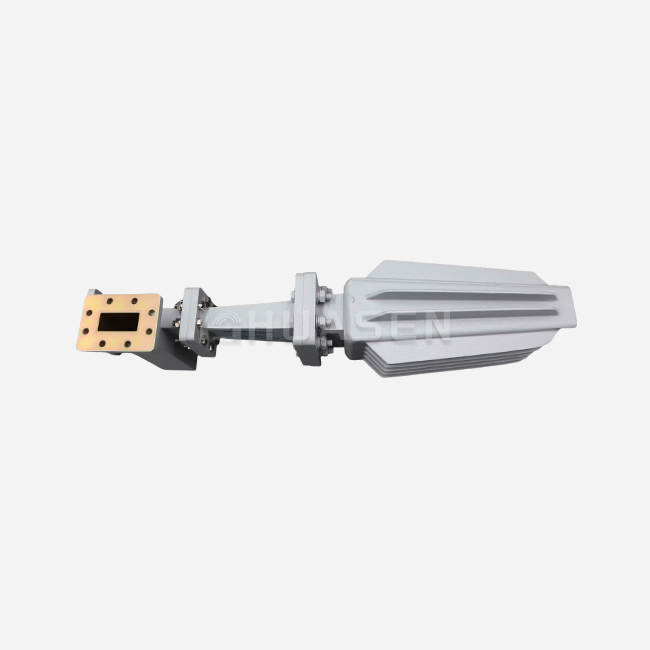
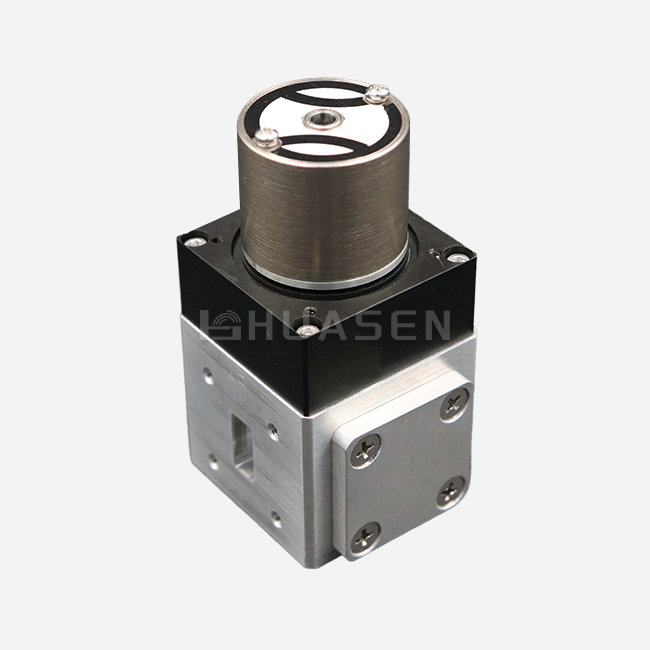
Choose the proper materials, maintain them, and follow quality control guidelines to keep Waveguide Windows in excellent condition under harsh environments. Pressure or seal Waveguide Windows keep outside pollutants out while allowing RF energy flow through with minimum loss. It's the principal barrier between pressured interiors and the outside world. In harsh environments like military radar, satellite communications, and industrial microwave systems, these parts must endure high and low temperatures, humidity, corrosion, and mechanical stress. Protecting these windows will improve system performance, save downtime, and extend its lifespan. As a 30-year Huasen Microwave engineer, let me share our knowledge.
Understanding Waveguide Window Challenges in Harsh Environments,
while talking to procurement managers and system integrators, the same question arises: how can we ensure our RF transmission lines operate while the world is against us? To respond, you must know which direction these Waveguide Windows face in the field.
Environmental Stressors That Threaten Window Performance
One of the biggest risks is climate change. High-altitude airborne radar equipment changes temperature quickly. They may drop to zero in minutes from being heated at ground level. Stretching and shrinking stress the insulating substance and metal-to-ceramic connections. Field failures where thermal stress caused microscopic fractures to grow during high-power transmission have been studied.
Both humidity and salt fog are harmful to marine radar and radio equipment at sea. Moisture degrades steel waveguide walls and contaminates window dielectrics, increasing insertion loss and VSWR. Salt deposits hasten breakdown by producing electrical channels that may arc at high voltage. After six months outside without proper sealing, a military radar system we worked with lost 40% of its output power.
Mechanical vibrations from aviation engines, ship power systems, and ground vehicles stress mounting gear and bonding joints. Vibrations may loosen screws, destroy solder junctions, or separate bonded surfaces over thousands of hours. Dust, industrial pollutants, and combustion residue attach to windows. Hotspots during high-power transmission may induce thermal runaway and catastrophic failure.
Real-World Impact on System Performance
External influences exacerbate each other. Radar devices in deserts must contend with severe temperatures and dust. Wetness and dust particles may interact during occasional rainstorms to create conductive sludge worse than each cause alone.
A coastal industrial zone's telecommunications backup connection was the subject of our case study. High transmitted power and corrosive air created a perfect storm. The initial windows, selected without consideration for the surroundings, shattered after 18 months. Replacement of suitably rated seal windows with superior coatings and hermetic sealing improved the operational life beyond five years. Initial design considerations affect expenses.
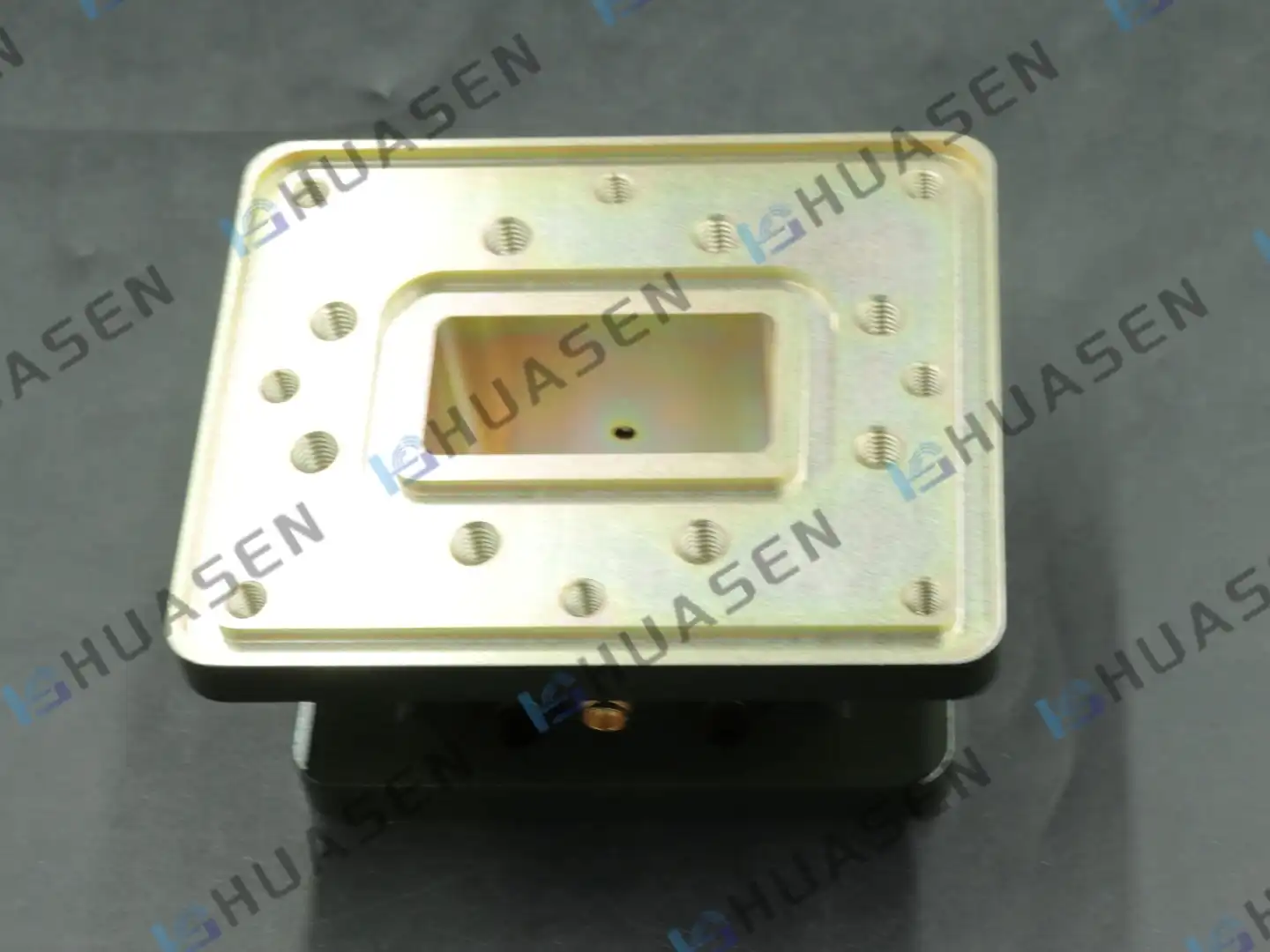
Root Causes Analysis and Maintenance Principles for Waveguide Window Integrity
To stop mistakes from happening, you need to know why they happen. We've found the most important factors that affect long-term dependability by looking into the causes of hundreds of field breakdowns involving the waveguide pressure window.
Material Selection Fundamentals
Insulation greatly affects environmental resistance. Alumina ceramics are ideal for high-power heat cycles since they are hard and don't change much. Its solid structure maintains its form at many temperatures, and most airborne pollutants can't modify its chemical composition. Since pottery is delicate, it must be handled gently when installed or examined.
Quartz windows are ideal for rapid temperature changes because they offer reduced electrical loss and higher thermal shock resistance. Material thermal expansion is decreased, reducing bonding surface stress. For medical linear accelerators and certain aviation applications, quartz is worth the additional expense.
Modest-power applications in mild conditions may save money on borosilicic acid glass. It can't tolerate as much power or temperature as ceramic or quartz, but it works well for many corporate telecommunications needs at a reduced cost, making it desirable for large-scale operations with limited funds.
Design Factors That Enhance Durability
Window thickness must balance electromagnetic compatibility with mechanical power. Thinner windows minimise insertion loss and VSWR but weaken the structure. For optimal thickness, our engineering technique employs finite element analysis. This keeps the window structurally stable even at high differential pressure and fulfils electrical requirements throughout its lifespan.
Surface coatings improve weatherproofing. Anti-reflective coatings reduce entrance loss, while hydrophobic treatments repel water and prevent contamination. Conductive layers on non-RF surfaces inhibit electrostatic discharge. Environmental risks and labour requirements determine coating choice. We usually apply several coatings for maximum protection.
Hermetic efficiency depends on the sealing technique. Brazing metal to ceramic creates reliable seals that can maintain helium leak rates below 1 x 10^-7 standard cc/sec, a crucial limit for aviation applications. Low-pressure compression seals with rubber gaskets may be changed in the field. Due to elastomer degradation, they must be checked and changed periodically.
Maintenance Practices and Compliance Standards
Scheduled inspections prevent minor issues from becoming severe failures. The naked eye may observe surface pollutants, bodily injury, and seal deterioration. We recommend checking installations in hostile conditions every three months and regulated interior installations once a year. Inspection records provide trending data that indicates when parts are nearing their end of life, so repair specialists may replace them before they break.
The kind of grime and window material determines how to clean it. Isopropyl alcohol removes salt deposits, and mild solvent cleaning removes organic residues without damaging coatings. When cleaning covered surfaces, never use abrasive procedures since they can remove the protective layers. A documented cleaning process ensures that all repair crews get the same outcomes.
Parts fulfil stringent quality and safety requirements by following MIL-STD-202, MIL-STD-810, and ISO 9001. Valid exam results reflect achievement in particular scenarios, not simply paper certificates. Questions about qualification and test results should be common while assessing sources. This will distinguish excellent producers from those that skip validation.
Proven Methods to Protect and Maintain Waveguide Windows in Challenging Conditions
The theory is only useful when it is put into action in the form of upkeep plans. In the field, this is what really works for Waveguide Window protection.
Environmental Control and Protective Measures
Protective housings cool weak sections. Weatherproof barriers protect windows from rain, snow, and dust. Cage ventilation systems employ filtered air or dry nitrogen to maintain a little positive pressure. This prevents dampness and pollutants while allowing temperature adjustment. Failure rates reduce 70% when enclosures replace direct exterior contact.
Controlled atmosphere systems maintain dry gas conditions within waveguide systems, increasing safety. Nitrogen or sulphur hexafluoride increases air dielectric strength, preventing voltage drops and removing moisture. Pressure monitoring systems alert workers to leaks so they may correct them before dirt gets in. Airborne radar and satellite ground stations employ this technology for reliability.
Desiccating systems regulate moisture in sealed areas affordably. Silica gel or molecular sieve desiccants absorb water from the air to reduce relative humidity and corrosion. Colour-coded desiccants indicate when they need to be changed or regenerated, demonstrating the defence. Maintaining the desiccant is cheaper than replacing parts prematurely.
Cleaning Protocols and Inspection Techniques
Effective cleaning begins with a solid assessment. The kind of pollution—salt, organic debris, particulates, or oxidation—determines the cleaning technique and solvent. Using the improper cleaning chemical might worsen contamination or damage protective coatings. Solvents are matched to window materials and coatings using material appropriateness tables. This eliminates cleaning guesswork.
Best practices emphasise gentleness. Lint-free wipes soaked in the proper fluids remove dirt and grime without scratching. To avoid microfractures in ceramic materials, ultrasonic cleaning must be used to remove difficult coatings on bare surfaces. After washing, dry the surface with filtered compressed air or nitrogen to prevent wet stains, where bacteria may thrive.
Non-destructive testing reveals hidden defects before they break. Under a microscope, microcracks and covering wear are visible. Helium mass spectrometry leak testing accurately confirms the airtight seal. RF testing using vector network analysers checks electrical performance for contamination or material changes. These testing approaches during scheduled maintenance allow replacements to be based on circumstances rather than failure.
Repair Versus Replacement Decision Criteria
Knowing when to repair instead of replacing saves money and uptime. Surface contamination that doesn't damage the materials underlying it may usually be cleansed and reused. Recoating may repair covering damage, but it requires specific equipment and testing. Repairing screws or gaskets may solve small seal breaches instead of replacing the item.
However, structural damage, ceramic fractures, and delamination need immediate replacement. Broken windows might fail catastrophically during high-power transmission, damaging costly active equipment like klystrons or magnetrons. Keep additional window components for essential systems available to replace them promptly and save downtime. Sending the broken component back for failure analysis provides information to prevent recurrence.
OEM customisation ensures that new parts fit original standards and may include design modifications. Work directly with manufacturers like Huasen Microwave to gain technical advice to create the optimal replacement specifications based on real-world experience. Drop-in compatibility from custom parts reduces installation time and system reconfiguration.
Procurement Considerations for Long-Term Waveguide Window Reliability
Smart choices about what to buy today will affect how reliable Waveguide Window operations will be for years to come. Too many buying teams have chosen parts based only on how much they cost at first, only to have to deal with a much higher total cost of ownership due to parts breaking down early and having to be replaced quickly.
Supplier Evaluation and Quality Assurance
Marketing tools are not as important as the track record of the supplier. By asking for customer references from similar applications, you can get real-world performance data that shows how parts really work when they are under a lot of stress. Site visits to manufacturing sites show how they make things and how they check the quality of their work, which gives customers faith that specifications will be met consistently across production runs.
Validated product specs backed by test data tell the difference between honest suppliers and those who make promises that can't be backed up. You can get concrete proof of performance by asking for S-parameter data across the entire frequency range, power handling test records, and environmental qualification test results. Third-party certification to industry standards like MIL-STD and ISO shows that strict requirements are met by internal quality systems.
Supply chain openness makes sure that parts are always available. Finding out where the raw materials come from, how they are made, and where quality control testing takes place can help you figure out how vulnerable the supply chain is. Suppliers who keep strategic stock of key materials and finished goods can offer shorter wait times and more reliable delivery, which lowers the risk of production delays caused by a lack of parts.
Balancing Cost and Long-Term Value
The cost of a component up front is only a small part of the total cost of ownership. The initial buy price is often dwarfed by the cost of installation labour, system downtime during replacement, and damage caused by failures. A window that costs twice as much but lasts three times longer is a better deal, especially when you consider how much less upkeep it will require and how much less it will cost to replace in an emergency.
Strategies for buying in bulk lower unit costs and make sure that parts are always available. Setting up blanket purchase orders with planned shipping is a good way to balance the costs of keeping inventory with the savings that come with buying in bulk. This method works especially well for big system integrators that are putting together multiple setups with shared parts. Sticking to tried-and-true designs makes managing upkeep and spare parts easier.
We've helped with a lot of cost-benefit studies that compared different ways to buy things. One satellite ground station operator didn't like the 40% price increase for better environmental protection at first, but research showed that the extra money would be worth it in three years, thanks to lower upkeep costs and longer replacement intervals. The better parts gave a 300% ROI over the 15-year life of the system, while cheaper versions needed to be replaced every three years.
Conclusion
To keep Waveguide Windows in good shape in harsh settings, you need to pay close attention to choosing the right materials, doing regular upkeep, protecting the environment, and planning your purchases. The windows we've talked about—pressure windows and seal windows—are single points of failure in important RF systems, so you can't compromise on their dependability. Protective measures that keep people from being exposed to the environment as little as possible, cleaning routines that get rid of contaminants without hurting things, and check schedules that find problems before they break down are all parts of good maintenance programmes. Buying things has long-lasting effects, so picking a seller and describing parts should be carefully thought out instead of just accepting the lowest price. As nano-coatings, smart monitoring, and better materials make technology better, keeping up to date lets you choose options that increase operational skills while lowering the total cost of ownership.
FAQ
1. What causes waveguide windows to fail in outdoor installations?
There are a number of reasons why outdoor Waveguide Window units fail, but wetness getting in is the main one. When water gets in through damaged seals, it corrodes metal parts and contaminates dielectric surfaces, which raises loss and could lead to arcing. Temperature variation puts heat stress on the edges of materials, which can cause bonds to break and cracks to appear. Over time, UV light breaks down some seal materials and surface coats. These failure processes can be successfully dealt with by combining safe shelters, hermetic sealing, and UV-resistant materials.
2. How often should waveguide windows be inspected?
How often you inspect relies on how bad the setting is and how important the application is. Harsh places like the ocean or factories need to be inspected every three months so that problems can be found early. Controlled setups inside can include checks once a year. Critical systems that support life-or-death operations or high-value processes may need to be visually checked once a month. Setting up standard inspection data during commissioning lets you do trending analysis, which helps you find the best inspection times based on how fast things break down at different sites.
3. Can damaged waveguide windows be repaired?
Repairability relies on the type and amount of harm. If the underlying dielectric stays the same, surface contamination can be cleaned, and coating damage may be fixed by recoating. Damage to the structure, like cracks, chips, or delamination, needs to be replaced, though, because fixes can't bring back the original mechanical strength or airtight integrity. If you use windows that are broken, they could fail catastrophically during high-power transfer. If you're not sure what to do, replacement is the better and more cost-effective option in the long run.
Partner With a Trusted Waveguide Window Manufacturer for Reliable Solutions
Since 1993, Huasen Microwave has been a leader in making precise RF and microwave components. They offer tried-and-true Waveguide Window options that are made to withstand harsh environments. In military radar, satellite communications, and industrial microwave systems, where failure is not an option, our pressure windows and seal windows are used in tough situations. We have strict quality control procedures in place, such as helium leak testing, VNA performance validation, and thermal cycling approval, to make sure that every part meets its specs for as long as it is used.
Our engineering team offers full technical support from the initial design phase through installation and ongoing upkeep. They can help you choose the best options for your surroundings. Our production skills and decades of experience allow us to provide solutions that balance performance, dependability, and cost-effectiveness, whether you need standard catalogue components or OEM designs that are made to fit your specific needs. Contact our team at sales@huasenmicrowave.com to talk about your Waveguide Window needs with experienced engineers who understand the problems you're having and can suggest tried-and-true solutions that will make your equipment last longer and require less upkeep.
References
1. Pozar, David M. (2011). Microwave Engineering, Fourth Edition. Hoboken: John Wiley & Sons, Inc.
2. Saad, Theodore S. (1971). Microwave Engineers' Handbook, Volume 1. Dedham: Artech House.
3. Ginzton, Edward L. (1957). Microwave Measurements. New York: McGraw-Hill Book Company.
4. U.S. Department of Defence (2002). MIL-STD-202G: Test Method Standard for Electronic and Electrical Component Parts. Washington: Department of Defence.
5. Collin, Robert E. (1966). Foundations for Microwave Engineering. New York: McGraw-Hill.
6. Harvey, A. F. (1963). Microwave Engineering. London: Academic Press Inc.
Send Inquiry