Troubleshooting Phase Error of Digital Phase Shifters in RF Systems






2026-05-13 21:55:11
Phase error in digital phase shifters is often the main cause of beam direction drift or signal distortion that you don't expect in your RF system. These precise parts manage signal phase using discrete logic states, but even small changes, usually measured in degrees, can hurt the performance of antenna arrays, make radar less accurate, and make communication links less reliable. To fix phase error, you need to know where it comes from, be able to measure it correctly, and use targeted correction methods that fix the system without having to change all of its parts.
Diagnosing and Analyzing Phase Error Causes
Hardware-Origin Factors
Changes at the component level begin with the making of the semiconductor. Process errors affect FET cutoff voltages, PIN diode capacitances, and transmission line characteristic impedances. These very small changes add up along the signal path and show up as phase differences between states. PCB layout choices make these effects worse: mismatched trace lengths between control logic and switching elements, poor ground plane continuity, and via inductance all add to the phase instability.
We often see systems where phase error is strongly linked with certain control bit patterns. This means that the switching elements don't match, not the external effects. Testing shows that some bit pairs turn on delay line sections that have manufacturing flaws that have built up over time. This creates predictable "bad states" that calibration programs can fix. Systematic measurement across all 2^N states, where N is the bit count, is needed to find these trends. This is a time-consuming process that separates thorough qualification testing from shallow acceptance testing.
Environmental Influences
The most common external stressor that changes phase precision is temperature. Changing dielectric constants in substrate materials, metal lines expanding at high temperatures, and semiconductor properties changing with temperature all work together to move the phase response by 0.01-0.05 degrees for every degree of Celsius. This could lead to a 3-degree drift over an operating range of -40°C to +85°C, which would use up all the error budget in precision uses.
Electromagnetic radiation causes changes in the dynamic phase that can't be found in a lab setting. Pulsed radar signals, nearby emitters, and digital clock harmonics all couple into control lines. This causes short-term shifts in the bias of switching elements that change the phase states. Moisture getting into the base and changing its properties, along with vibrations that cause microphonic effects in MEMS designs that are sensitive to mechanical forces, make outdoor installations even more difficult. Before they are put into use in the field, these weaknesses are found through thorough external stress screening according to MIL-STD-883 standards.
Digital Control and Quantization
Quantization error is a basic problem of limited bit resolution that can't be fixed by perfect hardware performance. The 22.5-degree step size of a 4-bit digital phase shifter works well for commercial broadcasting, but not so well for military radar systems that need sub-degree beam positioning. The phase estimate mistake that results shows up as beam-pointing bias and higher sidelobe levels, which make it harder to find the target.
Control logic timing adds another source of mistakes that are often missed when evaluating purchases. Mismatched propagation delays between parallel control lines cause temporary states during bit changes, where the shifter briefly moves through phase configurations that weren't meant to happen. Even though these glitches only last a nanosecond, they cause spectral artifacts that can be annoying in receivers that are sensitive. This problem can be fixed with synchronous control designs that include glitch-suppression logic, but they need to be clearly described during the sourcing process.
Measurement Tools and Interpretation
Vector Network Analyzers (VNA) are still the best way to characterize phase errors because they give frequency-domain S-parameter data that shows both absolute phase change and stability from state to state. To use a VNA correctly for measurements, it needs to be carefully calibrated to the device reference planes, averaged enough to get rid of noise floor effects, and have enough frequency precision to pick up ripple characteristics. To keep aliasing from happening, we suggest taking readings at least 201 places across the operational bandwidth.
To understand the details on a datasheet, you need to know how the numbers were measured. When working with burst signals that have high peak-to-average ratios or when the temperature is very high or very low, the phase error that is given at room temperature under CW conditions may triple for a digital phase shifter. Changes in insertion loss between states, which are usually only mentioned in passing, have a direct effect on amplitude balance in systems that don't have adaptive gain correction. Instead of taking boundaries from a datasheet, procurement specs should clearly state measurement temperatures, power levels, and acceptance standards that are in line with how things work in the real world.
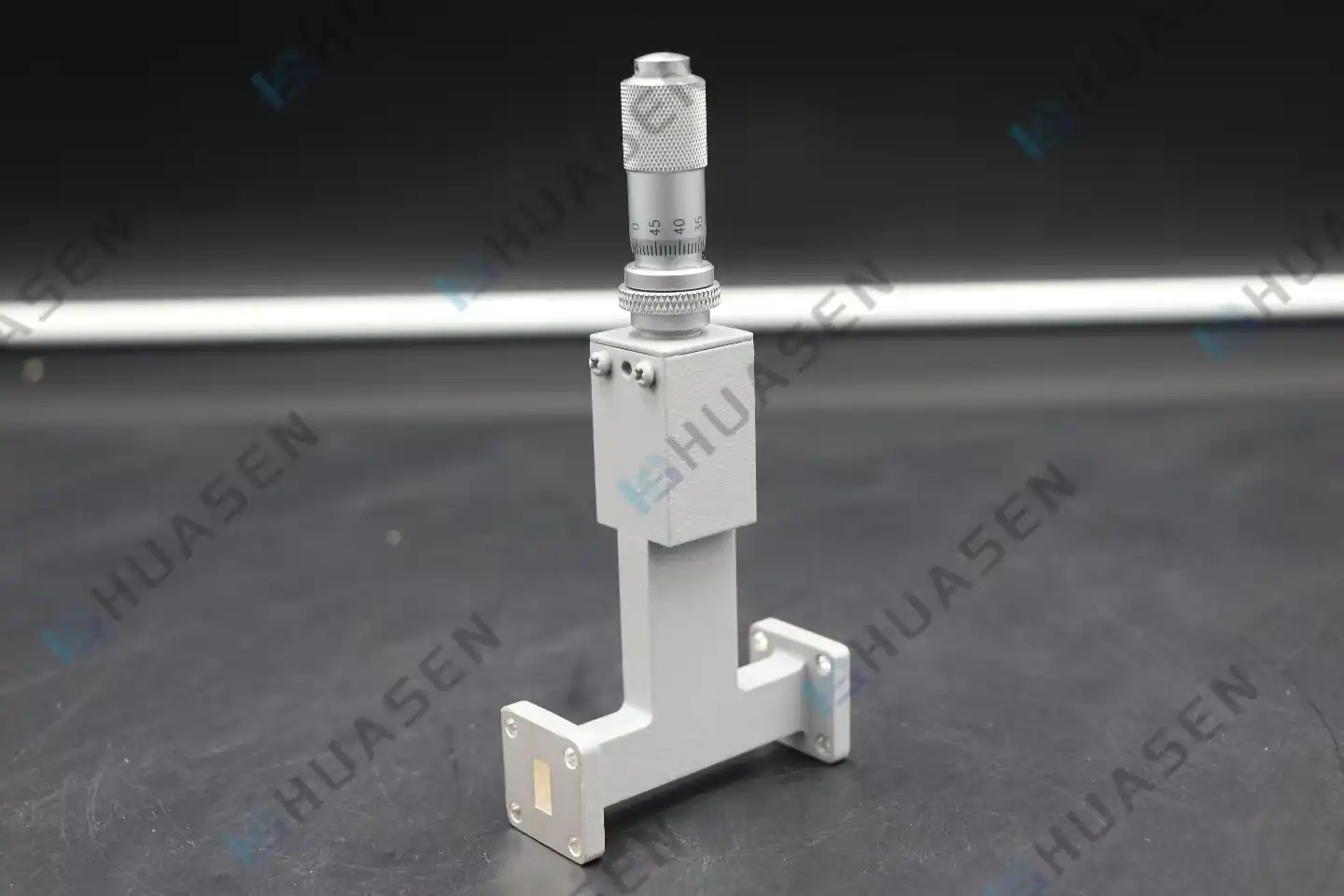
Effective Troubleshooting Techniques for Phase Error
Systematic Symptom Definition
Effective fixing starts with accurately describing the symptoms instead of replacing parts too soon. Does phase error show up in all control states, or just in certain bit combinations? Does the variation stay the same, or does it change based on temperature, power input, or time since power-on? If you can tell the difference between random and deterministic error patterns, you can focus your analysis on external factors instead of component flaws.
In the real world, a company that makes telecommunications equipment saw 5G base station arrays having sporadic beam-pointing mistakes in the afternoon. At first, it was thought that the digital phase shifter was broken, but careful testing showed that the phase error only went up when the container temperature went above 65°C. The main reason was bad thermal management, which let junction temperatures rise to 95°C, a point where semiconductor properties were not as expected. Better airflow and heat sinking fixed the problem without replacing any parts, which saved weeks of work on redesigning.
Root Cause Analysis Methodology
To find the sources of phase errors, you need to test with controlled variables that separate the hardware, external, and signal-chain effects. When tested in a temperature-controlled room with VNA tracking, thermal coefficients are shown. Input power sweeps show how compression effects change phase response. By switching suspicious parts between channels that work and channels that don't, you can tell the difference between device-specific problems and system-level problems.
We use a structured method: first, we measure phase error under normal conditions to set a standard. Then, we change one parameter in a planned way while keeping an eye on the difference. This method found a small problem in a marine SATCOM system where vibration-induced connection intermittency caused phase glitches that lasted for microseconds. Normal tests didn't pick up on these brief changes, but time-domain analysis with high-speed sampling did. The problem was fixed by switching to hooked connectors that were more resistant to shaking. This was an easy fix once the problem was properly identified.
Corrective Actions and Best Practices
There is an order for fixing known phase shifter problems, with the least invasive fixes coming first. Software calibration fixes deterministic mistakes by using adjustment factors that depend on the state and are kept in lookup tables. This method works well when the temperature stays the same, but it needs to be recalibrated every so often when the temperature changes. Adaptive methods that track phase error in real time and change drive signals to match provide better performance but need a lot of computer power.
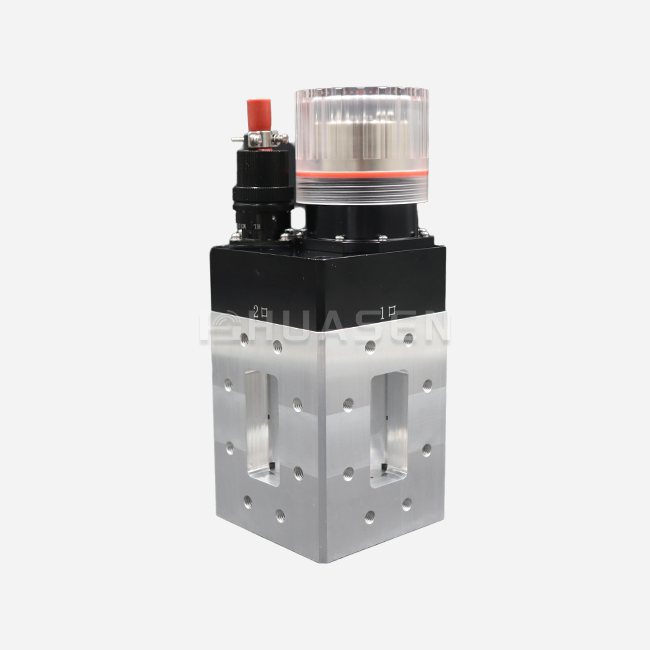
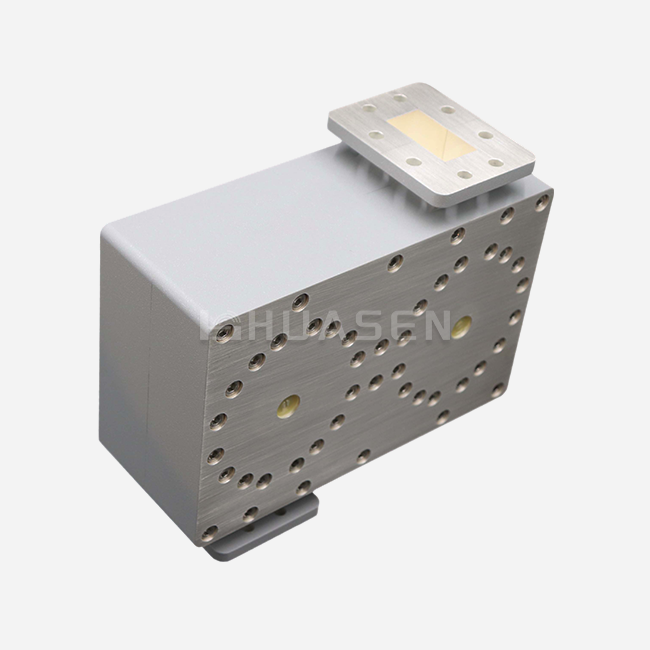
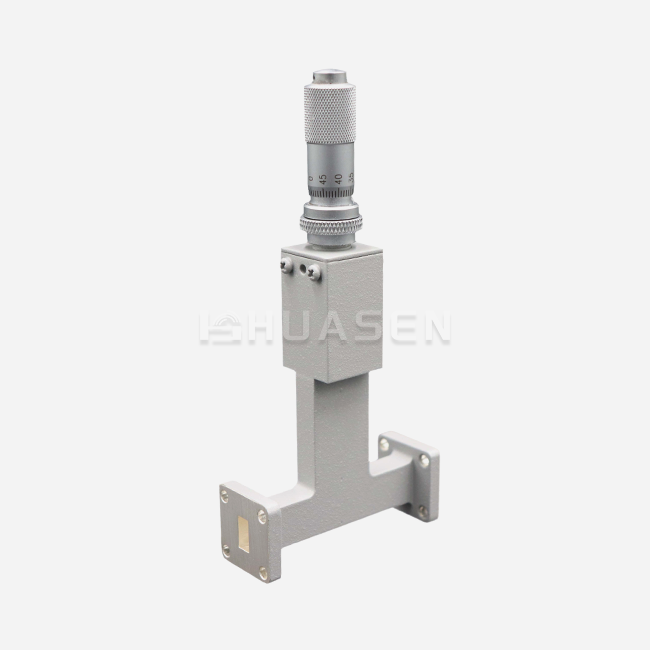
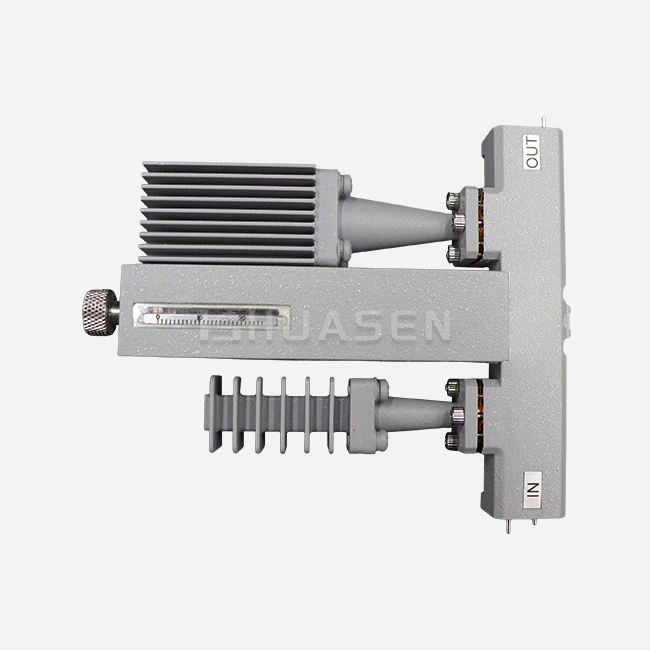
Hardware changes can include replacing parts or making the heat connection better. Putting thermal contact materials between shifter packages and heat sinks lowers the change in junction temperature. Choosing devices with a higher bit count lowers quantization error, but it makes control more difficult. When error sources can't be fixed with calibration or environmental control, the best solution is to completely redesign the system using different shifter technologies, such as a waveguide phase shifter, like switching from PIN diode to MEMS architectures.
It is more cost-effective to take preventative steps than to fix problems after they happen. Full-state VNA characterization and strict arrival checking find strange devices before they are integrated into the system. Burn-in testing at very high or very low temperatures speeds up failures that cause child death by getting rid of weak parts that would break in use. Setting phase error budgets during the planning phase makes sure that all parts of the signal chain can vary within the acceptable range. This stops cases where the total error goes over what the system needs.
Optimizing Digital Phase Shifter Performance to Minimize Phase Error
Component Selection Strategies
To find shifters with naturally low phase error, you should first look at the manufacturer's specs, which go beyond the big numbers. For waveguide phase shifters, the RMS phase error gives you statistical information, but the maximum error requirements show you the worst-case performance, which is often what sets the limits of a system. Bit resolution directly affects how hard it is to control. 6-bit waveguide phase shifters balance phase precision with control logic that is easy to understand, while 8-bit solutions are best for applications that need accuracy of less than 1 degree.
Time-multiplexed systems need to pay close attention to the switching speed requirements. GaAs FET-based designs can make changes in 20 to 50 nanoseconds, which allows TDD operation. MEMS devices, on the other hand, need 5 to 10 microseconds to work for frequency-division uses. Amplification balance is affected by insertion loss flatness across states, which is the change in signal reduction between phase sets. In all states, quality components keep the change in insertion loss below 0.5 dB, so there is no need for downstream gain correction.
Design Implementation Considerations
No matter how good the components are, PCB layout has a big effect on the actual phase accuracy. Reflections that mess up the phase response can be kept to a minimum by keeping the microstrip or stripline resistance constant along RF lines. Common-mode currents can't flow between the control and RF domains because the ground plane is always connected. Crosstalk-induced phase changes are less likely to happen when digital control wiring is at least 10 trace widths away from sensitive RF lines.
How clean the power flow is has a direct effect on how stable the switching element bias is. When low-ESR capacitors are put within 3 mm of device pins and dedicated low-dropout regulators for digital phase shifter supplies are turned off, the voltage stays stable during logic changes. In the control lines, ferrite bits reduce high-frequency noise without slowing down the switching edges. During fast prototyping, these implementation details are often missed, but they are what determine whether the theoretical performance of a component translates to correctness at the system level.
Calibration and Maintenance Protocols
Even systems that are perfectly built need to be calibrated on a regular basis to keep the phase accuracy over the course of their useful lives. The factory calibrates the original adjustment tables, but as semiconductors and passive components age, they change the phase response over time. Adding field-recalibration features through loopback test lines lets systems fix themselves without using special tools, which increases the time between maintenance checks and lowers the overall cost of ownership.
As more practical data comes in, firmware changes can be used to improve calibration algorithms, including for the waveguide phase shifter. When machine learning techniques look at phase error patterns across deployed systems, they can find small drift trends that individual units can't see. This lets maintenance be planned ahead of time, before performance problems become service-affecting. Custom module solutions that use manufacturer-specific calibration data meet stricter phase accuracy standards than general devices. However, they come at higher unit costs that need to be weighed against the needs of the application.
Conclusion
Phase error in digital phase shifters is a technical problem that can be solved with careful analysis, the right measuring tools, and the right choice of components. This article gives B2B buying teams and engineering groups useful guidelines for finding mistake sources, whether they are environmental, hardware-based, or design-related, and making specific fixes that improve system performance. Temperature control, optimizing PCB structure, and following calibration procedures all become more cost-effective ways to fix problems, often being better than replacing all the parts.
Matching phase shifter specs to application-specific needs is key to a successful RF system rollout. Keep in mind that datasheet numbers are just starting points. In the real world, success relies on the quality of the implementation, the controls in the environment, and the ability of supplier relationships to provide quick technical help. Companies that put in the time to properly qualify their components, plan for errors, and do regular recalibration protocols achieve phase accuracy levels that are hard for rivals to match. This turns technical excellence into a competitive edge.
FAQ
1. How does phase error in digital phase shifters differ from analog designs?
Digital phase shifters have quantization errors because separate phase states cause them, but analog systems have problems with noise coupling and constant voltage drift. The main benefit is that digital devices always return to the same phase values when told to be in the same state, while analog devices change phase values based on changes in temperature and control voltage. This makes digital designs better for automated test systems and phased arrays with thousands of parts that need to be in sync, even though the control logic implementation is more difficult.
2. What measurement techniques most accurately characterize phase error?
The readings from a Vector Network Analyzer (VNA) give the most complete phase error data because they show both the exact phase shift and changes that depend on frequency in all control states. To use the right method, you need to fully calibrate both ports to the device's reference planes, take readings at both the highest and lowest operational temperatures, and have enough frequency precision to see ripple. VNA data is complemented by time-domain reflectometry, which shows resistance changes that cause phase mistakes by reflecting signals.
3. Which specifications matter most when selecting shifters for high-frequency applications?
Above 20 GHz, it's very important that the insertion loss is flat across phase states, since changes in phase states directly cause mistakes in the amplitude of phased arrays. Phase resolution, which is based on bit count, needs to find a balance between accurate beam-pointing and control complexity. In time-division systems where states need to change quickly, switching speed requirements are important. Being able to handle power stops compression effects that change phase response at practical signal levels. This is especially important in radar send paths.
Partner with Huasen Microwave for Phase-Accurate RF Solutions
Huasen Microwave has been making high-precision RF and microwave parts since 1993. These parts solve the exact phase accuracy problems that are discussed in this guide. Our digital phase shifters work with frequencies from 2 to 40 GHz and have bit resolutions of 4 to 8 bits. They can achieve RMS phase errors of up to 2 degrees across a wide range of operating temperatures. Engineers at defense companies and telecom leaders rely on our shifters in 5G massive MIMO systems, airborne radar arrays, and satellite ground stations, all of which depend on phase stability for mission success.
What makes our method unique is that we provide full technical help from choosing the components to putting them in the field. Our applications team gives you personalized characterization data that is tailored to your working conditions. This takes the guesswork out of integrating your system. We can keep up with the production of both standard catalog items and unique designs that need to fit unusual frequency bands or packing needs. Every digital phase shifter maker batch meets strict phase accuracy requirements thanks to ISO 9001:2015 approval and strict quality control based on MIL-STD-883 protocols.
Email our sales team at sales@huasenmicrowave.com to talk about your unique phase error needs, get evaluation samples, or look into custom solutions for tough situations. We've been making RF components for 30 years, so we can help you with your project from the first idea to mass production, making sure your systems meet the high standards for phase accuracy that the market requires.
References
1. Microwave Journal Editorial Staff (2021). "Phase Accuracy Requirements in Modern Phased Array Systems." Microwave Journal Technical Publications, Vol. 64, pp. 42-56.
2. Bahl, I.J. (2019). "Control Components for Advanced RF and Microwave Systems." Artech House Microwave Library, Second Edition.
3. IEEE Microwave Theory and Techniques Society (2020). "Temperature Compensation Techniques for Digital Phase Shifters in 5G Infrastructure." IEEE MTT-S International Microwave Symposium Digest, pp. 1127-1130.
4. Defense Technical Information Center (2018). "MIL-STD-883 Test Method Standard: Environmental Stress Screening for RF Phase Shifters." Department of Defense Standard Practice Publication.
5. Pozar, D.M. (2022). "Microwave Engineering," Fifth Edition, Chapter 10: Phase Control Devices. Wiley Publishing.
6. Applied Microwave & Wireless Technical Journal (2023). "Root Cause Analysis of Phase Drift in GaAs and GaN Switching Architectures." Volume 35, Issue 3, pp. 18-29.
Send Inquiry