Standard gain horn antenna Performance Factors to Know






2026-05-14 21:42:03
Understanding performance factors is very important when buying precise calibration tools for checking microwaves and radio waves. A standard gain horn antenna is a measuring tool designed to give consistent, repeated gain values across a range of waveguide frequencies. Unlike broadband antennas used for general monitoring or communication, these devices are set in size to produce theoretically calculable gain levels, which are usually between 10 dBi and 25 dBi. This makes them essential for EMC testing, system verification, and laboratory calibration. The most important thing is getting rid of measuring error, which has a direct effect on how accurate tests are and how well compliance certifications work.
Understanding Standard Gain Horn Antenna Fundamentals
What Defines a Standard Gain Horn
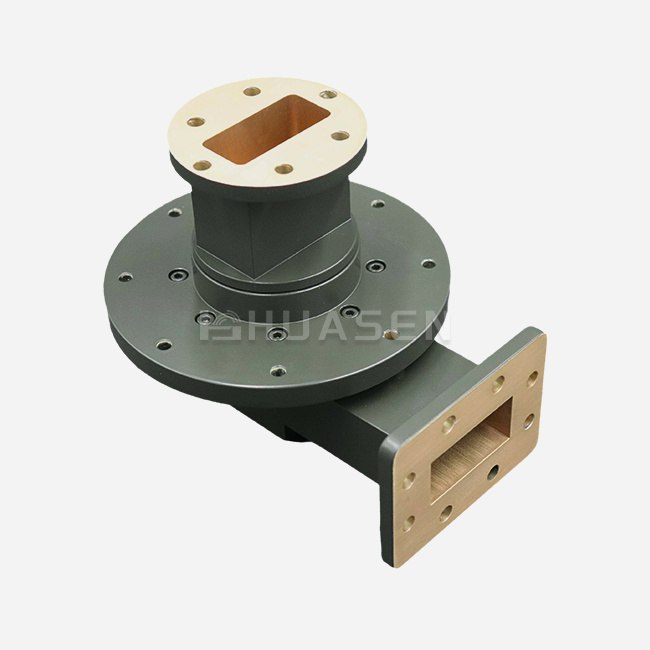
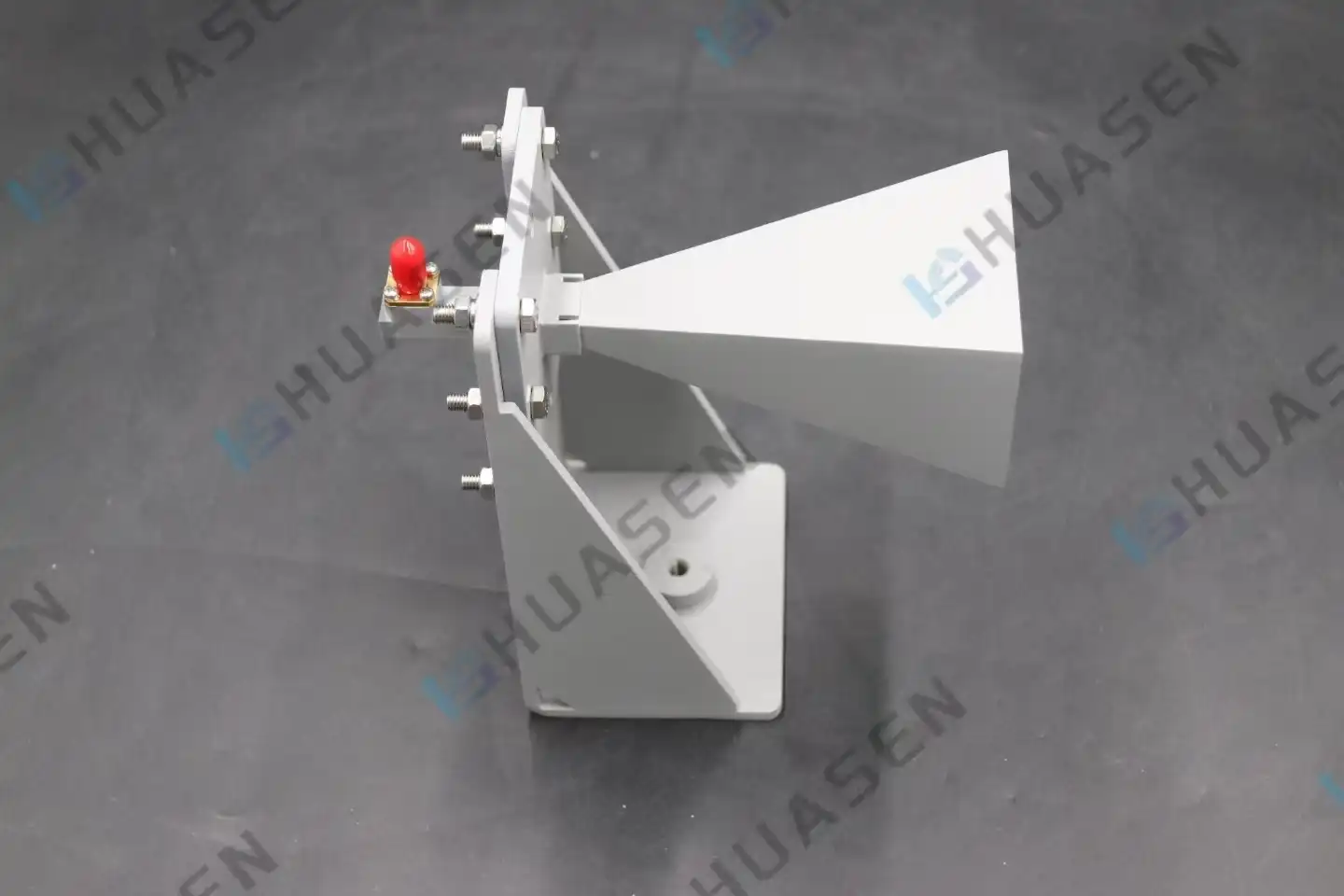
At its core, this device functions as a pyramidal or conical aperture antenna that was made using strict geometric rules. The opening width, height, and flare length are some of the physical measurements that are used to precisely calculate the gain curve. To set baselines in anechoic chambers and open-area test areas, engineers rely on this expected behavior. The antenna works in certain frequency ranges, like L-band, X-band, or K-band. Each unit covers a certain waveguide range instead of trying to cover a wide area.
Gain Calculation and Radiation Patterns
Before you can guess how well something will work, you need to know how the opening size affects electromagnetic wavelength. When the frequency inside the working band goes up, the set physical aperture's electrical size goes up in relation to the wavelength. This naturally makes the gain and direction stronger. The radiation patterns stay stable and predictable, with a main lobe that sends targeted energy and a few side lobes that cut down on disturbance. This consistency lets test engineers take accurate readings of gain-transfer when they are trying to figure out what kind of antenna something is.
Design Principles and Polarization Types
Depending on the direction of the waveguide, most units produce linear polarization that can be either horizontal or vertical. To keep the return loss low across the operating band, the flare angle and throat measurements are carefully determined. This simplicity makes measurements more accurate than dual-polarized or circularly polarized antennas. Because these devices don't have any internal dielectrics or impedance-matching networks, they can handle high amounts of power without overheating. This is a very important feature for immunity tests and high-field generation uses.
Critical Factors Affecting Performance
Frequency Range and Bandwidth Considerations
Operating speed has a direct effect on how hard the plan is to make and how accurate the measurements are. The most accurate designs are those that cover a single waveguide band, like WR-90 for X-band, which goes from 8.2 to 12.4 GHz. This is because their actual measurements are perfect for that range. When you try to increase the frequency, you get gain ripple and phase errors. When your application needs coverage across multiple bands, buying different units for each band gives you more accurate results than broad options.
Radiation Pattern Stability and Beamwidth
How tightly energy is directed is set by the half-power beamwidth. Narrower beamwidths focus RF power into smaller solid angles, which increases gain but makes testing more difficult because the components need to be aligned more precisely. When you have to do the same testing jobs over and over, pattern stability across the frequency range is very important. Pattern imbalance or changes in the level of the side lobes are signs of manufacturing flaws or problems with the dimensions. When the standard gain horn antenna is used as a feed source for compact antenna test ranges (CATR) or to make uniform field zones for EMC testing, these features become very important.
Physical Dimensions and Material Selection
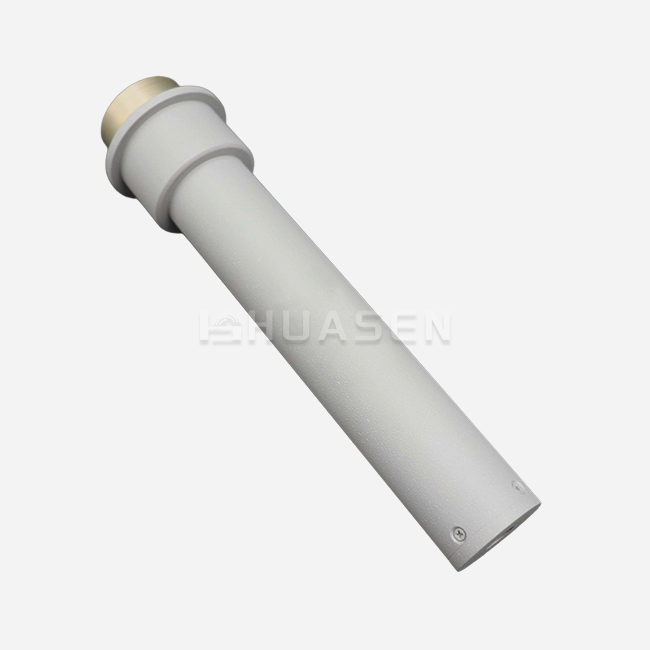
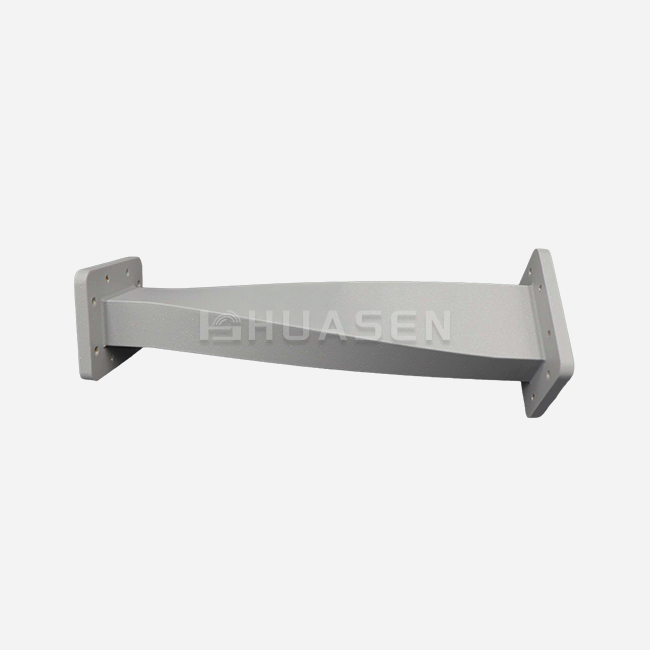
Gain and beamwidth are directly related to aperture size. At a given frequency, wider apertures produce higher gain and smaller beams. But antenna size is often limited by the space available in test rooms or mounting systems. How long something lasts and how stable it is over time depend on what it's made of. Aluminum alloys are the most common because they have good strength-to-weight ratios and are easy to machine. However, gold plating and other surface treatments keep them from oxidizing, which could change their electrical performance over time. The flange requirements must match the waveguide connections you already have. Common standards include UG, WR, and CPR designations.
Environmental Resilience and Mounting Effects
There aren't as many problems in the lab as there are in the field, but temperature cycling and humidity still have an effect on performance. Changes in dimensions caused by temperature have a small effect on gain curves, but quality units give thermal coefficients. For outdoor or marine uses, weatherproof designs with protective radomes are needed, but these covers cause changes in VSWR and insertion loss. Pattern distortion is affected by the design of the mounting bracket. Supports that block the opening or add metallic reflections near the antenna make the pattern less pure and the measurement less accurate.
Comparing Standard Gain Horn Antennas with Other Antenna Types
Standard Gain Horns Versus Wideband Ridge Horns
Ridge-loaded horns increase the bandwidth that can be used by adding curved surfaces or internal ridges, but they give up the straight lines that are needed for accurate gain calculations. Standard gain horn antenna setups use a smooth-walled pyramidal shape, which lets engineers guess how well something will work just by looking at it. Ridge horns have more gain noise over a bigger frequency range, which causes an error that doesn't work with the needs for calibration. The option you choose relies on whether you value measurement traceability more than bandwidth freedom.
Pyramidal Horns and Conical Variants
When polarization purity is important, pyramidal designs with rectangular openings work well because the rectangular waveguide keeps the field direction. Conical horns with round holes in them make shapes that are rotationally symmetric, which can be useful for some RCS measurement tasks. Both can reach standard-gain state if they are made with exact dimensional limits, but pyramidal types are better at controlling polarization for EMC and antenna range tuning.
When to Choose High Gain Over Standard Gain
For versions with high gain, flare lengths are longer, or openings are bigger, which raises the gain number above 25 dBi. When link costs require maximum signal concentration or when far-field distance needs to be lowered in facilities with limited room, these are needed. The trade-off is bigger and heavier, and the beamwidths are smaller, which makes synchronization harder. This level of complexity is needed for things like satellite ground terminals or long-range point-to-point links. However, for everyday calibration jobs, simpler units with a moderate gain are better because they match performance with usability.
How to Test and Verify Standard Gain Horn Antenna Performance
Gain Measurement Procedures
To check the gain correctly, you need to compare the received power of the gadget being tested to a reference antenna in a controlled setting. For the replacement method, you send from a stable source, use your standard gain horn antenna to measure the power you receive, and then swap it out for a reference and write down the power difference. This method gets rid of path loss factors. For far-field conditions to be met, the measurement distance must be greater than 2D²/λ, where D is the biggest aperture diameter and λ is the wavelength. To work closer, you have to do math to transform from near-field to far-field.
VSWR and Return Loss Verification
The voltage standing wave ratio shows how well RF energy couples into the receiver. Values below 1.5:1 across the working band are common for quality units, which means that the return loss is better than 14 dB. A vector network analyzer hooked up to the antenna's input flange can be used to find this out. High VSWR at certain frequencies could mean that there are mistakes in the dimensions or problems with the way the connectors join. According to ISO 17025 rules, recalibration every one to three years stops measurement errors caused by wear on the connectors or surface rust.
Pattern Measurement and Sidelobe Analysis
To make a map of the whole radiation pattern, you have to move the antenna through the horizontal and elevation lines while keeping track of the received signal strength. The main lobe should have a smooth rolloff from its highest point to the first null. The sidelobe levels should be about 20 to 30 dB lower than the main beam. Asymmetries or nulls that don't make sense are signs of internal problems. Pattern readings take a lot of time, but they are necessary to set up the antenna as a facility reference or figure out why test results were not what they should have been.
Procurement Considerations for B2B Clients
Evaluating Supplier Capabilities
To find a trustworthy standard gain horn antenna provider, you need to look at how well they make the products, how well they record the quality, and how much technical help they offer. Established companies keep limits of ±0.001 inches for important opening sizes, which has a direct effect on the accuracy of the gain. Ask for calibration certificates that can be tracked back to national standards labs, and list the gain values at a range of frequencies. When suppliers offer custom frequency ranges, bolt types, or power handling specs, it shows that they are flexible engineers, which is important for unique uses.
Certification and Compliance Requirements
MIL-STD compliance is often needed for military and aircraft projects. This means that the products have to go through a lot of outdoor tests, such as being exposed to changing temperatures, vibrations, and humidity. Commercial telecommunications may put a high priority on following the RoHS rules about dangerous substances. Getting ISO 9001 approval means that your quality control system is mature. Knowing the rules that apply to your project ahead of time makes it easier to find suppliers. Buying from vendors who keep these certifications lowers your risk and speeds up the approval process.
Customization Versus Off-the-Shelf Solutions
Standard catalogue items work with most waveguide bands and gain levels, and they cost less per unit and have faster lead times. Custom designs are made to solve specific problems, like those that involve non-standard frequency ranges, special flange connections, or tracking sensors that are built in. The choice depends on how long the project will take and how well it will be done. Custom units usually take 8 to 12 weeks to validate the plan and be built, while stock things can be shipped within days. Standardized designs may be better for saving money, but they may not work as well and need system-level fixes that cost more in the long run.
Lead Times and Pricing Dynamics
Unit prices change a lot depending on the frequency range, gain level, and number of units made. X-band units may cost between $800 and $2,250, but millimeter-wave models cost more than $5,000 because they have to be made with tighter standards. When you buy more than one unit to standardize your building, you can get a discount. When defense contracts or internet infrastructure projects use up all the manufacturing capacity, lead times get longer. Having ties with several qualified providers lowers the risks in the supply chain.
Reliable makers set themselves apart by offering expert advice during the development of specifications. In addition to the gear itself, being able to look at your test setup plans and suggest the best gain levels or mounting arrangements adds value. Sample programs that let you test something before you buy it lower the risk of buying something, especially for big sales or first-time uses. Long-term measurement trust is ensured by support after delivery, such as help interpreting calibration data and fixing problems.
Conclusion
When choosing the right measurement standard, you need to pay close attention to the frequency needs, the gain needs, and the weather conditions. Standard gain horn antennas provide the reliable performance needed for setting up traceability in radio ranges, EMC test sites, and conditions for system validation. Measuring accurately depends on how precise the dimensions are, so the production skills and quality paperwork of the supplier are just as important as the main specs. Your buying team will be able to make smart choices that support the integrity of the calibration over time and regulatory compliance if they know how physical factors affect the characteristics of the radiation and how bandwidth and accuracy are related.
FAQ
1. What frequency bands do these antennas typically cover?
Each unit is built for a particular waveguide band, so it can cover frequencies from L-band (1-2 GHz) to millimeter waves above 110 GHz. The X-band (8.2-12.4 GHz), Ku-band (12.4-18 GHz), and K-band (18-26.5 GHz) bands are all common. If you try to operate outside the set band, you will lose accuracy in your gain and pattern stability.
2. How does gain measurement differ from gain specification?
The specified gain is based on theoretical numbers that were found by using well-known formulas to calculate the aperture measurements. The measured gain takes into account production flaws and imperfections in the material. For quality units, it usually matches specs to within ±0.5 dB. Calibration papers show the real performance across the frequency range that was recorded.
3. Can I use these antennas outdoors without protective enclosures?
It is possible to use the device outside for short periods of time for field readings, but the environment speeds up the loss of performance. When moisture gets into the waveguide parts, it changes the resistance properties. Protective radomes allow for stable placement outside, but they cause insertion loss and VSWR changes that need to be fixed in the system. Long-term security is best when the lab is kept inside.
4. What power levels can these devices handle safely?
How much power a waveguide can handle depends on its size and frequency. Continuous wave (CW) power for X-band units is usually between 1 and 2 kW, and peak pulse power can be between 10 and 50 kW. Since there are no internal dielectrics, patch or microstrip antennas can't fail in the ways that they usually do. At sea level, field strengths of about 30 kV/cm cause air breakdown, which limits the maximum power that can be used.
Partner with Huasen Microwave for Precision Antenna Solutions
With more than 30 years of experience in RF and microwave engineering, Huasen Microwave can handle even the most difficult tuning and testing tasks. As a standard gain horn antenna maker, we can make antennas with custom frequency bands from 1 GHz to 110 GHz, flange connections that fit your needs, and power handling specs that meet your immunity testing needs. We help buying teams make the right choice by giving them design advice, calibration data before shipping, and sample evaluation programs that make things less uncertain before they commit to large orders. Get in touch with our engineering team at sales@huasenmicrowave.com to talk about your unique measurement problems and get antenna suggestions based on ISO-certified production methods.
References
1. Balanis, C.A. (2016). Antenna Theory: Analysis and Design, 4th Edition. John Wiley & Sons, Hoboken, NJ.
2. Institute of Electrical and Electronics Engineers (2013). IEEE Standard for Definitions of Terms for Antennas, IEEE Std 145-2013.
3. Hollis, J.S., Lyon, T.J., and Clayton, L. (1970). Microwave Antenna Measurements, Scientific-Atlanta, Inc., Technical Report.
4. Newell, A.C. (1988). Error Analysis Techniques for Planar Near-Field Measurements, National Institute of Standards and Technology, NIST Technical Note 1508.
5. Milligan, T.A. (2005). Modern Antenna Design, 2nd Edition. IEEE Press, Wiley-Interscience, Hoboken, NJ.
6. International Electrotechnical Commission (2010). Electromagnetic Compatibility - Testing and Measurement Techniques - Radiated Immunity Test, IEC 61000-4-3 Standard.
Send Inquiry