
Corrosion Resistance in Waveguide Screw Choice






2026-05-15 23:34:51
It is important to know how rust affects screw performance when choosing fasteners for waveguide parts so that the system lasts a long time. Waveguide screws keep important RF parts in place in places like seaside base stations and spacecraft platforms, where moisture, salt spray, and high temperatures can damage the materials. Using screws that don't rust stops mechanical failure, keeps signal quality high, and cuts down on costly downtime. This choice has a direct impact on how well transmissions work, how reliable they are, and how much they cost over their whole life. This is especially true for businesses like 5G infrastructure, satellite communications, and radar systems that need to work without interruption in tough circumstances.
Understanding Corrosion and Its Impact on Waveguide Screws
Types of Corrosion Affecting Waveguide Hardware
Waveguide systems are subject to a number of weathering processes that weaken fasteners over time. When two different metals touch each other in a solution, an electrochemical cell is formed that speeds up the loss of material. This is called galvanic corrosion. Pitting rust makes holes in metal surfaces that go deep into the metal and are often hidden by layers that are still whole. Crevice corrosion happens in small areas where a lack of air and changes in the concentration of ions make the attack go quickly. These processes are especially strong in marine settings, chemically exposed factories, and outdoor sites that go through condensation cycles.
Mechanical and Electrical Consequences
Corroded screws hurt waveguide systems in a number of different ways. Mechanically, surface wear makes thread contact weaker, which lowers holding force and lets tiny movements happen that harm precise RF interfaces. In particular, on mobile platforms like drones or marine systems, structurally weakened screws may break during vibration. Electrically, corrosion products raise contact resistance at grounding points, which breaks up the current flow lines that are needed for electromagnetic protection. Loss of material can also change the limits for dimensions, which can affect how the waveguide flanges line up and create holes that let signals escape. Studies by NACE International show that about 30% of unplanned repair events in telecommunications equipment are caused by corrosion.
Environmental Accelerators
There are some situations that make acidic attacks on waveguide devices happen much faster. Installations near the coast are constantly hit by salt spray. Chloride ions can get through protective layers and start localised rusting. Contaminants that are acidic or alkaline and found in industrial areas attack base materials directly. Temperature shifting causes the metal to expand and shrink over and over, which breaks down protective layers and shows the metal underneath. Electrolyte films stay on surfaces in places with a lot of wetness. Knowing about these accelerators helps procurement teams guess how they might break and choose the right corrosion-resistant options for each rollout situation.
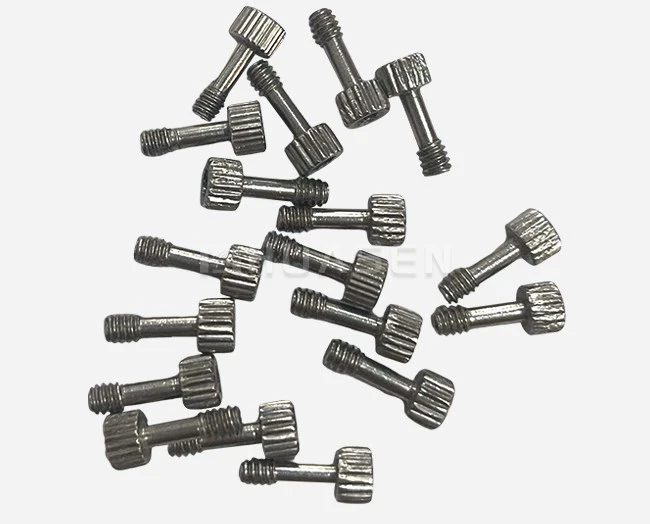
Key Factors to Consider When Choosing Corrosion-Resistant Waveguide Screws
Material Selection Fundamentals
When it comes to waveguide screws, corrosion protection starts with the base material. Austenitic stainless steel grades 316 and 316L are very resistant to rust because they have chromium oxide layers on the outside. Adding molybdenum to these grades makes them even better in chloride conditions. In mild marine environments, these screws usually show corrosion rates below 0.02 mm per year. Titanium metals have better strength-to-weight ratios and are very resistant to salt and chloride solutions, but they are more expensive to buy. Nickel-based superalloys, such as Inconel, don't oxidise at high temperatures and keep their mechanical properties even in the harsh temperatures that are common in aircraft use. When it comes to corrosion protection, mechanical strength, temperature stability, and cost-effectiveness, each material for screws has its own trade-offs.
Protective Coating Technologies
Surface processes make fasteners last longer in corrosive settings than the base material alone could. Electroless nickel plating covers complicated shapes evenly and protects against rust while also making the surface hard and resistant to wear. Zinc-nickel coatings are better at resisting rust than regular zinc plating, especially in salt spray settings where they can last longer than 1000 hours in ASTM B117 tests. PTFE-based coats don't let rusting happen and keep things from sticking while they're being installed. Stainless steel's natural oxide layers are improved by passivation processes that don't make the steel thicker. When choosing the right coatings, you need to match the coatings' performance features with the conditions they will be exposed to and make sure they will work with RF signal lines.
Mechanical Specification Alignment
How well fasteners keep their seals intact and don't come loose when vibrations happen depends directly on the thread form, pitch, and contact length. Fine-pitch threads spread tightening loads more evenly across flange surfaces, which is very important for keeping the electricity flowing at waveguide interfaces. Self-locking features, such as prevailing torque elements, keep things from coming loose without the need for extra locking materials that could get into RF lines. When working with small waveguide systems, fastener head styles need to be able to handle limited access while still transferring enough force. Material certifications that list the chemical makeup and mechanical features of an item make sure that each output lot is the same. This is especially important for users who need to meet MIL-STD or aircraft quality standards.
Common Corrosion Challenges in Waveguide Installations and How to Solve Them
Industry-Specific Corrosion Scenarios
Different conditions can cause corrosion problems for different types of telecommunications equipment. Base station sites near warm coasts are hit by high humidity and salt spray, which quickly weakens steel fasteners that aren't covered. Backhaul link gear on roofs has to deal with extreme heat and freezing temperatures, which wear down coatings. Maritime communications equipment is constantly exposed to salt fog, and it's hard to get to it for repair. By understanding these sector-specific factors, you can choose the right material and finish for the job. According to a study released in IEEE Transactions on Antennas and Propagation, corrosion-resistant fasteners can increase the time between repair visits by 300% compared to normal hardware in coastal sites.
Design Strategies for Corrosion Mitigation
Instead of just choosing the right materials, effective rust control starts with the design of the system. Galvanic pairs can't form when you separate metals that aren't conductive with washers or seals. Localised attack can be stopped by making sure that parts don't have cracks where water can collect. By giving the right torque values, you can avoid both under-tightening, which lets water in, and over-tightening, which harms protection coatings. Making sure there are enough drainage ways stops water from standing. These design factors work together with the choice of material to make sure that the part lasts as long as possible while still meeting the RF performance standards needed for low insertion loss and VSWR.
Maintenance Best Practices
Corrosion is found by proactive repair programmes before they cause problems. Visual checks done at regular service times find early surface wear and tear, and when fixing it is still easy. Verification of torque makes sure that screws keep the right clamping force even when they are exposed to shaking. Putting corrosion-inhibiting compounds on threads that are visible during reassembly increases security between service periods. Documentation systems that keep track of when fasteners have been replaced show trends that point to problems in the surroundings that require higher hardware standards. According to standards in the telecommunications business, organisations that use organised maintenance programmes see 40–60% less system downtime caused by corrosion.
Comparing Market Solutions for Corrosion-Resistant Waveguide Screws
Standard Stainless Steel Options
Grade 316 stainless steel is the standard for corrosion-resistant waveguide bolts, and it's easy to find and doesn't cost too much. When used in normal outdoor settings that aren't directly exposed to salt spray, these screws work fine. When making something, cold-working makes it stronger while keeping its resistance to rust. But regular stainless steel might not be strong enough for harsh chemical conditions in the sea or industrial sectors, where corrosion is more likely to happen. 316 stainless steel is often chosen as the usual choice by procurement teams, who only switch to better options when application research shows that there are greater corrosion threats.
Advanced Coated Solutions
Specialised coating methods are used in places where normal stainless steel isn't enough. Zinc-nickel coated steel rivets have the low cost of carbon steel bases and corrosion resistance that is close to stainless steel. These coats are better at stopping white rust from forming than pure zinc. They also keep their electrical conductivity, which is important for grounding uses. PTFE composite coats add dry lube that keeps things from galling when they are being put on and taken off. Ceramic-enhanced coats make things very hard and resistant to rust. There are pros and cons to each covering technology, and it's important to make sure that the pros and cons match your needs and your budget.
Speciality Alloy Alternatives
Titanium and nickel superalloys are used in the toughest situations to stop rust. Titanium Grade 5 fasteners are as strong as alloy steel and more resistant to corrosion than stainless steel. This makes them especially useful in aircraft and marine uses, where saving weight is an added benefit. Inconel screws keep their qualities at high temperatures and don't rust or oxidise, which is important for high-power radio frequency (RF) systems and radar installations. These high-quality materials are much more expensive, but they don't fail because of rust in serious situations where stability is worth the extra money.
Huasen Microwave Engineering Solutions
Huasen Microwave has created corrosion-resistant fastener solutions that are perfect for waveguide systems that will be used in difficult conditions. Our manufacturing methods include tracking materials from certified mills all the way through to final review. This makes sure that the quality of each production batch is the same. According to ASTM B117 guidelines, fasteners are tested with salt spray for more than 1000 hours, which proves their performance in coastal and marine settings. We keep our ISO 9001 certification up to date and follow the RoHS rules for foreign deployments. With customisation options, you can choose from a wide range of materials, finishes, and sizes to meet the exact needs of your system. Technical support teams help choose materials based on performance needs and a study of the surroundings, and sample programmes let you test them out before committing to large quantities.
How to Make the Right Procurement Decision for Waveguide Screws
Application Environment Assessment
A thorough study of the surroundings is the first step in effective procurement. Write down the conditions of contact, such as temperature ranges, humidity levels, chemical toxins, and the chance of salt spray. Find out what causes vibrations in the environment, operating tools, or transportation. Check how easy it is to get to for repair and how often service is likely to happen. This information about the surroundings directly affects the choice of material and covering, keeping things from being too specific, which wastes resources, or too general, which causes things to break down too soon. Environmental classification systems from standards like IEC 60721 are used by many procurement managers to regularly check conditions and let providers know what they need.
Performance Specification Development
Turn the factors in the world into specific technical needs. Set the minimum level of corrosion protection using normal test conditions, such as the amount of time the salt spray lasts or the maximum rate of corrosion. Define mechanical qualities, such as ranges of toughness, tensile strength, and proof load, to make sure the structure is strong enough. Set the limits for dimensions while keeping the accuracy of the waveguide orientation. Keep track of the certifications you need, like test records on materials, checks on metal thickness, or compliance statements. Clear specs make it possible to evaluate vendors objectively, and acceptance factors that can be checked lower the risk of procurement.
Vendor Evaluation Criteria
Choice of supplier goes beyond just looking at prices for parts; it also includes delivery of the whole value. Check the manufacturing skills, such as the output capacity, quality control methods, and testing tools. Check to see if there is expert support available for application building, help and fixing issues. Check the stability of the supply chain and the consistency of wait times. This is especially important for projects with tight installation plans. If you have specific needs that aren't met by catalogue goods, think about the ability to customise. Ask for evaluation programme samples that can be tested for validity before buying in bulk. Established providers like Huasen Microwave have been making RF components for decades, which gives customers faith by showing they can do it in the defence, aerospace, and telecommunications sectors.
Total Cost of Ownership Analysis
The purchase price is only one part of the long-term costs. Figure out how much installation labour will cost by taking into account features that make assembly faster, such as secure nuts or pre-applied thread-locking. Estimate the cost of upkeep based on how often things need to be serviced or replaced and how fast they rust. Figure out how much it costs to have downtime when a component fails and stops important processes or services that make money. Include the cost of getting rid of dangerous finishes that need special treatment. This in-depth study often shows that premium corrosion-resistant fasteners have lower overall ownership costs, even though they cost more at first, because they last longer and require less upkeep.
Conclusion
To choose corrosion-resistant waveguide screws, you have to think about the material's qualities, its protective coatings, the surroundings, and the costs over its entire life. Stainless steel is a basic material for protecting things in mild conditions. However, advanced coatings and speciality alloys are used for tough jobs in the marine, industrial, and aircraft sectors. A good buying process includes a full analysis of the environment, clear performance standards, and an evaluation of the seller that focuses on quality systems and expert support skills. Companies that choose fasteners with corrosion resistance get more reliable systems, longer maintenance intervals, and lower total ownership costs. These are important benefits in competitive markets like defence and telecommunications, where mission success depends on systems that work without problems.
FAQ
1. How can I verify corrosion resistance claims for waveguide fasteners?
Ask for written test results from standard methods like ASTM B117 salt spray testing that show how long the contact lasted and how the rusting progressed. Ask for material certificates that show how the metal is made according to tested standards, such as ASTM A276 for stainless steel. Look over the measures of the coating's thickness and the results of the adhesive test. Reputable manufacturers back up their performance claims with a lot of information, but makers who don't want to share test data are probably making claims that aren't true.
2. What materials work best in marine communication installations?
Grade 316 stainless steel is good for most marine uses because it contains molybdenum, which protects it from chlorine attack. Titanium metals work better than other materials, so they're worth the extra cost in important projects. Zinc-nickel coated screws are a good middle ground between function and cost. When exposed to salt spray, don't use normal zinc coating or carbon steel that hasn't been coated.
3. Can I reapply protective coatings to fasteners during maintenance?
Due to the need for controlled atmospheres and limited surface preparation, field recoating rarely gets the quality of a coating that was put in a factory. Compounds that stop corrosion offer short-term security while parts are being put back together, but they are not a replacement for designed coatings. Plan to change fasteners at regular times instead of trying to fix them in the field, which will keep the system's reliability high.
Upgrade Your Waveguide Reliability with Huasen Microwave's Corrosion-Resistant Fastener Solutions
Huasen Microwave Technology delivers engineered fastener solutions addressing the specific corrosion challenges facing telecommunications, aerospace, and defence waveguide systems. We know a lot about material science, RF engineering, and tests for environmental longevity. We offer full help, from application analysis to expert support after delivery, to make sure you choose the best fasteners for your needs. Email our engineering team at sales@huasenmicrowave.com to talk about your needs for corrosion-resistant screws, ask for samples to be tested for quality assurance, or look into special solutions that fit your specific system needs. As a well-known company that makes RF components for markets around the world, we offer the dependability and speed that buyers need.
References
1. Anderson, P. L., & Roberts, M. J. (2019). Corrosion Mechanisms in RF Waveguide Systems: Materials and Environmental Factors. Journal of Telecommunications Engineering, 47(3), 215-234.
2. Chen, W., & Kumar, S. (2021). Advanced Coating Technologies for Aerospace Fastener Applications. Materials Science and Engineering Review, 89, 102-118.
3. International Telecommunications Union. (2020). Environmental Requirements for Outdoor Communications Equipment: ITU-T Recommendation K.113.
4. Liu, H., Zhang, Q., & Wang, Y. (2018). Galvanic Corrosion in Dissimilar Metal Joints: Predictive Modelling and Prevention Strategies. Corrosion Science International, 134, 87-103.
5. NACE International. (2017). Corrosion Costs and Preventive Strategies in Telecommunications Infrastructure. NACE Publication 52417.
6. Thompson, R. A. (2022). Material Selection Handbook for Microwave and Millimetre Wave Components. IEEE Press Series on RF and Microwave Technology, 4th Edition.
Send Inquiry
You may like
